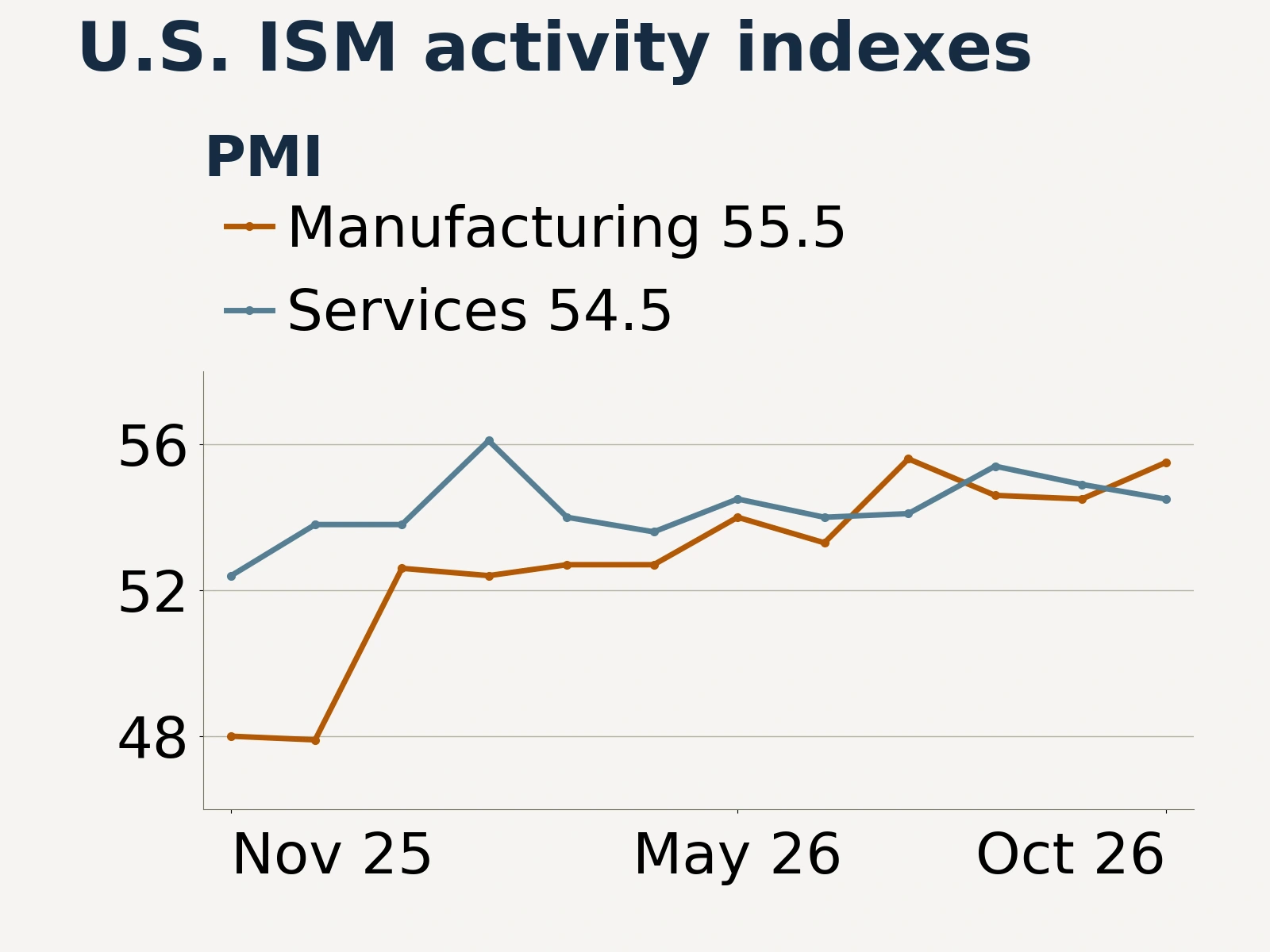
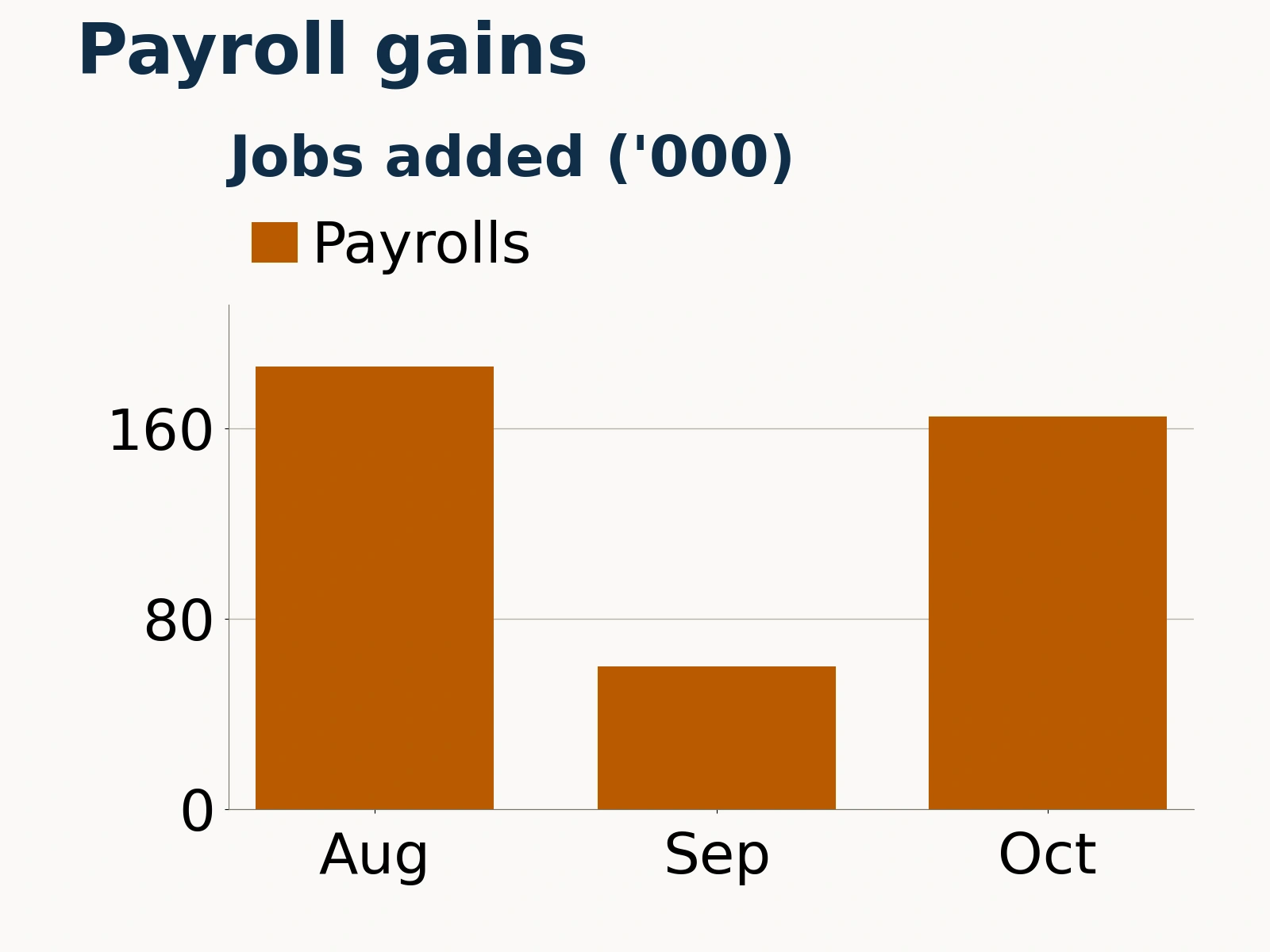
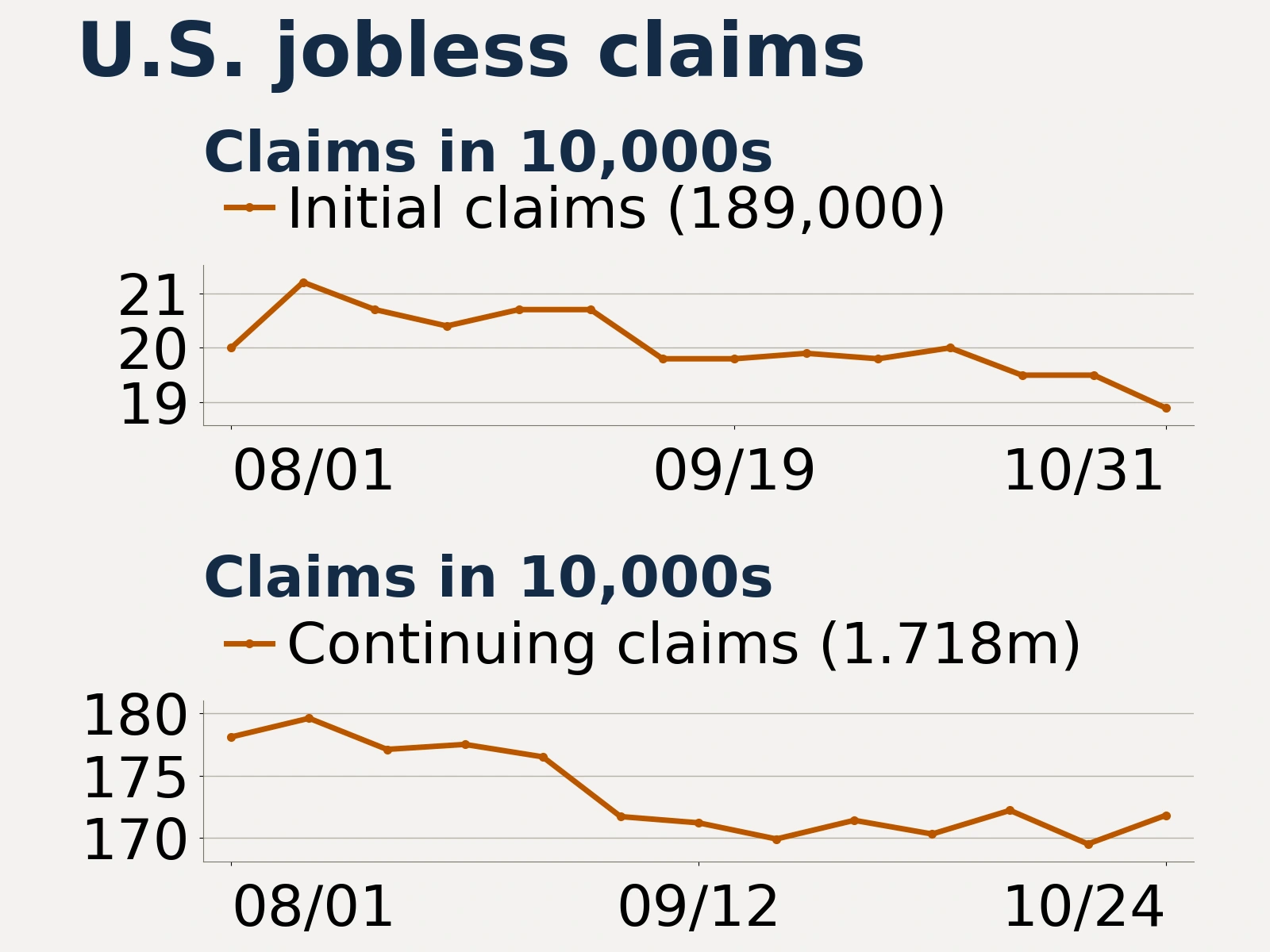
On November 9, 2026, Richmond Fed President Tom Barkin told the Chamber of Commerce in Greer, South Carolina, that U.S. demand remained healthy, inflation was still elevated and the direction for monetary policy was relatively clear. Risks to the demand outlook, however, called for caution. The New York Fed’s consumer survey, released the same day, showed that household inflation expectations held steady while concerns about employment and debt payments grew. The Fed’s central challenge is to curb businesses’ willingness to keep passing on higher costs without choking off still-resilient demand too quickly.
On October 28, the Federal Open Market Committee (FOMC) kept the federal funds target range at 3.75%–4.00%. Two members favored a 25-basis-point increase. That split provides the backdrop for Barkin’s latest remarks. Upside inflation risks still make a case for further tightening, while the pace of any moves will depend on how demand and employment evolve.
Businesses plan further cost pass-through as households grow more worried about unemployment and missed payments

Barkin’s assessment of inflation risk rests largely on what businesses and households are doing. Healthy profits support business investment and demand for workers, while stable employment and the wealth effects of asset prices support household spending. At the same time, businesses widely report rising costs for health insurance, energy and transportation and plan to keep passing on to end customers some of the costs they previously absorbed. In Barkin’s view, if aggregate demand stays on its current path, the risks to the Fed’s dual mandate will tilt toward inflation. The policy focus thus extends from higher energy prices to how long businesses can keep raising prices and how much consumers can absorb.
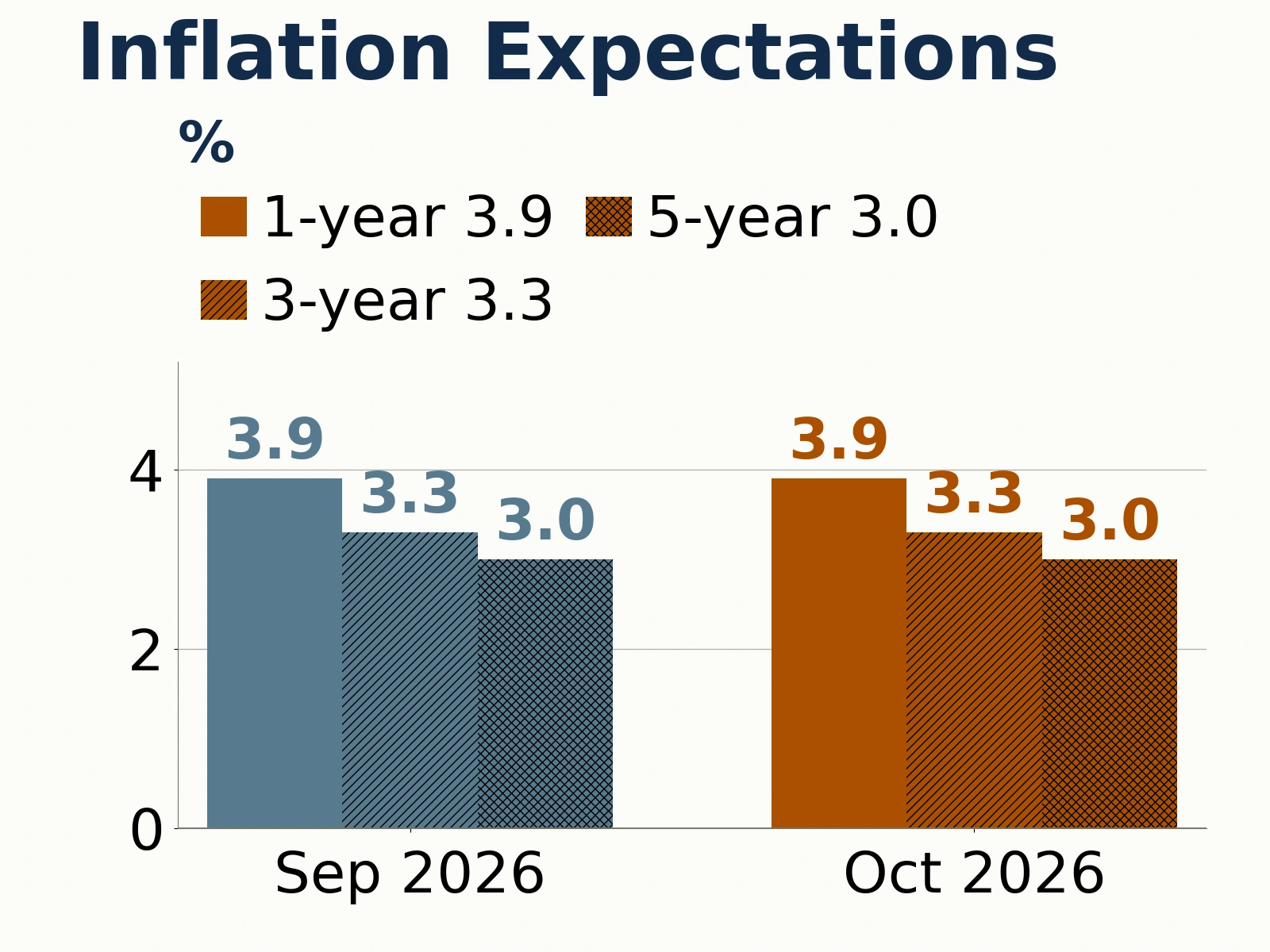
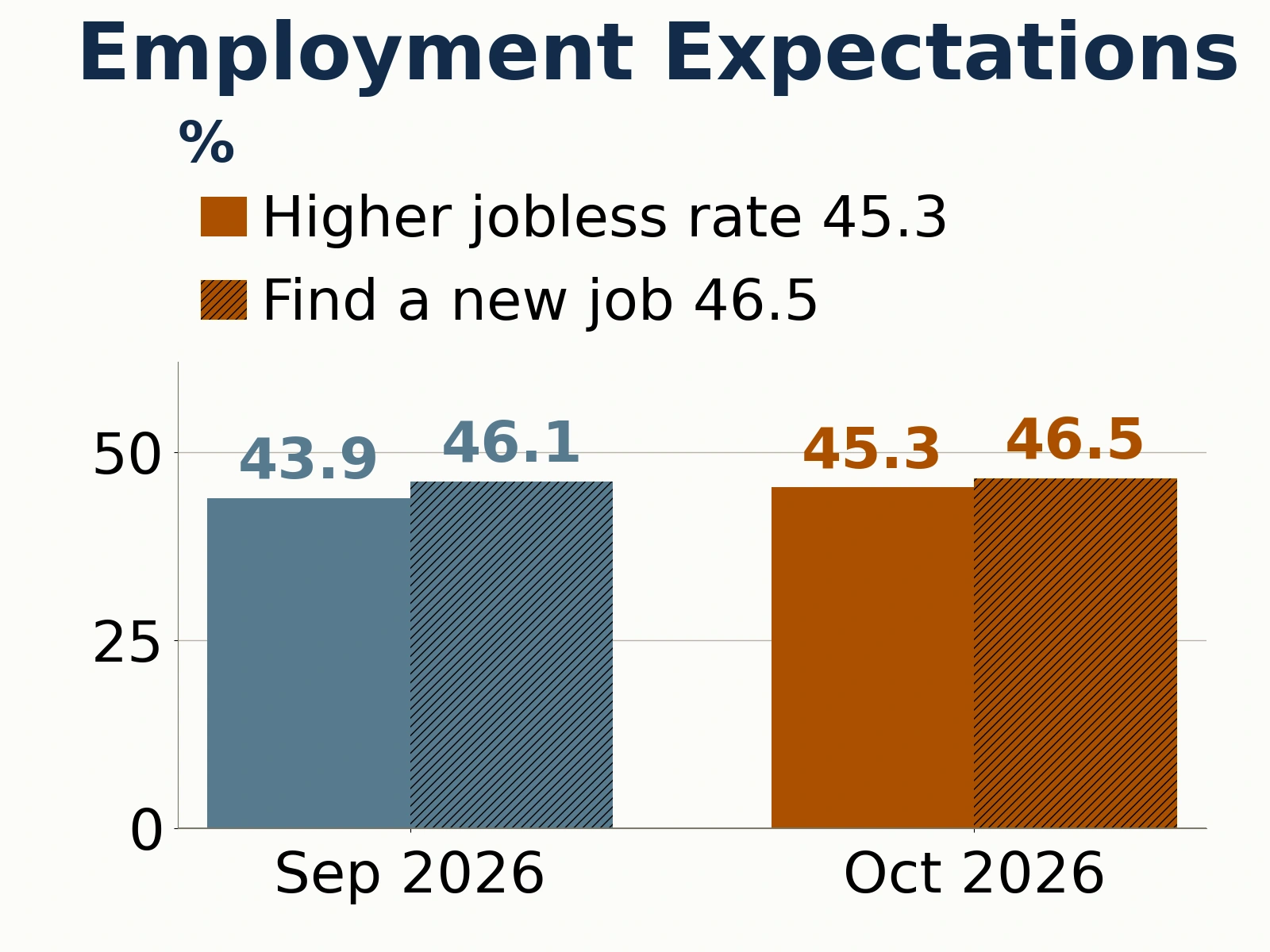
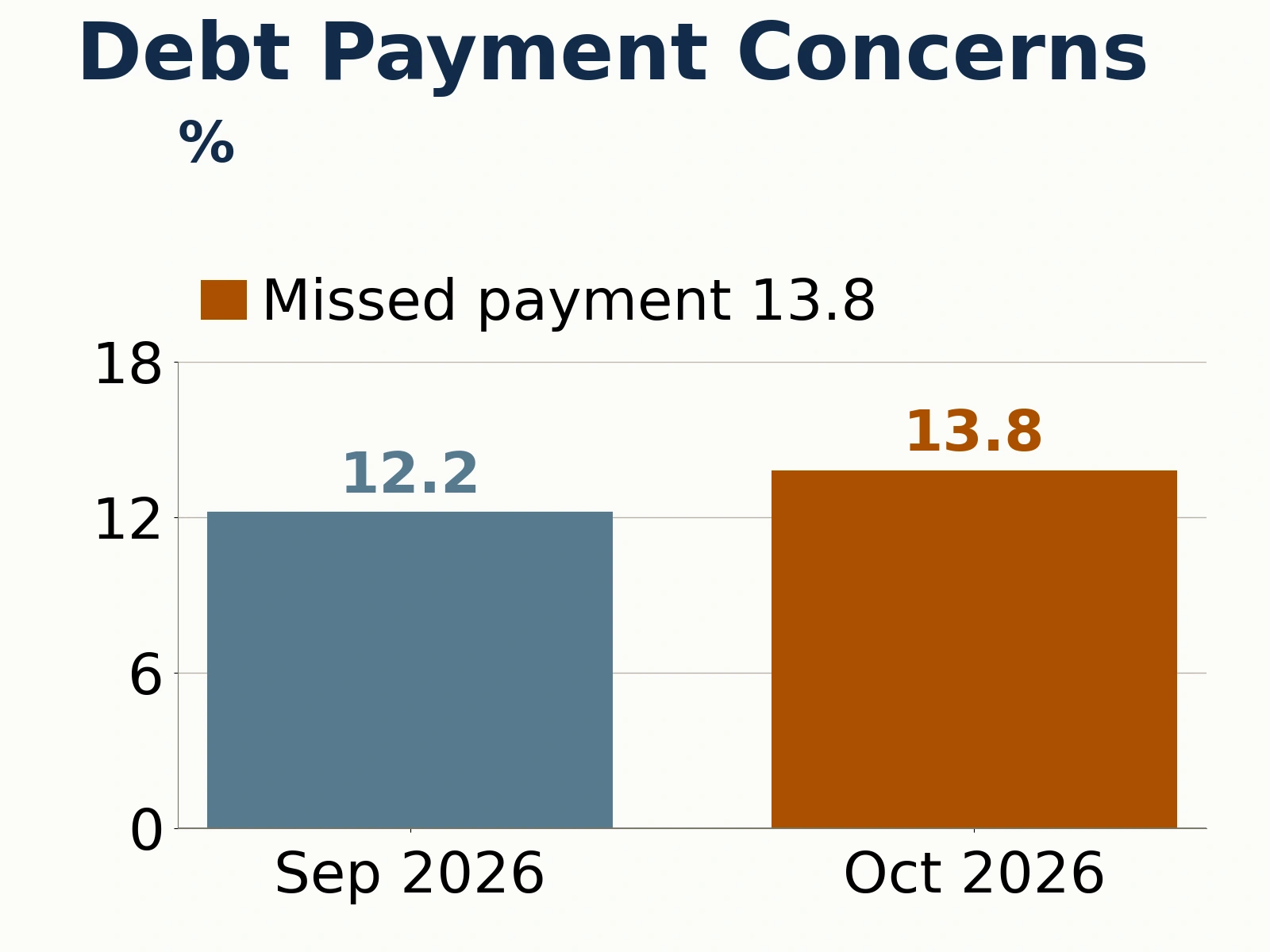
The household survey, however, points to potential constraints on demand. In the October Survey of Consumer Expectations, released by the New York Fed on November 9, median inflation expectations were 3.9% at the one-year horizon, 3.3% at three years and 3.0% at five years, all unchanged from September. Meanwhile, households grew markedly more worried about jobs and cash flow. The average probability respondents assigned to the U.S. unemployment rate being higher a year from now rose from 43.9% in September to 45.3%, the highest since April 2020. The average perceived probability of missing a minimum debt payment over the next three months also increased, from 12.2% to 13.8%.
Growing worries about debt payments and unemployment have yet to translate into broad pessimism about the labor market. In the survey, the average probability respondents assigned to finding a new job if they lost their current one edged up from 46.1% to 46.5%. Barkin also flagged two ways that developments in artificial intelligence could weigh on demand over the medium to long term. If returns on AI investment fall short of expectations, weaker business capital spending, lower stock prices and diminished wealth effects could weigh on consumption. If technology displaces workers faster than expected, household spending could also suffer. These uncertainties give the Fed reason to adjust policy cautiously.
Long-term inflation expectations remain well anchored as oil-price pass-through to core inflation strengthens

Two Federal Reserve studies released on November 9 shed light on the forces behind that trade-off. Using data through the second quarter of 2026, Fed Board staff conducted a conditional risk analysis of five advanced economies. They found that oil prices had a stronger effect on core inflation after the pandemic and that inflation had become more persistent. This suggests that energy price shocks could have more lasting effects on non-energy prices.
A San Francisco Fed study published the same day found that long-term market-based inflation expectations had become less sensitive to monetary policy surprises in recent years, supporting the view that they are more firmly anchored. Together, the studies point to a trade-off. Well-anchored long-term inflation expectations give policymakers time to assess supply shocks. The cost of waiting rises if businesses continue to pass on higher costs readily.
The next tests come on November 10. Fed Governor Christopher Waller is scheduled to speak on the economic outlook, and the U.S. Bureau of Labor Statistics is due to release October CPI at 8:30 a.m. Eastern time. How broadly core prices are rising, and how policymakers weigh cost pass-through against pressure on household finances, will give markets a clearer read on the pace of the Fed’s next moves.