Oil Markets · October 30, 2026
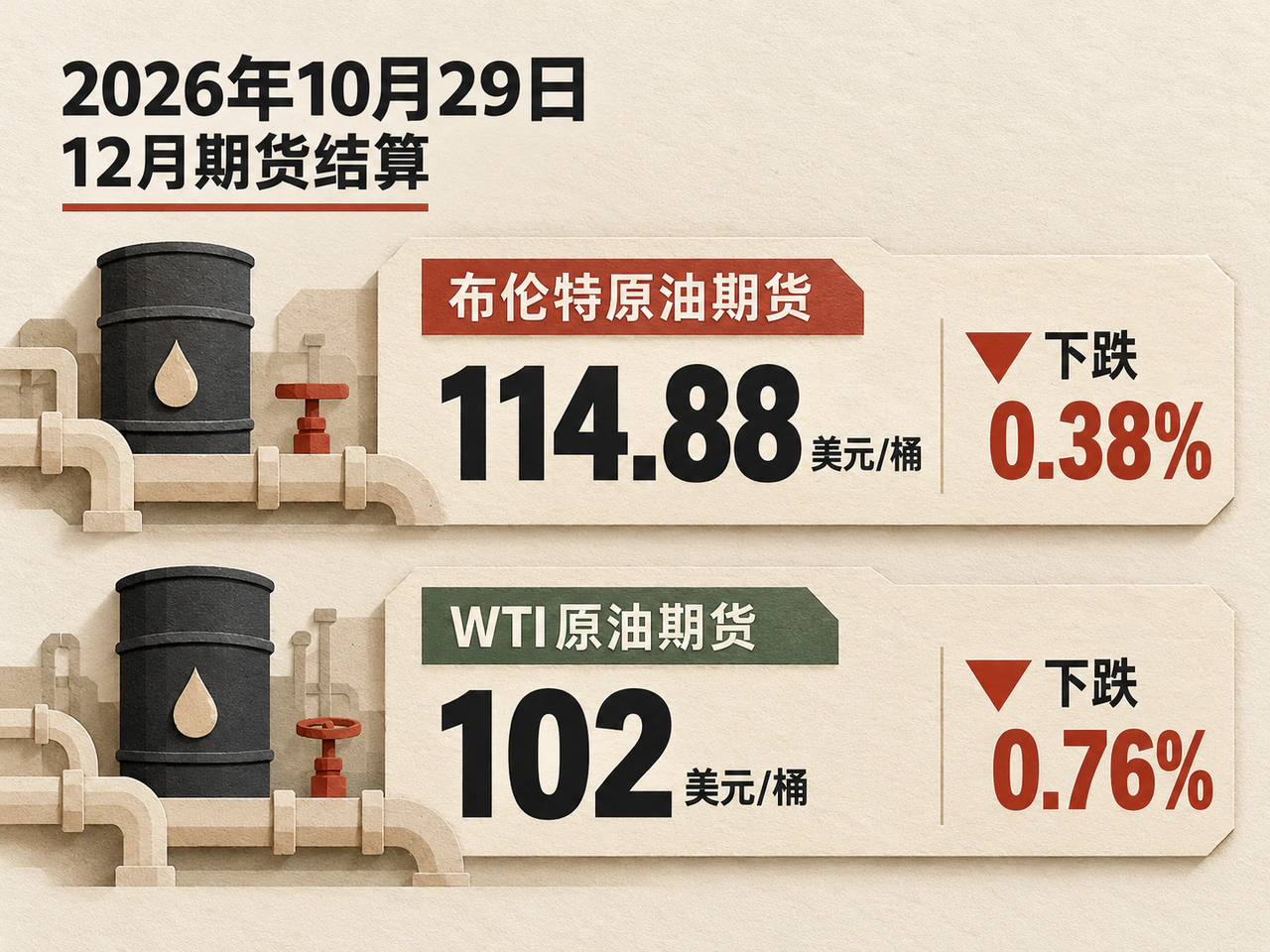
On October 29, 2026, front-month December Brent and WTI crude futures recovered most of their losses after falling more than $2 intraday, settling slightly lower at $114.88 and $102 per barrel, respectively. Reports of U.S.–Iran contacts eroded part of the risk premium, but Houthi claims of attacks on Saudi facilities, constrained Middle Eastern exports, and draws in U.S. crude and distillate inventories continued to support backwardation in oil futures. The market's next focal points are the November 1 OPEC+ meeting, the Middle East's ability to deliver physical supplies, and changes in diesel supply as Russian refineries resume operations.
Read article ↗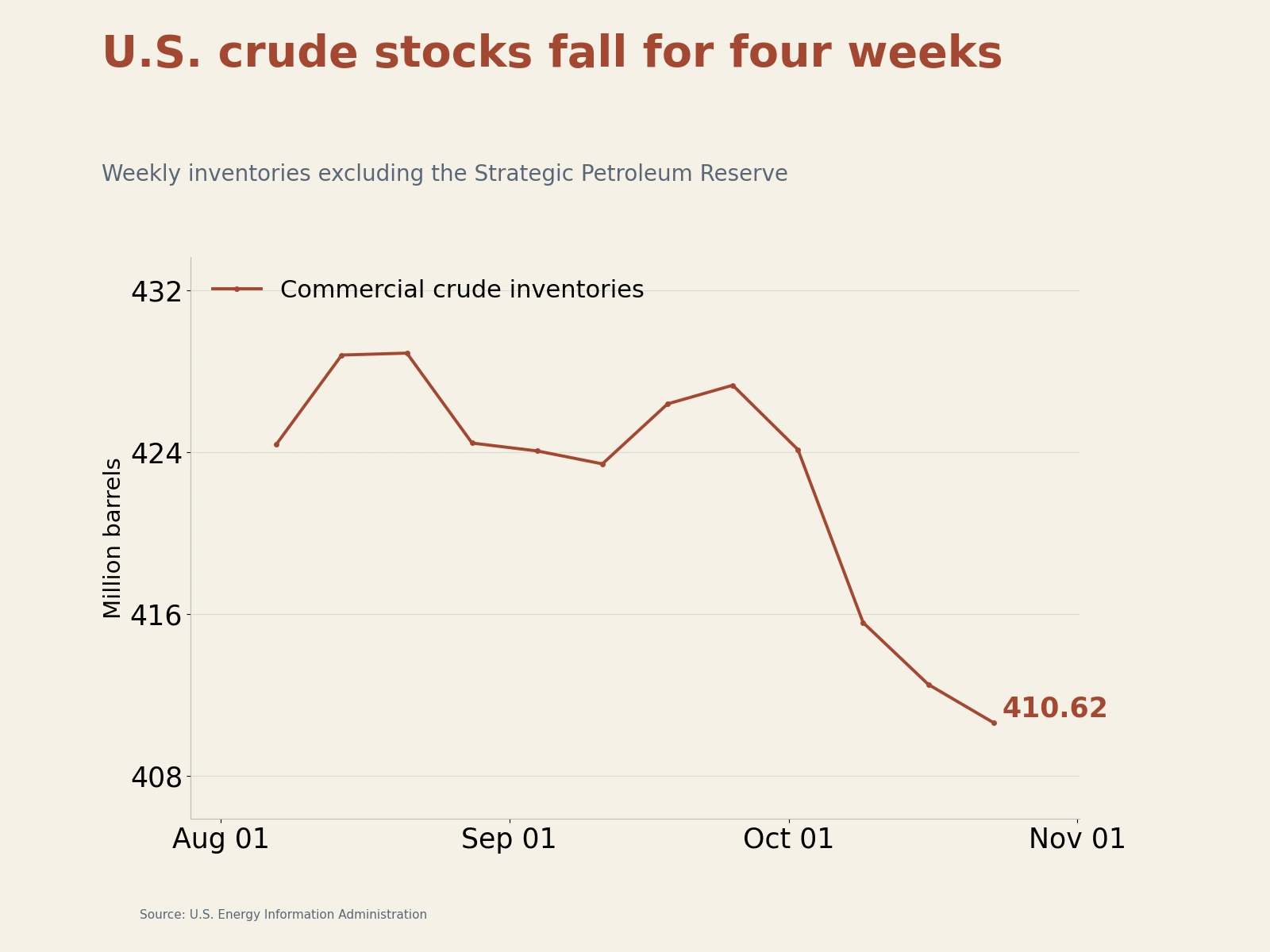
Oil Markets · October 29, 2026
Supply threats and a fourth consecutive weekly U.S. crude draw support December oil futures, while rising gasoline stocks complicate the demand outlook.
Read article ↗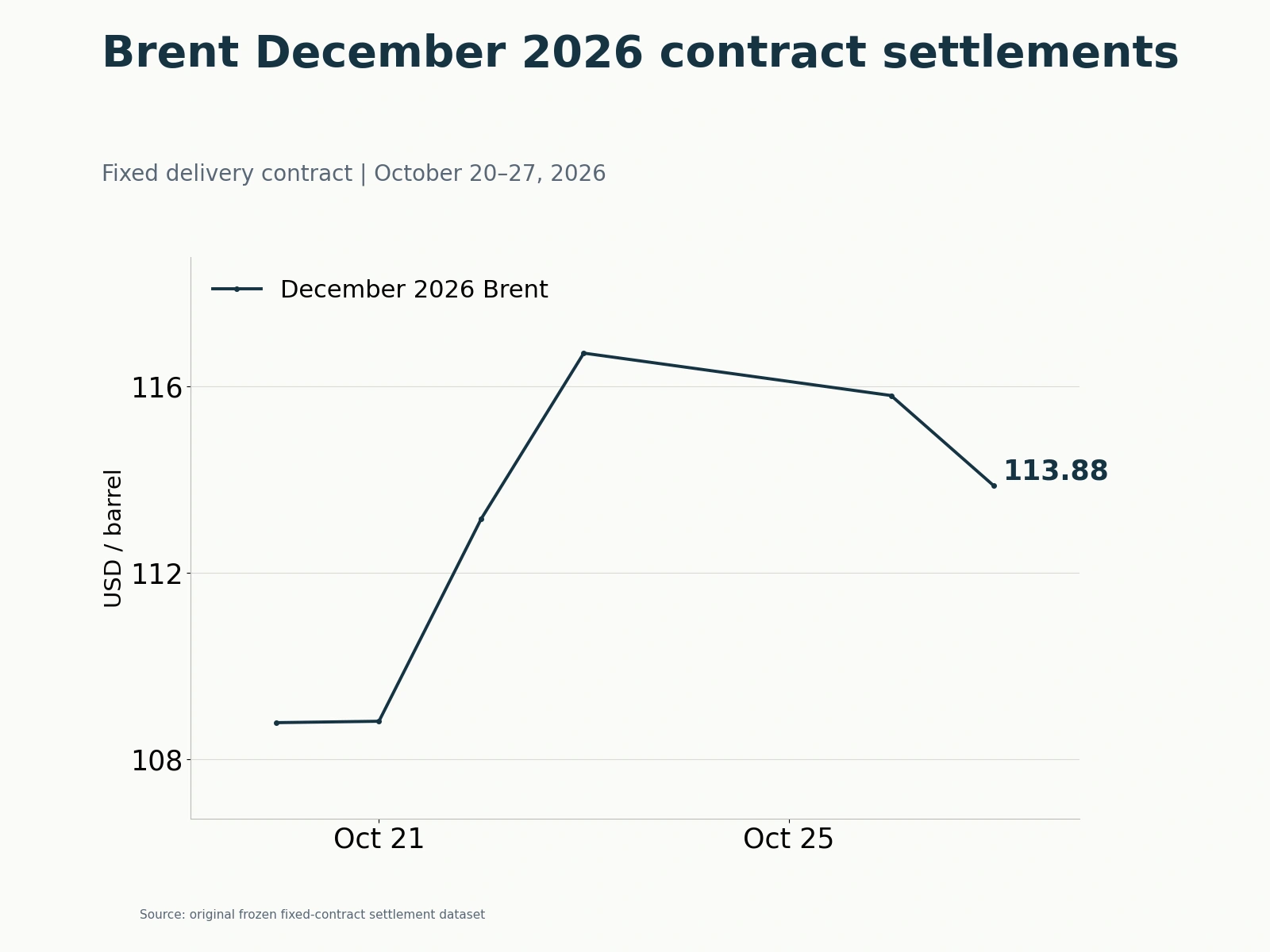
Oil Markets · October 28, 2026
Hopes for easing Middle East tensions drove a second day of oil declines, but Brent’s front spread remained near US$5 a barrel. Further downside depends on transport and inventory recovery.
Read article ↗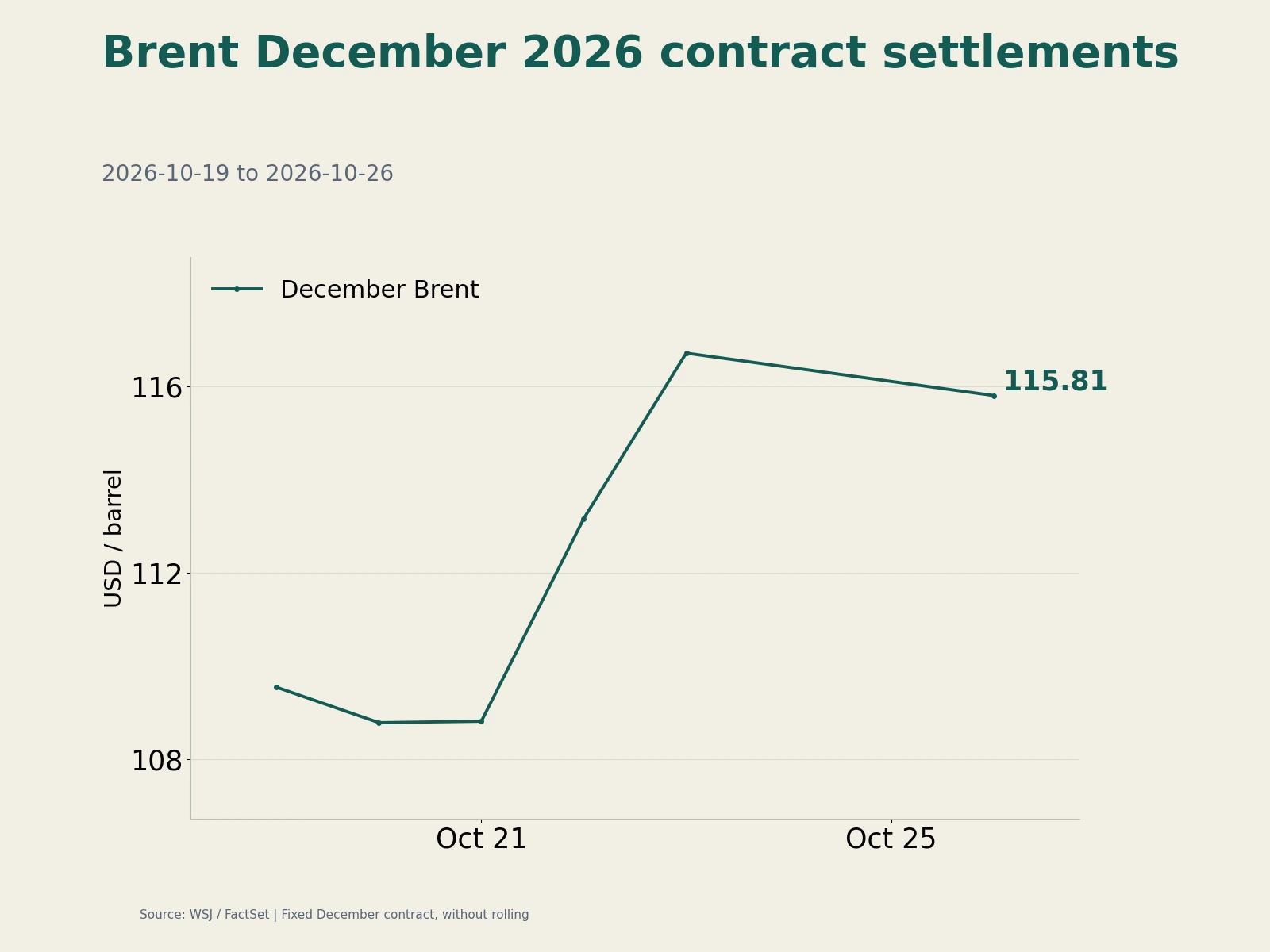
Oil Markets · October 27, 2026
Diplomacy eased oil prices, while transport and infrastructure risks kept prompt supply tight. Brent’s front spread remained US$4.98 as product exports and onshore inventory rebuilding lagged.
Read article ↗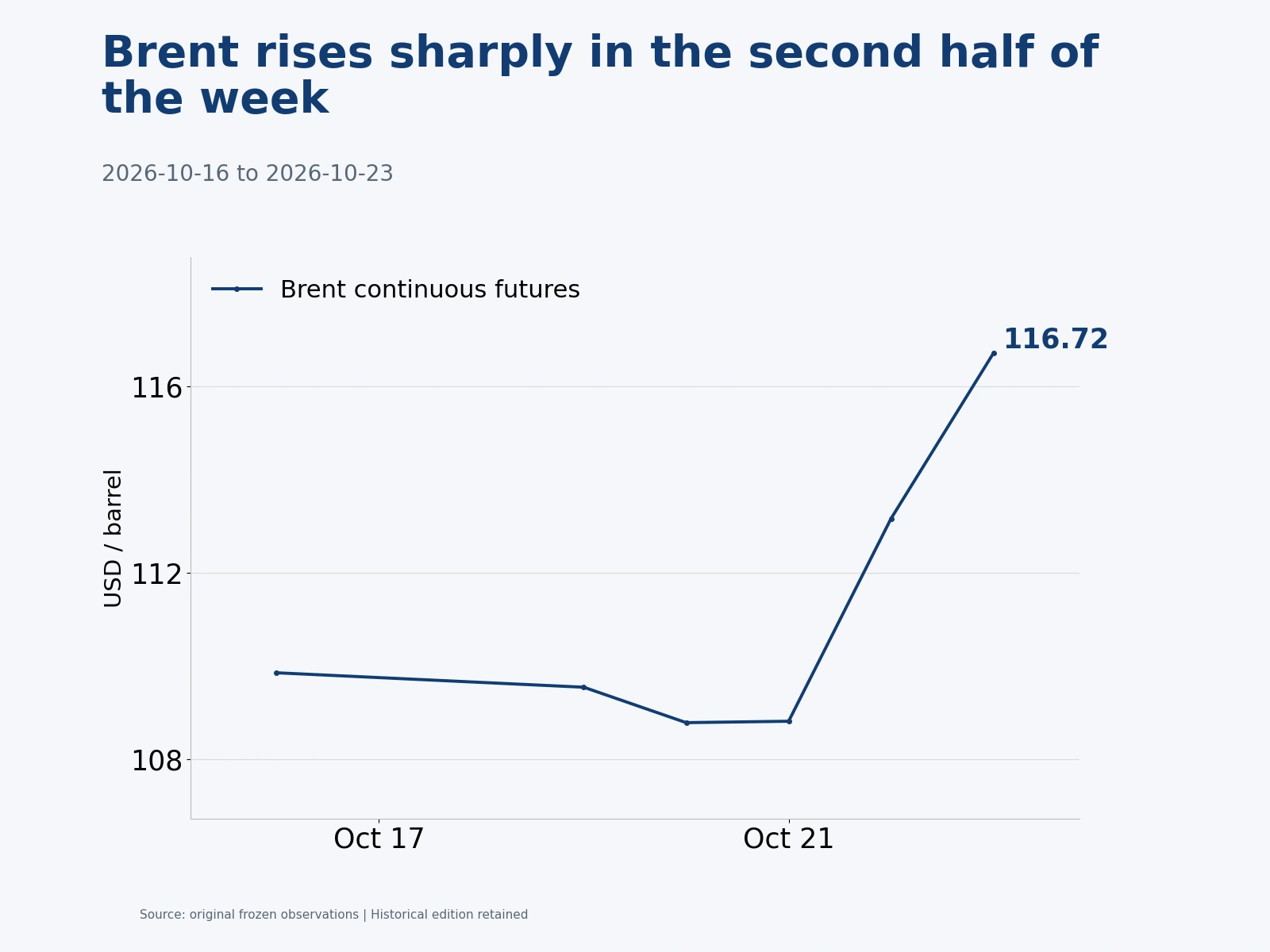
Oil Markets · October 26, 2026
Middle East oil exports recovered to 17.3 million barrels a day, but tanker rates near US$1.4 million a day and renewed infrastructure risks supported prices. Brent rose to US$116.72 and WTI to US$103.27 a barrel. U.S. inventory draws and steep backwardation kept attention on shipping recovery and the November 1 OPEC+ meeting.
Read article ↗
Oil Markets · October 24, 2026
December WTI and Brent settled at US$103.27 and US$116.72 on October 23. Risks to Saudi production and transport, a UAE offshore spill and three weeks of U.S. crude draws left safe delivery routes more important for near-term supply than output targets alone.
Read article ↗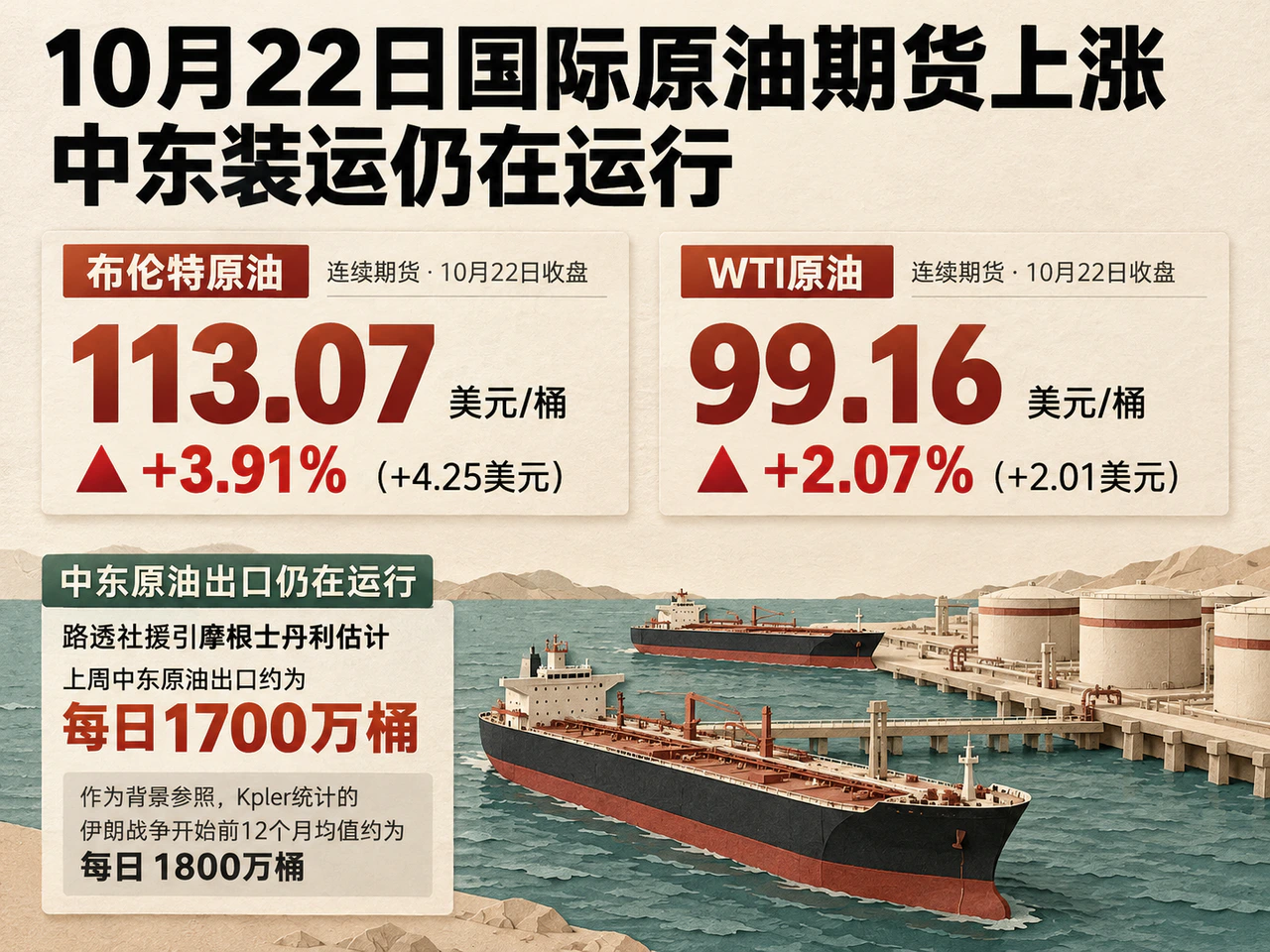
Oil Markets · October 23, 2026
Brent rose 3.91% as risks to Middle Eastern energy facilities and shipping lifted the supply premium and U.S. commercial crude stocks fell for a third week. Exports continued and distillate stocks began rebuilding; further gains depend on actual loadings and inventory recovery.
Read article ↗
Oil Markets · October 22, 2026
US commercial crude inventories fell 14.803 million barrels over three weeks, supporting oil. Alternative Middle Eastern transport sustains exports while diplomatic hopes cap gains; inventory and actual-delivery turning points are key.
Read article ↗
Oil Markets · October 21, 2026
International oil prices slipped about 0.7% on October 20 after sharp swings, with December Brent and WTI settling at $108.79 and $97.82. Unconfirmed US–Iran negotiation rumors, fully long trend-following positions and the expiry of November WTI amplified volatility. Record tanker rates, constrained product shipments and steep global onshore inventory draws indicate that physical constraints persist; sustained price declines still depend on actual arrivals and the pace of stock depletion.
Read article ↗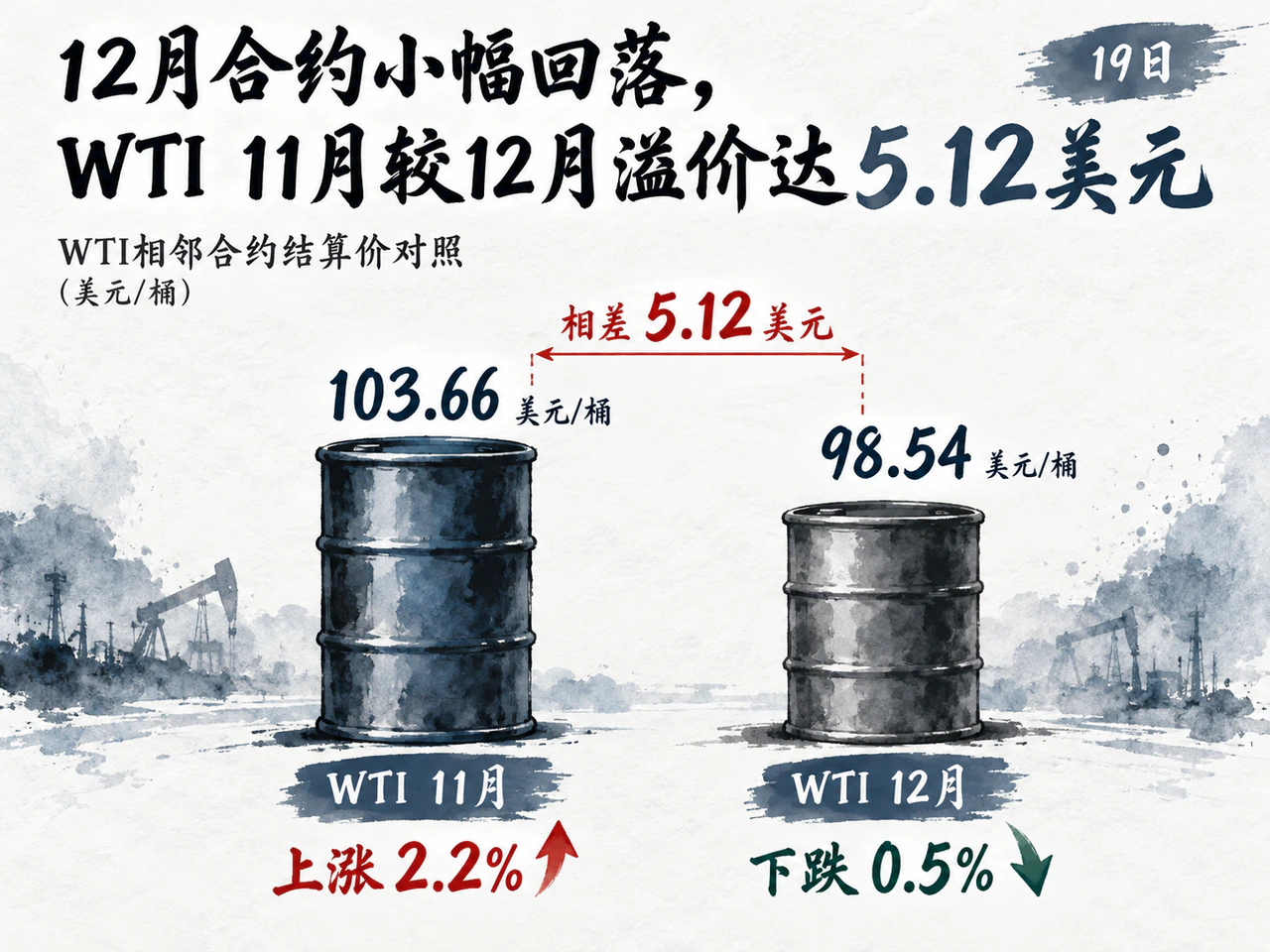
Oil Markets · October 20, 2026
Partial U.S. relief from Russian sanctions nudged December crude contracts lower on October 19, but expiring November WTI rose 2.2%, a $5.12-per-barrel premium to December. Russian refining constraints, Hormuz flows 41% below prewar levels and a 113-million-barrel September draw in global onshore stocks continued to support prompt prices.
Read article ↗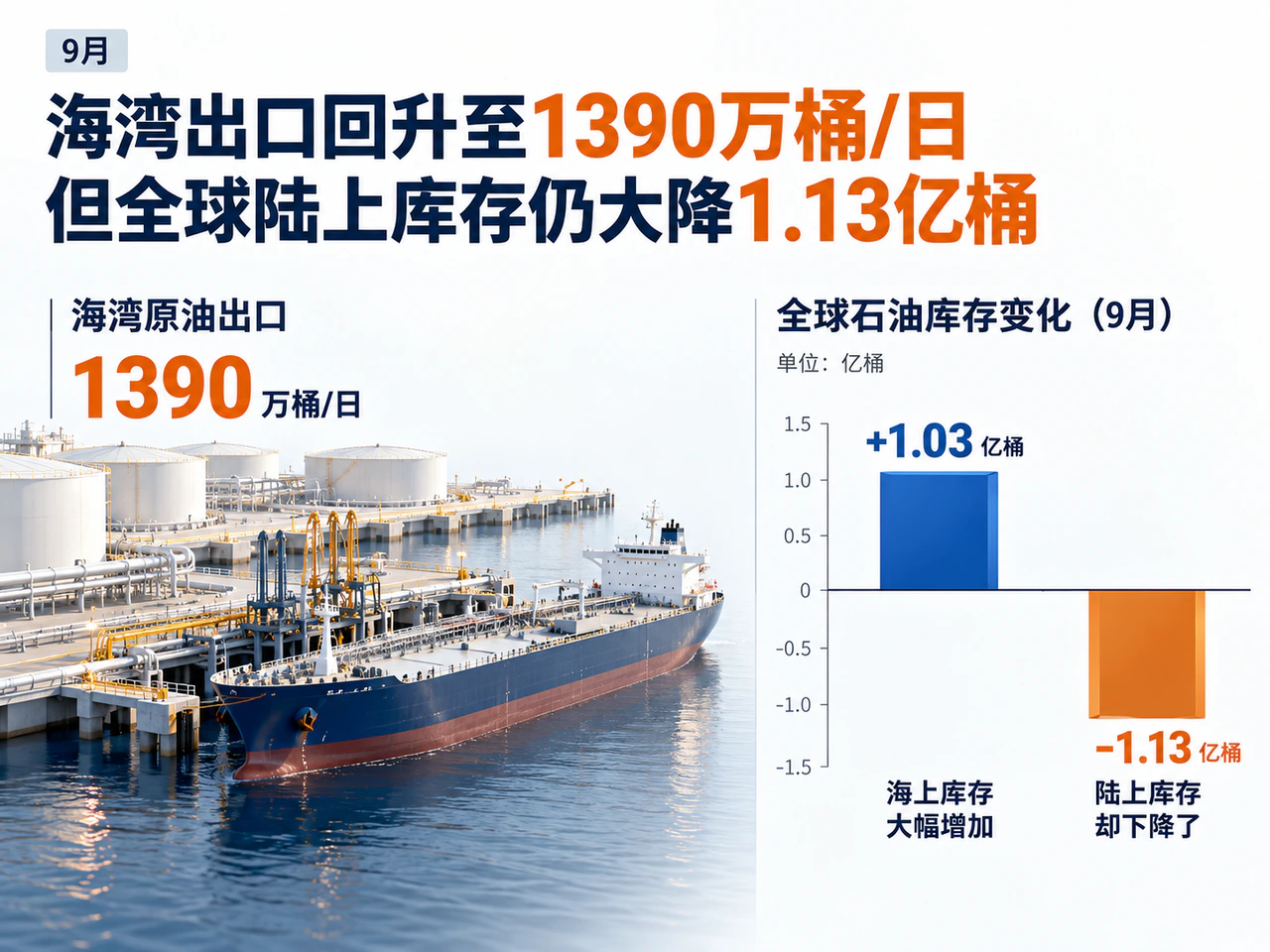
Oil Markets · October 19, 2026
In the October 12–18 week, WTI rose 10.41% to $101.41/barrel and Brent gained 4.91% to $109.86. Gulf crude exports recovered to 13.9 million barrels/day in September, but much of the increase remained at sea as global onshore stocks fell 113 million barrels. U.S. crude and diesel draws and higher December 2027 Brent and European diesel prices signaled a longer recovery.
Read article ↗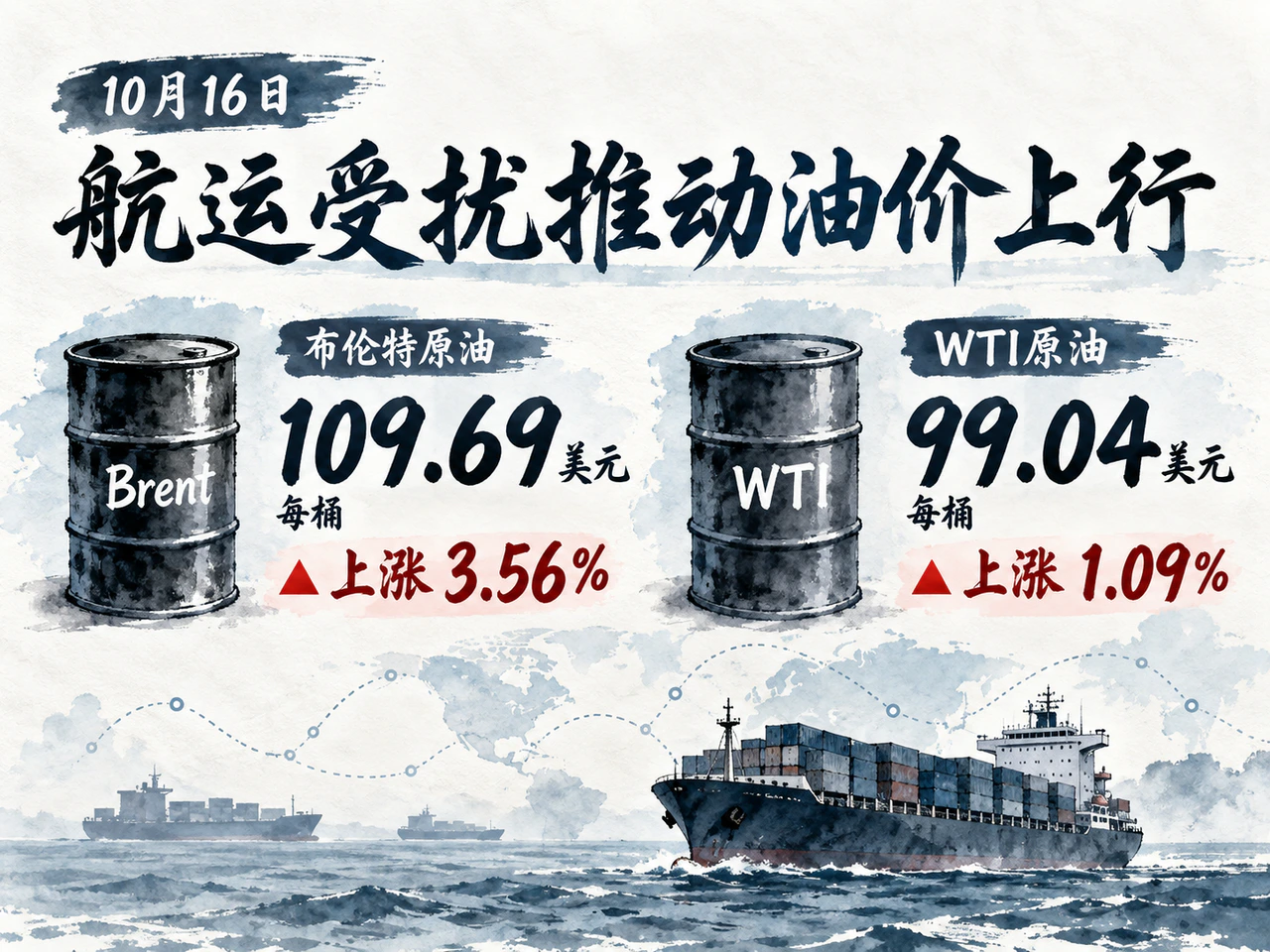
Oil Markets · October 17, 2026
Brent rose 3.56% to $109.69 on October 16, with WTI at $99.04. Attacks around Hormuz disrupted Gulf shipping's recovery; Middle Eastern product exports remained below half of prewar levels. U.S. distillate drawdowns and attacks on Russian refineries added to diesel tightness, lifting near-term premiums despite the IEA's forecast of a 2.5-million-barrel-a-day year-on-year decline in fourth-quarter demand.
Read article ↗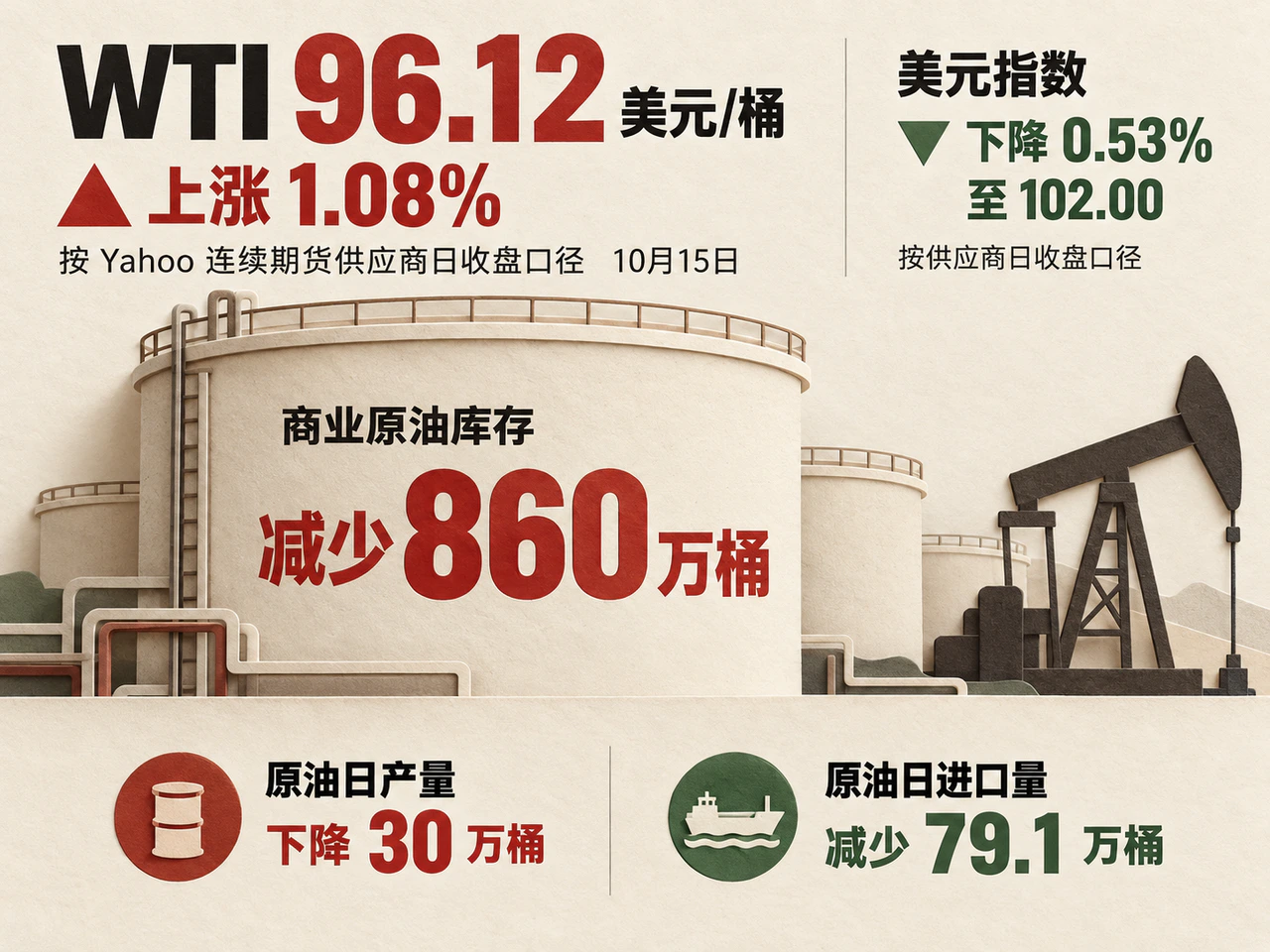
Oil Markets · October 16, 2026
Hurricane-related production cuts and lower imports drove an 8.6 million-barrel weekly fall in US commercial crude stocks, lifting WTI to $96.12/barrel. Expectations that Washington might ease shadow-fleet sanctions weighed on Brent at $105.62. IEA data show a 113 million-barrel September draw in global onshore stocks and tight diesel supply, setting near-term inventory support against longer-term demand contraction.
Read article ↗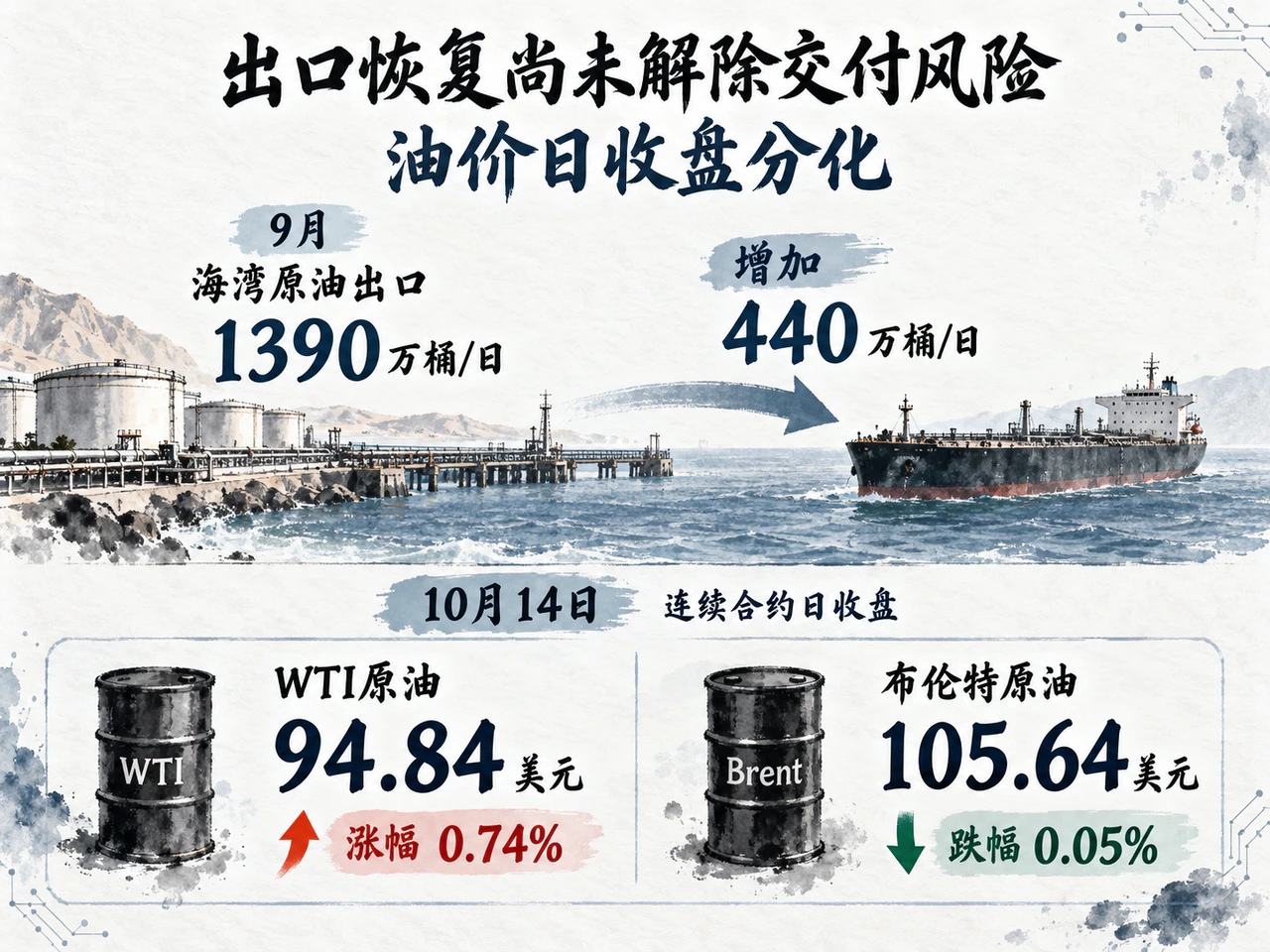
Oil Markets · October 15, 2026
The IEA says Gulf crude exports rose by 4.4 million barrels/day in September, but much of the increase became oil in transit. Global onshore stocks still fell 113 million barrels to their lowest since at least 2016; shipping attacks and shrinking diesel exports kept prompt supply tight.
Read article ↗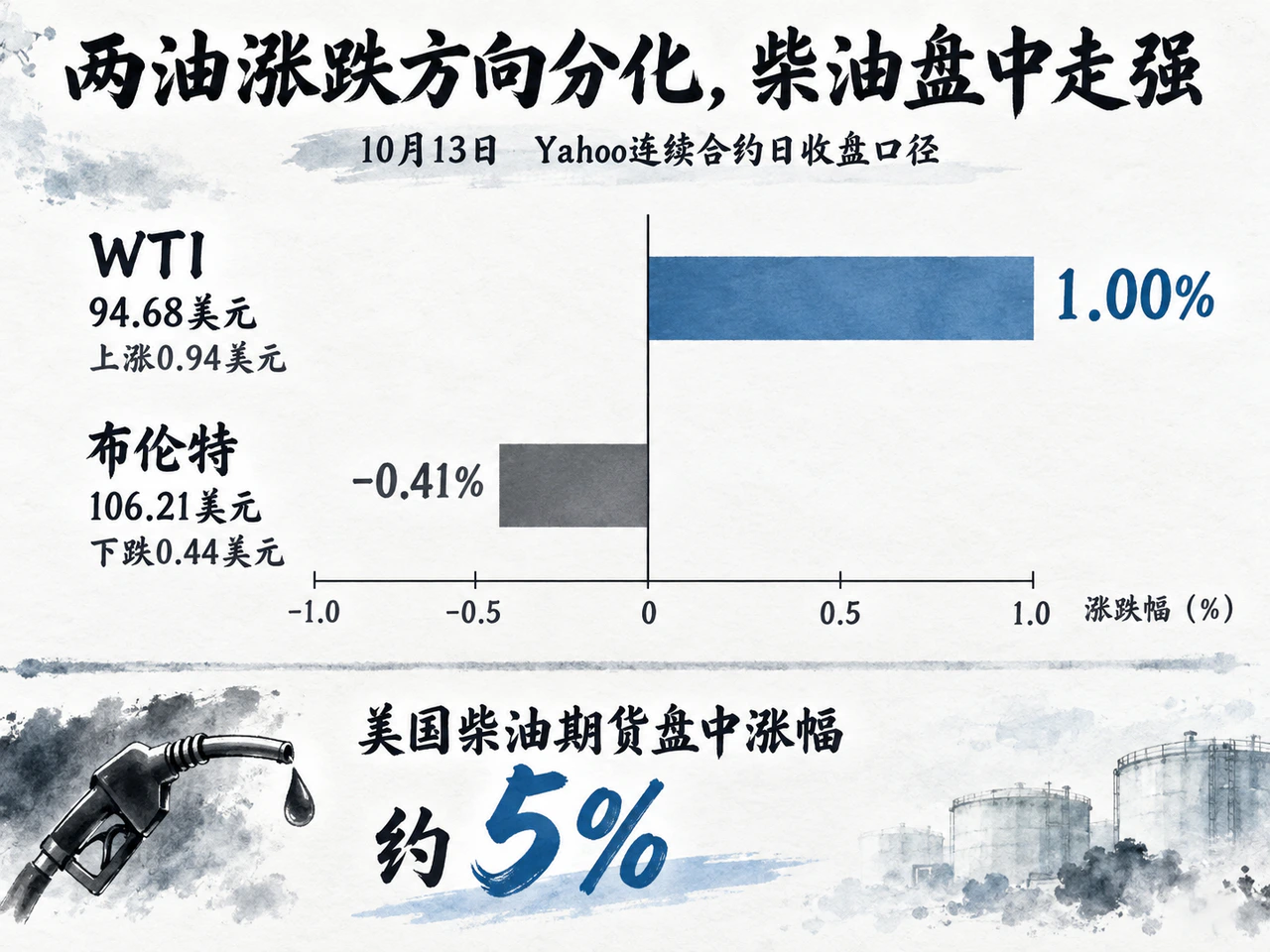
Oil Markets · October 14, 2026
October 13 oil trading diverged: expected Russian diesel supply weighed on Brent while a US diesel surge supported WTI. OPEC cut this year's demand-growth forecast again and raised next year's; Saudi output lifted September supply. The 2027 WTI strip set a record for a 12th straight day, supported by tight physical balances, expected inventory draws and shipping premiums.
Read article ↗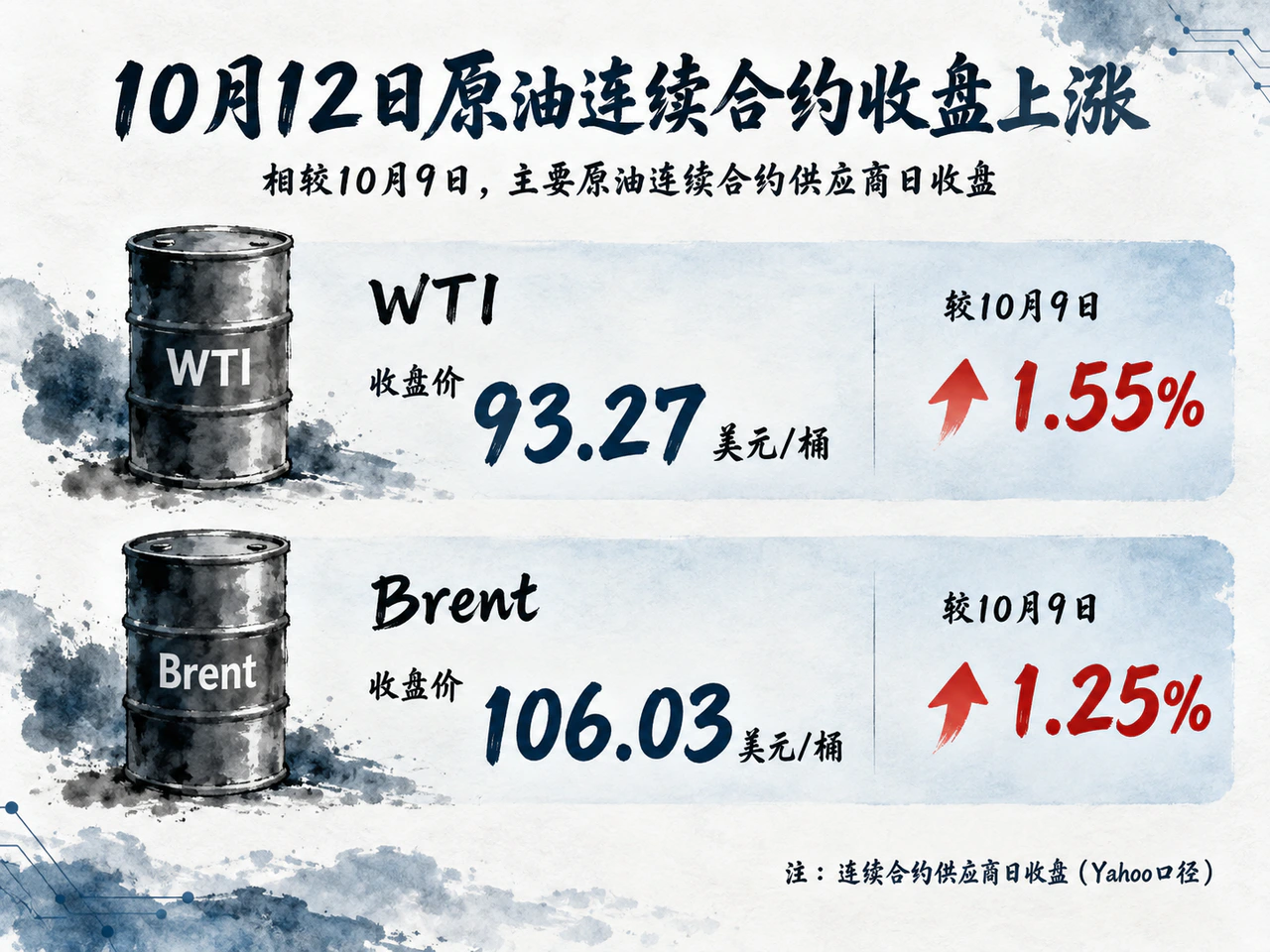
Oil Markets · October 13, 2026
Tanker attacks around Hormuz raised geopolitical risk and sent Monday's oil prices higher after an early decline. Brent closed at $106.03 and WTI at $93.27, a spread of about $12.76. Risks to insurance, freight and delivery timing outweighed expected Russian diesel additions and Gulf of Mexico restarts, leaving near-term transport premiums central to price resilience.
Read article ↗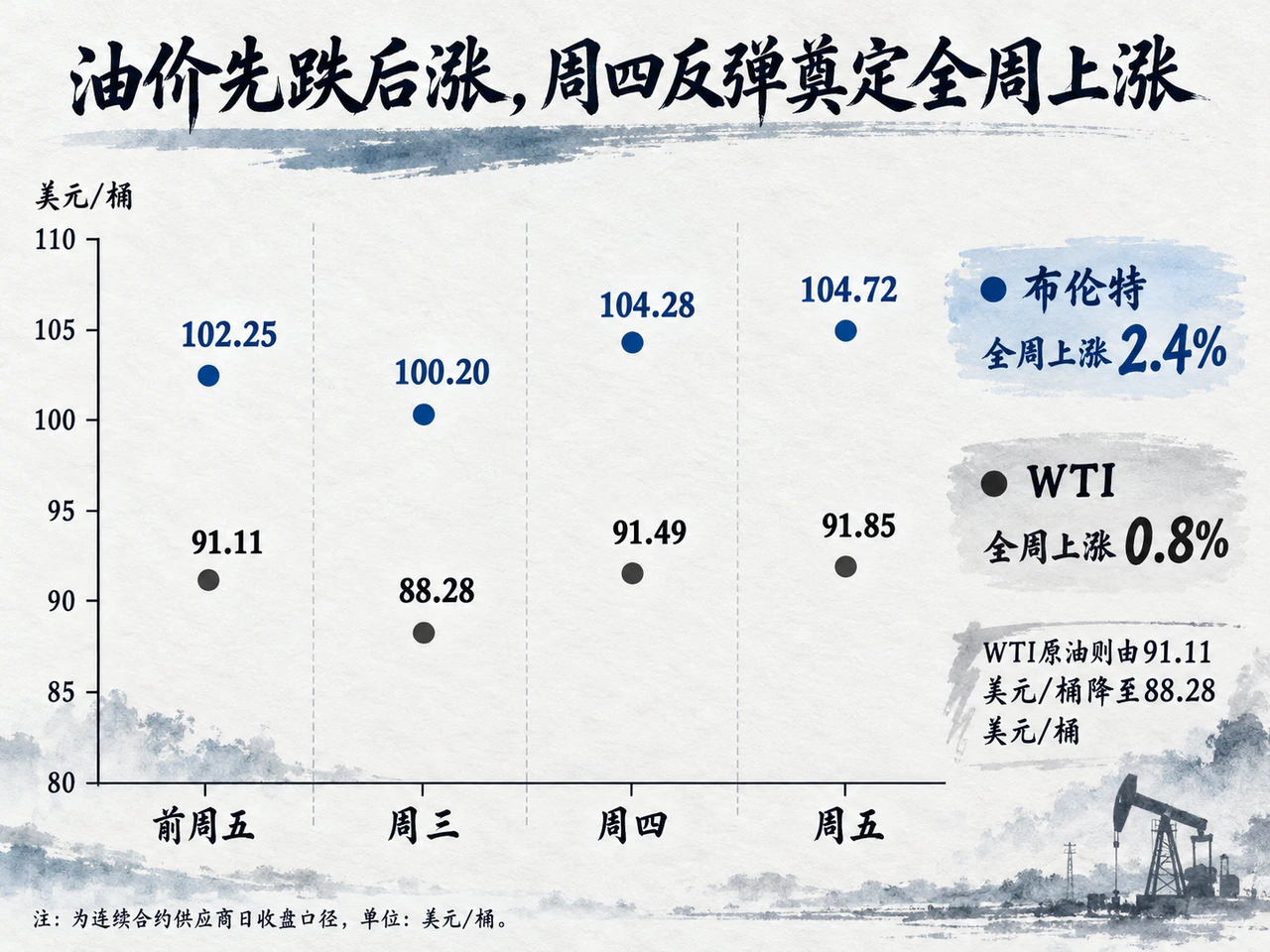
Oil Markets · October 12, 2026
In the week of October 5-11, Gulf of Mexico offshore shutdowns and disruption in the Strait of Hormuz lifted prompt seaborne-delivery premiums. Brent gained 2.4% to $104.72 a barrel and WTI 0.8% to $91.85. U.S. commercial crude stocks fell 3.2 million barrels, while low diesel inventories supported high refinery runs. The EIA raised its Q4 Brent forecast to $105 a barrel. Backwardation continued to reflect prompt delivery and inventory pressures.
Read article ↗
Oil Markets · October 10, 2026
Oil edged higher October 9 as diplomatic relief met hurricane disruption. Gulf of Mexico crude shutdowns reached 1.4588 million barrels/day, 71.51% of expected output. Refining capacity at direct risk fell below 500,000 barrels/day, stabilizing processing demand. Brent's roughly $3 nearby premium highlights tight supply; Gulf restarts and actual Hormuz logistics are key.
Read article ↗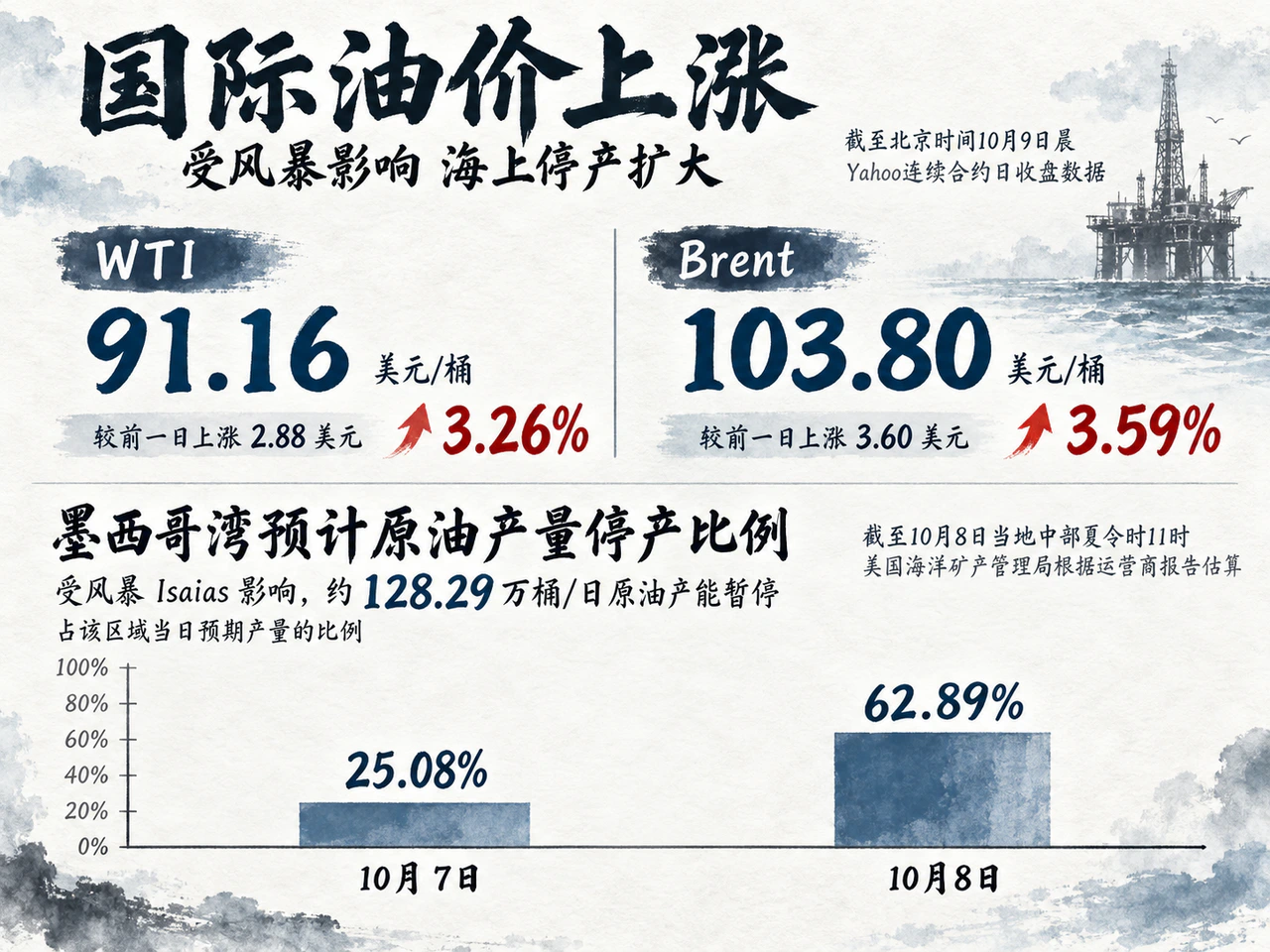
Oil Markets · October 9, 2026
October 8 oil rebounded over 3% as nearly 63% of Gulf output shut and Middle Eastern shipping risks persisted. US comments on Iran trimmed intraday gains, but tight deliverable supply reinforced backwardation. Against a 3.2-million-barrel EIA draw and faster IEA delivery of 100 million reserve barrels, physical deliverability remained the pricing anchor.
Read article ↗
Oil Markets · October 8, 2026
Oil prices diverged amid volatility on October 7. IEA members backed rapid completion of previously pledged releases of about 100 million barrels, prioritizing diesel where possible. Official U.S. crude stocks fell unexpectedly, but products did not decline as anticipated. Modestly recovering Middle Eastern exports, high prompt premiums, Gulf of Mexico storm evacuations and a stronger dollar intensified the tug-of-war.
Read article ↗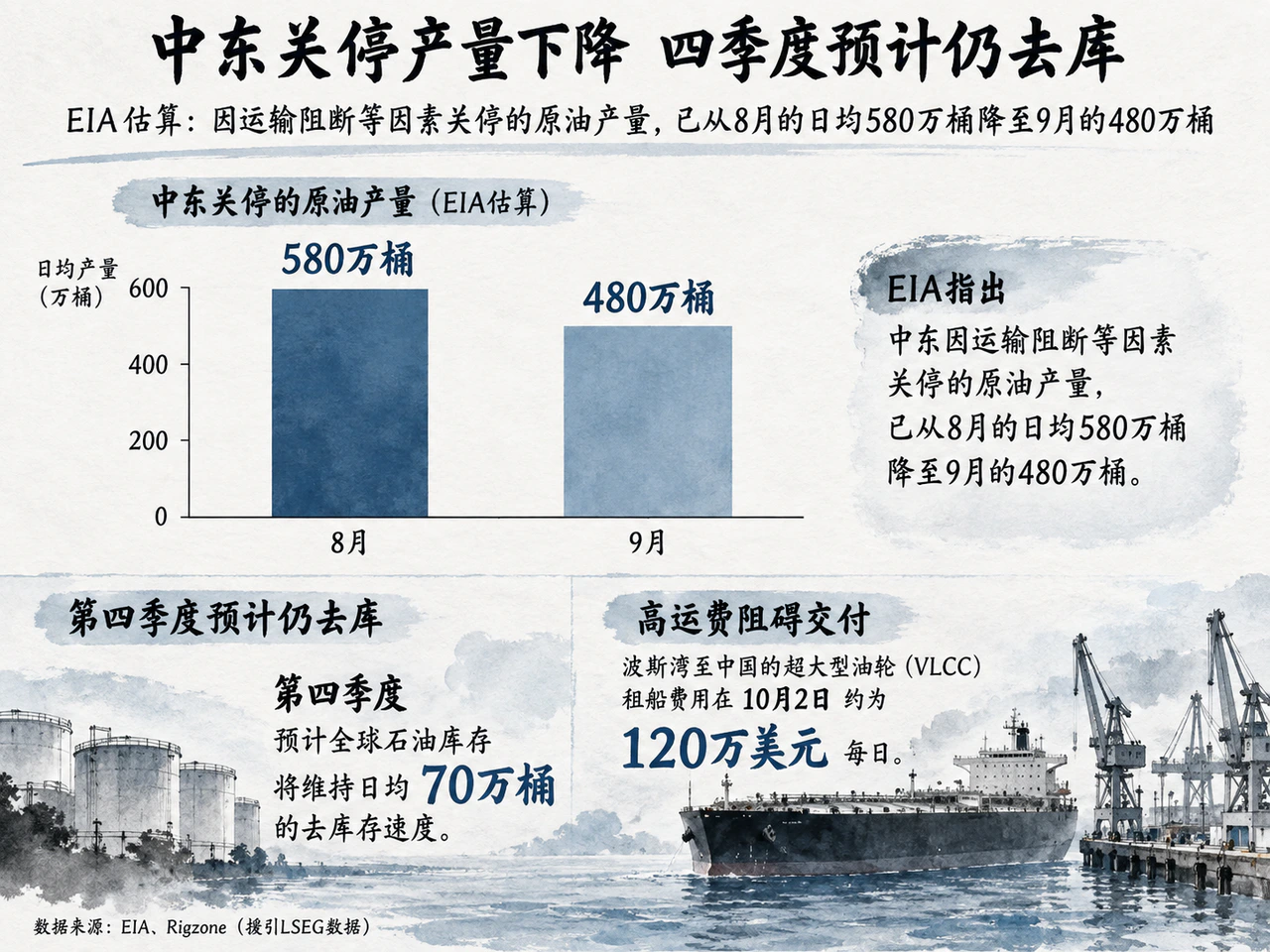
Oil Markets · October 7, 2026
The EIA raised its fourth-quarter 2026 Brent spot-price forecast to $105 a barrel. Despite returning Middle Eastern production, global inventories are still expected to fall 700,000 barrels a day in Q4. With Gulf-to-China VLCC rates at $1.2 million daily and U.S. East Coast diesel stocks 32% below average, better exports have yet to materially lower refiners' landed costs, leaving near-term supply tight.
Read article ↗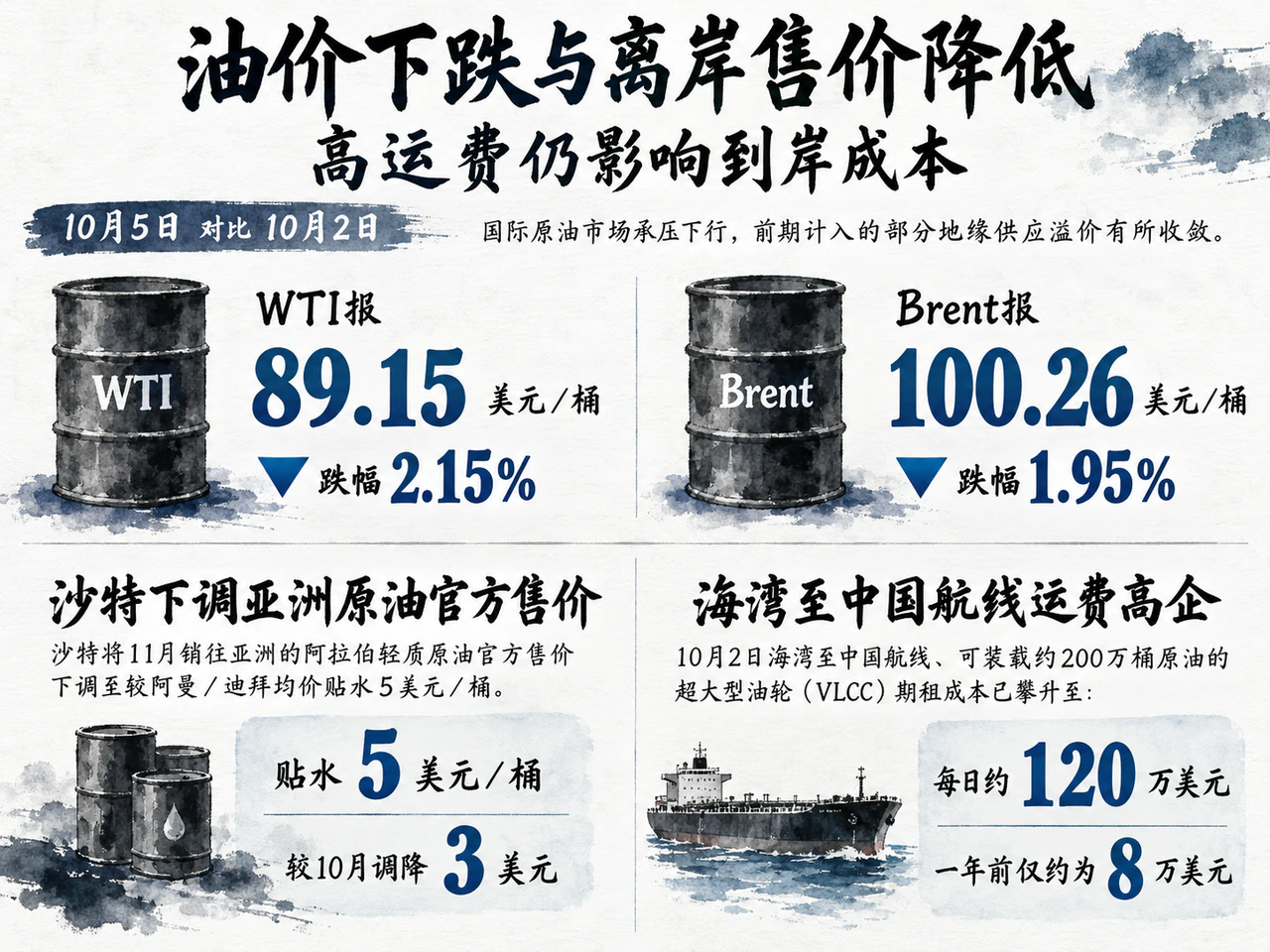
Oil Markets · October 6, 2026
On October 5, recovering Middle Eastern exports, lower Saudi official prices for Asia and the G7 reserve-release plan drove oil down around 2%. High freight rates could offset lower loading prices, while US distillate stocks kept falling. Restored crude flows had yet to remove downstream supply bottlenecks.
Read article ↗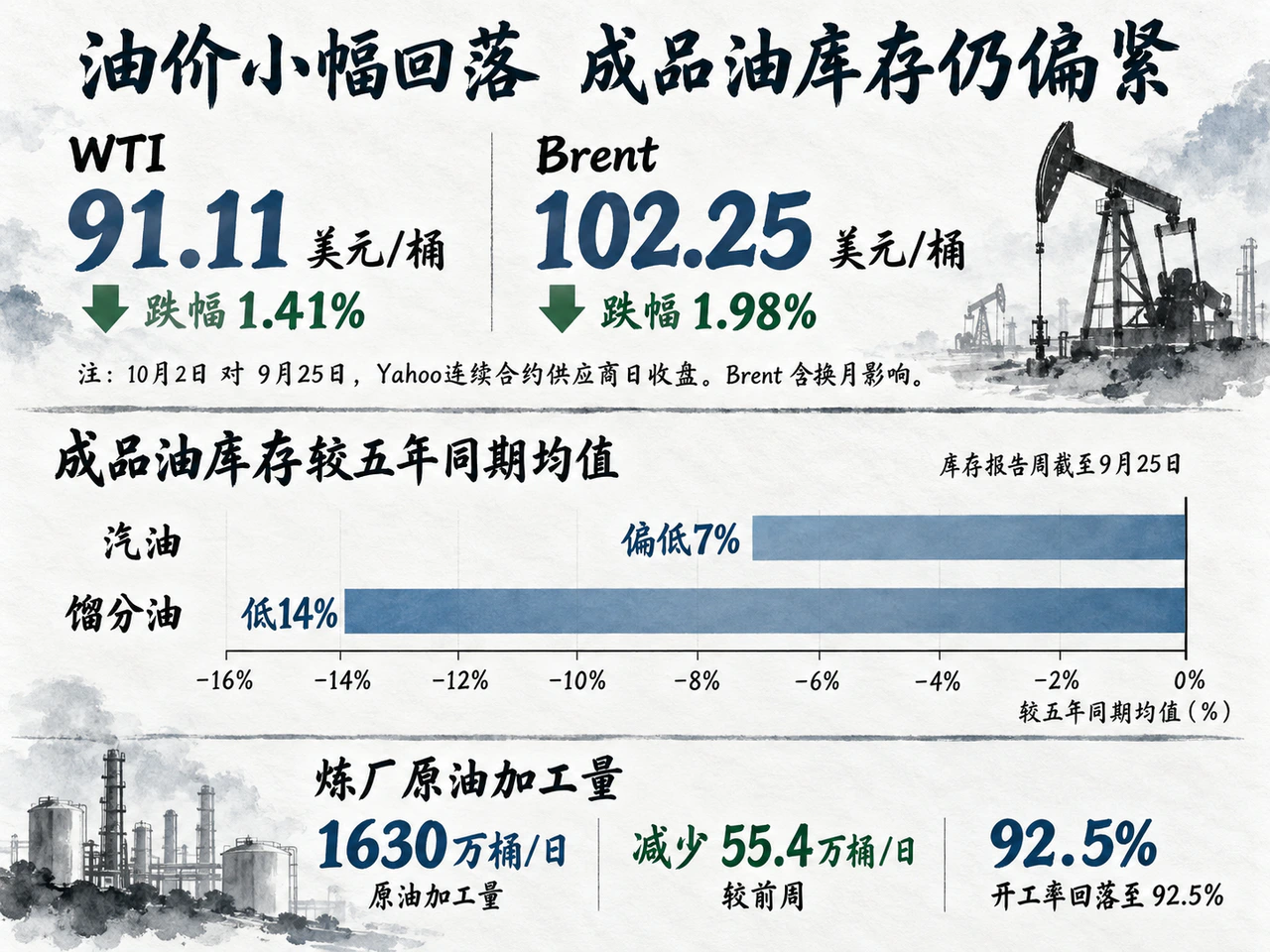
Oil Markets · October 5, 2026
During September 28–October 4, renewed loadings at Saudi Arabia's Yanbu port lifted Middle East exports and eased disruption fears. Lower US refinery runs and falling fuel inventories nevertheless left diesel and other distillates tight. WTI fell 1.41% to $91.11 and Brent 1.98% to $102.25. The G7 announced a coordinated 100-million-barrel reserve release with an initial diesel focus, shifting attention to whether better crude transport can ease end-user fuel shortages.
Read article ↗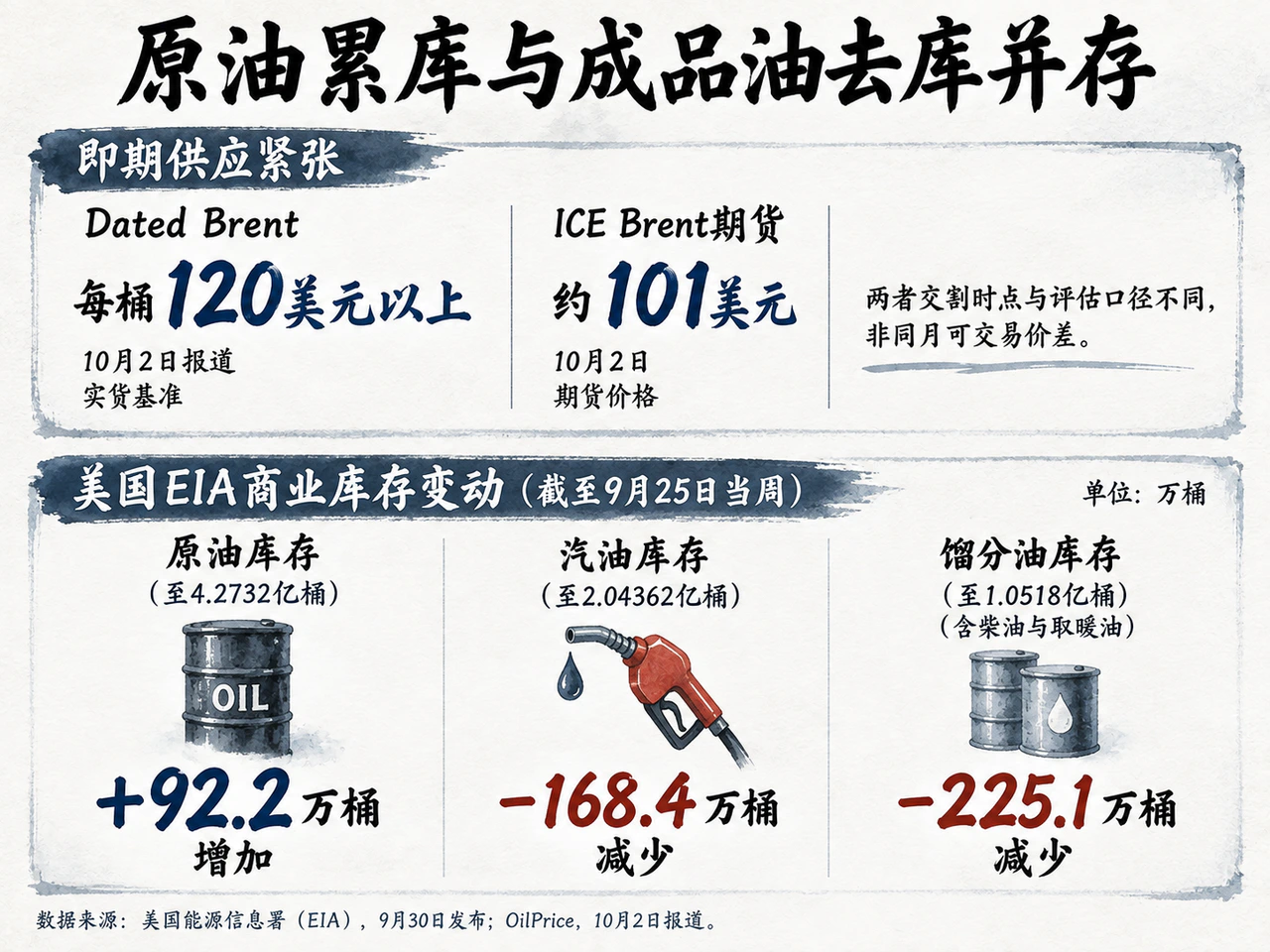
Oil Markets · October 3, 2026
The G7 launched a 100-million-barrel oil-reserve release focused on diesel, but U.S. crude builds and accelerating product drawdowns deepened the upstream-downstream mismatch. High physical premiums signaled prompt tightness. Combined Middle Eastern transport corridors recovered to 75% of prewar flows, while OPEC+ capacity-baseline assessments were delayed. Near-term divergence still depended on effective replenishment of downstream fuels.
Read article ↗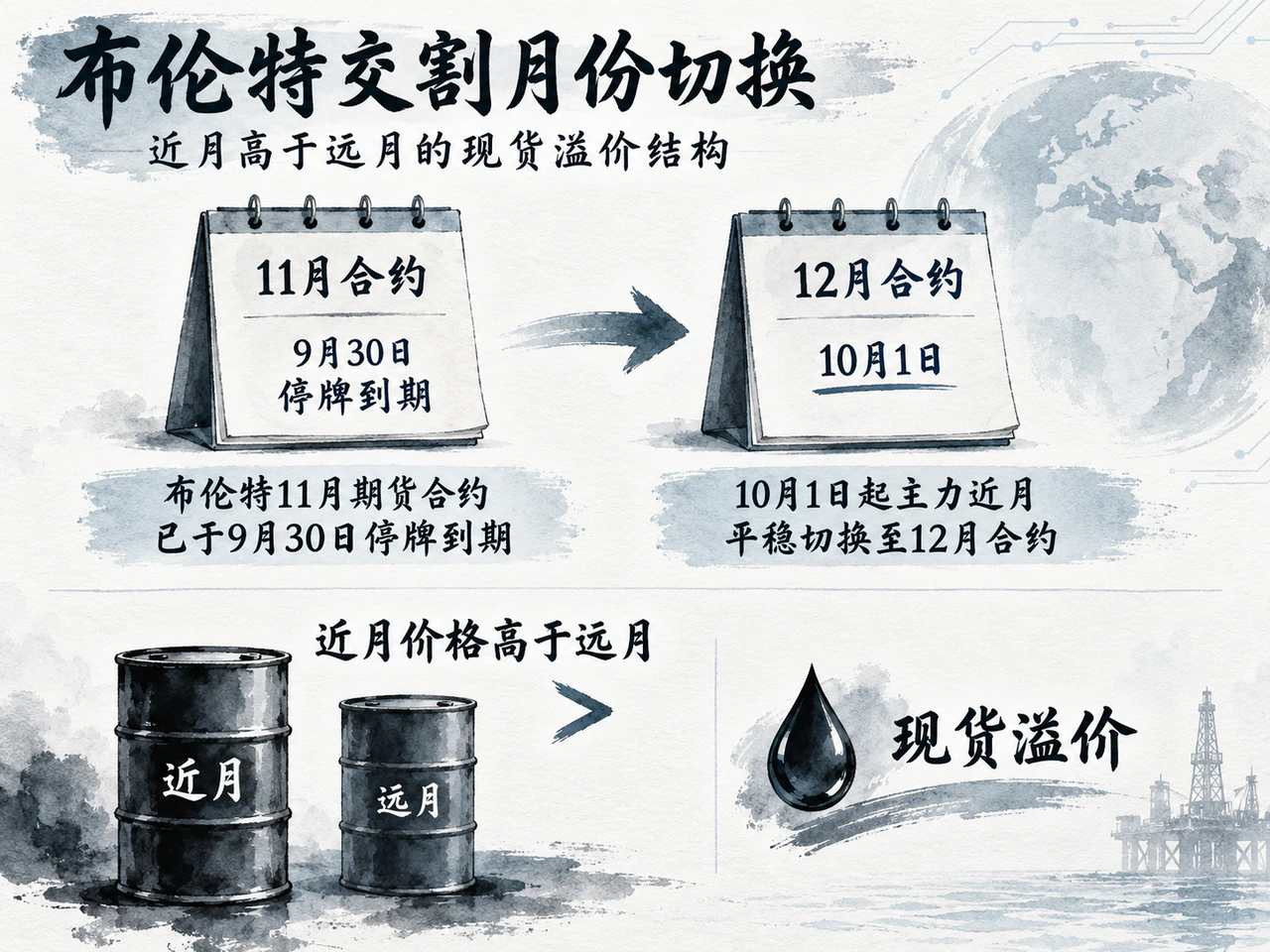
Oil Markets · October 2, 2026
Oil rose in volatile trading on October 1, with front-month Brent closing at $102.31 a barrel. Gulf crude exports recovered to average levels, but U.S. refinery utilization fell to 92.5%, distillate stocks were 14% below their five-year seasonal average and products continued to draw. Spot premiums and geopolitical uncertainty supported near-term prices.
Read article ↗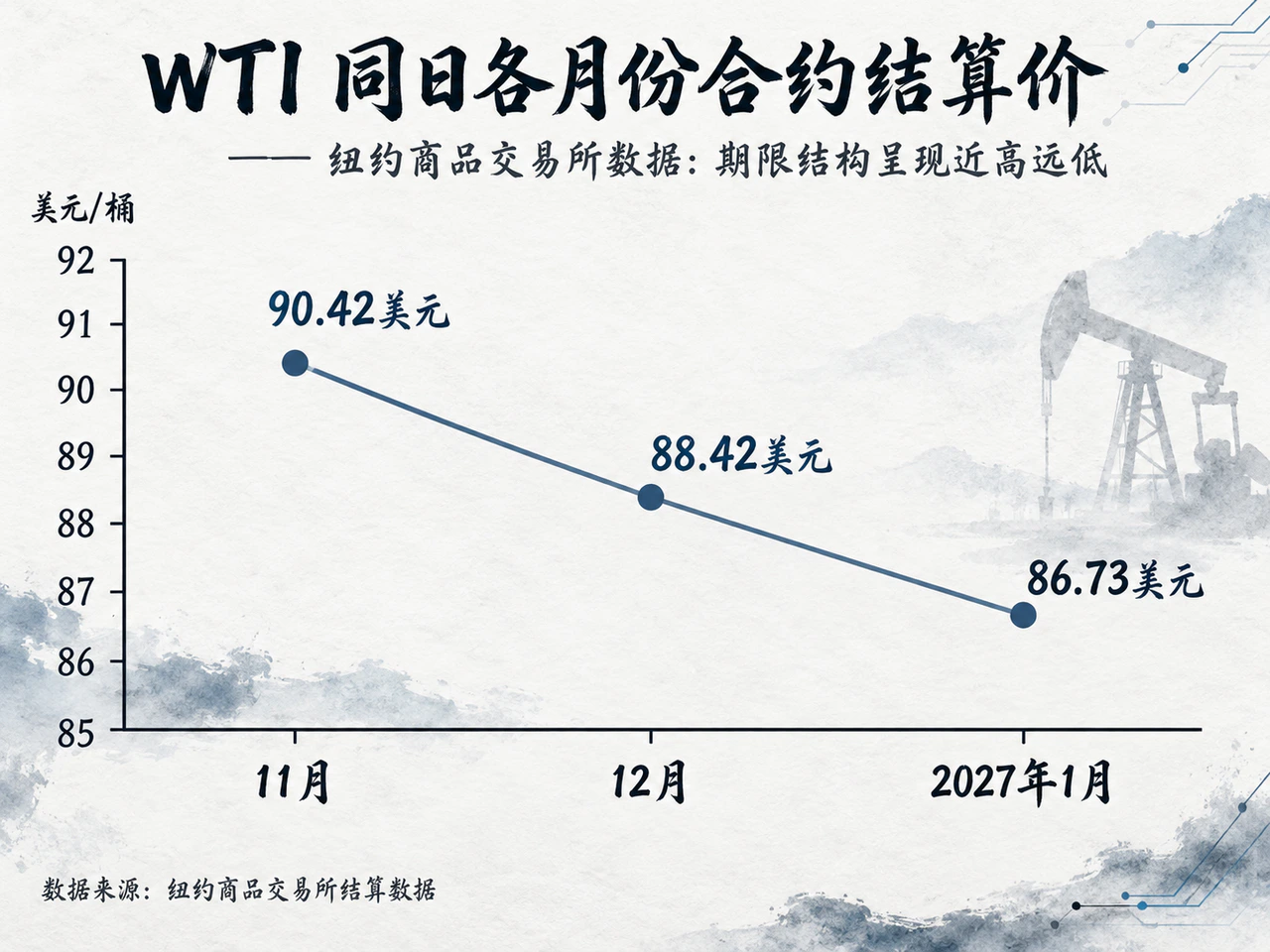
Oil Markets · October 1, 2026
Oil rose on September 30. Saudi pipeline restoration and recovering Gulf exports ease upstream transport bottlenecks, but lower US refinery runs deepen gasoline and diesel draws. With no US–Iran negotiating breakthrough, tight fuel supply supports high-range trading; attention turns to WTI prompt premiums, refinery activity and actual OPEC+ output recovery.
Read article ↗
Oil Markets · September 30, 2026
Oil fell about 3% on September 29 as Saudi Yanbu loading resumed and the U.S. tendered up to 40 million SPR barrels. Pipeline recovery takes time and reserve delivery is scheduled for November–December. Brent's intraday front spread of $7.48 shows persistent near-term concern despite lower outright prices.
Read article ↗
Oil Markets · September 29, 2026
Recovering Middle Eastern exports caused oil to surrender most of its gains, though a supply shortfall still supported nearby prices. Prospective U.S. diesel export restrictions increased the risk of refinery run cuts, widening Brent's premium over WTI to $12.68 a barrel.
Read article ↗
Oil Markets · September 28, 2026
During September 21–27, Brent continuous futures edged up 0.43% to $104.32 a barrel, while WTI fell 7.87% to $92.41 amid the contract roll and prospective diesel export restrictions. Its discount briefly exceeded $12. Saudi pipeline restoration and Red Sea attacks sent Brent settlements between $99.25 and $106.60. U.S. policy debate raised refinery-cut fears, while constrained interregional logistics deepened market fragmentation.
Read article ↗
Oil Markets · September 26, 2026
Oil fell September 25 on U.S.–Iran negotiation hopes, yet the $6.88 November–December Brent spread retained tight near-term pricing. A same-month Brent–WTI gap of $11.91 highlighted shipping concerns and possible U.S. diesel-export restrictions. EIA data combined crude builds with product draws; sustained Hormuz logistics and the October 4 OPEC+ meeting remained key tests.
Read article ↗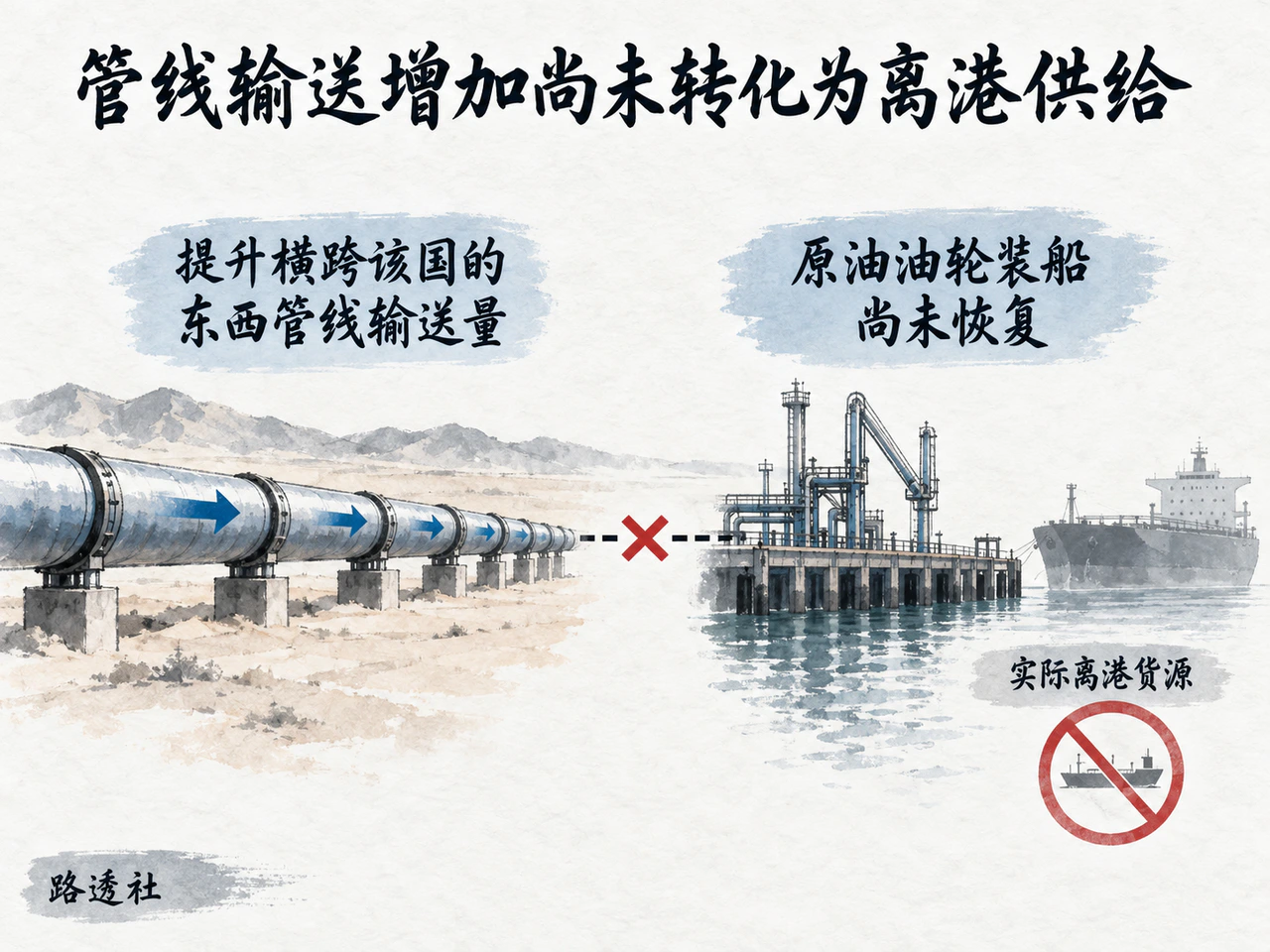
Oil Markets · September 25, 2026
Oil extends gains on September 24, led by Brent. Saudi pipeline flows rise but Yanbu tanker loadings remain halted, limiting actual exports. New York US–Iran talks pare intraday gains, while diverging US crude and distillate stocks and soundings on voluntary diesel-export limits complicate refining margins and crude demand.
Read article ↗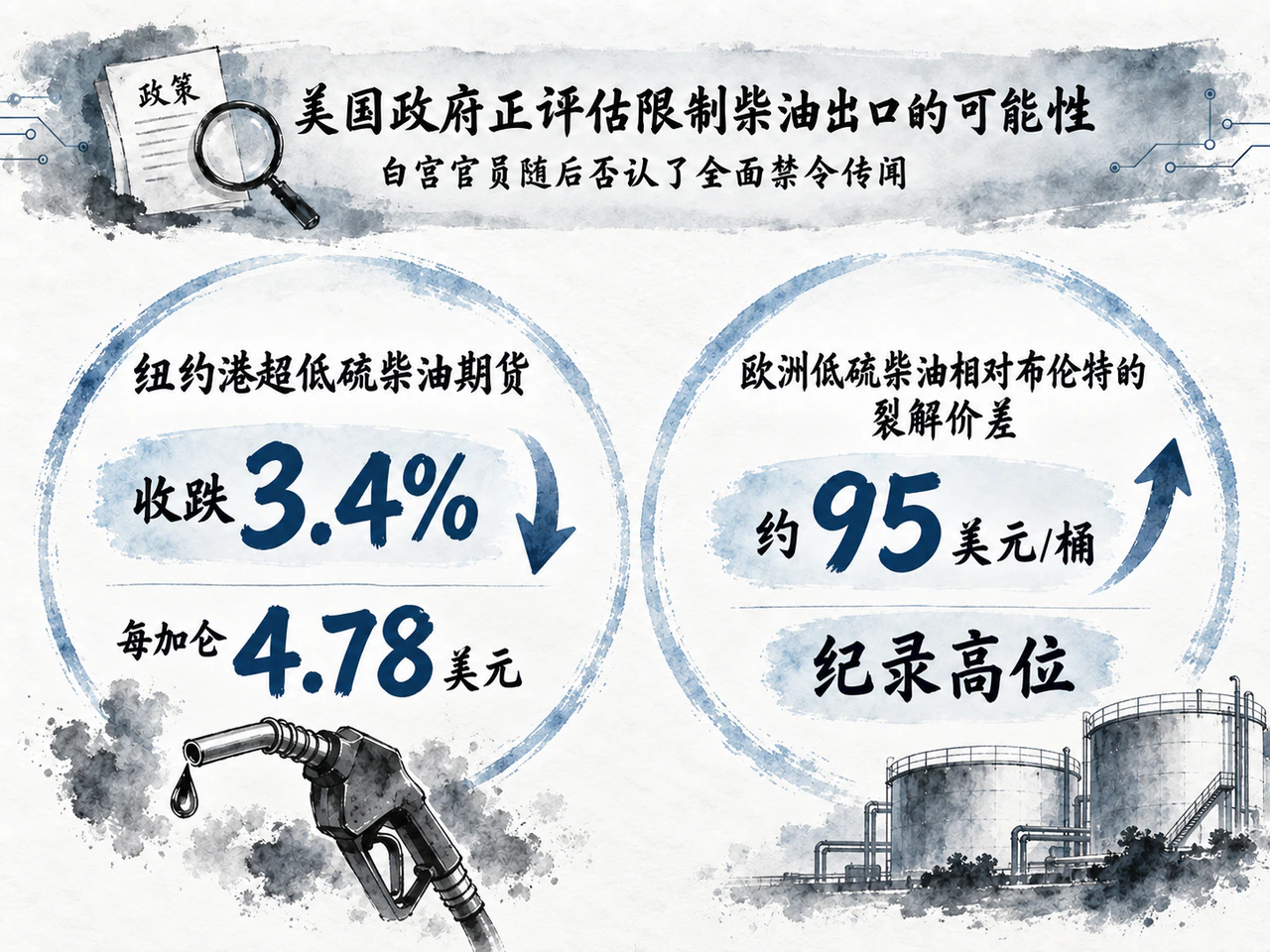
Oil Markets · September 24, 2026
Oil rebounded September 23, with Brent above $100 and its WTI spread widening to $10.92. Reports of possible U.S. diesel-export restrictions drove European cracks to records. EIA data showed lower refinery utilization, crude builds and product draws. The rebound depended on shipments, export policy and refining margins as Saudi pipeline recovery competed with Hormuz risks.
Read article ↗
Oil Markets · September 23, 2026
Oil extended losses September 22: November Brent fell below $100 and expiring October WTI settled at $94.59. Rolling contracts created a technical gap in continuous quotes, while $3.36 backwardation signaled prompt tightness. Saudi pipeline trials and Gulf loading improved export prospects, but conditional Iranian comments and Trump's post-election timing kept shipping uncertain. API crude builds and fuel draws await EIA confirmation amid low global stocks and IEA's forecast 2.5-million-barrel-a-day demand decline.
Read article ↗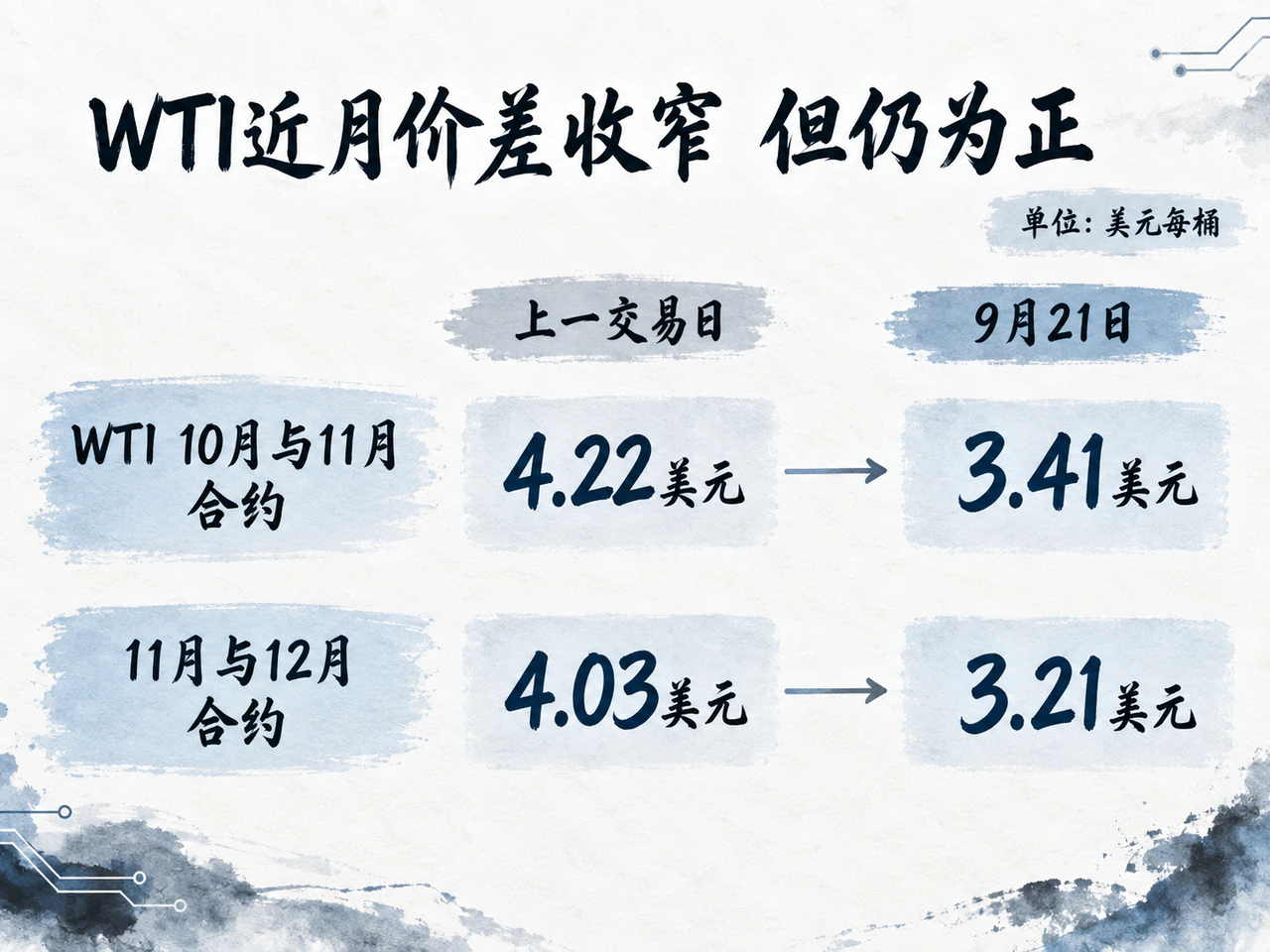
Oil Markets · September 22, 2026
Saudi exports return to Gulf ports and Gulf of Oman ship-to-ship transfers expand as U.S.–Iran diplomacy lifts hopes, sending Brent lower for a fourth session and narrowing WTI spreads. Shipping risks and extreme freight persist, so futures declines need not translate proportionally into refiners' landed costs. Low global stocks leave the next move dependent on physical delivery and rebuilding inventories.
Read article ↗
Oil Markets · September 21, 2026
Oil rallied and then retreated during September 14–20, ending almost flat. Disruption to Saudi Arabia's Red Sea export corridor intensified fears of a deliverable-supply shortfall and lifted early-week crude prices; diverted orders also supported WTI. Offshore Oman transshipment and pipeline-restart plans eased panic and erased the gains. Deep nearby backwardation and middle-distillate pressure nevertheless showed persistent physical scarcity, leaving actual deliveries and demand destruction central to the outlook.
Read article ↗
Oil Markets · September 19, 2026
Oil fell for a third day on September 18. Saudi Arabia arranged sales and shipments of up to 60 million barrels through alternative routes, while sources estimated full pipeline restoration could take 6-8 weeks. WTI's adjacent-month premium stayed above $2 a barrel and U.S. diesel retail prices reached a record. A flat dollar offered little direction; attention turned to actual cargo deliveries and logistics recovery.
Read article ↗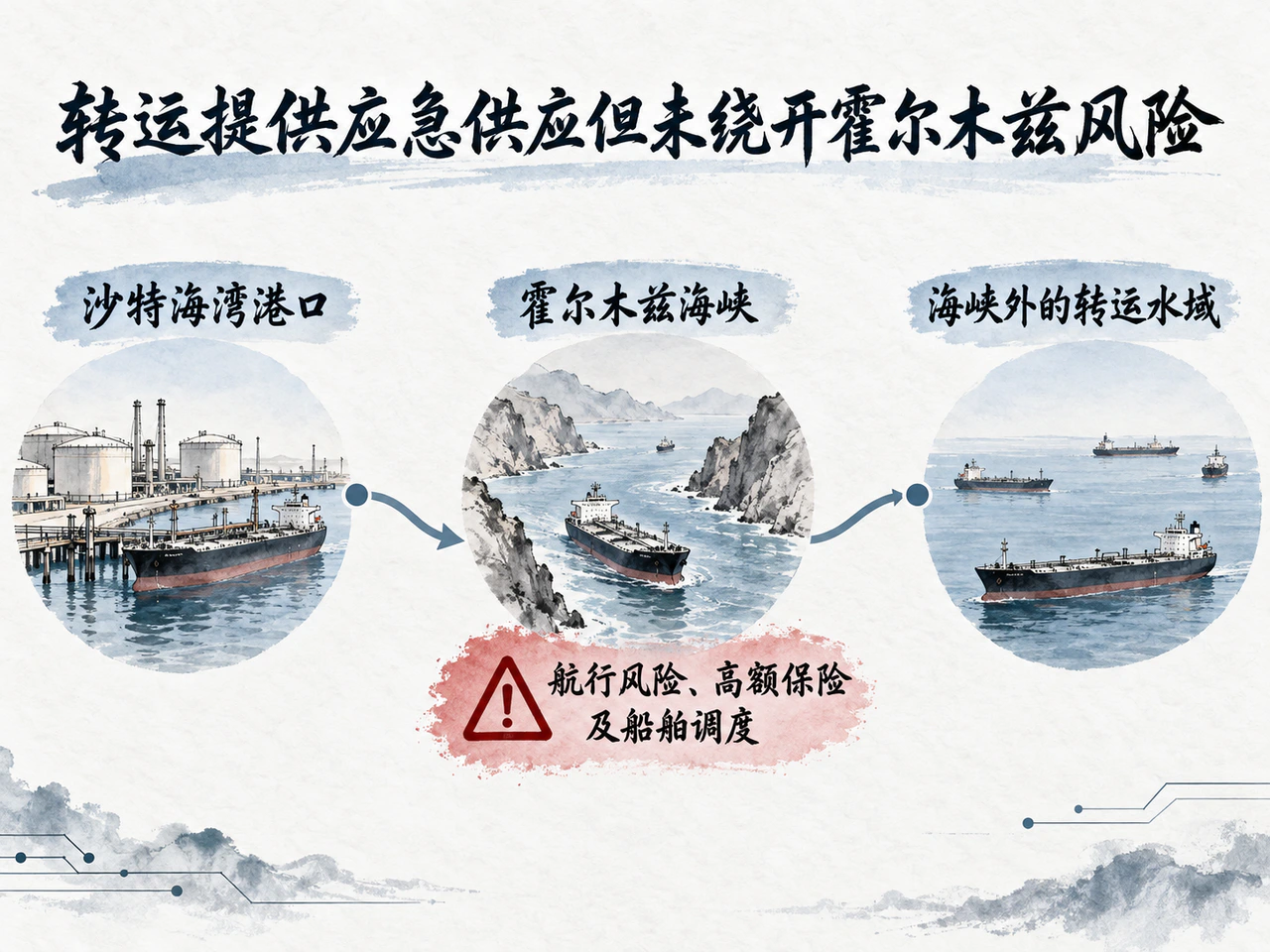
Oil Markets · September 18, 2026
Oil retreated on September 17 as Saudi offshore Oman transfers and hopes of a partial East-West pipeline restart eased export-disruption fears. Hormuz constraints persisted, however, and slower U.S. crude drawdowns coexisted with very low European and U.S. diesel stocks. High downstream cracks encouraged refinery purchasing, limiting oil's downside.
Read article ↗
Oil Markets · September 17, 2026
More Saudi offshore-transfer allocations near Oman and a smaller US crude draw prompted a pullback from high oil prices. Hormuz traffic remained very low, Gulf diesel exports had plunged and global stocks were depleted. Rebalancing depends on actual alternative-route deliveries and pipeline repairs.
Read article ↗
Oil Markets · September 16, 2026
Yanbu disruption pushes European refiners toward alternatives, with Forties at $136.75 a barrel. Falling global stocks intensify prompt pressure; pipeline and loading recovery will determine the supply premium's duration.
Read article ↗
Oil Markets · September 15, 2026
Yanbu stocks may cover only five to seven export days against three to five weeks of repairs. Diplomacy trims oil gains, but the outlook depends on restoring flows before inventories run down and keeping export routes open.
Read article ↗
Oil Markets · September 14, 2026
Brent and WTI gained 8.65% and 9.37% in September 7–13. Blocked Gulf exports and alternative routes, inventory draws and tight diesel lifted prompt prices, while lower demand forecasts constrained gains. The tests ahead are whether passage talks restore vessel flows and refinery supply fills product shortages.
Read article ↗
Oil Markets · September 13, 2026
Shipping-talk headlines lowered oil, but Middle East transport constraints persisted, global stocks kept falling and diesel remained tight. High prices were curbing demand; the next move depended on actual reopening, alternative exports and product restocking.
Read article ↗
Oil Markets · September 12, 2026
Shipping talks pushed oil lower, but Hormuz traffic, alternative export routes and inventory depletion still showed tight supply. High prices were eroding demand. Further medium-term declines depended on actual transport and production recovery.
Read article ↗
Oil Markets · September 11, 2026
Constrained Gulf transport and competition for alternative crude raise near-term supply costs, with recovering Yanbu exports providing some relief. Weak U.S. demand indicators and lower global consumption forecasts mean the durability of $100 oil still depends on actual delivery and consumption.
Read article ↗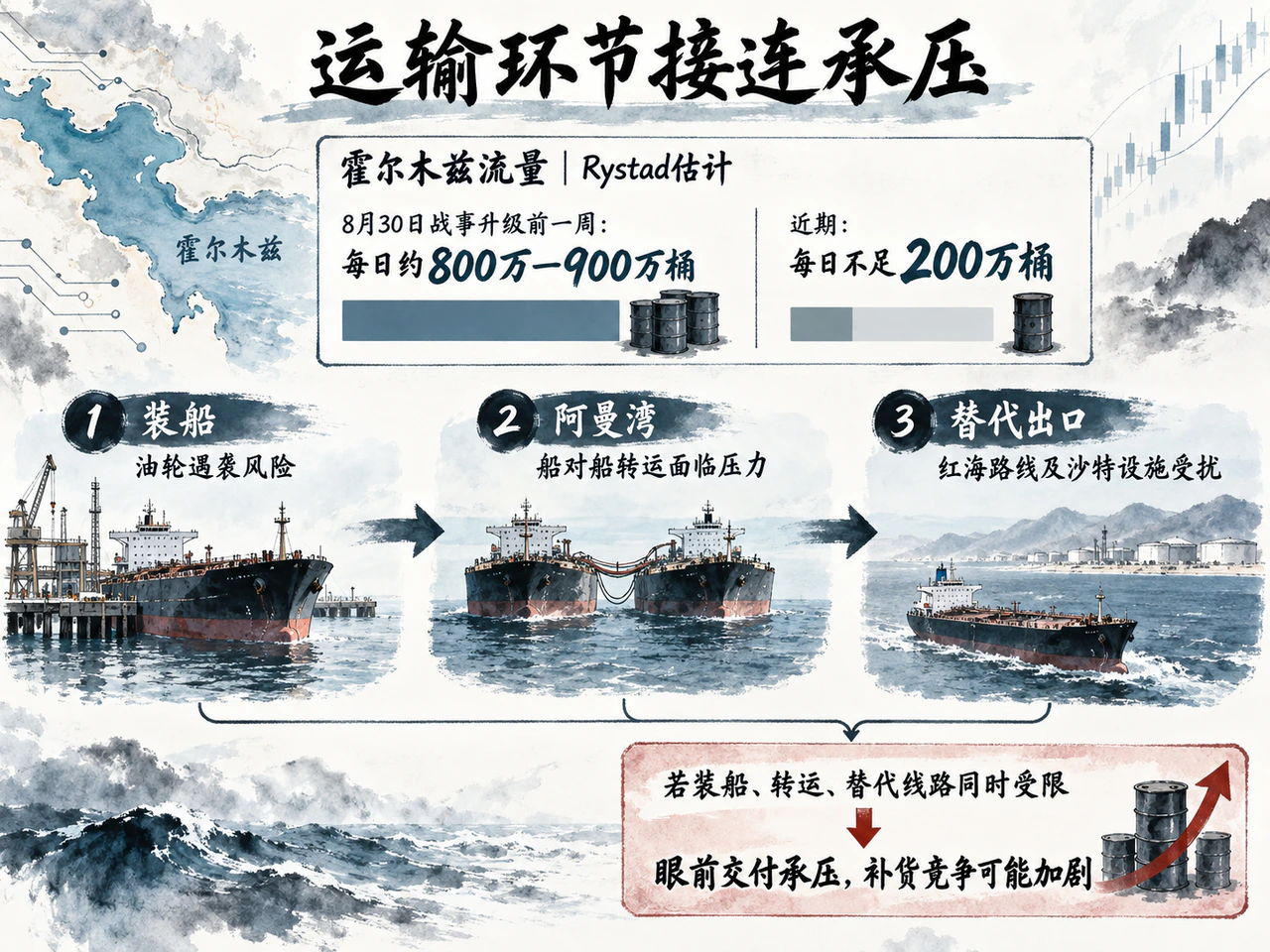
Oil Markets · September 10, 2026
Hormuz flows fell again and alternative export routes also faced risks, taking Brent to $102.09. After months of global stock depletion, actual loading and delivery became central to near-term pricing. Sustained high prices would depend on the pace of transport recovery and inventory replenishment.
Read article ↗
Oil Markets · September 9, 2026
Brent approached $100 a barrel as alternative export routes faced security pressure. Restart and transport constraints limited near-term supply recovery, while high fuel costs' drag on demand capped the upside.
Read article ↗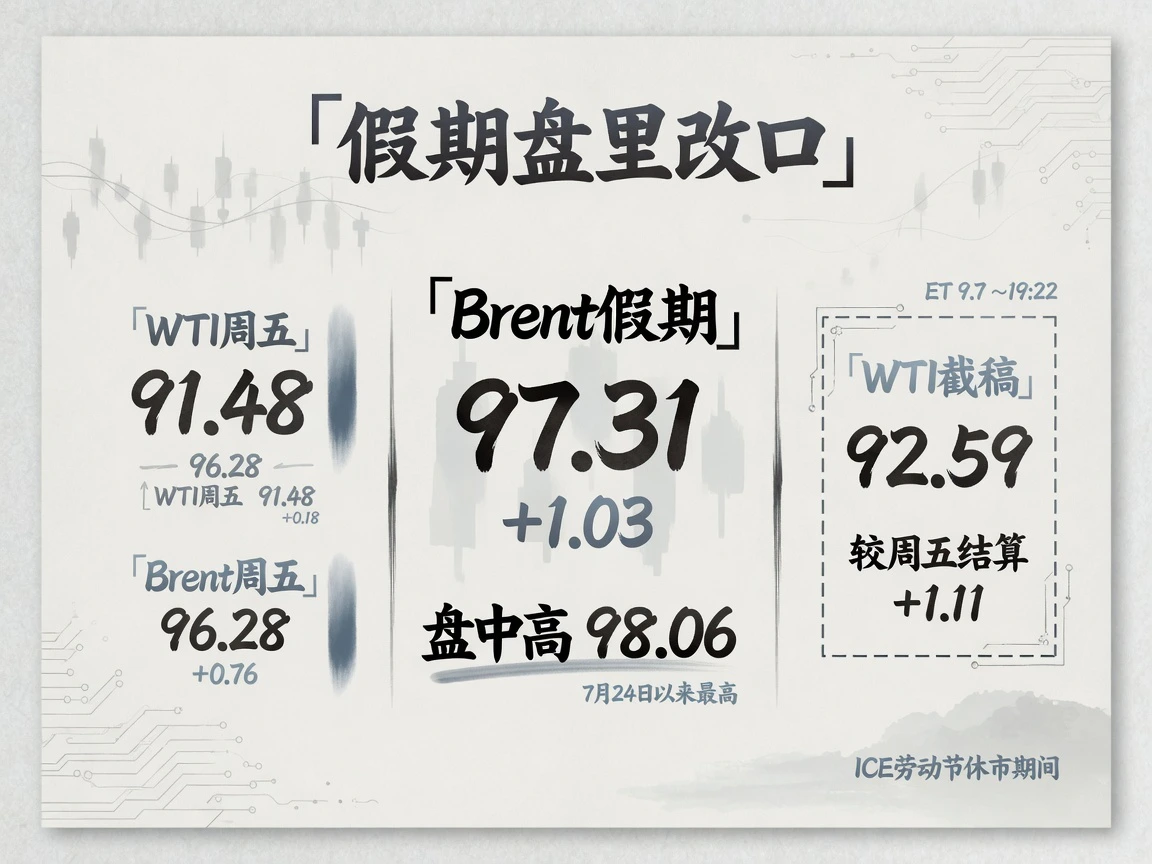
Oil Markets · September 8, 2026
During Labor Day, Brent settled at $97.31 a barrel as supply constraints dominated. Weekend US–Iran tanker strikes reduced Hormuz traffic to its lowest since May, and OPEC+ kept October output policy unchanged. With transport bottlenecks unresolved and US fuel stocks low, markets still face a near-term supply premium.
Read article ↗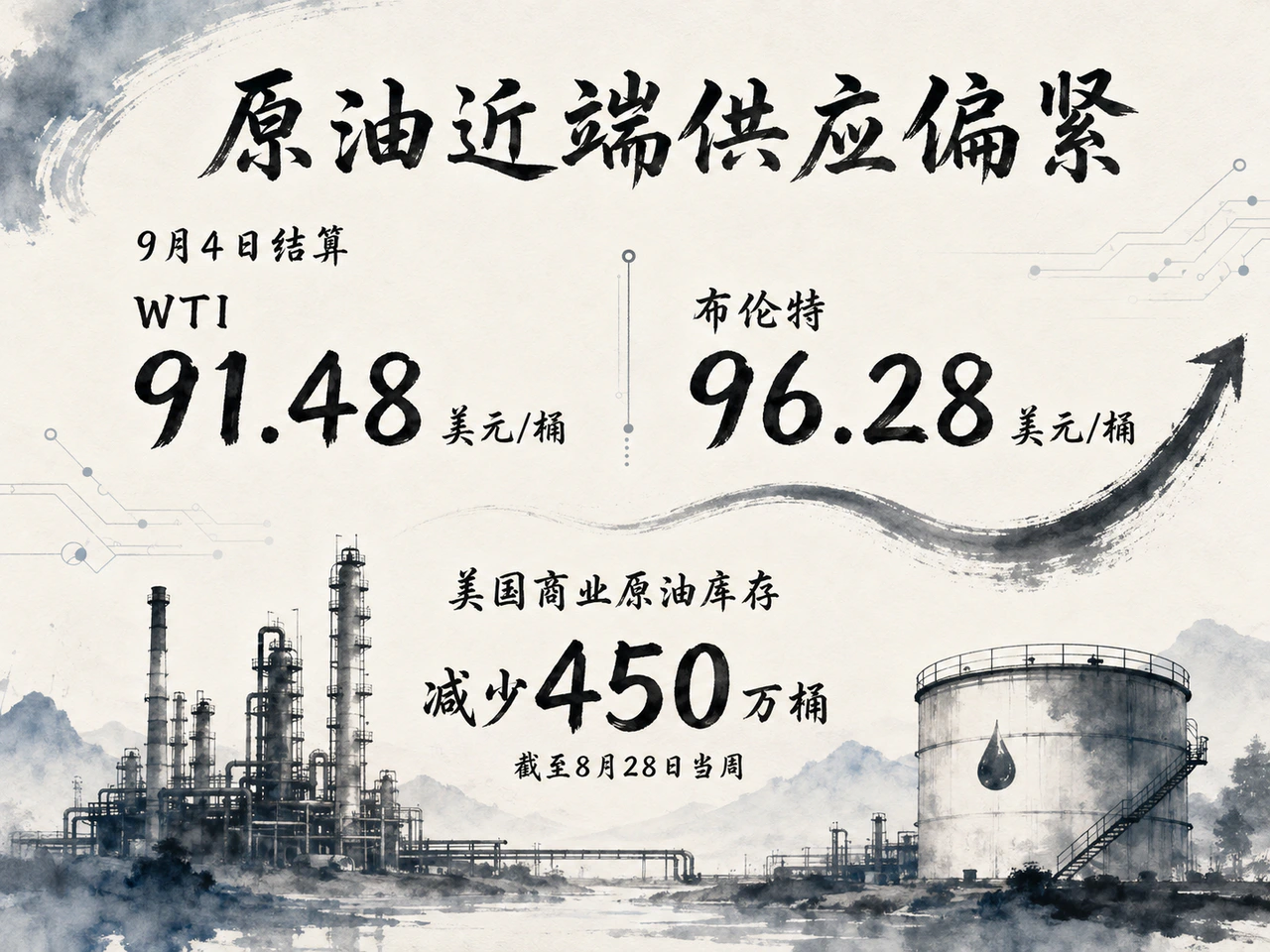
Oil Markets · September 7, 2026
WTI rose about 9.7% in a week. Tight prompt crude and product supply remained central; inventories, transit volumes and transport costs would test the pace of recovery.
Read article ↗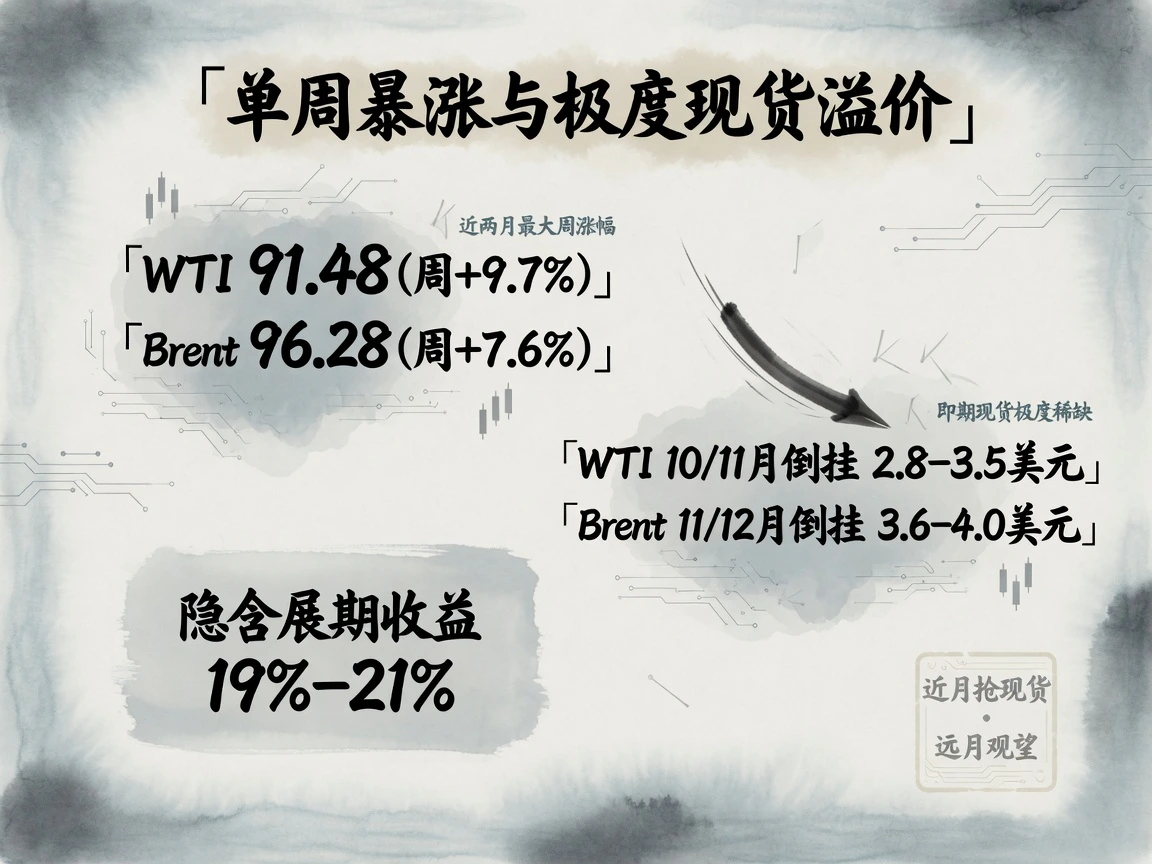
Oil Markets · September 5, 2026
Oil consolidated at elevated levels on September 4 after successive sharp gains. Official settlements were $91.48 for October WTI and $96.28 for November Brent, producing weekly gains of about 9.7% and 7.6%. Exceptional nearby scarcity premiums and shipping costs confronted stronger U.S. rate-hike expectations.
Read article ↗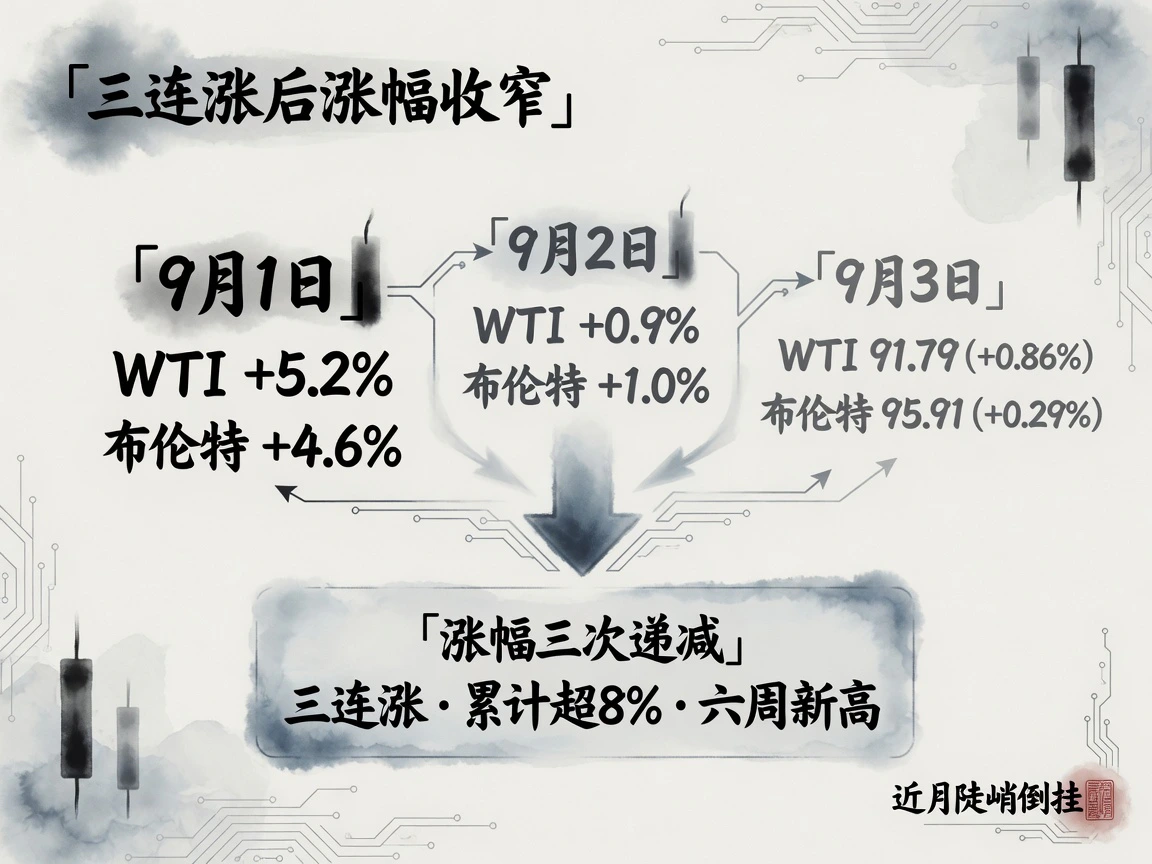
Oil Markets · September 4, 2026
Hormuz carries about one-fifth of global oil and LNG trade and is among oil prices' most sensitive waterways. On September 3, US–Iran fighting reached its greatest intensity since July, but oil gained only moderately: October WTI settled at $91.79/barrel, up 0.86%.
Read article ↗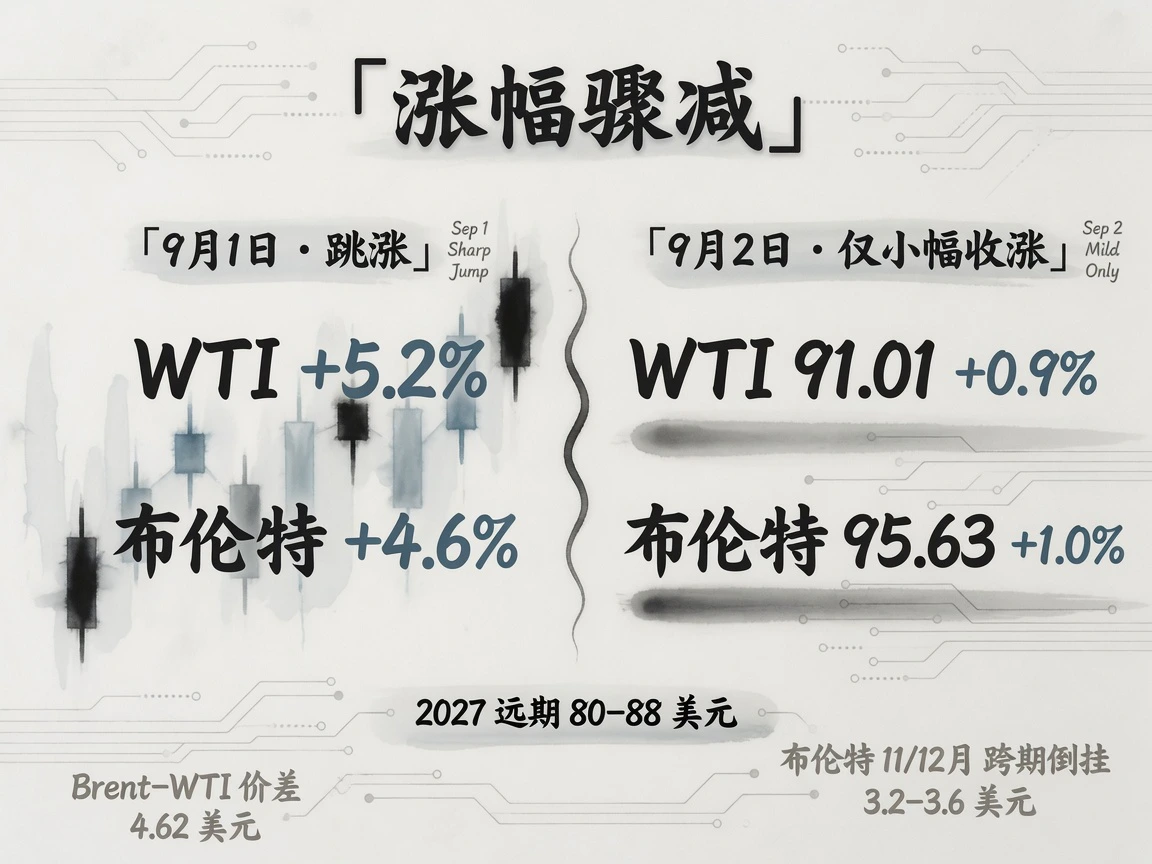
Oil Markets · September 3, 2026
On September 2, U.S.–Iran fighting resumed: U.S. forces struck southern Iran, which retaliated against U.S. facilities with missiles and drones and vowed tighter Hormuz controls. Yet oil gained only modestly: WTI closed at $91.01 (+0.9%) and Brent at $95.63.
Read article ↗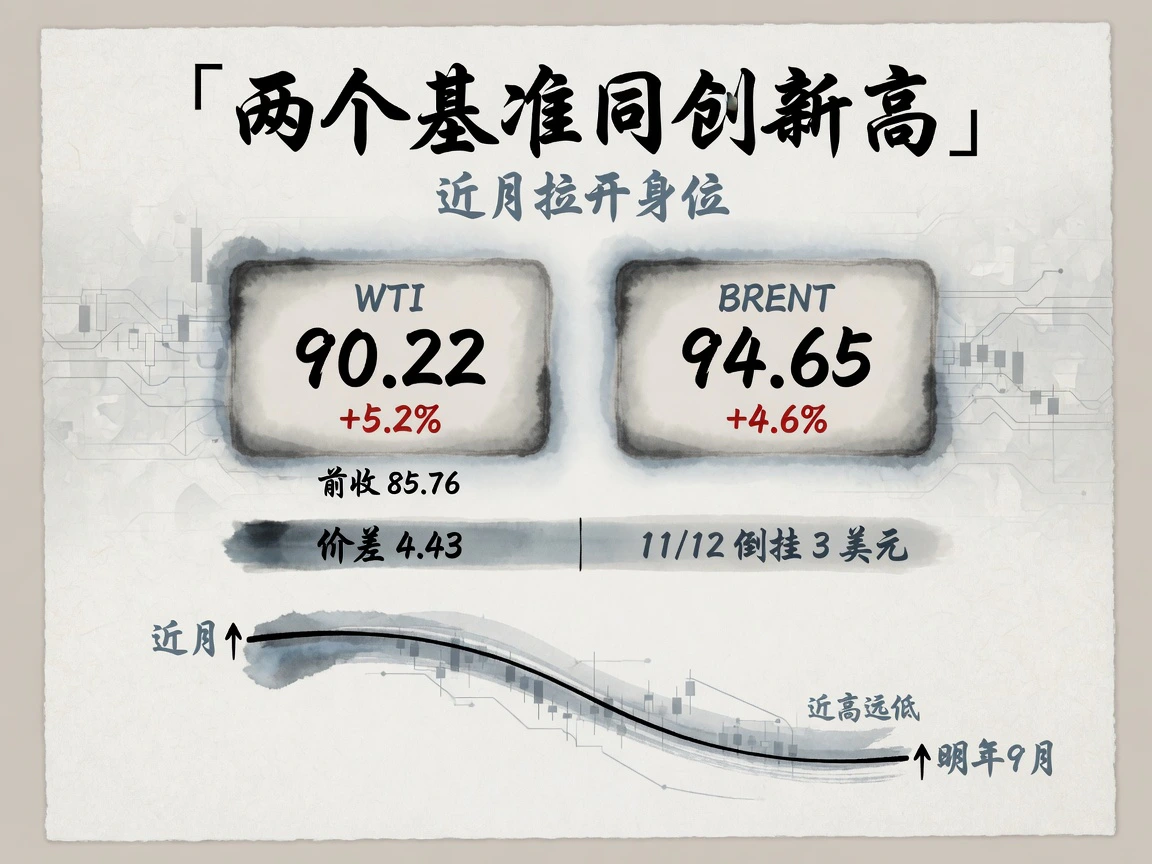
Oil Markets · September 2, 2026
On September 1, the U.S. launched its largest strikes on Iran in a month, reaching the southern coastal bypass-export area around Jask. Two VLCC attacks and a tanker mine fire added pressure as oil broke out of its nearly month-long range.
Read article ↗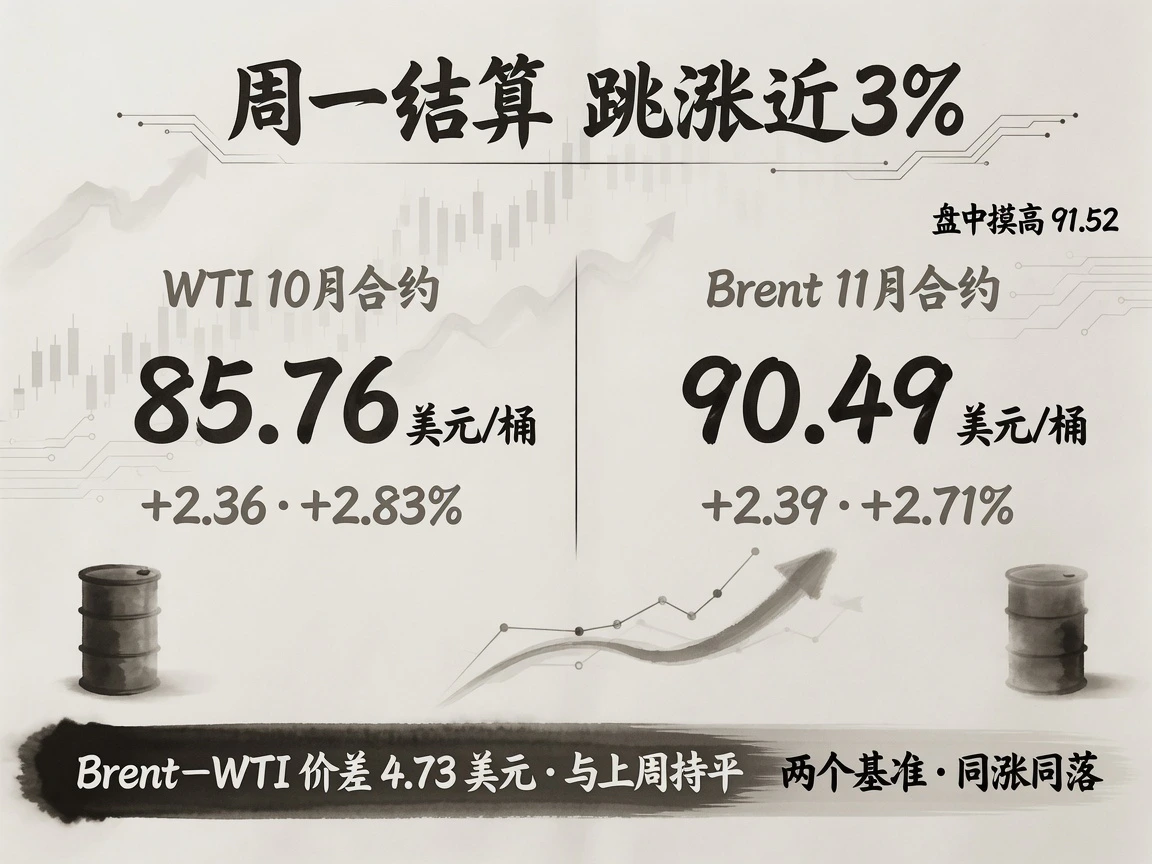
Oil Markets · September 1, 2026
On Monday, August 31, oil opened September trading with a nearly 3% jump. October WTI settled at $85.76 a barrel, up $2.36 or 2.83% from August 28; November Brent settled at $90.49, up $2.39 or 2.71%.
Read article ↗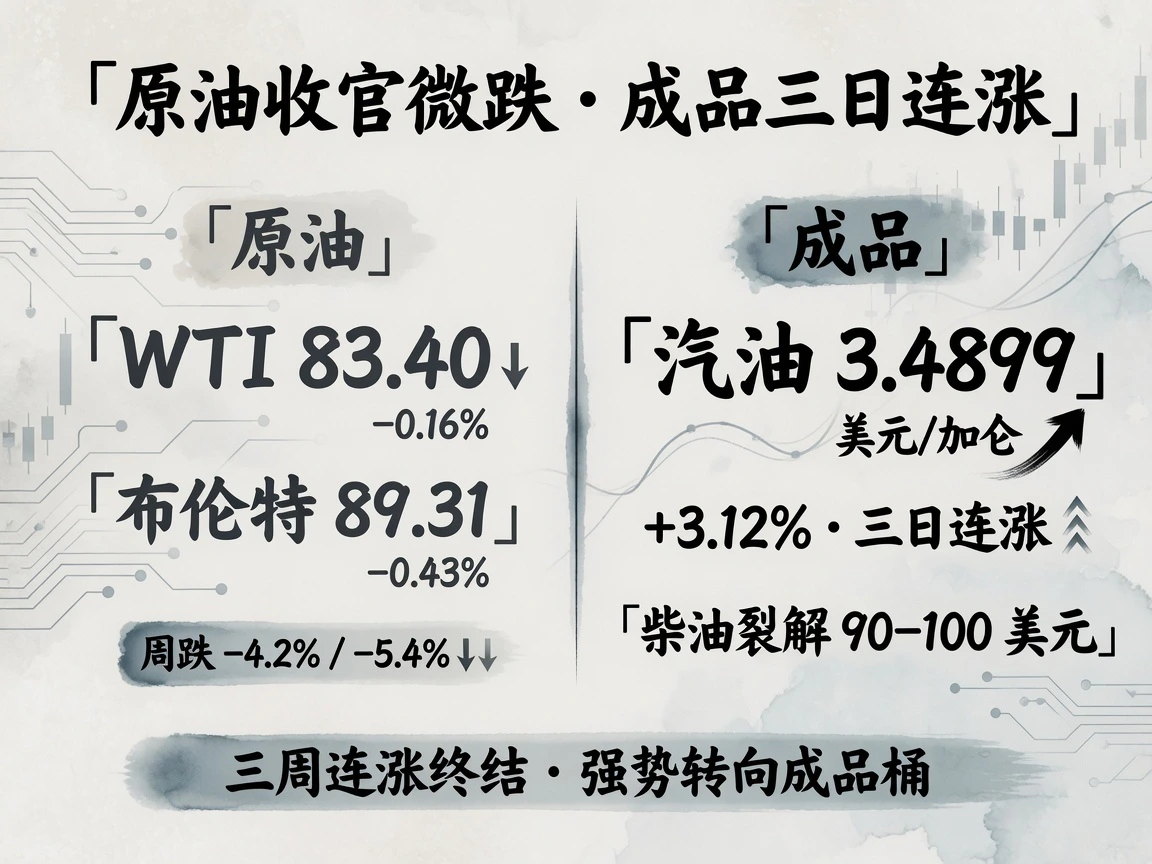
Oil Markets · August 30, 2026
WTI and Brent edged lower August 28, ending three rising weeks. Gasoline gained a third day to a three-month high, diesel cracks neared records and Russia extended its diesel export ban. Refined products have become the focus of scarcity pricing.
Read article ↗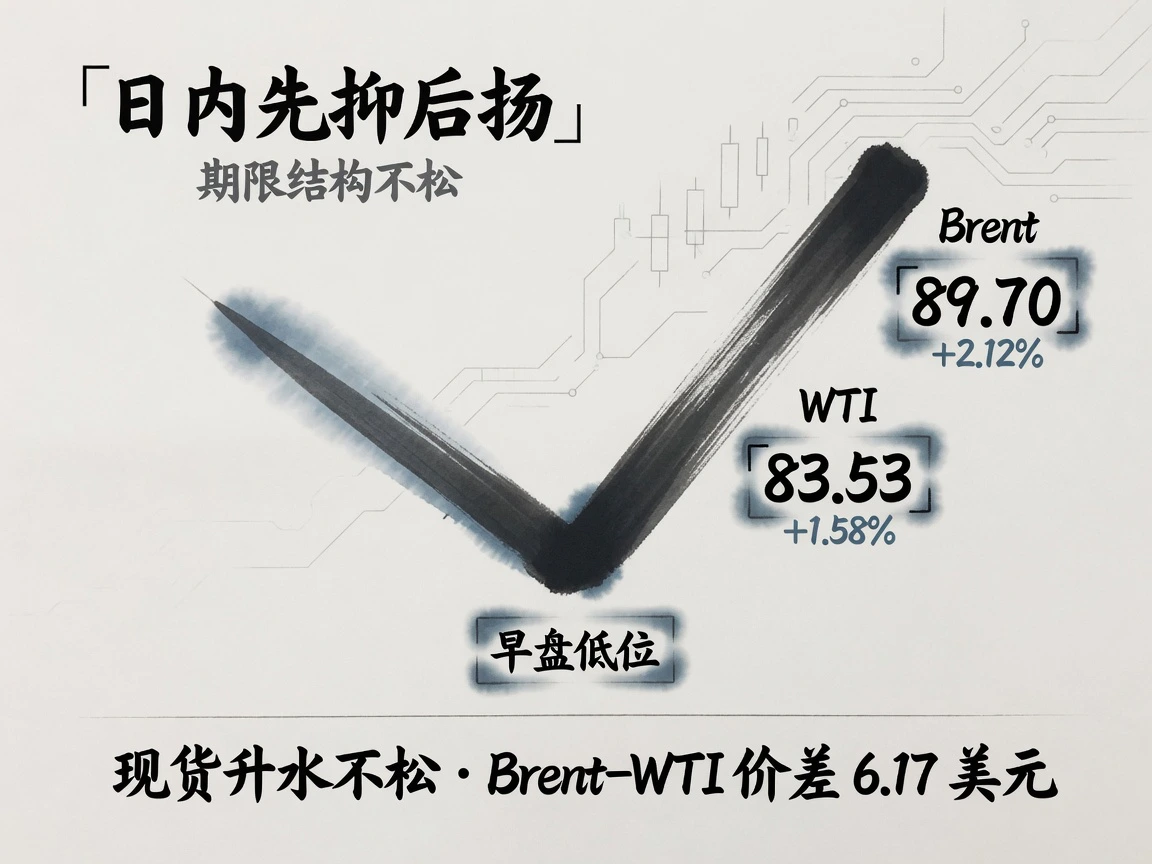
Oil Markets · August 28, 2026
Oil's losing streak ended August 27. October WTI settled at $83.53, up $1.30 or about 1.58% from $82.23, ending four declines. October Brent settled at $89.70, higher than the previous $87.84.
Read article ↗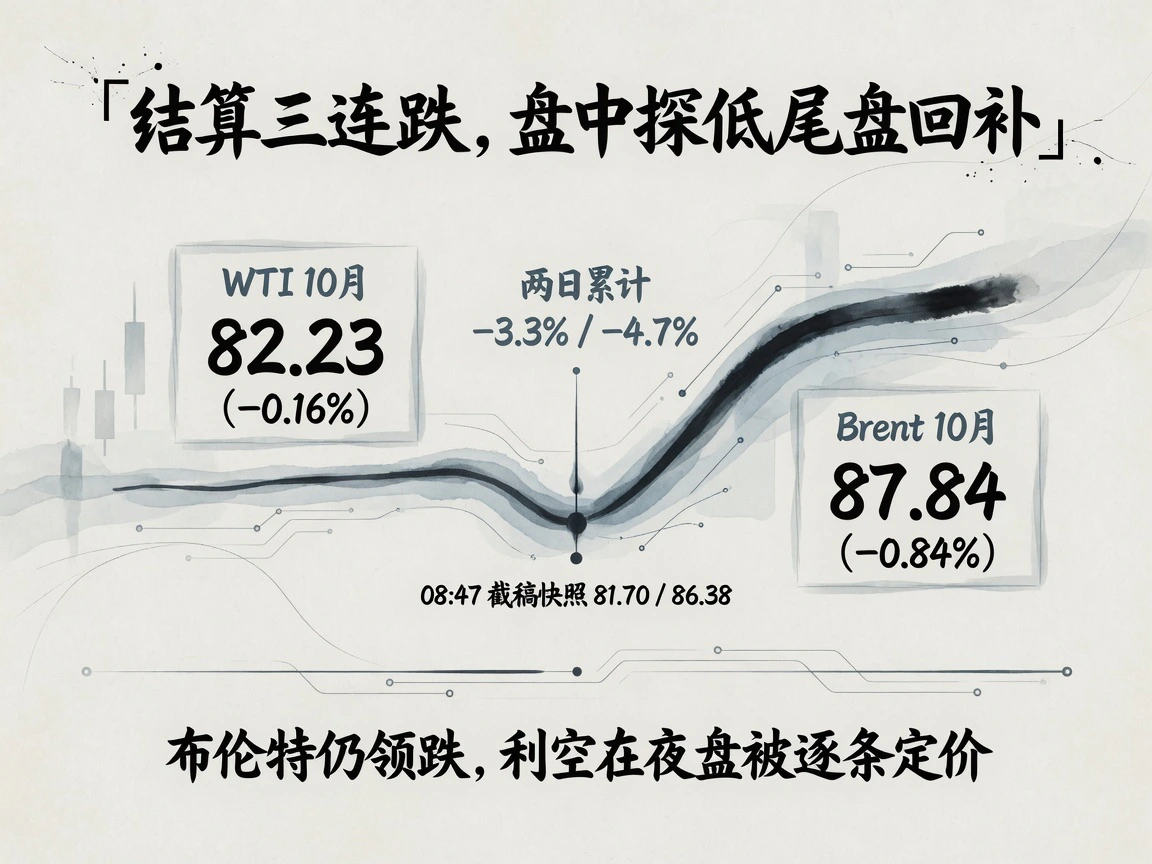
Oil Markets · August 27, 2026
Oil fell for a third session on August 26, at a slower pace. October WTI settled at $82.23 a barrel, down $0.13 or about 0.16%; October Brent settled at $87.84, down $0.74 or about 0.84%.
Read article ↗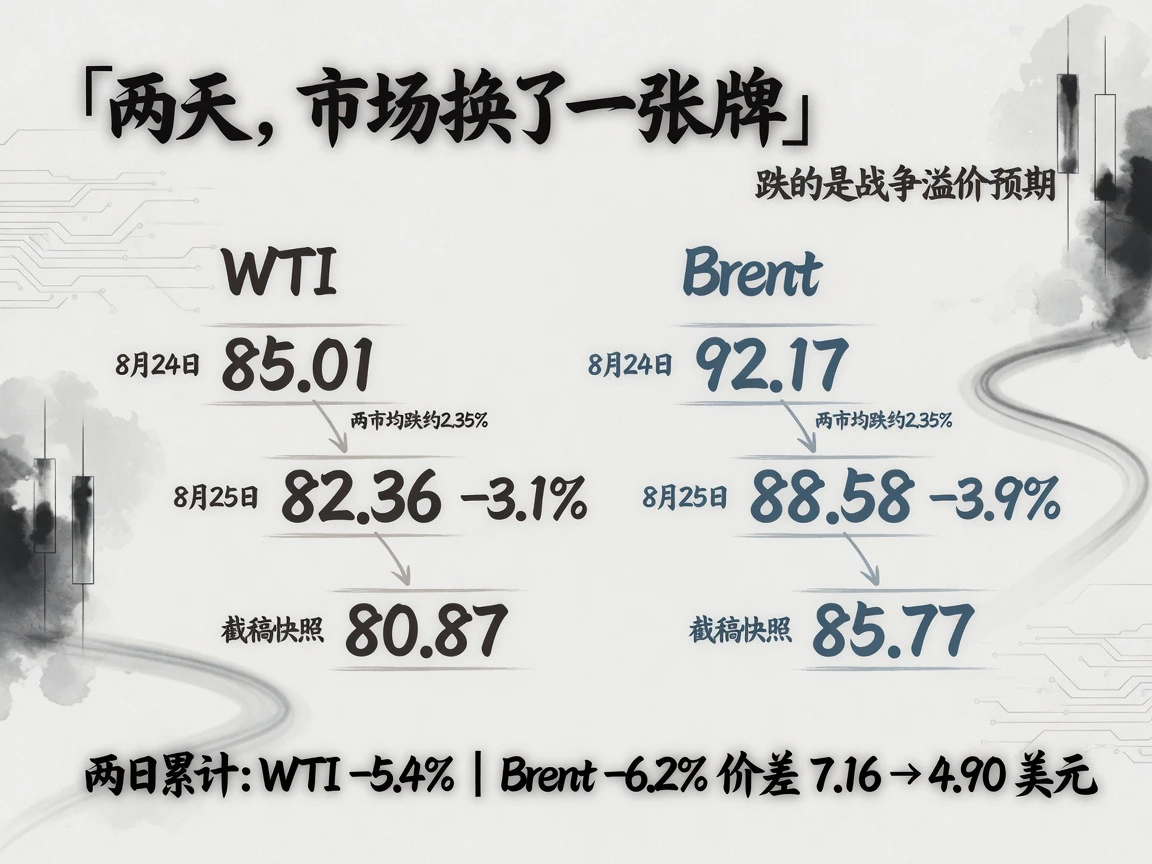
Oil Markets · August 26, 2026
WTI and Brent fell sharply for a second session on August 25 to near two-week lows. October WTI settled at $82.36, down $2.65 or about 3.1%; October Brent settled at $88.58, down $3.59 or about 3.9%.
Read article ↗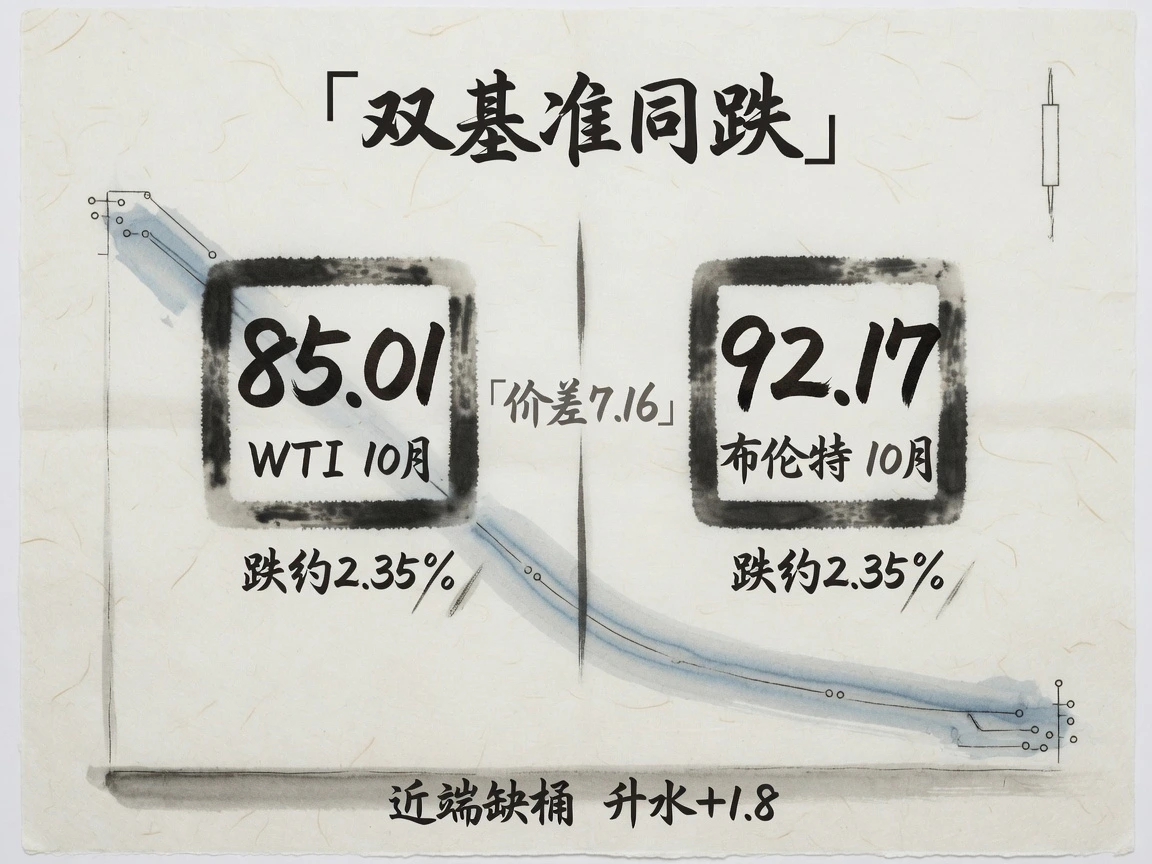
Oil Markets · August 25, 2026
Washington's Economic Exile action against Iran appeared supply-tightening, but markets sold the fact: both benchmarks fell around 2.35% on August 24. The substantive new information came from the Red Sea, where an attack on a Saudi tanker exposed risks to an alternative export corridor.
Read article ↗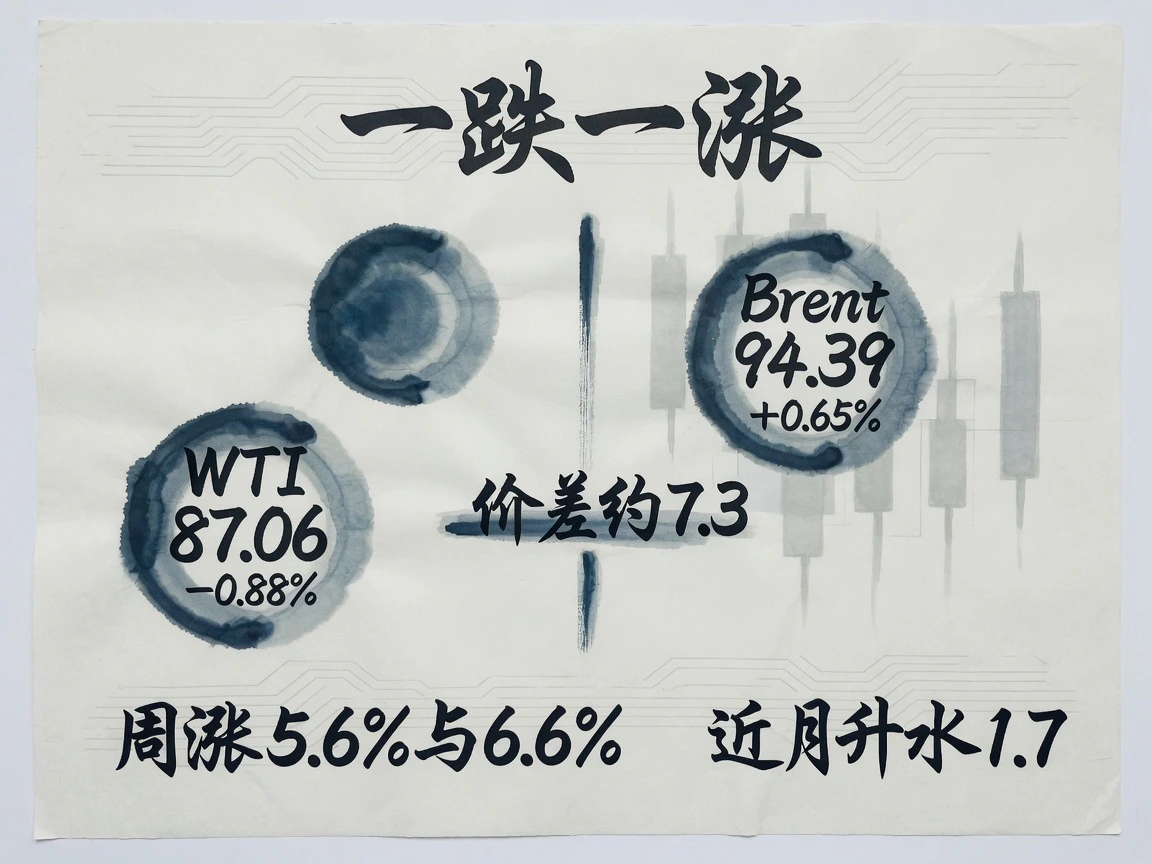
Oil Markets · August 24, 2026
Threats of tougher sanctions and Hormuz shipping bottlenecks kept prompt oil and freight rates elevated. Deferred contracts were already pricing supply replenishment and weaker demand; bulls moved ahead before Monday's U.S. sanctions details.
Read article ↗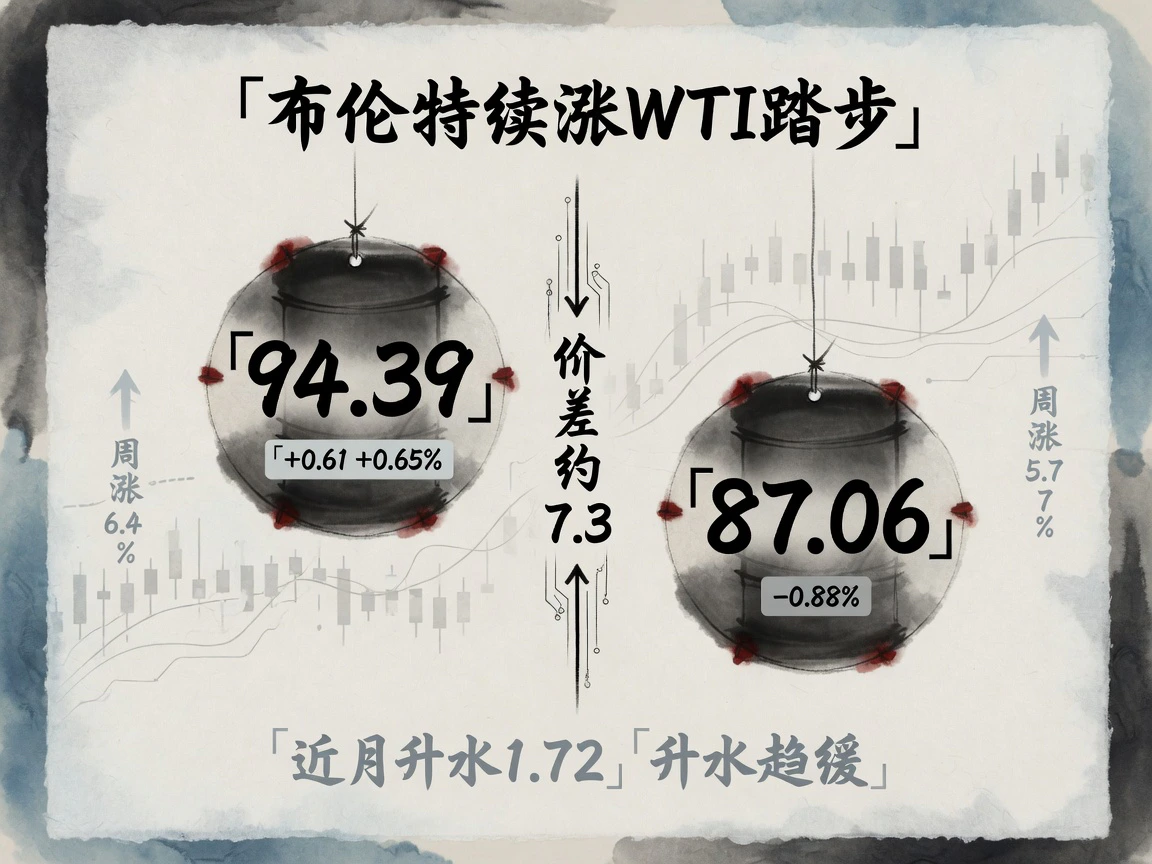
Oil Markets · August 22, 2026
Expiry of the June ceasefire memorandum, stalled talks and promised severe U.S. sanctions lifted oil for a second week, with Brent above $94 at a near-month high. Friday brought stronger Brent, stagnant WTI and narrower nearby spreads, shifting attention to Monday's implementation details.
Read article ↗
Oil Markets · August 21, 2026
On August 20, tougher U.S. sanctions threats and the UAE's suspension of Iranian trade and finance lifted crude to its highest settlements since July 24. Deep backwardation and record diesel cracks show that downstream fuel, especially diesel, is the tightest supply-chain link.
Read article ↗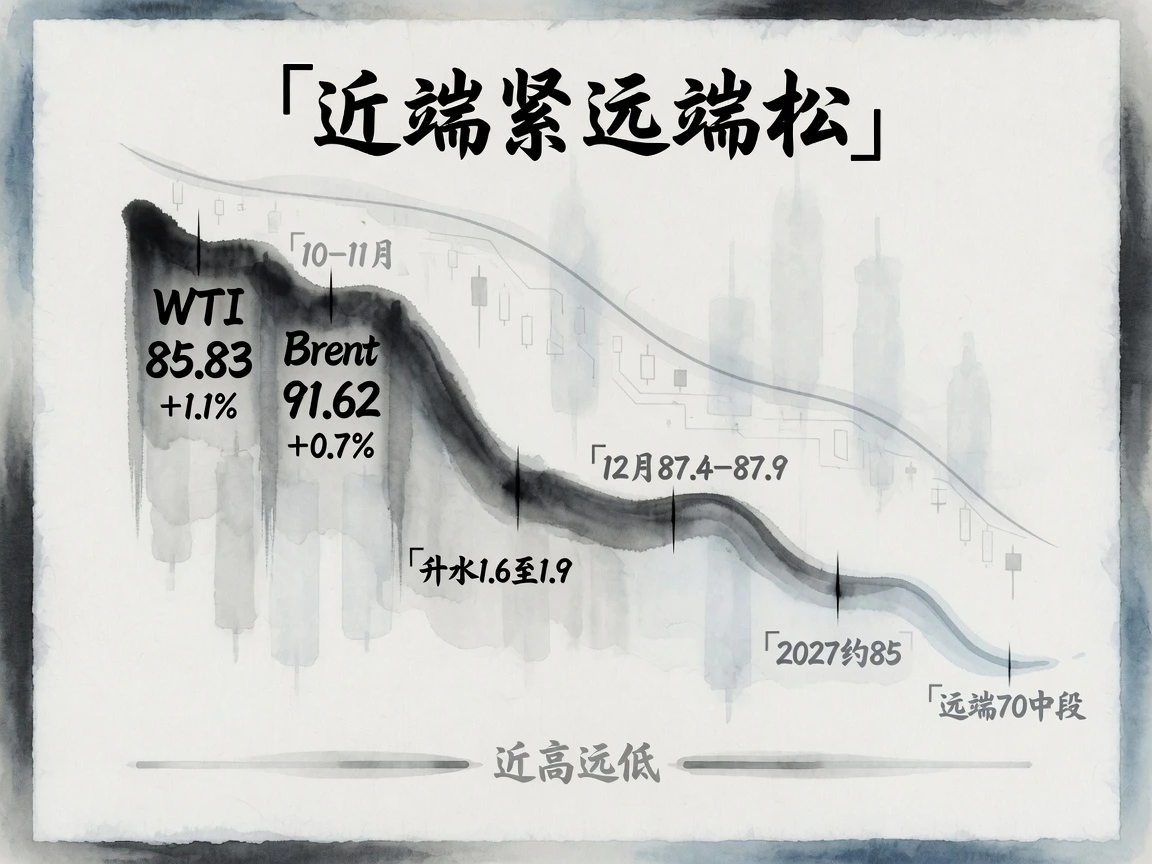
Oil Markets · August 20, 2026
Hormuz disruption enters its sixth month. August 19 WTI and Brent settlements were highest since July 24, yet deferred curves slope down and EIA crude builds persist: markets price continued disruption, rather than deterioration.
Read article ↗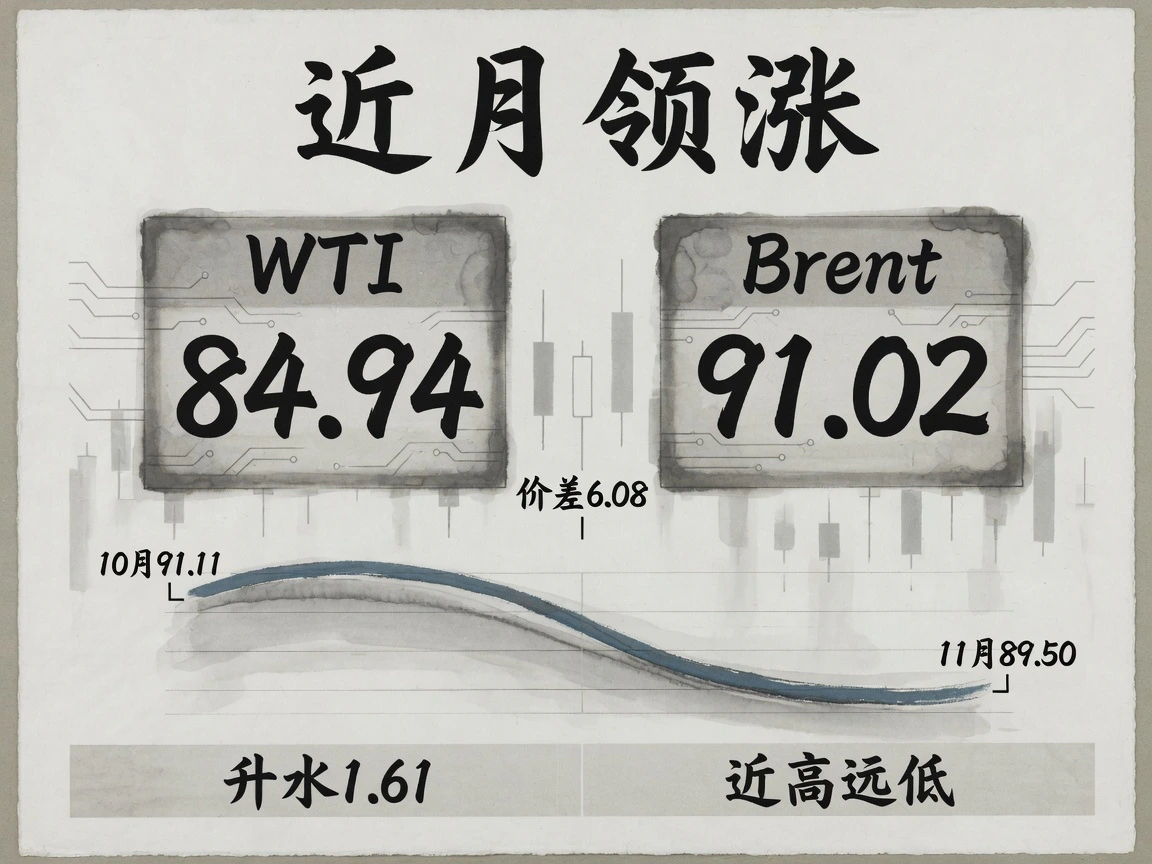
Oil Markets · August 19, 2026
On Tuesday, August 18, the U.S.–Iran peace window closed and Iran adopted an all-out offensive posture. Oil added a Hormuz transit-risk premium: September WTI settled at $84.94 a barrel, up $0.44 or 0.52%.
Read article ↗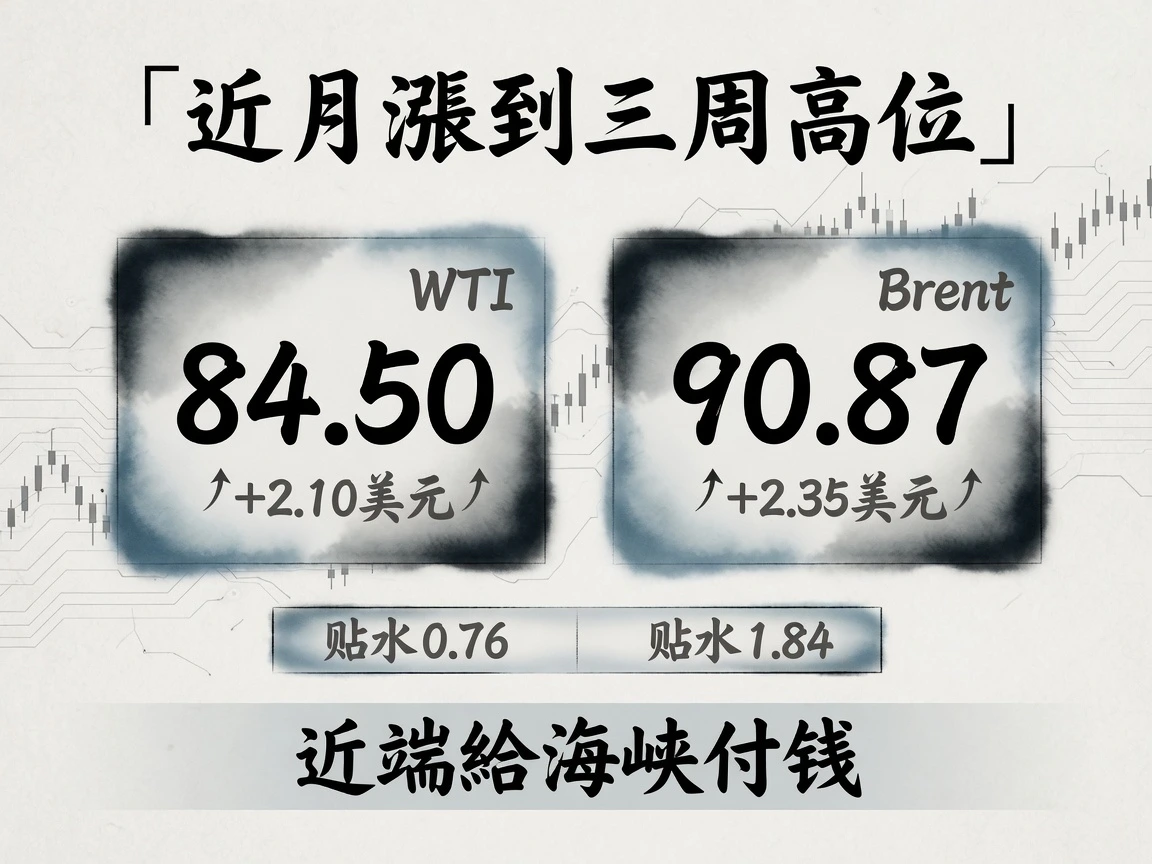
Oil Markets · August 18, 2026
The June 17 U.S.–Iran memorandum's 60-day deadline expired August 17 without either side seeking an extension. Araghchi had not decided to resume talks and U.S. Energy Secretary Wright described a long war. Nearby oil repriced prolonged Strait disruption to roughly three-week highs.
Read article ↗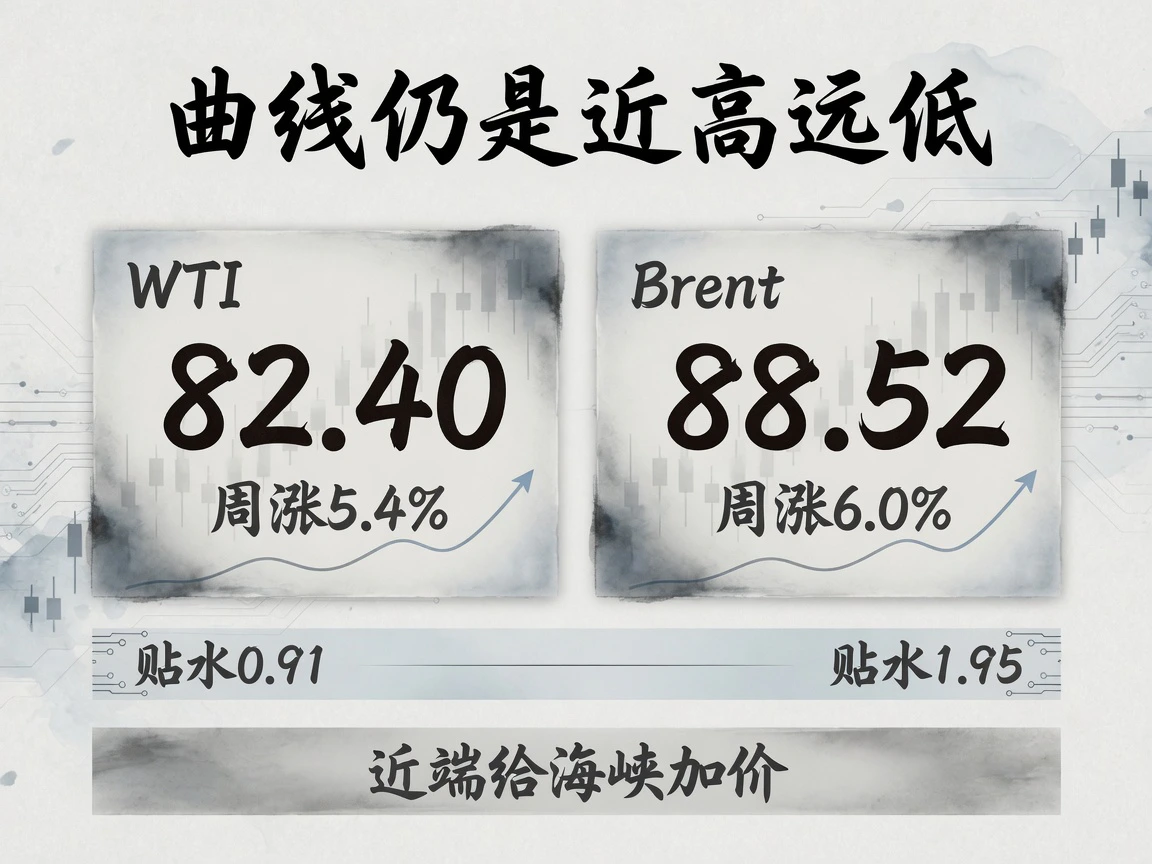
Oil Markets · August 17, 2026
On August 14, another tanker attack and US talk of indefinite blockade raised nearby premiums. September WTI settled at $82.40/barrel, up $1.15 or 1.42% from $81.25 on August 13; October Brent settled at $88.52, up $1.45 or 1.67% from $87.07.
Read article ↗
Oil Markets · August 16, 2026
WTI's official settlement rose 1.42%, while Brent was unchanged on the frozen basis. Commercial stocks rose as strategic reserves fell; effective arrivals and refinery recovery remained central.
Read article ↗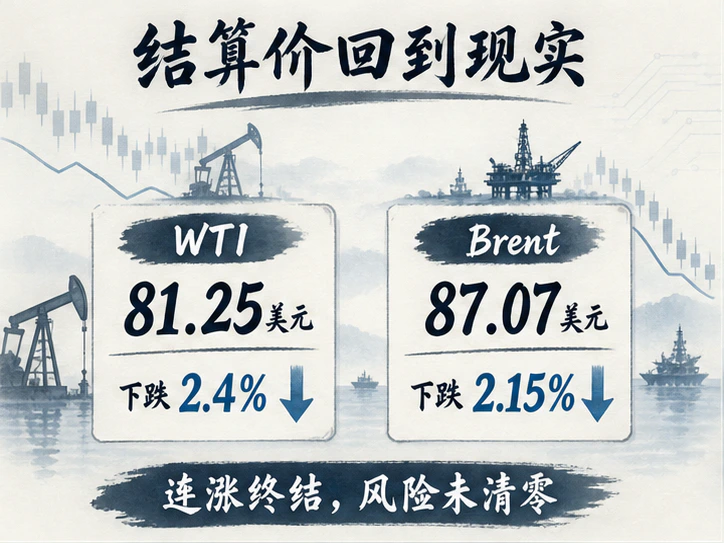
Oil Markets · August 14, 2026
Brent and WTI settled down 2.15% and 2.4% on August 13 as US crude stocks rose 17.4 million barrels in a week. Demand downgrades pressured prices, while Hormuz and product bottlenecks still supported prompt physical prices.
Read article ↗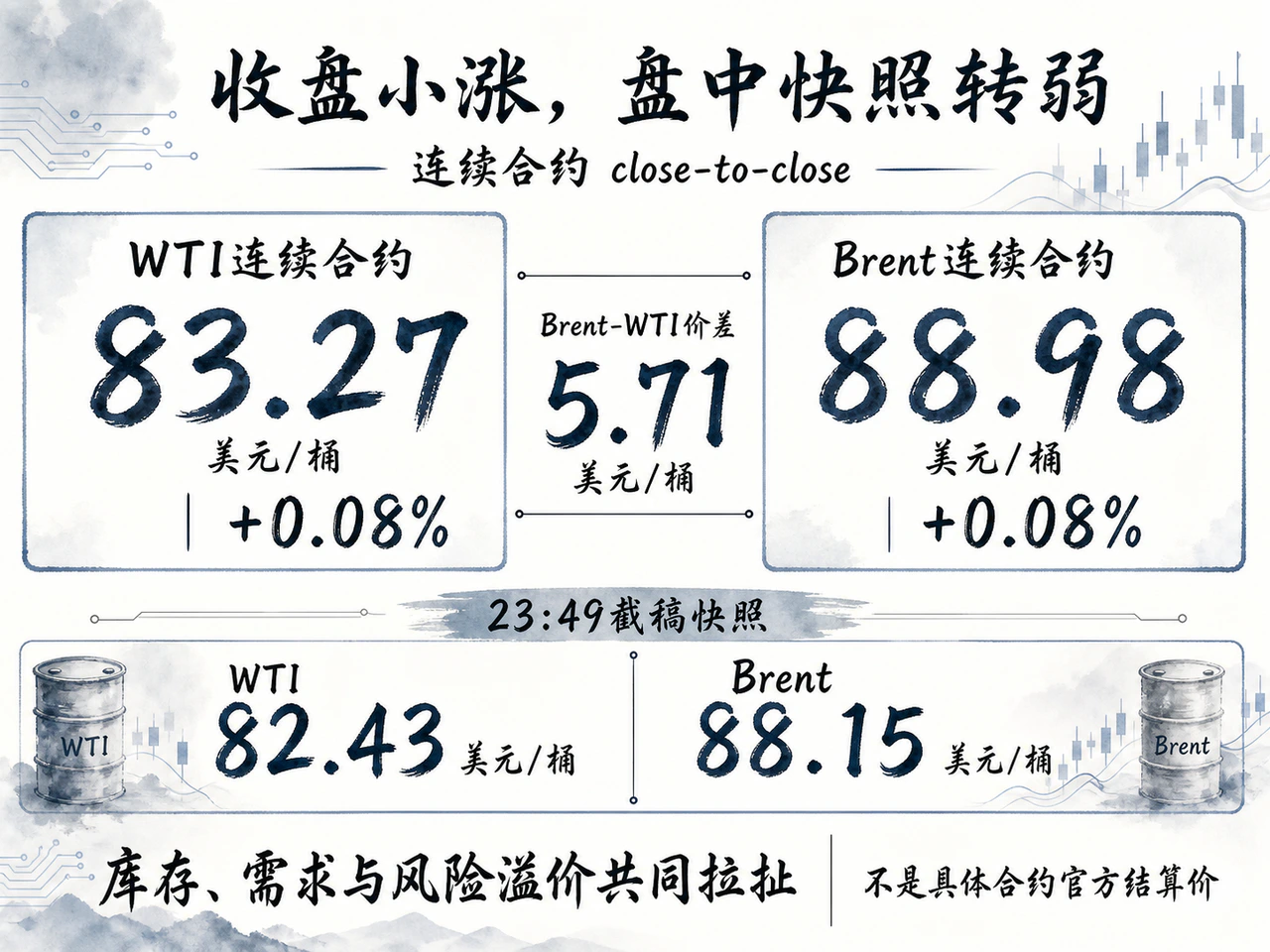
Oil Markets · August 13, 2026
A large U.S. weekly crude build pressured oil, but low gasoline and distillate stocks and thin global product and maritime buffers meant falling prices could not yet be treated as a trend reversal.
Read article ↗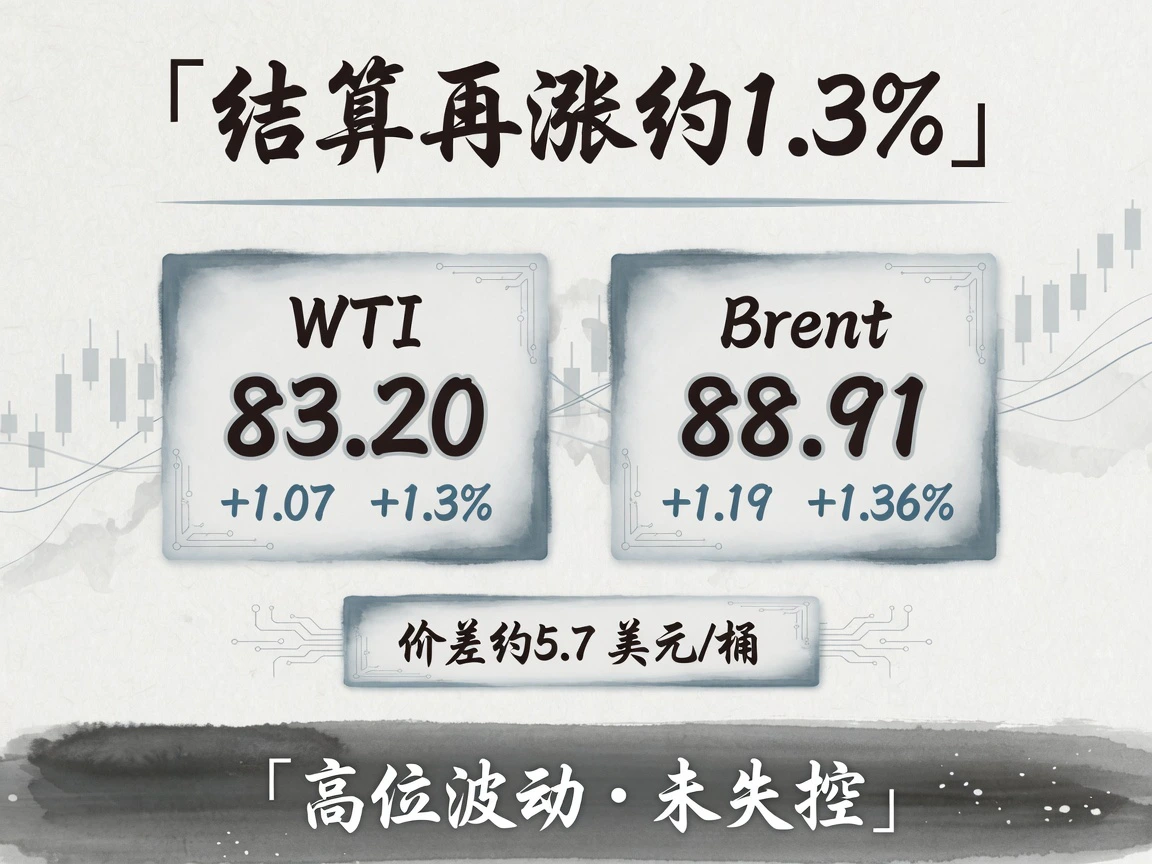
Oil Markets · August 12, 2026
After Monday's roughly 5% jump, Tuesday settlement rose about 1.3%, taking weekly gains above 6%. Hormuz negotiating deadlock and commercial traffic far below prewar levels remain the main drivers of prompt premiums.
Read article ↗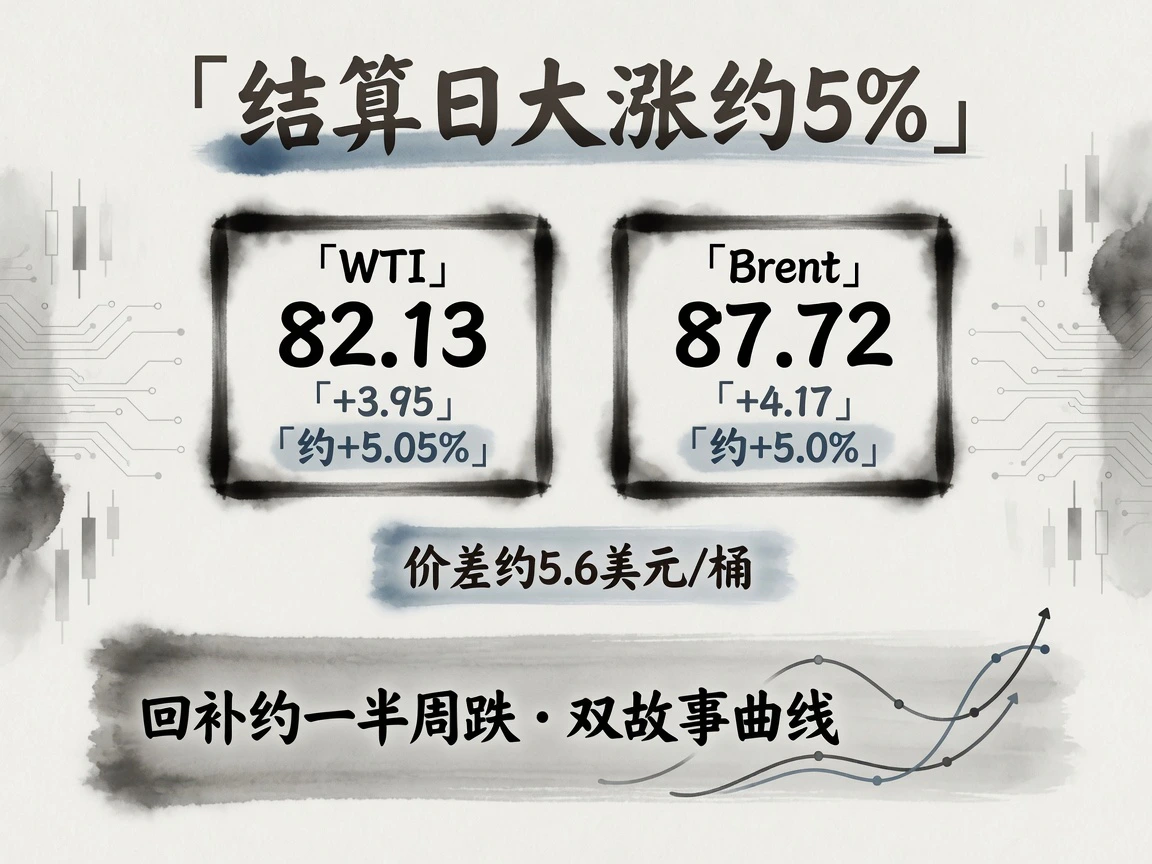
Oil Markets · August 11, 2026
Monday's roughly 5% settlement rally reversed much of the optimistic Hormuz-reopening trade. Disagreement over terms and persistently weak commercial traffic restored nearby geopolitical and capacity premiums, outweighing U.S. inventories, rates and the dollar.
Read article ↗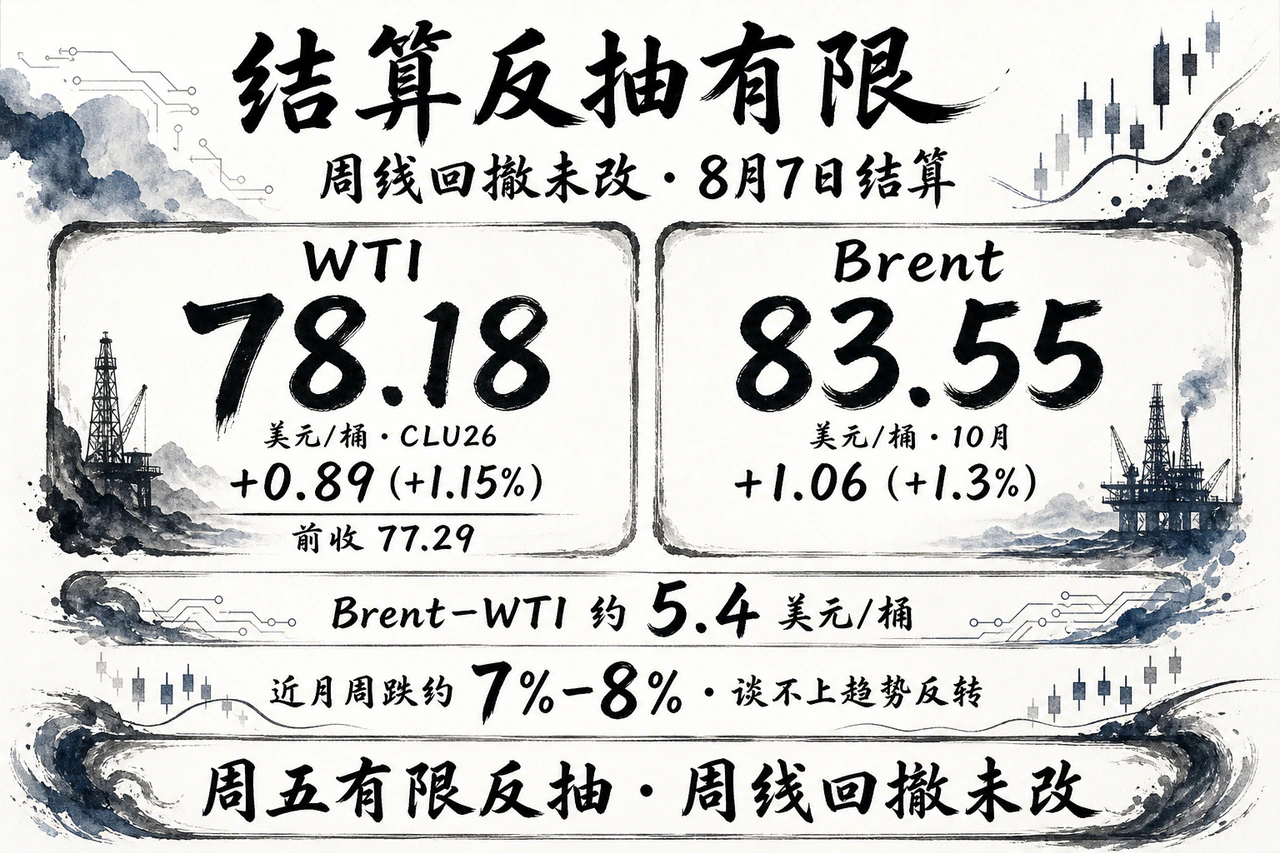
Oil Markets · August 10, 2026
After a steep weekly fall, oil rebounds modestly on Friday. Conditional Hormuz reopening has not restored flows: restrictive passage terms and scarce shipping support the front end, while OPEC+ paper supply and US crude builds weigh on deferred prices.
Read article ↗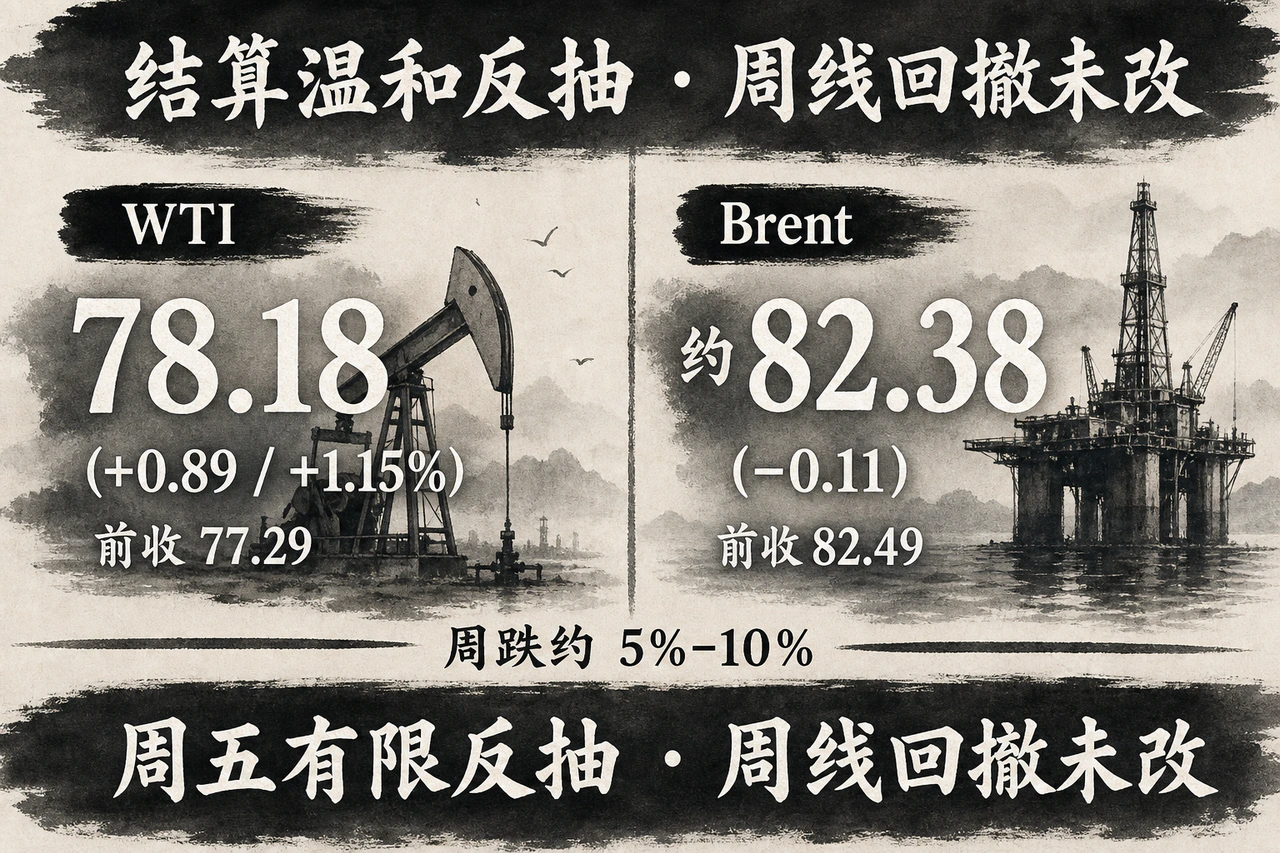
Oil Markets · August 8, 2026
After a large weekly decline, Friday offered only a limited rebound. Nearby contracts priced Hormuz conditions and sparse traffic as freight premiums rose, while OPEC+ paper supply and U.S. crude builds weighed on deferred prices. Statements did not restore passage: markets priced eventual reopening without putting surplus into the prompt curve.
Read article ↗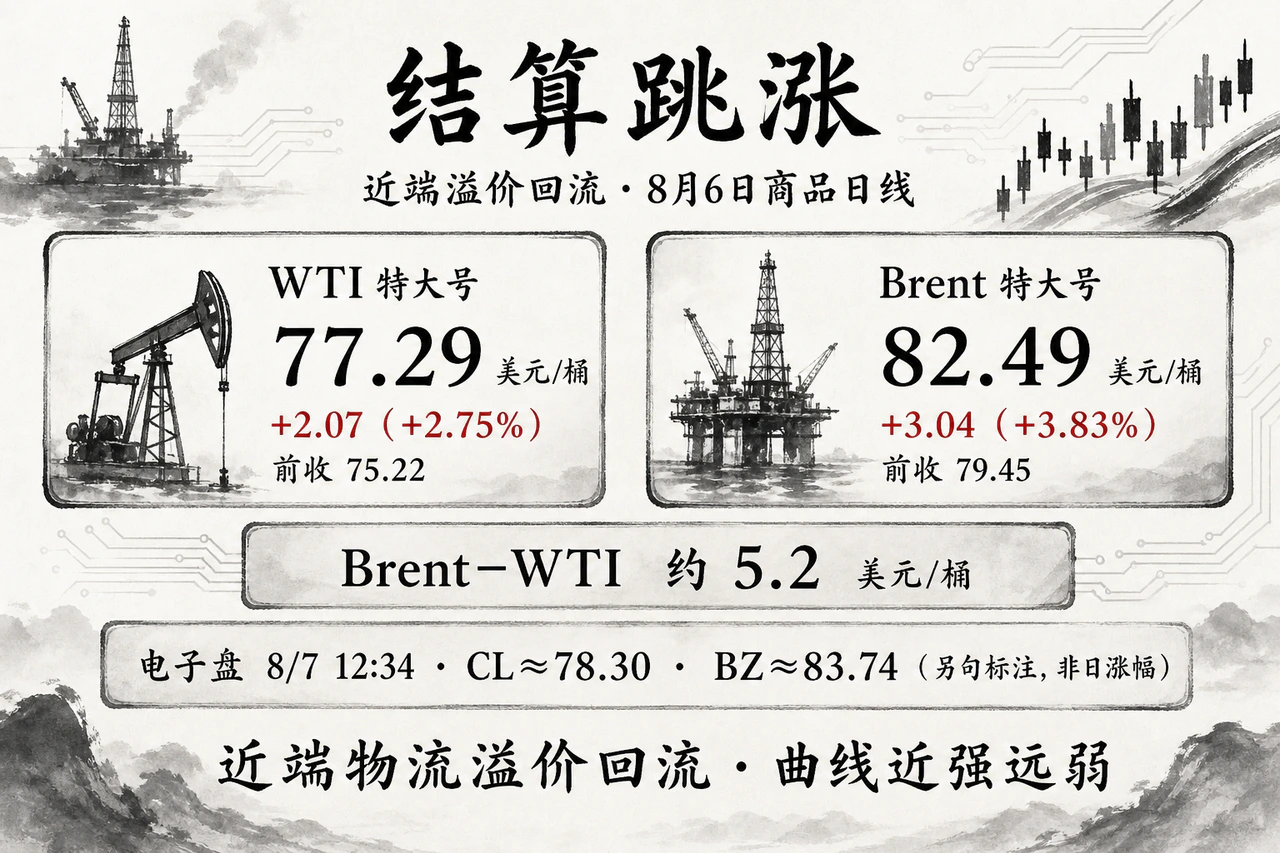
Oil Markets · August 7, 2026
An agreement in principle on Hormuz has yet to produce meaningful vessel traffic, while new questions over passage terms have emerged. Crude bought back its prompt logistics premium during the session. Farther along the curve, OPEC+ supply increases and a US inventory build still weigh on prices: backwardation persists, and the decisive evidence will come from ships, not statements.
Read article ↗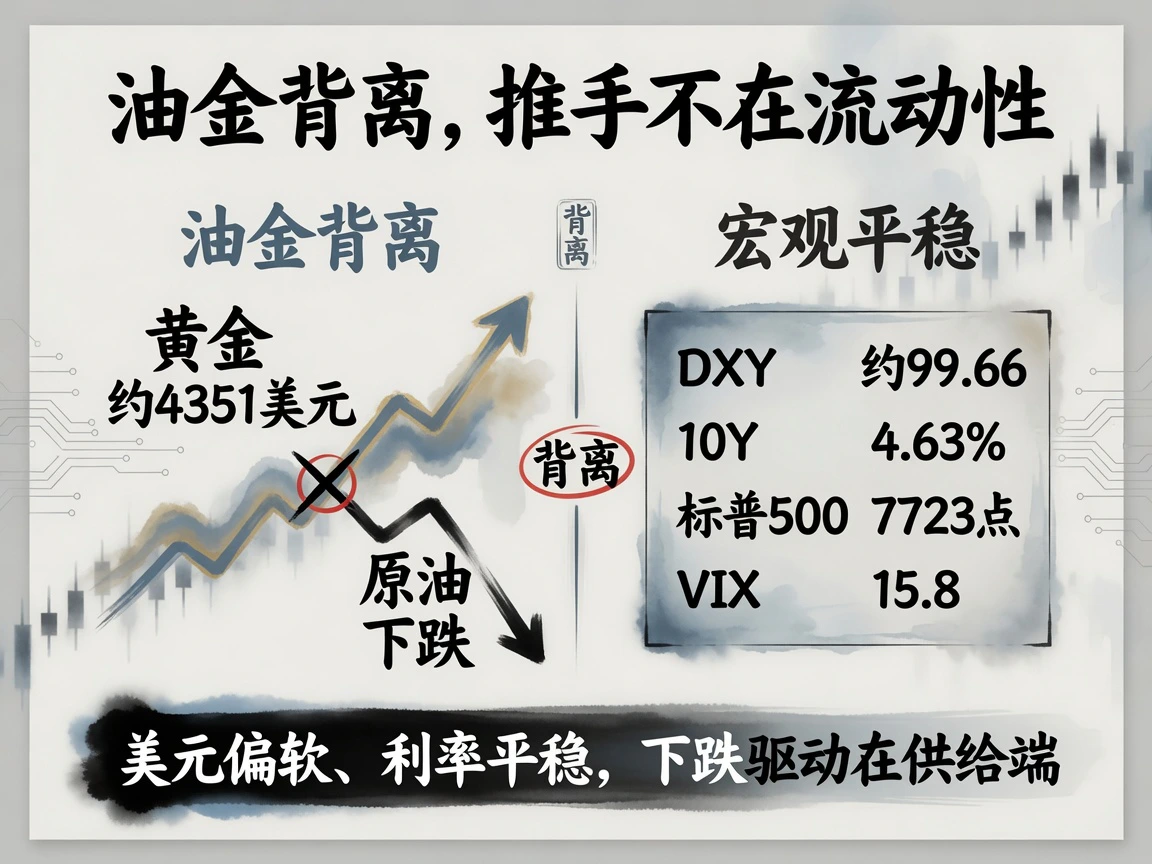
Oil Markets · August 6, 2026
Talks over temporary Hormuz passage were displacing conventional supply-and-demand data as the oil market's central pricing variable.
Read article ↗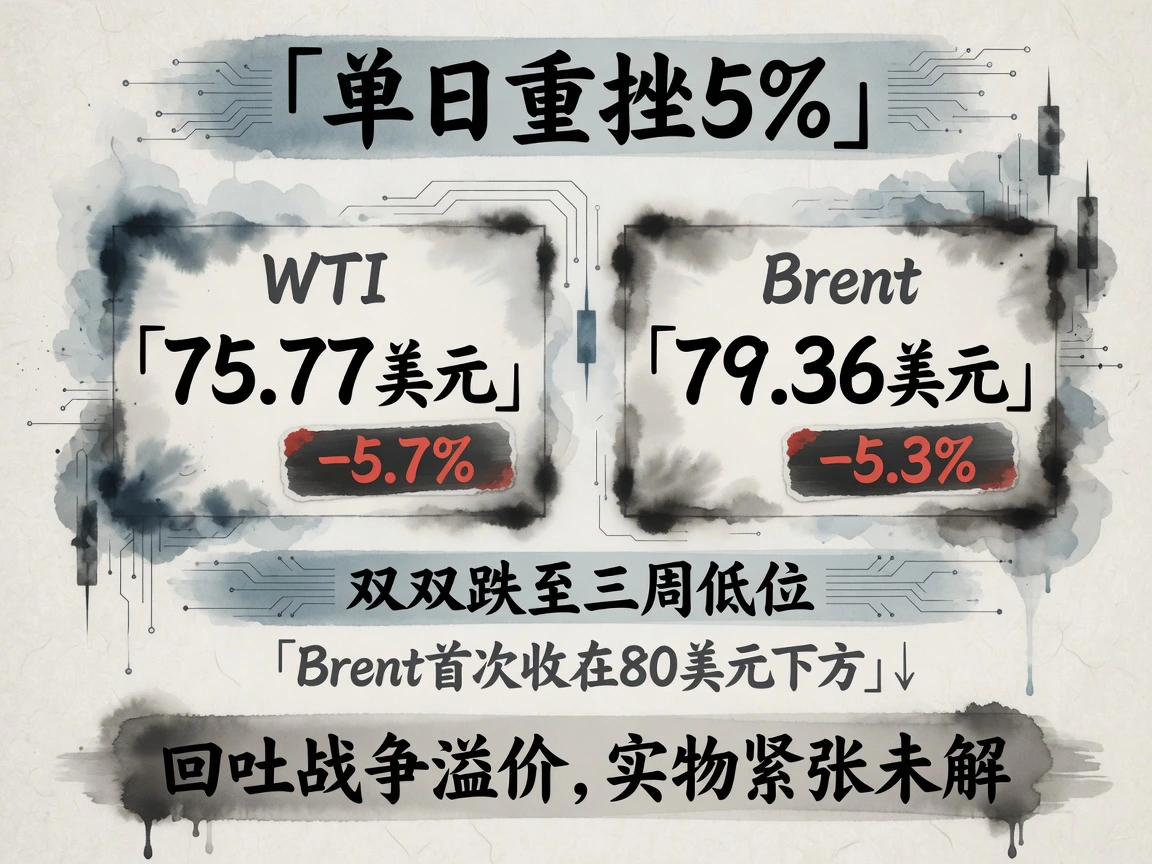
Oil Markets · August 5, 2026
Oil fell over 5% on August 4 to three-week lows after Treasury Secretary Bessent said a Hormuz agreement might arrive today or tomorrow. Yet backwardation, freight costs and war-risk insurance remained high, showing that the physical constraints persisted.
Read article ↗
Oil Markets · August 4, 2026
On August 3, oil fell sharply after Trump canceled planned Iran strikes and called for immediate full Hormuz reopening. Markets priced easing conflict and recovering supply; nearby WTI settled around $80.34 a barrel.
Read article ↗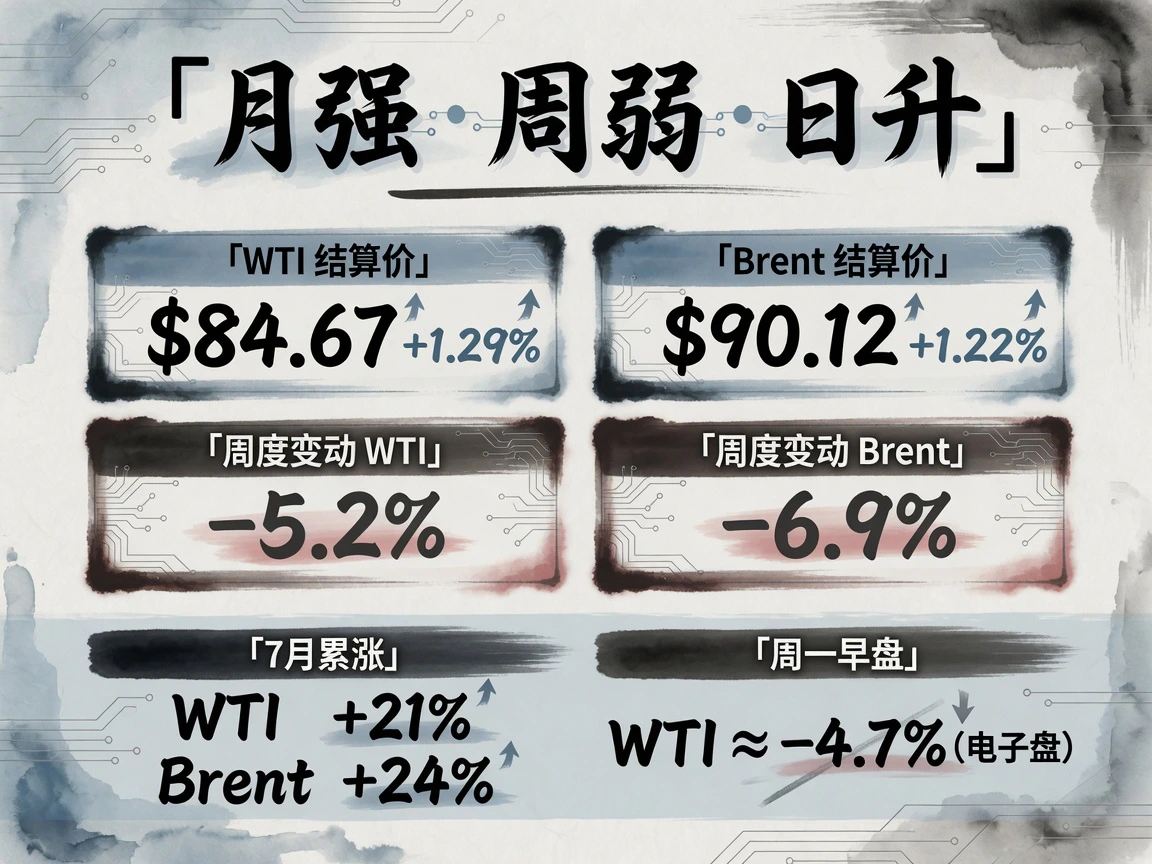
Oil Markets · August 3, 2026
Oil ended July 31 modestly higher, with Brent above $90, but both benchmarks lost over 5% for the week. Weekend news brought canceled US strikes and announced August 3 talks, alongside further OPEC+ supply plans.
Read article ↗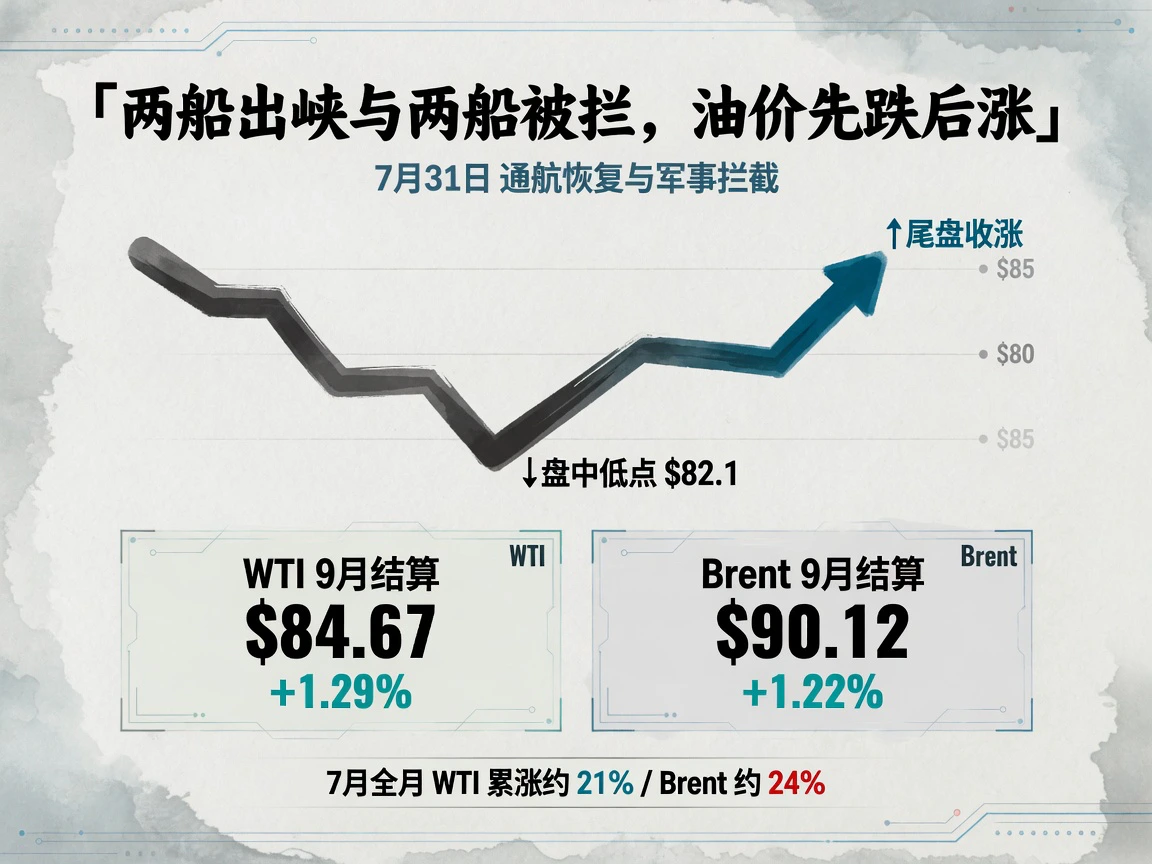
Oil Markets · August 2, 2026
On July 31, 2026, conflicting reports of resumed transit and military interceptions sent oil lower then higher. WTI and Brent extended gains to recent highs, ending a strong July. With markets closed for the weekend, attention turned to today's OPEC+ meeting, while product shortages and shipping bottlenecks remained central.
Read article ↗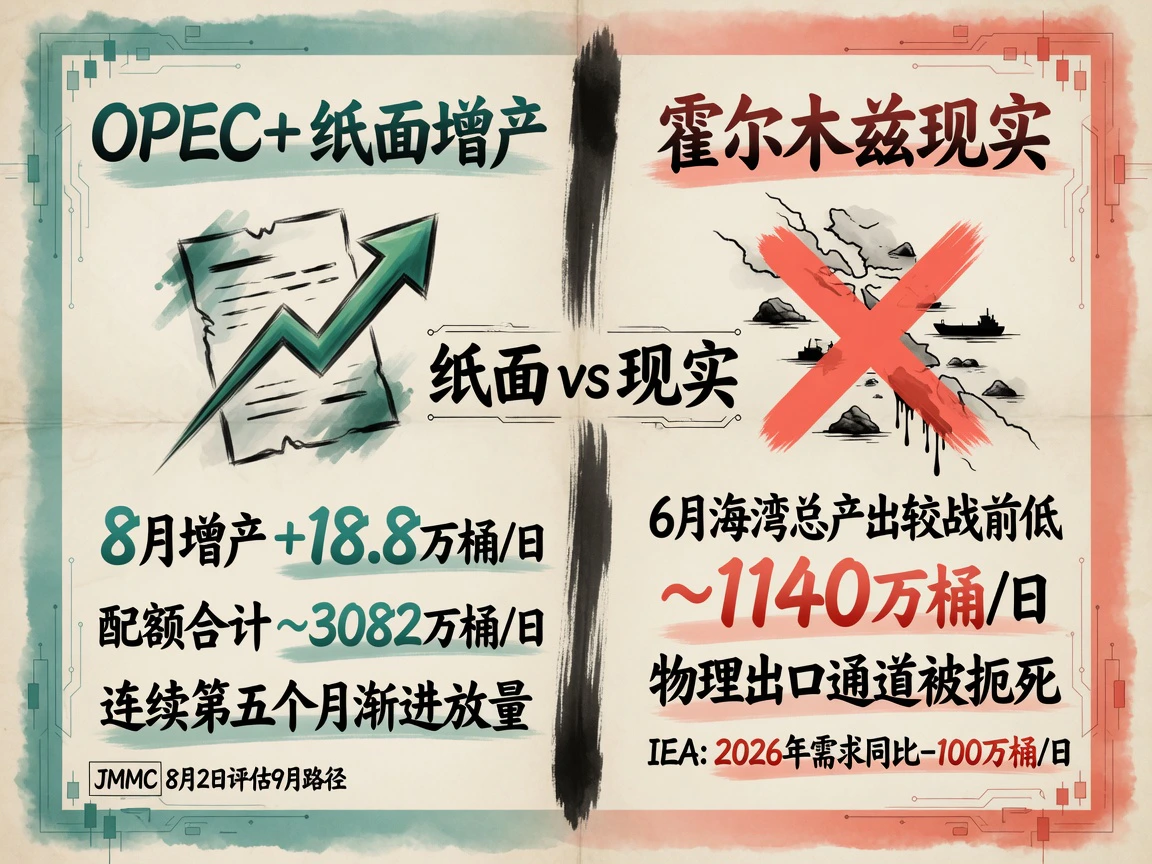
Oil Markets · August 1, 2026
July 31 settlements: WTI September $84.67 a barrel, up $1.08 (+1.29%); Brent September $90.12, up $1.09 (+1.22%). Both benchmarks gained for a third session, with Brent back above $90.
Read article ↗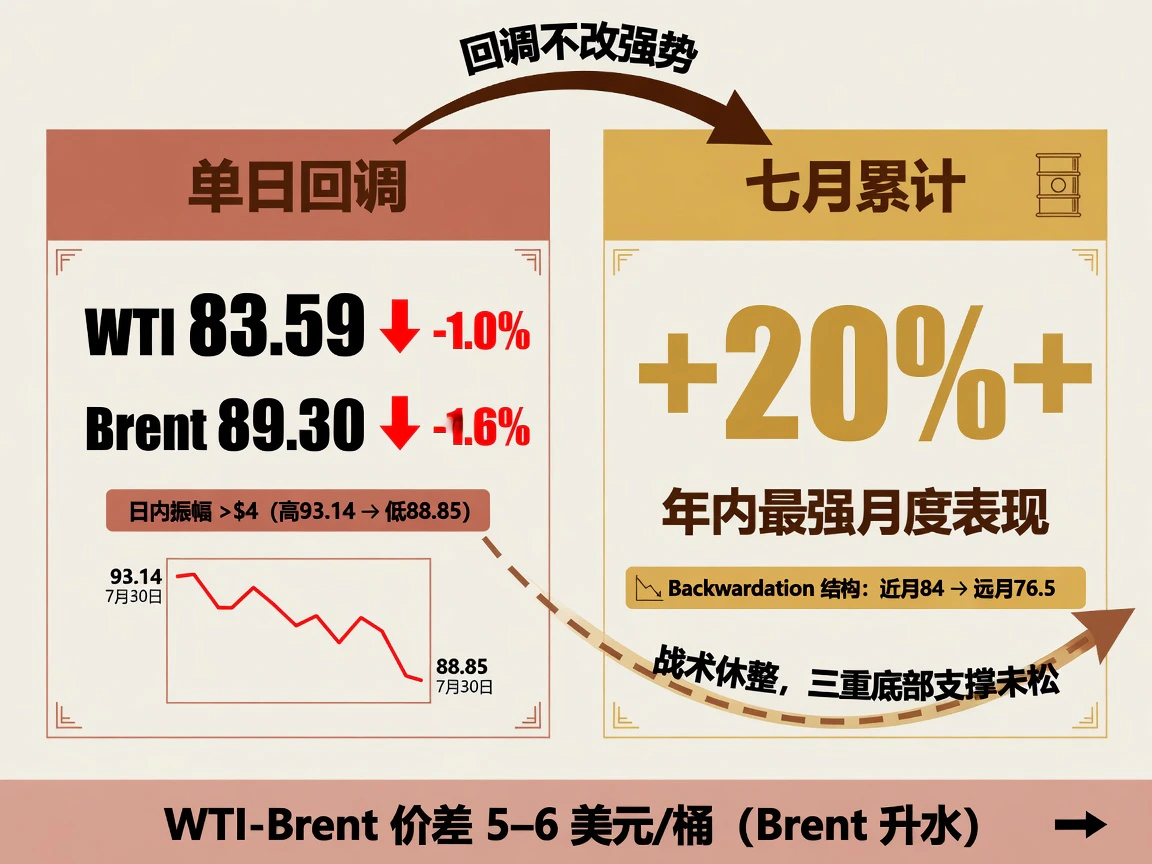
Oil Markets · July 31, 2026
Oil corrected on July 30 after rapid gains. September WTI settled at $83.59, down $0.87 or 1.0%, and September Brent near $89.30, down $1.44 or 1.6%. Brent's intraday swing exceeded $4.
Read article ↗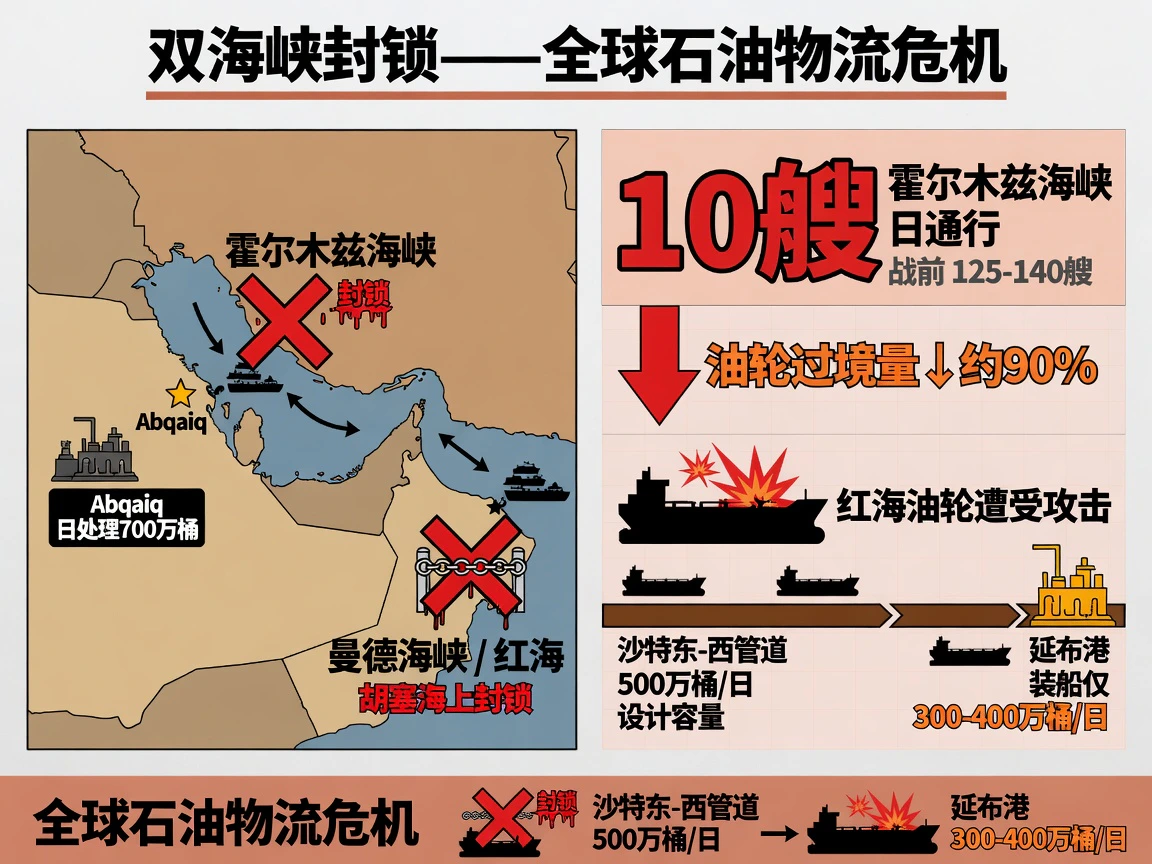
Oil Markets · July 30, 2026
On July 29, 2026, oil staged a dramatic reversal. A day earlier, markets had briefly welcomed hopes that the U.S. and Iran would pause fighting: WTI broke below $78 and Brent below $84. Just 24 hours later came reports of joint U.S.–Saudi strikes on Iran-aligned forces in Iraq and Iranian ballistic-missile retaliation against a U.S. base in Jordan.
Read article ↗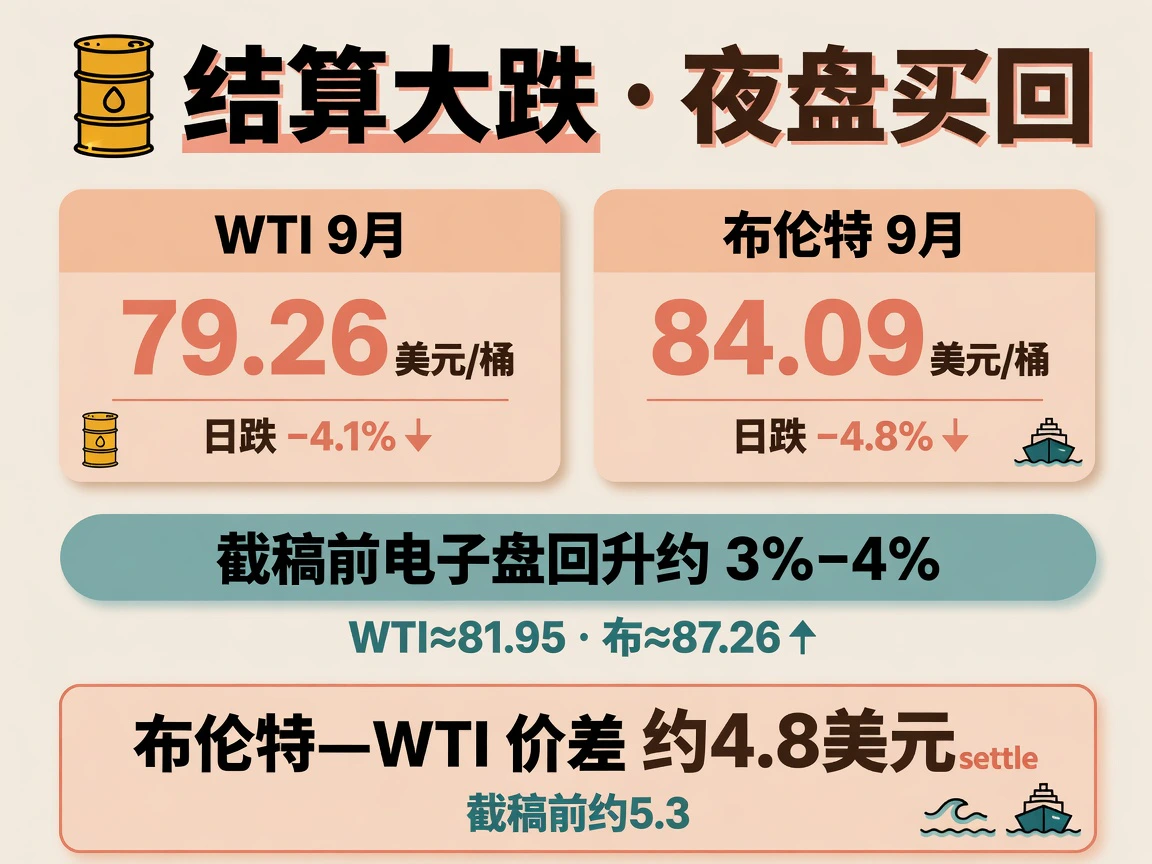
Oil Markets · July 29, 2026
At Tuesday July 28 settlement, oil continued pricing a pause in fighting and possible reopening. September WTI closed $79.26 a barrel, down about $3.35 (−4.1%) from Monday's $82.61; September Brent closed $84.09, down about $4.27 from $88.36.
Read article ↗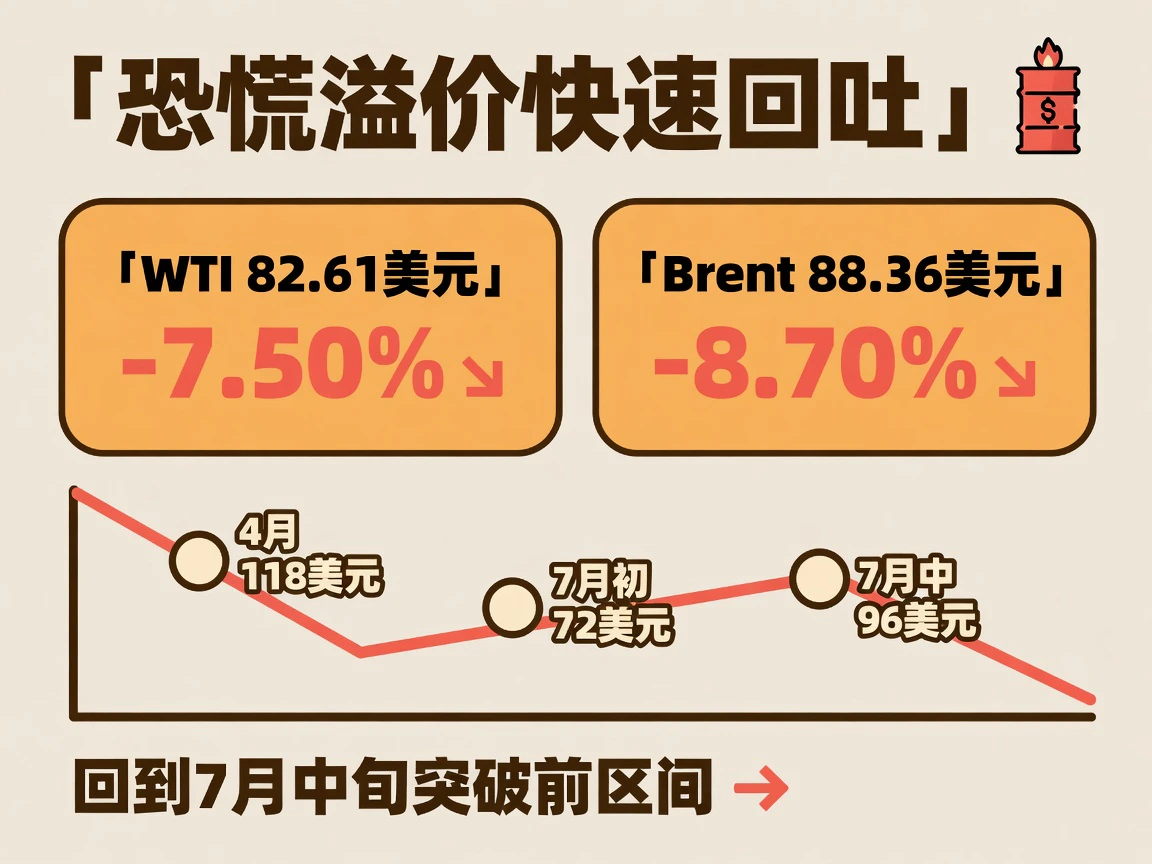
Oil Markets · July 28, 2026
Brent fell 8.7% and WTI 7.5%, erasing a week and a half of war premium in a day. Yet Hormuz tanker transits were down 90% year on year and freight remained extreme: prices had moved ahead of physical flows.
Read article ↗