Research · October 25, 2026
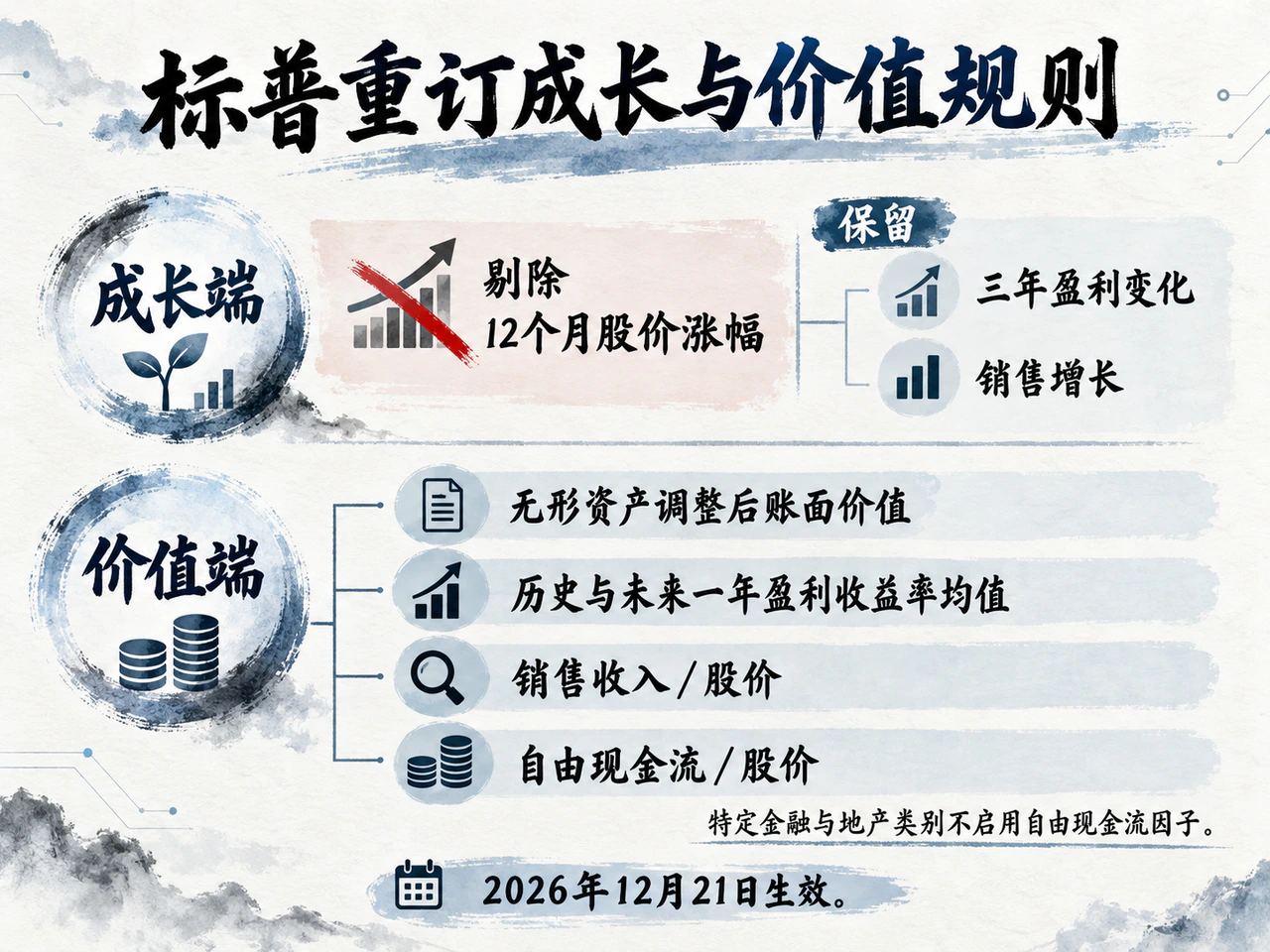
S&P Dow Jones Indices’ new U.S. style rules take effect before the December 21 open. Growth drops 12-month price momentum; value adds intangible-adjusted book value, forward earnings and free cash flow. The implications for classification, accounting, backtests and net rebalance demand extend beyond the headline US$375 billion of linked passive assets.
Read article ↗
Research · October 23, 2026
Why gold has fallen sharply: a reassessment of monetary policy, diverging buyers, and the still-unidentified trigger behind the latest selloff.
Read article ↗
Research · October 22, 2026
France's risk premium is being redistributed across maturities, with marked differences between front-end carry, intermediate relative value and long-end fiscal risk.
Read article ↗
Research · October 21, 2026
A Reuters poll finds nearly seven in ten economists expect the Bank of Japan to raise rates to 1.50% by quarter-end, while 10- and 30-year Japanese yields approach 3% and 4%. Higher domestic returns in the largest foreign holder of Treasuries and a global source of cheap funding are reshaping dollar-asset pricing through term premiums, currency-hedging costs and leveraged carry trades, transmitting refinancing pressure to sovereign bonds and $14.7 trillion in offshore dollar credit.
Read article ↗
Research · October 20, 2026
France's 10-year government-bond yield is approaching 5%. Can fiscal consolidation be implemented, and how will higher rates feed through to banks and businesses?
Read article ↗
Research · October 19, 2026
Indonesia's stock-market rout: how could MSCI's consultation on standalone status affect capital flows and corporate financing?
Read article ↗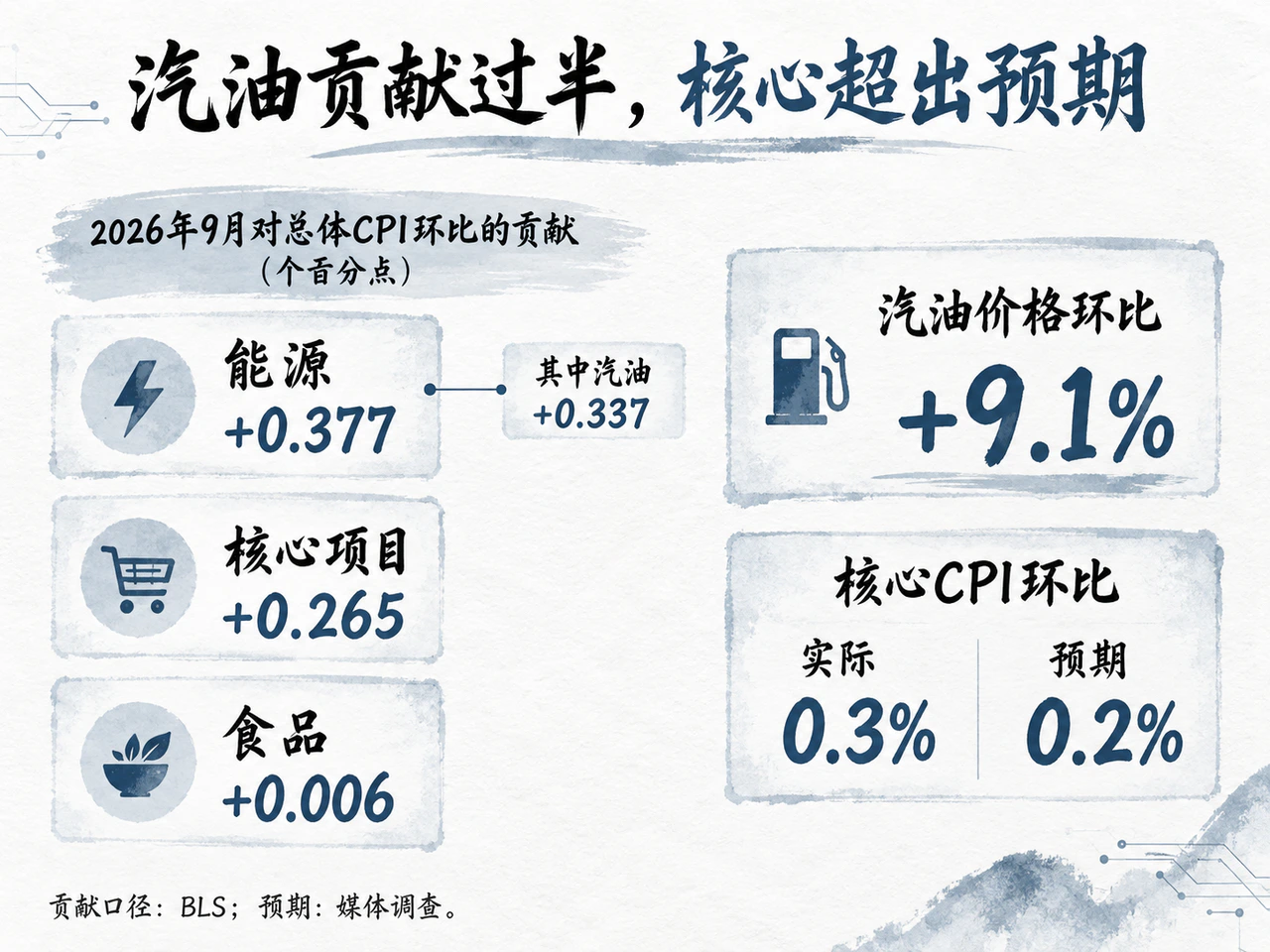
Research · October 15, 2026
US September headline CPI rose 3.7% year on year, with gasoline contributing more than half the monthly increase. Core CPI rose 0.3% month on month and 2.6% year on year, both above expectations. Renewed core-goods inflation and faster monthly shelter inflation weakened the disinflation cushion, lifting October rate-hike odds above 40%; core PCE and employment still constrain the policy timetable.
Read article ↗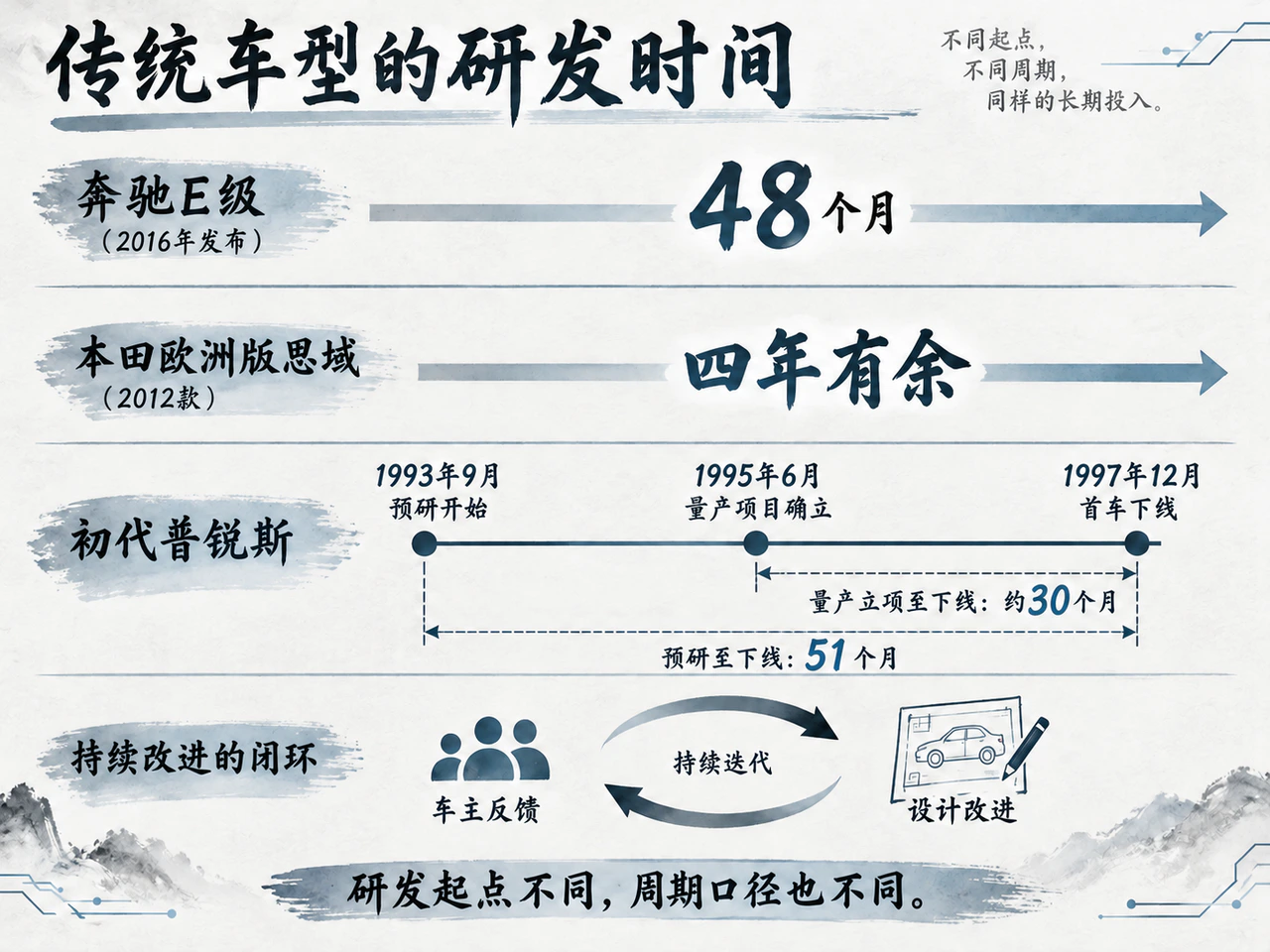
Research · October 11, 2026
Comparing development cycles, R&D spending and manufacturing models at Chinese and overseas automakers tests the evidence behind claims of rushed vehicle development.
Read article ↗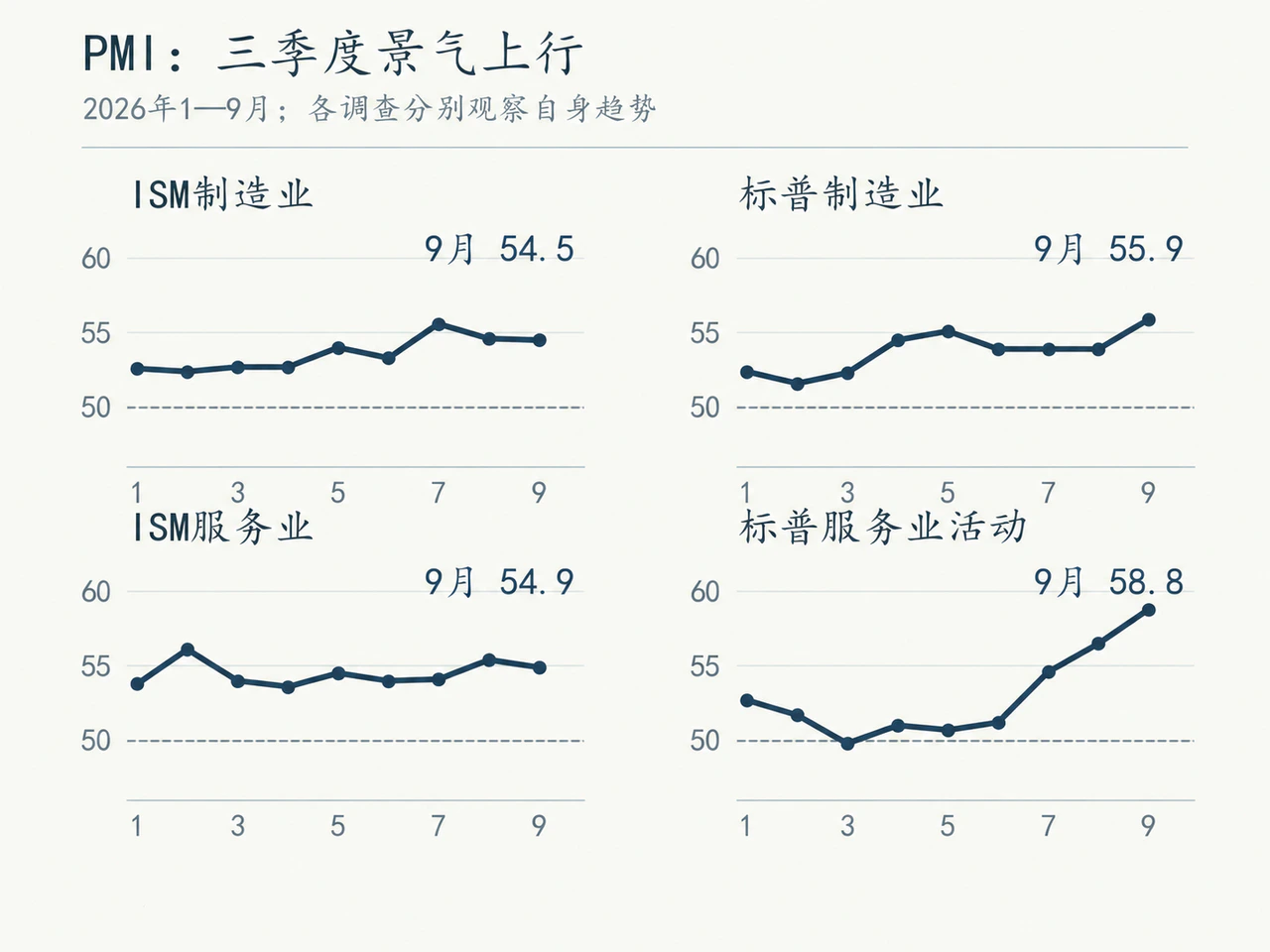
Research · October 7, 2026
An analysis of U.S. investment, consumption and growth resilience through PMI surveys and GDP components.
Read article ↗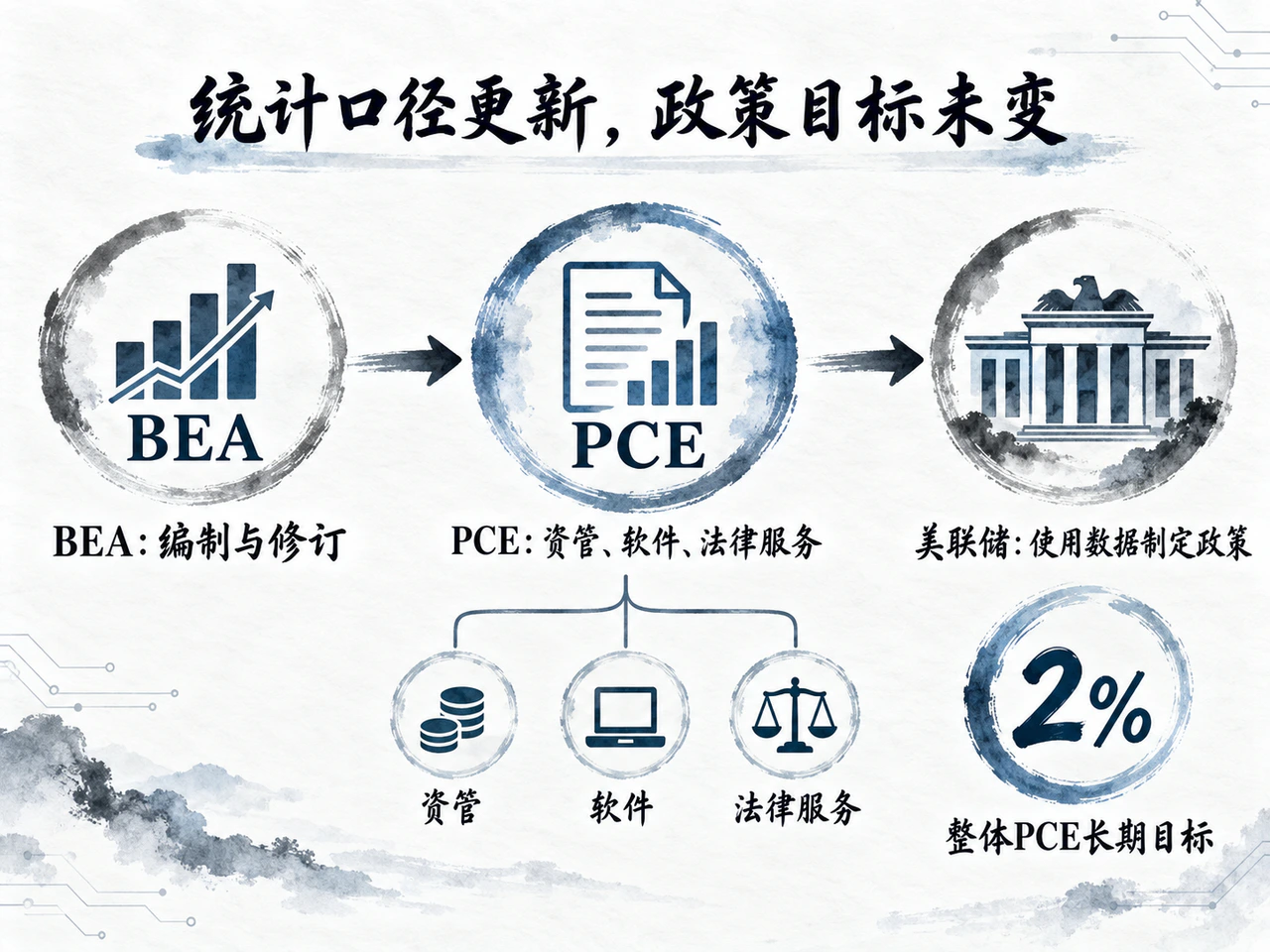
Research · October 3, 2026
Statistical recalibration lowers July core PCE inflation to 3.0%. This reduces the risk of excessive tightening, but resilient demand and inflation mean it is not a policy-pivot signal.
Read article ↗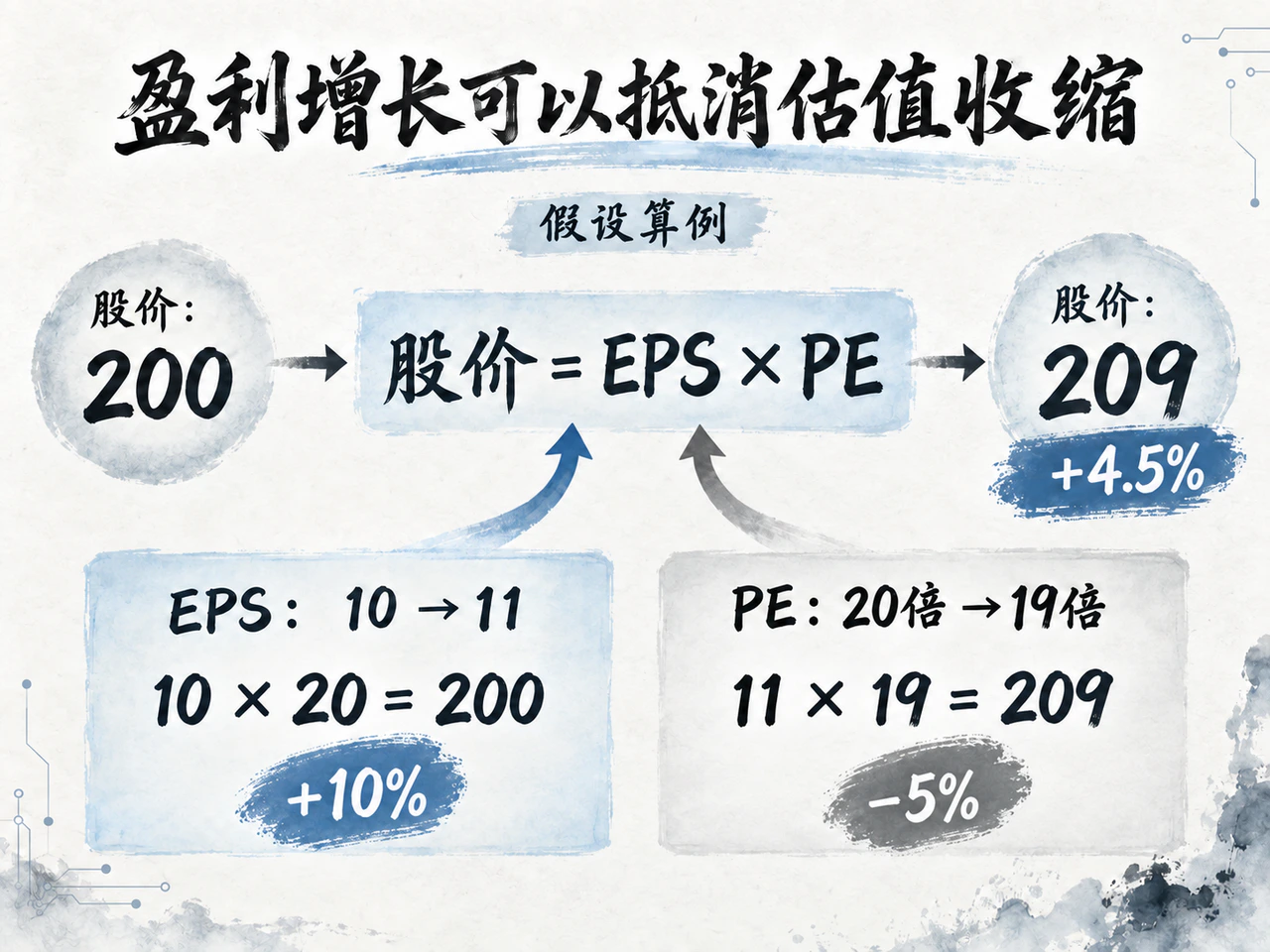
Research · October 3, 2026
Third-quarter 2026 equities rose alongside Treasury yields as earnings upgrades offset valuation pressure. The balance faces tests in profit quality, financing structure and market breadth.
Read article ↗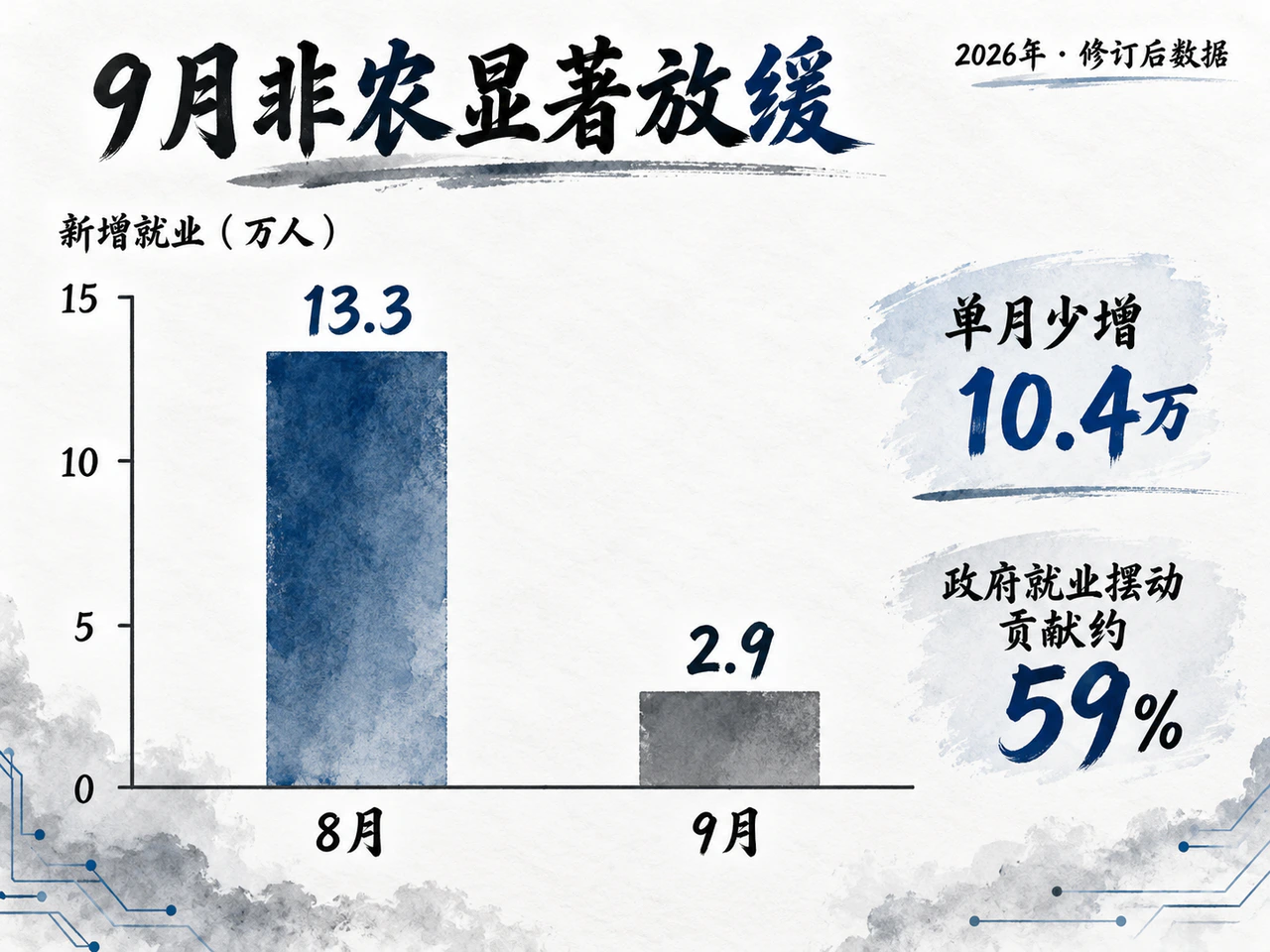
Research · October 3, 2026
US payroll gains slowed to 29,000 without uncontrolled layoffs. Real rates and tightening expectations supported a 12-basis-point Treasury-yield rebound from the intraday low.
Read article ↗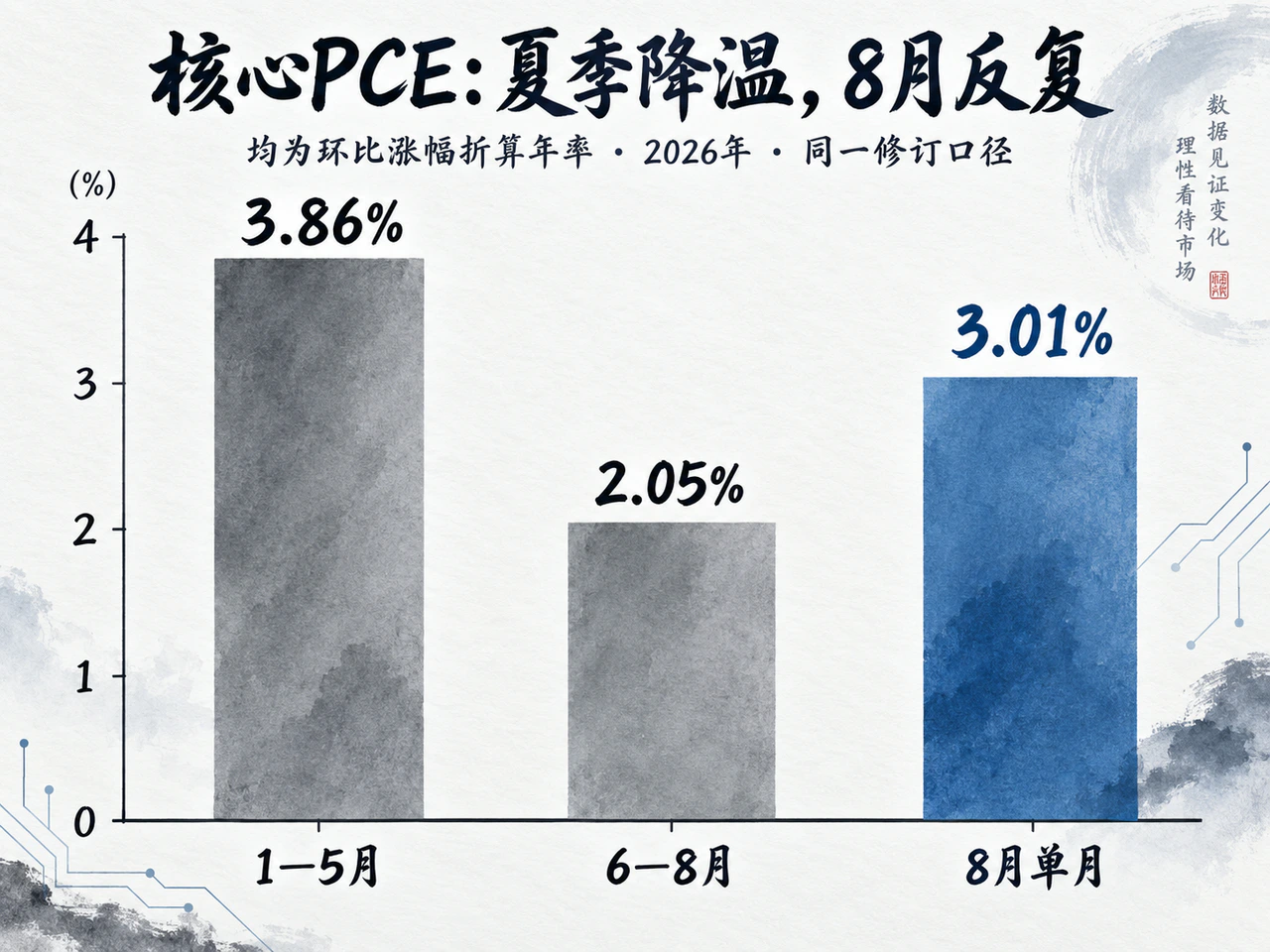
Research · October 1, 2026
Downward revisions to US inflation ease pressure to raise rates. Delayed medical repricing, higher transportation costs and supported service demand nevertheless make a rapid return to target difficult. This article examines services inflation and rate paths under four scenarios.
Read article ↗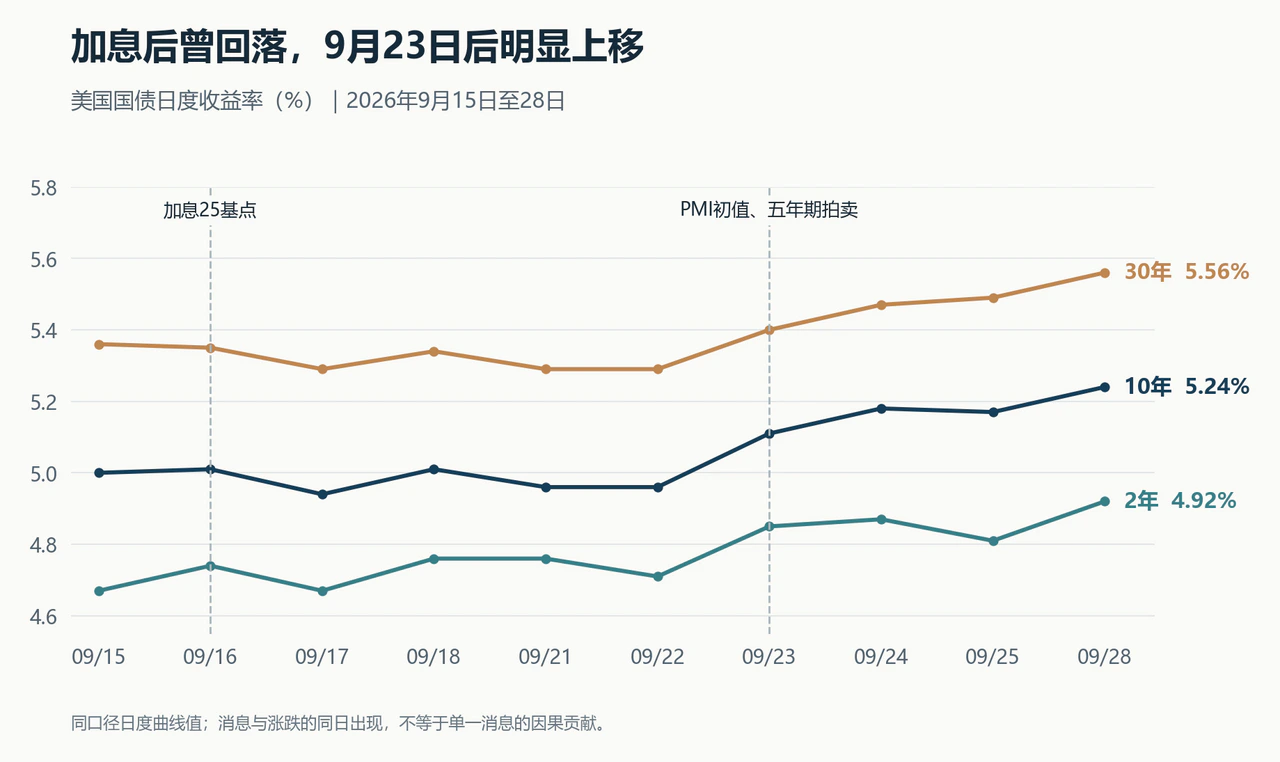
Research · September 29, 2026
Why long-term U.S. Treasury yields continued rising after Fed tightening: resilient private capital spending, persistent government borrowing and a repricing of long-bond risk premiums worked together. The article examines three potential paths to macroeconomic rebalancing.
Read article ↗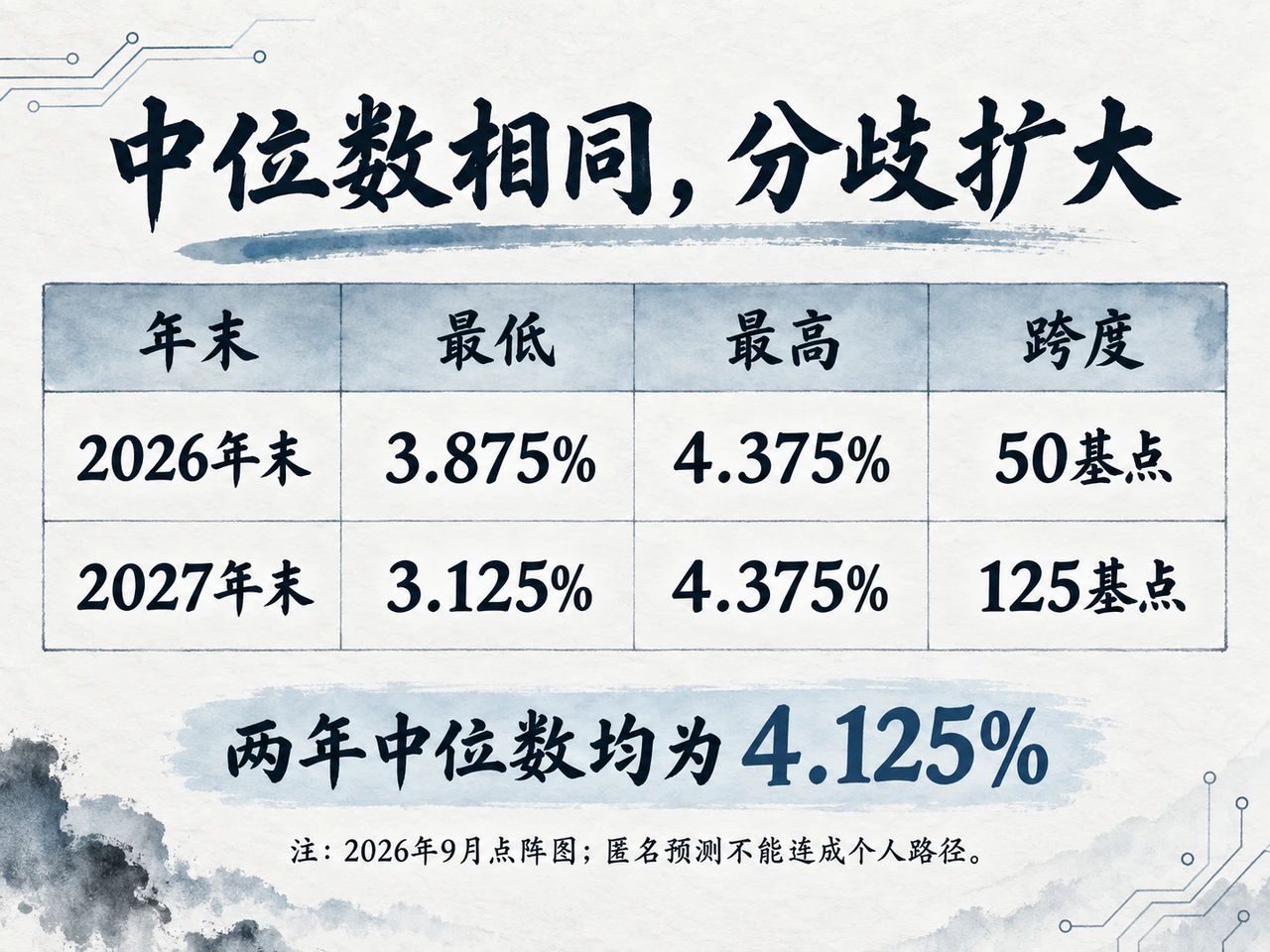
Research · September 18, 2026
One more hike this year followed by high rates next year is a working baseline consistent with some institutions and the Fed's median dots. It requires slowly easing inflation, gradually improving Middle Eastern energy supply and AI investment that does not materially worsen macro imbalances. Rapid easing faces constraints, but policy is not settled; renewed inflation and term-premium shocks remain risks.
Read article ↗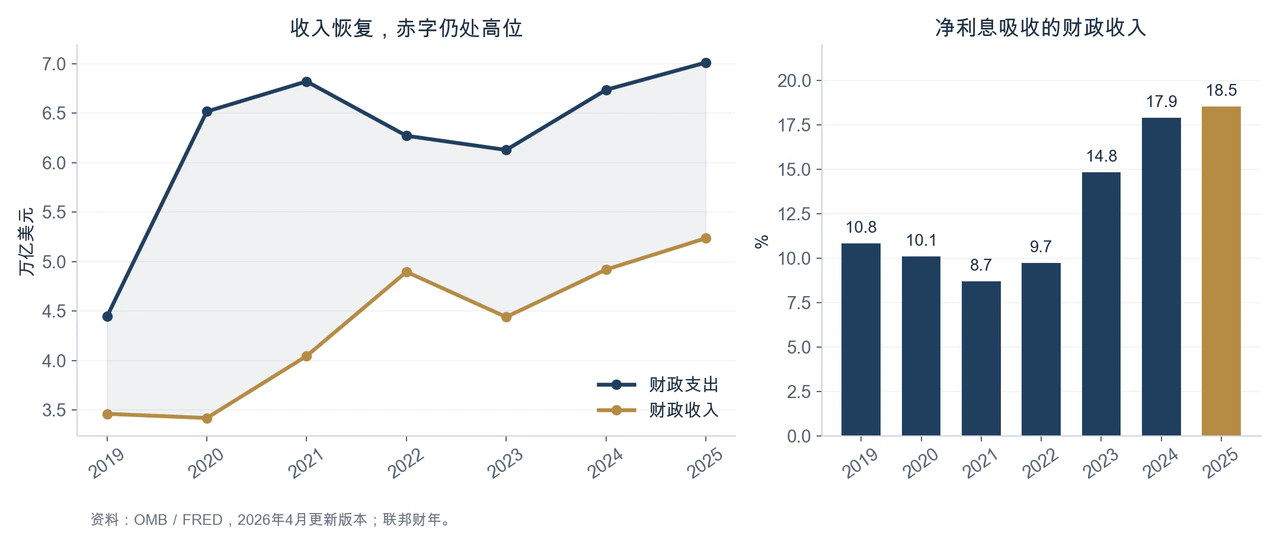
Research · September 16, 2026
Interest costs absorb rising fiscal revenue. What would it take to deliver a 3% deficit target, and how would Treasury yields be repriced?
Read article ↗
Research · September 15, 2026
Interest is consuming America's revenue gains. Cutting the deficit to 3% requires nearly $1 trillion of annual adjustment and will shape the conditions for lower Treasury yields.
Read article ↗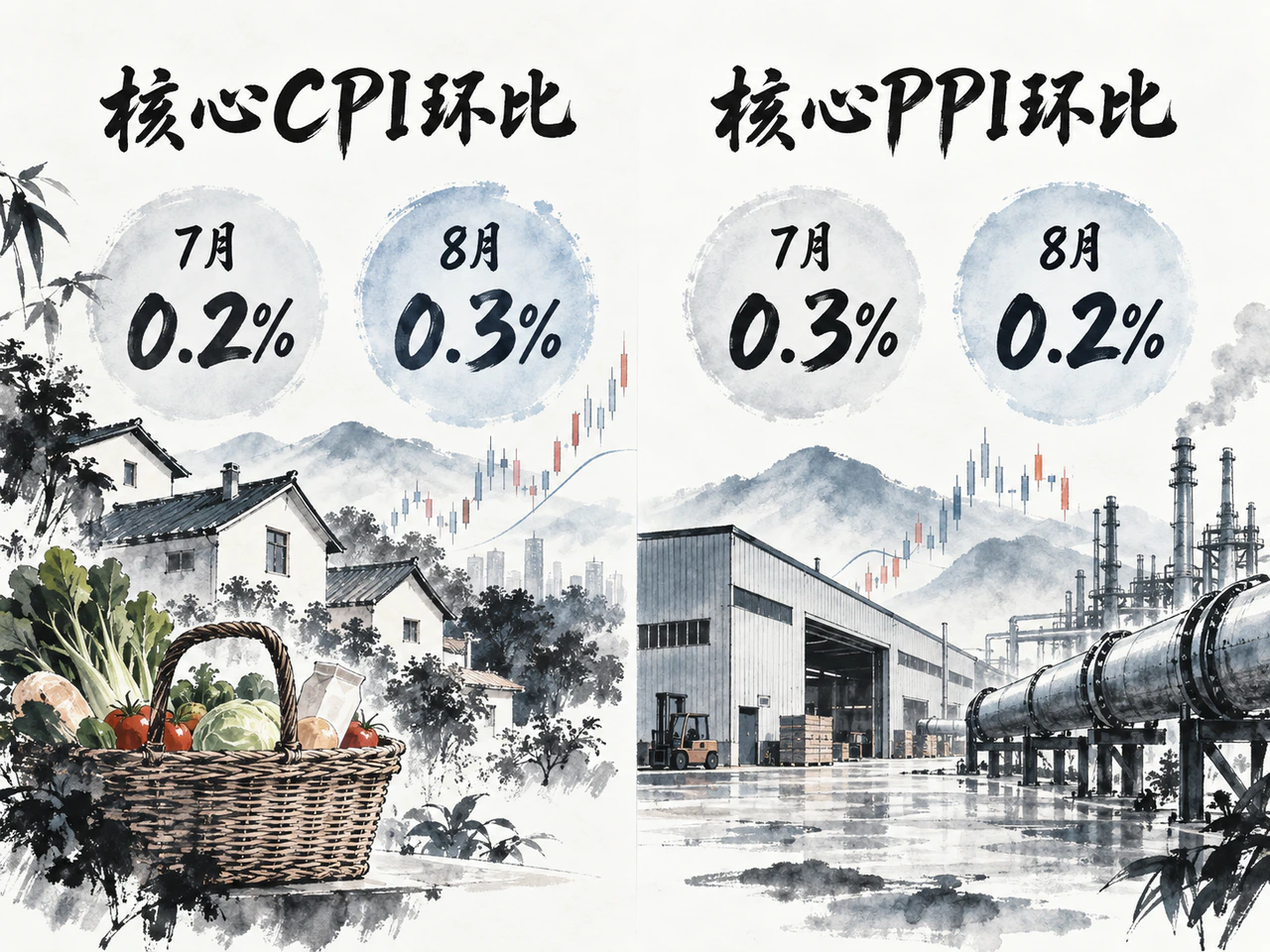
Research · September 14, 2026
August US disinflation stalled, lifting September hike expectations and the two-year Treasury yield by 20 basis points in two days. Price increases had yet to broaden generally, and institutions still differed on further hikes and the timing of cuts. Oil, midterm elections and PCE revisions would continue shaping policy assessments.
Read article ↗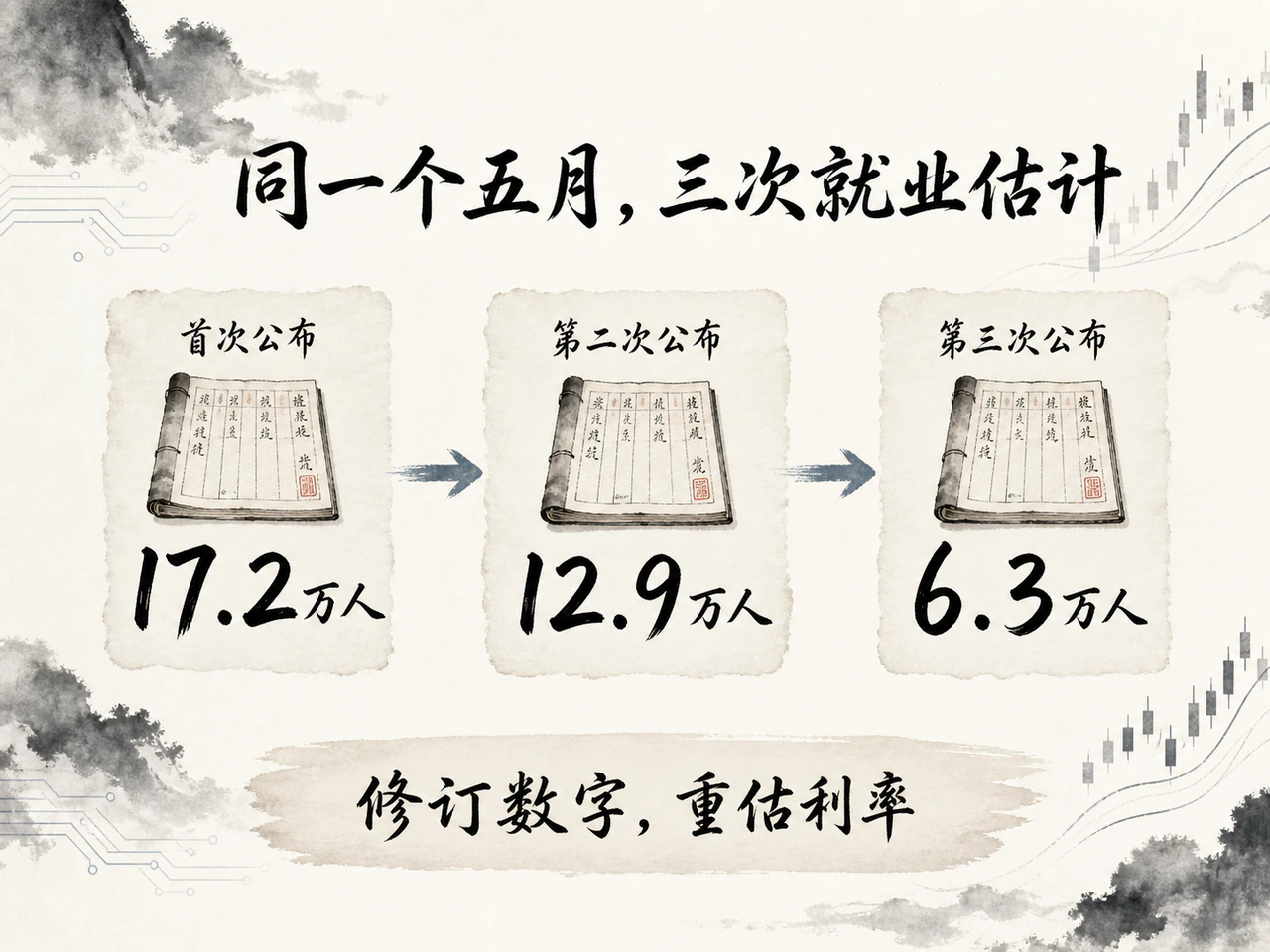
Research · September 7, 2026
The statistical roots of repeated payroll revisions, institutional barriers to integrating real-time data, and the scope and limits of Warsh's reforms.
Read article ↗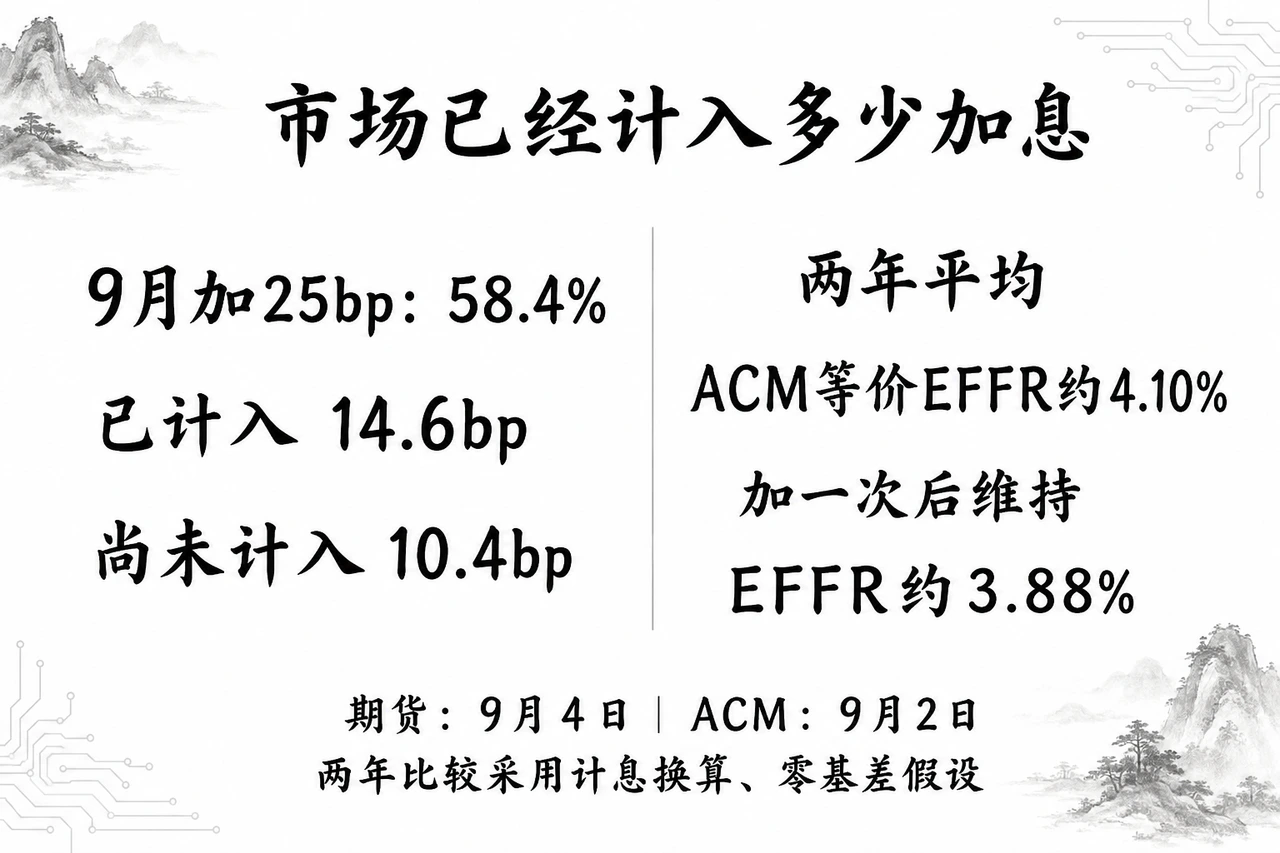
Research · September 6, 2026
September's hike is not fully priced at that meeting, but cash Treasuries may already reflect later tightening. Yield decomposition, the SEP and path scenarios explain potential repricing after a hike.
Read article ↗
Research · September 3, 2026
As Gulf exports recover, refinery bottlenecks, returning demand and electric-vehicle substitution will jointly shape oil prices.
Read article ↗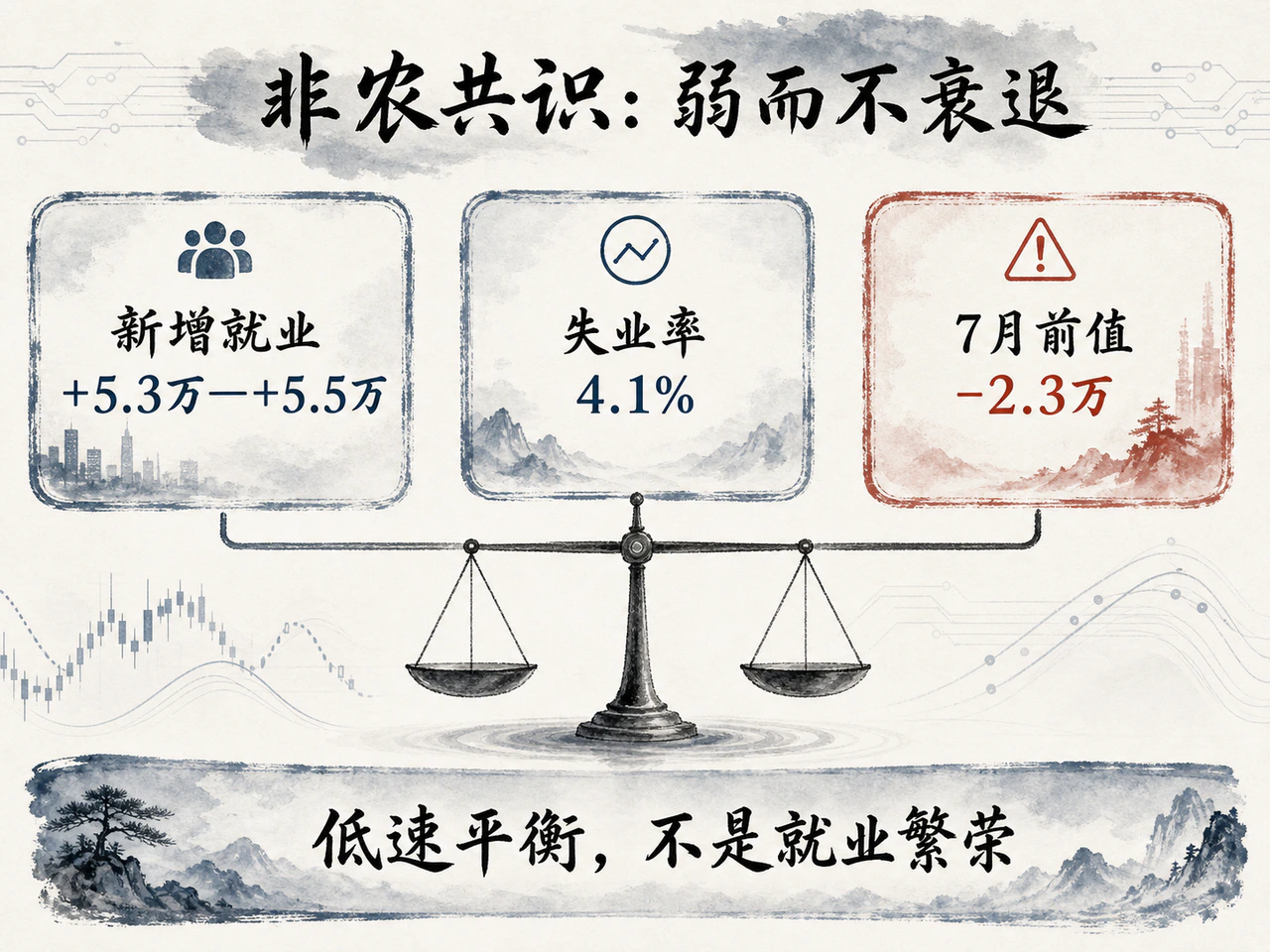
Research · September 1, 2026
A September hike remains conditional: payrolls first test whether the Fed has room to act, and CPI then determines whether it needs to.
Read article ↗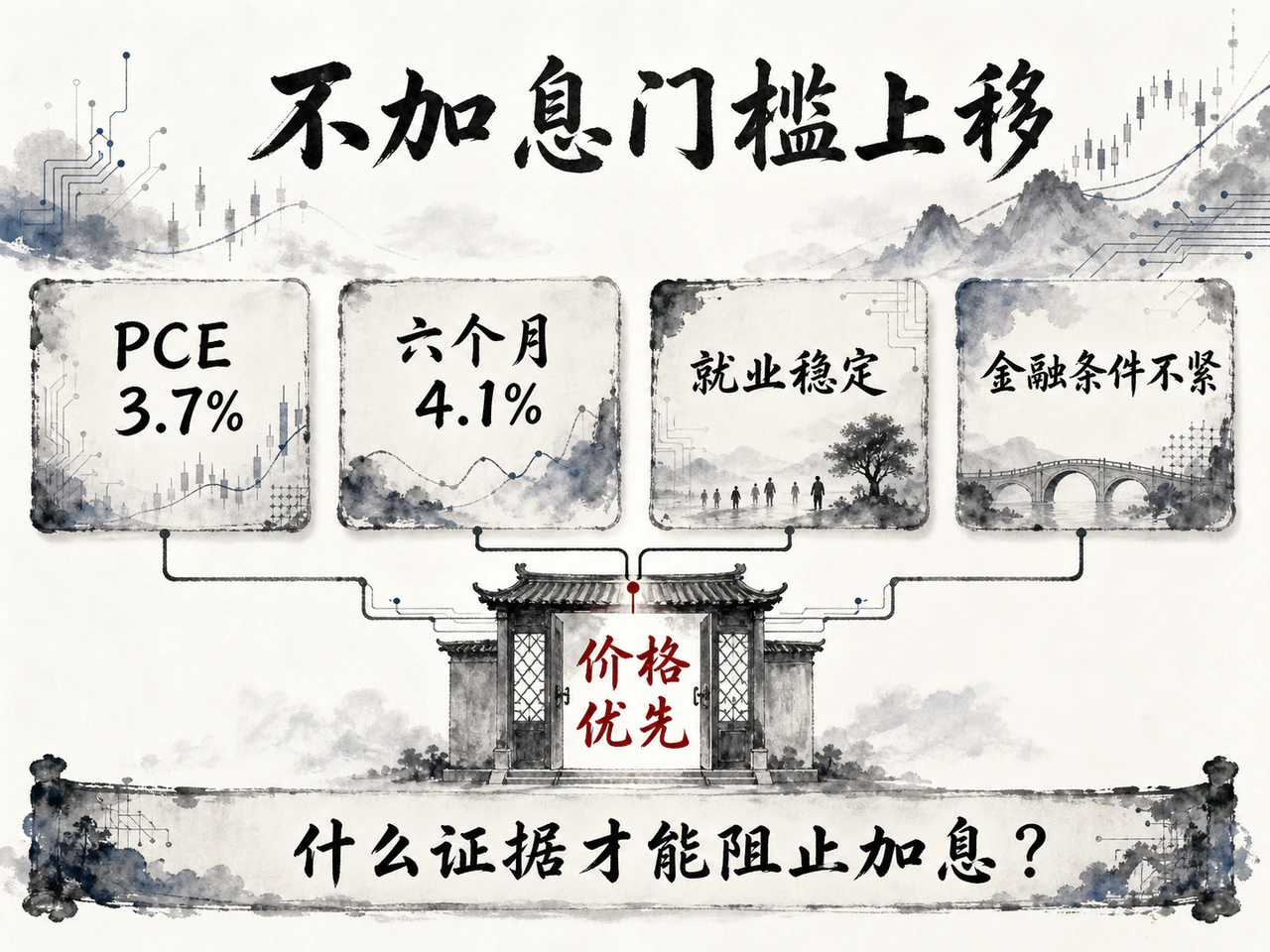
Research · August 31, 2026
Warsh made no commitment to a September hike. By fixing the 2% target, prioritizing prices and downplaying forward guidance, he redefined the evidence the Fed would need to leave rates unchanged.
Read article ↗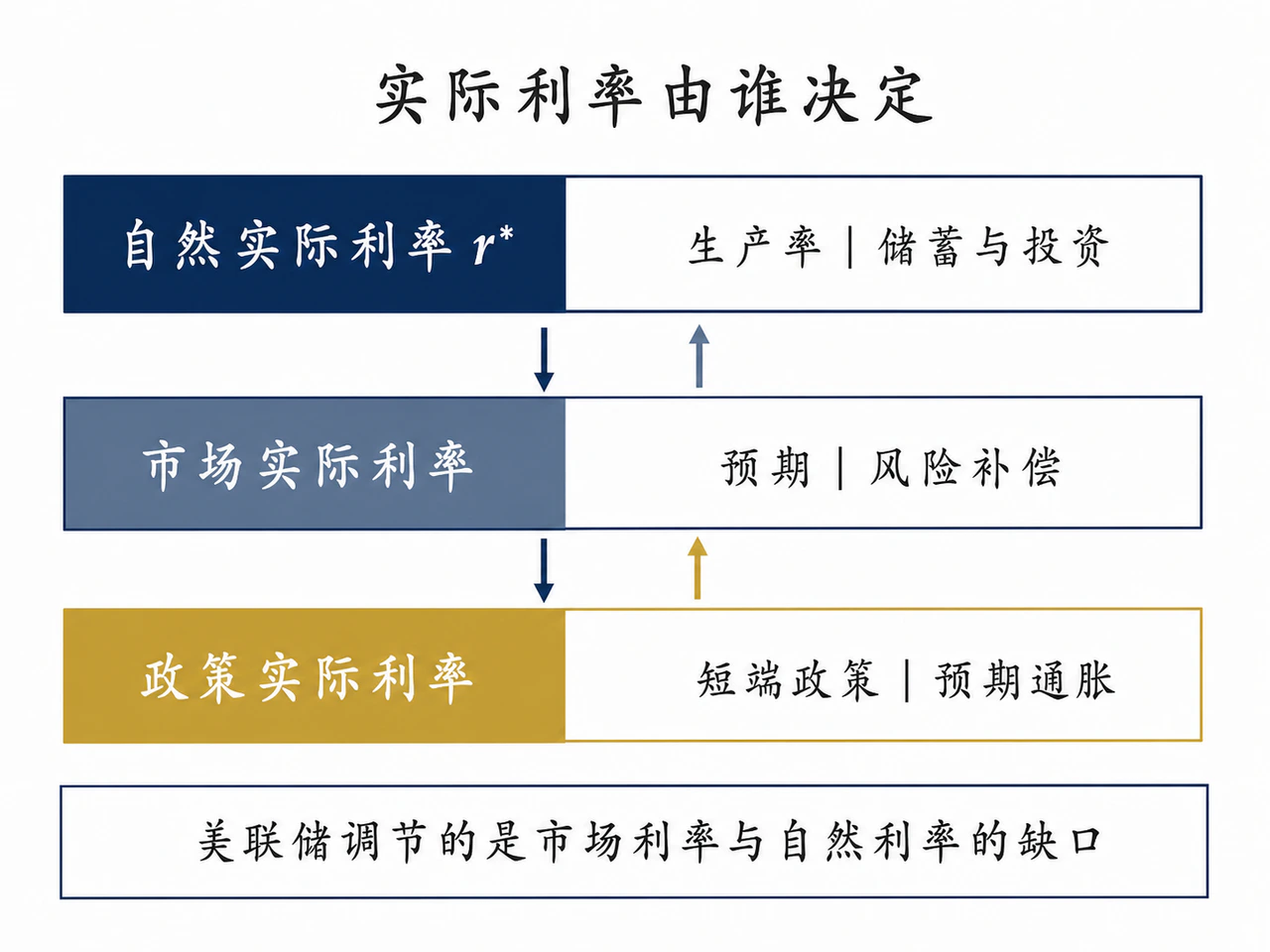
Research · August 29, 2026
Rates emerge from the economy and markets. Warsh seeks to withdraw the Fed's day-to-day management of their future path and refocus it on the nominal anchor, current short-term policy and crisis boundaries.
Read article ↗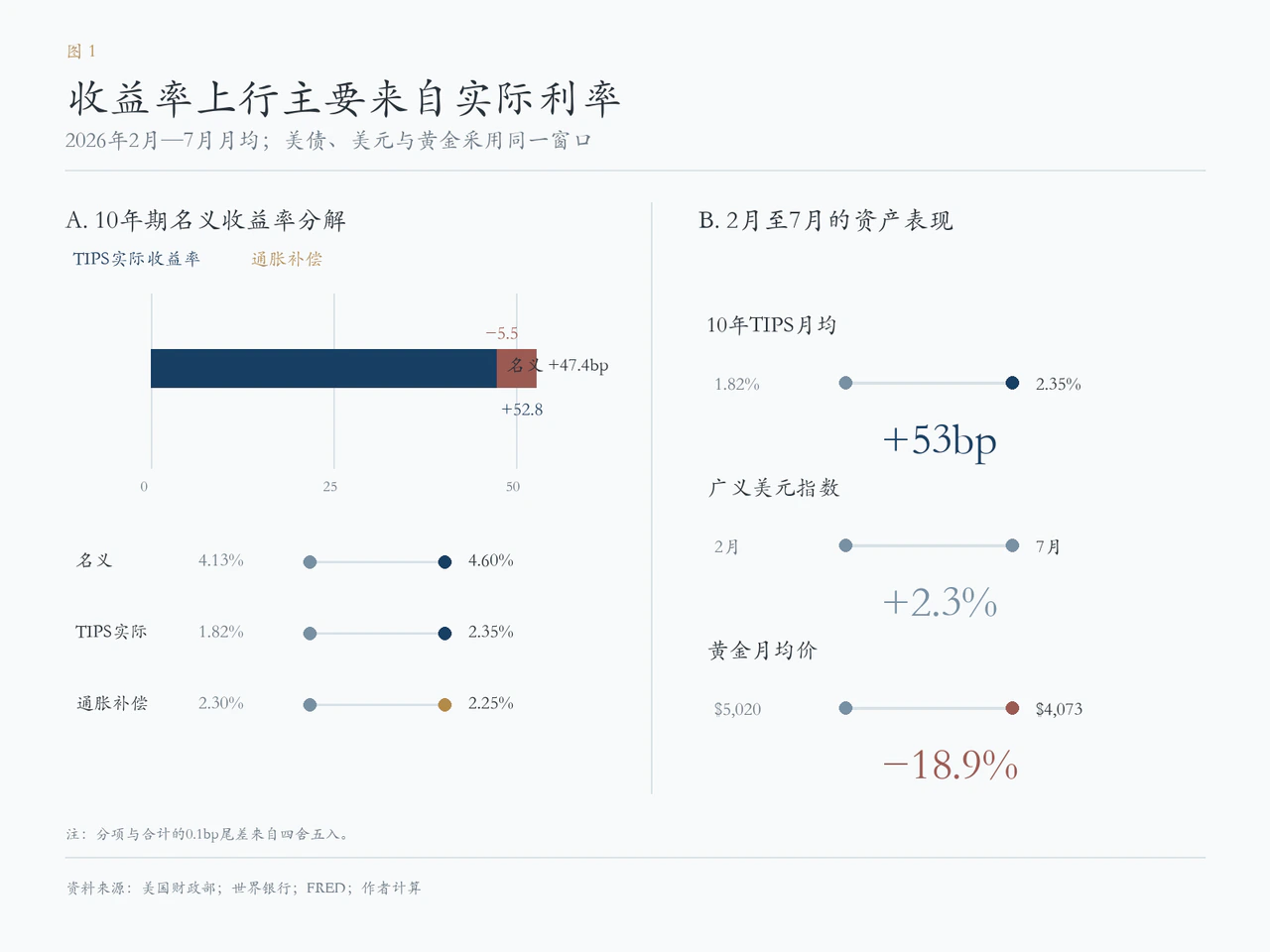
Research · August 24, 2026
Real rates drove most of this year's Treasury-yield increase. Gold's August rebound instead coincided with a weaker dollar, higher fiscal risk premiums and lower odds of a September rate hike.
Read article ↗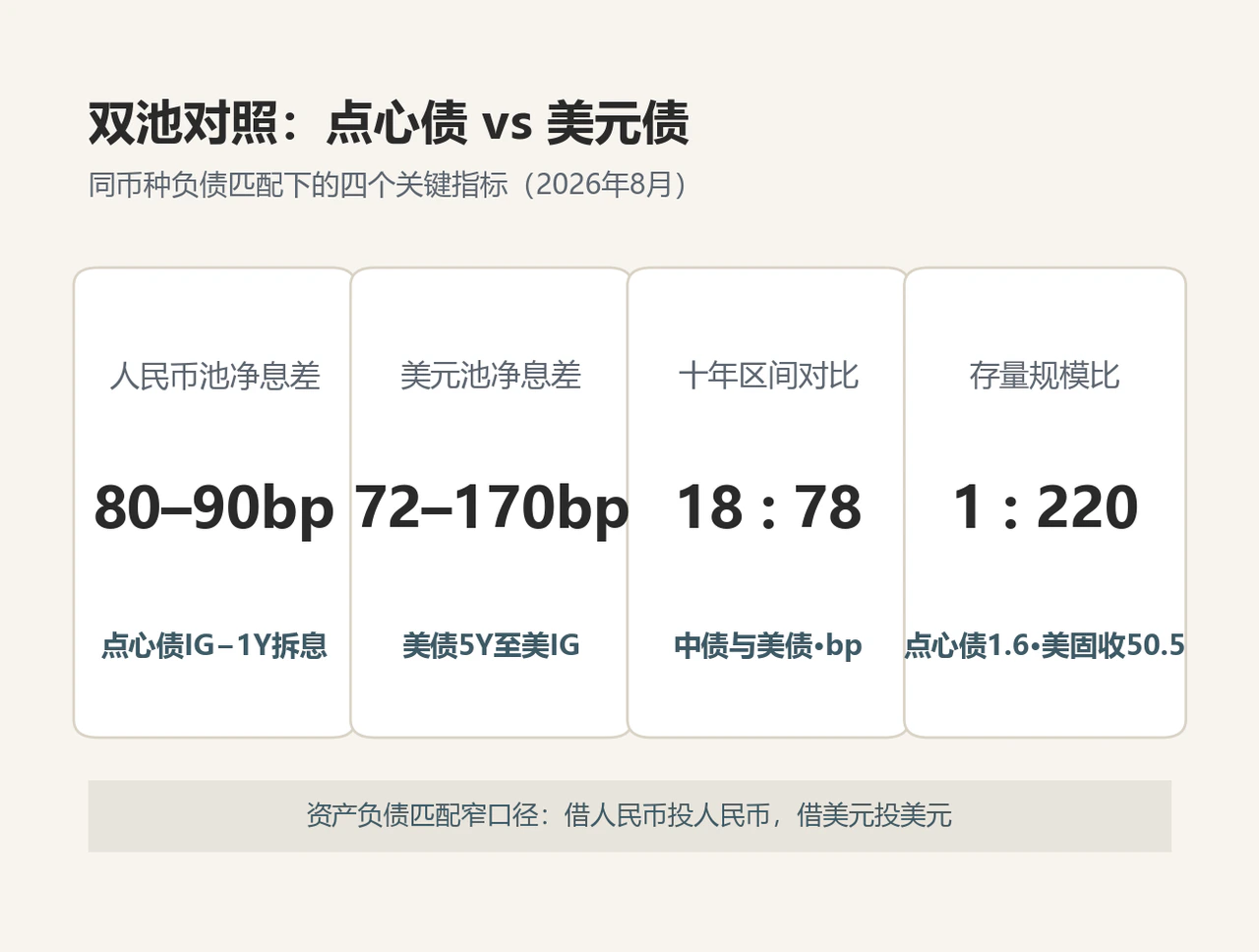
Research · August 20, 2026
Once currency risk is removed from the comparison, dim sum bonds offer carry on a similar scale to dollar bonds with substantially lower volatility. Offshore renminbi government-bond futures launched August 3 completed the hedging chain, and segmented substitution is already under way.
Read article ↗
Research · August 20, 2026
Once foreign exchange is excluded, the real comparison is funded carry, duration risk and stressed liquidity. Dim sum bonds can replace some buy-and-hold positions, but do not yet replace the dollar credit curve.
Read article ↗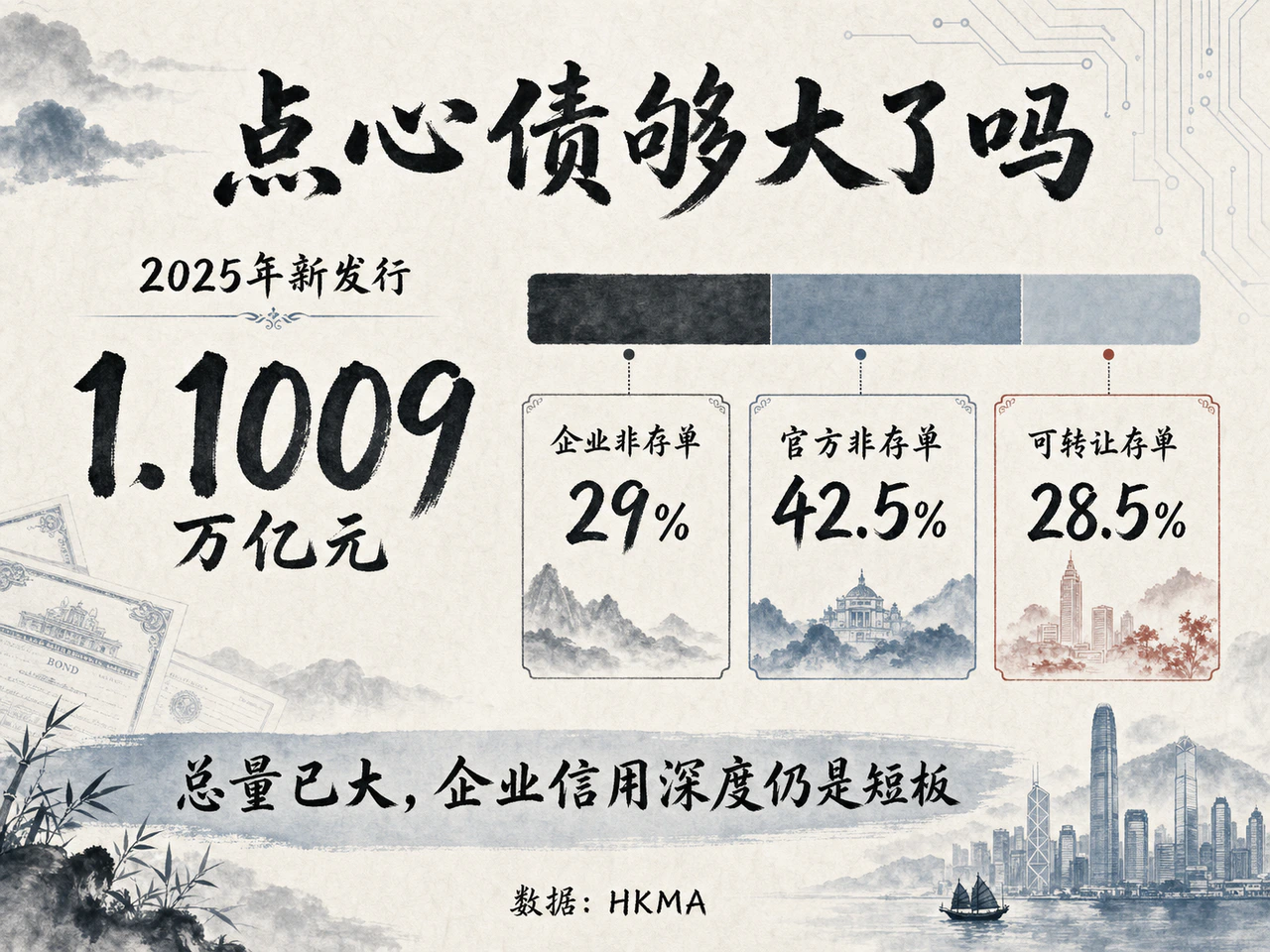
Research · August 20, 2026
The same issuer's coupon gap exceeds 200 basis points, yet spreads converge after same-currency funding costs. Hong Kong needs a second fixed-income curve.
Read article ↗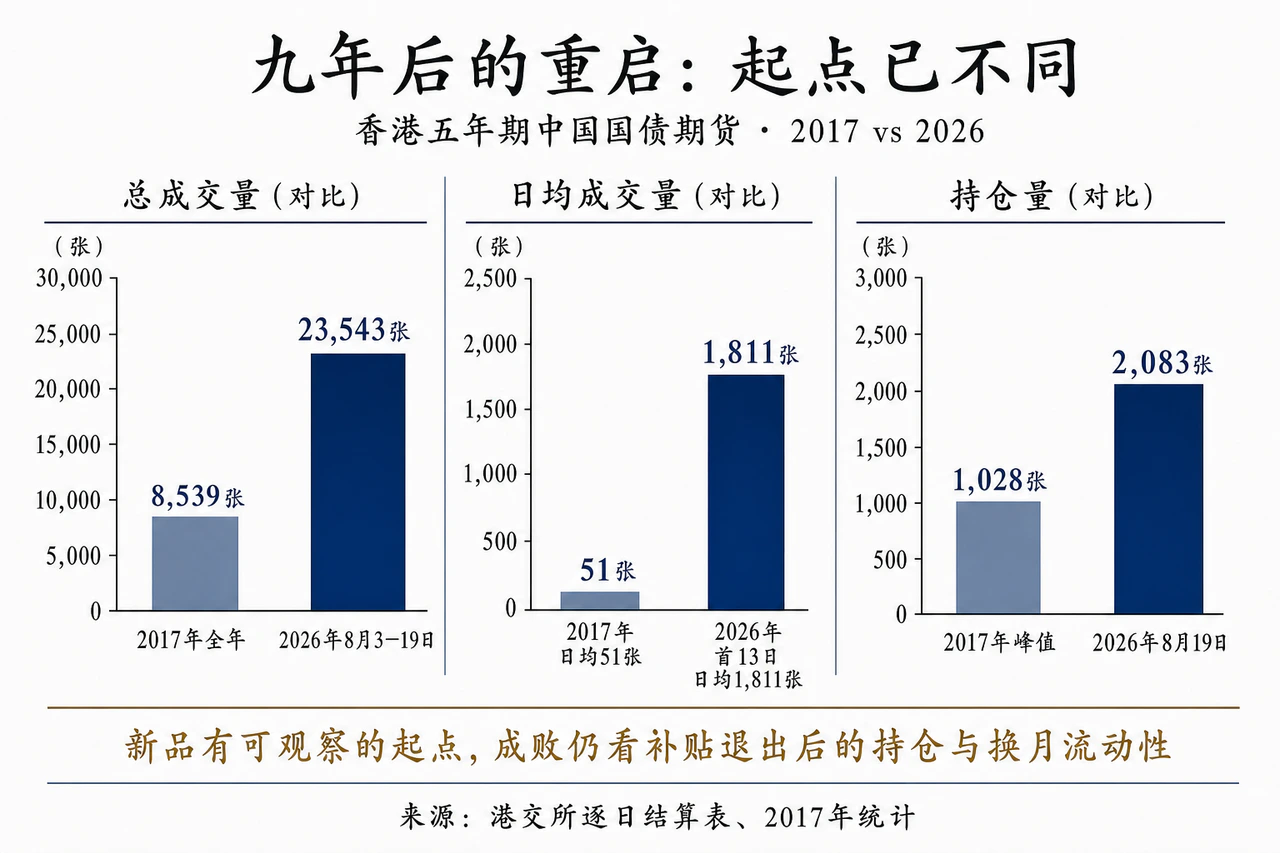
Research · August 20, 2026
Hong Kong's 5-year Chinese government-bond futures have relaunched. Using the first 13 trading days, annual CFFEX data, CME Treasury futures and Chinese and US rate volatility, this article examines capacity, dim sum implications, currency transmission and the product roadmap.
Read article ↗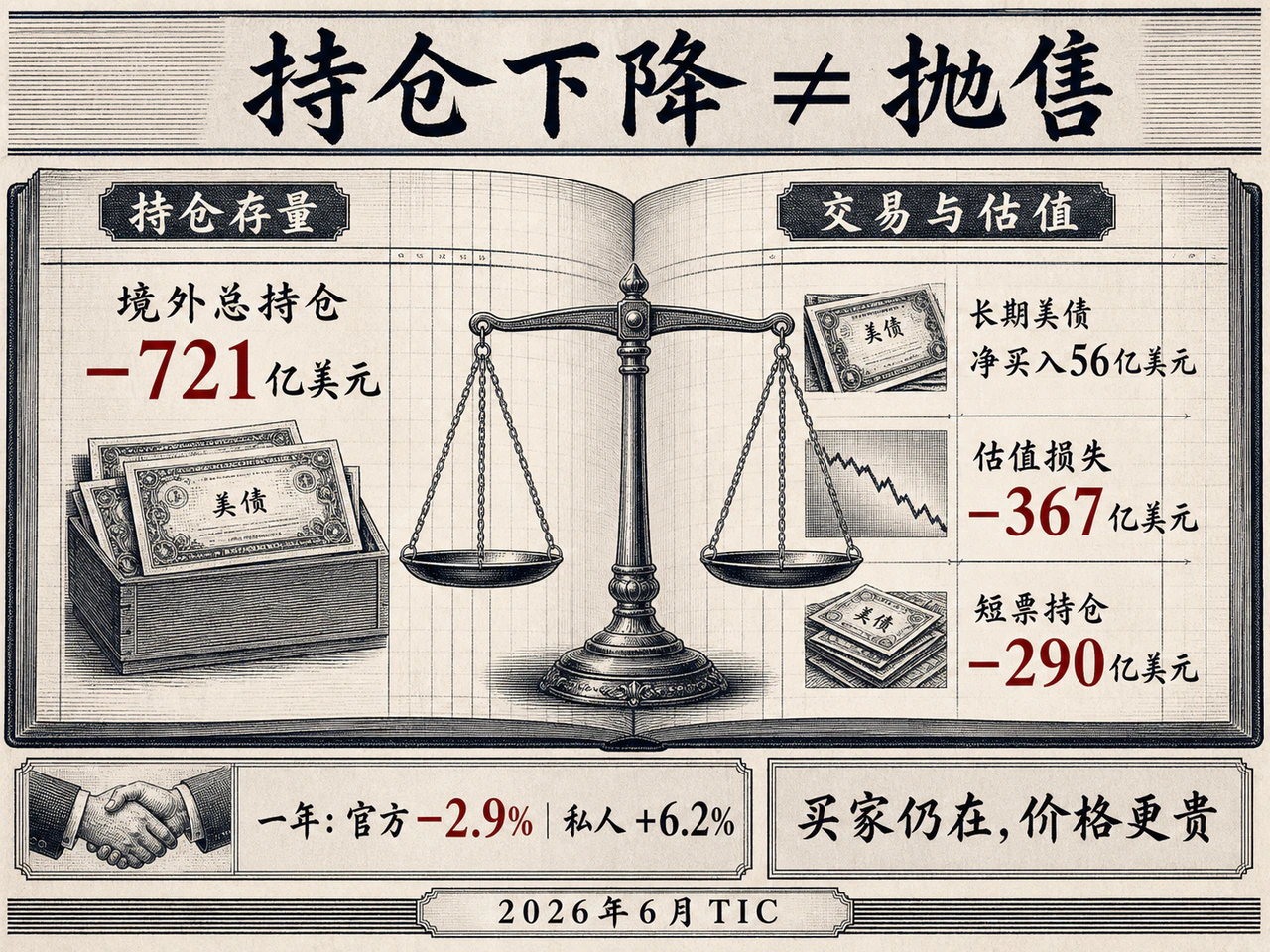
Research · August 19, 2026
Falling foreign holdings do not equal selling, and most incremental financing over the past year went into bills. Separating buyer structure, maturity supply and yield components reveals what is really driving elevated Treasury yields.
Read article ↗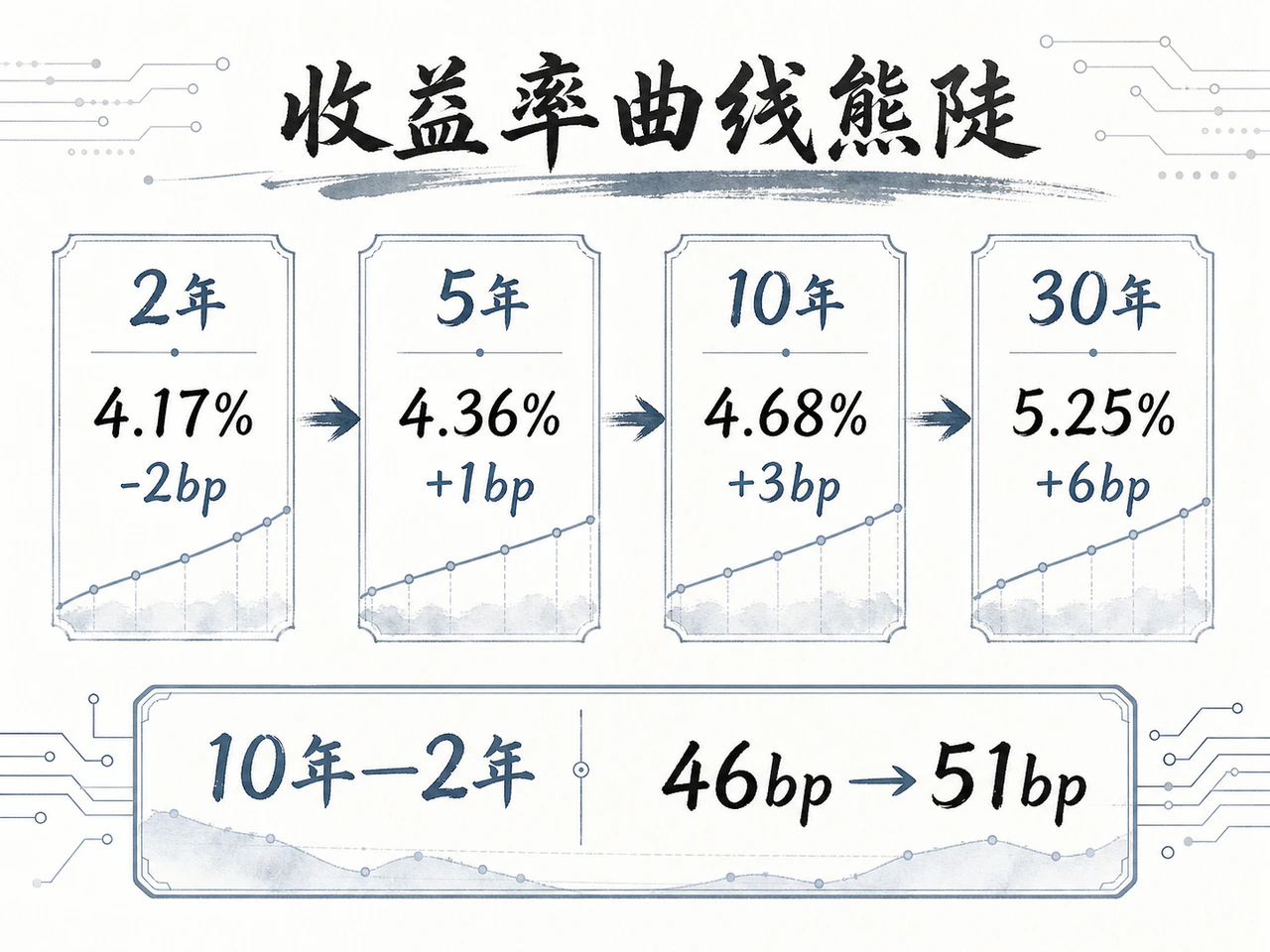
Research · August 17, 2026
Short yields fell with mild inflation while fiscal supply and term premiums supported long yields. Credit spreads moved sideways at low levels, and primary issuance expanded sharply.
Read article ↗
Research · August 17, 2026
Lower oil has not established that core inflation is back at target. Warsh's credibility constraints, midterms and long rates raise the evidence threshold for a policy turn. The single most likely year-end outcome remains a 3.50%–3.75% hold.
Read article ↗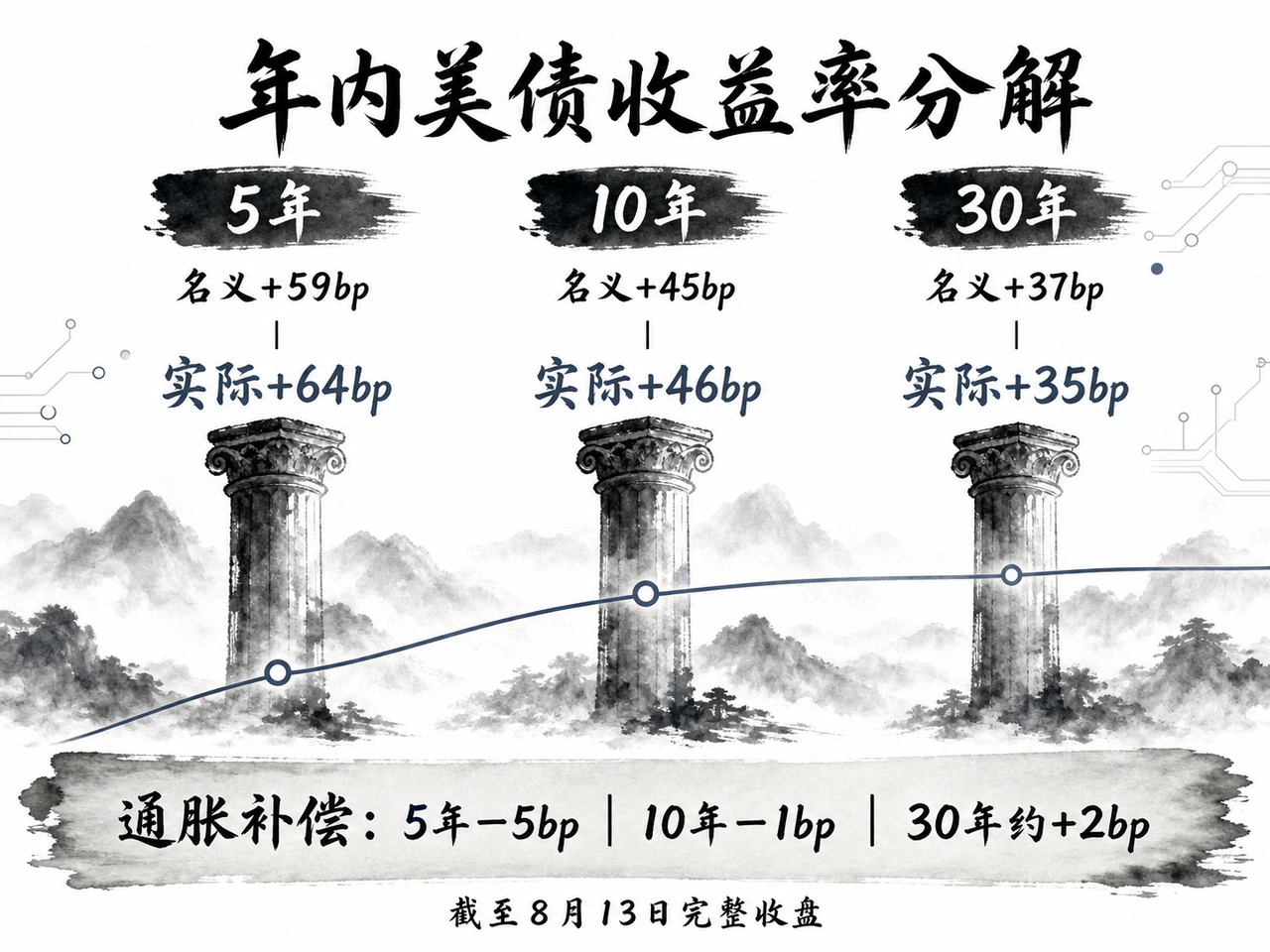
Research · August 16, 2026
Real yields drove this year's Treasury selloff, but policy should not mechanically follow the long end. Inflation, short-term neutral rates and financial conditions together provide the relevant yardstick.
Read article ↗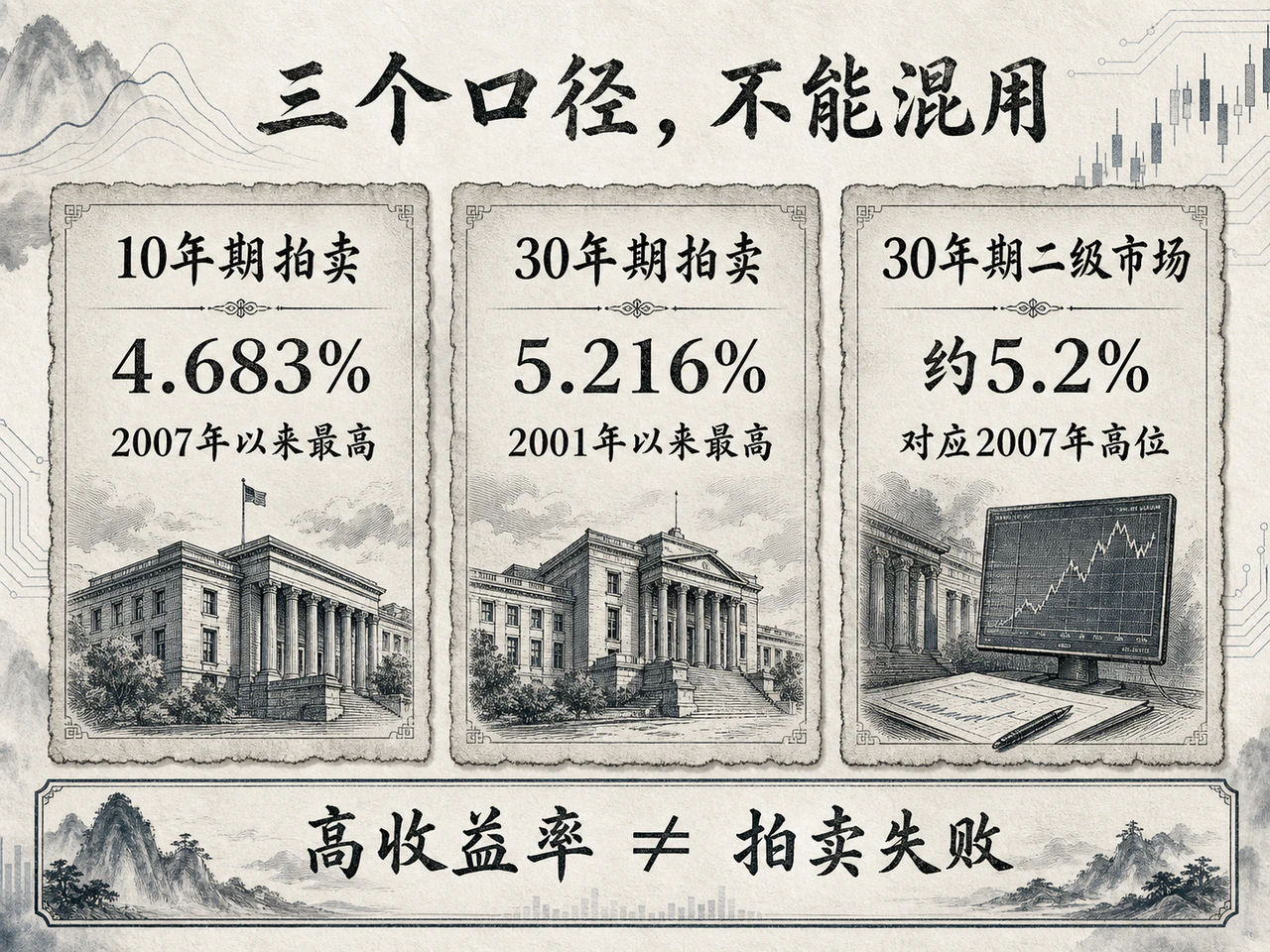
Research · August 14, 2026
Long yields have returned to levels unseen for more than two decades, driven mainly by a systematic repricing of real rates, fiscal supply and term risk rather than unanchored long-term inflation.
Read article ↗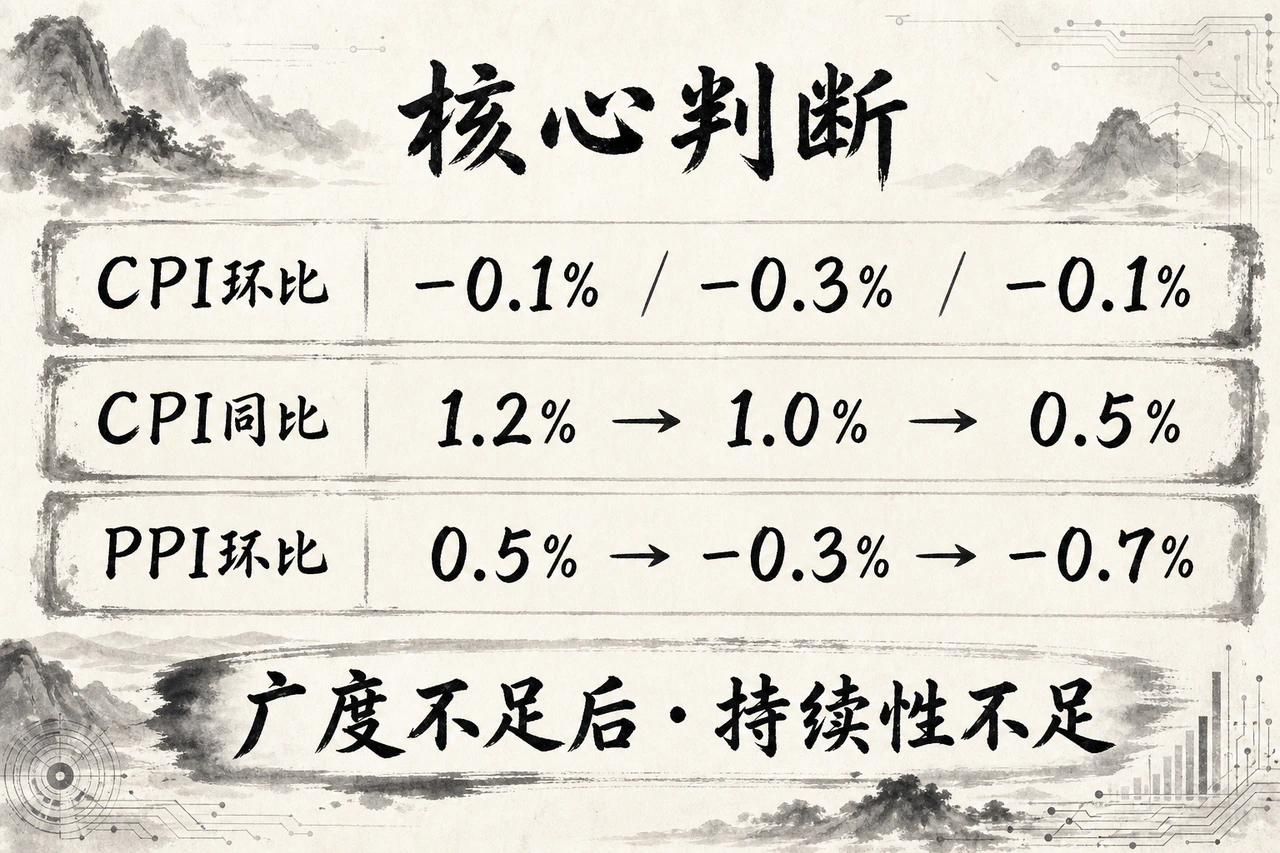
Research · August 11, 2026
Three consecutive monthly CPI declines and a widening monthly PPI fall show that positive annual rates cannot conceal weaker current momentum. Policy must repair the nominal-growth feedback loop.
Read article ↗
Research · August 10, 2026
Midterms do not directly set the federal funds rate, but they change the fiscal, oversight and expectations environment. With Warsh taking office, the question is whether the anchors move.
Read article ↗
Research · August 10, 2026
A new chair's honeymoon collides with midterm elections and the Iran war. However strong the political pressure, federal funds rates must still be understood through growth and inflation expectations.
Read article ↗
Research · August 6, 2026
After reviewing the failures of 2021–2022, we examine Warsh's change of measuring stick: core PCE at 3.3% and trimmed mean PCE at 2.2% lie on opposite sides of the target. Measurement, frameworks and the threshold for rate cuts.
Read article ↗
Research · August 5, 2026
The 30-year Treasury yield touches about 5.28%, near highs last seen around 2007. Policy can hold while the long end tightens. Behind 5.2% lie policy expectations, energy inflation and term premiums.
Read article ↗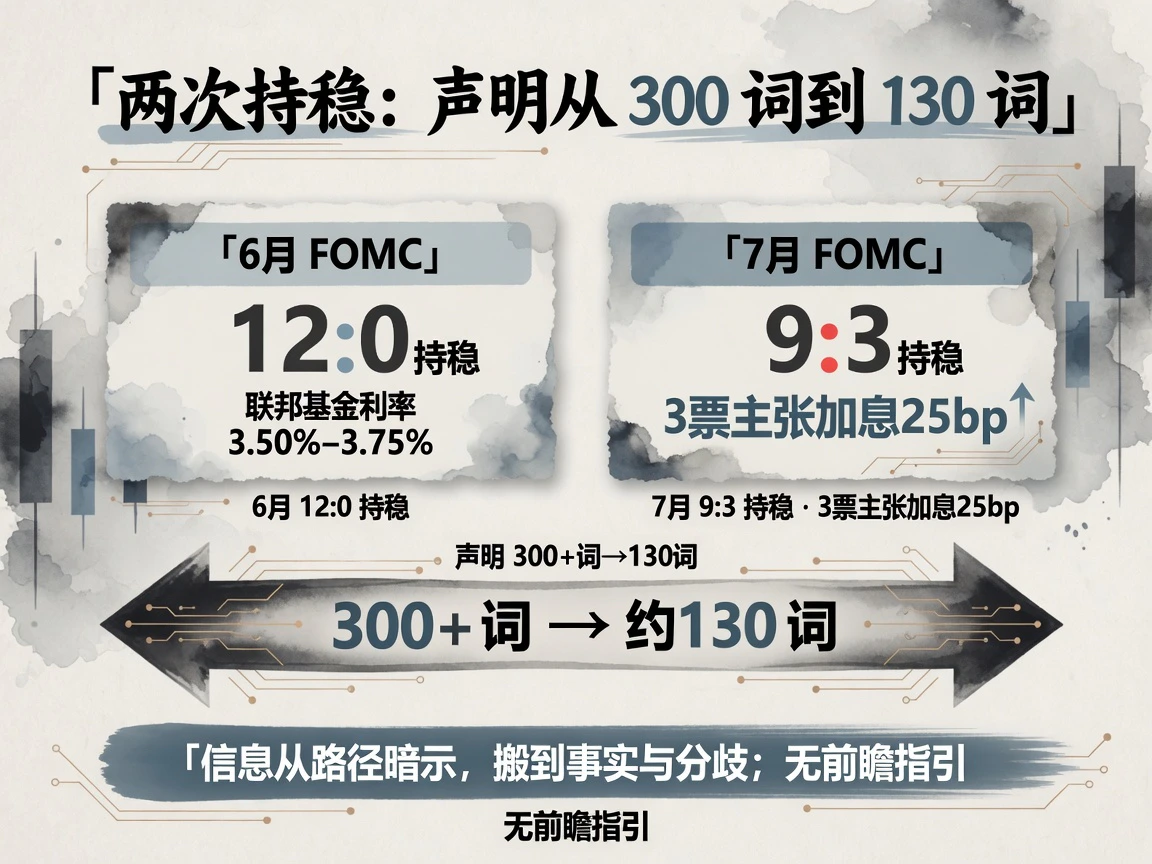
Research · August 3, 2026
Rates stay unchanged for two meetings, yet markets act as though the Fed has done much: statements shrink by 60%, guidance disappears and dissent is exposed. What has Warsh removed, what has he reinforced, and what are the odds of success?
Read article ↗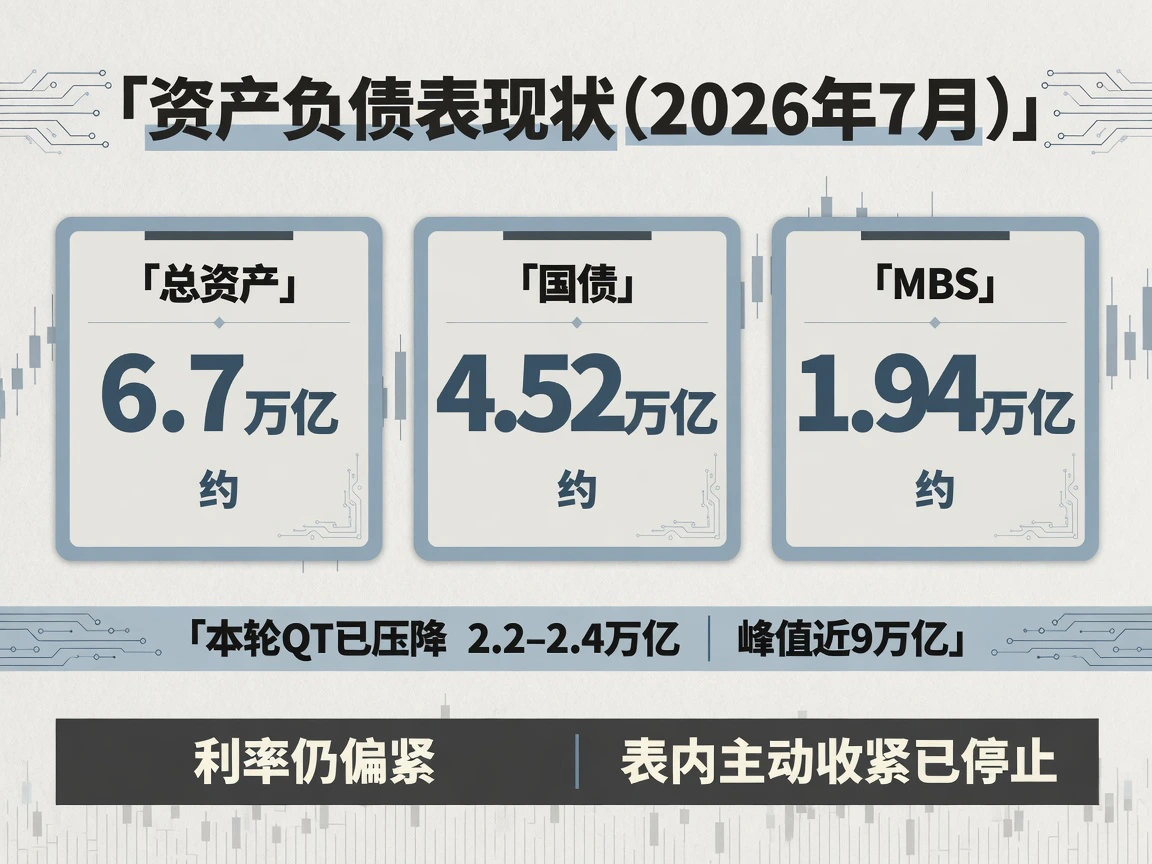
Research · August 3, 2026
QT has ended while inflation remains above target. Warsh supports a further reduction of about $1 trillion–$2 trillion over the medium term, chiefly through portfolio changes and gradual runoff. Near-term restraint rests on interest rates; balance-sheet reform is a structural project spanning 3–5 years, with an estimable upward effect on long-end premiums.
Read article ↗