Understanding the Fed · August 24, 2026
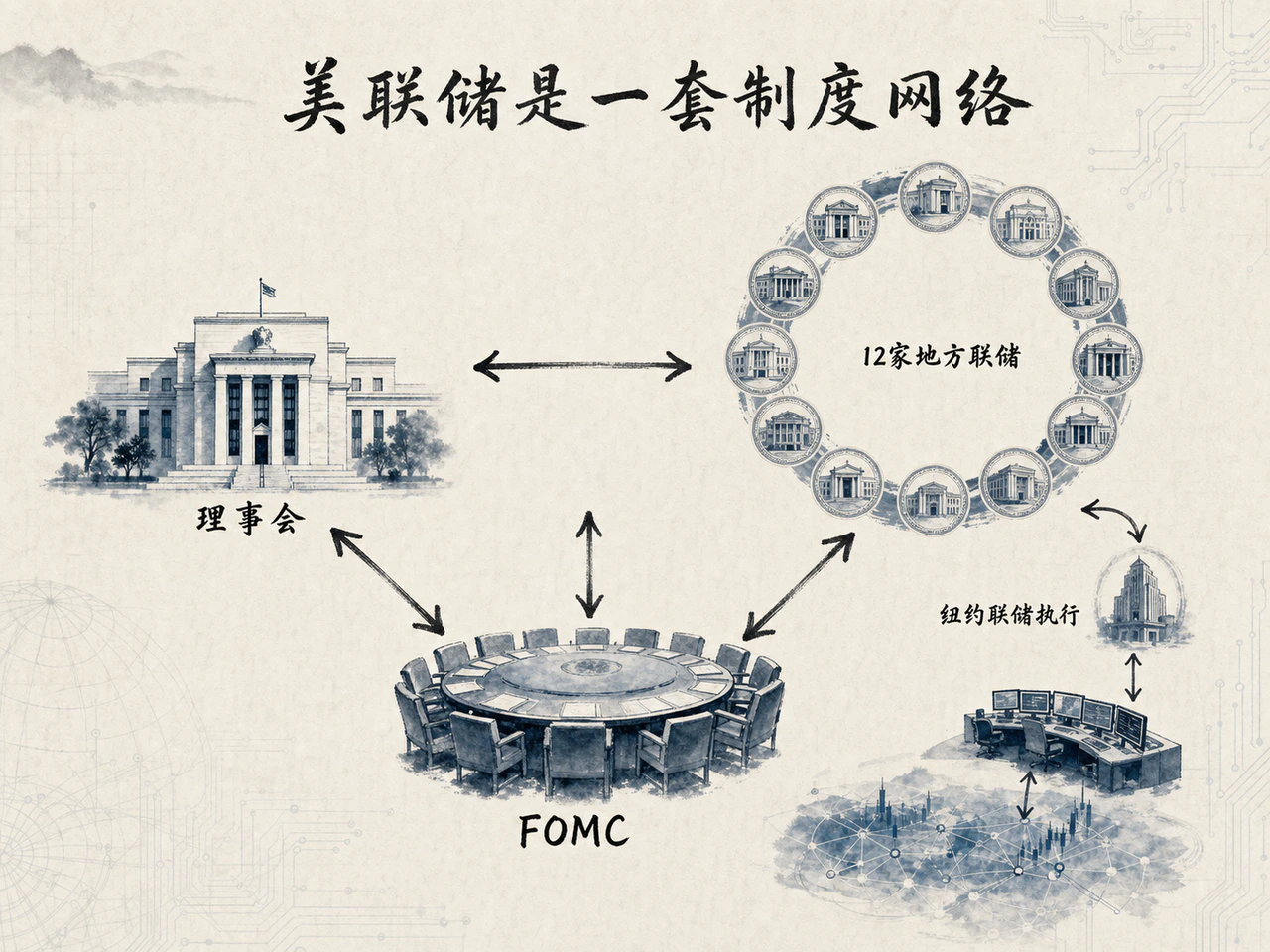
From the Board of Governors and FOMC to the 12 regional Reserve Banks: distinguish who decides, who votes and who implements.
Read article ↗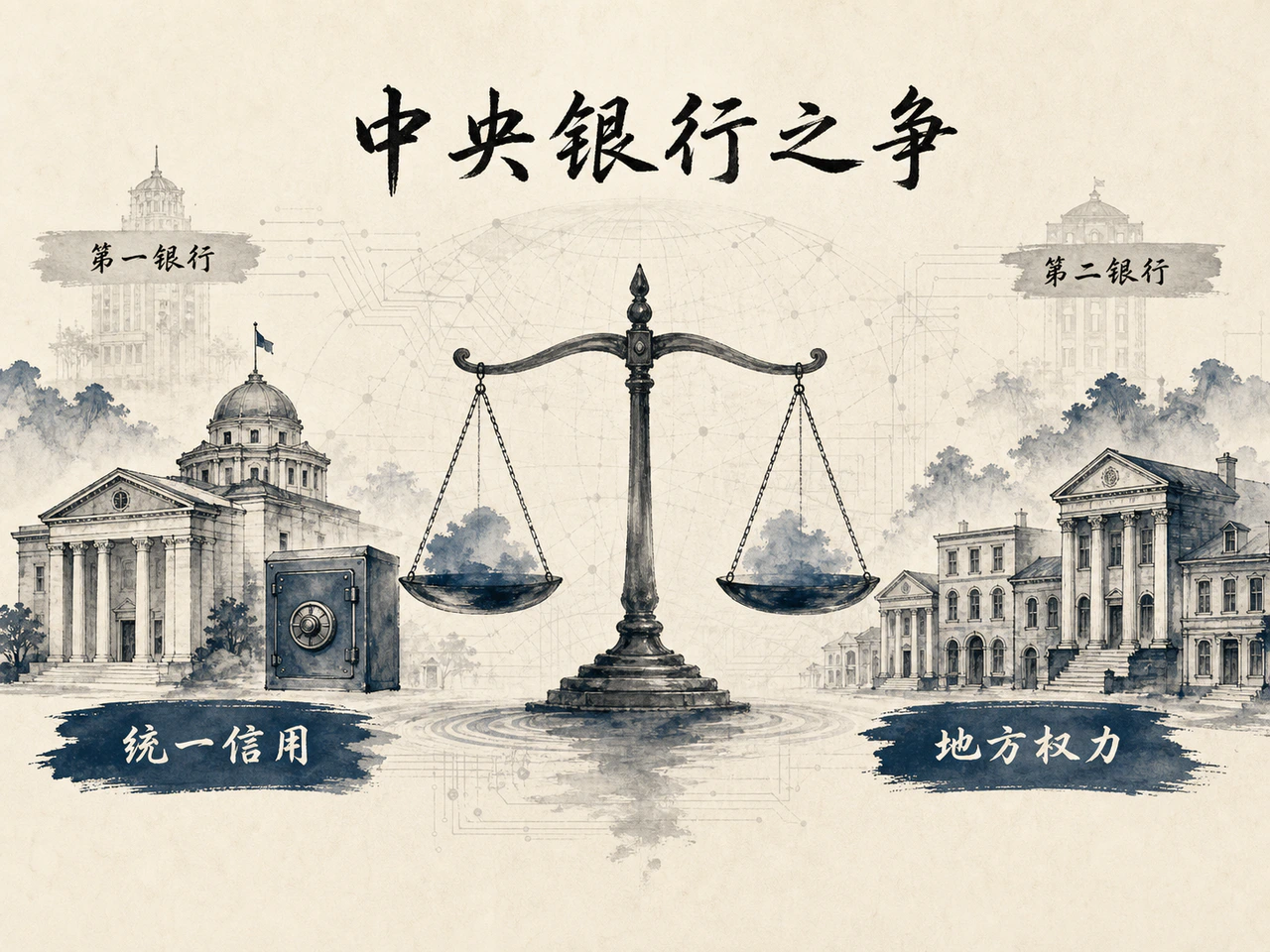
Understanding the Fed · August 24, 2026
From the demise of two Banks of the United States to the private rescue of 1907, the political origins of the Fed's complex architecture.
Read article ↗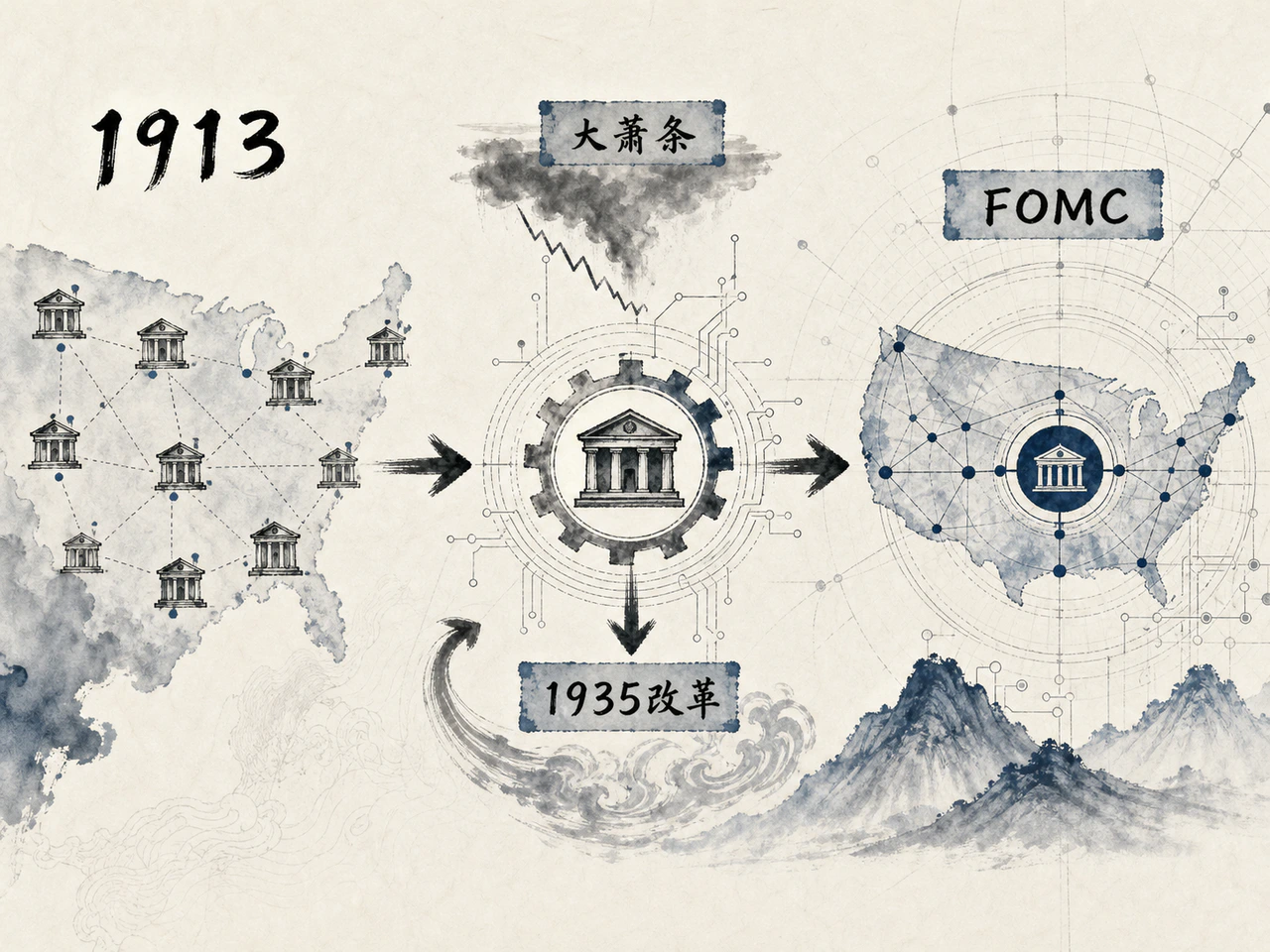
Understanding the Fed · August 24, 2026
From a discount network to a balance-sheet central bank: how crises repeatedly rewrote the Fed's powers, objectives and tools.
Read article ↗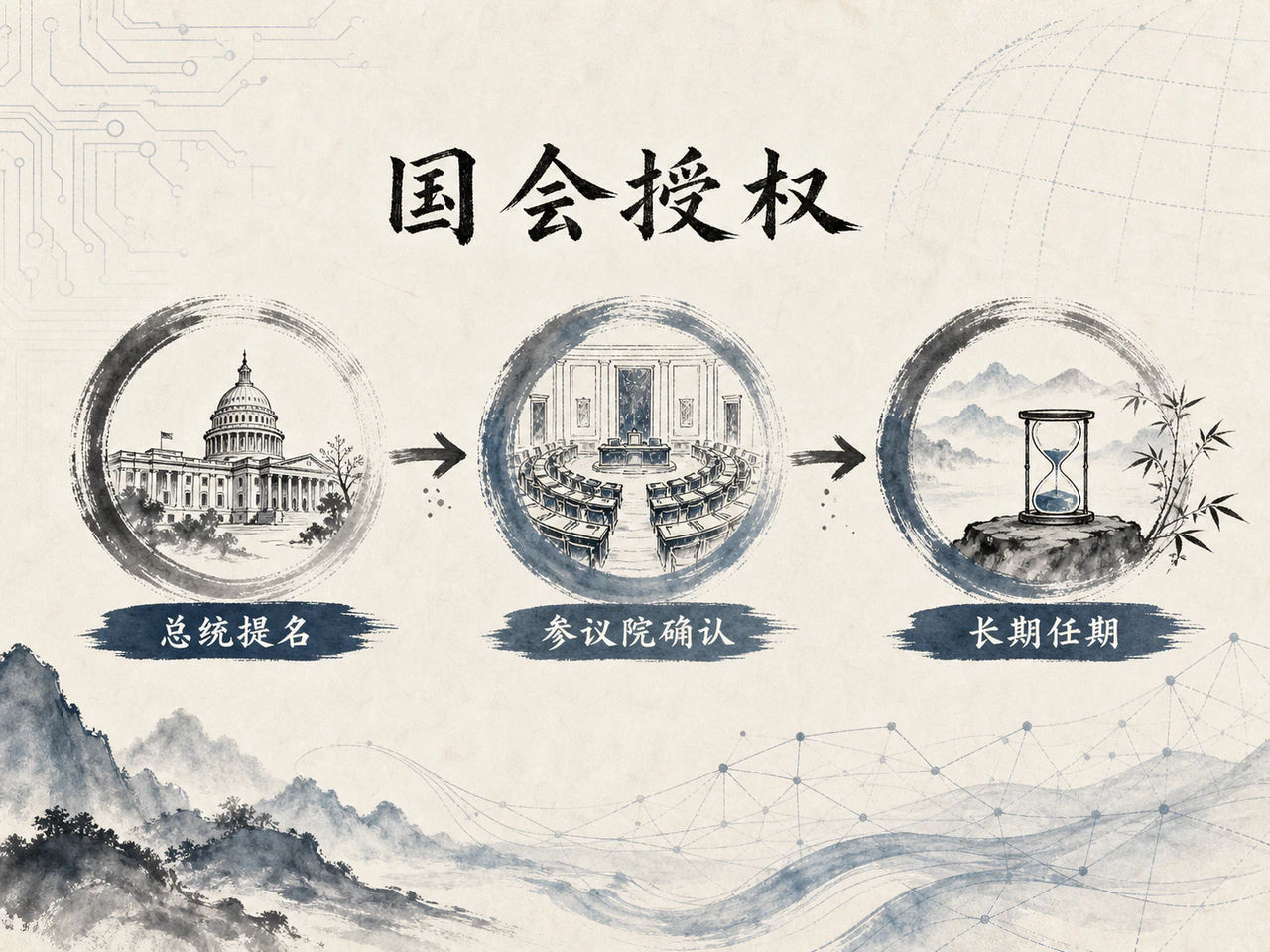
Understanding the Fed · August 24, 2026
The Board, regional Reserve Banks and FOMC have different legal characteristics. Independence must be understood through authorization, appointments, funding and audit arrangements.
Read article ↗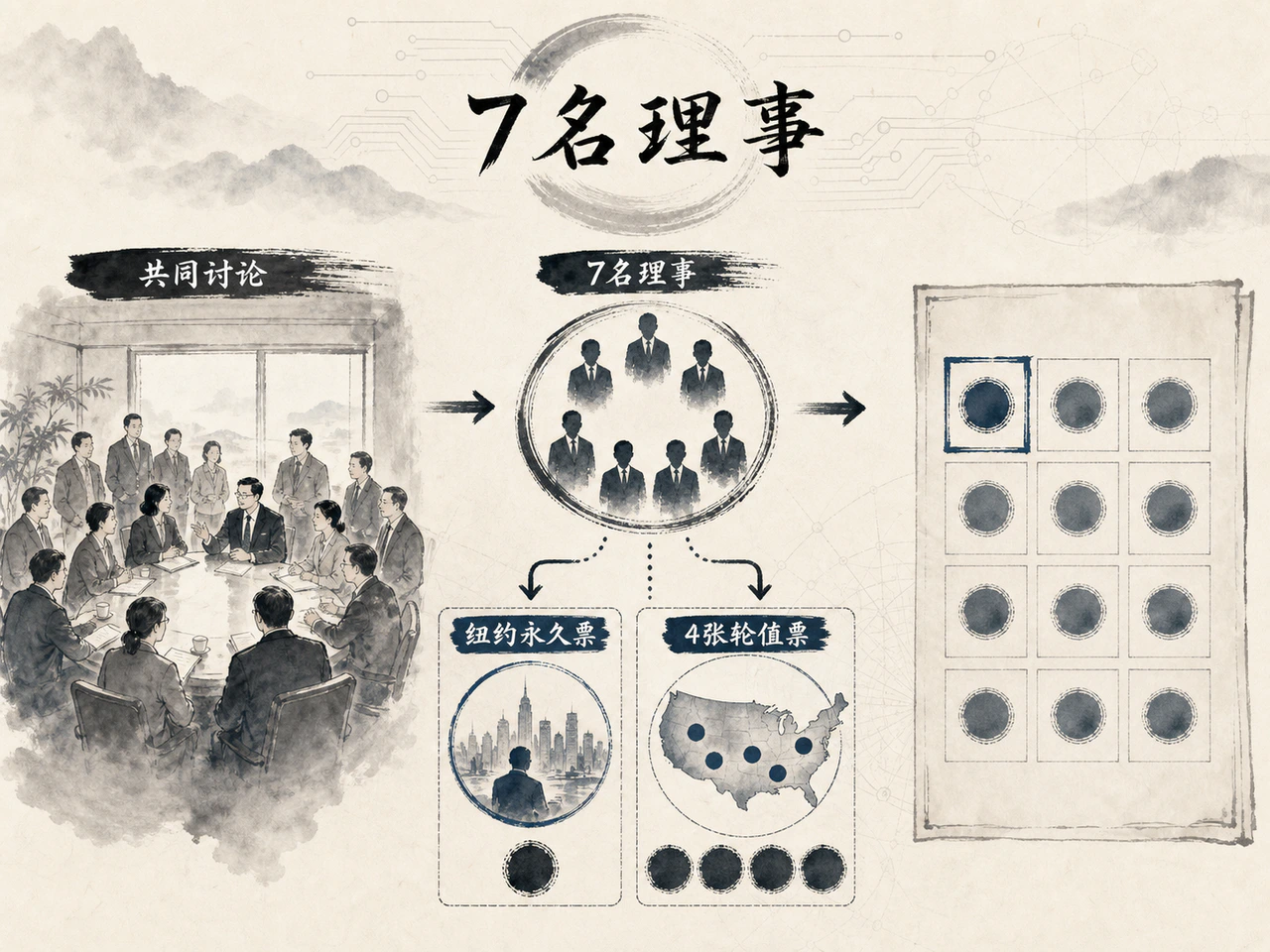
Understanding the Fed · August 24, 2026
From pre-meeting information and regional voices to formal votes, this article separates the roles of the statement, minutes, dot plot and transcripts.
Read article ↗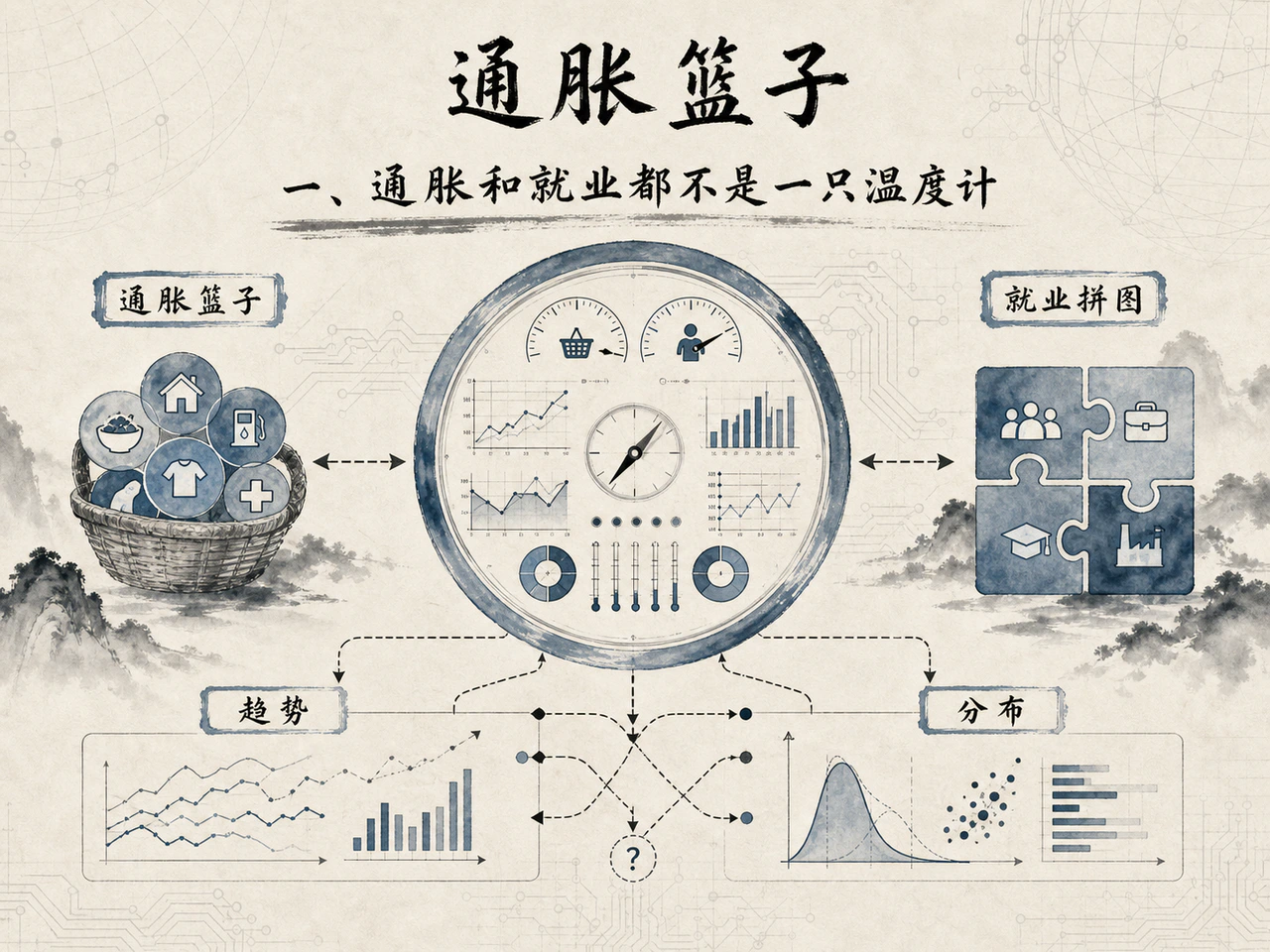
Understanding the Fed · August 24, 2026
Inflation and employment each require more than one thermometer, and the dot plot is no promise. Policy judgment is a tree of conditions.
Read article ↗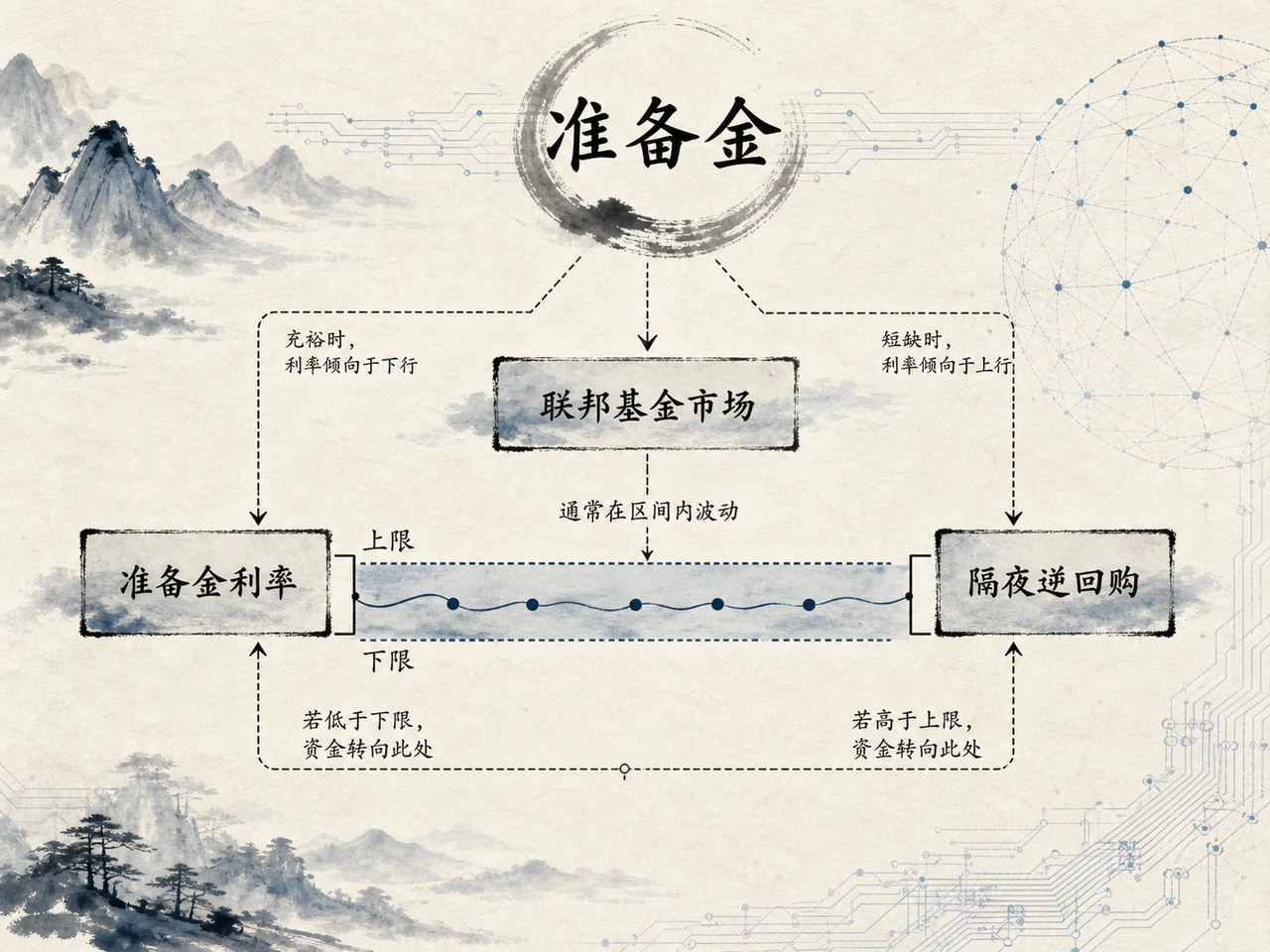
Understanding the Fed · August 24, 2026
From IORB and ON RRP to SOMA and long-term rates: why a policy cut is not a simultaneous switch for every financing cost.
Read article ↗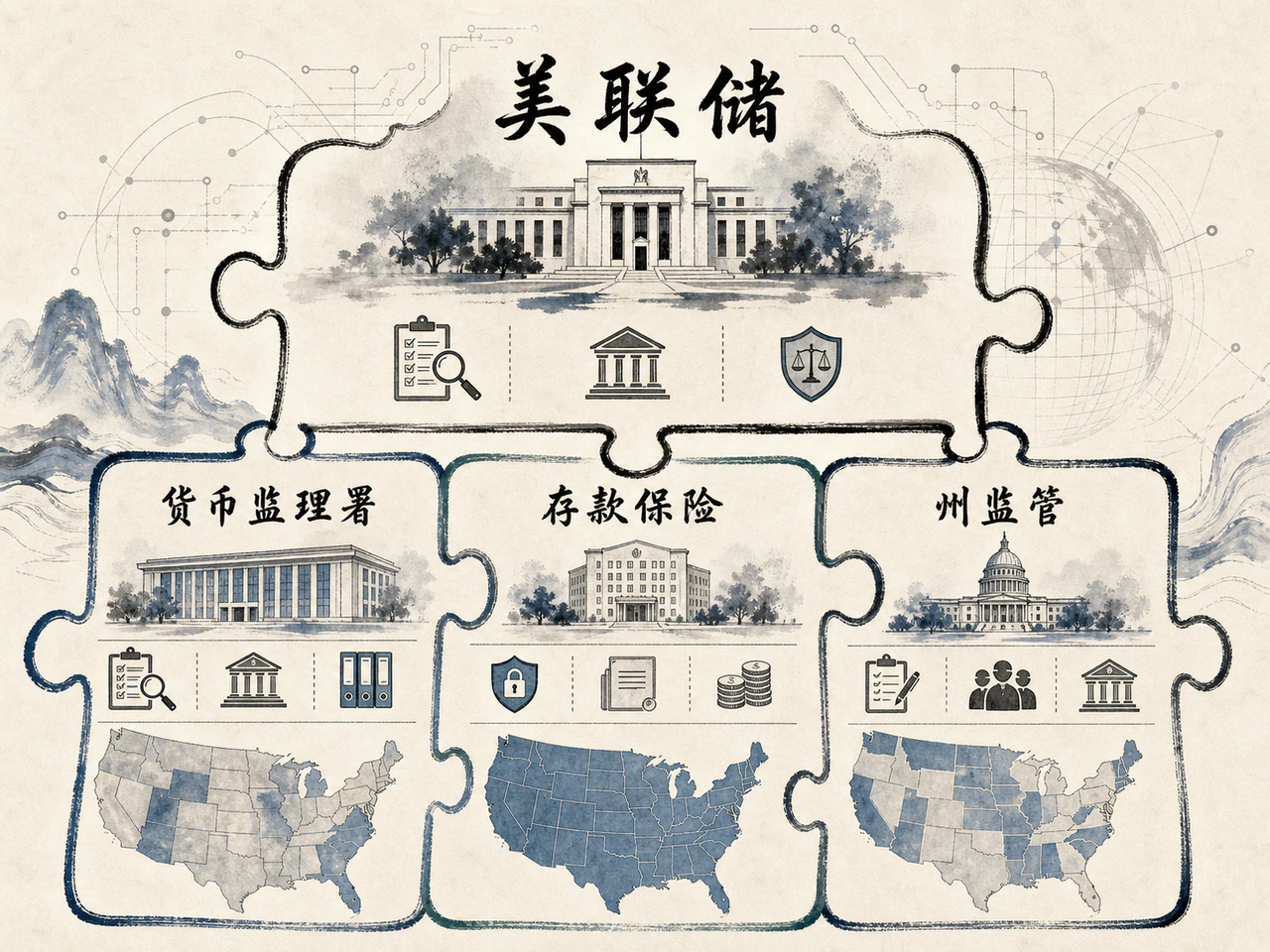
Understanding the Fed · August 24, 2026
Bank supervision, payments and settlement, fiscal agency and the lender-of-last-resort role together form the Federal Reserve beyond interest-rate headlines.
Read article ↗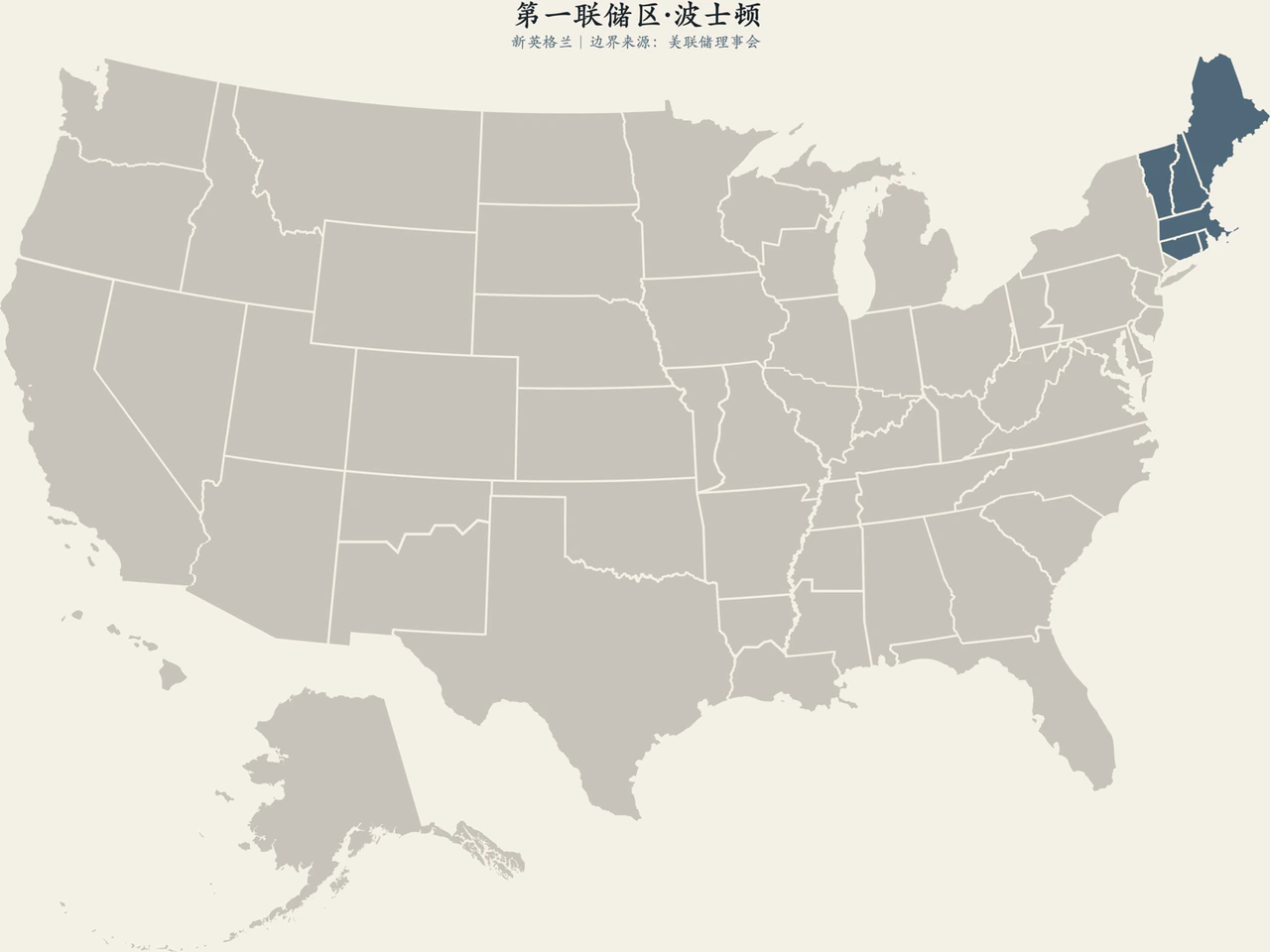
Understanding the Fed · August 24, 2026
High education and incomes coexist with housing-supply constraints and an aging population, creating the First District's distinctive policy signals.
Read article ↗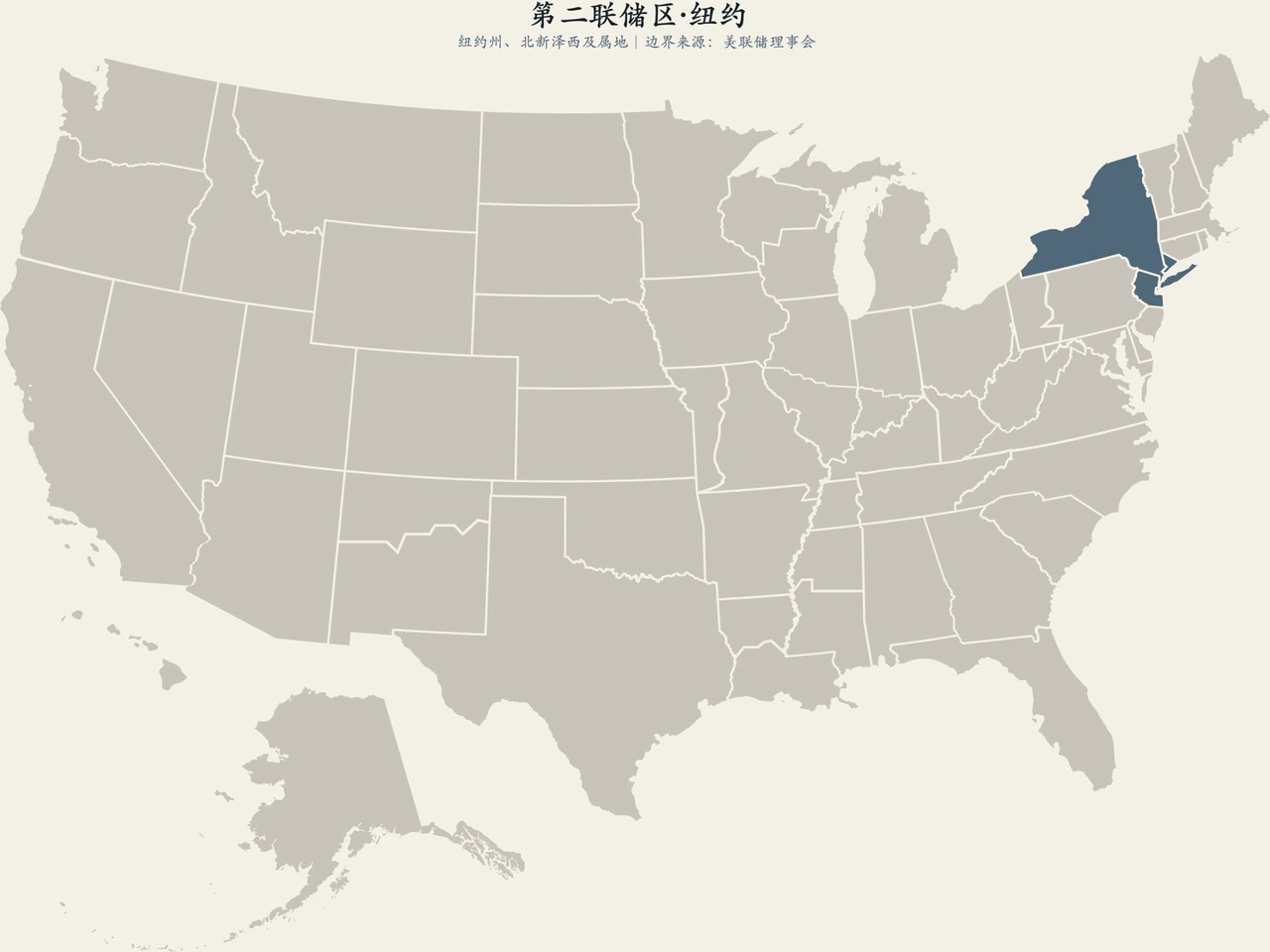
Understanding the Fed · August 24, 2026
A permanent FOMC vote, SOMA and the global dollar network make New York the execution hub, rather than the superior of other Reserve Banks.
Read article ↗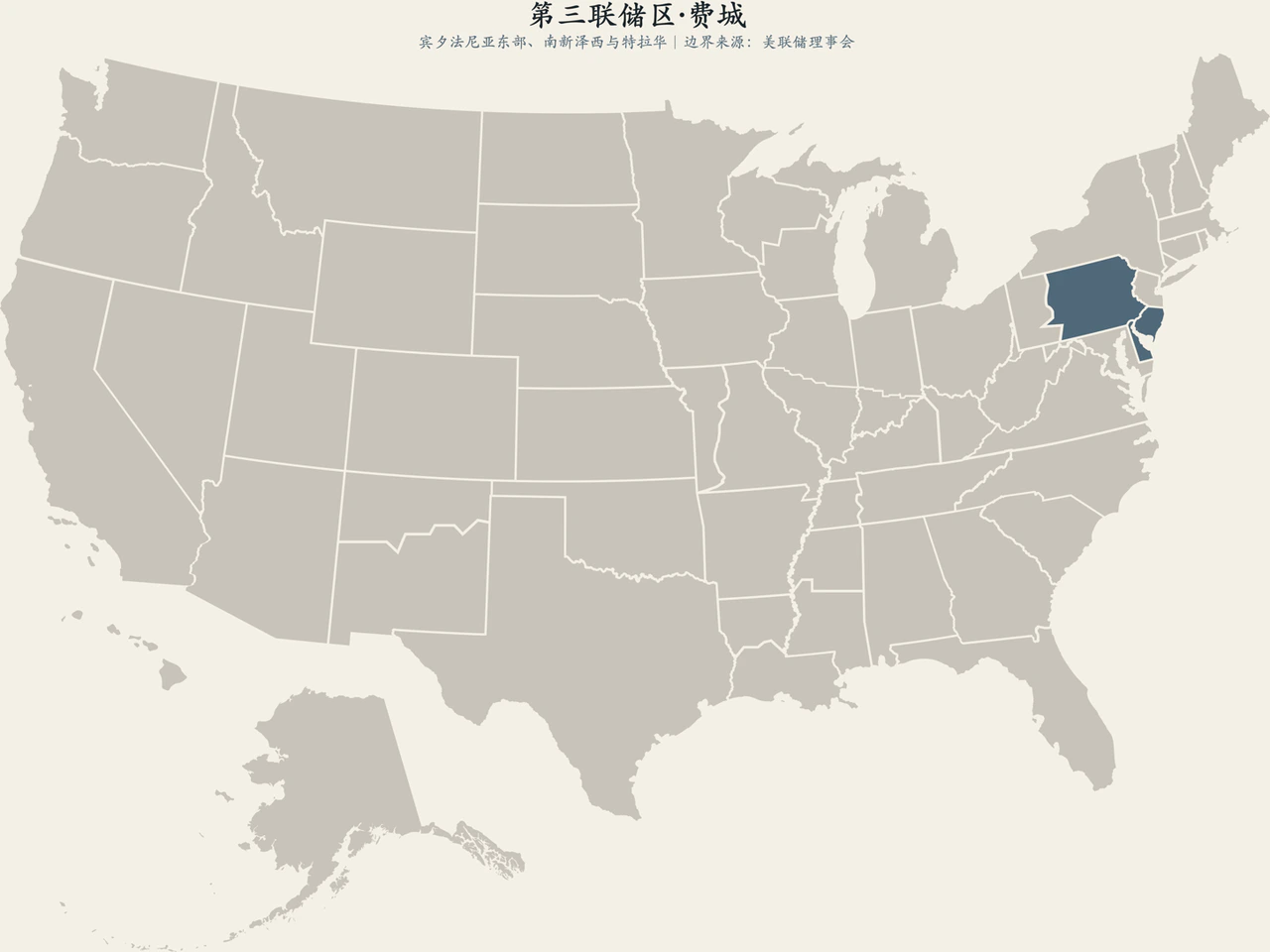
Understanding the Fed · August 24, 2026
SPF, ADS and manufacturing surveys measure expectations, conditions and business direction. Their value lies in combination rather than choosing one supposedly perfect indicator.
Read article ↗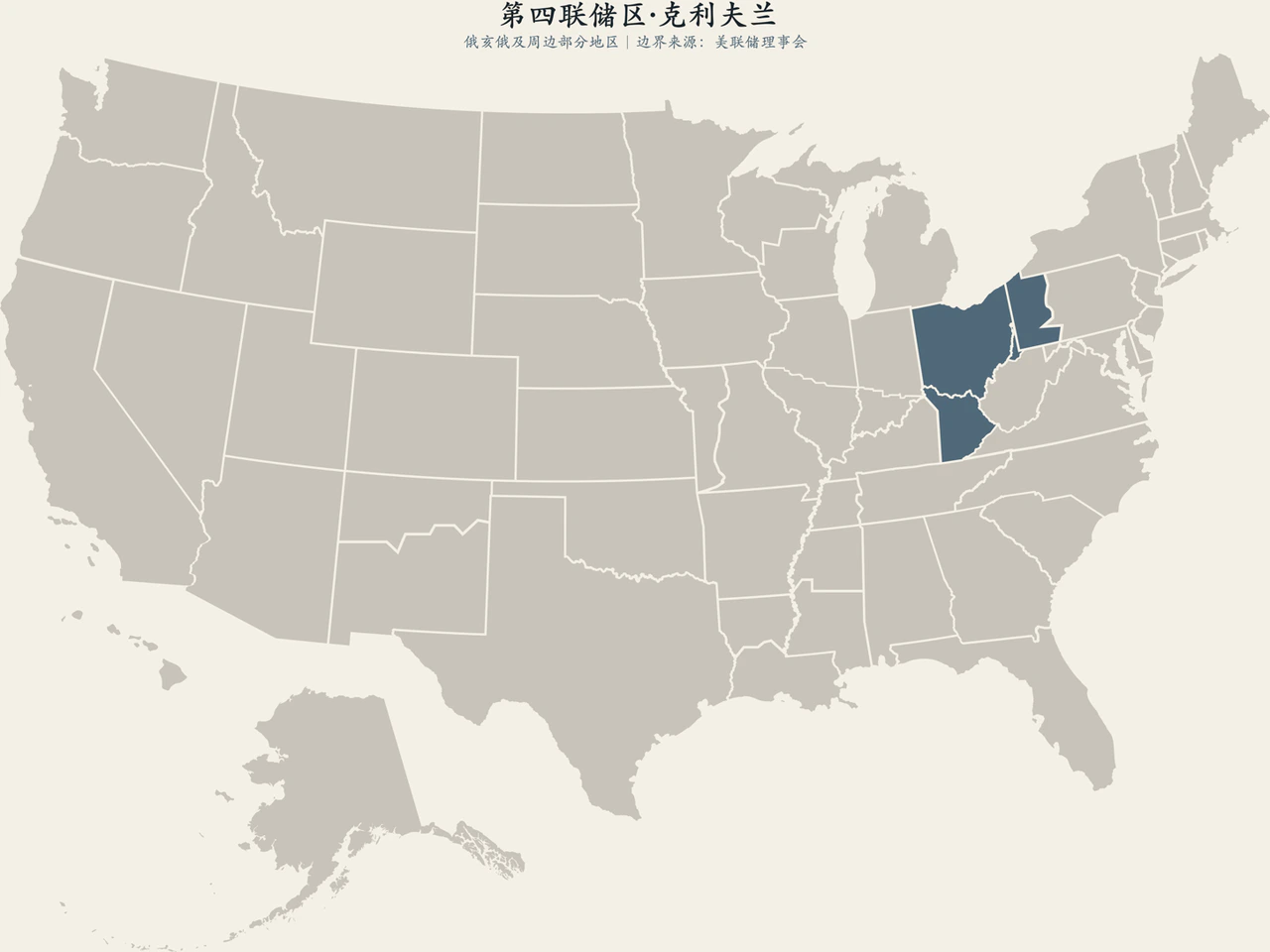
Understanding the Fed · August 24, 2026
Median CPI, trimmed means and nowcasts provide several measures of inflation, each with conditions under which its signals can be distorted.
Read article ↗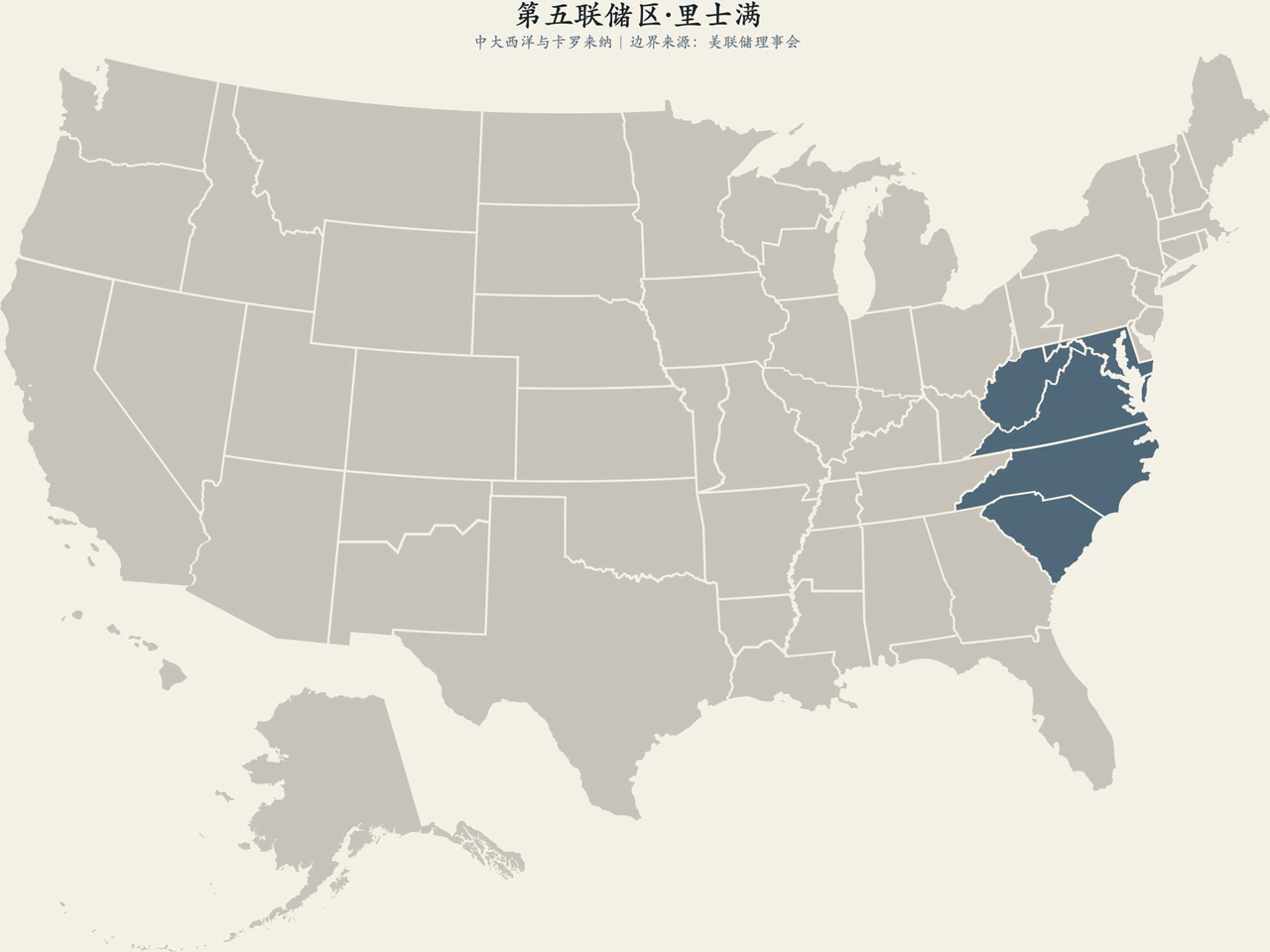
Understanding the Fed · August 24, 2026
Government, ports, finance and manufacturing share one district. Its most useful information lies in structural divergence rather than averages.
Read article ↗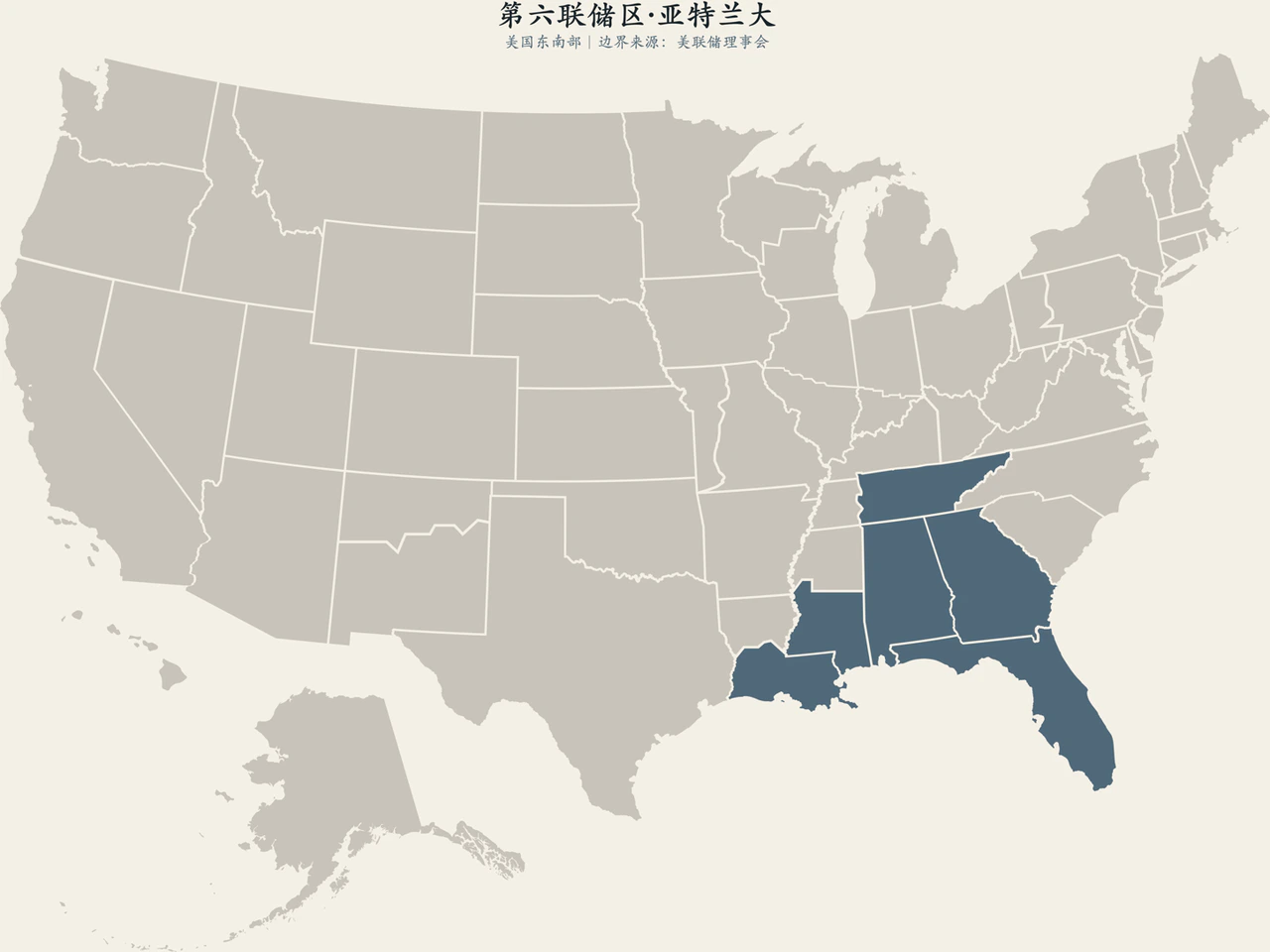
Understanding the Fed · August 24, 2026
GDPNow, wage tracking and business expectations separate Southern population growth into demand, supply, wages and prices.
Read article ↗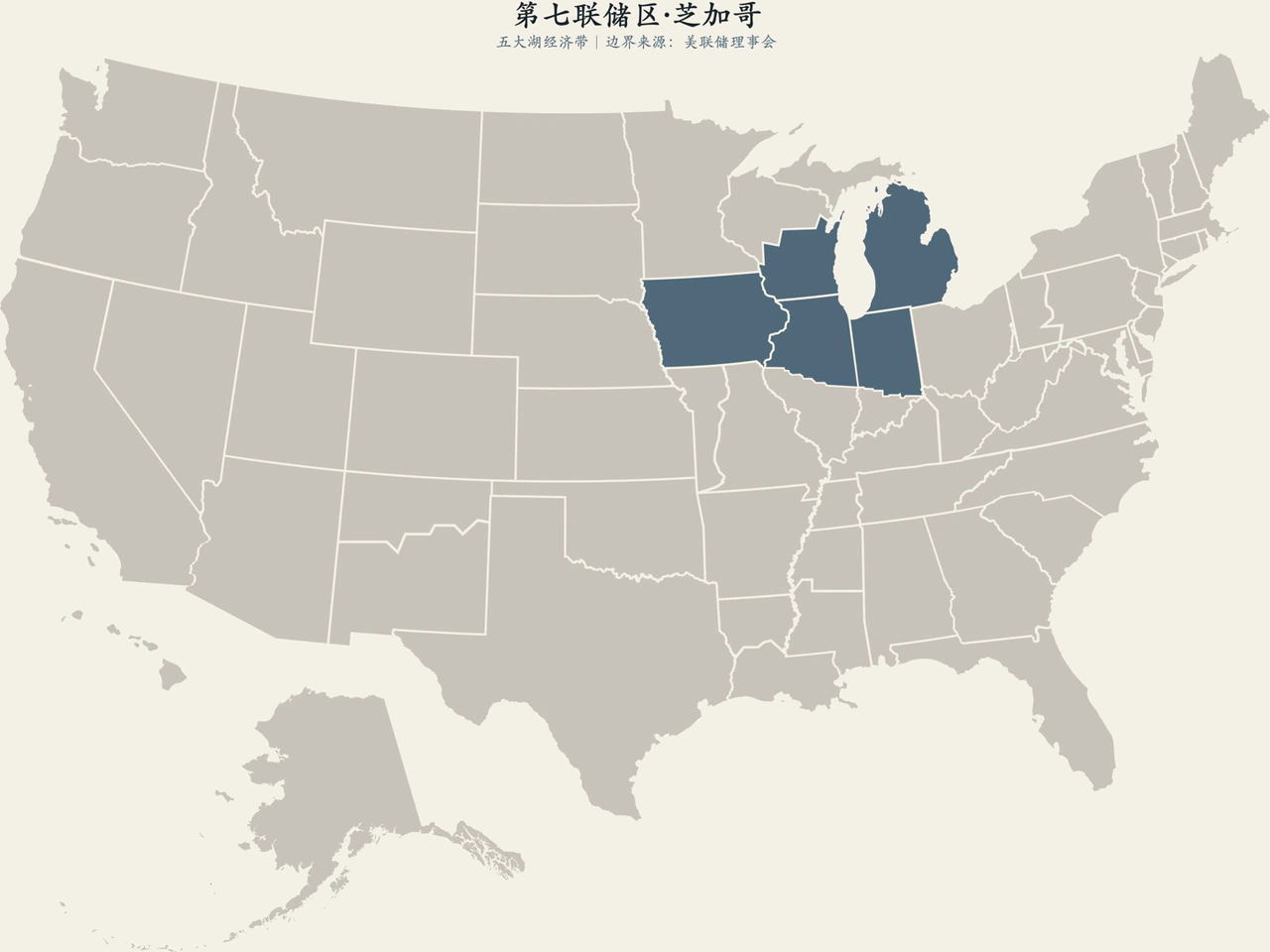
Understanding the Fed · August 24, 2026
CFNAI, NFCI and the Midwest index put the automotive supply chain and financial transmission in the same analytical picture.
Read article ↗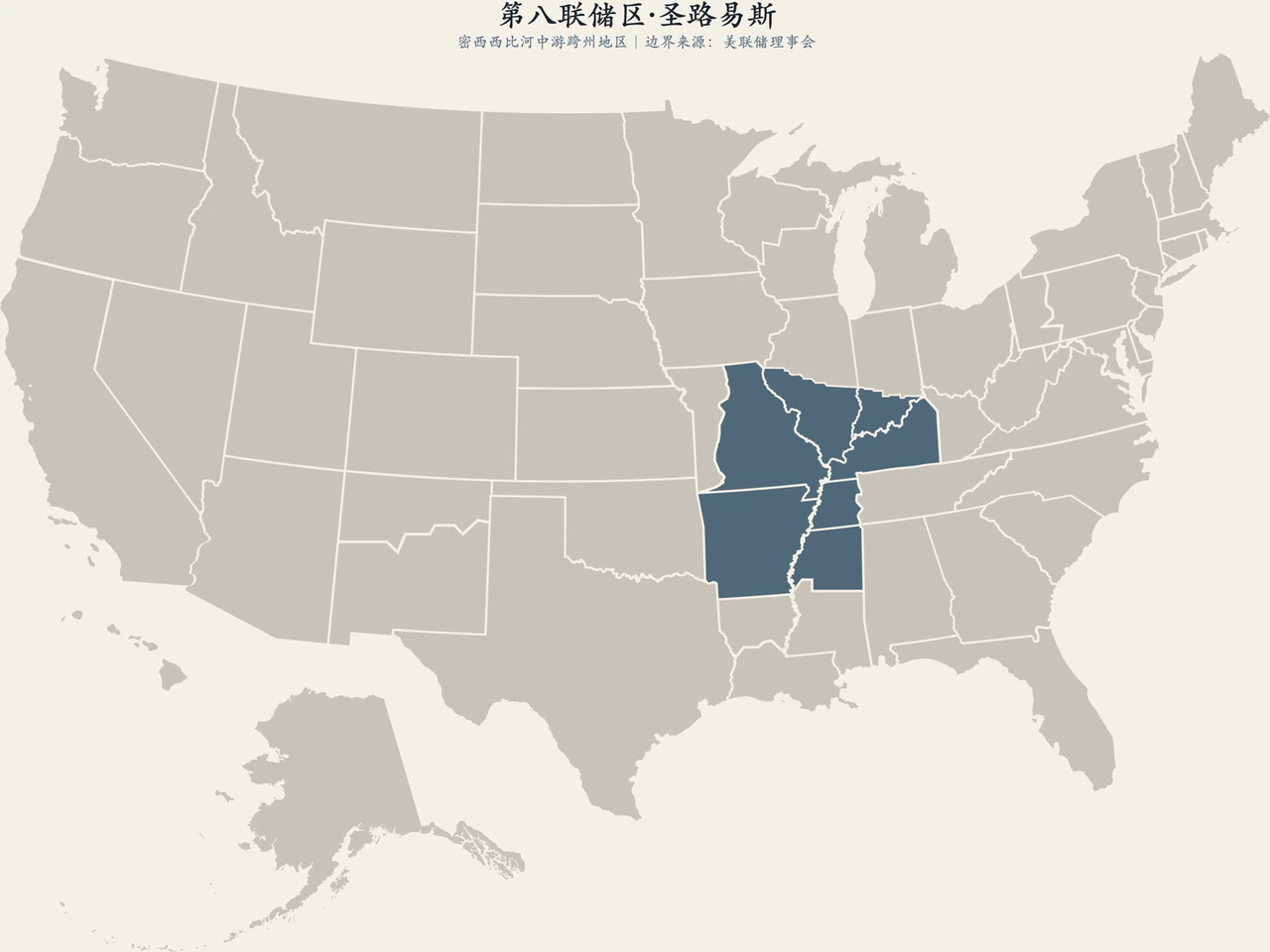
Understanding the Fed · August 24, 2026
FRED, ALFRED and FRASER connect current data, historical vintages and institutional archives into a complete research chain.
Read article ↗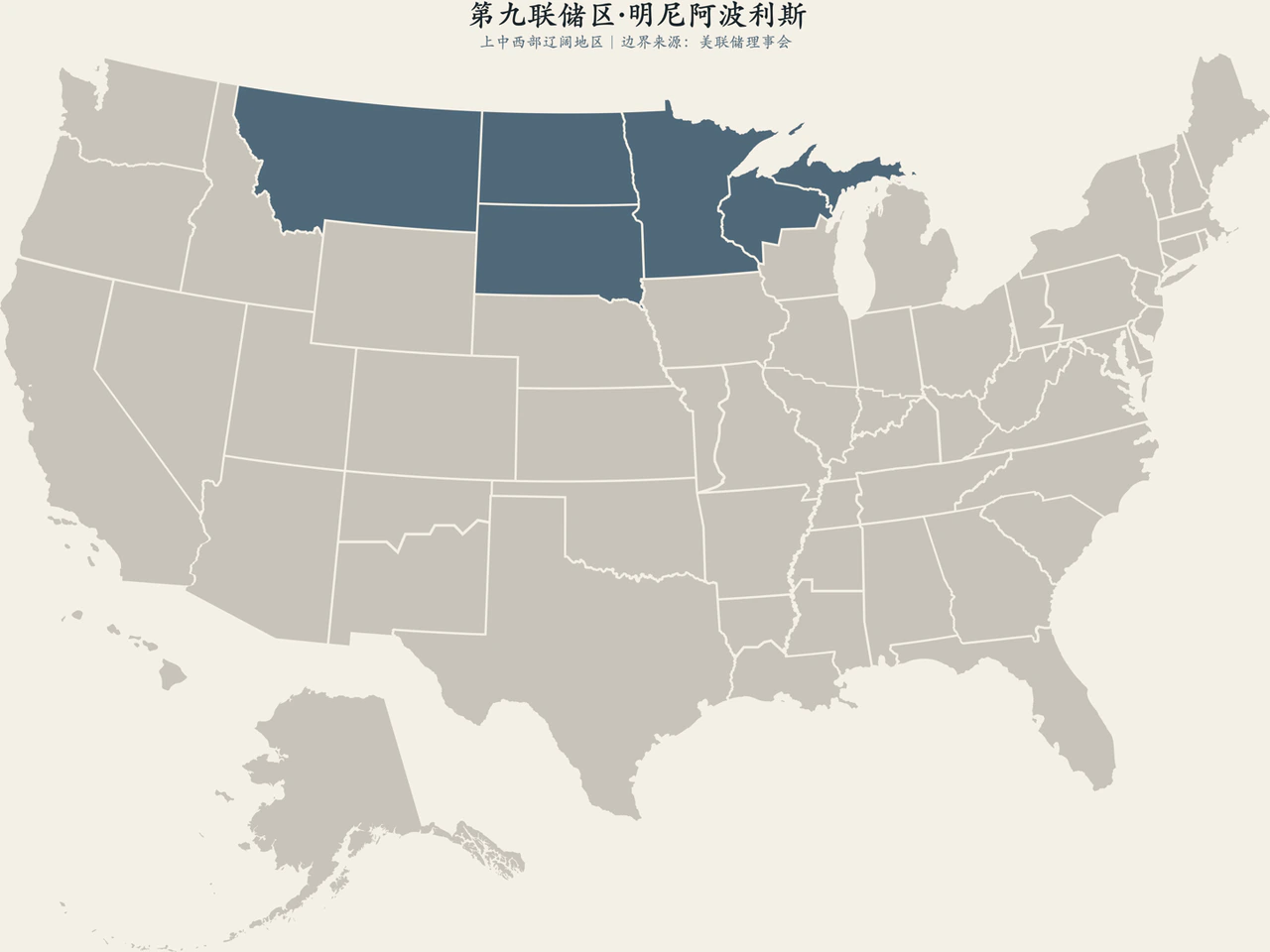
Understanding the Fed · August 24, 2026
Distance, sparse settlement, agriculture, resources and Indigenous economies give a uniform policy rate very different transmission in the Ninth District.
Read article ↗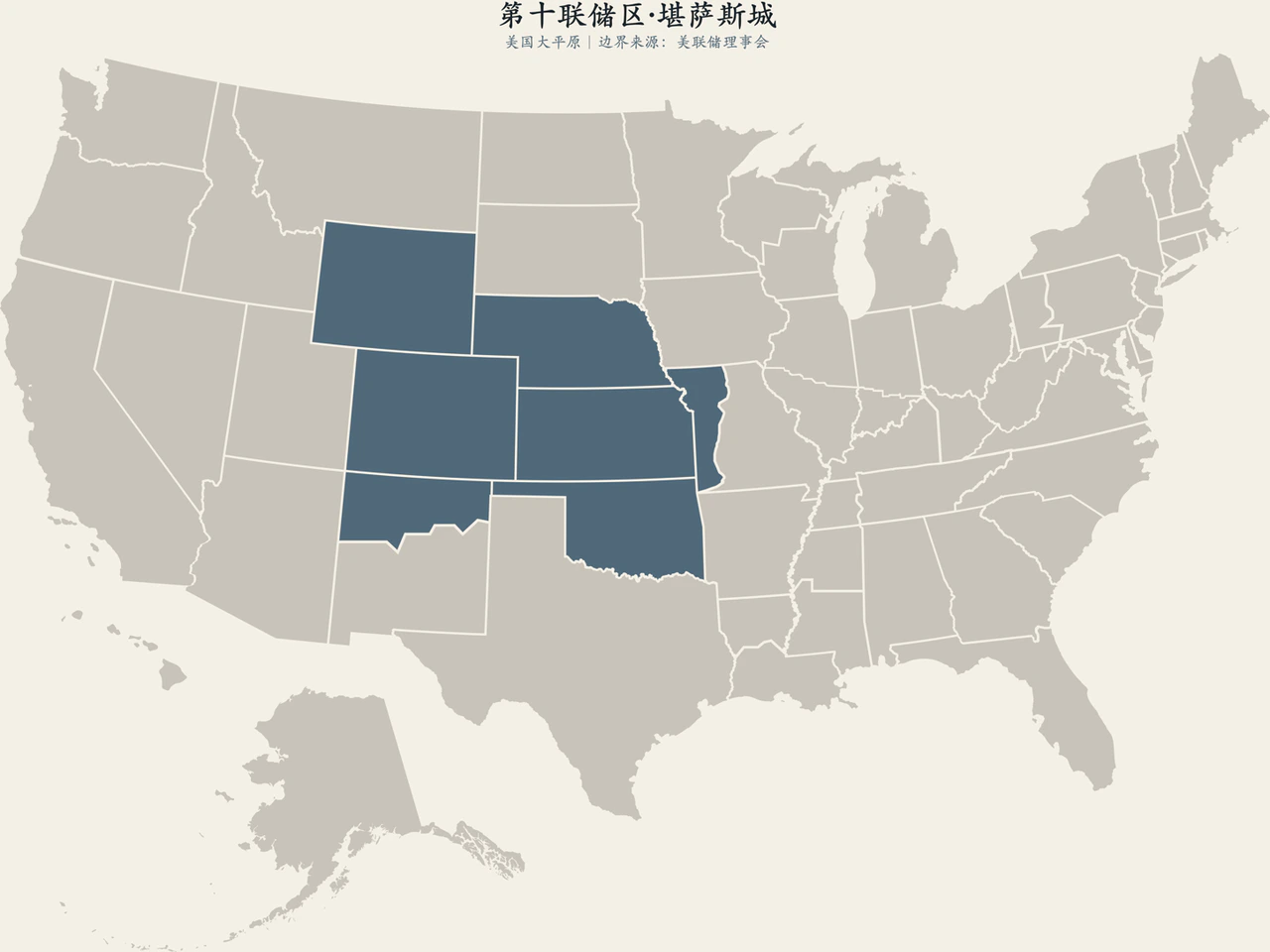
Understanding the Fed · August 24, 2026
Jackson Hole supplies a stage for ideas; agriculture, energy and rural credit form the Tenth District's year-round policy foundations.
Read article ↗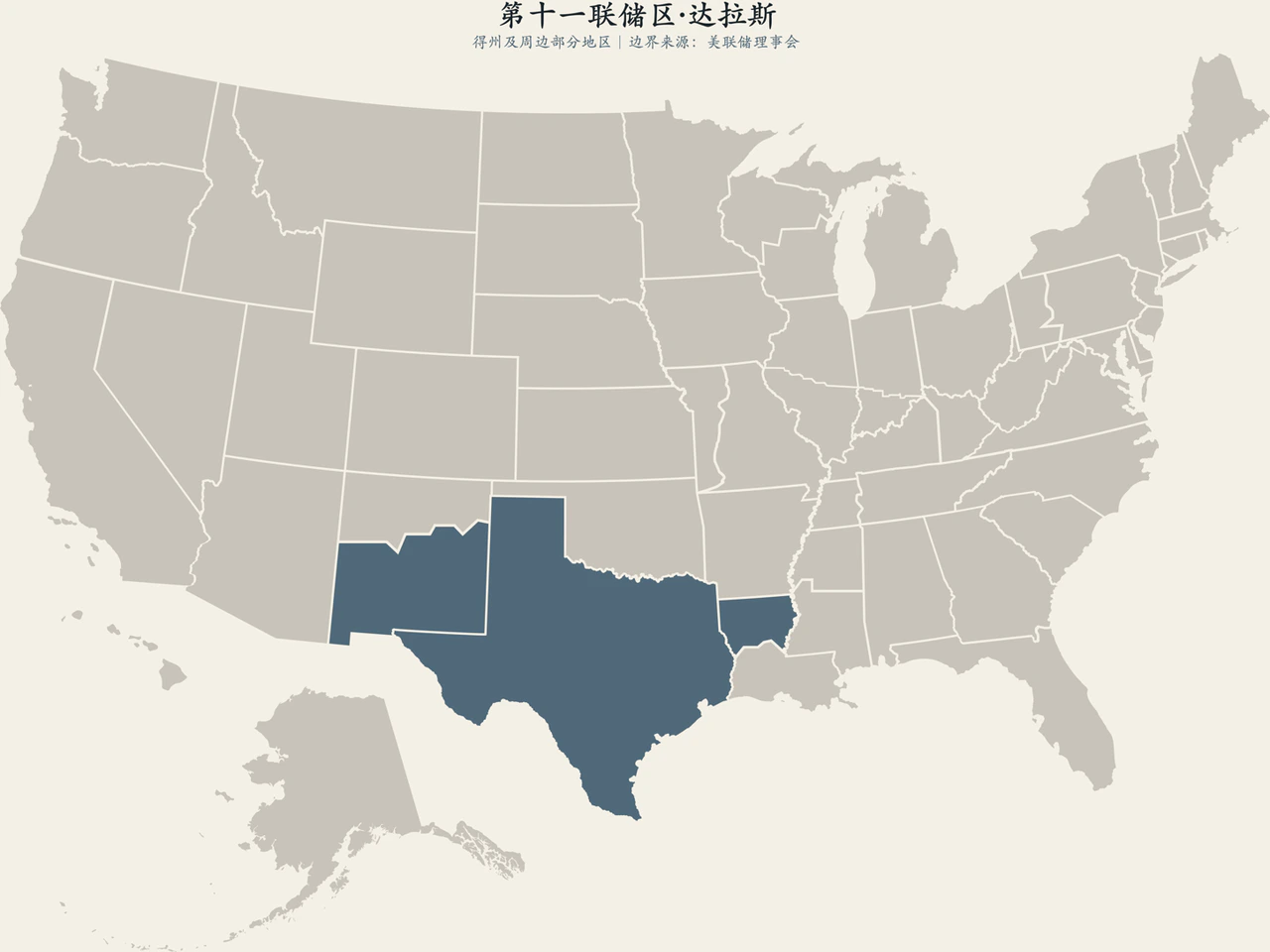
Understanding the Fed · August 24, 2026
Oil-region income, US-Mexico supply chains and trimmed-mean PCE reveal the difference between shocks and underlying inflation.
Read article ↗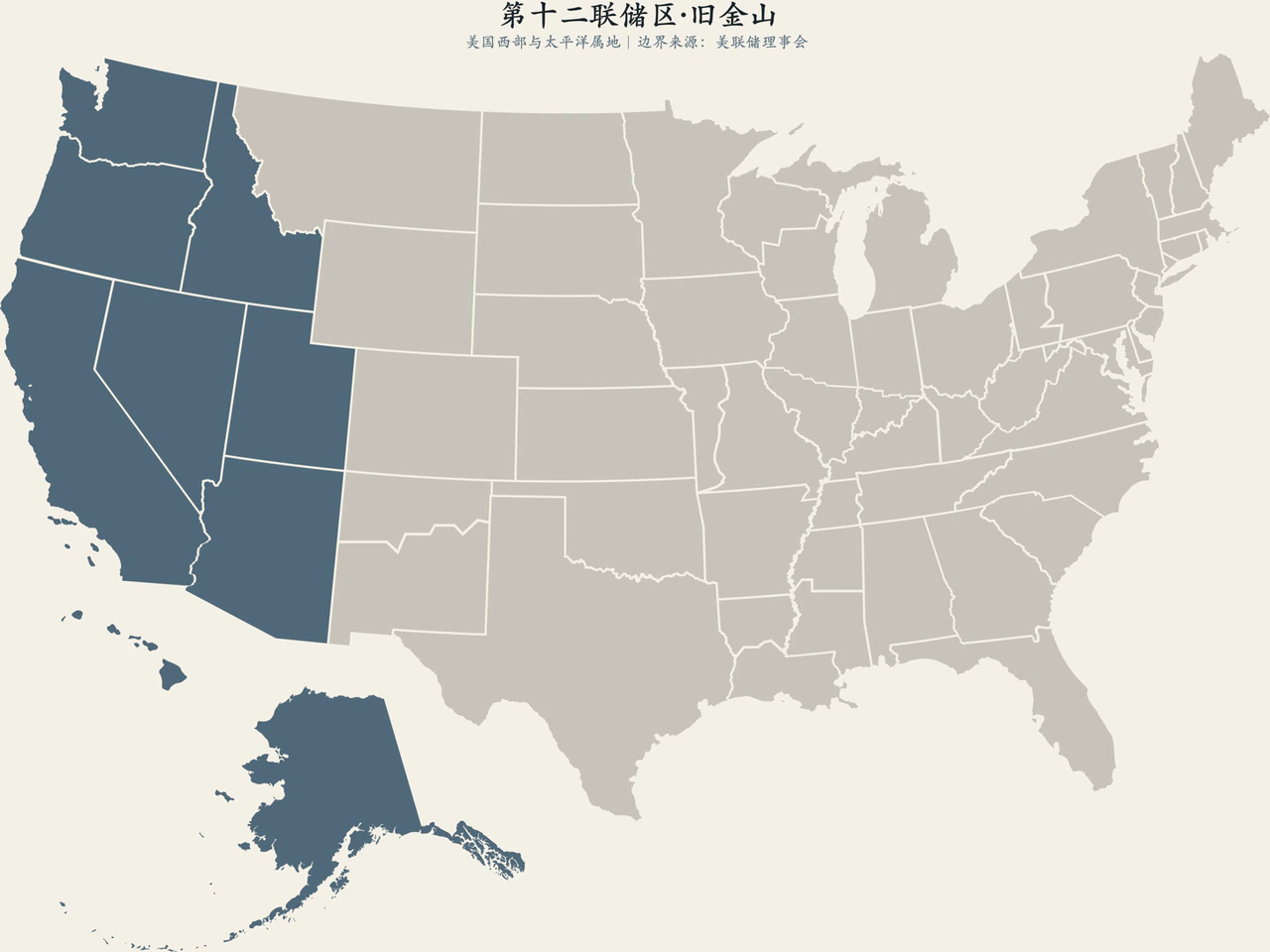
Understanding the Fed · August 24, 2026
From AI productivity to Pacific trade, the final installment brings the 12 Reserve Banks together as a map of U.S. economic information.
Read article ↗