
Middle East · October 30, 2026
Reports of ships catching fire and tankers coming under attack have emerged in succession from the Strait of Hormuz, with Iran's navy claiming that four tankers struck mines. As maritime security incidents mount, Vance has written to a senior Iranian security official to explore renewed talks, but Washington and Tehran remain sharply divided over the nature of their contacts, ceasefire conditions and arrangements for the nuclear issue.
Read article ↗
Middle East · October 29, 2026
Diplomacy over reopening the Strait of Hormuz continues, but inspections, sanctions sequencing and fighting in Yemen remain obstacles to restoring shipping.
Read article ↗
Middle East · October 28, 2026
Qatar urged Iran to reopen Hormuz as ceasefire terms remained unresolved. Fighting near Bab el-Mandeb widened, and maritime risks reached energy infrastructure and water security.
Read article ↗
Middle East · October 27, 2026
Regional officials held talks in Tehran while U.S. forces reportedly prepared for potential expanded operations. The sequencing of Hormuz access, port reopening and nuclear issues remained unresolved.
Read article ↗
Middle East · October 26, 2026
Indirect U.S.–Iran contacts continued during October 19–25, but uranium custody and the sequencing of port-blockade and sanctions relief remained unresolved. Tanker transfers, threats to Gulf infrastructure and Houthi attacks put both maritime and overland energy routes under pressure.
Read article ↗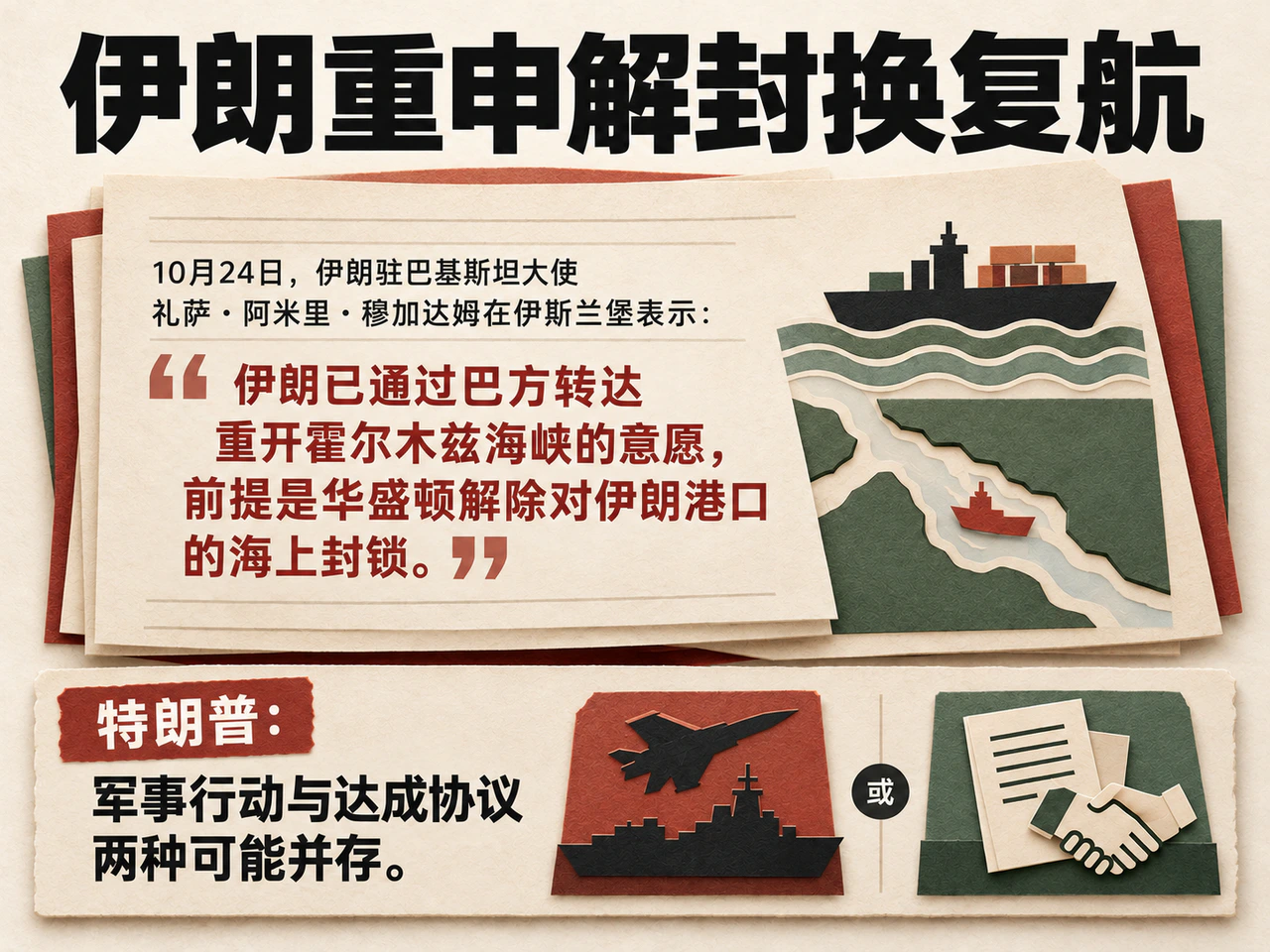
Middle East · October 25, 2026
The United States and Iran had yet to agree how to lift the port blockade and reopen Hormuz. Trump kept both military action and a deal in play. Houthi claims of attacks on Saudi pipelines, energy facilities and airports, alongside missiles fired at Aden, widened the conflict’s reach.
Read article ↗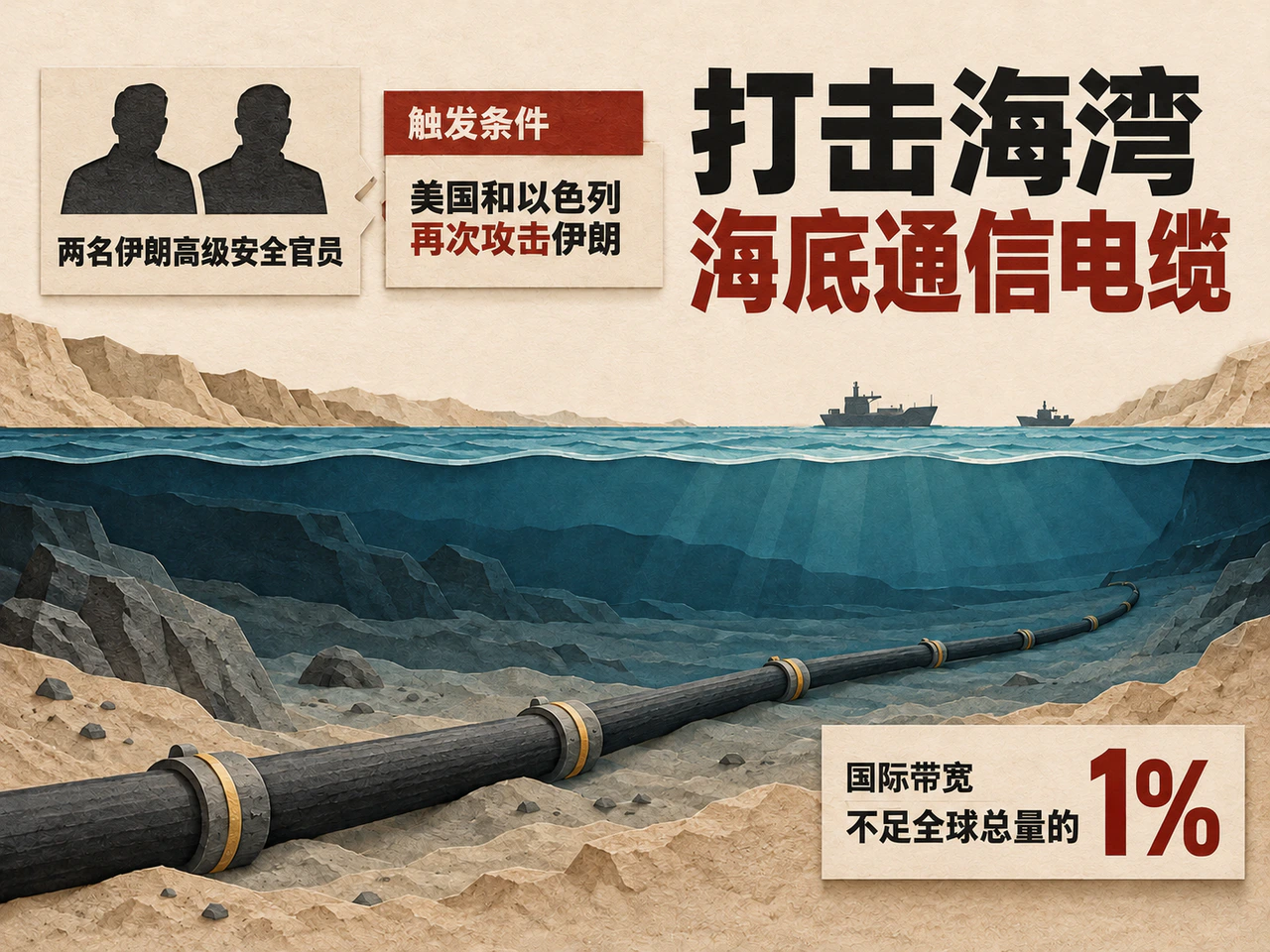
Middle East · October 24, 2026
Iranian security officials say renewed U.S. and Israeli attacks would trigger strikes on Gulf undersea communications cables and efforts to obstruct repairs, extending risk from oil shipping to digital infrastructure. Eight European and regional foreign ministers meeting in Istanbul opposed further military action against Iran, while Britain, France and Germany offered to resume nuclear talks.
Read article ↗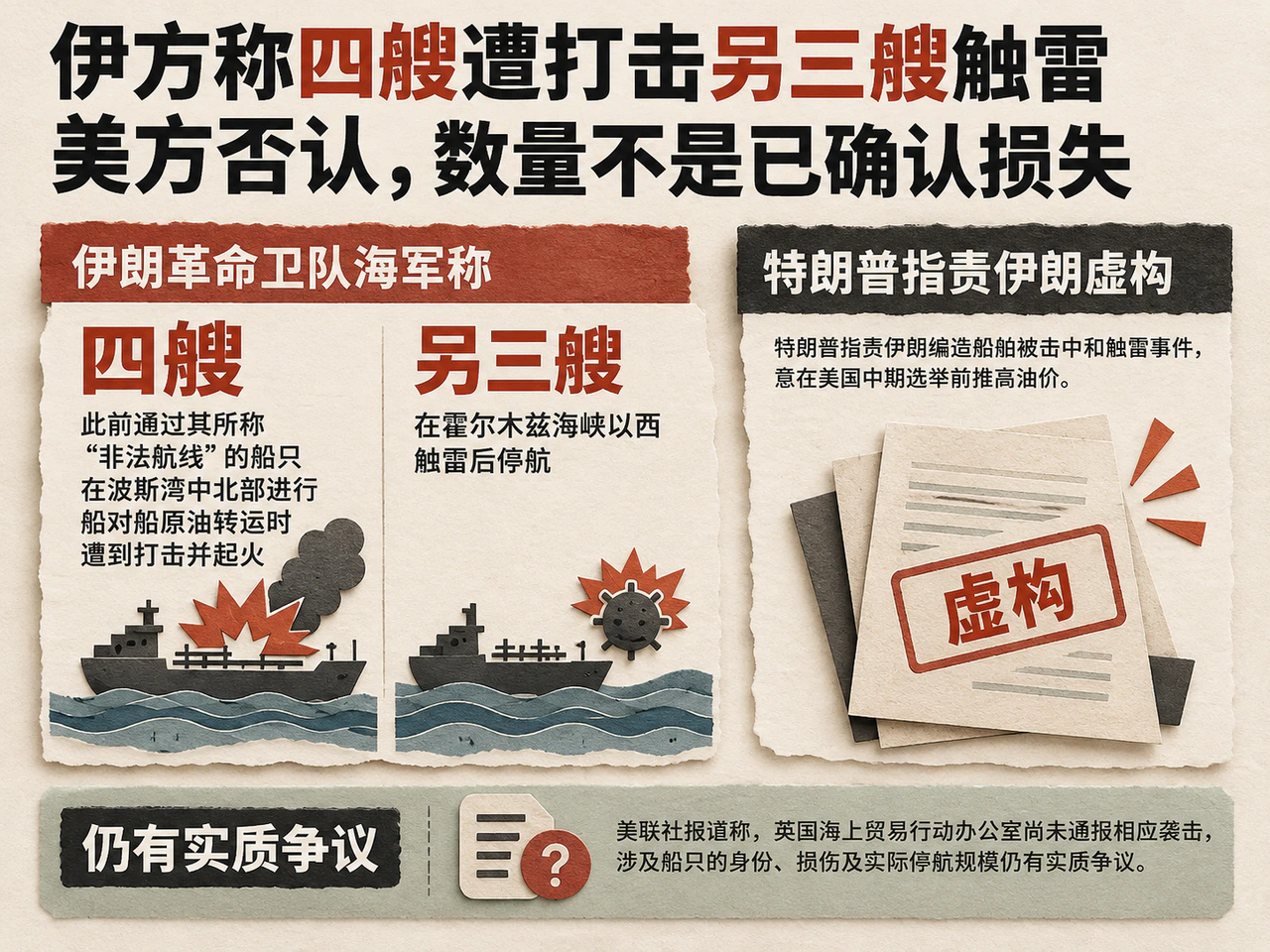
Middle East · October 23, 2026
Iran says seven ships were attacked or struck mines; the U.S. accuses it of fabrication. Dammam airport reopens and Aramco reportedly evacuates headquarters as the blockade and navigation talks continue.
Read article ↗
Middle East · October 22, 2026
Diplomatic contacts between Washington and Tehran continue, but Gulf security has yet to improve. An attack on a Saudi airport killed one person and injured eight. The United States ordered some government personnel and their families to leave Saudi Arabia and expanded Iran-related sanctions to the shipping services network.
Read article ↗
Middle East · October 21, 2026
Pakistan's army chief Munir traveled to Tehran to mediate, and Qatar confirmed continuing US-Iran contacts. Iran nevertheless insists on lifting the port blockade, ending oil sanctions and regional hostilities first, while keeping enriched nuclear material at home. The IMO says mine threats persist in Hormuz and Iran's temporary route lacks approval. The USS Theodore Roosevelt carrier strike group is heading to the Middle East as diplomacy and military deterrence continue in parallel.
Read article ↗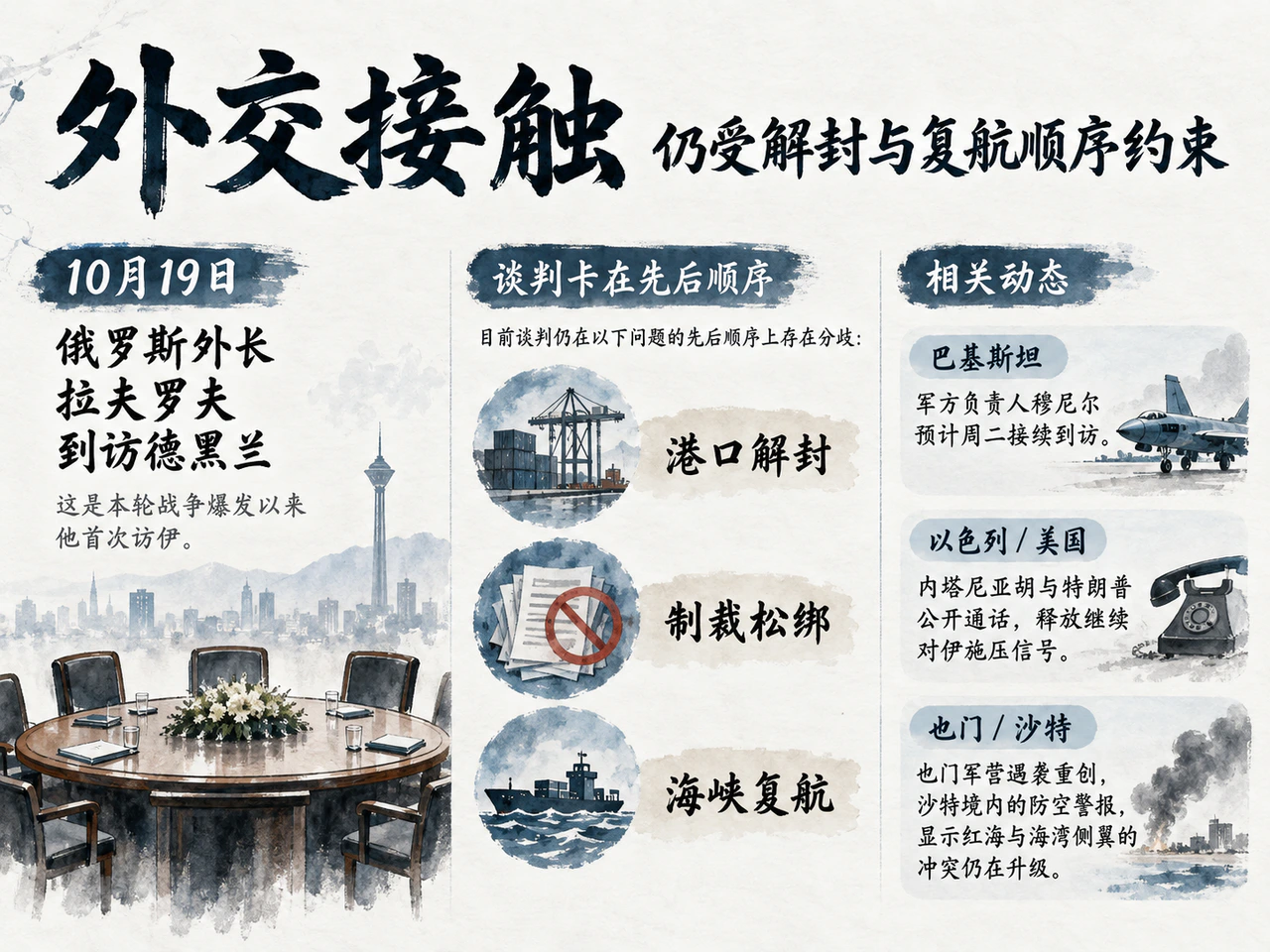
Middle East · October 20, 2026
Lavrov held talks in Iran, with Pakistan's military chief expected to follow, but Washington and Tehran remained divided over the sequence of lifting the port blockade and reopening the strait. A Houthi missile strike on a Yemeni camp killed 53 and wounded 200; Saudi Arabia issued air alerts, and Riyadh's annual FII conference was postponed until 2027.
Read article ↗
Middle East · October 19, 2026
During October 12–18, Iran reiterated its six-day strait-reopening proposal, but the agenda remained divided between nuclear talks first and blockade and sanctions relief first. The Singapore-flagged GFS Pride sank after an attack, Iran planned strikes beyond Hormuz into the Gulf of Oman, and Saudi–Houthi exchanges affected Aramco facilities and Riyadh airport. Egypt began considering authorization to help defend Saudi Arabia.
Read article ↗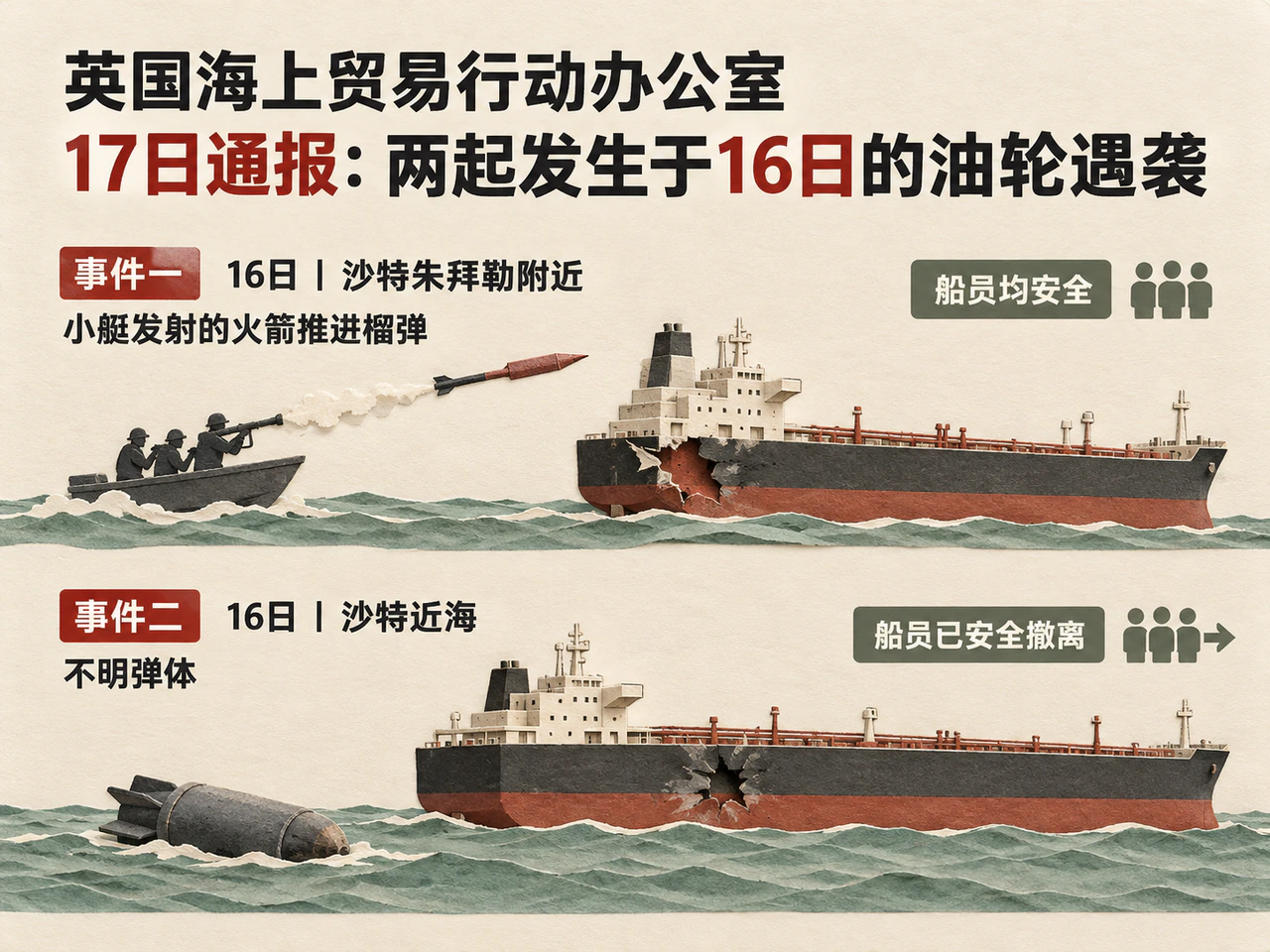
Middle East · October 18, 2026
UKMTO reported on October 17 that two tankers had been attacked off Saudi Arabia on October 16, while Iran's Revolutionary Guards claimed two tankers struck mines in Hormuz. The US and Iran continue exchanging terms through Qatar and Oman, and Egypt's parliament is due to consider defensive aid to Saudi Arabia on October 18.
Read article ↗
Middle East · October 17, 2026
Iran's military tied reopening Hormuz to a U.S. exit from the Middle East. Strait oil flows fell to about 12.6 million barrels/day on October 13; a burning tanker was found in a Gulf of Oman “restricted zone,” Aden airport and the government palace were hit, and Saudi Arabia intercepted missiles and drones.
Read article ↗
Middle East · October 16, 2026
More than 40 merchant ships crossed Hormuz in a day, but a tanker caught fire in the Gulf of Oman exclusion zone and switching off tracking still failed to prevent attacks. Houthi strikes on Aden's presidential palace and 20 attacks this month on Riyadh airport forced an EU-GCC summit and international sporting event to be postponed. US-Iran mediation links safe strait passage to lifting the port blockade and nuclear arrangements, while the US prepares new strike options.
Read article ↗
Middle East · October 15, 2026
Iranian officials say attack tactics and timing have changed, with plans to expand operations into the Gulf of Oman. Twenty-three attacks were recorded in and around Hormuz in October, and a container ship sank. Saudi Arabia intercepted a Houthi missile aimed at Riyadh, while the UN proposed a fertilizer shipping corridor through Hormuz.
Read article ↗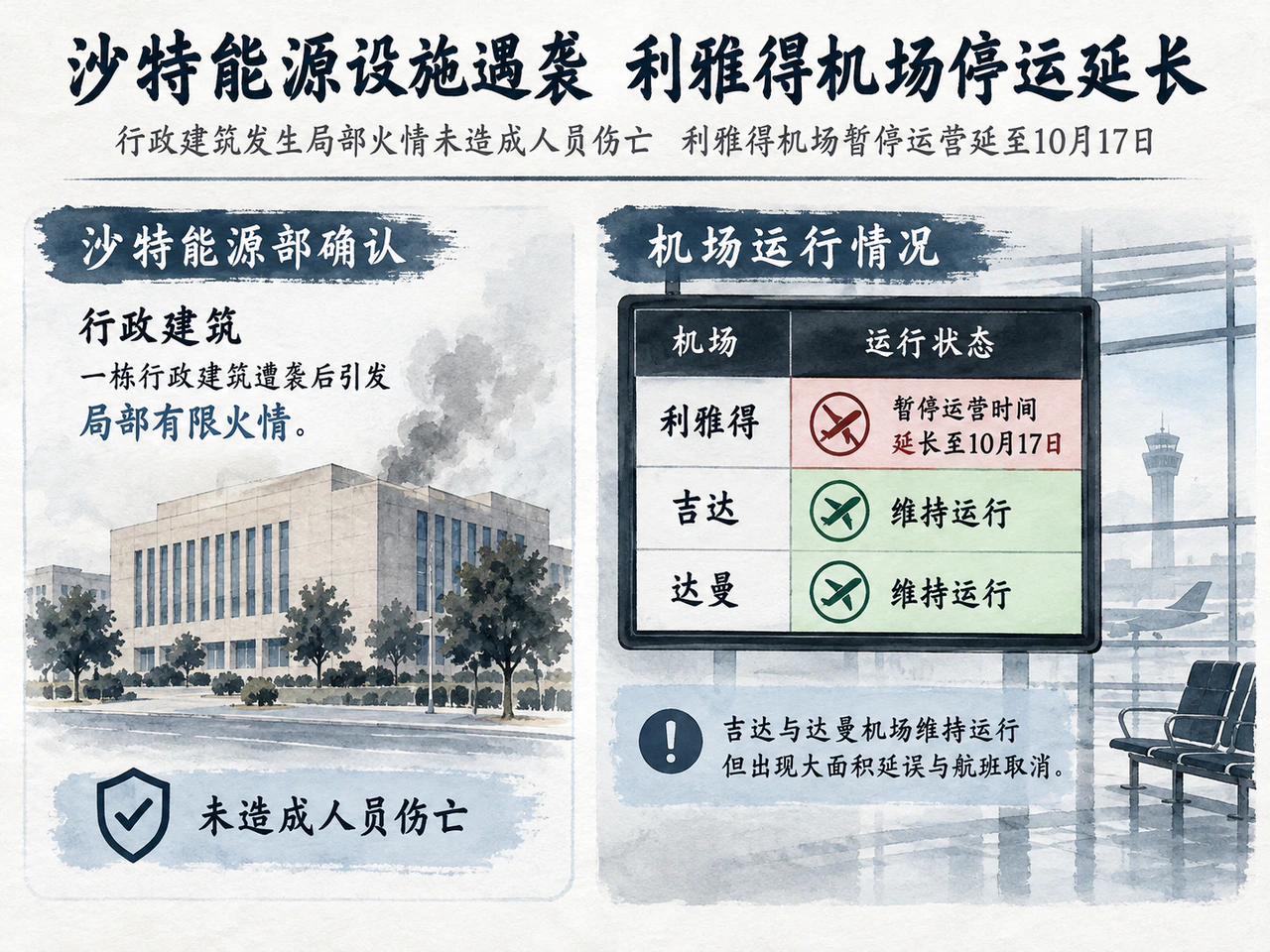
Middle East · October 14, 2026
The past 24 hours shifted the conflict toward energy hubs and transport arteries. Following Saudi-led strikes on Yemeni fuel facilities, an attack caused a limited fire at an eastern Aramco office. Riyadh airport's closure was extended to the 17th and two merchant ships were hit in Hormuz, increasing pressure on supply chains and humanitarian conditions.
Read article ↗
Middle East · October 13, 2026
Riyadh airport's full closure was extended after an attack, with another missile interception that evening and delayed reports of attacks on five merchant ships in and near Hormuz. Washington and Tehran exchanged proposals through mediators but differed over addressing nuclear issues first or restoring shipping security, leaving no workable safety mechanism.
Read article ↗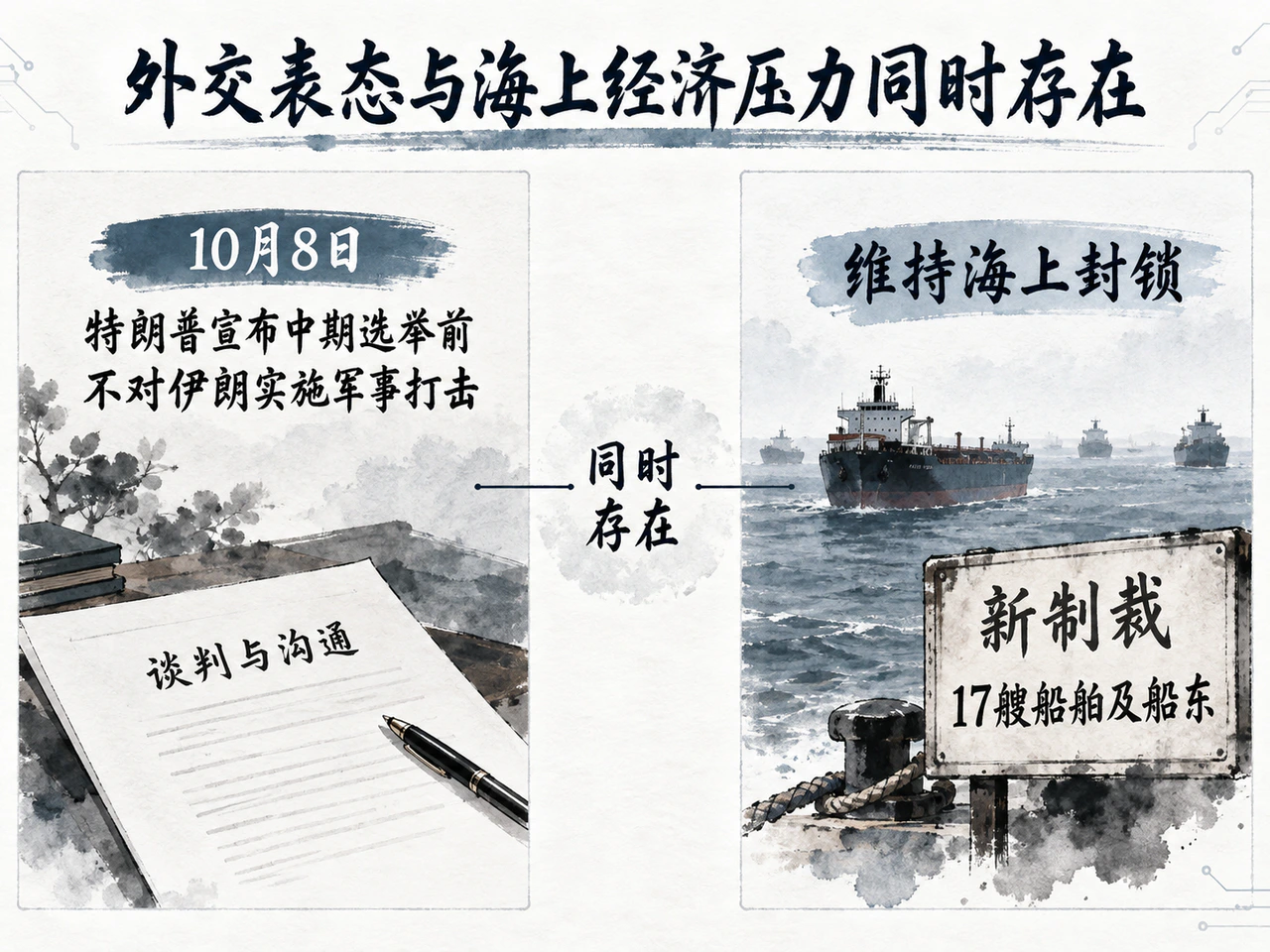
Middle East · October 12, 2026
During October 5–11, diplomacy continued alongside physical disruption. The U.S. softened zero-enrichment language but kept its blockade, and Trump ruled out strikes before the midterms. Hormuz attacks reduced crude flows to 8.5 million barrels/day, about 40% below prewar levels. Yemen-war spillover hit Saudi airports, caused civilian casualties and prompted international airlines to suspend Riyadh flights.
Read article ↗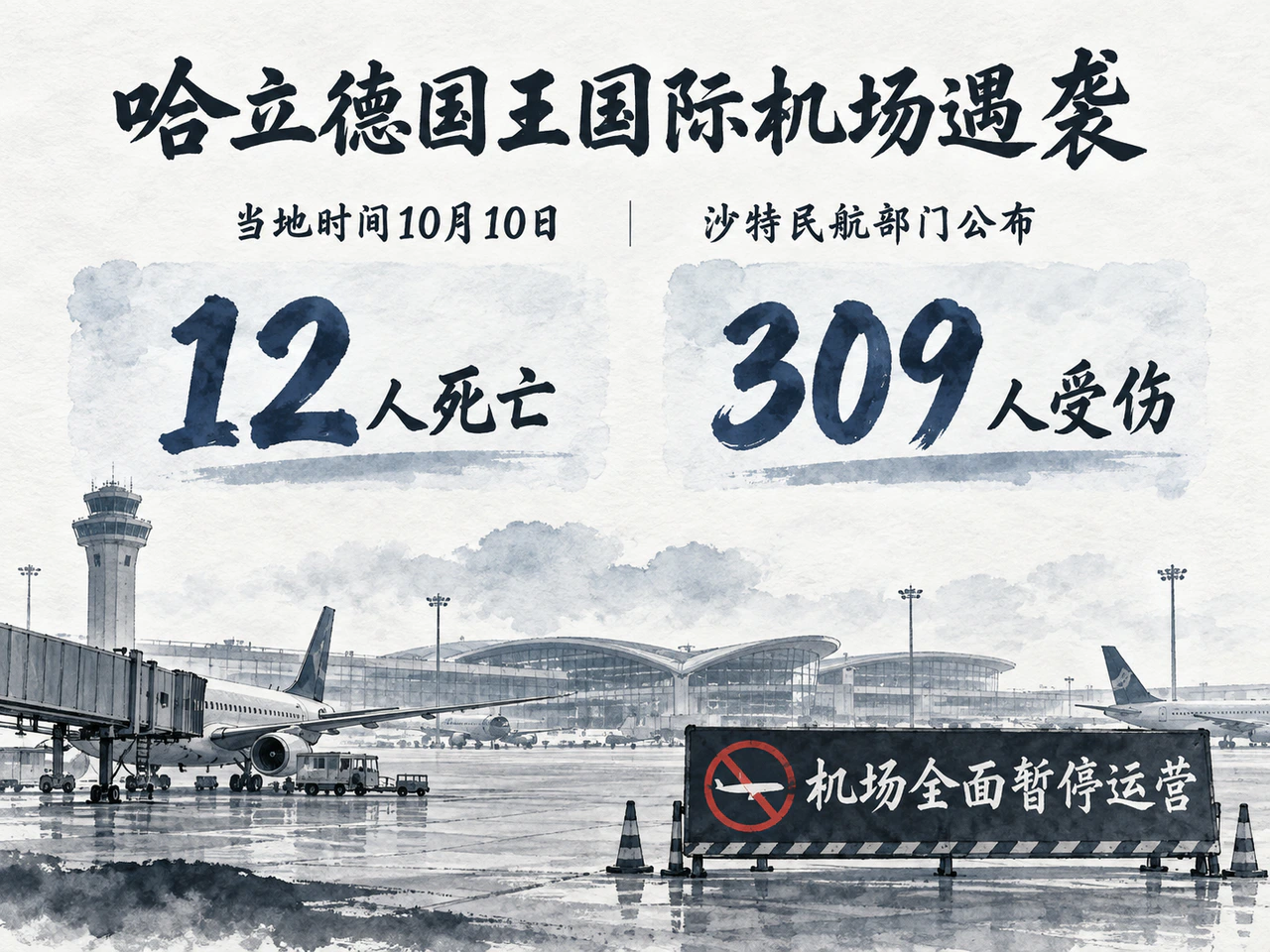
Middle East · October 11, 2026
In the 24 hours through the morning of October 11, Beijing time, an attack on Riyadh's international airport killed 12, injured 309 and halted operations. The US weighed direct strikes on the Houthis. Fighting remained deadlocked around Taiz; Russia conveyed Iranian ceasefire intentions, while Iran's Revolutionary Guards claimed a tanker struck a mine in Hormuz, keeping escalation risks elevated.
Read article ↗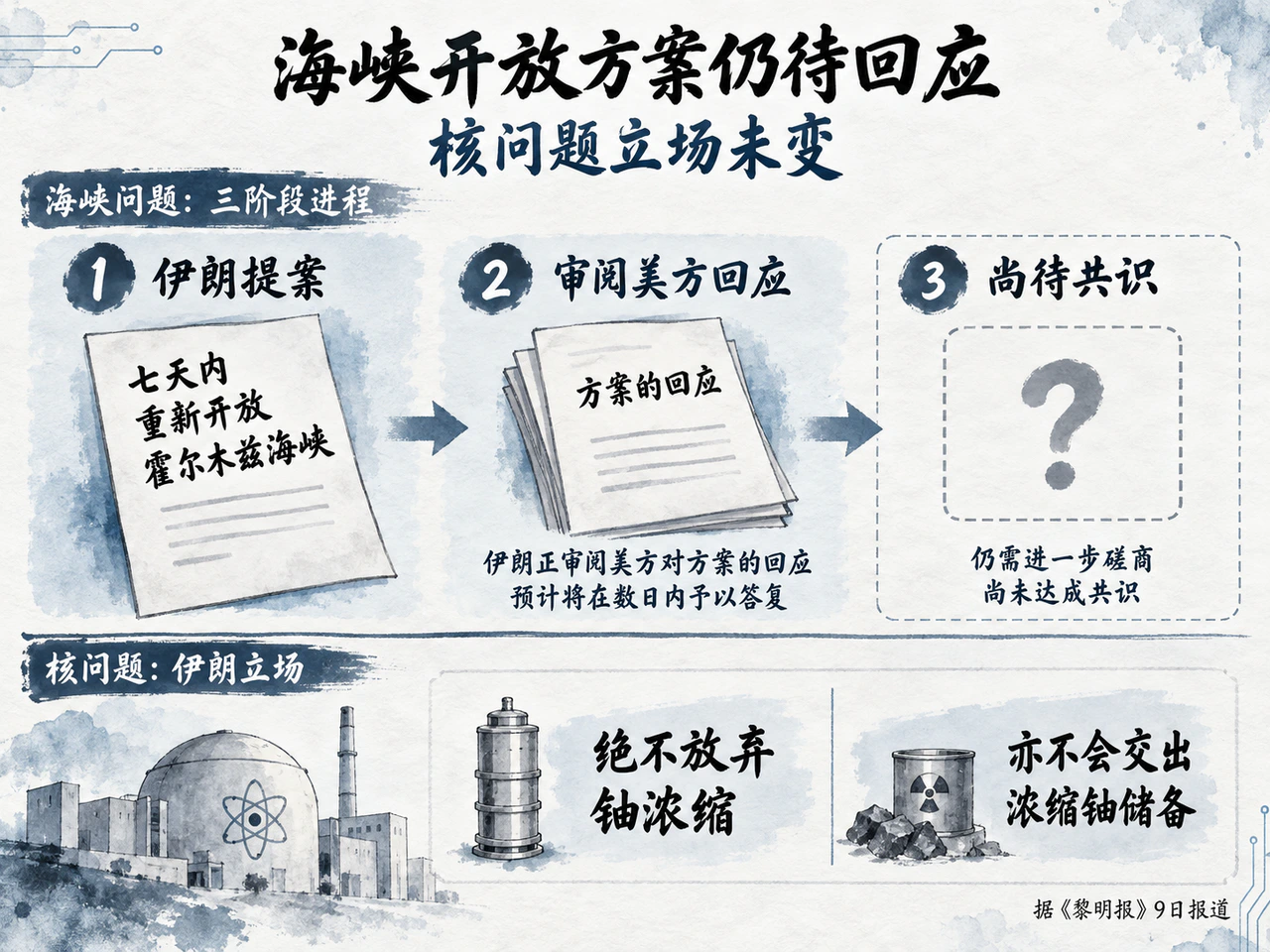
Middle East · October 10, 2026
As of the morning of October 10, political restraint coexisted with spreading frontline risks in the Middle East. Trump ruled out direct strikes on Iran before the US elections while maintaining the blockade. Tehran reviewed Washington's response to its strait-opening proposal and reiterated its refusal to abandon enrichment. A loaded tanker caught fire off the UAE, an attack on Riyadh airport prompted flight suspensions, and Washington temporarily eased sanctions to bring in 300,000 tonnes of Russian diesel.
Read article ↗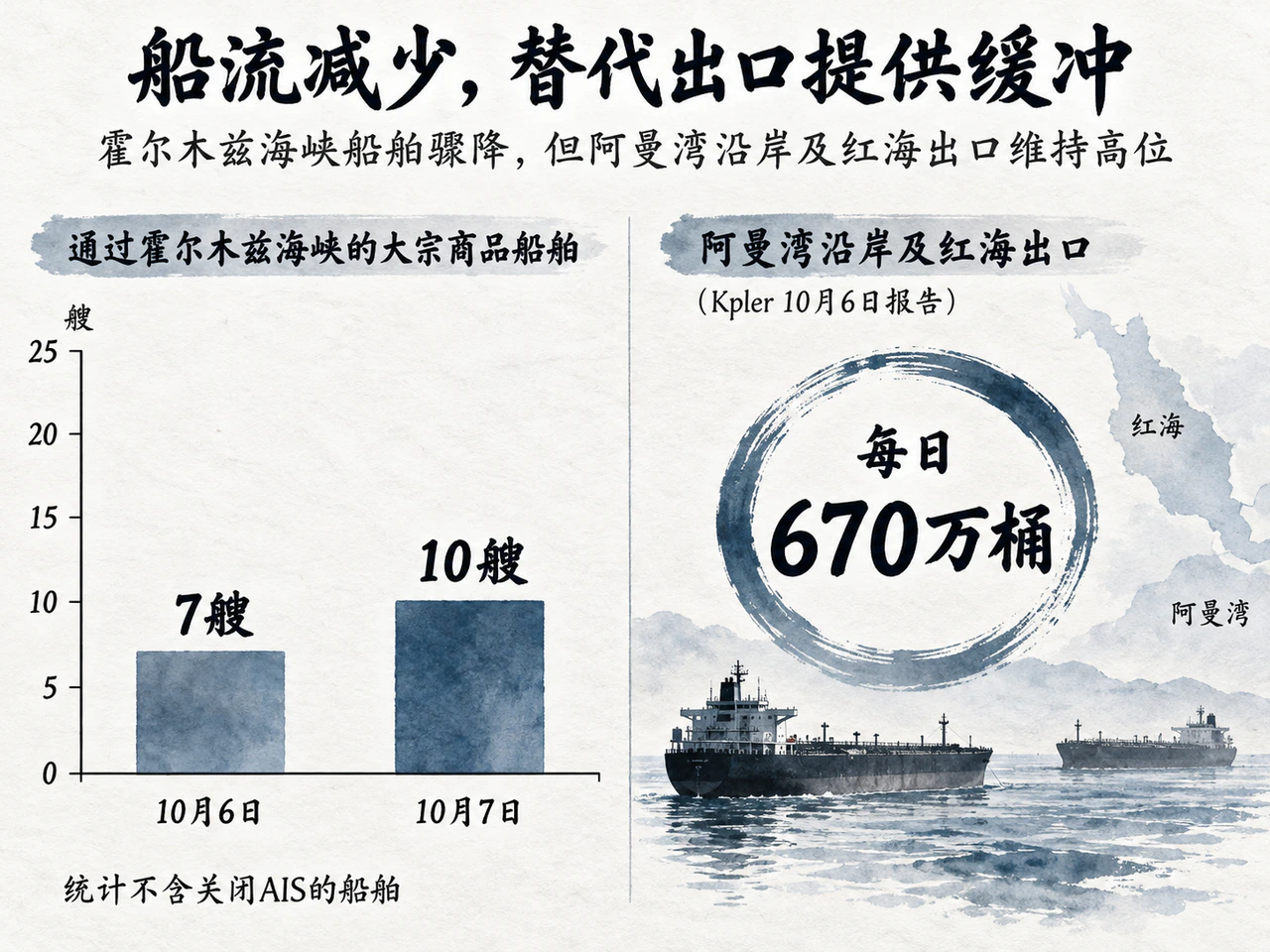
Middle East · October 9, 2026
The U.S. rules out direct strikes before November 3 but retains its blockade and adds sanctions. Hormuz commodity traffic shrinks as alternative exports sustain supply; a Houthi-claimed Riyadh airport attack and damaged airliner raise aviation disruption risks.
Read article ↗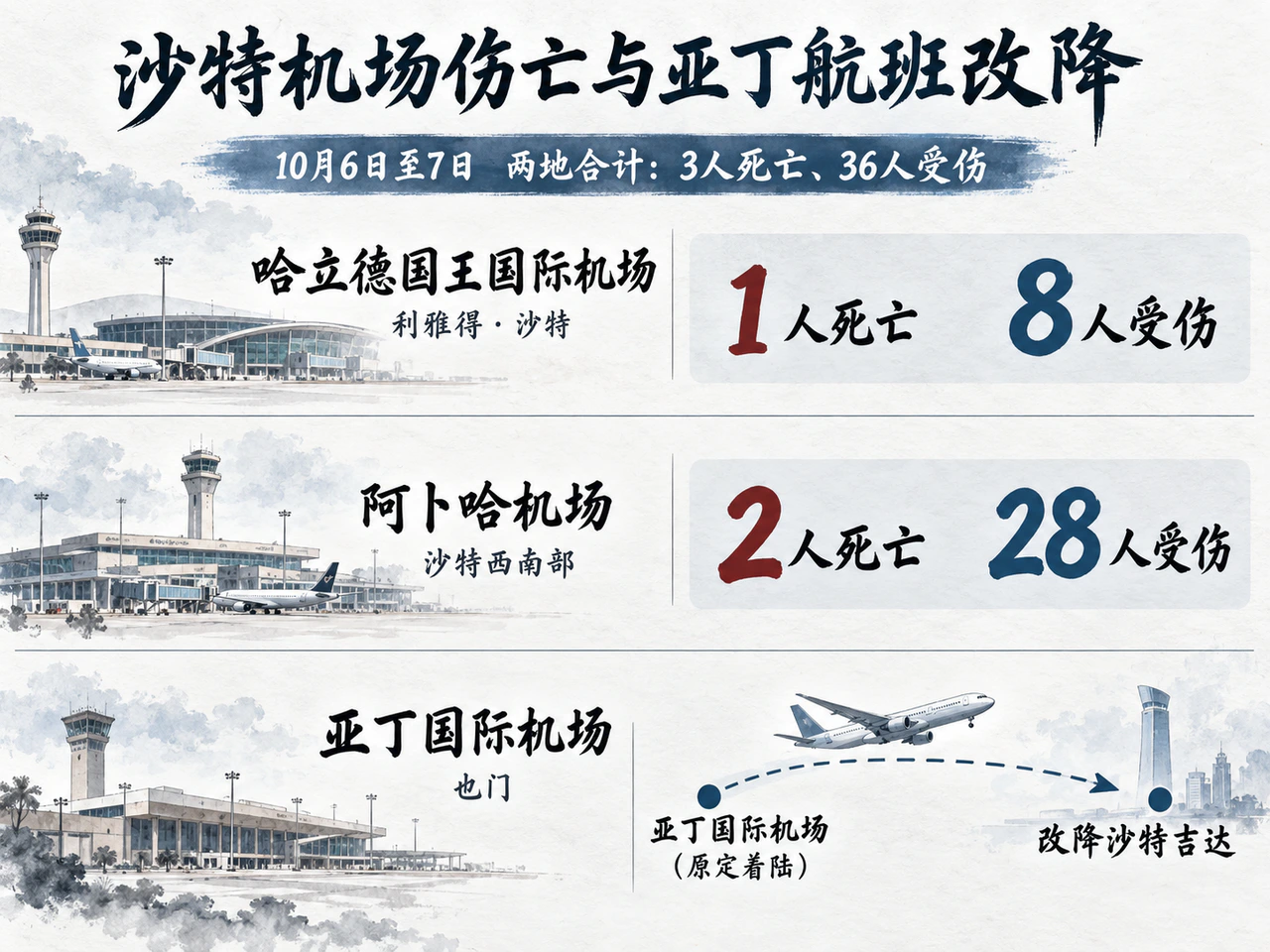
Middle East · October 8, 2026
Successive attacks on two Saudi civilian airports and Gulf shipping caused casualties, while an Aden-bound passenger aircraft diverted. Fighting for coastal high ground near Bab el-Mandeb remained contested. U.S.–Iran differences over nuclear-talk preconditions persisted as Putin offered mediation assistance.
Read article ↗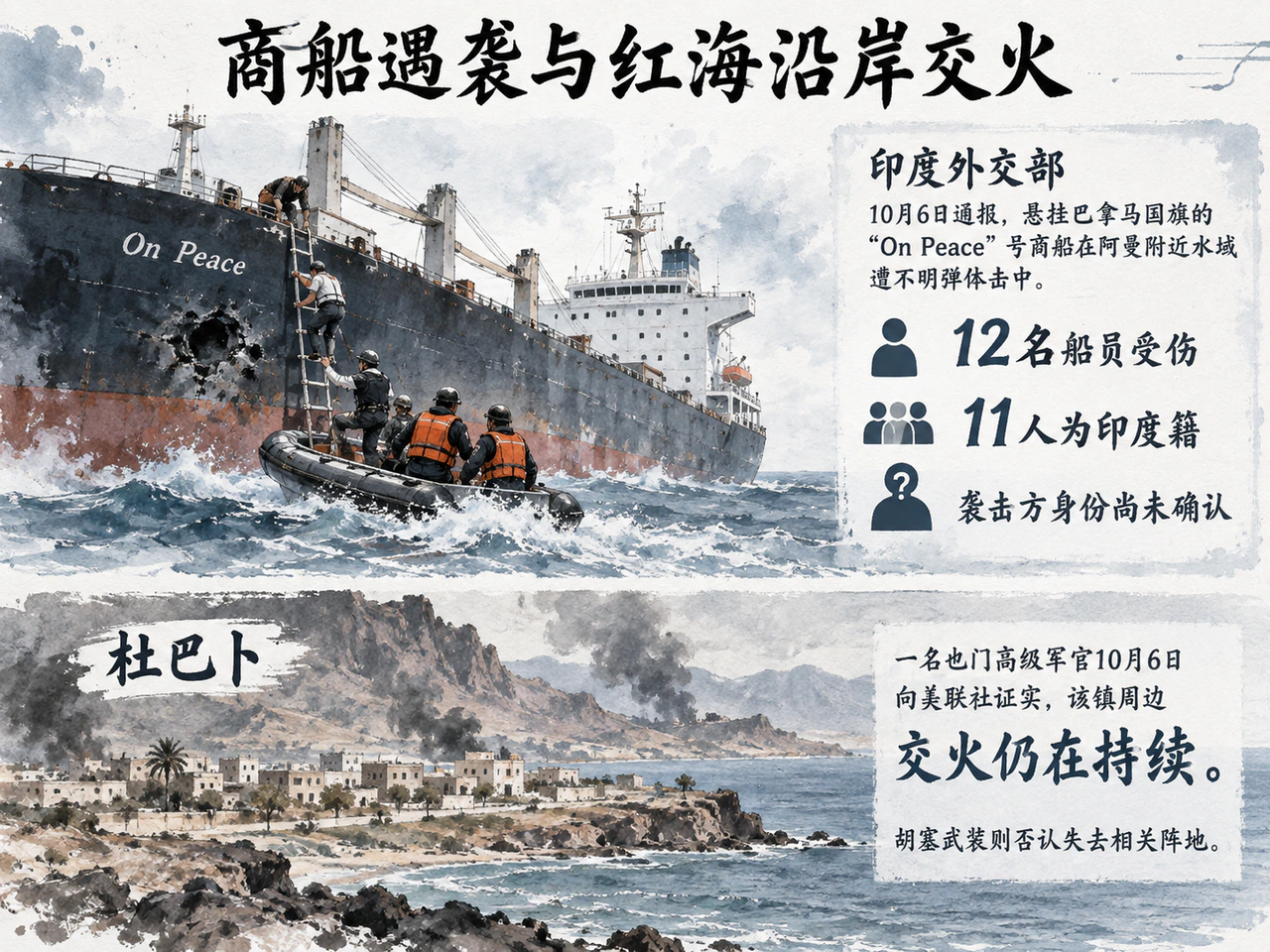
Middle East · October 7, 2026
A Hormuz ship attack injures 12 as Middle East oil flows exceed 80% of prewar levels. Saudi airports are damaged; Reuters says U.S. bombers leave Britain over suspected drone-plot concerns, while indirect U.S.-Iran talks continue.
Read article ↗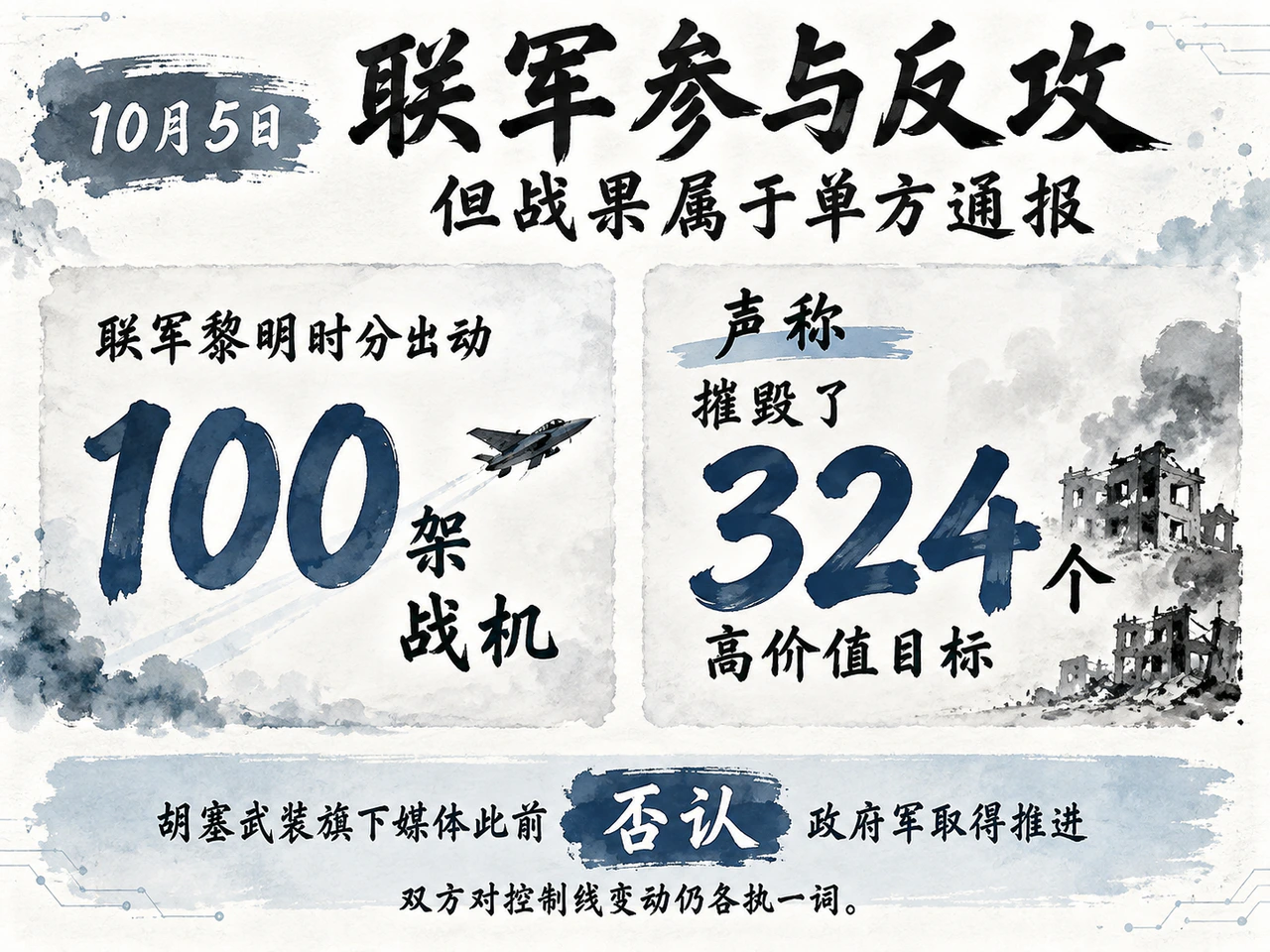
Middle East · October 6, 2026
The Saudi-led coalition joins Yemen Dawn with 100 aircraft. Turkey and Pakistan begin defense support, with Pakistan confirming reconnaissance. Hormuz sees a tanker fire and a forced turnback as U.S. Treasury warns of unannounced secondary sanctions.
Read article ↗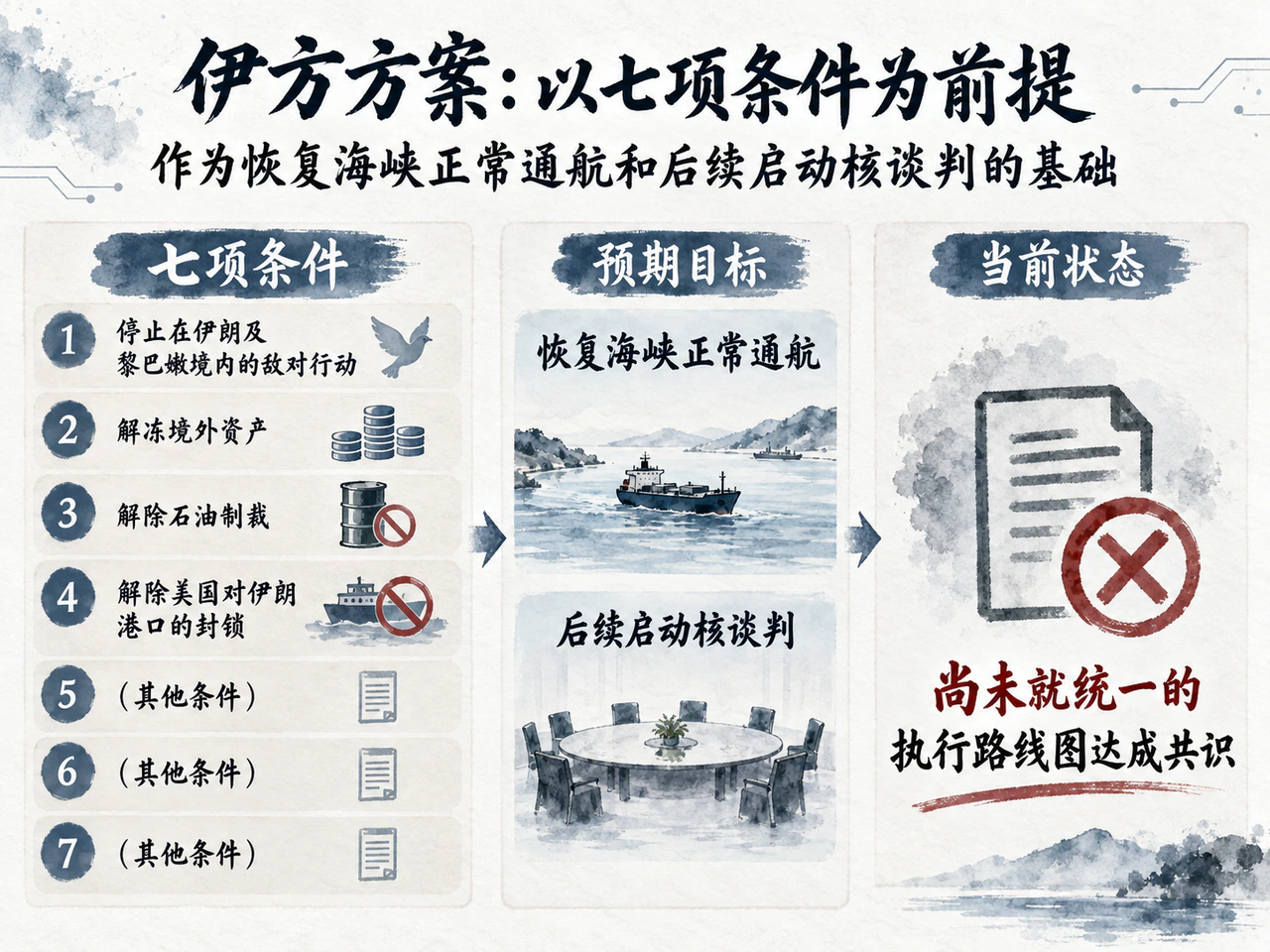
Middle East · October 5, 2026
During September 28–October 4, key-route flows partly recovered while surrounding conflict spread. US–Iran disputes over implementation order persisted, Washington expanded sanctions and US reinforcements remained en route. Hormuz crude flows recovered to 13.5 million barrels/day, near prewar levels, but refined-product shipping remained severely constrained. Tanker attacks and escalating fighting in Yemen underscored the fragility of commercial passage.
Read article ↗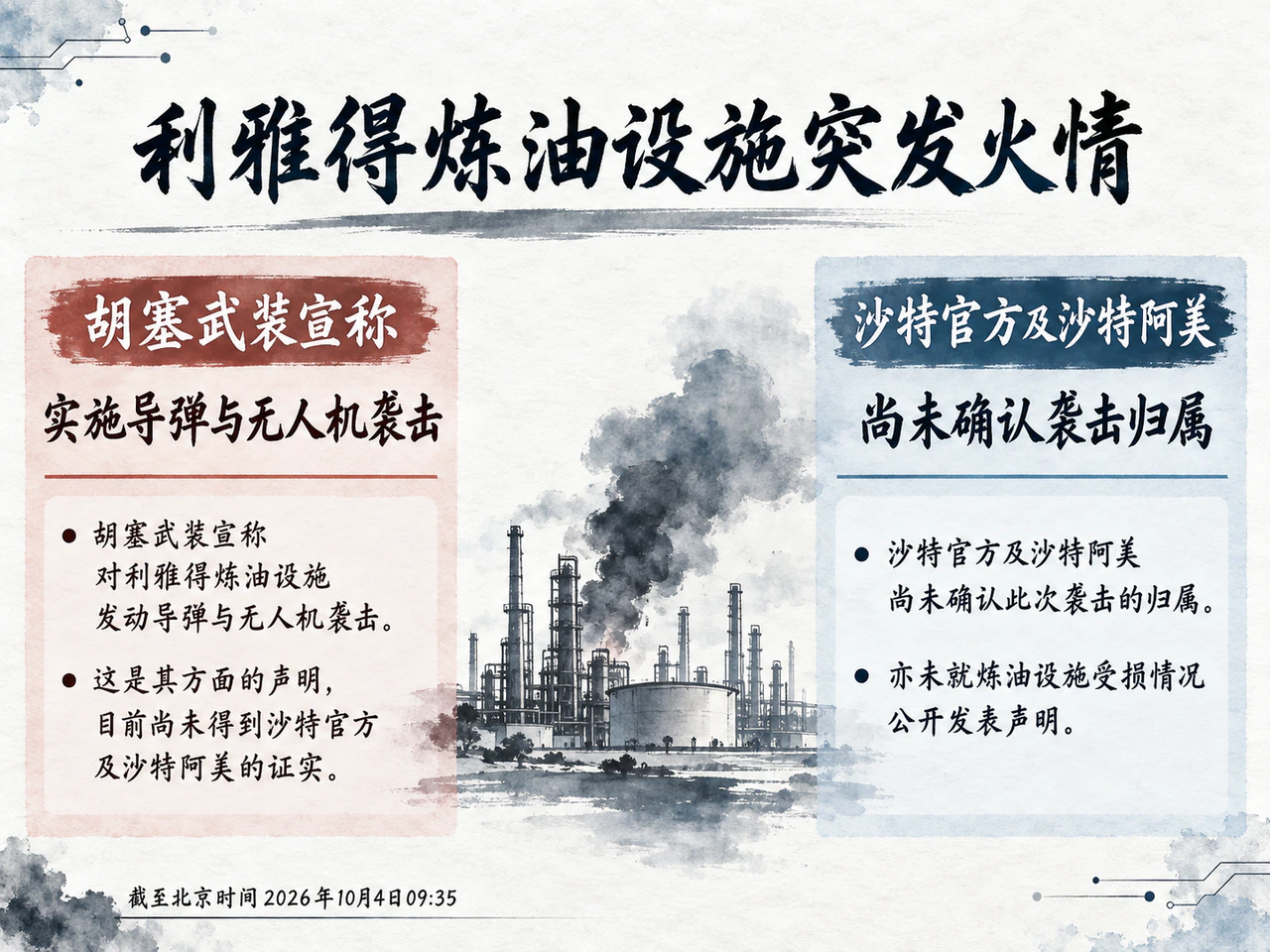
Middle East · October 4, 2026
A fire broke out at Saudi Aramco's Riyadh refining facilities and the Houthis claimed an attack. Yemeni government forces announced strikes in Sanaa and Saada and mobilization began. U.S. security officials discussed Iran at Camp David while maintaining military pressure. The UAE released Iranian detainees and Iraq planned to restore Iran flights, showing limited practical channels remained open.
Read article ↗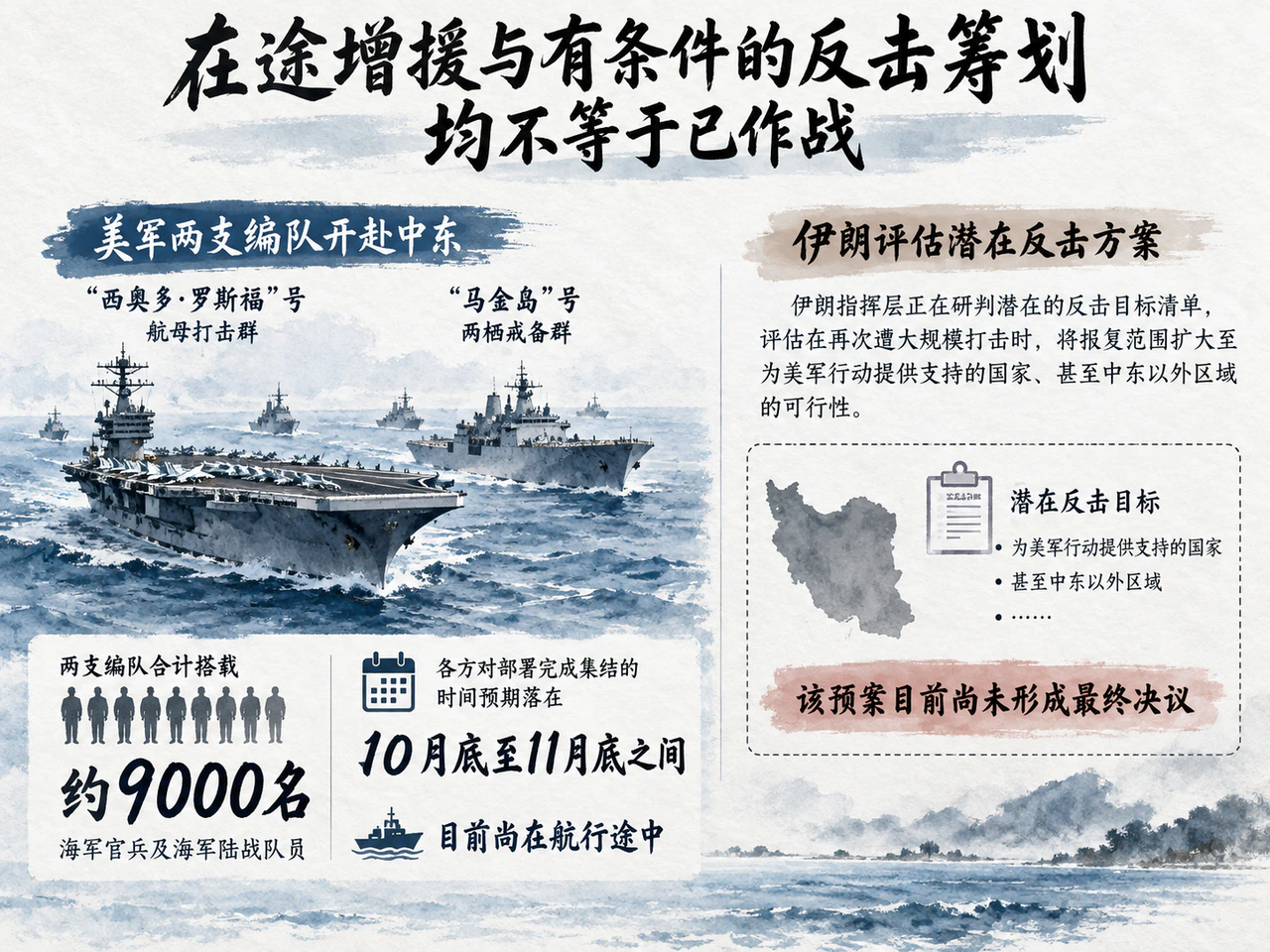
Middle East · October 3, 2026
The U.S. sent a carrier strike group and amphibious ready group toward the Middle East as Iran assessed contingency retaliation if attacked again. Another merchant vessel was struck near Hormuz, while the G7 launched a 100-million-barrel reserve release. Iran's proposal offered to reopen the strait and end hostilities within seven days if accepted, but sequencing disagreements with Washington remained unresolved.
Read article ↗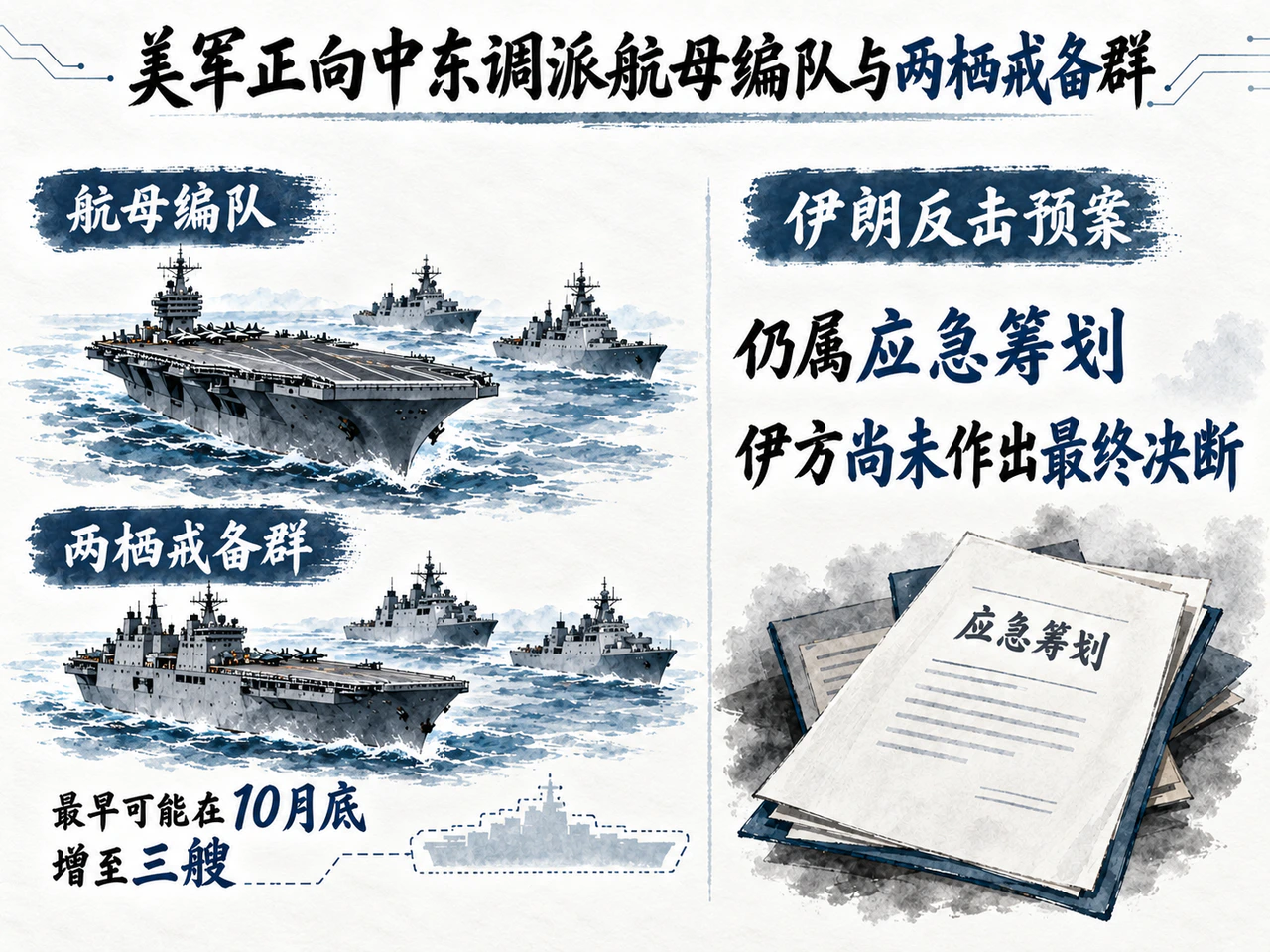
Middle East · October 2, 2026
Over the past 24 hours, US carrier and amphibious ready groups head to the Middle East as Treasury sanctions expand to Iranian auto and rail manufacturers and settlement networks. A tanker attack and fire threaten Hormuz shipping, while core disputes obstruct talks and regional risks build.
Read article ↗
Middle East · October 1, 2026
Iran's cabinet received the U.S. response on September 30. Officials say the unpublished proposal's main sticking point is the sequence of implementation. Despite fresh attacks on Hormuz shipping, alternative routes and U.S.-protected night passages lifted Gulf crude and product exports to 21.8 million barrels daily, at higher cost and longer transit times. U.S. forces also completed their planned Iraq withdrawal under the existing U.S.-Iraq agreement, while regional defense cooperation continued to evolve.
Read article ↗
Middle East · September 30, 2026
Iran's seven-point ceasefire and Hormuz reopening proposal awaits a formal US reply. Treasury sanctions 10 procurement-linked individuals and entities, unofficial quotes exceed 2.5 million rials per dollar, and UKMTO relays an unconfirmed vessel attack. Nine Yemeni medical facilities or assets are affected, with a $7 million WHO funding gap.
Read article ↗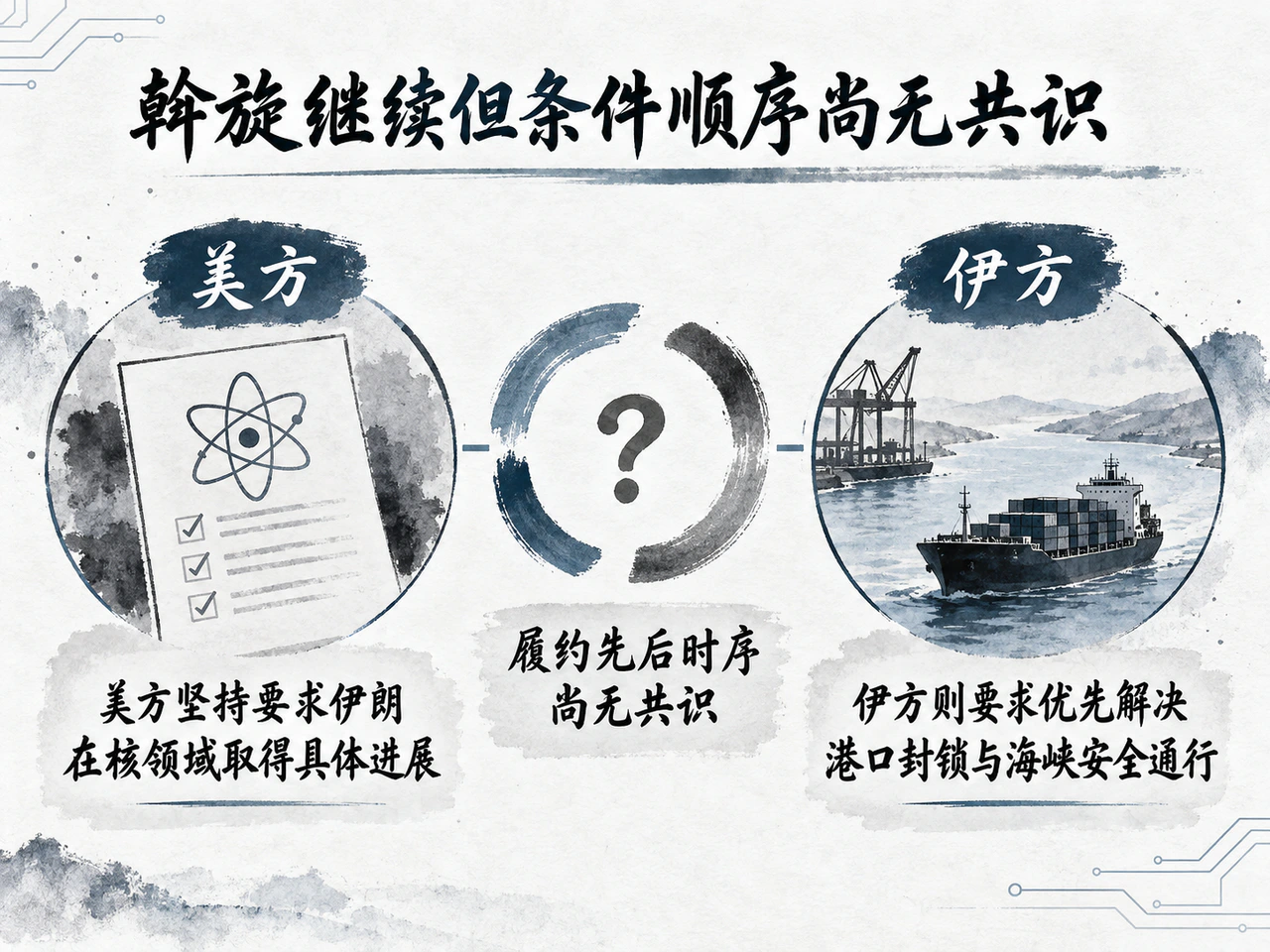
Middle East · September 29, 2026
Trump denied granting Iran sanctions relief or unfreezing funds as indirect mediation remained blocked on nuclear progress and implementation sequence. Reports pointed to a limited waiver for Najaf flights, while the rial hit a record low. Prolonged Qatari LNG disruption increased Europe's need for alternative winter supply.
Read article ↗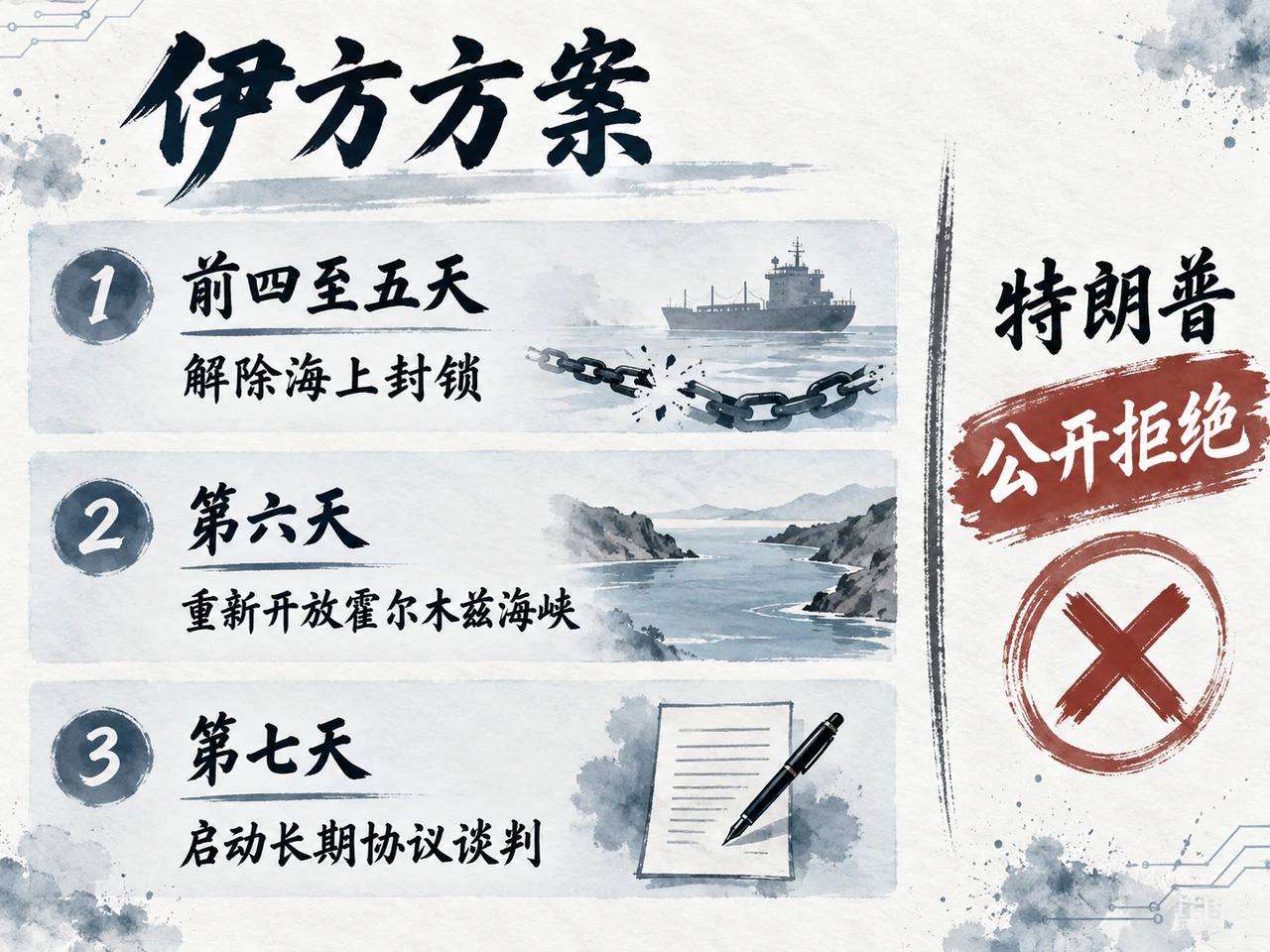
Middle East · September 28, 2026
US rejection of Iran's seven-day plan sets back hopes of near-term reopening and ceasefire arrangements, although mediation continues. Saudi Arabia's East–West pipeline resumes, while the blockade, Yemen fighting and aviation sanctions continue to constrain regional logistics.
Read article ↗
Middle East · September 27, 2026
Trump publicly rejected Iran's seven-day ceasefire and shipping plan while saying he still wanted a deal; Tehran awaited a formal reply. Pezeshkian offered talks on inspections without retreating on enrichment, while cross-border fighting continued, leaving reopening negotiations stalled.
Read article ↗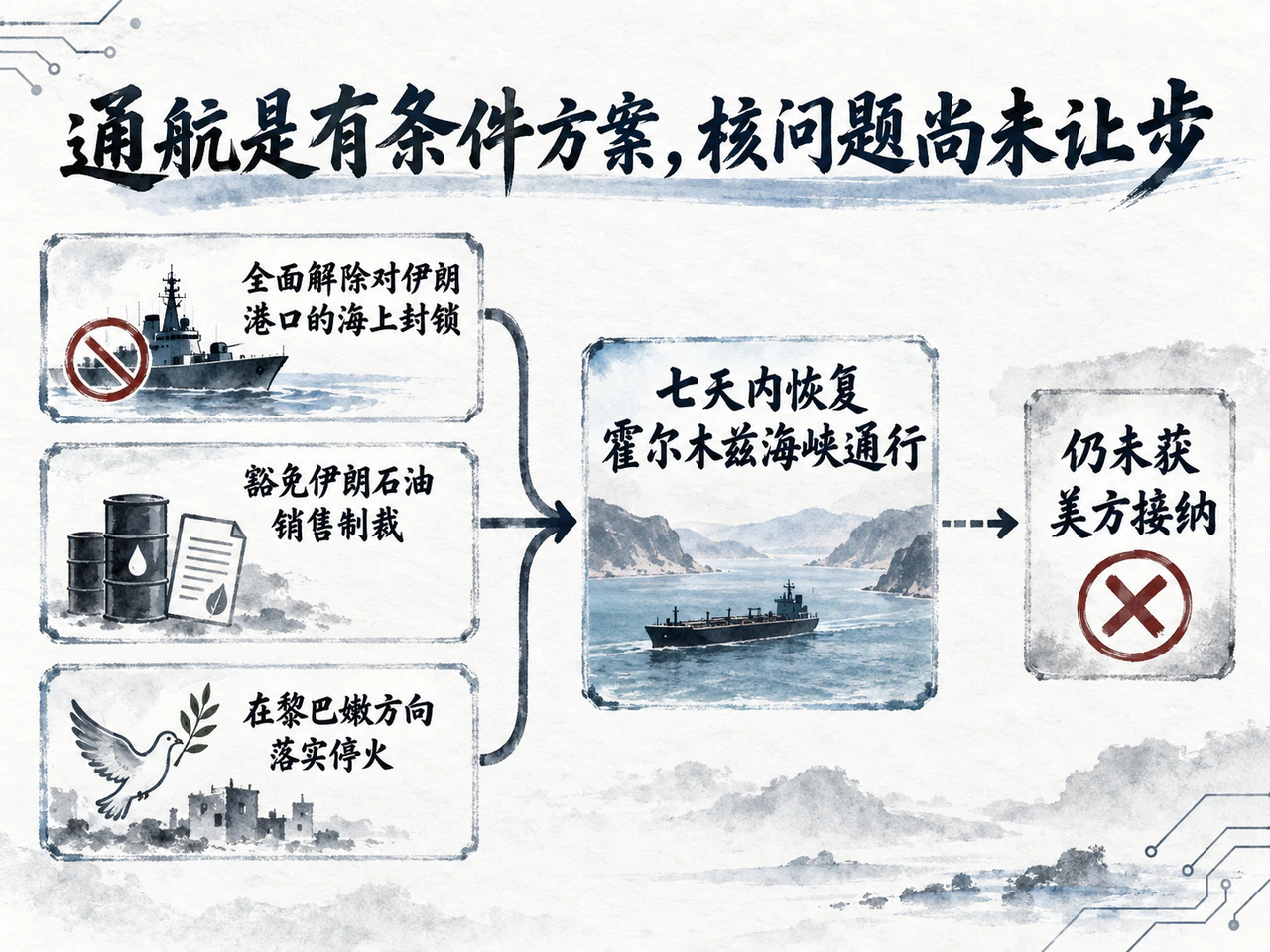
Middle East · September 26, 2026
Iran proposed a seven-day navigation plan conditional on lifting the blockade and a ceasefire, while reaffirming core nuclear demands. The U.S. maritime blockade continued; Houthi attacks triggered alerts in Yanbu and other Saudi hubs, prompting multinational defense coordination as Gulf and Red Sea tensions escalated.
Read article ↗
Middle East · September 25, 2026
Iran offered to reopen Hormuz in about a week if oil sanctions were lifted and fighting stopped across fronts, while retaining passage controls. The Saudi-led coalition reported intercepting six missiles aimed toward Taif and Yanbu, and France promised defensive support. A U.S. Senate war-powers resolution failed 49–50, while Iranian media reported new aviation restrictions.
Read article ↗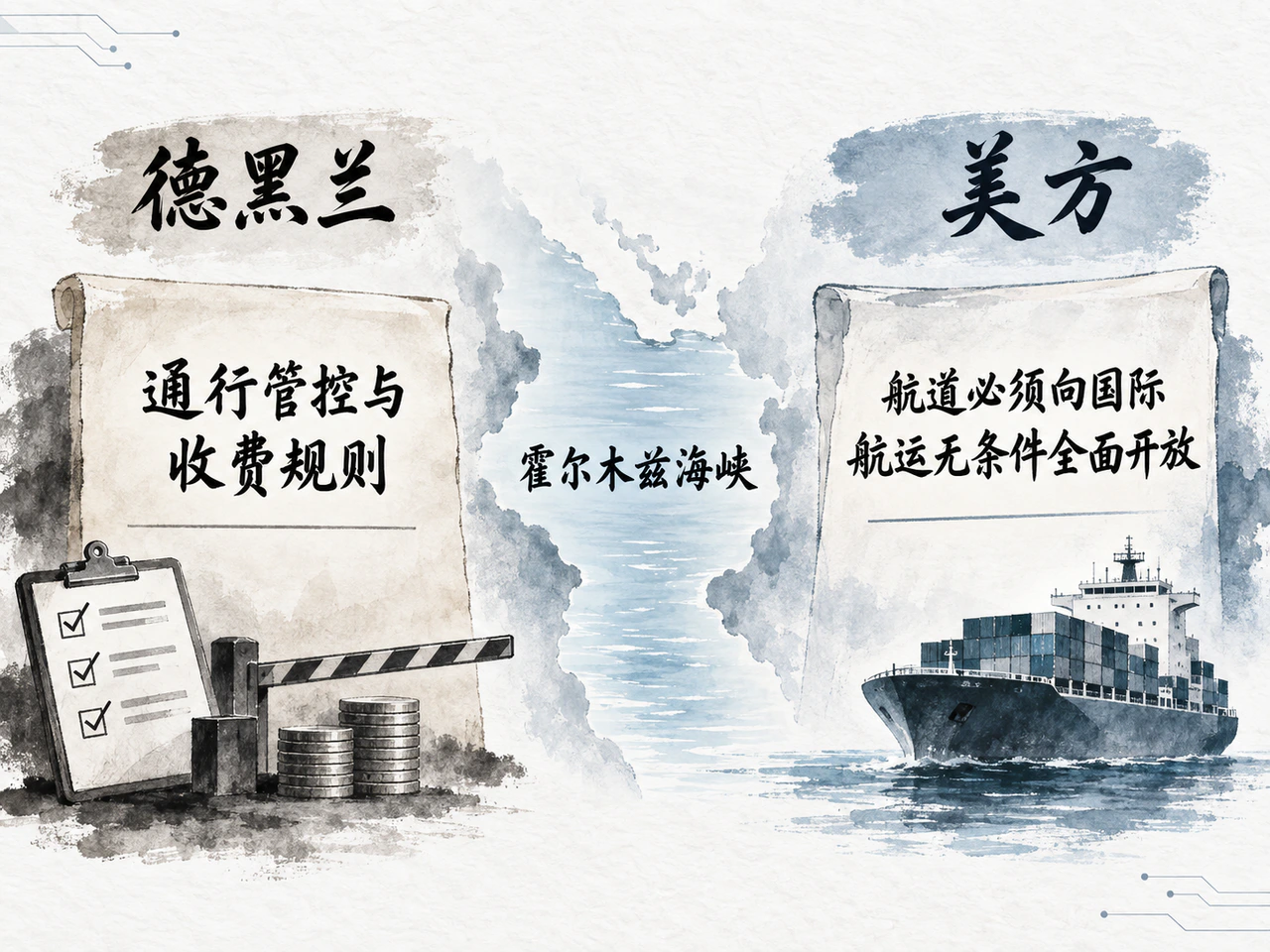
Middle East · September 24, 2026
Indirect UN General Assembly contacts resumed, but differences over Hormuz control and security remained large and no common nuclear text emerged. A commercial ship was attacked, U.S. blockade diversions reached 115, and tighter financial and flight restrictions plus Houthi Red Sea warnings kept regional supply chains under pressure.
Read article ↗
Middle East · September 23, 2026
Washington disclosed about three hours of US–Iran contacts during the UN General Assembly, without identifying the Iranian delegation's level, and maintained military threats. Conflicting Iranian reopening statements and proposed transit fines complicated Hormuz prospects. Saudi Arabia's East–West pipeline resumed at low flow, while regional spillover and humanitarian pressures persisted.
Read article ↗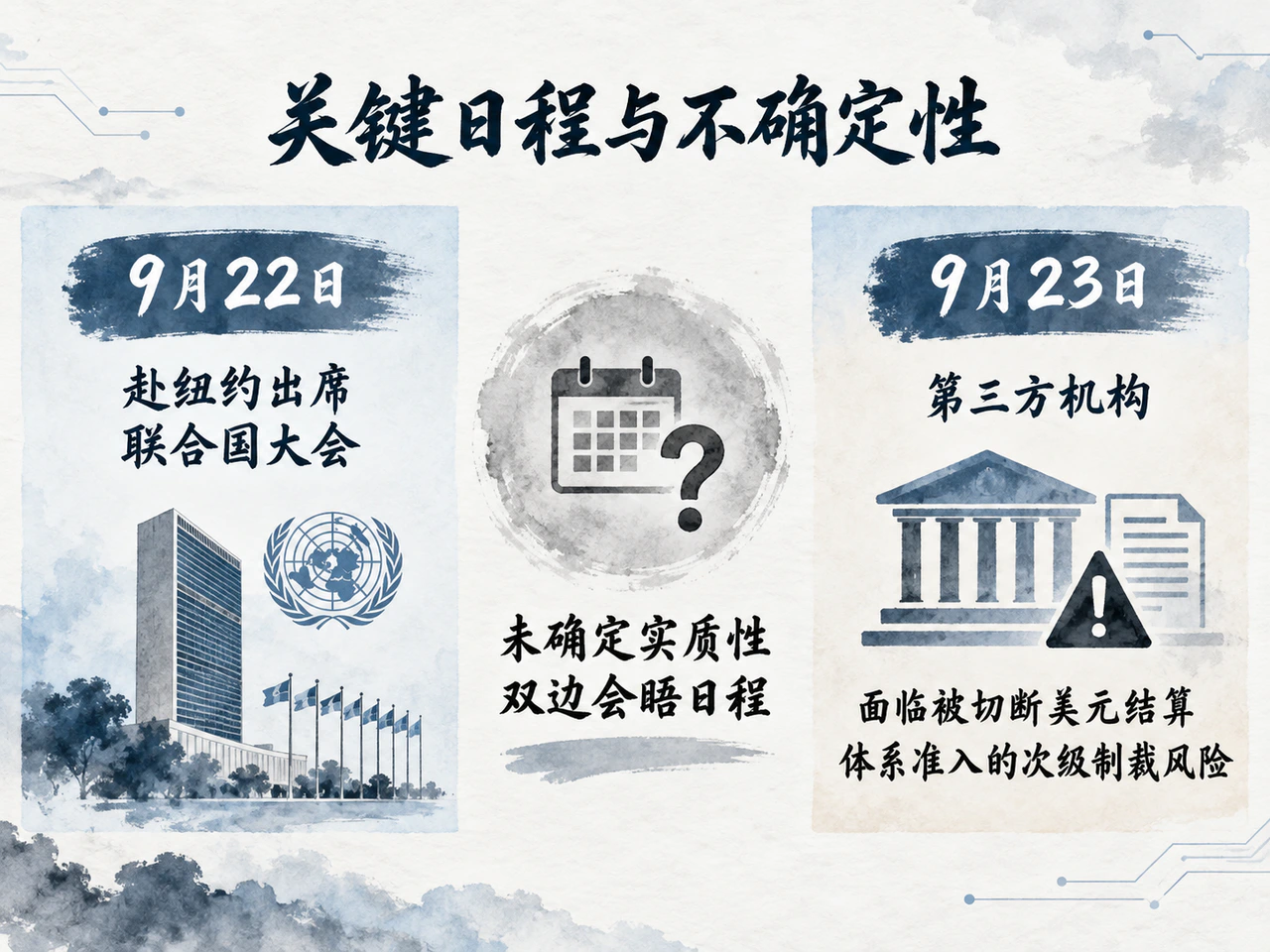
Middle East · September 22, 2026
Pezeshkian planned to attend the UN General Assembly on September 22, without a scheduled substantive U.S.–Iran meeting. Washington warned that third-party services to Iranian airlines could risk dollar-system exclusion from September 23. Two ships were damaged in Hormuz, one in a delayed report. Yemen fighting persisted as Britain planned limited aerial-refueling support for Saudi Arabia.
Read article ↗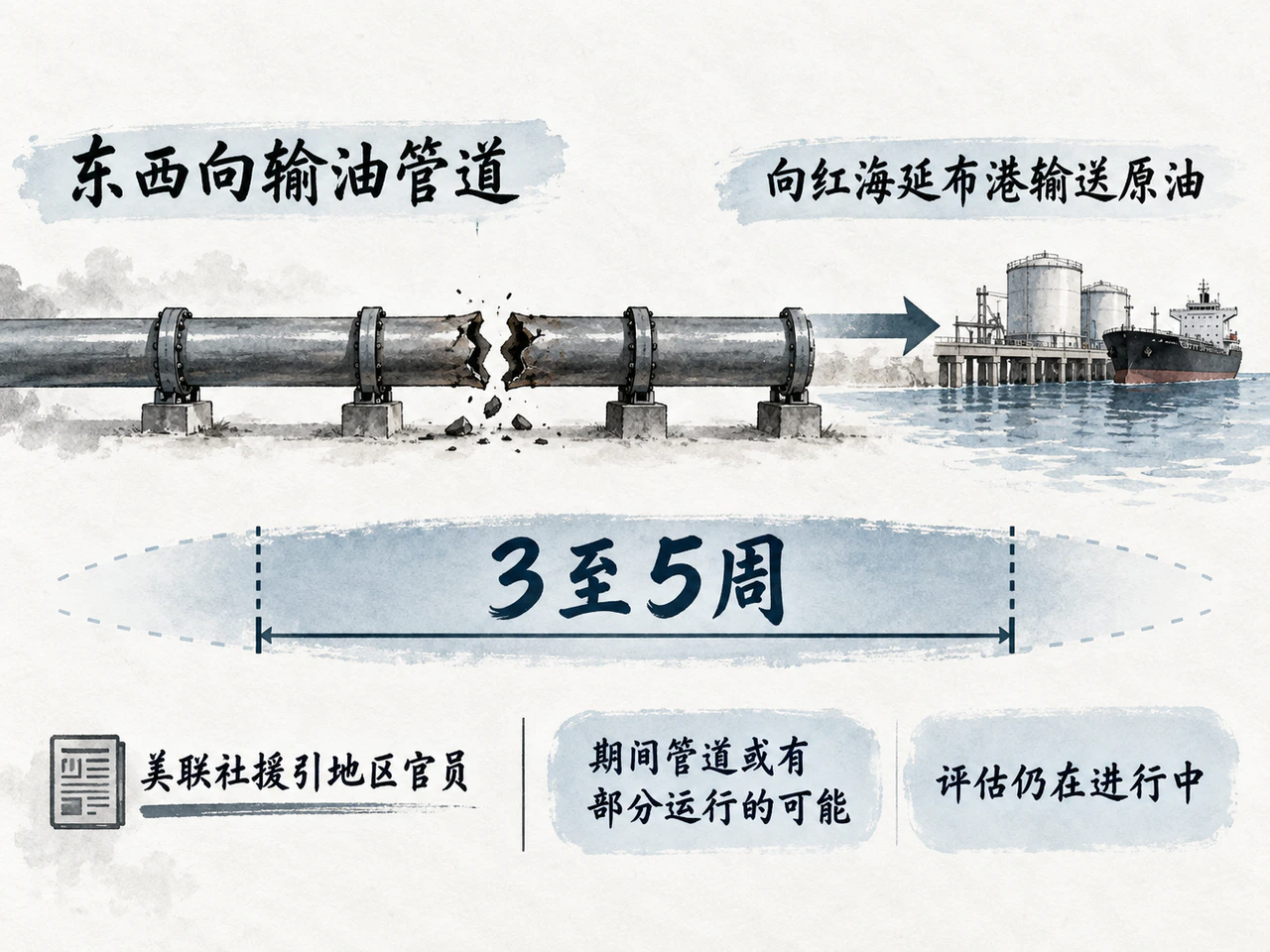
Middle East · September 21, 2026
During September 14–20, Gulf security remained deadlocked. Reopening talks were postponed, reportedly at Saudi Arabia's request, while Iran tied navigation to a comprehensive ceasefire and lifting the blockade. Houthi claims of strikes on Riyadh and Yanbu added uncertainty over Saudi pipeline repairs. Rising US war costs drew congressional dispute, and hardline US–Iran rhetoric kept regional risk premiums high.
Read article ↗
Middle East · September 20, 2026
Iran conveyed three ceasefire demands through Qatar and maintained its nuclear policy, awaiting a U.S. response. Saudi Arabia said it thwarted Houthi attacks, while a tank near Riyadh airport burned for an unclear reason and flights resumed after disruption. U.S. and Iranian accounts of Hormuz escorts differed.
Read article ↗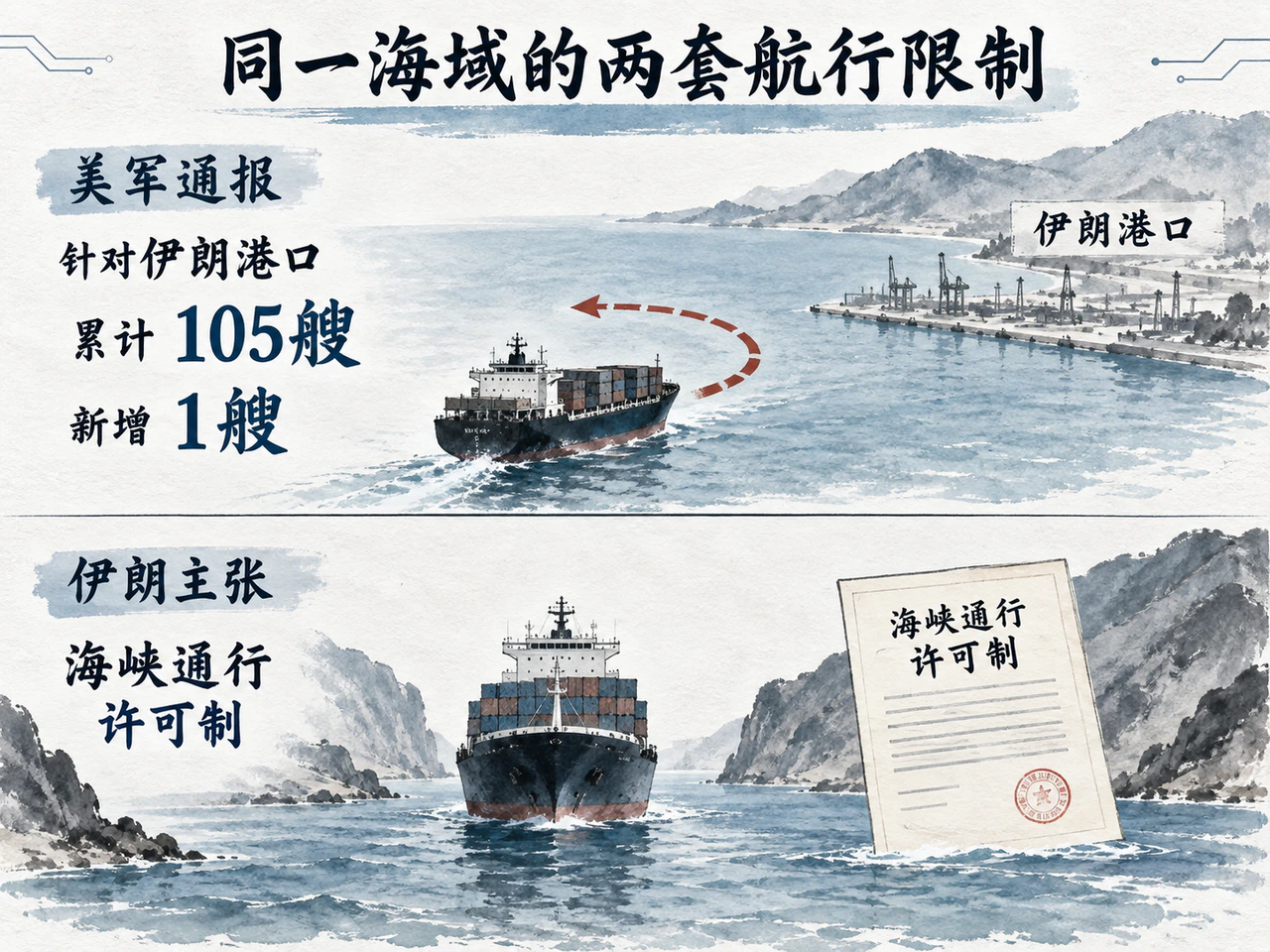
Middle East · September 19, 2026
A fresh tanker attack in Hormuz and overlapping US–Iran navigation controls raised shipping risk. Yemen's fighting spread toward the Red Sea, and pipeline damage led Aramco to notify some European refineries of an October crude halt. France proposed G7 talks on reserve releases, but maritime risk premiums stayed high without substantive security improvement.
Read article ↗
Middle East · September 18, 2026
Washington plans Gulf consultations and sanctions a crypto network allegedly settling Hormuz tolls. Saudi bypass-pipeline damage and Red Sea risks complicate exports, while satellite analysis shows facility reinforcement.
Read article ↗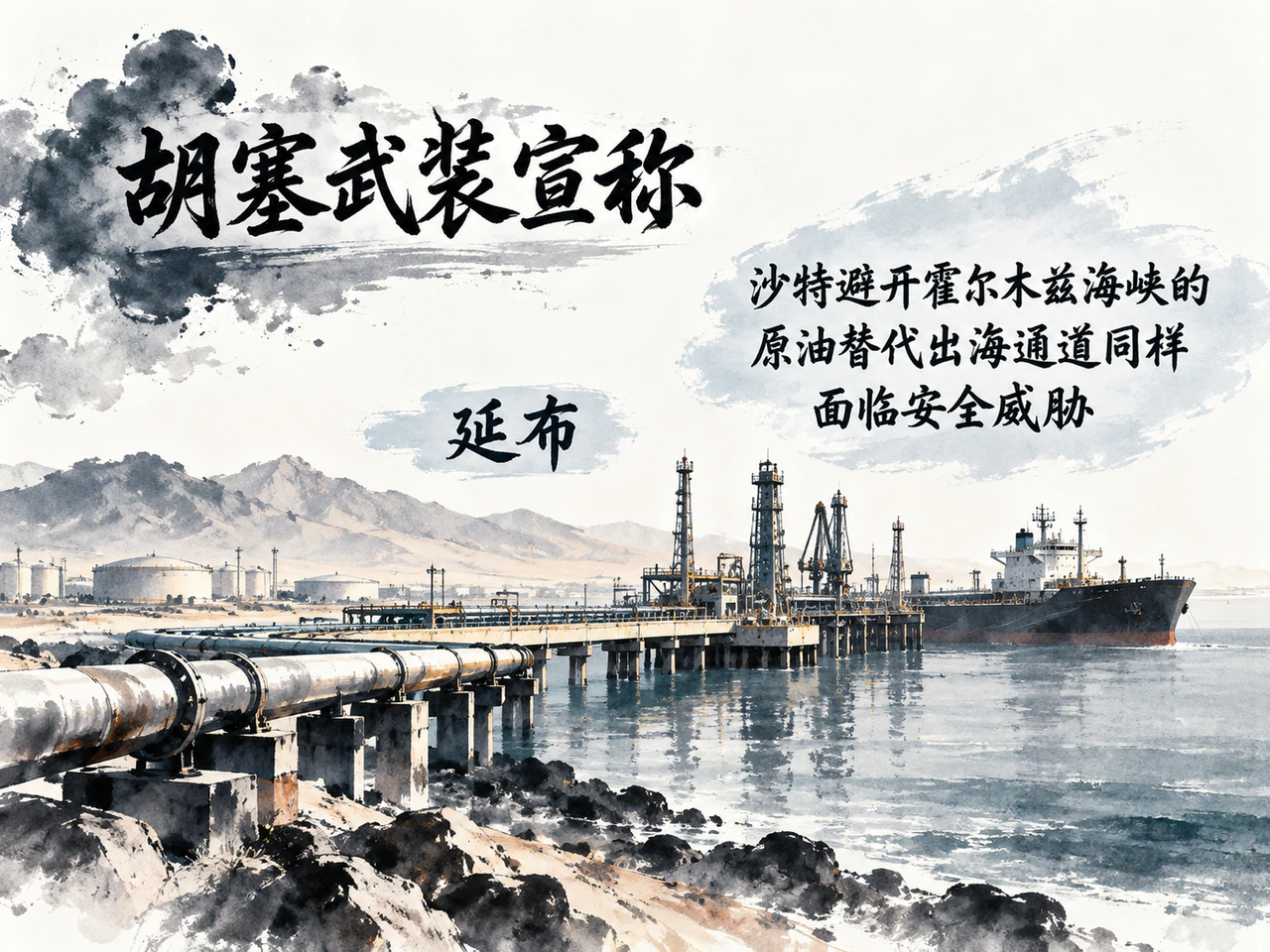
Middle East · September 17, 2026
The Houthis claimed an attack on Aramco facilities in Yanbu, threatening the outlet of Saudi Arabia's East–West pipeline. Industry sources and U.S. officials differed over repair timing, and one day's higher Hormuz throughput did not establish stable commercial recovery. Washington engaged the Houthis while tightening Iran-related financial controls.
Read article ↗
Middle East · September 16, 2026
The Houthis claim restrictions on Saudi vessels through Bab el-Mandeb. Saudi pipeline restart estimates differ and some late-September crude cargoes have been canceled. Iran maintains negotiating preconditions as US war costs keep rising.
Read article ↗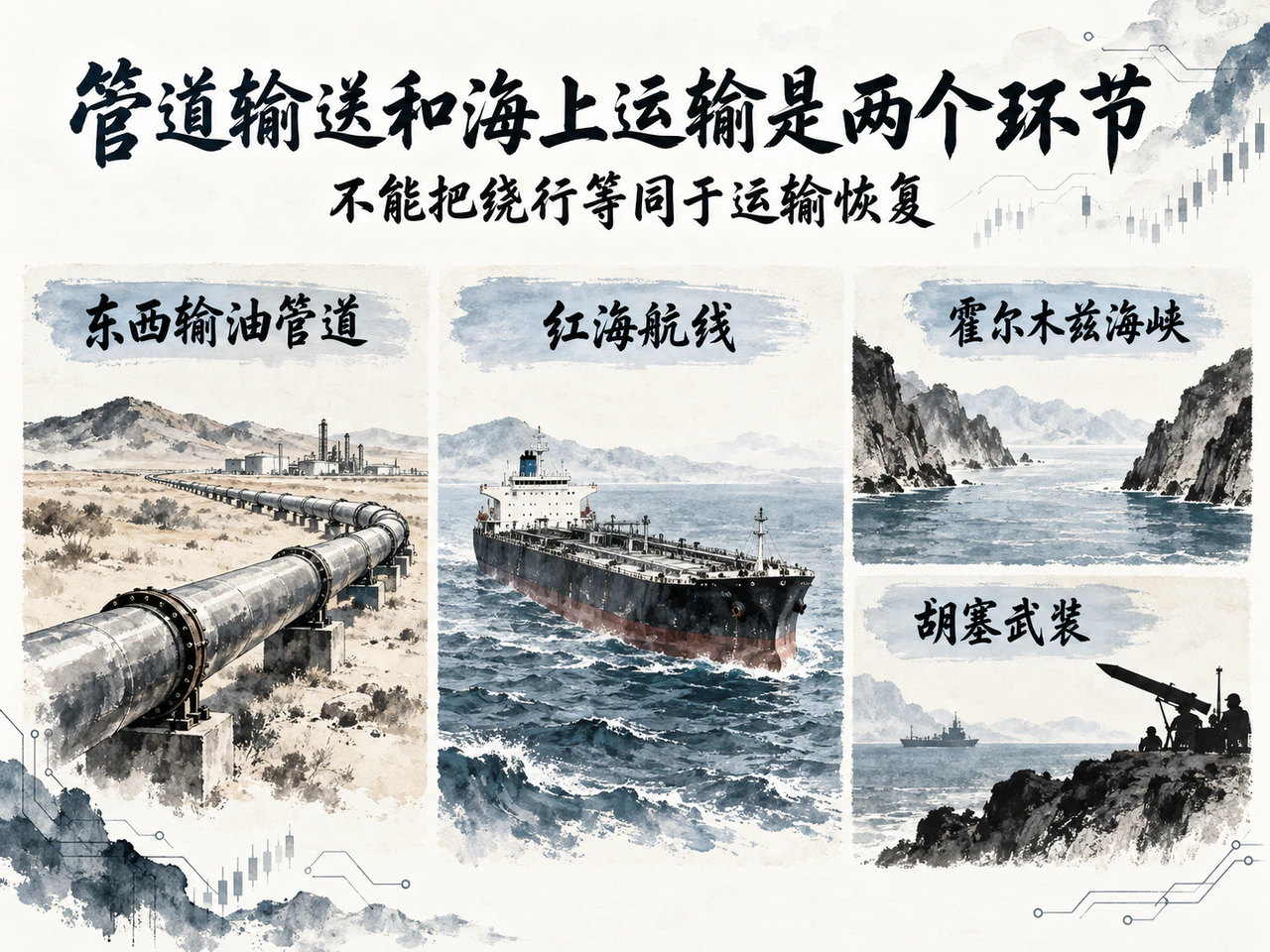
Middle East · September 15, 2026
Houthis announce renewed attacks on Saudi Arabia, pressuring the East–West pipeline and Red Sea route. Gulf talks are postponed and Trump signals openness to contact, but navigation and nuclear-inspection disputes remain.
Read article ↗
Middle East · September 14, 2026
September 7–13 fighting spread from Hormuz to the Red Sea, Bab el-Mandeb and Saudi pipelines. Diplomatic contacts increased, but safe navigation and restored facilities remained to be delivered.
Read article ↗
Middle East · September 13, 2026
Iran said its understanding with Oman did not mean immediate Hormuz reopening, while U.S. air protection was limited to set hours. The Houthis claimed a Saudi base attack as diplomacy continued, leaving shipping and surrounding fronts at risk.
Read article ↗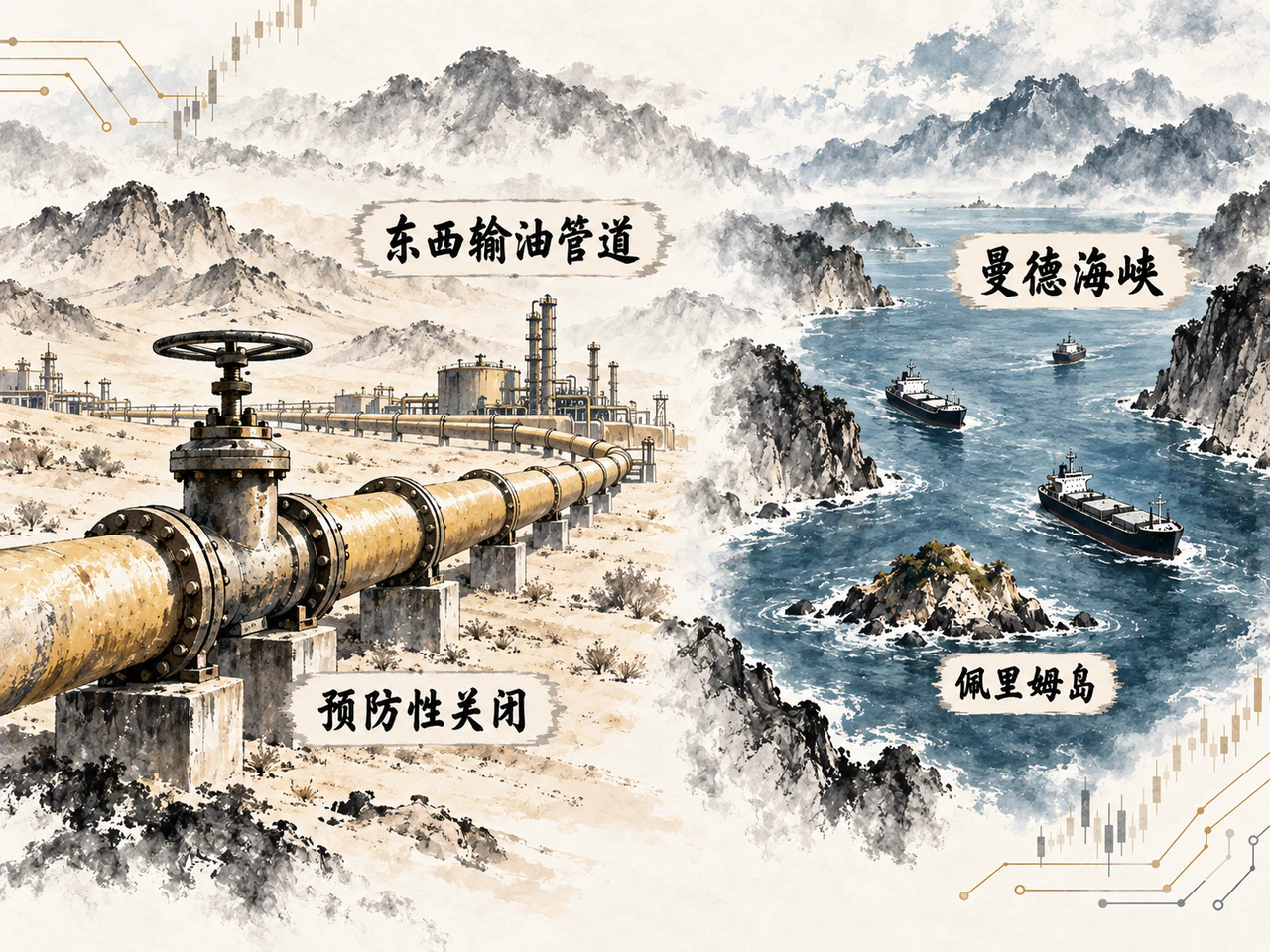
Middle East · September 12, 2026
Saudi Arabia's east-west pipeline shut after an attack, while Houthi advances to Bab el-Mandeb put the Red Sea alternative under pressure. Iran plans Oman talks on safe routes, with passage still requiring U.S.–Iran and regional coordination.
Read article ↗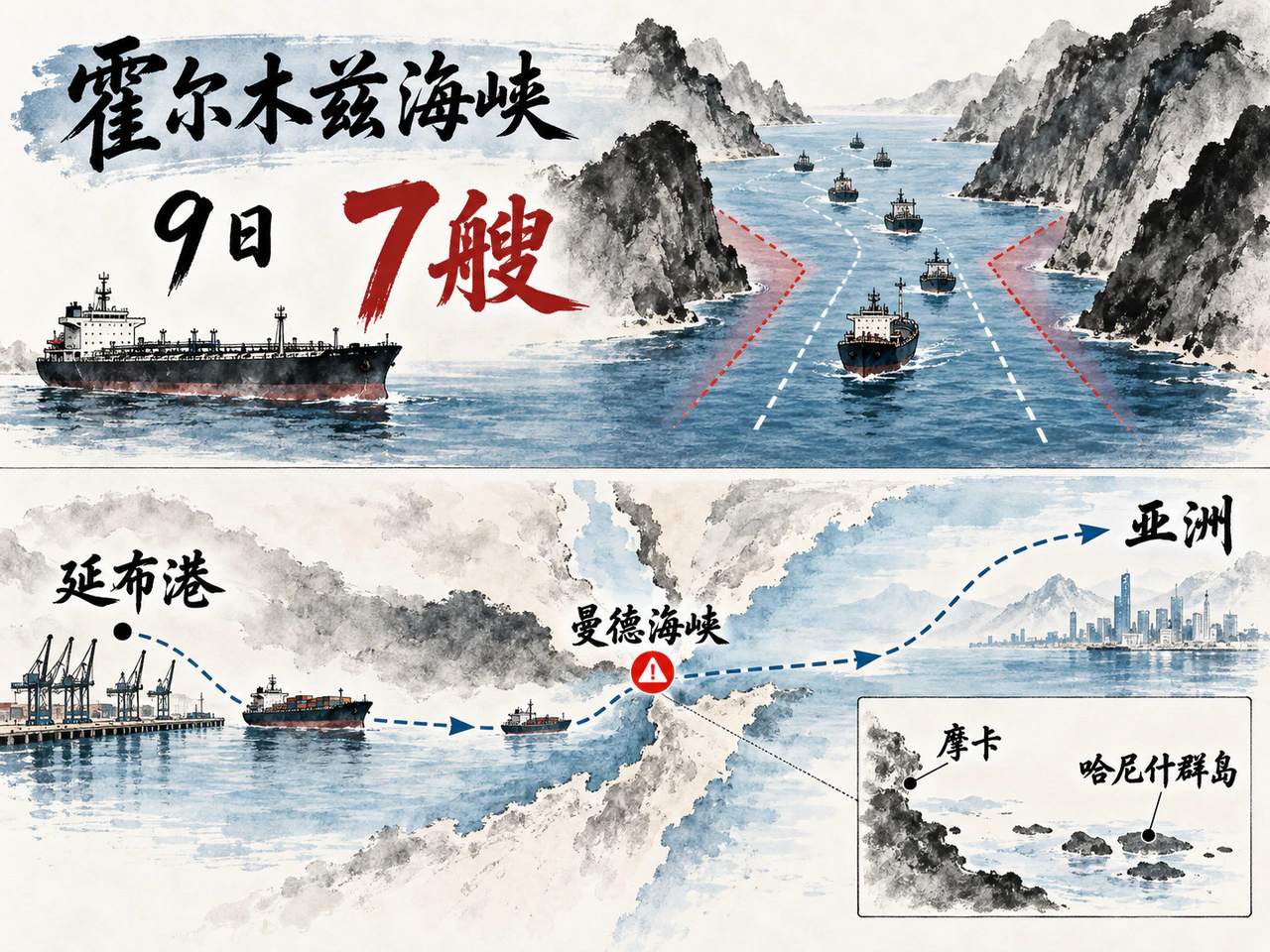
Middle East · September 11, 2026
The Houthis reportedly advanced after taking Mocha, while more ship attacks were reported near Oman. Hormuz traffic remained low and Saudi crude exports through the Red Sea faced new security pressure. Regional mediation had yet to bring substantive relief.
Read article ↗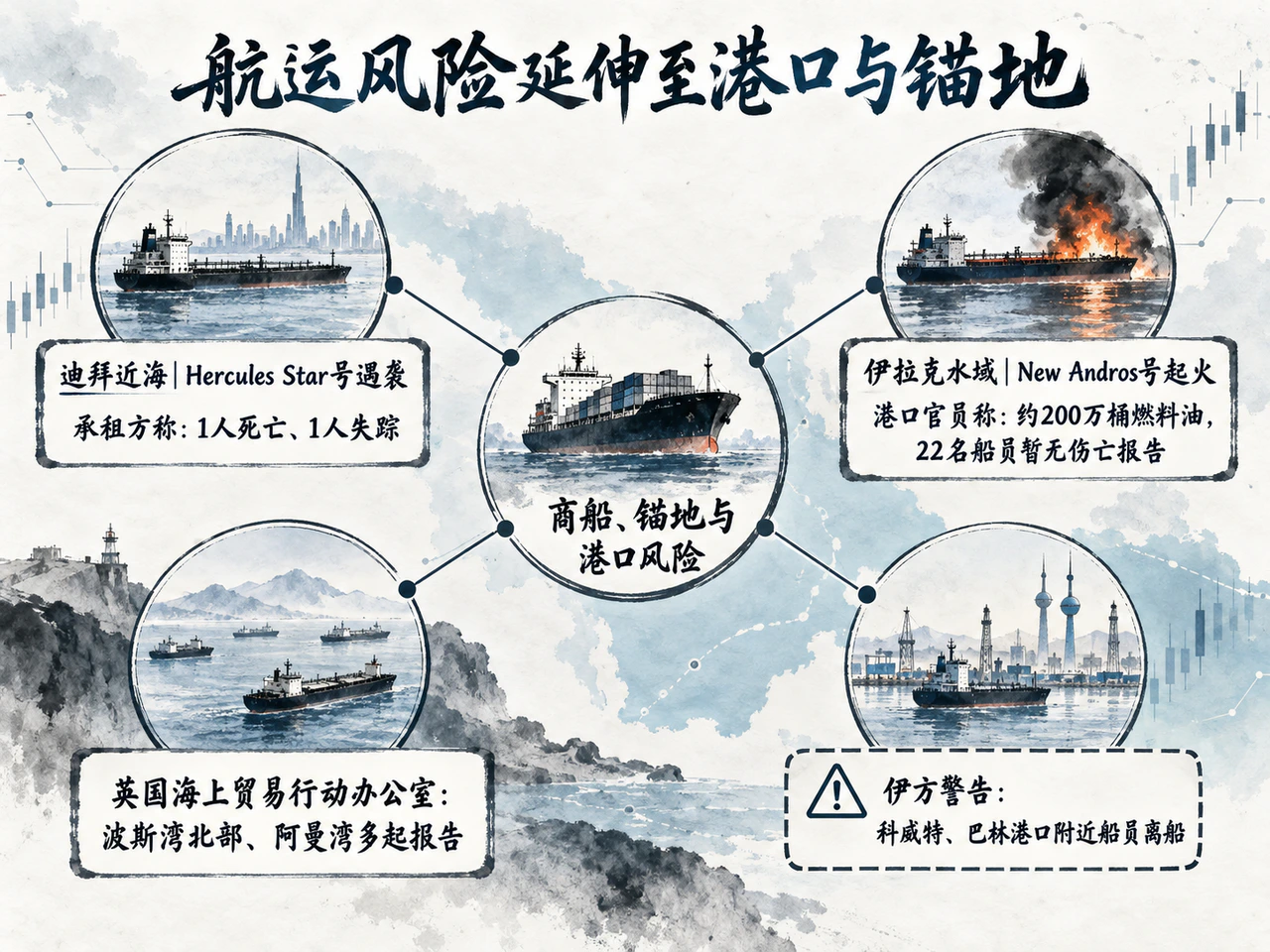
Middle East · September 10, 2026
Repeated tanker and merchant-vessel attacks extend shipping risk to ports and anchorages. The IAEA again refers Iran's nonproliferation issue to the Security Council, while ceasefire terms and a negotiating timetable remain unclear.
Read article ↗
Middle East · September 9, 2026
US forces say they struck five Iranian tankers, while southern Saudi energy facilities are attacked. Vessel and facility risks compound obstacles to export recovery. Diplomacy continues without a newly announced ceasefire.
Read article ↗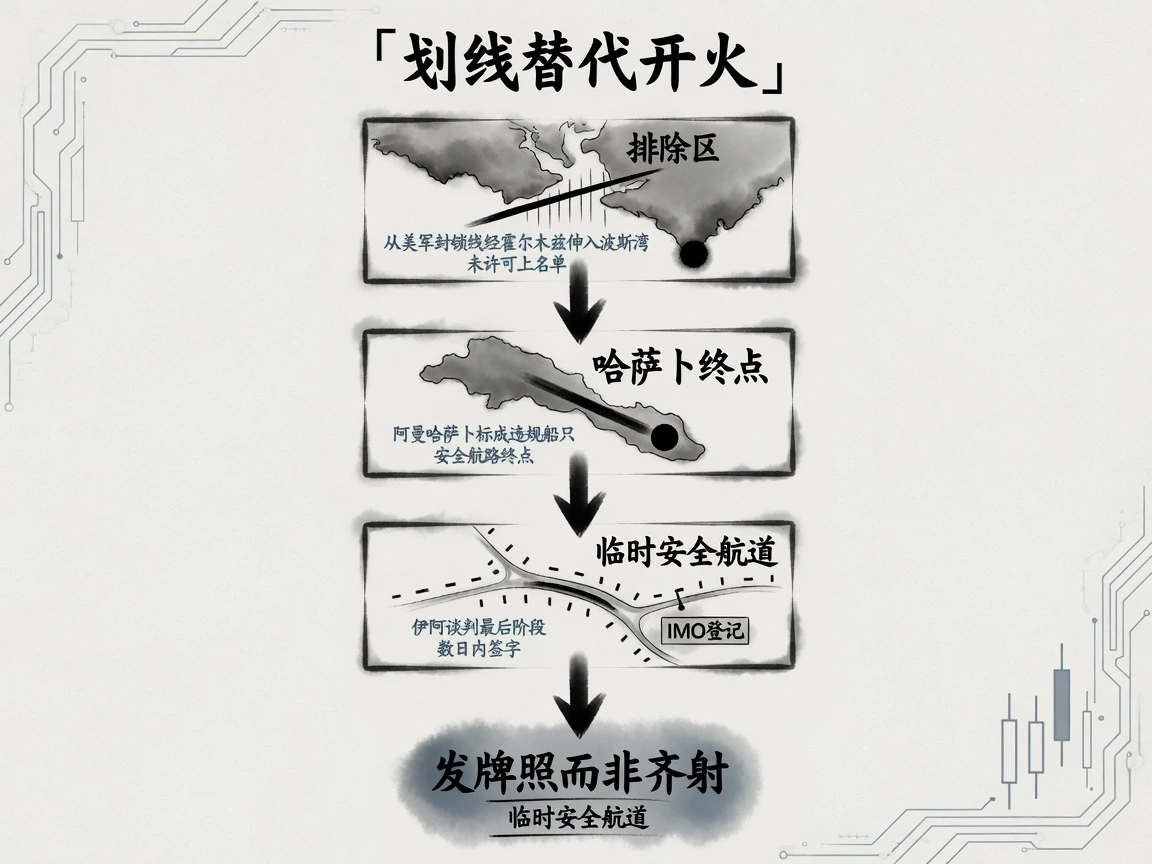
Middle East · September 8, 2026
Following weekend US-Iran attacks on tankers and warships, no new ship-to-ship fighting was reported in the past 24 hours, but Hormuz restrictions persisted. Iran previewed a maritime restricted zone from the US blockade line through Hormuz into the Gulf, and the Revolutionary Guard navy called Khasab the endpoint of safe passage for unauthorized ships. Iran's Foreign Ministry also issued a statement.
Read article ↗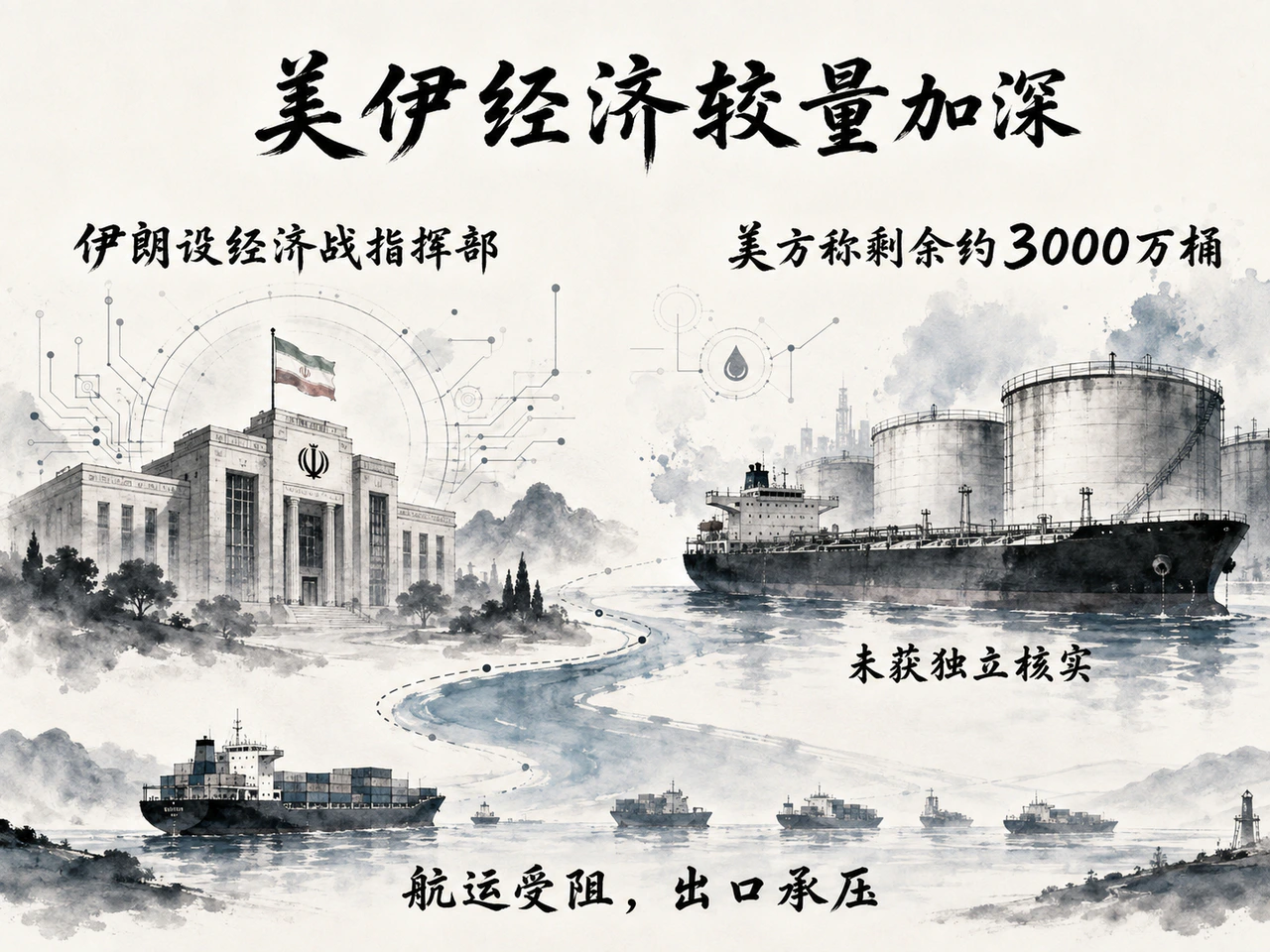
Middle East · September 7, 2026
Naval battle claims remain disputed as Iran forms an economic-war command. Exports, inventories and shipping restrictions intertwine, deepening economic pressure.
Read article ↗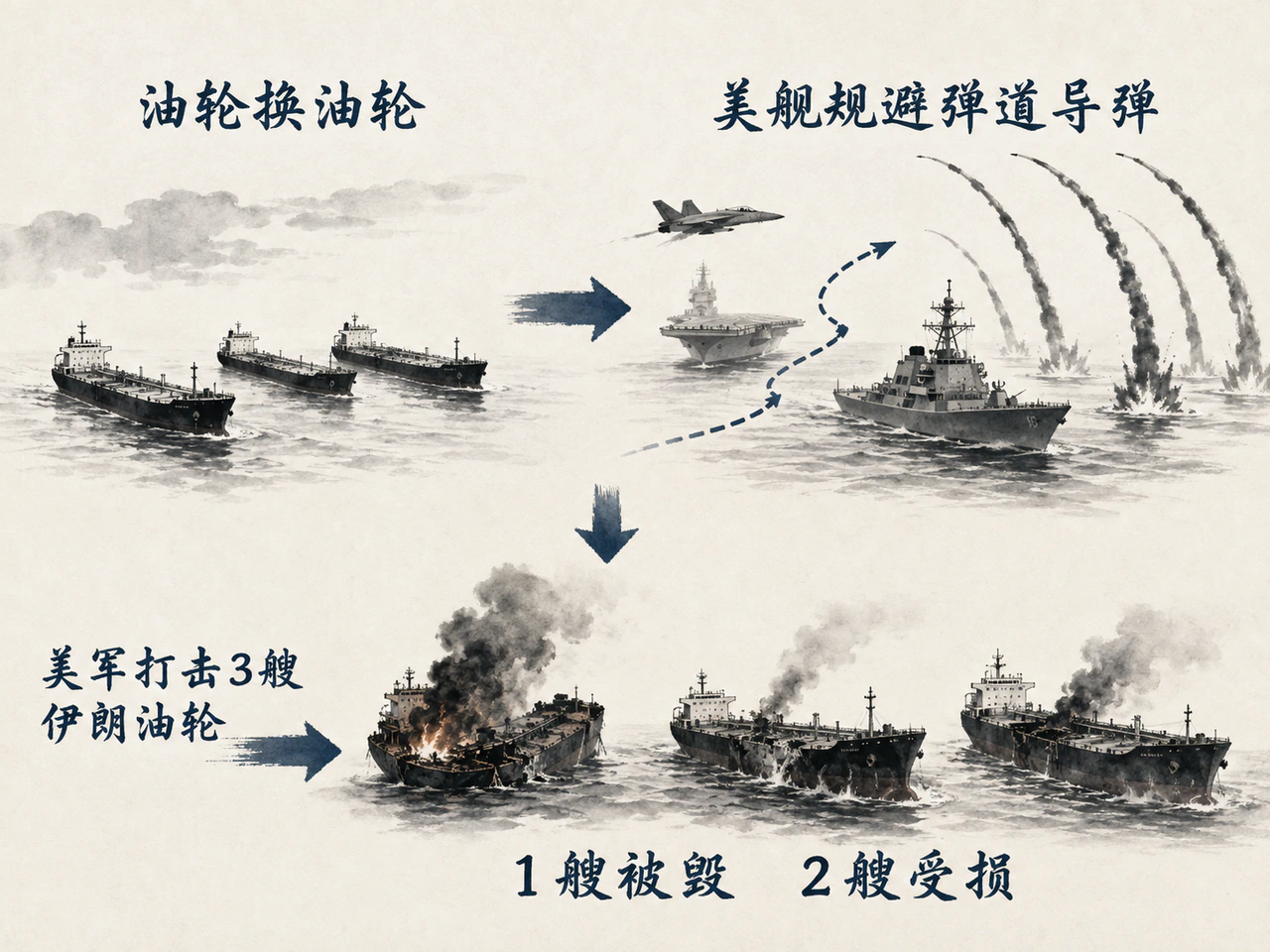
Middle East · September 6, 2026
The past 24 hours brought a substantive military escalation in the Persian Gulf and Hormuz. After the White House downplayed fighting, Iran fired ballistic missiles at a U.S. carrier and destroyer formation. The U.S. said it evaded the attack and struck three Iranian tankers, permanently disabling two and destroying one.
Read article ↗
Middle East · September 5, 2026
There was no large-scale direct Gulf clash in the past 24 hours, but Washington sent conflicting signals: it minimized the six-month conflict while publicly suggesting a strike on the underground Pickaxe Mountain nuclear facility near Natanz. Economic pressure shifted toward third-party channels, while oil and U.S. diesel prices remained elevated.
Read article ↗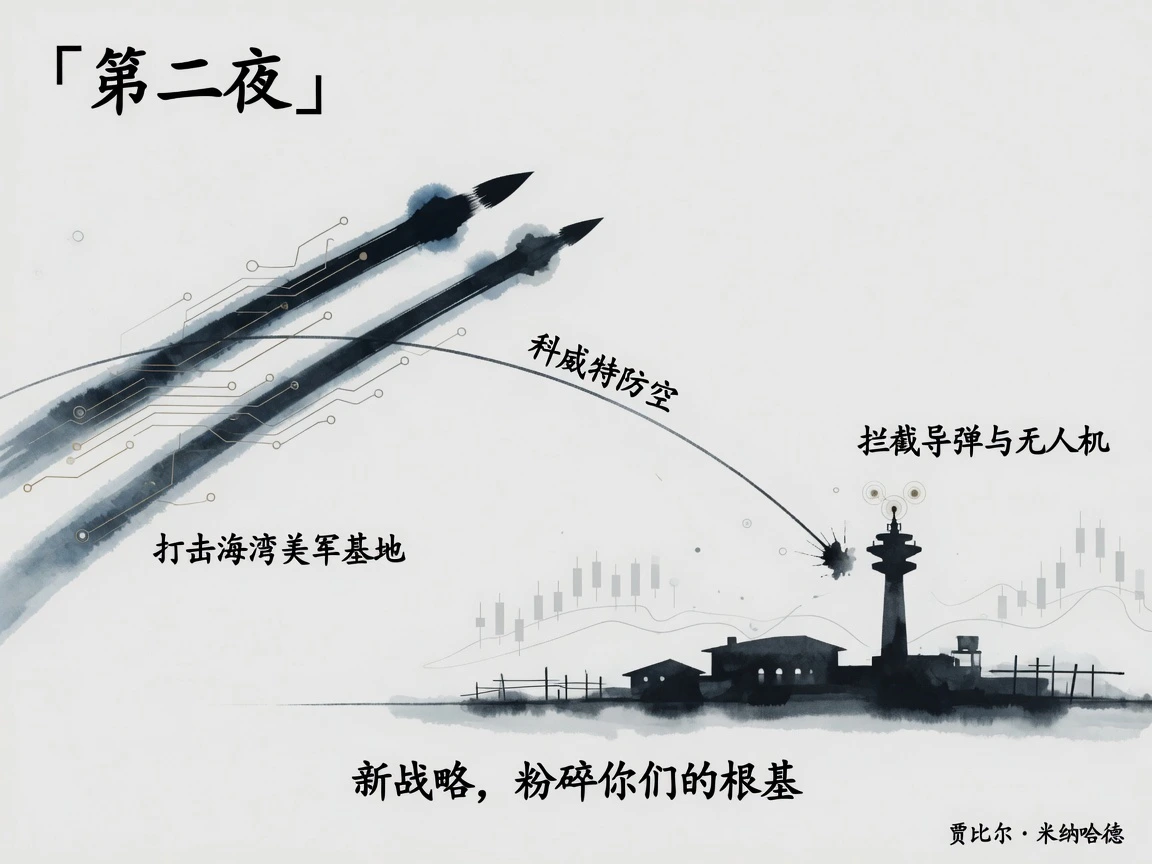
Middle East · September 4, 2026
In the 24 hours through September 4 morning, Beijing time, attention shifted to Iran's second night of retaliation. No new US action was publicly reported. Kuwait again intercepted missiles and drones Thursday; Iranian state television confirmed ongoing strikes…
Read article ↗
Middle East · September 3, 2026
Over the 24 hours through the morning of September 3, Beijing time, attention shifted from another U.S. strike to Iran's retaliation. Washington had announced completion about an hour and a half before the review window began; overnight, Iran extended retaliation beyond Jordan toward Bahrain.
Read article ↗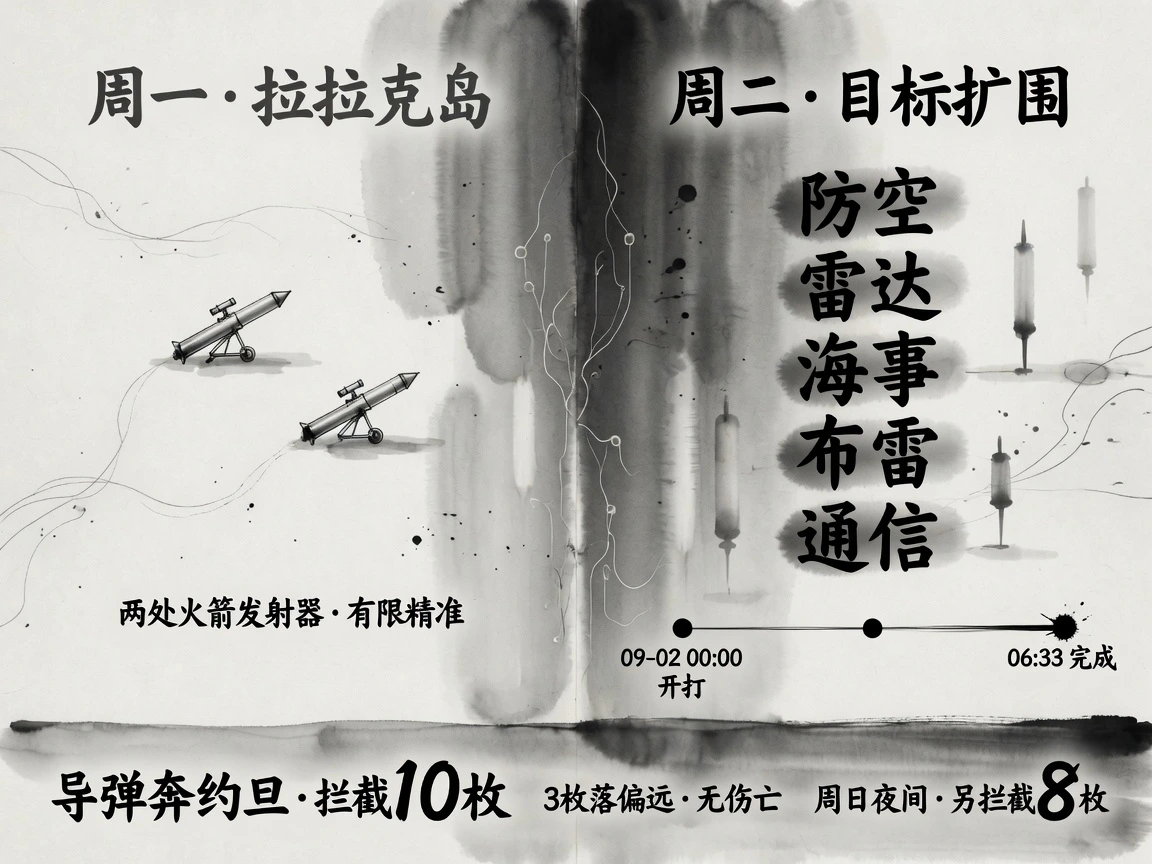
Middle East · September 2, 2026
Over the past 24 hours, US strikes on Revolutionary Guard targets expanded across air defenses, radar, maritime assets and minelaying capabilities. Iran announced missile launches toward Jordan and vowed devastating retaliation. Crude futures rose above $94/barrel. Trump warned that the largest strike was still ahead while meeting refiners at the White House to discuss lowering oil prices.
Read article ↗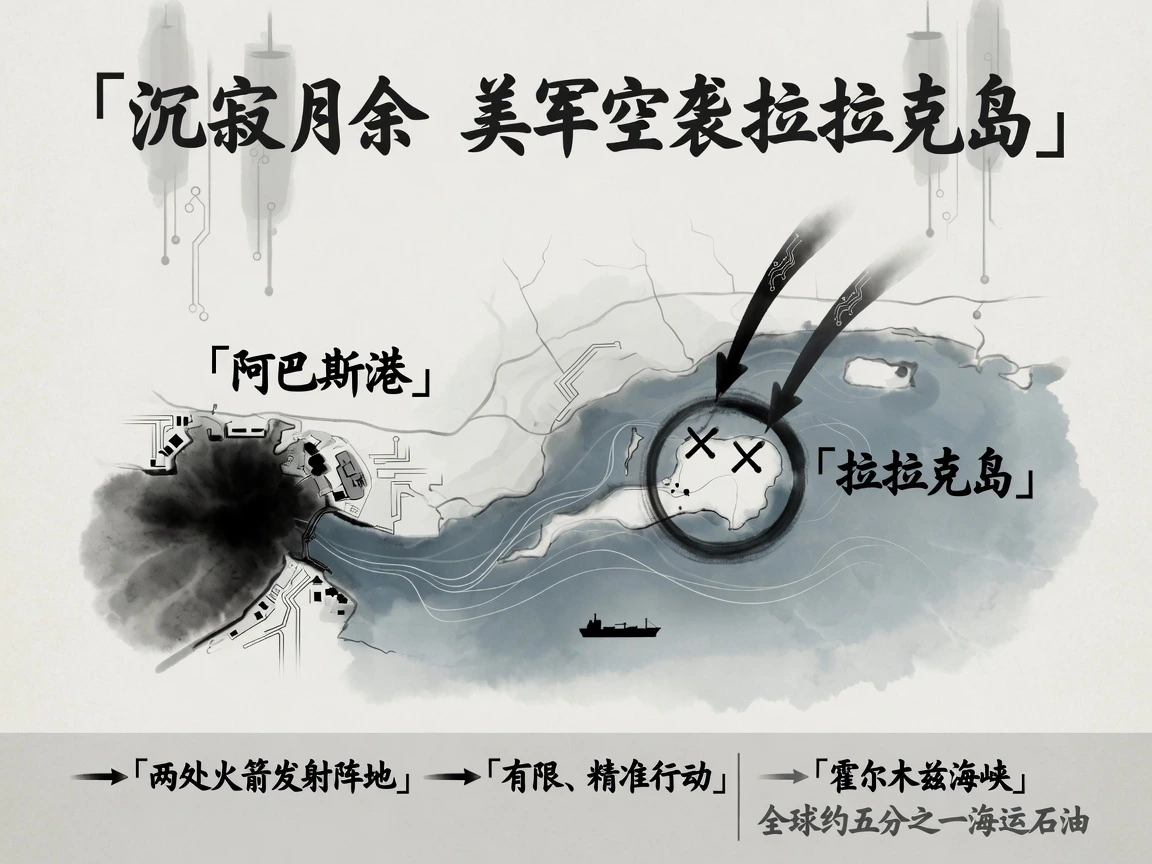
Middle East · September 1, 2026
After a brief lull in a six-month war, U.S. strikes hit two rocket positions on Larak Island, the first Iranian targets attacked since July 29. Iran retaliated against U.S. targets in Jordan and the UAE, activating regional air defenses, on Monday, August 31.
Read article ↗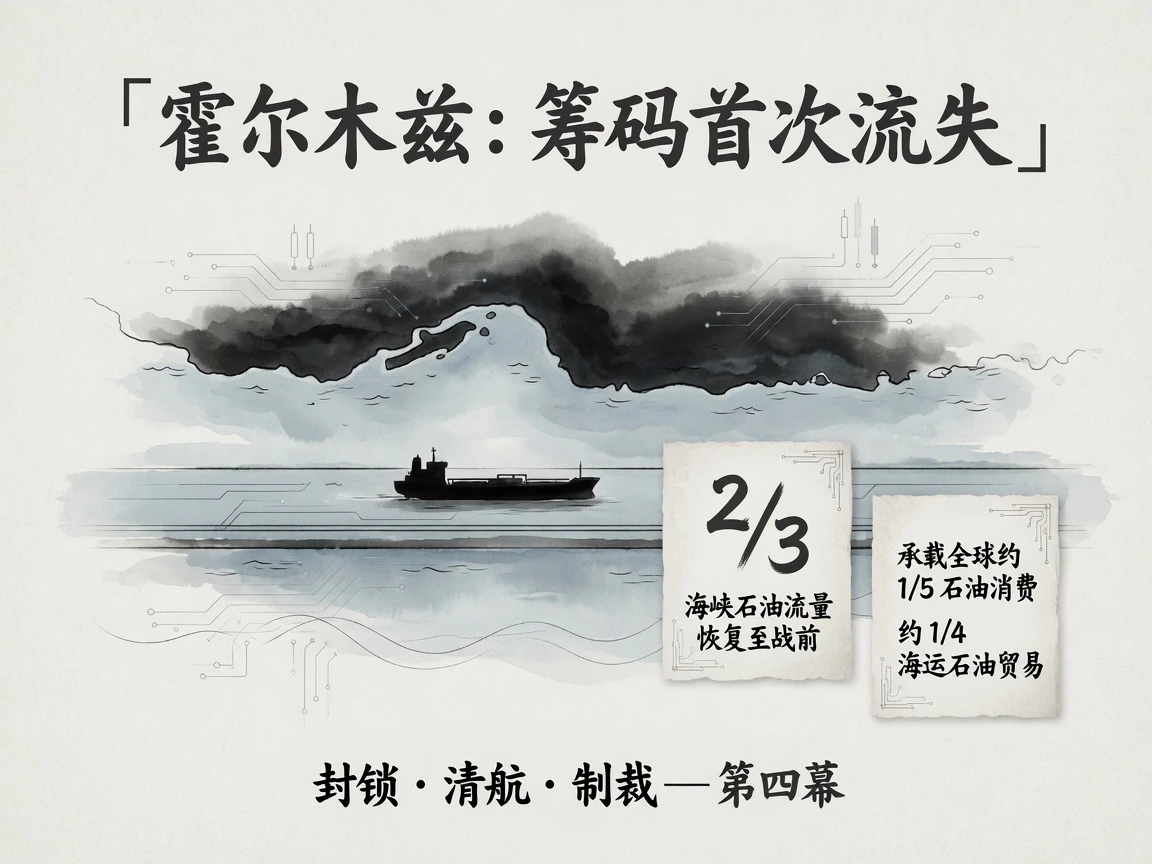
Middle East · August 30, 2026
Public reporting on Iran fell unusually quiet over the past 24 hours: no new airstrikes, missile interceptions or maritime escalation, and live conflict updates had added no entries for about 45 hours. After almost a summer of fighting, the silence itself was unsettling. Only a week earlier, Hormuz shipping diplomacy and economic bargaining had remained active.
Read article ↗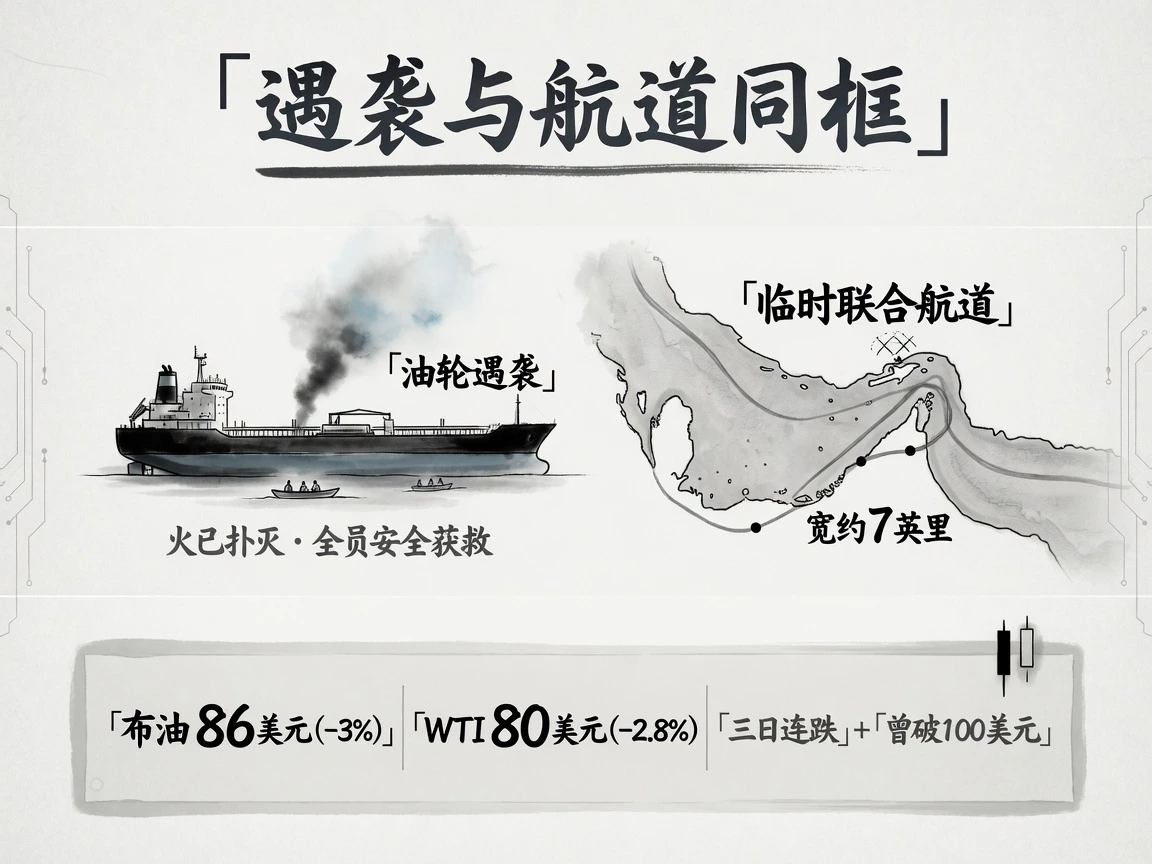
Middle East · August 28, 2026
Over the past 24 hours, a tanker hit by an unknown projectile caught fire and all aboard were rescued, while Iran and Oman advanced a temporary joint passage. Diplomats discuss minesweeping as ships remain exposed. Qatar's prime minister takes mediation to Iran's president and speaker; the White…
Read article ↗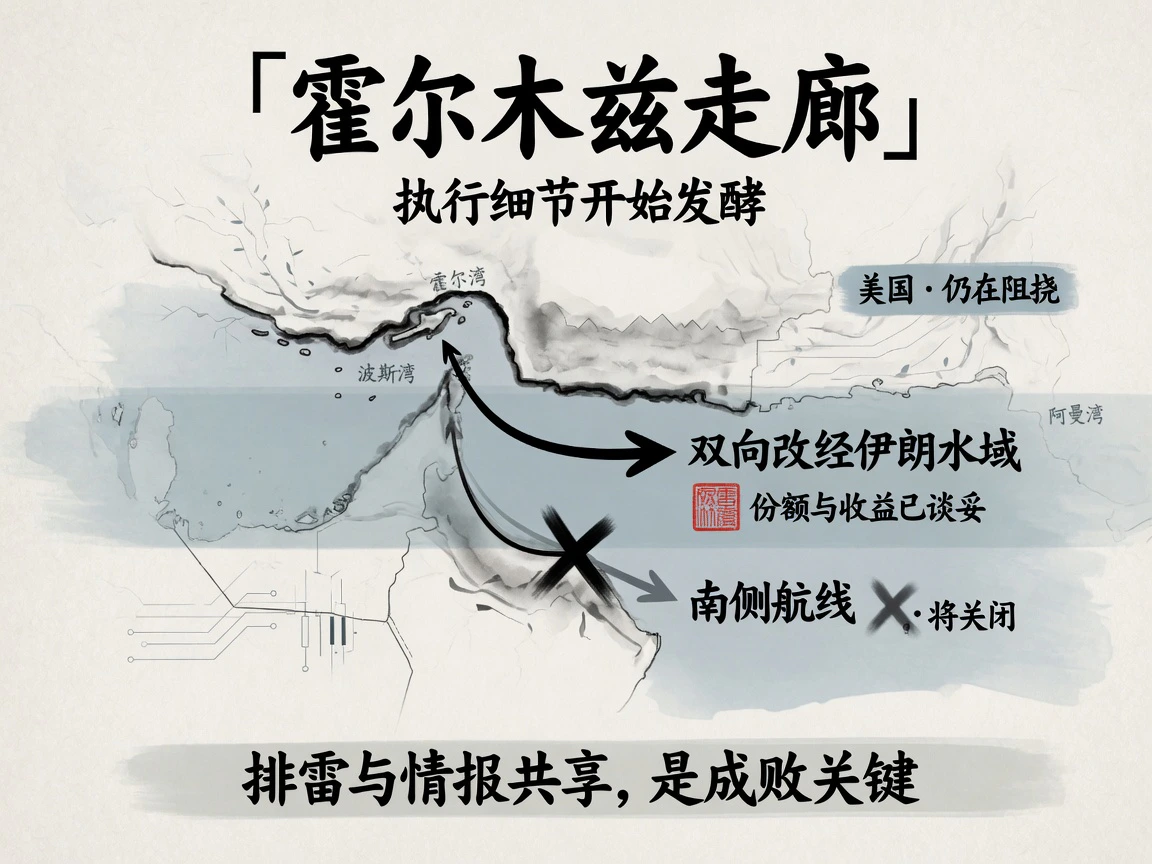
Middle East · August 27, 2026
Iran and Oman's proposed temporary shipping corridor moves from paper to implementation disputes. The Revolutionary Guards claim passage shares and revenues are agreed while accusing the US of delay; the deputy foreign minister details closure of the southern route, and oil falls for a third day. Tehran also pursues UN, nuclear-inspection and Russian channels against US economic pressure.
Read article ↗
Middle East · August 26, 2026
Over 24 hours, confrontation shifts toward diplomacy and economics. Washington implements more than 60 designations and five sector determinations, with new remittance, sports and shipping rules. China rejects US pressure. Tehran, on one hand…
Read article ↗
Middle East · August 25, 2026
Over 24 hours, confrontation shifts from military strikes to economics and passage. Washington's economic D-Day arrives as threats and deadlines, rather than immediately effective severe penalties. Tehran claims a two-year plan as its currency hits a record low. Two tankers in the Red Sea and off Oman…
Read article ↗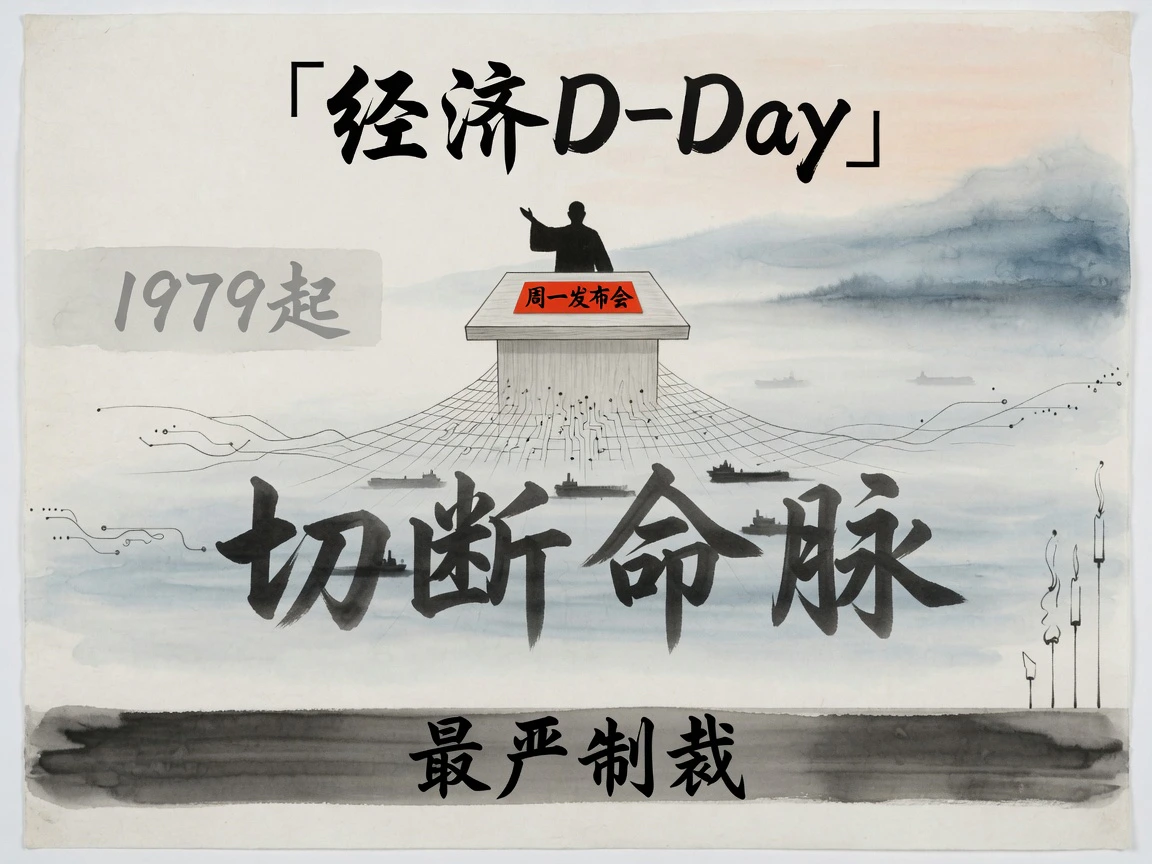
Middle East · August 24, 2026
No new air or missile exchange occurred in the past 24 hours, but confrontation shifted further toward economic warfare. Treasury Secretary Bessent proclaimed Economic D-Day, with sanctions possible Monday. Iran's security chief Rezaei threatened to stop every drop of oil leaving the Persian Gulf, while internal disagreement over fighting or talks became public.
Read article ↗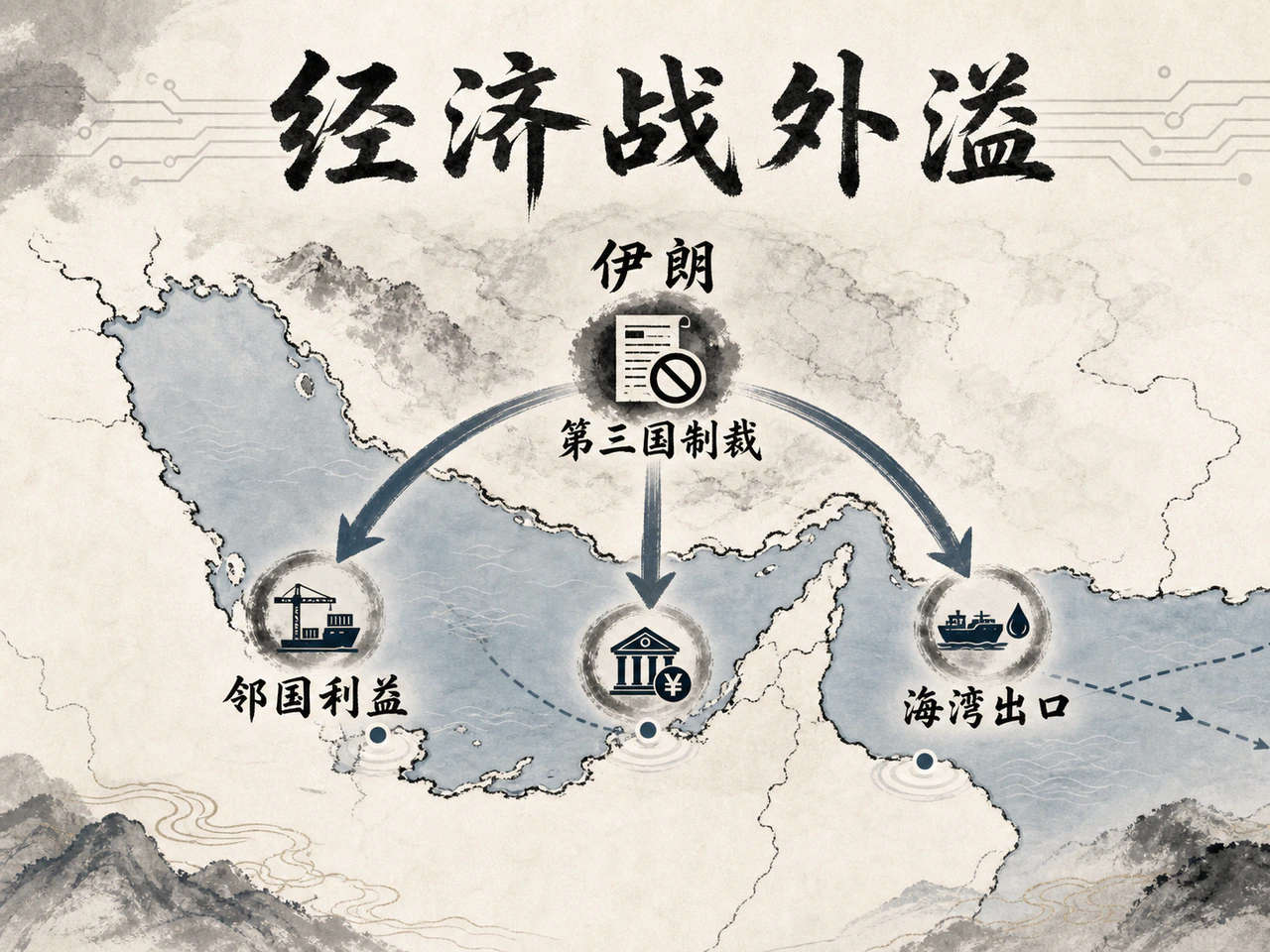
Middle East · August 23, 2026
New U.S. economic measures against Iran await Monday's announcement. Selective permissions, dark shipping and naval escorts coexist in Hormuz, where vessel traffic remains only one-fifth of its prewar level.
Read article ↗
Middle East · August 22, 2026
No new airstrikes or missile exchanges were reported over the preceding 24 hours. Washington combined sanctions threats with domestic promises of lower fuel costs, while Beijing and Tehran responded. Hormuz's weekly traffic rose 27% but remained near 20% of prewar levels.
Read article ↗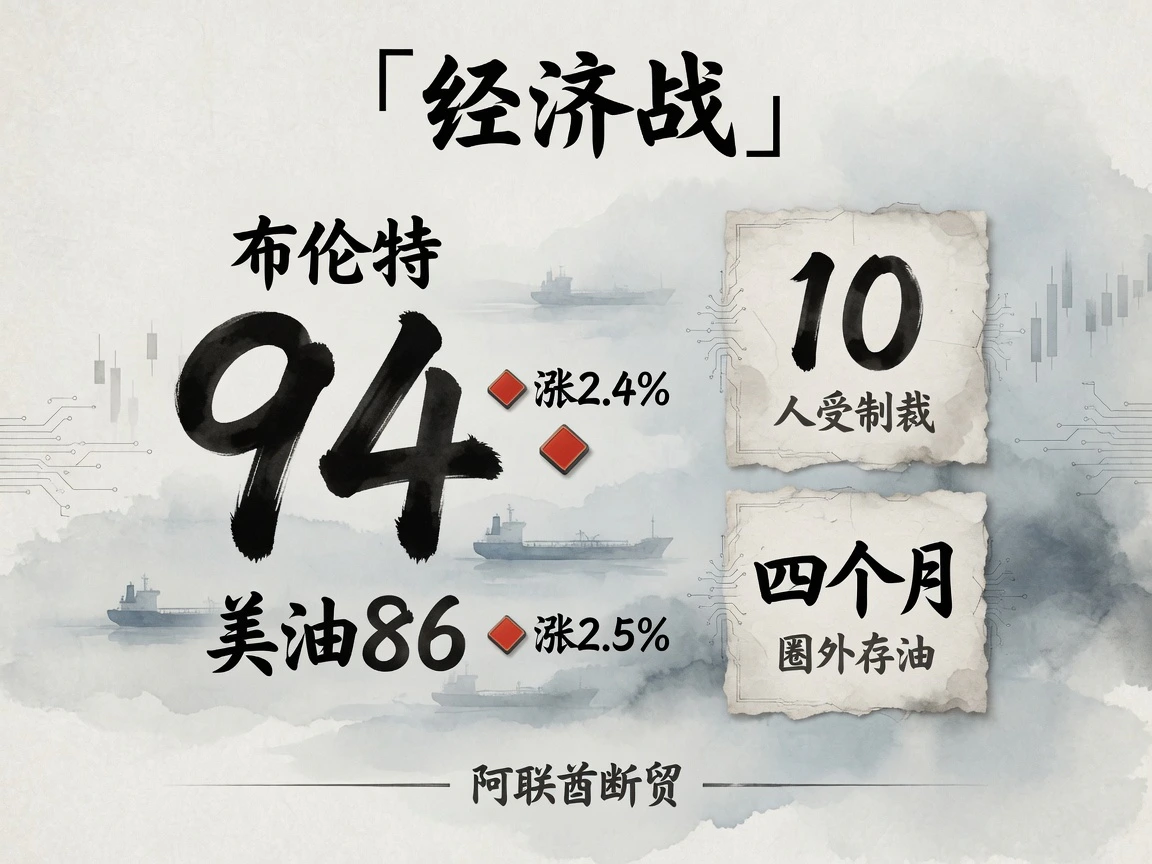
Middle East · August 21, 2026
With no new airstrikes or missile exchanges in 24 hours, confrontation shifted to sanctions. Trump threatened severe consequences for Iran's partners, and Vance called economic pressure Washington's most effective tool.
Read article ↗
Middle East · August 20, 2026
Over the past 24 hours ceasefire talks showed no restart, while Washington announced its most destructive economic action, the UAE suspended Iran trade, and Israeli strikes in Syria sparked a dispute with Turkey.
Read article ↗
Middle East · August 19, 2026
The deadline arrived and talks vanished. The June U.S.–Iran memorandum, praised by Trump as the greatest Middle East peace deal ever, expired Monday after 60 days without a final agreement. Trump then said on Truth Social that no talks with Iran were ongoing or planned.
Read article ↗
Middle East · August 18, 2026
The June US–Iran memorandum's 60-day window expired at midnight Monday without a final deal or announced extension. Over the past 24 hours, no new specifically identified airstrikes occurred on either side's home territory.
Read article ↗
Middle East · August 17, 2026
Trump ties US–South Korea exercise costs to the Iran war, announces sharp cuts to Ulchi Freedom Shield after Seoul declines involvement in Iran's denuclearization, and praises the Saudi–Turkish–Pakistani defense pact as an important first step.
Read article ↗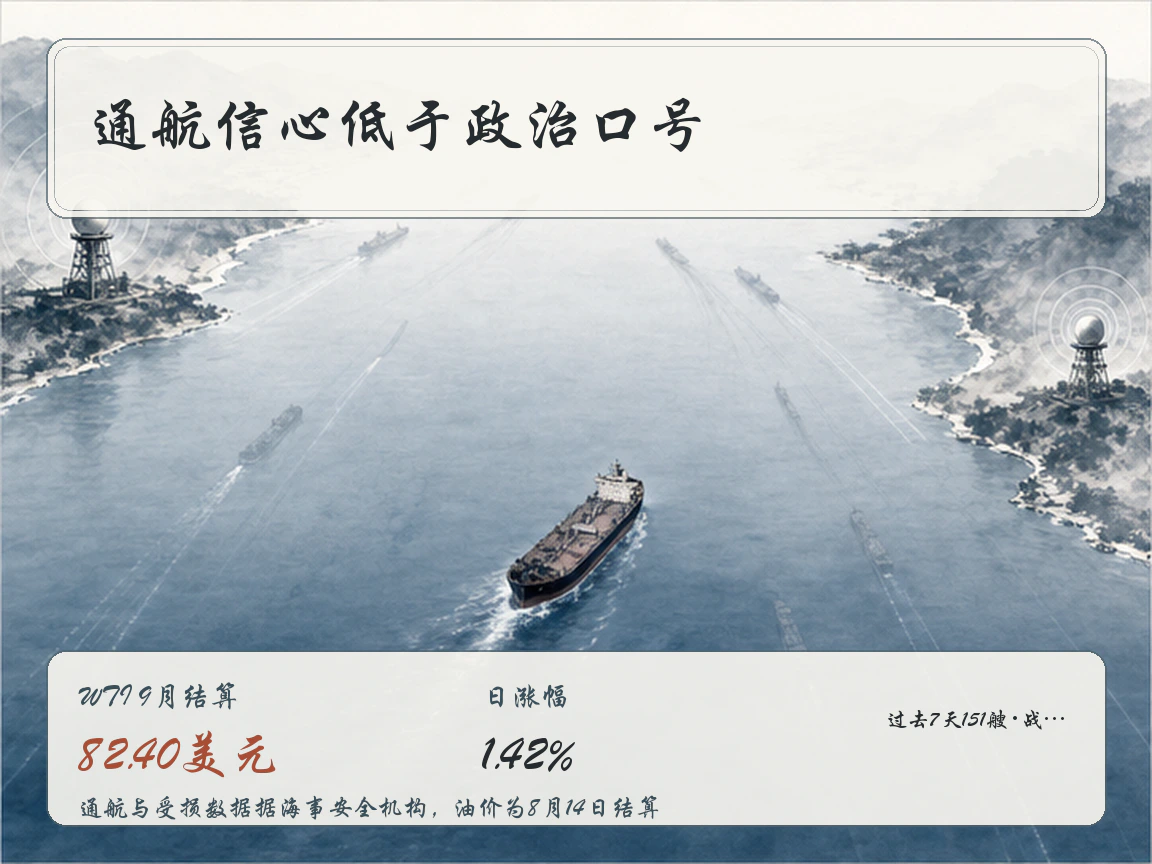
Middle East · August 16, 2026
Hormuz traffic is only about 17% of prewar levels, ship incidents continue and U.S.-Iran contacts remain mediated messages. The key is whether passage, insurance and formal negotiations can improve together.
Read article ↗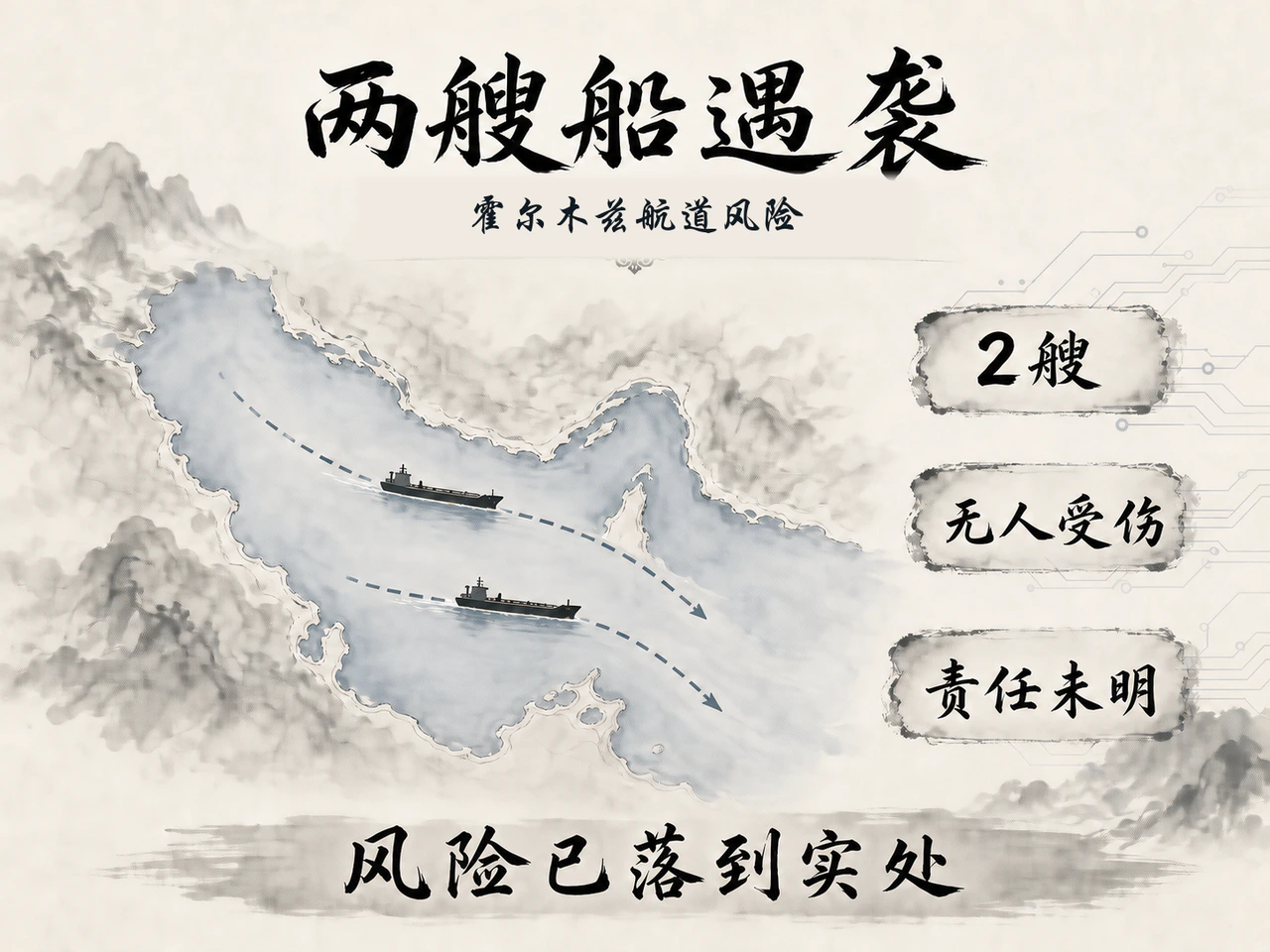
Middle East · August 14, 2026
Hormuz traffic fell below recent averages as ADNOC reported two vessels attacked without injuries. U.S.–Iran rivalry over control continues, while Yemen fighting and marine pollution widen spillover risks.
Read article ↗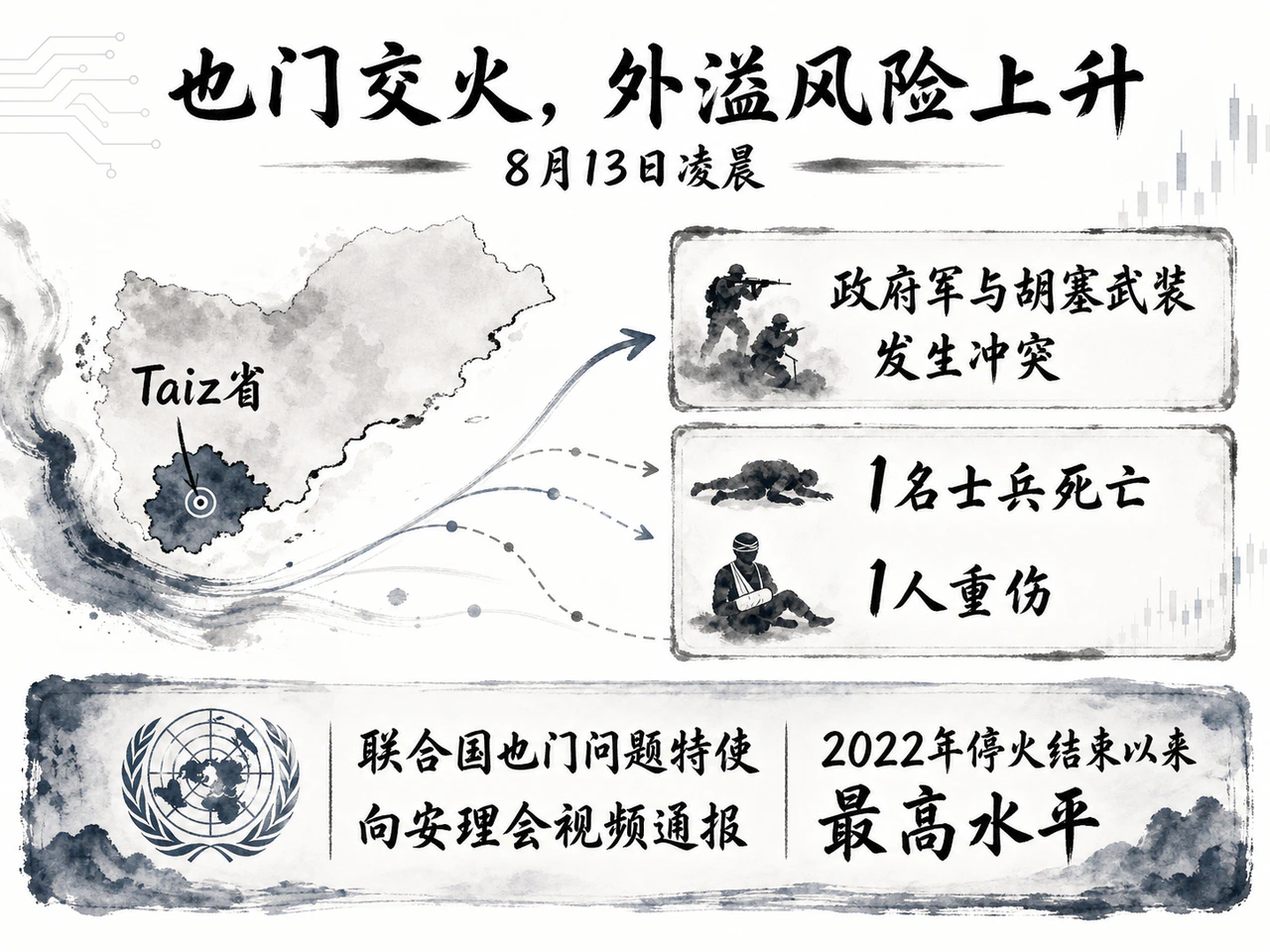
Middle East · August 13, 2026
Verifiable developments over the previous day centered on Taiz fighting, a UN warning, Qeshm oil cleanup and an Omani tanker response. Causes and responsibility remained unresolved, with insufficient evidence of a fresh large-scale direct US–Iran exchange.
Read article ↗
Middle East · August 12, 2026
Maritime force intensified over 24 hours. CENTCOM said Hellfire missiles disabled Panama-flagged Vela Nova under the Iran blockade; Houthis were accused of a double strike on a merchant vessel near Bab el-Mandeb…
Read article ↗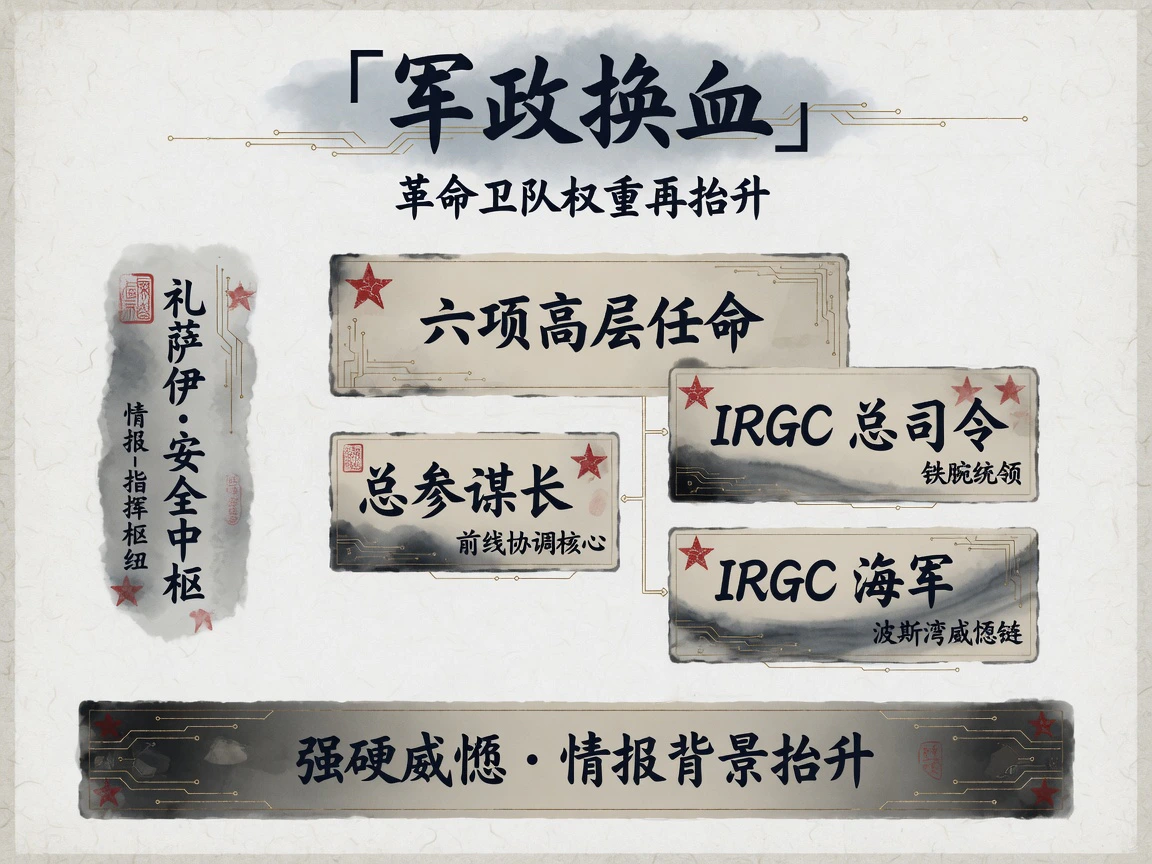
Middle East · August 11, 2026
Over 24 hours, news centered on political and shipping deadlock rather than major US-Iran exchanges. Tehran hardened leadership, Washington raised reciprocal claims, and Hormuz traffic weakened. Yemen's Houthis and…
Read article ↗
Middle East · August 10, 2026
The past day's main development was the politicization of Hormuz talks rather than a new major exchange. Tehran demanded a package correcting U.S. conduct first; Araghchi said Oman route talks did not mean reopening and no U.S. negotiations were underway. Trump described low-key semi-negotiations and economic pressure.
Read article ↗
Middle East · August 8, 2026
The past day's structural shift was Saudi Arabia bringing Pakistan and Turkey into collective defense as the Houthis attacked eastern Yemen and Saudi border areas. The Hormuz framework advanced toward high-level final review, while oil retained earlier gains amid doubts that reopening terms would satisfy Washington.
Read article ↗
Middle East · August 7, 2026
The main battlefield is overshadowed by unresolved Hormuz arrangements and rising Gulf–Red Sea risks. Iran says an Oman framework is nearly final but will not automatically reopen the waterway, while denying direct US talks. Saudi officials warn of Iranian…
Read article ↗
Middle East · August 6, 2026
Iran and Oman move close to a Hormuz framework while Tehran denies U.S. talks and Trump threatens force if reopening fails. Red Sea attacks escalate as diplomacy and frontline risks diverge.
Read article ↗
Middle East · August 5, 2026
U.S. officials signaled a possible Hormuz reopening deal today or tomorrow, while Qatar said a draft was circulating. Diplomatic optimism contrasted with maritime risks and Tehran's refusal of direct U.S. talks.
Read article ↗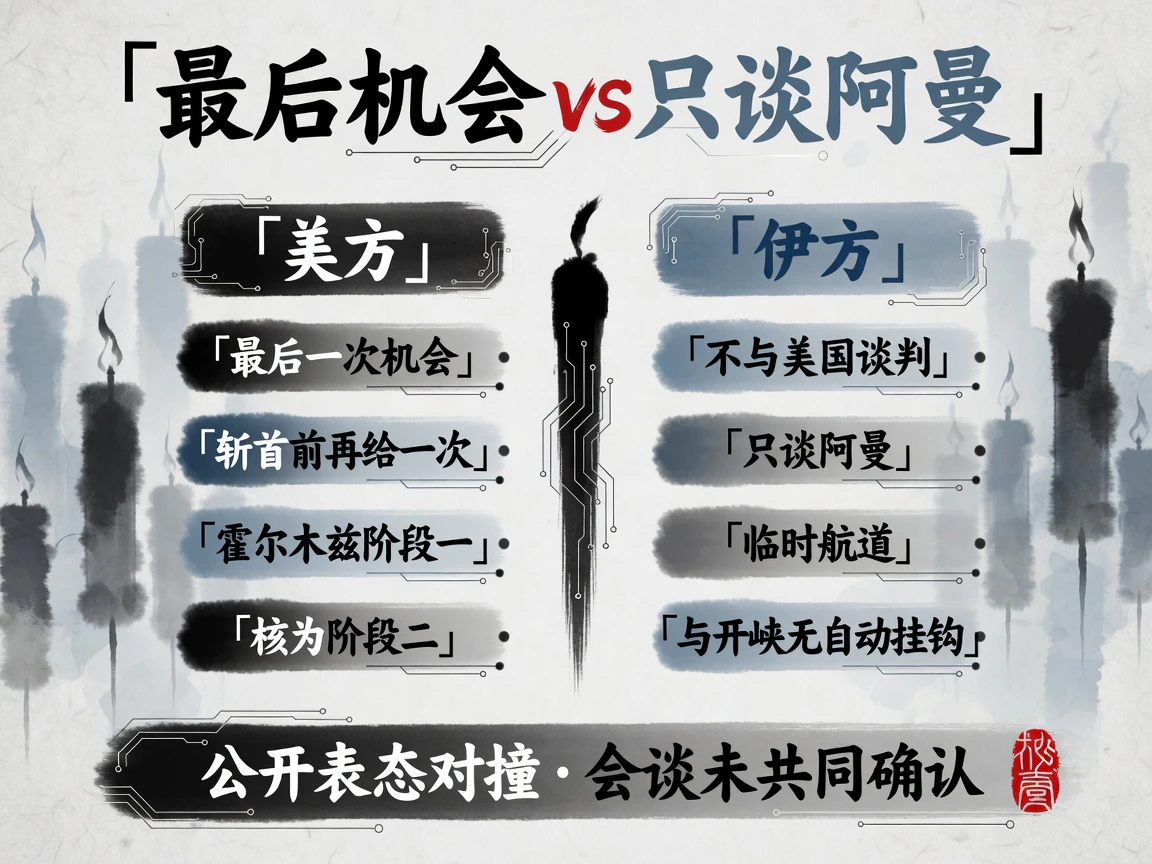
Middle East · August 4, 2026
The past 24 hours center on competing accounts of canceled strikes and Monday talks. Trump offers a last chance and proposes Hormuz first, nuclear issues later. Tehran insists it is talking only to Oman about temporary passage. Oil initially falls on the pause…
Read article ↗
Middle East · August 3, 2026
Over 24 hours the focus shifted from paused strikes to renewed talks. Trump announced Monday afternoon negotiations aboard Air Force One and said Saudi Arabia, the UAE, Qatar and Iran had requested a halt to planned large-scale strikes. Tehran responded with denial and mockery.
Read article ↗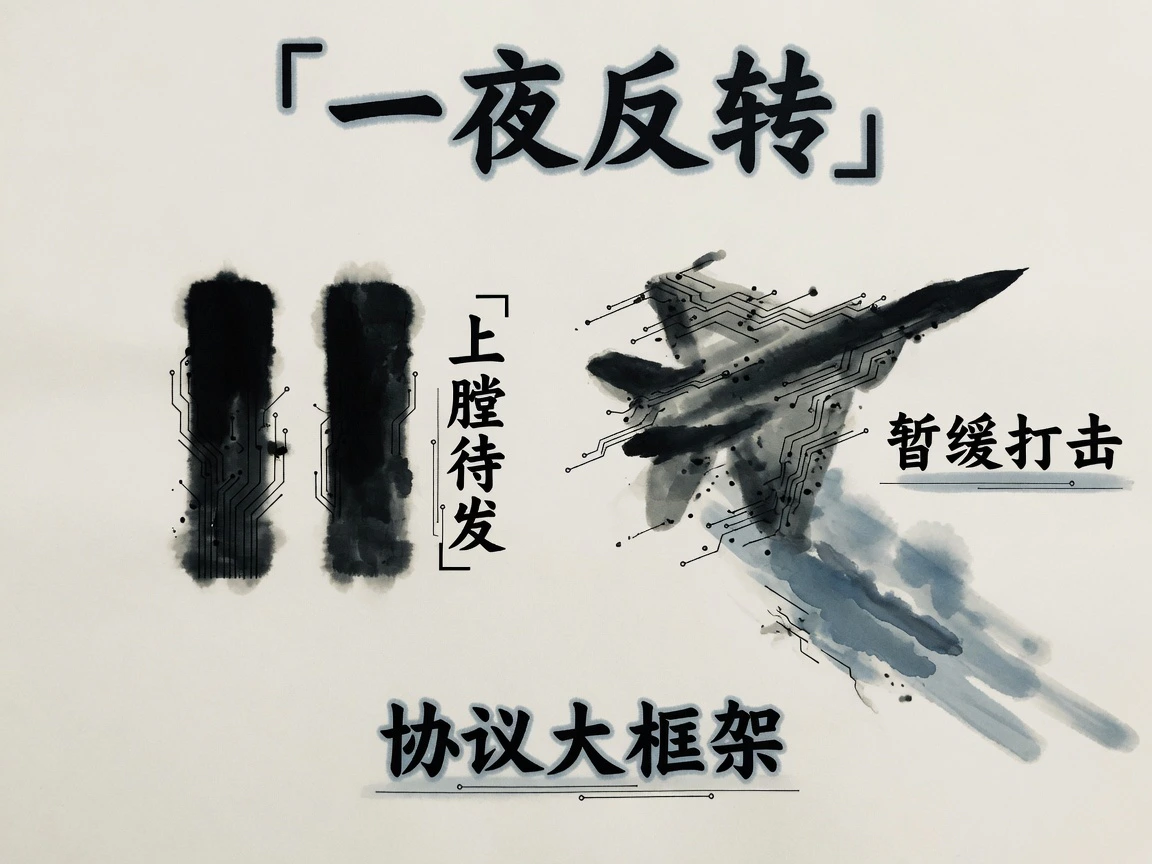
Middle East · August 2, 2026
Middle Eastern tensions reversed suddenly over 24 hours. Saturday night US Eastern time, Sunday morning August 2 in Beijing, Trump canceled planned strikes, saying negotiations advanced and a broad framework was agreed in principle. Though forces were ready, he accepted requests to delay action.
Read article ↗
Middle East · August 1, 2026
The US prepares possible weekend strikes on Iran, including nuclear and energy options, as Trump warns of heavy attacks. Hamas conditionally agrees to disarm after nearly 10 months of negotiations, but Netanyahu remains silent and Israel's right wing objects.
Read article ↗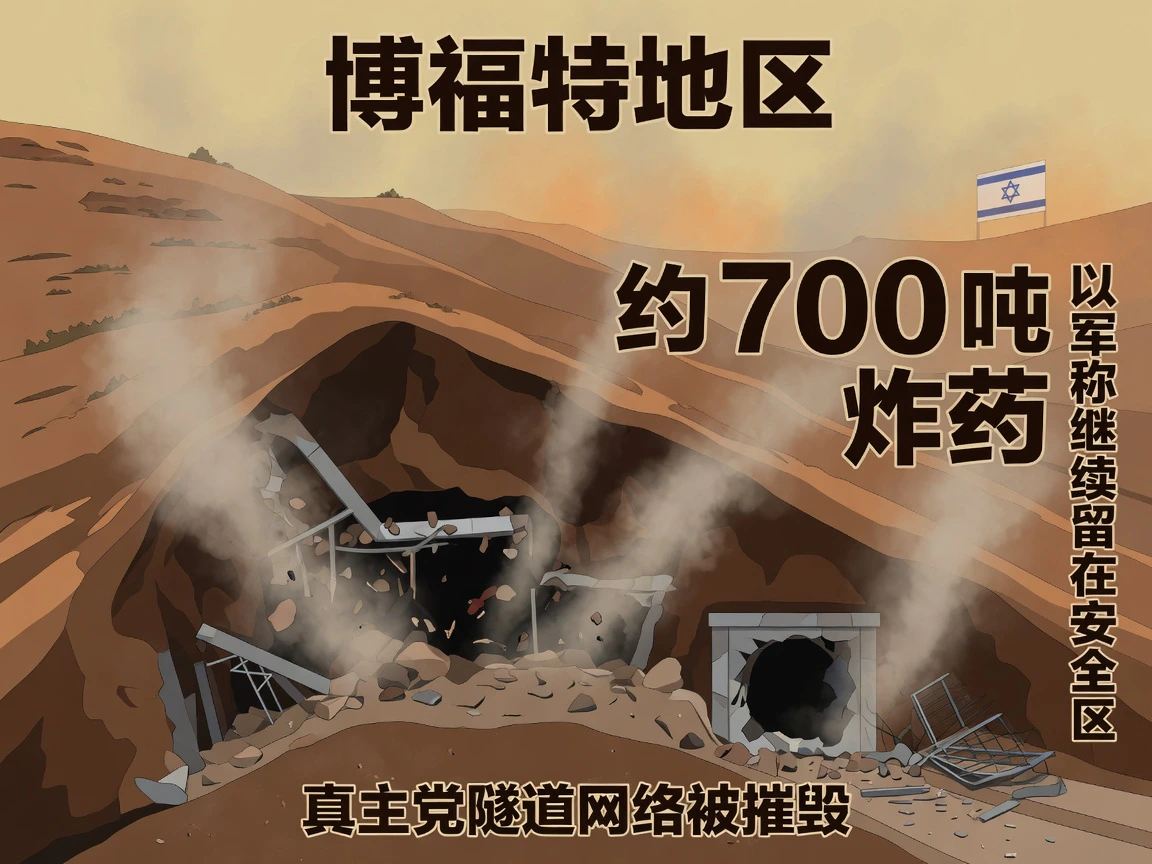
Middle East · July 31, 2026
The U.S.–Iran conflict escalated on three fronts over 24 hours: renewed strikes inside Iran, Saudi participation and a 14-country maritime-defense coalition, and first suspected Iran-linked attacks on an Egyptian Mediterranean port and northern Kuwait.
Read article ↗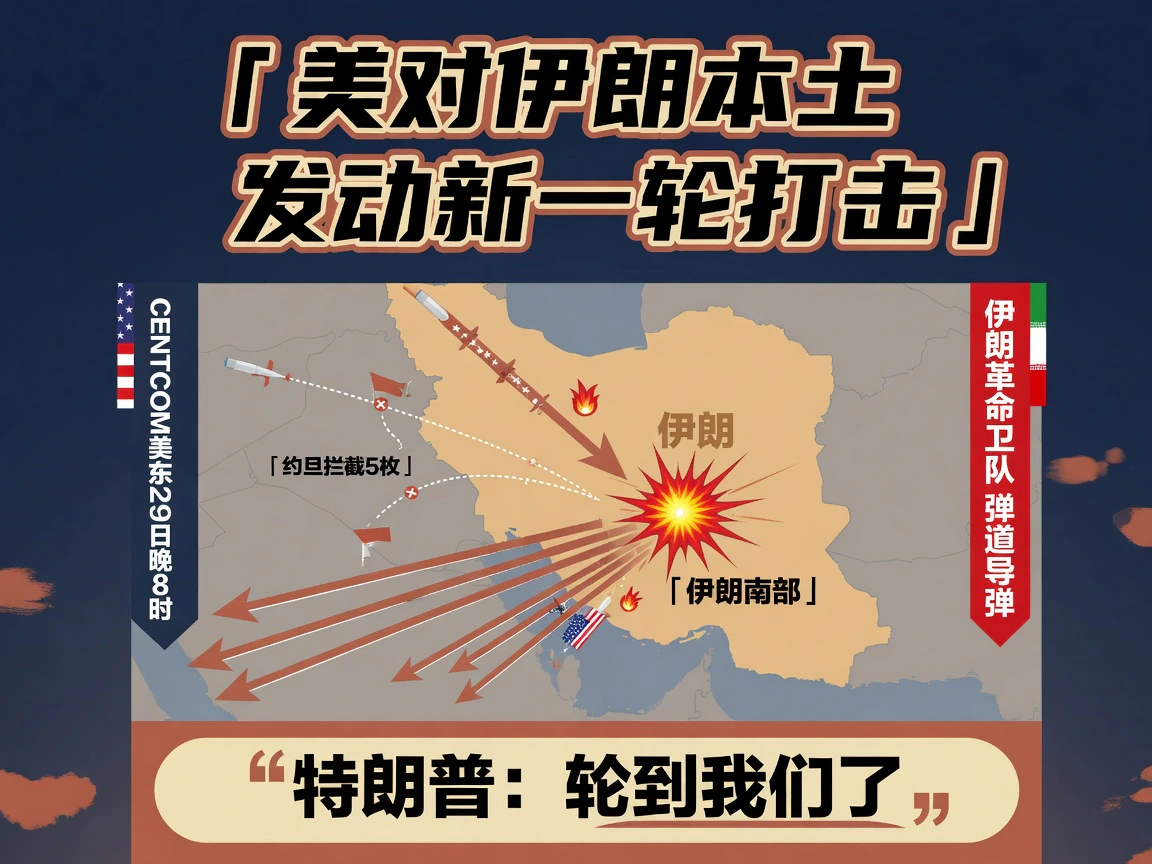
Middle East · July 30, 2026
Iran fires ballistic missiles at US Middle Eastern bases and the US responds with broad strikes on Iran and joint Saudi attacks on Iraqi Iran-linked forces. Hormuz traffic falls near 14 vessels daily, while Bab el-Mandeb declines under Houthi restrictions.
Read article ↗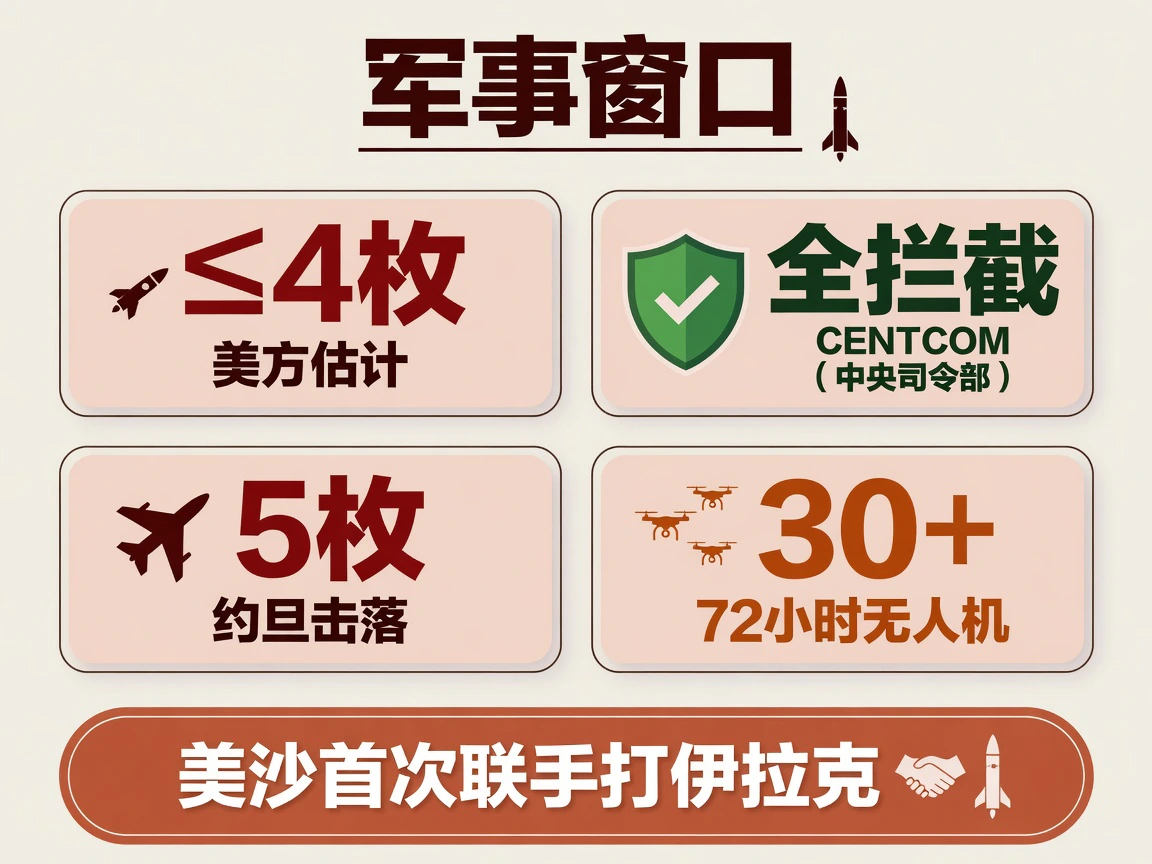
Middle East · July 29, 2026
Over the past 24 hours, successive military actions have overturned the narrative of a pause in escalation, with an immediate effect on oil prices and shipping costs.
Read article ↗
Middle East · July 28, 2026
The US strike pause enters its fourth day. Trump attributes it to an Iranian request for talks for the first time, and Tehran publicly denies it. Fighting spills into Saudi Arabia as Riyadh intercepts drones from Iraq, while oil plunges more than 11% in a day.
Read article ↗