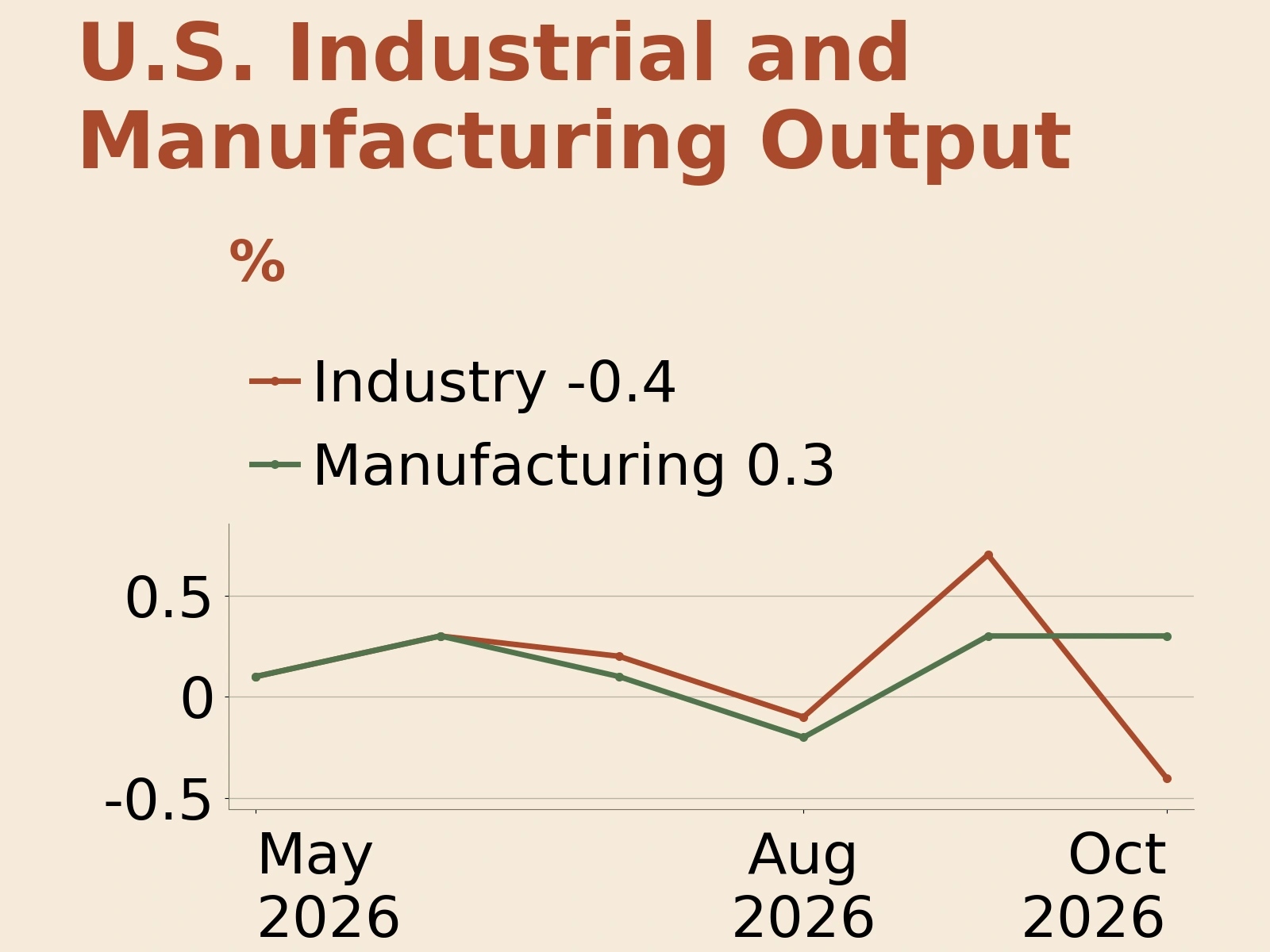
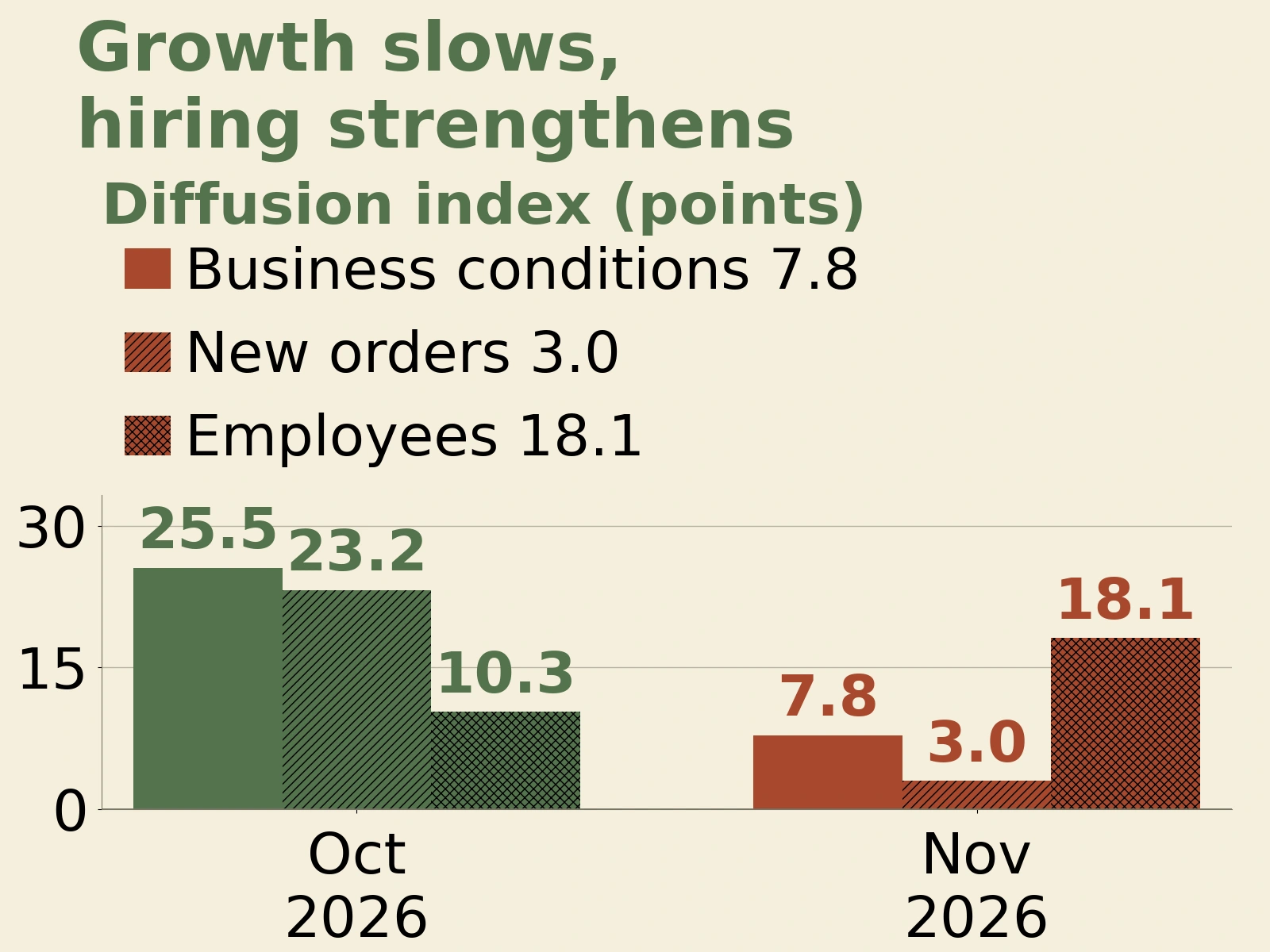
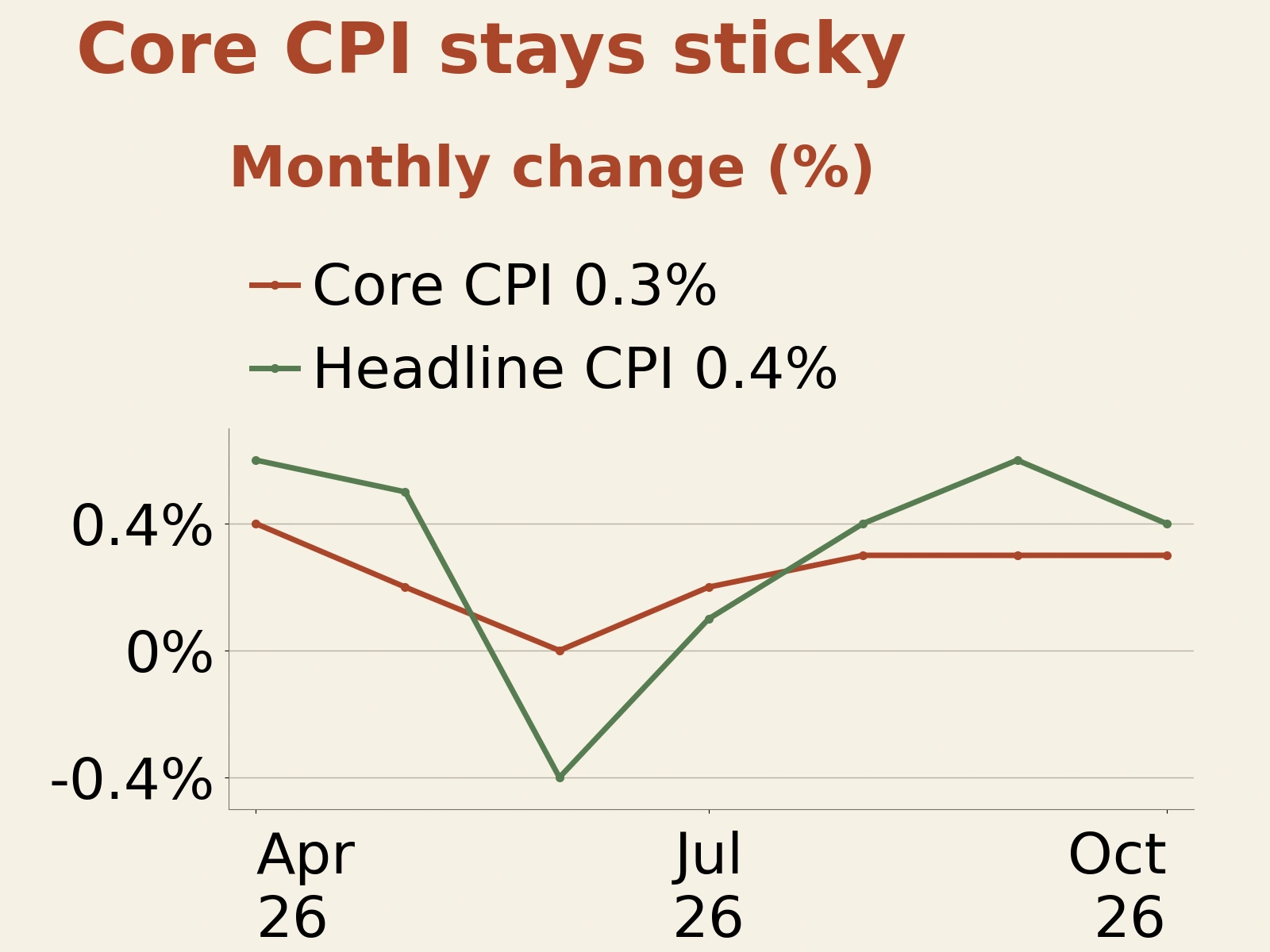
On November 18, 2026, the Federal Reserve released the minutes of its October policy meeting. Almost all participants judged that, if inflation and employment evolved in line with their respective expectations, further rate increases might still be needed to return inflation to the 2% target in a timely manner. However, only two officials explicitly suggested that a single increase of more than 25 basis points could be considered in December if the next inflation readings proved unfavorable. That same day, Fed Governor Christopher Waller framed the trade-off more specifically: whether to raise rates by 50 basis points in December or start with 25 basis points depends on the Fed's willingness to make its intentions for early next year clear.
The Policy Divide Behind October's Decision to Hold Rates Steady
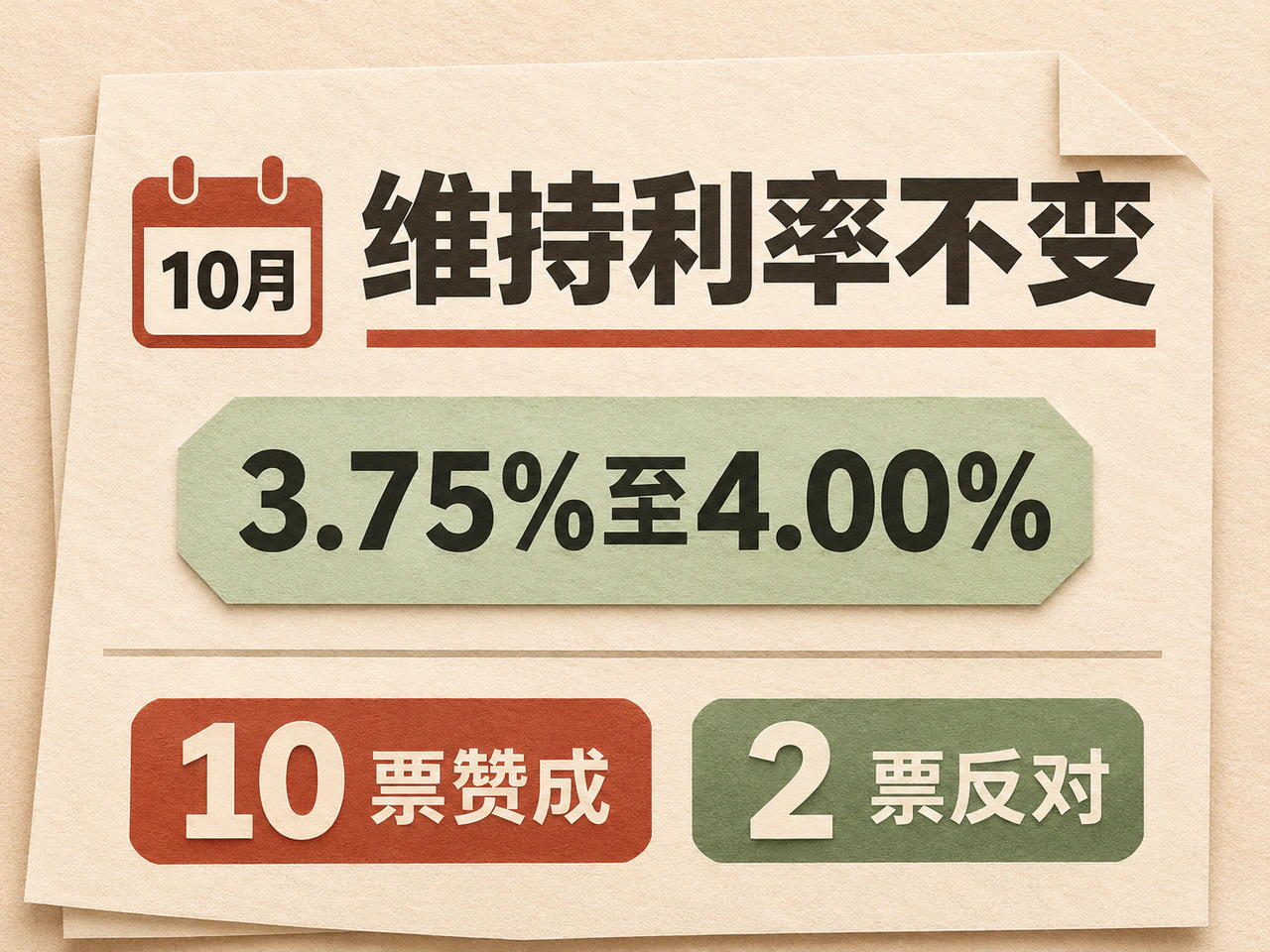
At its October 27–28 meeting, the Fed voted 10–2 to keep the federal funds target range at 3.75%–4.00%. Both dissenters favored an immediate 25 basis point increase that month. The minutes show that even among participants who supported leaving rates unchanged, a few viewed the choice between holding and raising rates as a close call. Some participants who preferred an immediate increase said they could also accept an October pause, provided markets understood that further tightening was likely.
Some participants judged at the time that market expectations for rate increases in December and the following year were broadly consistent with their own preferred rate paths. Several believed those expectations reduced the risk of waiting one meeting: if borrowing costs already reflected higher future rates, financing conditions for businesses would tighten in advance, even with the policy rate unchanged that month. This also helps explain why officials with similar concerns about inflation voted differently at the October meeting.
Waller Warns of Persistent Price-Setting Habits: December's Guidance Matters as Much as the Hike
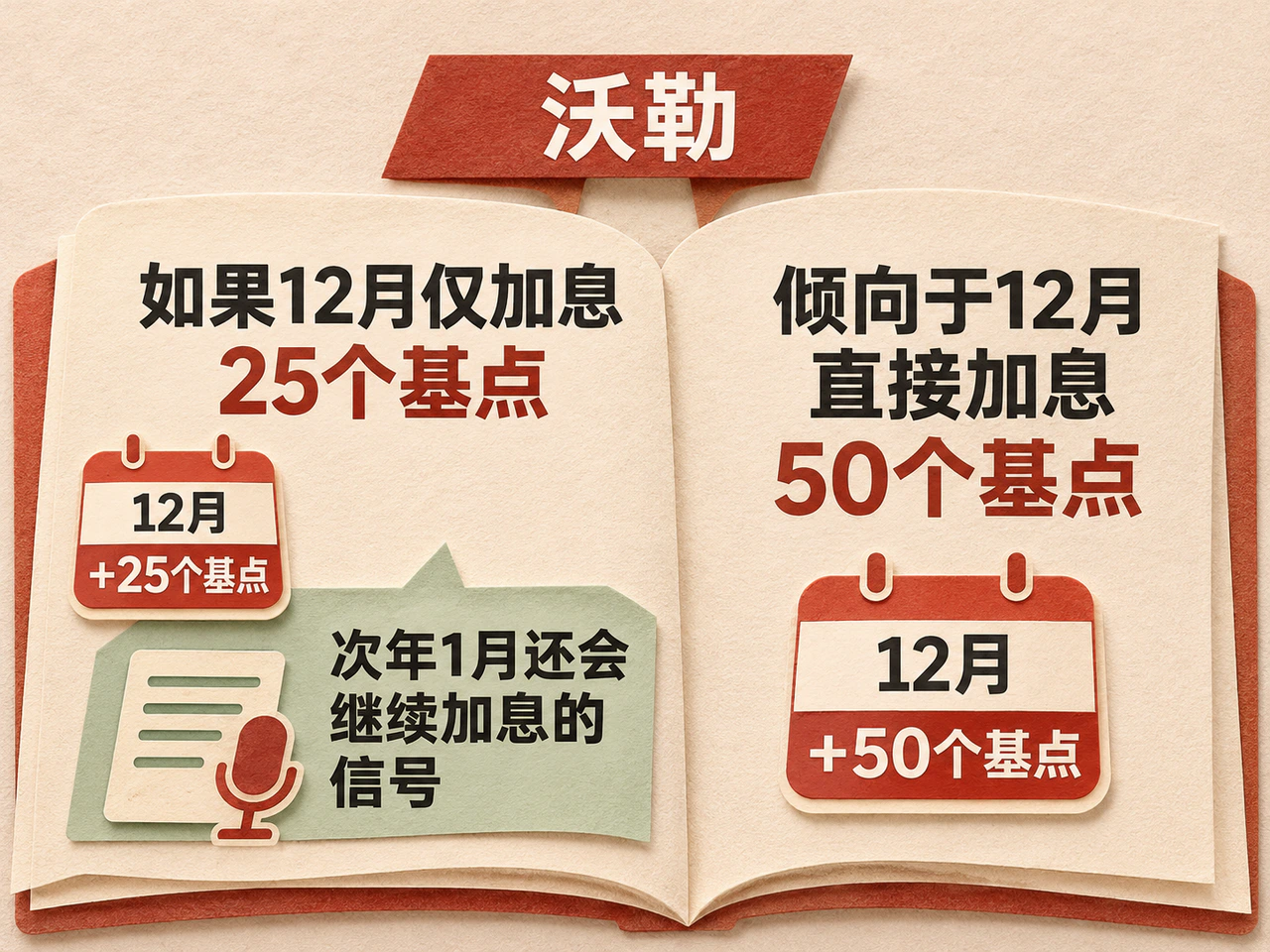
In an interview with CNBC on the morning of November 18, Waller said price increases had spread to some service sectors that were less exposed to oil prices. He was particularly concerned about businesses' pricing mindset: some business owners believed customers would accept price increases of around 3% and set their prices accordingly. If that habit persisted, bringing inflation back to target would become harder for the Fed even after the original cost pressures faded.
On that basis, Waller argued that if the Fed raised rates by only 25 basis points in December, the meeting statement or the Chair's press conference should clearly signal another increase in January. If the Fed was unwilling to provide that explicit guidance, he would favor a 50 basis point increase in December. By contrast, New York Fed President John Williams, speaking at an Axios event on November 17, also described inflation as stubborn but expressed reservations about a large increase. In his view, financial conditions, which had previously been very accommodative, still supported economic growth after their adjustment.
The December 8–9 policy meeting therefore presents two closely linked issues to watch: the size of the increase at that meeting, and how the statement and press conference describe the policy outlook for January. A smaller December increase accompanied by a clear indication of further action could still convey the tightening signal Waller wants through policy communication. Conversely, if most officials prefer to retain the flexibility to decide meeting by meeting, markets will have to rely on the next inflation and employment reports to reassess the future path of interest rates.