On November 18, 2026, DBS Bank and Circle announced that eligible institutional clients could mint USDC directly with US dollars through DBS and redeem USDC for US dollars, with near-instant settlement available around the clock for both minting and redemption. During November 16–22, the World Bank Group also announced a study of stablecoins for project disbursements, while the US Office of the Comptroller of the Currency granted preliminary conditional approval for Payoneer to establish a trust bank that plans to issue a stablecoin. The DBS channel is already available; the other two initiatives remain at the study and bank-formation stages, respectively. All of these developments involve US dollar stablecoins, but what businesses can do with them depends on who handles conversion, who is eligible to hold them, and who ultimately receives the funds.
Institutional Minting and Redemption Connect to Banking; Project Disbursements Still Need Testing
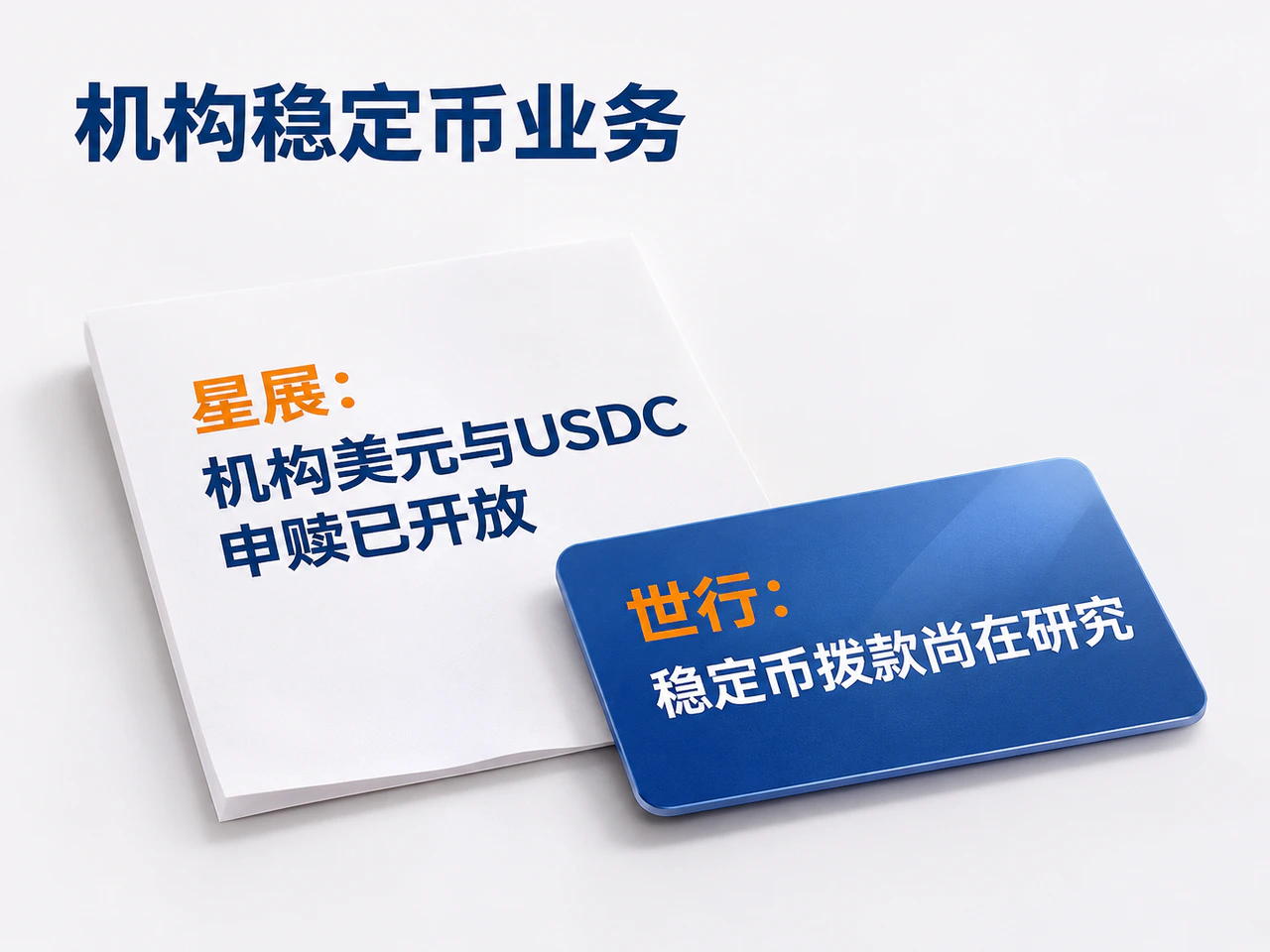
Previously, even with blockchain transfers available around the clock, a business holding only US dollars that wanted to pay a supplier in USDC on a Saturday might still have needed to acquire the tokens in advance or buy them on the secondary market at short notice. The DBS arrangement connects the conversion step to institutional bank accounts. Regulated entities within Circle remain responsible for issuing USDC, while eligible clients gain another channel for minting and redeeming it directly through a bank. If the supplier needs local currency, foreign exchange conversion and transfer into a local account remain separate transactions after the USDC arrives.
On November 17, the World Bank Group announced that it would work with Citi and Circle to study how US dollar stablecoins could complement its existing correspondent banking system for disbursements. Citi provides connectivity to established banking networks, while Circle provides USDC issuance and settlement infrastructure. The World Bank already has FundsChain, a blockchain platform for tracking the use of project funds; this study focuses on how the money actually reaches recipients.
For a project that needs to purchase supplies in local currency, comparing payment channels requires examining both when the disbursing institution pays out US dollars and when the local contractor receives usable local currency. The World Bank has announced a study arrangement. How much time and cost it can actually save still needs to be tested through specific disbursements.
Trust Bank Still Awaits Opening; Hong Kong Proposes Broader Regulation of Services
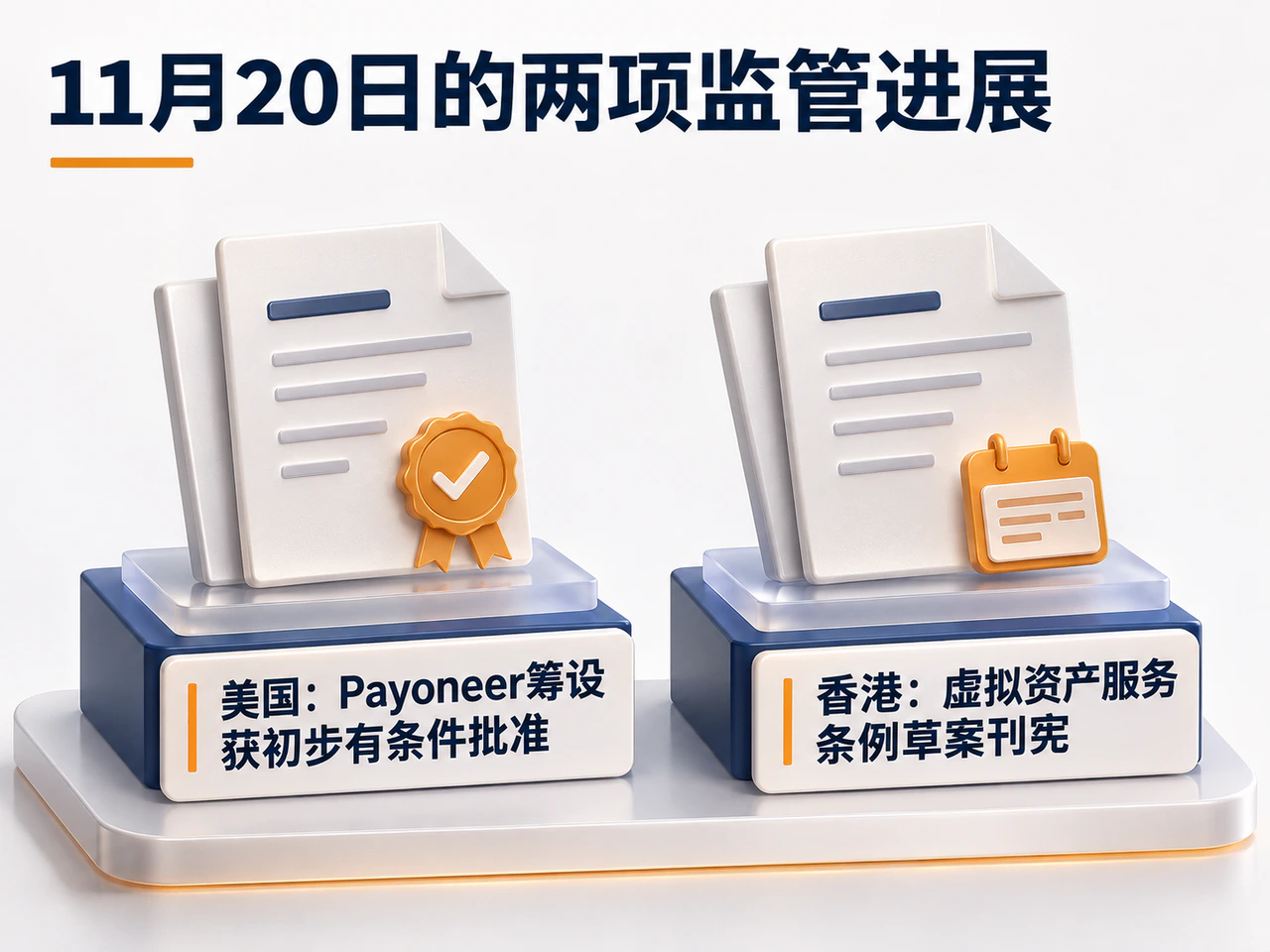
On November 20, the US Office of the Comptroller of the Currency granted preliminary conditional approval for Payoneer to establish a national trust bank in New York. Under the application, its own stablecoin, PAYO-USD, would be used for transfers between clients within the platform and could not be transferred directly to external wallets. A separate conversion service would allow clients to exchange fiat currency, PAYO-USD and third-party stablecoins. Two merchants using the same platform could, in future, settle invoices with internal balances. Where the recipient is outside the platform, the service's usefulness would depend on the currencies available for conversion and the channels for transferring funds out. The bank must satisfy pre-opening requirements and receive final approval before it can begin operations.
Hong Kong's Virtual Asset Services Legislation (Amendment) Bill 2026, gazetted on the same day, extends the regulatory question from who may operate an institution to who provides particular services. The bill proposes to bring virtual asset dealing, advisory, management and custody services within licensing or registration regimes. Banks and stored value facility licensees supervised by the Hong Kong Monetary Authority that conduct the relevant business in Hong Kong would also be required under the bill to register with the Securities and Futures Commission. The government has scheduled the bill's first reading in the Legislative Council for December 2. The subsequent legislative process will determine when the new obligations take effect.
For a business preparing to use digital assets, assessing whether these developments apply to a particular payment can begin with the instruction it is able to give. Eligible clients can now instruct DBS to mint or redeem USDC. Merchants planning to use PAYO-USD must still wait for regulators to allow the bank to open. Recipients involved in World Bank projects must wait for the study to become a specific disbursement arrangement. Whether benefits such as weekend receipt of funds or lower costs already apply to the payment at hand still depends on which institution the business can instruct and what instruction it can give.
Click “Read the original” for full details.