On November 24, BlackRock disclosed that its Hong Kong dollar digital liquidity fund had begun operating in Hong Kong. According to the South China Morning Post, professional investors can subscribe and redeem using HKDAP, a Hong Kong dollar stablecoin, while retail investors transact in conventional Hong Kong dollars. Both groups can hold tokenized fund units, but the assets used for subscriptions and redemptions differ. How ownership is recorded and checked also depends on how the units are held.
Stablecoins make the payment; fund units carry the returns and risks
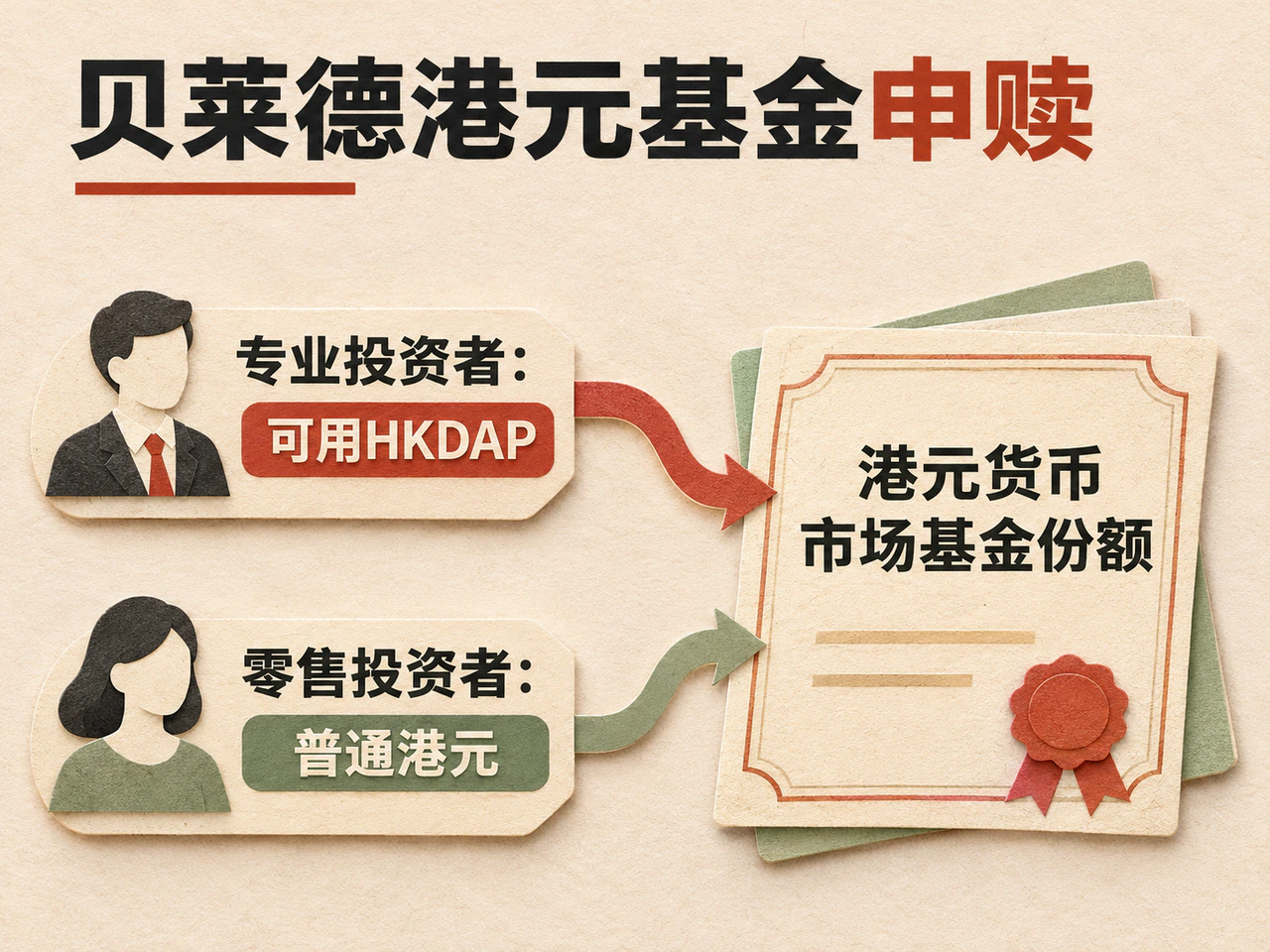
An institution holding HKDAP that wants to earn a return on temporarily idle cash can subscribe with the stablecoin in exchange for units in a Hong Kong dollar-denominated money market fund. The fund invests in short-term, high-quality money market instruments, including government bills and bank deposits. HKDAP serves as the means of payment at subscription. Once the subscription is complete, the fund units represent the investment interest. Returns during the holding period depend on portfolio income and fees, and investors also bear the risks of the fund investments.
A company preparing to pay a Hong Kong dollar bill needs to compare keeping a payment balance with investing in the fund. The latter requires an additional redemption step, with the time taken to receive the proceeds also affected by fund dealing days, application cut-off times and distributor processing times. BlackRock positions the product as a Hong Kong dollar cash management tool that seeks liquidity, stability and yield. The fund aims to maintain a stable net asset value. Under market stress or in the event of large redemptions, even distributing units may deviate from that objective, and the invested principal is not covered by deposit protection.
Alongside the on-chain register, distributors keep off-chain records
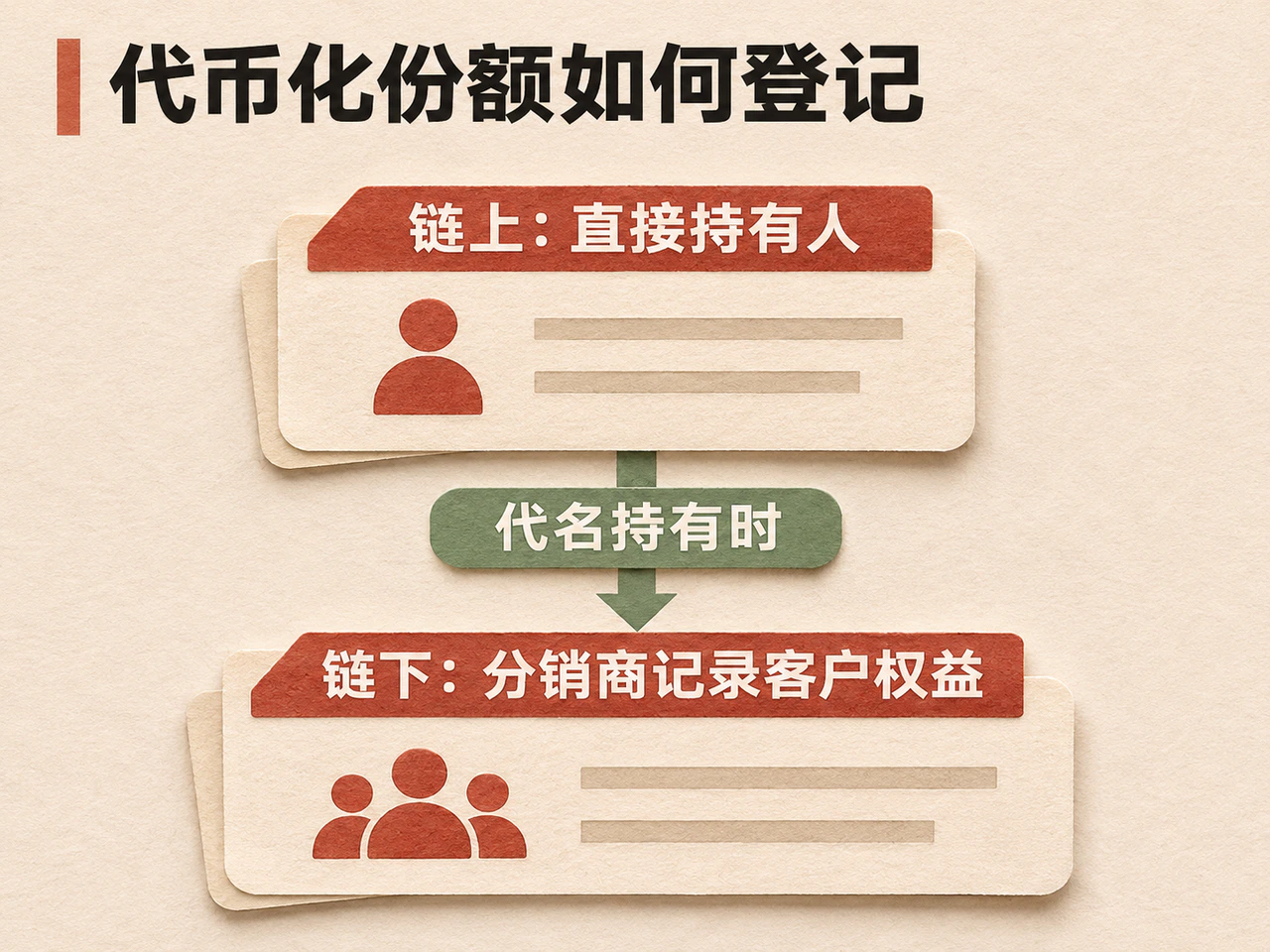
The product offers both tokenized and non-tokenized units. According to the November 16 prospectus, the official register of holders of tokenized units is maintained on a blockchain by the fund administrator. An eligible distributor may be the directly registered holder. When a distributor holds units as a nominee, it still records each retail client’s holdings off-chain. Retail clients choosing tokenized units can therefore transact in Hong Kong dollars through an eligible distributor and check their ownership through their own investment accounts.
Standard Chartered Bank (Hong Kong) performs roles including custody, fund administration, trustee services and tokenization. HKDAP is issued by Anchorpoint Financial, which is led by Standard Chartered. The prospectus stipulates that only pre-registered wallets may participate in the relevant on-chain transactions. In exceptional circumstances, the manager and trustee may agree to use backup records. The units are currently unavailable for peer-to-peer transfers or secondary-market trading. These arrangements establish whom to contact if accounting records diverge, and which record can confirm ownership.
For companies preparing to access the fund, the launch announcement has clarified which form of digital cash can be used for subscriptions and redemptions. How much transfer time this channel can save still depends on the actual time taken to receive redemption proceeds, distributor fees and whether the return earned while cash is idle can cover the operating costs.
Click through to the original article for more details.