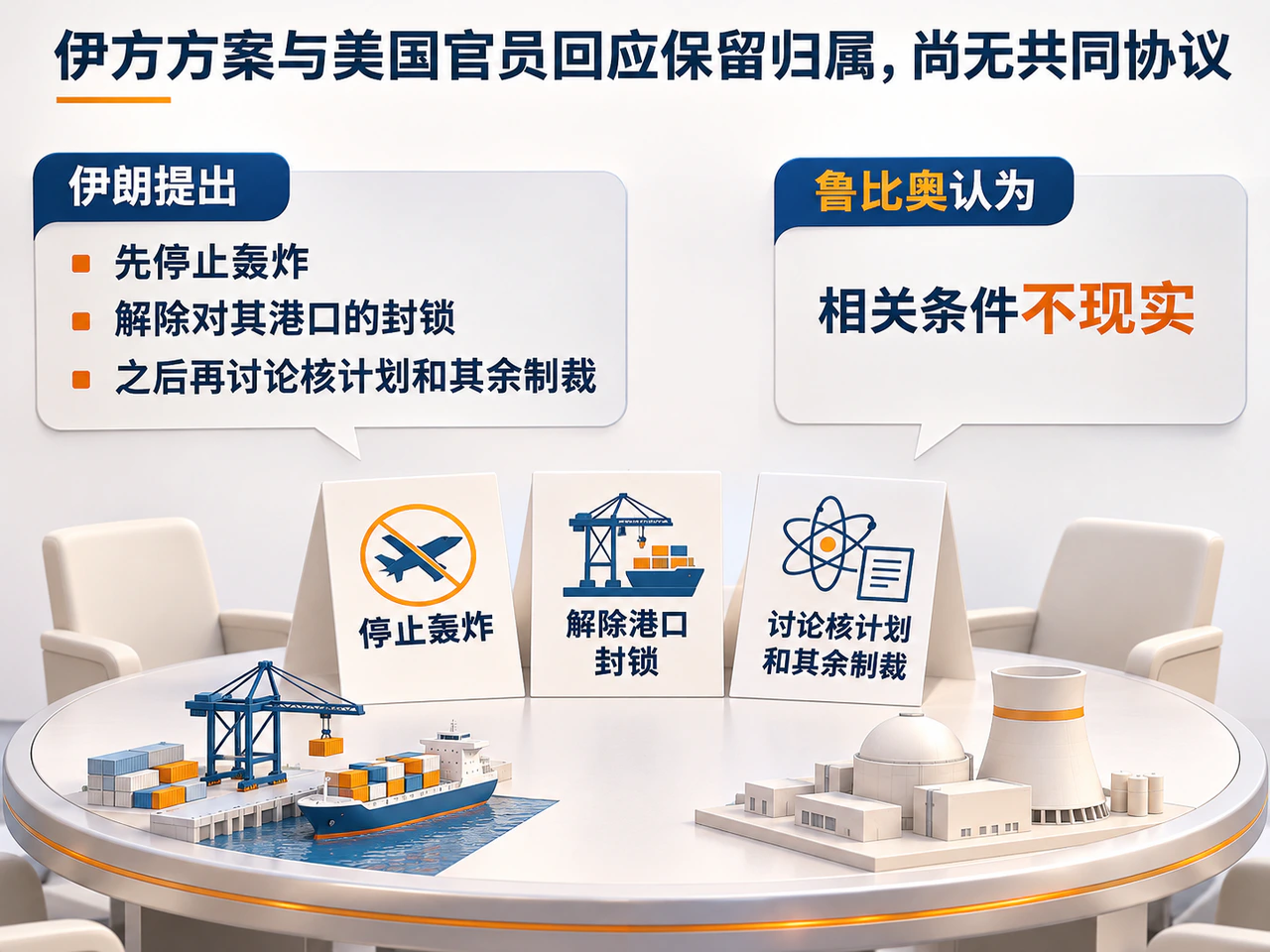
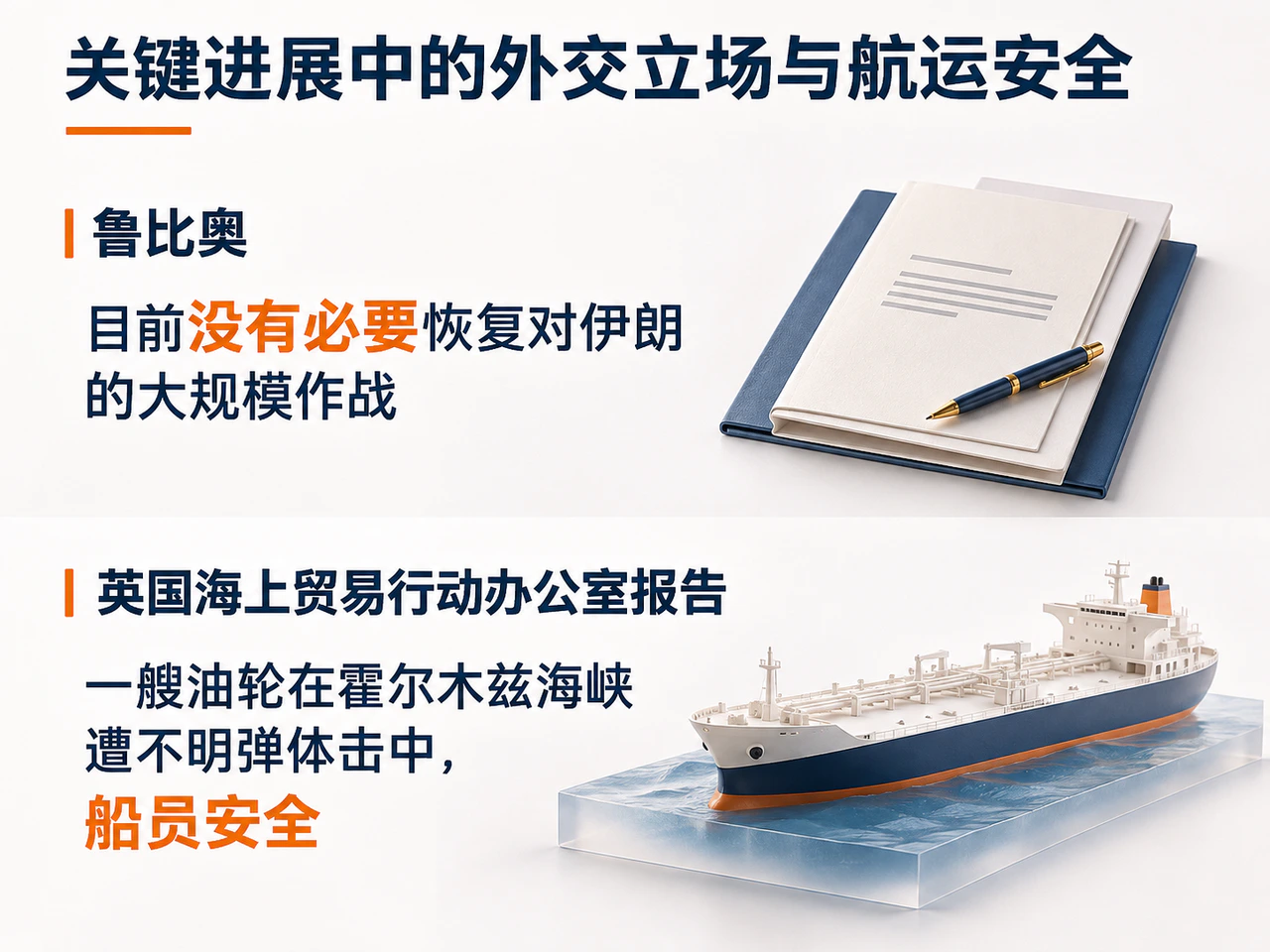
On November 10, 2026, US Secretary of State Marco Rubio said after the G7 foreign ministers' meeting in Paris that economic sanctions and other restrictions were working, and that there was currently no need to resume large-scale combat operations against Iran. The same day, Iranian Foreign Minister Abbas Araghchi reiterated that Iran's offer to open the Strait of Hormuz within two days remained valid, provided the United States met Iran's conditions. Both sides left room for diplomacy, while their differences centered on which restrictions should be lifted first and who should make concessions.
The situation at sea was more immediate. United Kingdom Maritime Trade Operations (UKMTO) reported that a tanker had been struck by an unidentified projectile in the Strait of Hormuz and that its crew were safe. For vessels, a pause in the expansion of air strikes does not mean safe passage has been secured.
US says economic pressure is working; Iran's offer to open the strait within two days remains conditional

Rubio also said that US forces remained prepared to act if Iran crossed a red line. This continued the signal in favor of maintaining the status quo that Trump had sent after meeting Qatar's prime minister: Washington was willing to let mediation continue while retaining military deterrence.
Iran's proposed terms for an exchange include ending the war on all fronts, unfreezing Iranian assets, lifting oil sanctions, and ending the US counter-blockade of Iranian ports. Araghchi stressed that military action and additional sanctions could not resolve the conflict, and that Iran's demands should be addressed through diplomacy. The proposed opening within “two days” is conditional on the United States meeting those terms; it has yet to become an implementation timetable confirmed by both sides.
Washington wants the blockade to keep exerting pressure, while Tehran views the lifting of the blockade and sanctions as important compensation for concessions. Even if neither side wants a full-scale escalation, intense pressure at sea and in trade may persist.
The US defense secretary also asserted that day that the United States could monitor Iran's nuclear facilities, and said it would act if it detected activity requiring a response. This represents Washington's position on military surveillance; it has not yet produced a new international verification arrangement.
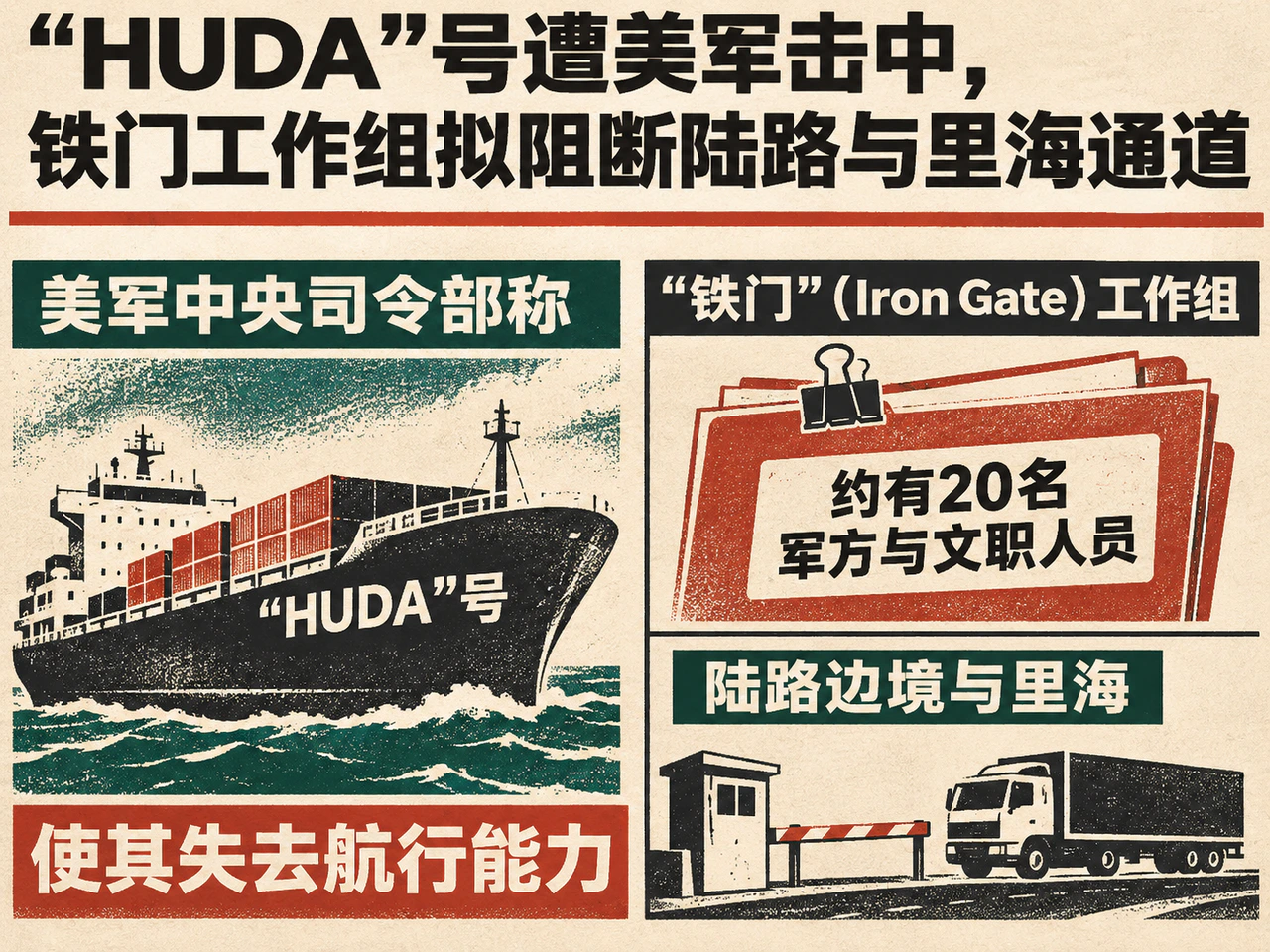
On November 10, Iranian Deputy Foreign Minister Kazem Gharibabadi said Iran had discussed Caspian Sea affairs and responses to the US “Iron Gate” plan with Russia. Washington had previously announced that the plan targeted overland trade supporting Iran, as well as related flows of funds and military technology. The discussions between the two countries show that the contest between blockade and countermeasures is extending beyond the Persian Gulf.
Tanker struck by unidentified projectile; Iran separately claims two tankers caught fire and one hit a mine

The tanker incident took place along a shipping route near the Omani side of the strait. Washington has emphasized that the southern channel is usable, while Tehran requires vessels to follow routes it approves. For shipowners, route decisions ultimately depend on actual navigational safety, vessel damage and insurance arrangements. Political statements alone can do little to offset the resulting operating costs.
Iran's Revolutionary Guards separately claimed that day that two tankers had suffered explosions in the strait, stopped sailing and caught fire, with one striking a mine. The US defense secretary asserted the same day that the United States controlled the Strait of Hormuz and had achieved a military victory; Iran continued to challenge that assertion through statements about attacks on vessels. The British report and the statements from Washington and Tehran together indicate that the contest for control of the strait's shipping channels is continuing.
Houthis acknowledge attack on Saudi East-West Pipeline; accounts differ on the location
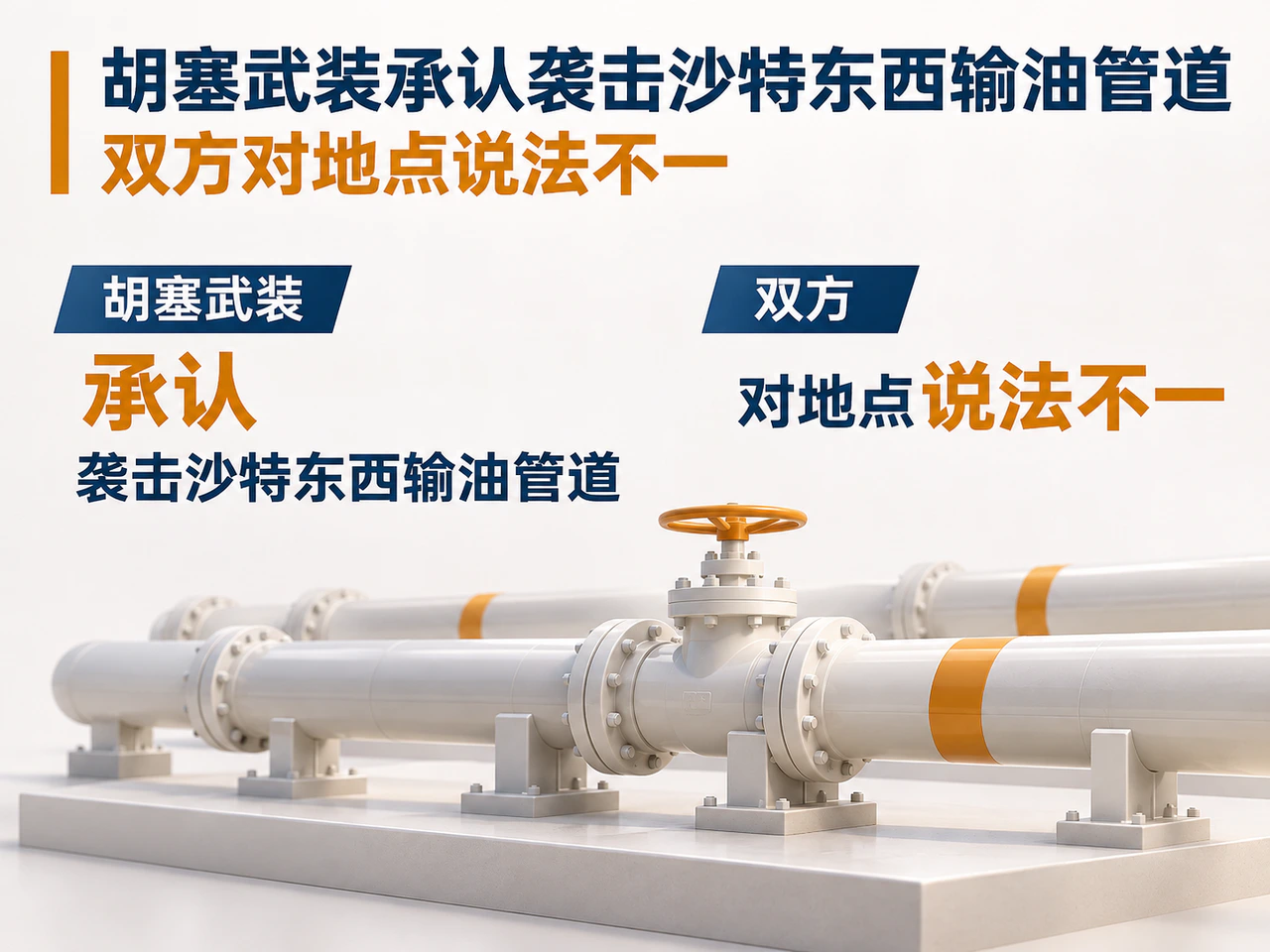
The Houthis acknowledged launching an attack on Saudi Arabia's East-West Pipeline, but said the target was near Riyadh and denied attacking the Medina section. Saudi energy authorities had previously reported a limited fire and said there were no casualties. The pipeline carries crude toward the Red Sea, providing a route around the strait, so its security directly affects the reliability of alternative transport channels.
The Saudi-led coalition also said it had intercepted Houthi ballistic missiles fired toward Riyadh. AFP journalists heard explosions, and local residents received air-defense alerts. Italy's defense minister, meanwhile, said he had yet to see concrete commitments from other EU members to strengthen naval escort operations in the Red Sea. Security is needed at both the strait and the Red Sea ends of the route; easing tensions along a single waterway is unlikely, on its own, to restore the entire transport chain.
Iran denies French cyberattack allegation; EU prepares a swift, united response

On November 10, Iran's foreign ministry denied France's allegation of a cyberattack on supermarket refrigeration systems. The EU said it would discuss the matter with member states and was preparing a swift, united response. France's attribution and Iran's denial stand in opposition, and the dispute could increase pressure for sanctions in Europe's relations with Iran.
Tanker and pipeline security will determine whether diplomatic easing reaches transport
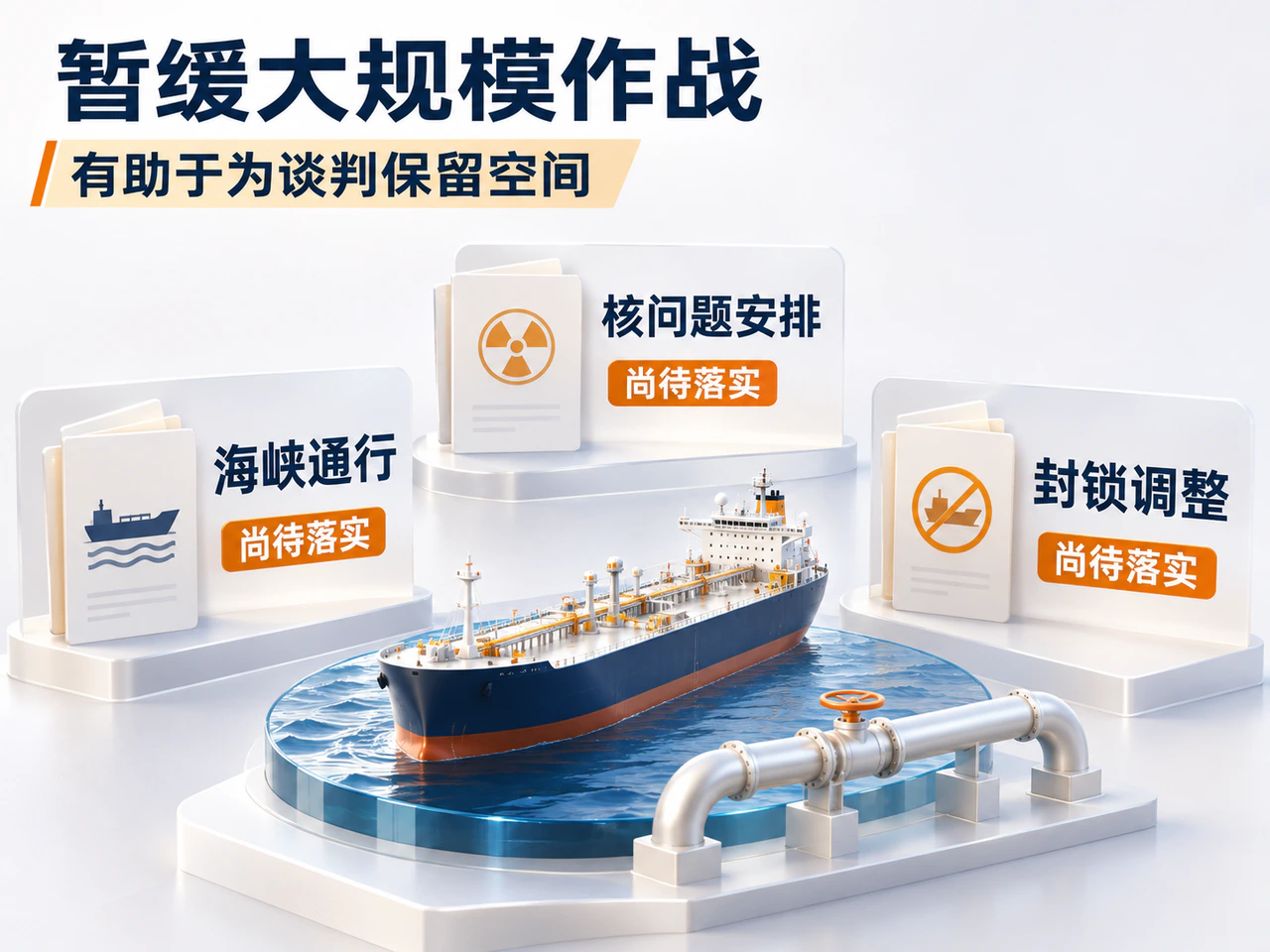
Holding off on large-scale combat operations helps preserve room for negotiations. The immediate question is whether diplomatic statements can translate into passage through the strait, adjustments to the blockade and arrangements on the nuclear issue. Attacks on tankers, the security of nearby pipelines and the contest over sanctions will determine whether this easing of tensions actually reaches trade and transport.
Key developments
All times below are Beijing time and refer to the publication times of the reports.
| Key developments |
|---|
| 11-11 02:18Iranian Deputy Foreign Minister Kazem Gharibabadi said Iran had discussed Caspian Sea affairs and responses to the US “Iron Gate” plan with Russia. |
| 11-11 01:48UKMTO reported that a tanker had been struck by an unidentified projectile in the Strait of Hormuz and that its crew were safe. |
| 11-11 01:01Italy's defense minister said he had yet to see concrete commitments from other EU members to strengthen naval escort operations in the Red Sea. |
| 11-10 23:58After the G7 foreign ministers' meeting in Paris, Rubio said economic pressure was working and there was currently no need to resume large-scale combat operations against Iran; US forces remained prepared to act if Iran crossed a red line. |
| 11-10 23:29The Houthis acknowledged attacking Saudi Arabia's East-West Pipeline, saying the target was near Riyadh and denying an attack on the Medina section, in disagreement with the location reported by Saudi Arabia. |
| 11-10 22:28The US defense secretary said the United States controlled the Strait of Hormuz and had achieved a military victory; Iran continued to challenge that assertion through statements about attacks on vessels. |
| 11-10 20:27The EU said it would discuss the matter with member states and was preparing a swift, united response to the cyberattack alleged by France. |
| 11-10 19:56The Saudi-led coalition said it had intercepted Houthi ballistic missiles fired toward Riyadh; AFP journalists heard explosions, and local residents received air-defense alerts. |
| 11-10 19:29Iranian Foreign Minister Araghchi reiterated that the offer to open the strait within two days remained valid, provided the United States met conditions including lifting the blockade, unfreezing assets, easing oil sanctions and ending the war on all fronts. |
| 11-10 19:24Iran's Revolutionary Guards claimed that two tankers had suffered explosions in the strait, stopped sailing and caught fire, with one striking a mine. |