On November 11, 2026, Iranian parliament speaker and chief negotiator Ghalibaf said Tehran had conveyed its latest conditions to the United States through Qatari intermediaries and was awaiting a formal response from Washington. The same day, Iranian security affairs chief Rezaei reiterated that enriched nuclear material would not be allowed to leave the country. Diplomatic channels remain active, but disagreements over the starting point for negotiations, the handling of nuclear material and passage through the strait continue to constrain efforts to end the fighting.
Iran demands implementation of conditions, including lifting the naval blockade, before talks with the United States

In an interview with Al Jazeera, Ghalibaf listed conditions including lifting the US naval blockade and sanctions, releasing frozen Iranian funds, halting fighting on all fronts and explicitly declaring the war over. He said these provisions were part of the Islamabad understandings reached in June and must be implemented before negotiations with the United States could begin.
This sequence turns matters that might otherwise emerge as negotiated outcomes into prerequisites for talks. Contacts continue, but according to Iran, negotiations will not begin until these conditions are implemented. For now, Tehran is awaiting a formal US response.
Iran says the strait will not return to its prewar status; G7 opposes tolls and navigation restrictions

Ghalibaf also said Iran and Oman had reached an understanding on overseeing the Strait of Hormuz and that the strait would not return to its prewar status. A joint statement by G7 foreign ministers released on November 11, meanwhile, emphasized safe and free passage through the Strait of Hormuz, opposed tolls, discrimination and other restrictions on navigation, and called on Iran to resume full cooperation with the International Atomic Energy Agency. The governance of the strait has itself become part of the diplomatic dispute.
Tanker mine-strike claim, attacks toward Saudi Arabia and Israeli preparations emerge together

The Iranian military said on November 11 that a tanker had struck a mine and caught fire in a restricted area in the eastern Strait of Hormuz. For shipping, the conditions for recovery still include mine clearance, assurances of vessel safety and whether shipowners can accept the actual sailing conditions. Diplomatic statements need to translate into these concrete changes.
The Saudi-led coalition said that day that it had intercepted 3 cruise missiles heading toward the Riyadh region and 2 drones heading toward Mecca and southern areas. It subsequently said it had destroyed another drone in the Eastern Province. The Houthis, meanwhile, claimed to have used ballistic missiles to attack a Saudi command facility in the Buraiqa district of Aden, Yemen. The Yemeni government condemned the attack on the area.
Israeli media reported that the security cabinet had instructed the military to intensify preparations for possible operations against Iran. The report relayed by Anadolu Agency also noted that the security cabinet’s most recent meeting had been on October 5. Rezaei warned that if the United States launched another war, military bases from West Asia to Europe that participated in attacks would become targets for retaliation. Reports of military preparations and conditional threats are adding military pressure to contacts aimed at ending the fighting.
Gulf physical damage exceeds $200 billion as energy and food risks accumulate

According to media accounts, the Iranian government warned that war damage to natural-gas processing facilities could cause supply interruptions in Tehran and other areas during periods of high demand this winter. Restoring supplies also depends on facility repairs and changes in demand; progress in negotiations alone would struggle to remove energy constraints quickly.
In an assessment released on November 11, Allianz Trade estimated physical damage in the Gulf region at more than $200 billion and forecast a cumulative output shortfall of $790 billion over 2026–2030 relative to the prewar growth trajectory. The former is an estimate of physical damage; the latter is a forecast of output over several years.
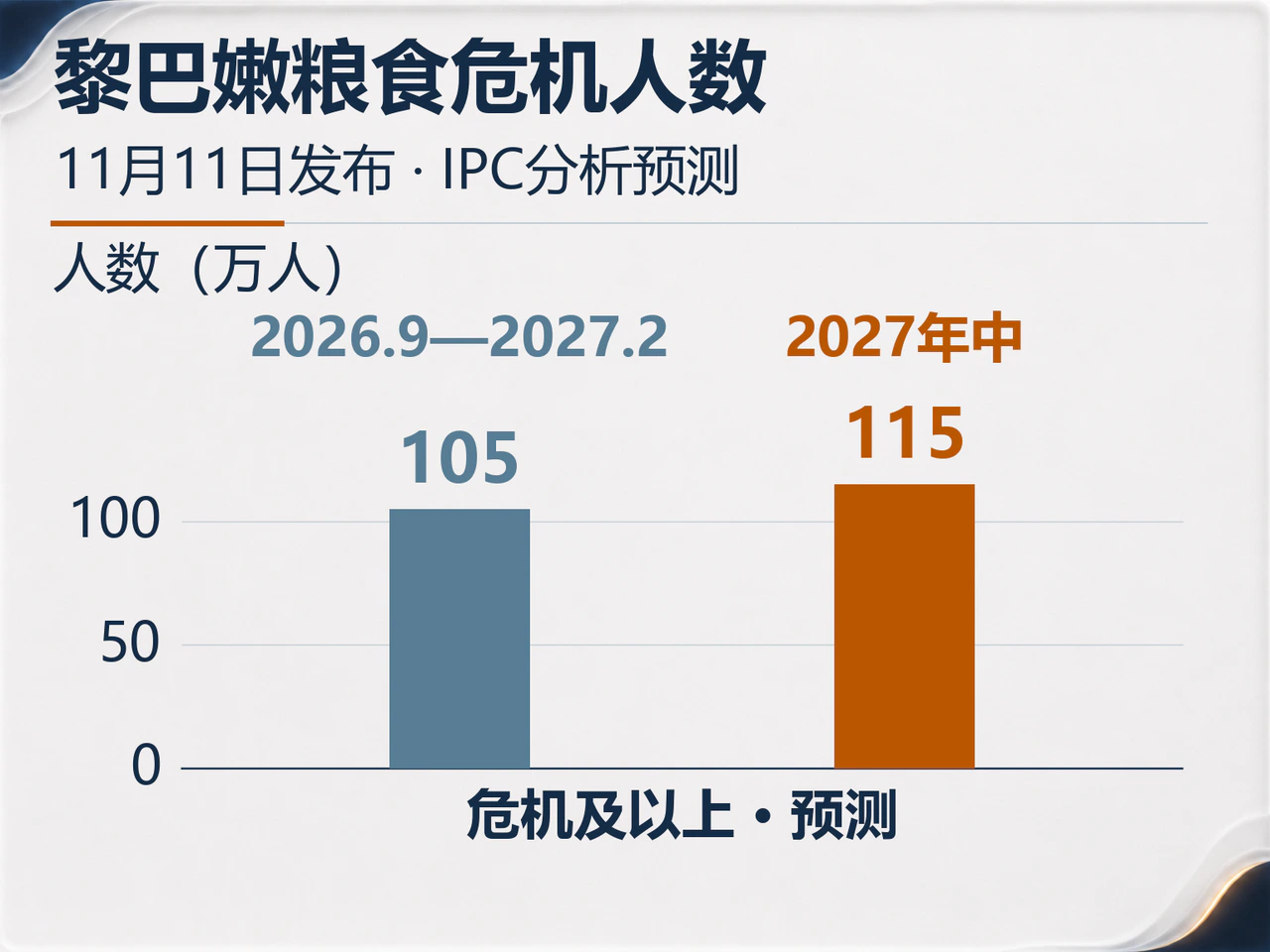
An analysis released by the World Food Programme that day projected that about 1.05 million people in Lebanon would face crisis-level or worse acute food insecurity during September 2026–February 2027, potentially rising to 1.15 million by mid-2027. Damage to farmland, higher production costs and declining household purchasing power are prolonging the war’s social effects.
Progress in negotiations depends on whether implementation of the conditions can begin

The substantive development so far is that Iran has publicly set out the conditions on which it is awaiting a US response. There is still no agreed solution on passage through the strait, nuclear arrangements or surrounding battlefronts. Whether negotiations can advance depends on whether implementation of these conditions can begin. The pace of repairs to shipping infrastructure and energy facilities will, in turn, influence how quickly an easing of tensions translates into economic recovery.
Key developments

| Key developments |
|---|
| 11-12 07:26A Gaza Civil Defence spokesperson said an Israeli airstrike on the Nasser medical facility in Khan Younis had killed at least 4 people. |
| 11-12 07:22The Saudi-led coalition said it had intercepted and destroyed a drone over Saudi Arabia’s Eastern Province. |
| 11-12 07:00The Yemeni government condemned an attack on the Buraiqa district of Aden; the Houthis said they had attacked a Saudi military command facility there. |
| 11-12 06:45Iranian Foreign Ministry spokesperson Baghaei denied US allegations of a violent plot, calling them a disinformation operation. |
| 11-12 06:15Rezaei warned that if the United States launched another war against Iran, military bases from West Asia to Europe that participated in attacks would become targets for retaliation. |
| 11-12 05:45Israeli media reported that the security cabinet had instructed the military to intensify preparations for possible operations against Iran. |
| 11-12 05:03Ghalibaf said Iran had conveyed its conditions through Qatar and was awaiting a formal US response. He also maintained that the strait would not return to its prewar arrangements. |
| 11-11 20:42A joint statement by G7 foreign ministers emphasized safe and free passage through the Strait of Hormuz, opposed tolls and navigation restrictions, and called on Iran to resume full cooperation with the International Atomic Energy Agency. |
| 11-11 20:00The World Food Programme released an analysis projecting that the number of people in Lebanon facing crisis-level or worse acute food insecurity could rise to 1.15 million by mid-2027. |
| 11-11 19:20According to media accounts, the Iranian government warned that high demand this winter could cause natural-gas supply interruptions in Tehran and other areas. |
| 11-11 18:17Allianz Trade estimated physical damage in the Gulf region at more than $200 billion and forecast a cumulative output shortfall of $790 billion over 2026–2030 relative to the prewar growth trajectory. |
| 11-11Rezaei said Iran would not allow enriched nuclear material to leave the country. |
| 11-11The Iranian military claimed that a tanker had struck a mine and caught fire in the eastern Strait of Hormuz. |
| 11-11The Saudi-led coalition said it had intercepted 3 cruise missiles heading toward the Riyadh region and 2 drones heading toward Mecca and southern areas. |