On November 9, 2026, local Iranian officials said Qeshm Island had again come under a U.S. strike, but said residential and commercial areas and critical infrastructure had not been damaged. The United States did not directly confirm this strike; Rubio had previously described similar operations as defensive. Over the week of November 9–15, the situation shifted from limited strikes alongside mediation to fading prospects for talks and renewed drone attacks on bases in the Gulf. Large-scale airstrikes have yet to resume, but the blockade, control of shipping lanes and the nuclear issue continue to constrain one another, leaving low-intensity exchanges of fire alongside intense economic pressure.
Iran demands an end to the port blockade first; the U.S. wants the nuclear issue in the initial talks

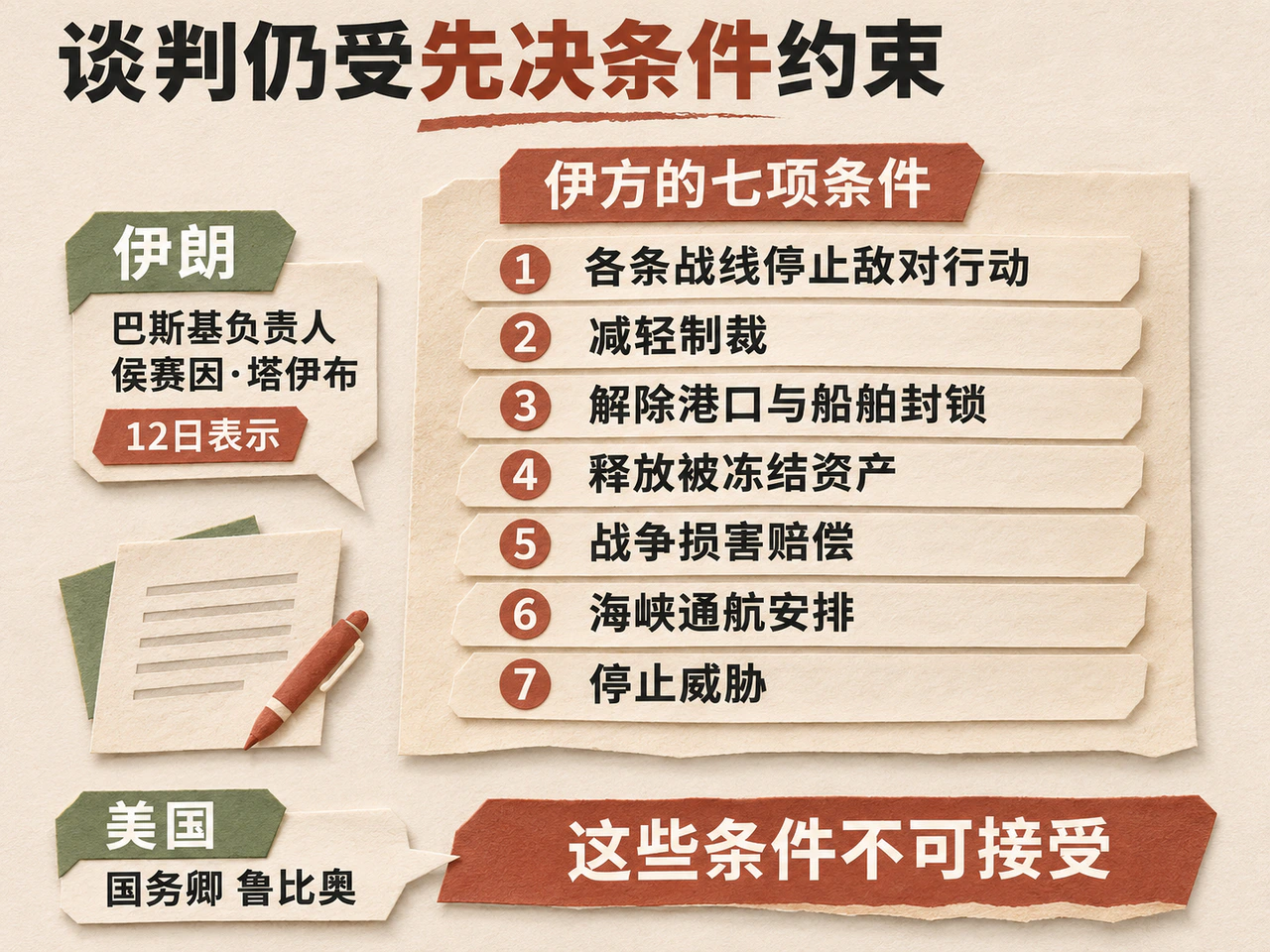
Early in the week, intermediaries including Qatar and Pakistan continued to relay messages. On November 10, senior Iranian security official Rezaei said there were no ongoing negotiations between Iran and the United States, and that Iran was still waiting for a clear U.S. response to its seven conditions. The disagreement centers on the sequence of implementation: Iran wants the port blockade lifted, sanctions eased and frozen funds released before subsequent negotiations proceed; the United States wants the nuclear issue included in the initial talks.
In an interview released on November 11, Iranian parliament speaker and negotiator Qalibaf said the Strait of Hormuz would not return to its prewar status, and claimed that Iran and Oman had reached an understanding on oversight of the strait. G7 foreign ministers subsequently issued a statement calling on Iran to stop interfering with civilian shipping, opposing navigation restrictions and transit charges, and supporting mine clearance and escorts for merchant vessels. The dispute has expanded from a ceasefire timetable to postwar shipping rules; simply shortening implementation deadlines is unlikely to resolve the differences.
On November 12, Trump said the United States “does not need a deal with Iran” and asked Vice President Vance to turn his attention to domestic affairs. The White House subsequently stopped short of explicitly confirming that negotiations had ended, while reiterating that the blockade and economic pressure would continue. This weakened the political impetus for a deal and made it harder for mediation to yield commitments that could be implemented.
Bahrain targeted twice; Iranian reports of vessels striking mines remain unverified
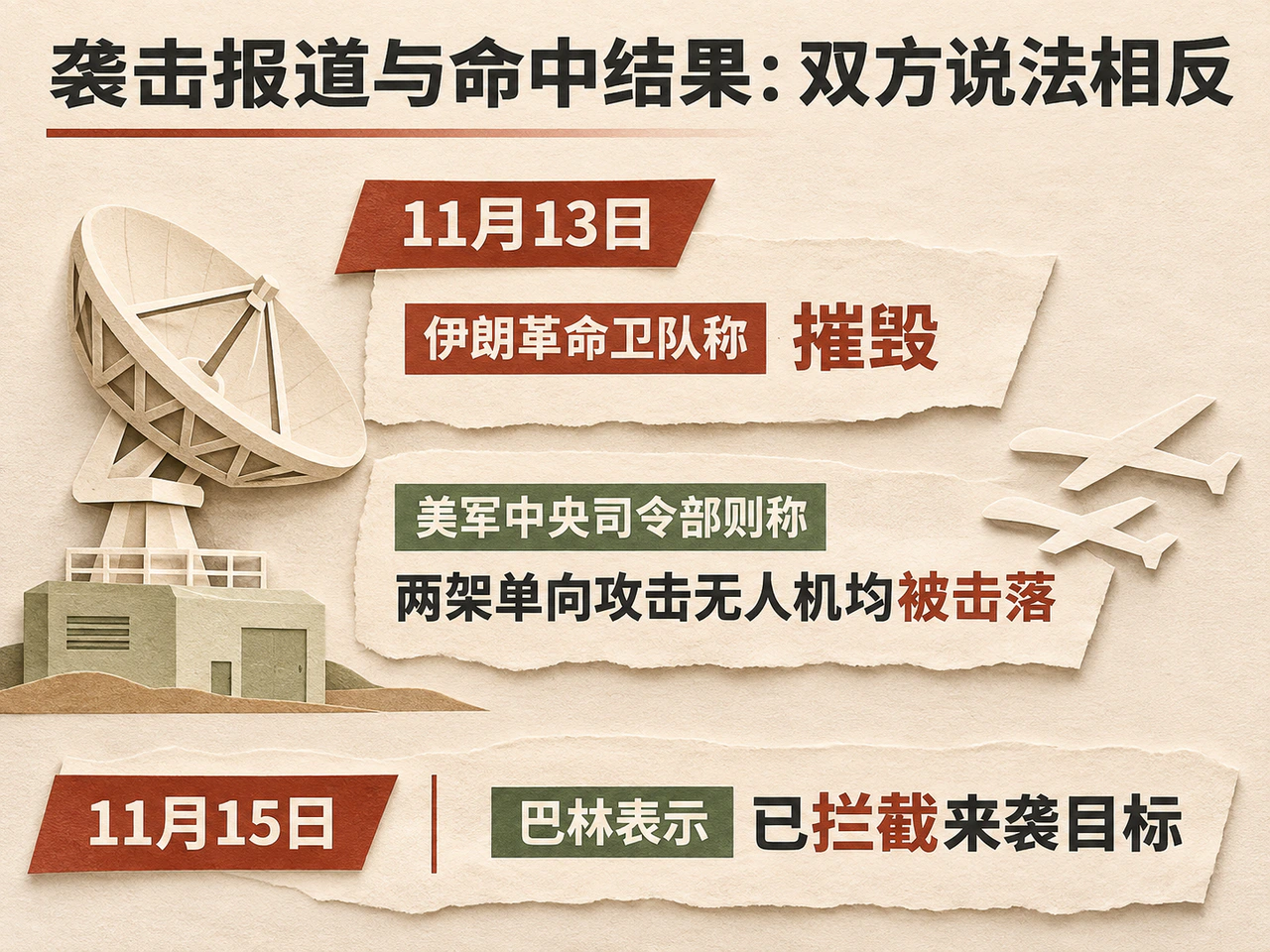
On November 13, Iran’s Islamic Revolutionary Guard Corps said it had destroyed a U.S. early-warning radar in Bahrain, describing the action as a response to a U.S. strike on communications facilities in Sirik, Iran. U.S. Central Command, however, said both one-way attack drones had been shot down, with no casualties or damage to facilities. On November 15, Iran again said it had used six drones to attack a U.S. radar at the Riffa helicopter base in Bahrain. Bahrain said it had intercepted the incoming targets, with the two sides giving conflicting accounts of whether the attack had hit its target. The Saudi-led coalition also reported intercepting two drones near Riyadh and in southern areas. With Bahrain targeted twice, the pressure is spilling over to U.S. military installations and Gulf partners.
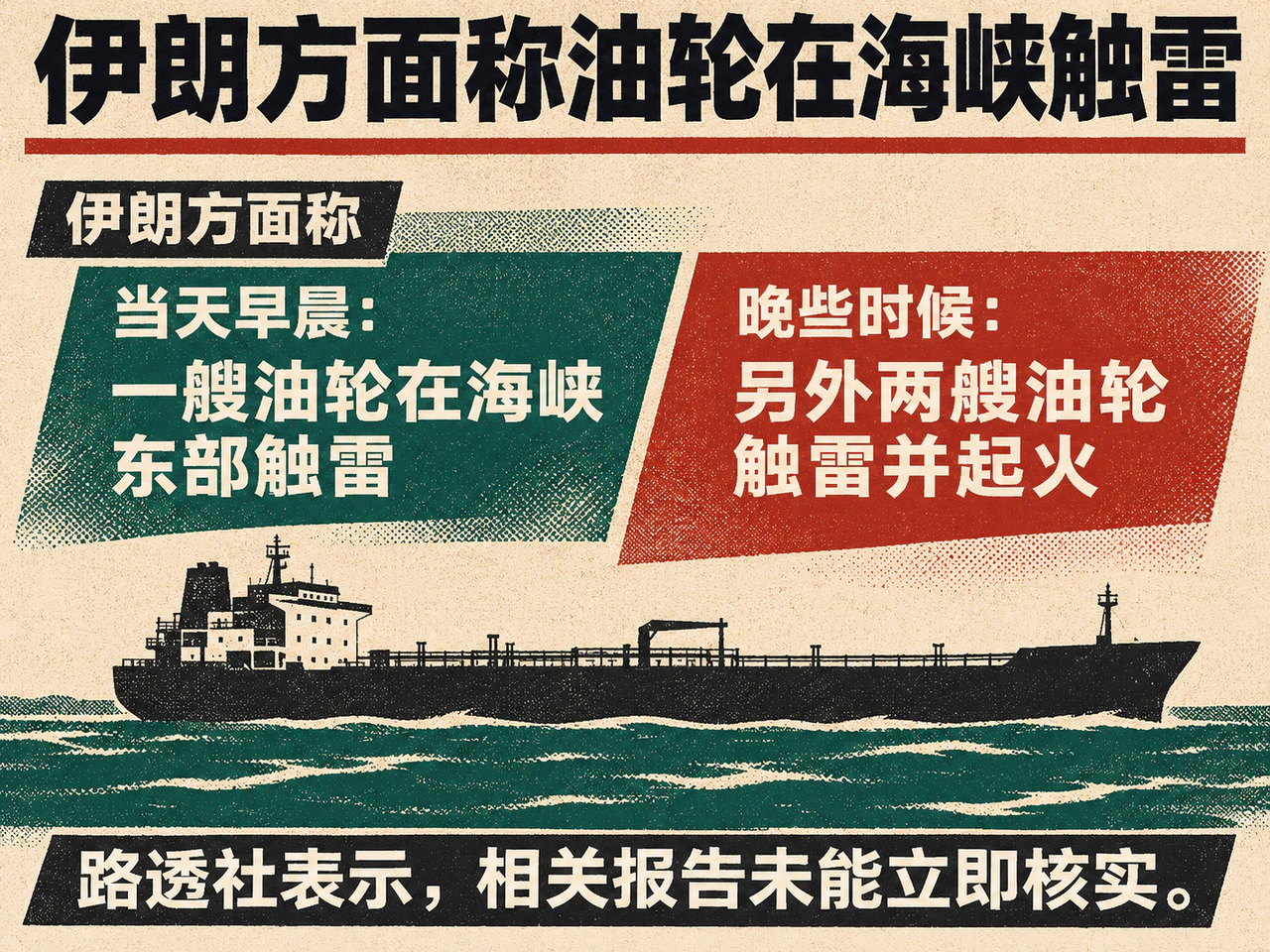
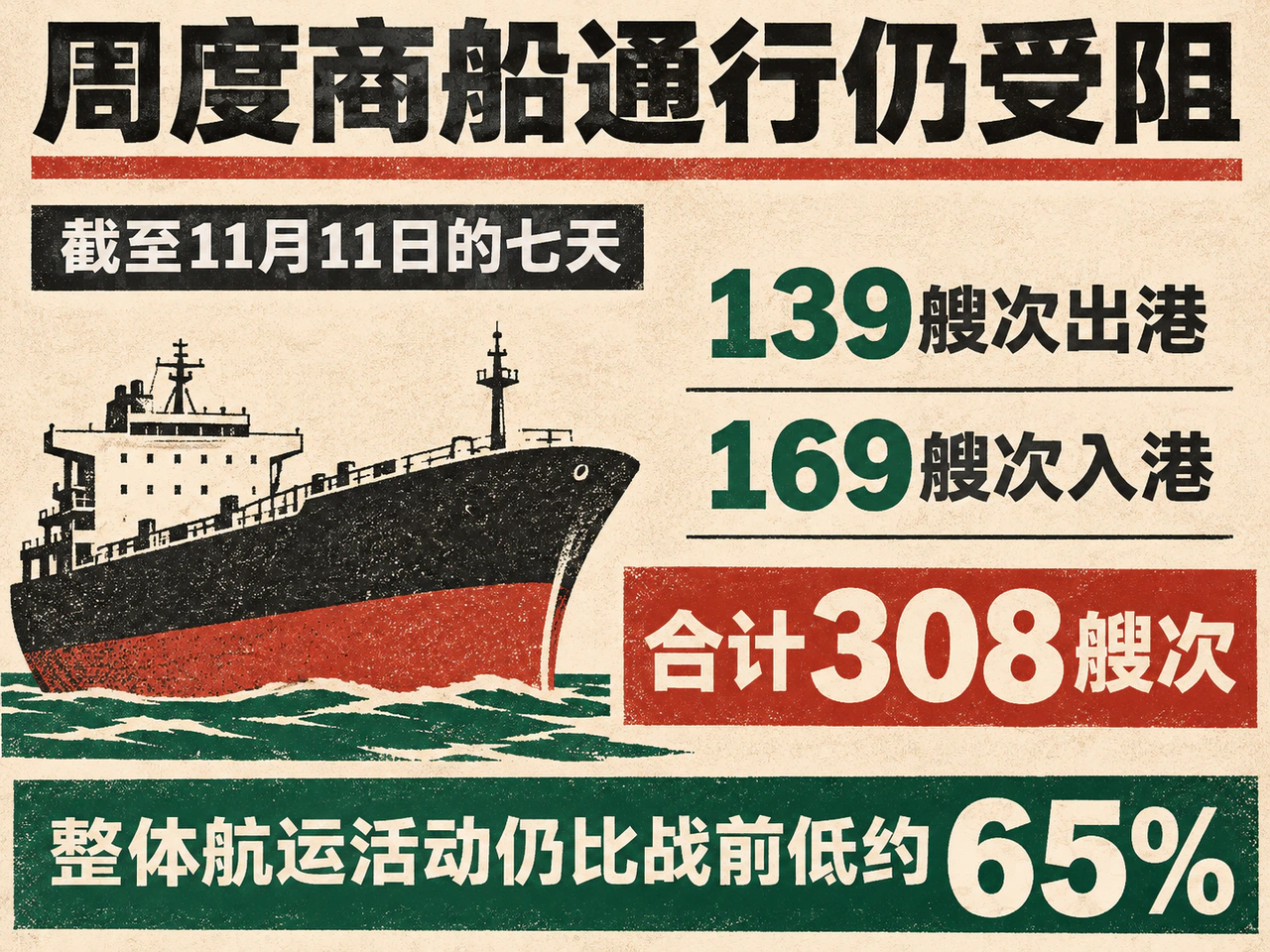
Maritime incidents are equally difficult to verify. Iran reported in succession that liquefied natural gas carriers and oil tankers had struck mines and caught fire, but did not release identifying information that would allow each vessel to be checked. By the weekend, the United Kingdom Maritime Trade Operations office had relayed a report received by Indian authorities of an attack on an oil tanker in the Persian Gulf; the crew’s safety and the extent of damage remained to be established. It has not yet been possible to match the number of mine strikes reported by Iran to this report. The underlying shipping risk lies in conflicting transit rules and disagreement over the effectiveness of mine clearance. Even with escort arrangements, shipowners must still assess route and crew safety.
Inspections at struck nuclear facilities have not resumed; Iran insists nuclear material stay in the country
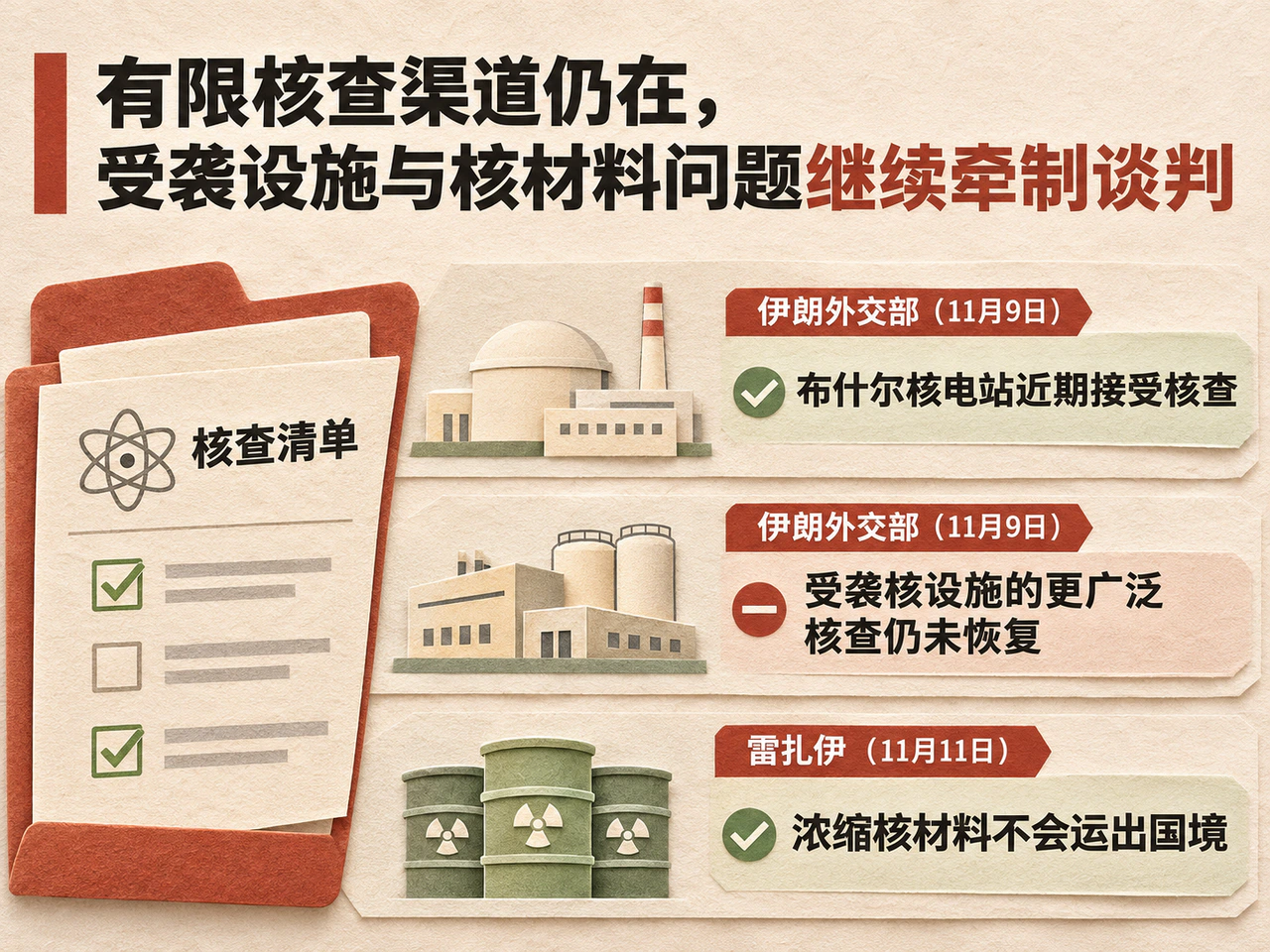
The nuclear issue likewise offers little scope for progress on its own. On November 9, Iran’s Foreign Ministry reaffirmed its adherence to the Treaty on the Non-Proliferation of Nuclear Weapons and confirmed that the Bushehr nuclear power plant had recently undergone inspections, but broader inspections of nuclear facilities that had come under attack had still not resumed. The International Atomic Energy Agency continued to seek access to the relevant nuclear facilities in Isfahan; Iran refused, citing the security and legal environment following the attacks. On November 11, Rezaei said enriched nuclear material would not be taken out of the country, and warned that another U.S. strike would trigger a response against distant U.S. military bases.
Iran is retaining its membership in the treaty while insisting that nuclear material remain within its borders. This keeps diplomatic channels open while preserving its most important bargaining chip.
Iran warns of possible winter gas disruptions; the UN calls for temporary fertilizer transit arrangements

The costs of war are reaching everyday supplies. On November 10, an Iranian government spokesperson warned that the war had damaged natural gas processing facilities and that high winter consumption could cause gas supply disruptions, including in Tehran. On November 14, the head of the United Nations Office for Project Services called on Iran and the United States to establish limited, temporary transit arrangements for fertilizer immediately, so that negotiations on a comprehensive agreement would not delay supplies of agricultural inputs. The former increases the pressure on Iran to secure domestic winter supplies; the latter transmits the effects of the impasse in the strait to agricultural economies dependent on imported fertilizer.
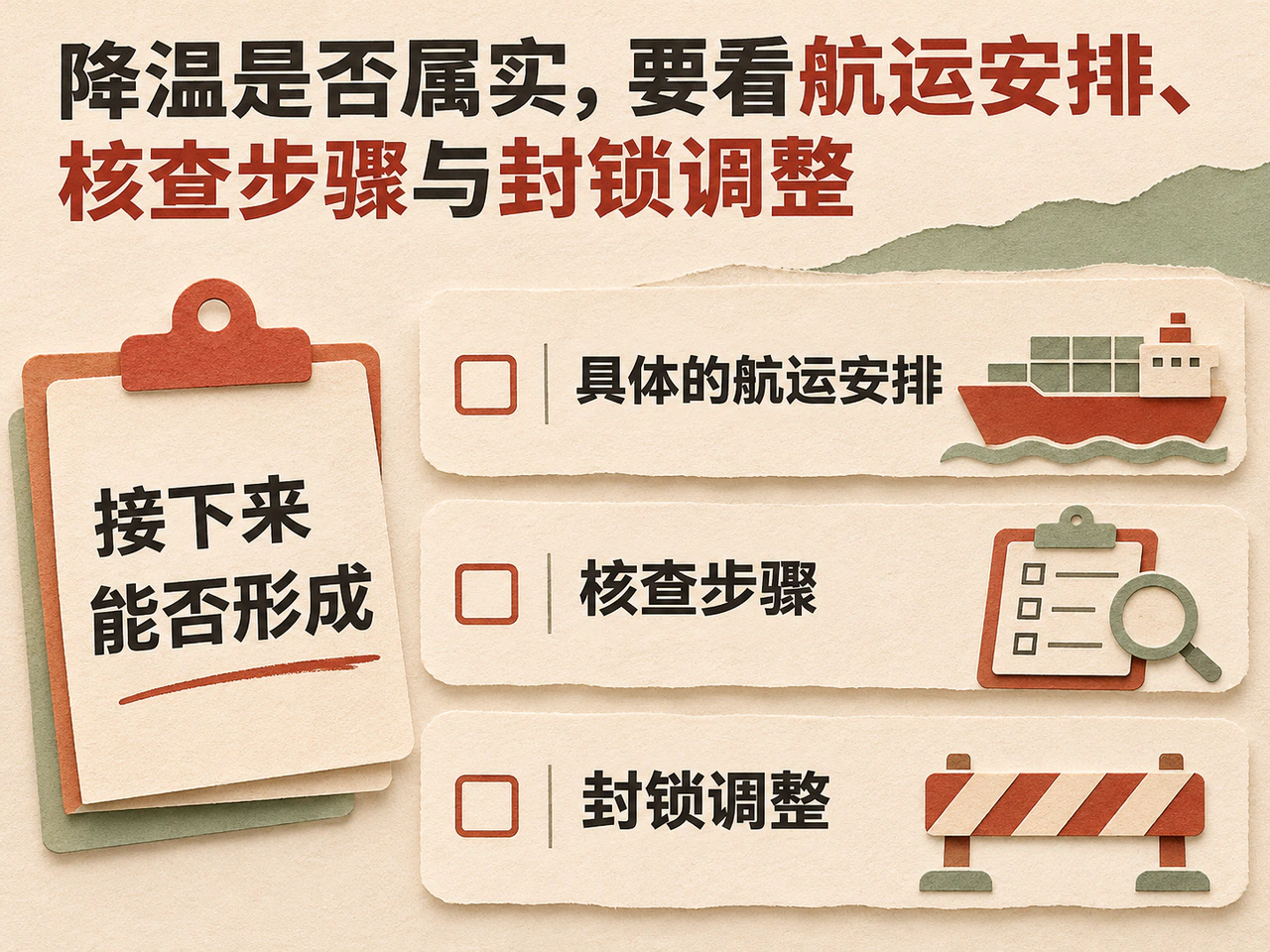
Shipping arrangements, inspection steps and changes to the blockade will show whether tensions are truly easing
The turning point this week was that, while all parties continued to avoid full-scale war, they increasingly imposed costs through threats to base security, energy supplies and civilian shipping lanes. Over the weekend, Iranian parliament speaker Qalibaf said a deal was still possible if Iran’s conditions were accepted. He also warned that Iran would not indefinitely maintain a state of “neither war nor peace” and that another attack would lead it to expand the geographical scope of the conflict.
Whether concrete shipping arrangements, inspection steps and changes to the blockade can now be agreed will be a better indication of genuine de-escalation than general statements about easing tensions.
Key developments
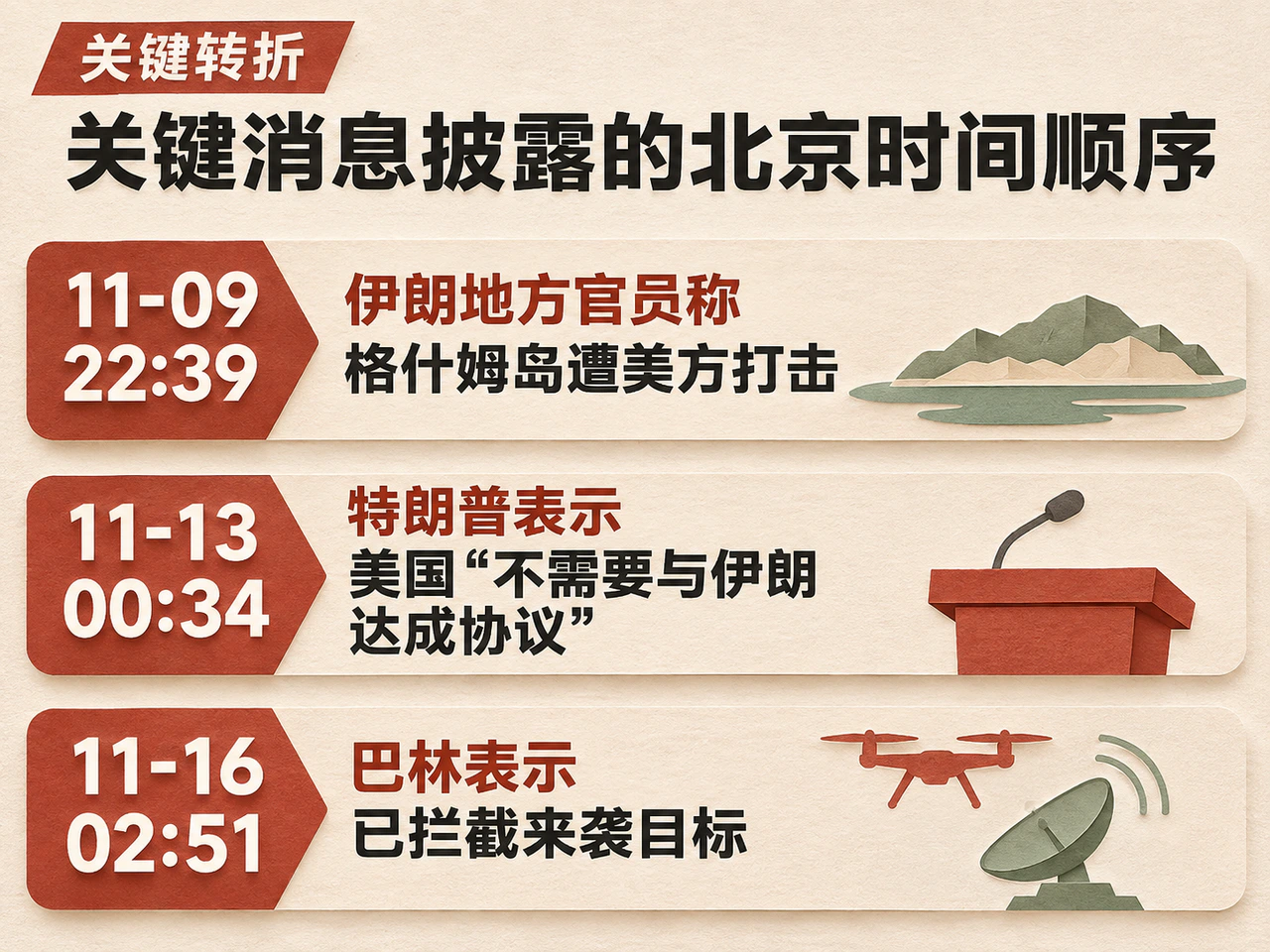
The entries below are listed in reverse order of when the news was disclosed, in Beijing time (UTC+8). Where only a date is known, only the date is shown.
| Key developments |
|---|
| 11-16 02:51Iran’s Islamic Revolutionary Guard Corps said it had used six drones to attack a U.S. radar at the Riffa helicopter base in Bahrain. Bahrain said it had intercepted the incoming targets; the two sides gave conflicting accounts of whether the attack had hit its target. |
| 11-16 02:51Iranian parliament speaker Qalibaf said a deal was still possible if Iran’s conditions were accepted. He also warned that Iran would not indefinitely maintain a state of “neither war nor peace” and would expand the geographical scope of the conflict if attacked again. |
| 11-16 02:51Iran said two oil tankers had struck mines on the southern route through the Strait of Hormuz, without naming the vessels. The United Kingdom Maritime Trade Operations office relayed a report received by Indian authorities of an attack on an oil tanker in the Persian Gulf; the crew’s safety and the extent of damage remained to be established. |
| 11-14 23:59The Saudi-led coalition said it had intercepted two drones near Riyadh and in southern areas. Its reports indicated that multiple areas had continued to face threats from drones, ballistic missiles and cruise missiles during the week. |
| 11-14 22:44The head of the United Nations Office for Project Services called on Iran and the United States to establish limited, temporary transit arrangements for fertilizer immediately, so that negotiations on a comprehensive agreement would not delay supplies of agricultural inputs. |
| 11-14 18:29Iran’s military said three oil tankers had struck mines and caught fire in the Strait of Hormuz. The vessels’ names and the losses had not been independently verified. |
| 11-13 22:23Iran said it had destroyed a U.S. early-warning radar in Bahrain, describing the action as a response to a U.S. strike on communications facilities in Sirik, Iran. U.S. Central Command said it had shot down two one-way attack drones, with no casualties or damage to facilities. |
| 11-13 00:34Trump said the United States “does not need a deal with Iran” and asked Vice President Vance to turn his attention to domestic affairs. The White House subsequently stopped short of explicitly confirming that negotiations had ended, while reiterating that the blockade and economic pressure would continue. |
| 11-13The International Atomic Energy Agency continued to seek access to the relevant nuclear facilities in Isfahan. Iran refused, citing the security and legal environment following the attacks. |
| 11-12 21:17G7 foreign ministers issued a statement calling on Iran to stop interfering with civilian shipping, opposing navigation restrictions and transit charges, supporting mine clearance and escorts for merchant vessels, and calling for cooperation with the International Atomic Energy Agency to resume. |
| 11-12 05:03Qalibaf said the Strait of Hormuz would not return to its prewar status, and claimed that Iran and Oman had reached an understanding on oversight of the strait. Iran was still waiting for a formal U.S. response to its seven conditions. |
| 11-11 19:24An Iranian government spokesperson warned that the war had damaged natural gas processing facilities and that high winter consumption could cause gas supply disruptions, including in Tehran. |
| 11-11 18:56Senior Iranian security official Rezaei said enriched nuclear material would not be taken out of the country, and warned that another U.S. strike would trigger a response against distant U.S. military bases. |
| 11-11 01:35Iran’s Foreign Ministry reaffirmed its adherence to the Treaty on the Non-Proliferation of Nuclear Weapons and confirmed that the Bushehr nuclear power plant had recently undergone inspections. Broader inspections of nuclear facilities that had come under attack had still not resumed. |
| 11-11 00:58Rezaei said there were no ongoing negotiations between Iran and the United States and called for a clear U.S. response to Iran’s seven conditions. Messages relayed by intermediaries such as Qatar remained an important diplomatic channel. |
| 11-09 22:39Local Iranian officials said Qeshm Island had come under a U.S. strike, but said residential and commercial areas and critical infrastructure had not been damaged. The United States did not directly confirm this strike; Rubio had previously described similar operations as defensive. |