On November 18, 2026, DBS Bank and Circle announced that eligible institutional clients can mint USDC directly with US dollars through DBS and redeem USDC for US dollars. The service supports round-the-clock, near-instant settlement between US dollars and USDC. For businesses that need to make or receive payments over the weekend, the new channel sits on the banking side: clients can convert directly, without having to rely on sell orders on an exchange each time they need to make a payment.
Converting Dollars into USDC After Banking Hours
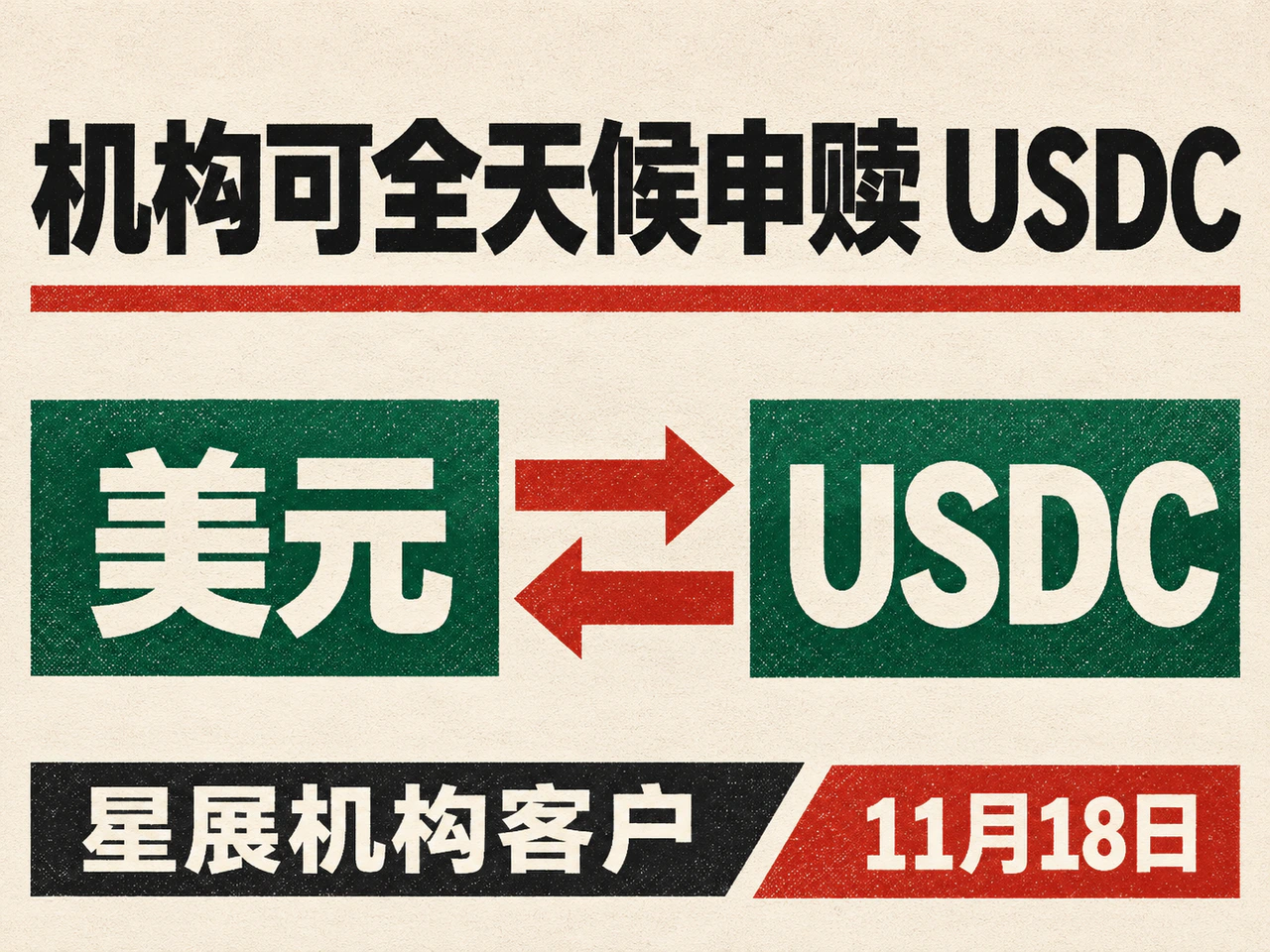
USDC could already be transferred on-chain over the weekend. But for a business that relies on exchanges to buy tokens, a supplier's request to receive USDC on Saturday leaves its treasury team with two choices: hold the tokens in advance or buy them at the market price when payment is due. When minting through DBS, the client delivers US dollars and receives newly issued USDC; redemption reverses that process. Circle's regulated affiliated entities handle issuance, while DBS provides eligible institutional clients with banking access and settlement.
This gives corporate treasurers another way to manage weekend positions. Institutions that previously relied on the secondary market faced a trade-off when payment timing was unpredictable: how long to hold tokens in advance versus the price of buying them at short notice. They can now keep some dollars in their accounts and convert once the payment need is clear. Businesses receiving USDC over the weekend can also convert it back into dollars through the same channel. The announcement's reference to ‘near-instant’ settlement concerns settlement between US dollars and USDC. If the recipient still needs to convert into local currency, the time until funds arrive continues to depend on local banks and payment arrangements.
Tokenized Deposits and USDC Serve Different Recipient Needs
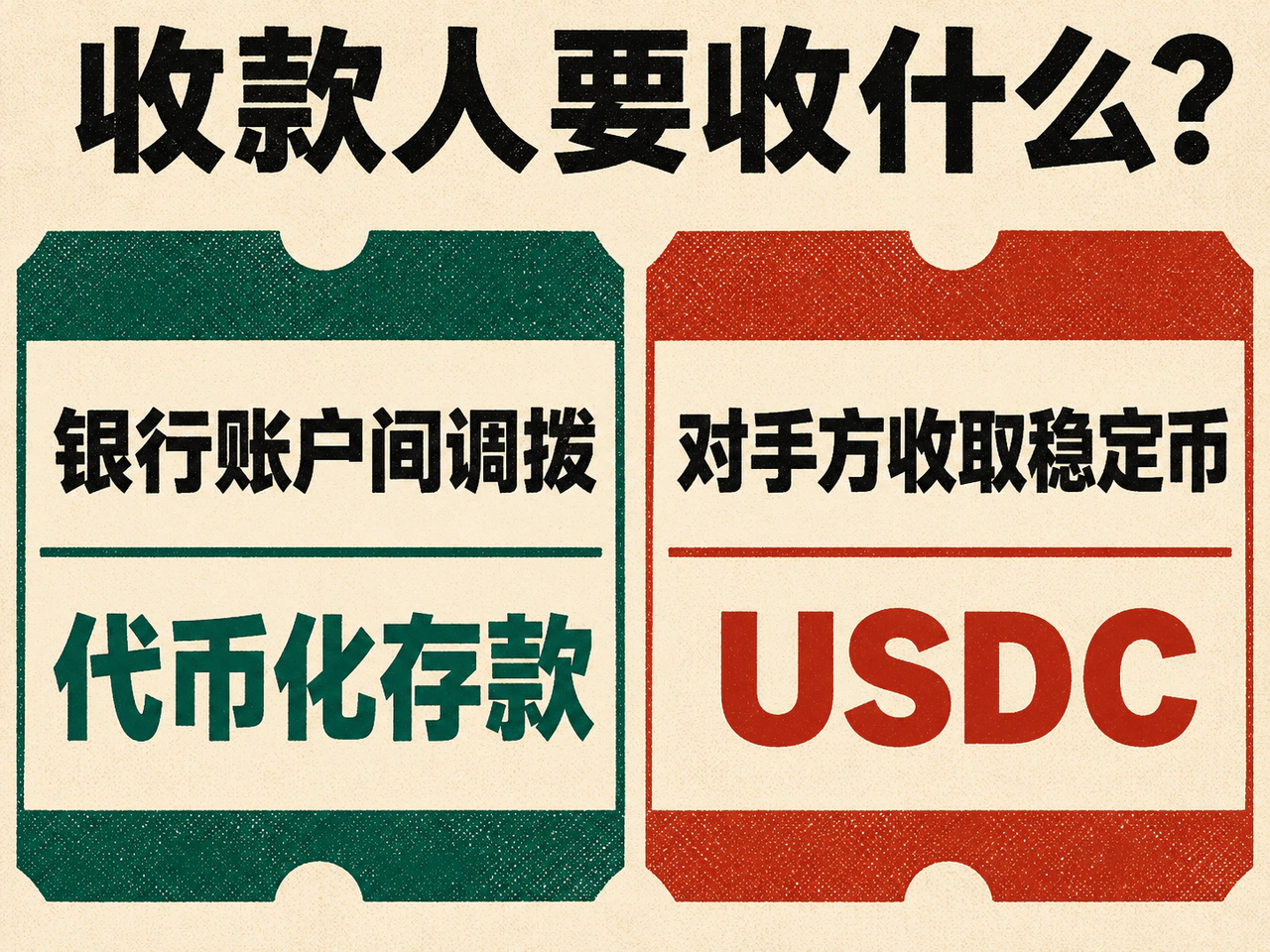
On November 16, DBS and J.P. Morgan's Kinexys launched another round-the-clock service, allowing institutions to transfer US dollars between the two banks in Singapore and the United States through blockchain accounts. Ant International, the first user, is using it for cross-market treasury transfers. Along this route, both ends handle tokenized bank deposits, and funds move within the banks' permissioned networks. The service added on November 18 instead allows clients to convert dollars into USDC to pay counterparties that accept the stablecoin. The former is suited to moving balances between bank accounts connected to the network; the latter serves situations in which a counterparty wants to receive USDC.
The two services have different operating schedules. According to DBS's November 16 announcement, transfers within the Kinexys network can continue at all times, but transfers between traditional demand deposit accounts and blockchain deposit accounts are suspended every Saturday from 3 p.m. to 6 p.m. US Eastern Time. Companies with funds already inside the network can continue using those funds; those seeking to bring funds in from traditional accounts at short notice need to account for this window. That restriction applies to the tokenized-deposit service. The USDC minting and redemption service announced two days later has its own settlement arrangements.
The BLOOM initiative, led by the Monetary Authority of Singapore, is examining both types of settlement asset. When choosing a tool, businesses first need to establish whether the recipient accepts bank deposits or USDC, and when each party can use the funds it receives. For DBS, this partnership extends its offering from interbank transfers to stablecoin minting and redemption. How much actual payment activity the new channel can accommodate will depend on subsequent transaction volumes and frequency of use.
Click ‘Read the original’ for further details.