On November 20, 2026, Federal Reserve Governor Lisa Cook explained at the Central Bank of Chile’s annual conference why she had voted for a 25-basis-point rate increase in October. She argued that current interest rates still support strong investment and consumption, and that September’s single rate increase might not be enough to bring inflation down on a sustained basis. A University of Michigan survey released the same day, meanwhile, showed that U.S. households’ inflation expectations for the year ahead fell by 1 percentage point in a single month. Together, these developments pose a practical question for the December policy meeting: as households’ concerns about prices ease, are business costs and demand cooling at the same time?
Cook: Current Financing Conditions Still Allow Demand to Expand
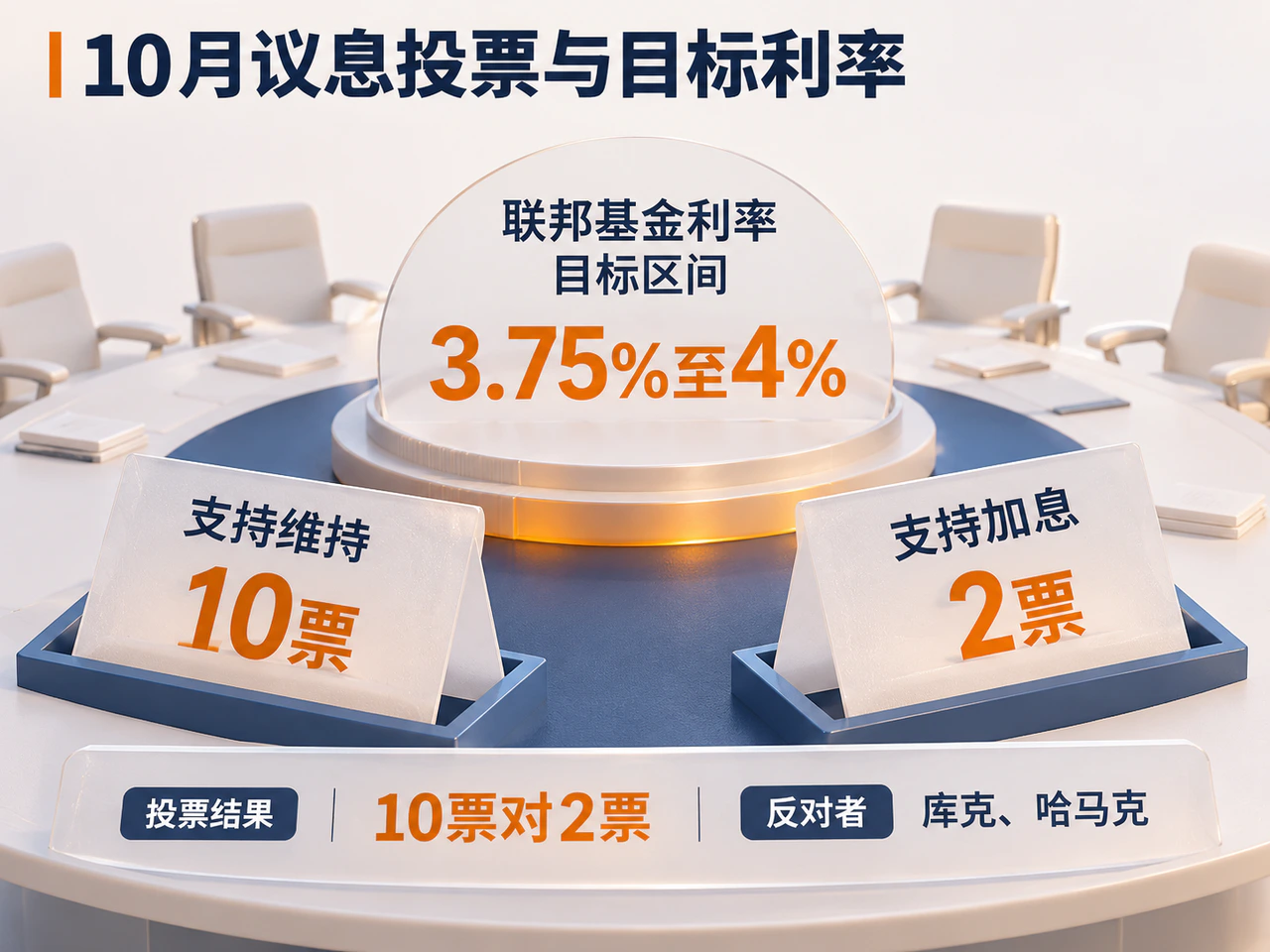
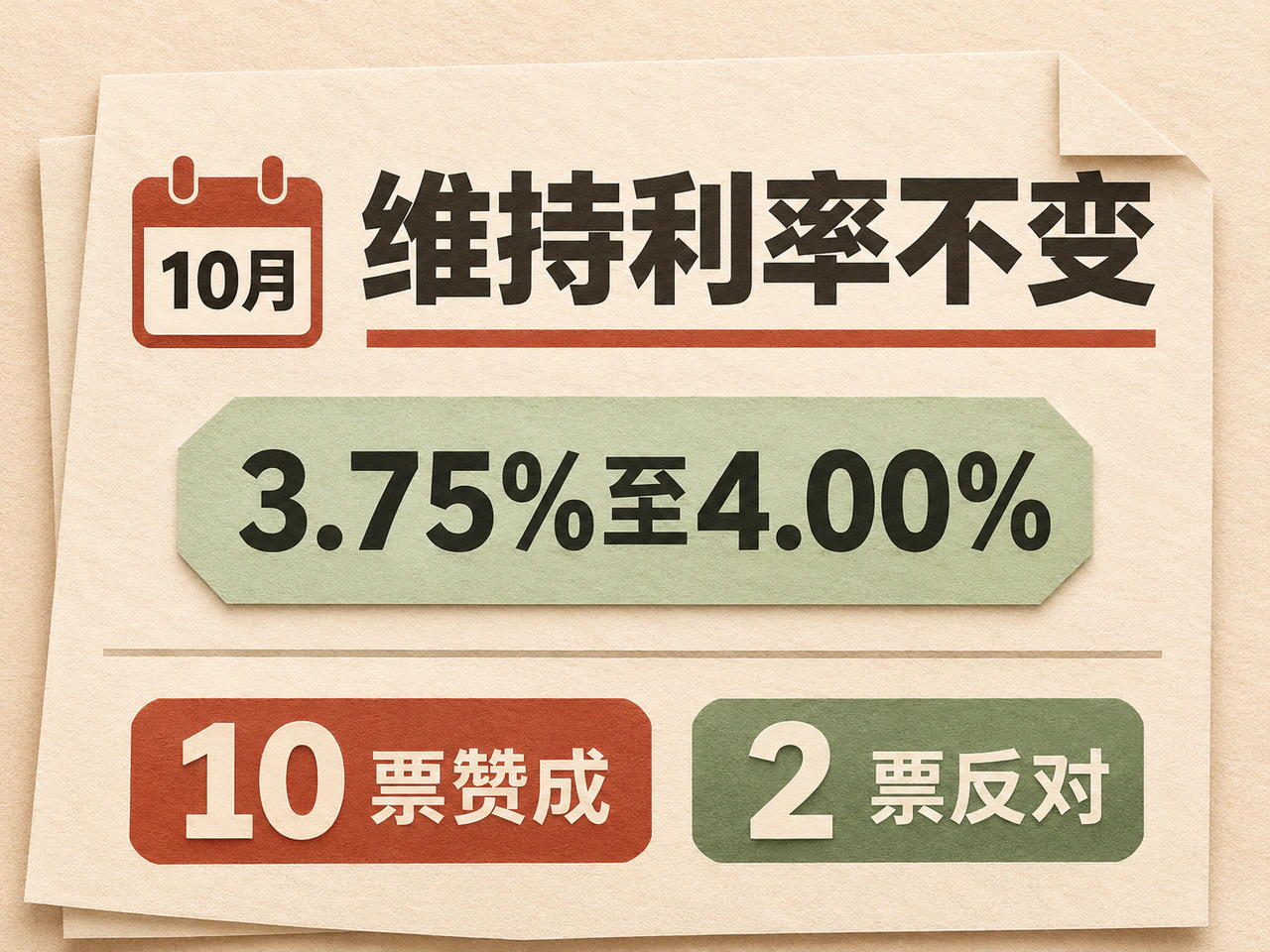
At its October 28 policy meeting, the Federal Open Market Committee (FOMC) voted 10–2 to maintain the federal funds rate target range at 3.75%–4%. Cook and Cleveland Fed President Hammack dissented in favor of a rate increase. In a speech in Santiago at 12:15 p.m. Eastern Time on November 20, Cook said that financing conditions remained accommodative, investment in artificial intelligence infrastructure continued to expand, and equity valuations were supporting household consumption. In her view, if demand continues to grow faster than the economy’s capacity to supply it, prices could face further upward pressure even with interest rates held steady.
Based on the data available at the time, Cook estimated that the U.S. personal consumption expenditures (PCE) price index rose 3.8% year over year in October, while the core PCE price index, which excludes food and energy, rose 3.2%. The price increases she observed extended across a range of goods and services, from airfares and hotel accommodation to appliances and furniture. Meanwhile, nonfarm payrolls increased by 165,000 in October, and the unemployment rate was 4.1%. The labor market’s resilience led her to view price stability as the more urgent priority at this stage. She worried that waiting until businesses and workers had incorporated higher inflation into prices and wages could require larger rate increases later.
Household Inflation Expectations Cool First
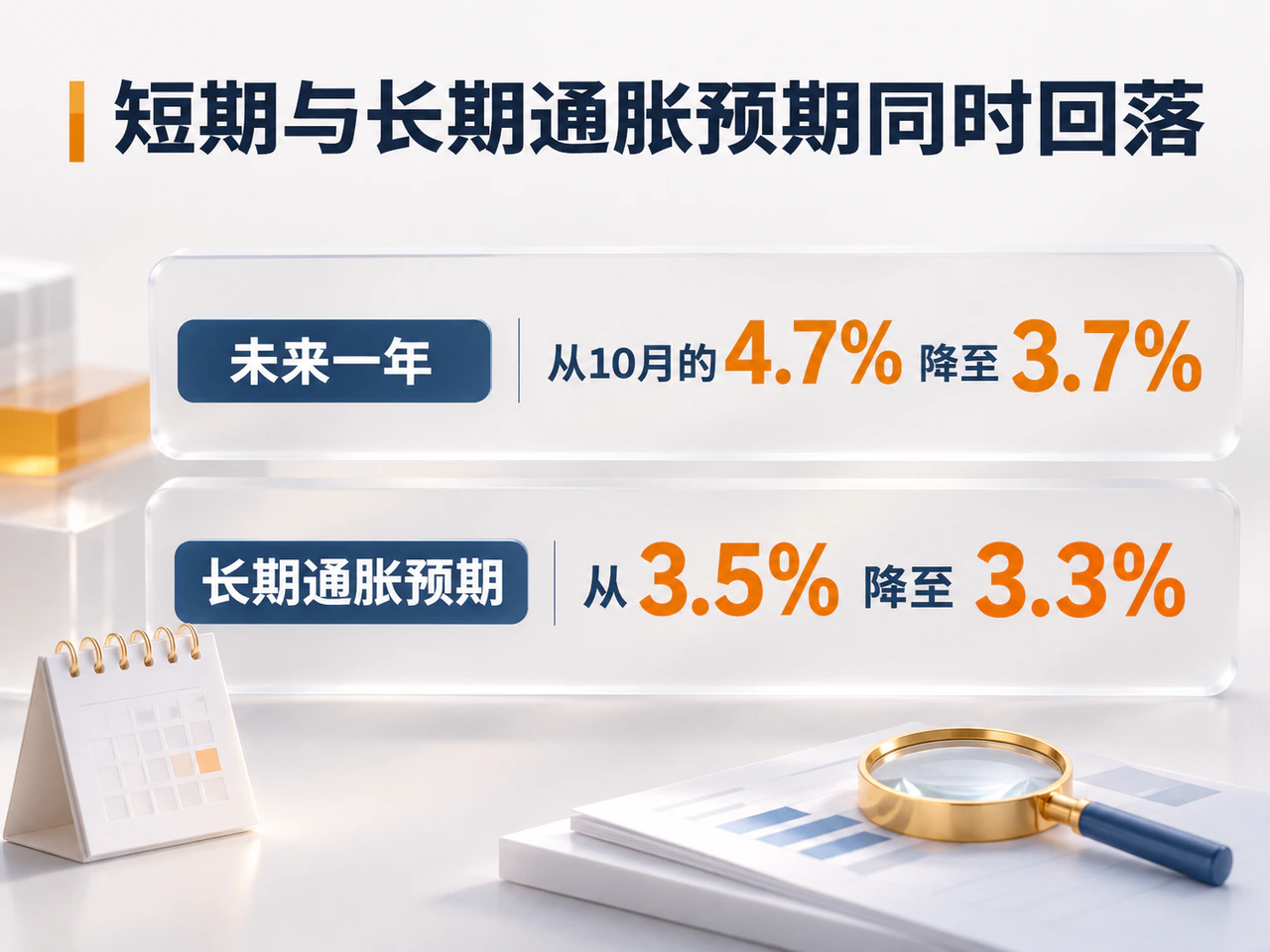
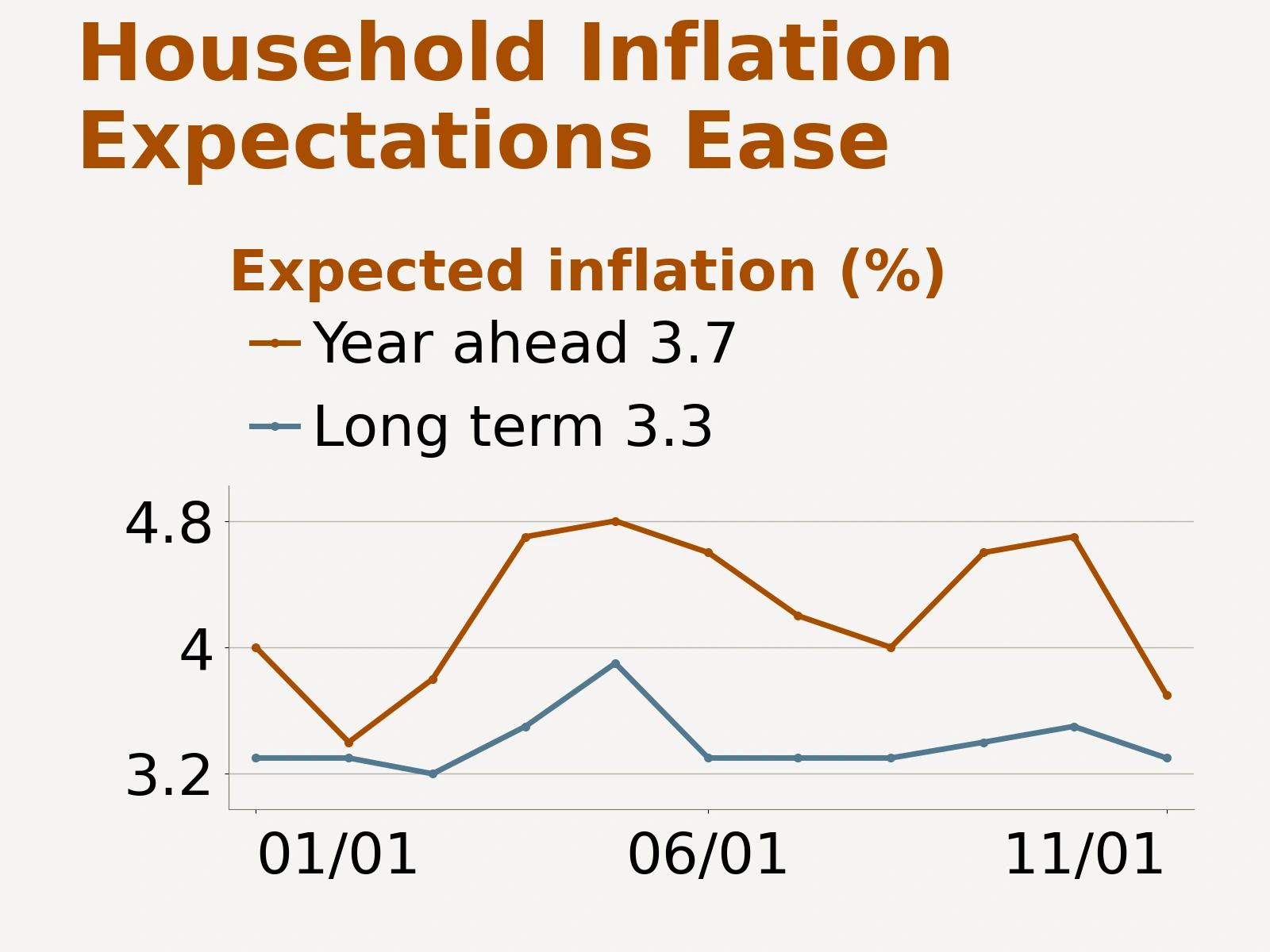
The University of Michigan’s final November survey, released the same day and based on interviews conducted from October 20 through November 16, showed that respondents’ median inflation expectation for the year ahead fell from 4.7% in October to 3.7%, while long-term inflation expectations declined from 3.5% to 3.3%. The survey’s research team noted that falling gasoline prices had eased financial pressure on some households with lower wealth. The sharp decline in near-term inflation expectations gives policymakers concerned about a persistent upward shift in expectations a reason to pause. Whether the relief from lower oil prices will extend to service prices, such as dining and accommodation, remains to be seen.
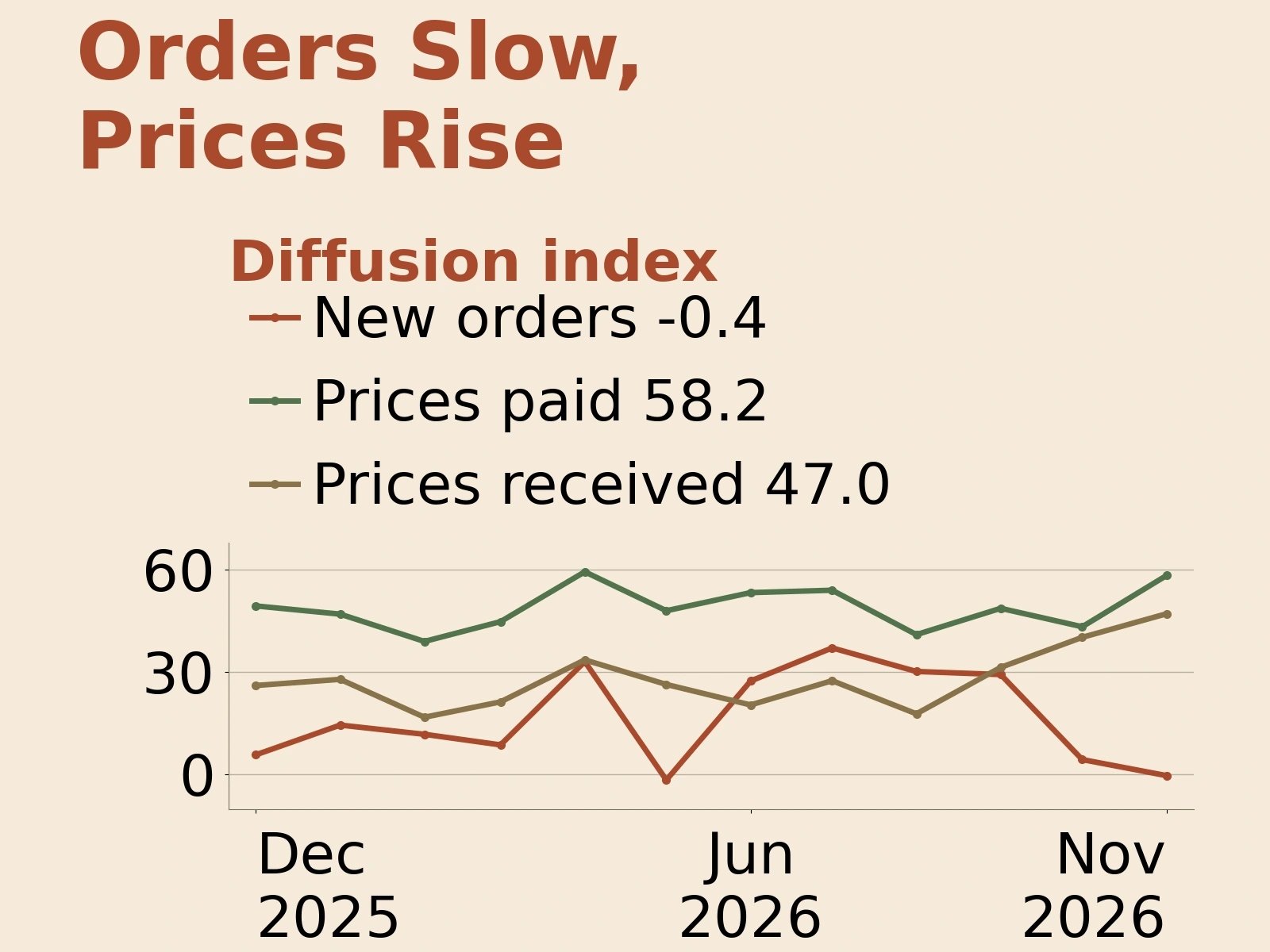
The Federal Reserve’s Beige Book, due on November 25, will provide the latest regional business feedback on input costs, price increases, and hiring. If businesses are finding it increasingly difficult to pass costs on to customers, that would further corroborate the cooling reflected in the household survey. If, instead, final demand remains strong enough to support widespread price increases, the costs of delaying rate increases that Cook warns about would deserve greater attention. The December 8–9 policy meeting will test whether her assessment can win support from more committee members.