On November 25, 2026, the Hong Kong Monetary Authority (HKMA) officially launched the Digital Assets Platform of the Central Moneymarkets Unit (CMU). OmniClear announced ten banks as the first direct participants, including HSBC, Bank of China (Hong Kong), Standard Chartered Bank (Hong Kong) and DBS Bank's Hong Kong Branch. Digital bonds in Hong Kong have previously attracted attention mainly through individual issuances. This development concerns the underlying infrastructure and settlement process: participating banks can use one platform for new issuance, secondary-market settlement, coupon payments and redemption at maturity. For investors, the most tangible change comes after a trade: the buyer's payment and the seller's delivery of the bonds can be completed in a single on-chain transaction.
How atomic delivery versus payment reduces settlement risk
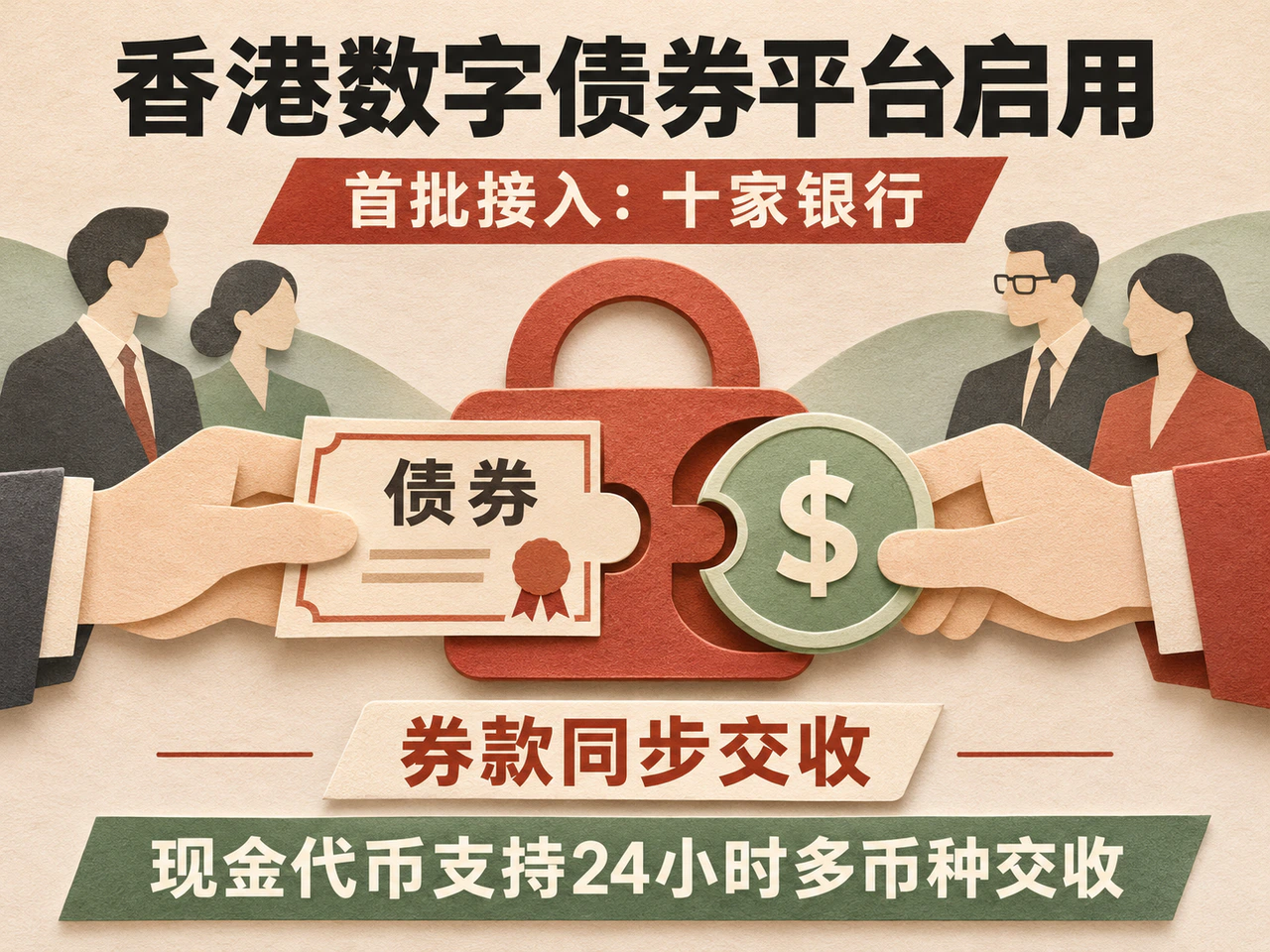
Consider a bond purchase by one bank from another. The buyer needs assurance that it will receive the bonds after paying, while the seller needs assurance that it will receive payment after delivering them. The platform uses atomic delivery versus payment, making the transfer of bonds and cash mutually conditional: settlement completes only when both conditions are met. This reduces the principal risk that arises when one party has delivered but the other has yet to fulfil its obligation. The mechanism addresses settlement risk; an issuer's ability to repay still depends on its own creditworthiness.
The cash leg is crucial to whether this design can serve institutional business. According to the HKMA, the platform has direct interfaces with Real Time Gross Settlement (RTGS) systems and central bank digital currencies, supporting 24-hour, multi-currency settlement using cash tokens. Counterparties in different time zones can agree on a more suitable settlement time, but they must still have sufficient cash and bonds available then. Round-the-clock settlement gives them more flexibility in managing funds, while banks' actual quotes and willingness to provide funding at different times will still affect whether a bond trade can take place.
Conventional bonds can join the platform through tokenisation
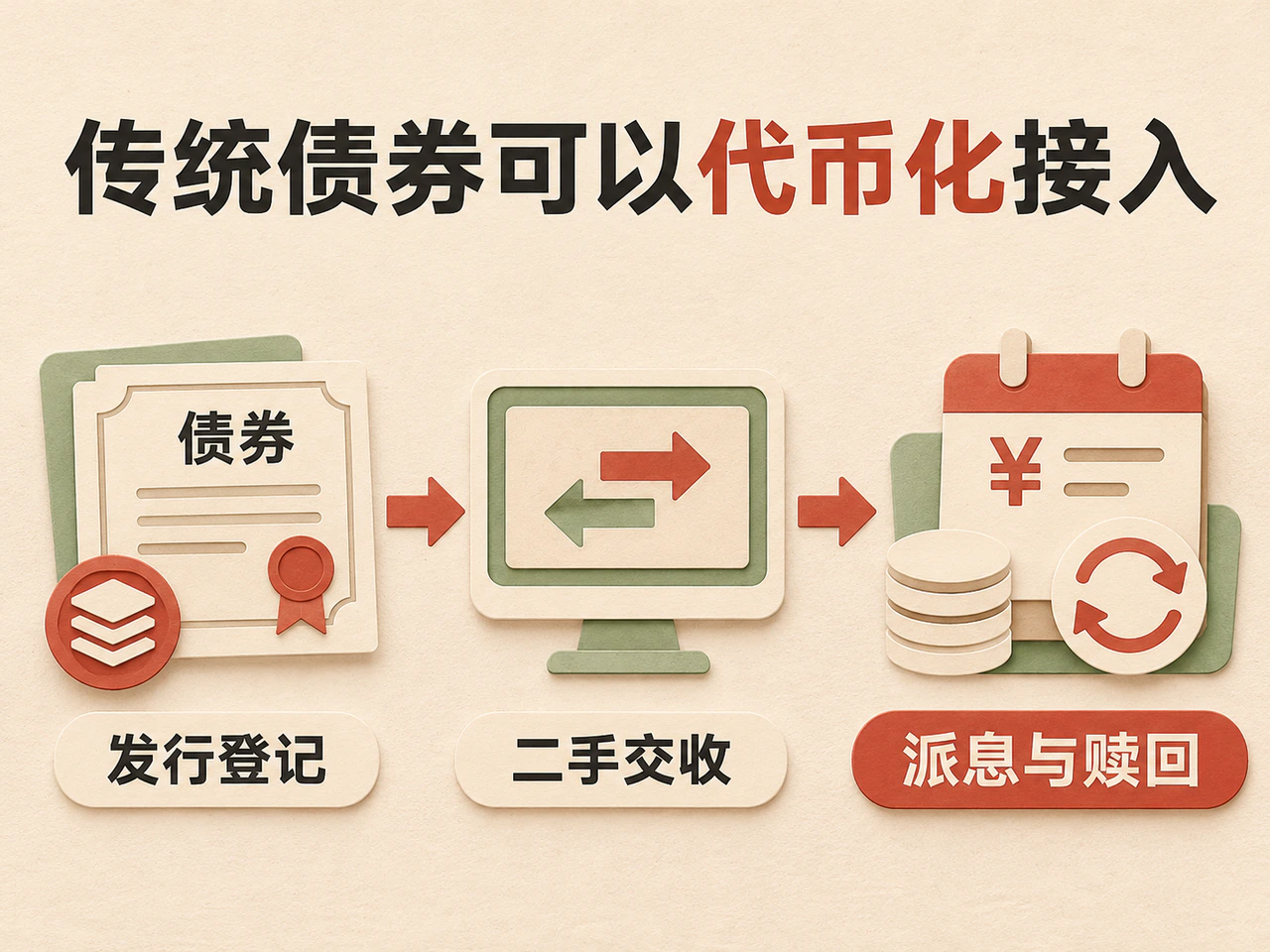
The platform supports both the issuance of bonds directly in digital form and the tokenisation of conventional bonds. For conventional bonds eligible for registration on the new platform, tokenisation must do more than record ownership: the system also needs to handle coupon schedules and maturity terms. OmniClear uses the International Capital Market Association's Bond Data Taxonomy, allowing different systems to exchange bond information using common definitions and reducing the need for item-by-item reconciliation.
Earlier in 2026, OmniClear tested the relevant functions through trial transactions in tokenised Exchange Fund Bills. On November 25, the platform entered formal operation with direct participants connected.
The next question is whether the ten direct participant banks can bring a sustained flow of issuance and secondary-market settlement. New issuance expands the platform's scale. If subsequent transfers, coupon payments and redemptions also take place in the same system, the platform has an opportunity to reduce duplicated processing throughout a bond's life.
The HKMA's future roadmap includes extending coverage to funds and other real-world assets, and exploring connectivity with tokenised deposits and regulated stablecoins. The services currently available are bond services and settlement using cash tokens. For institutions assessing the prospects for stablecoin businesses, the payment instruments that the platform will connect to, and the assets that can use them, will still depend on subsequent operating arrangements.
Click “Read the original” for further details.