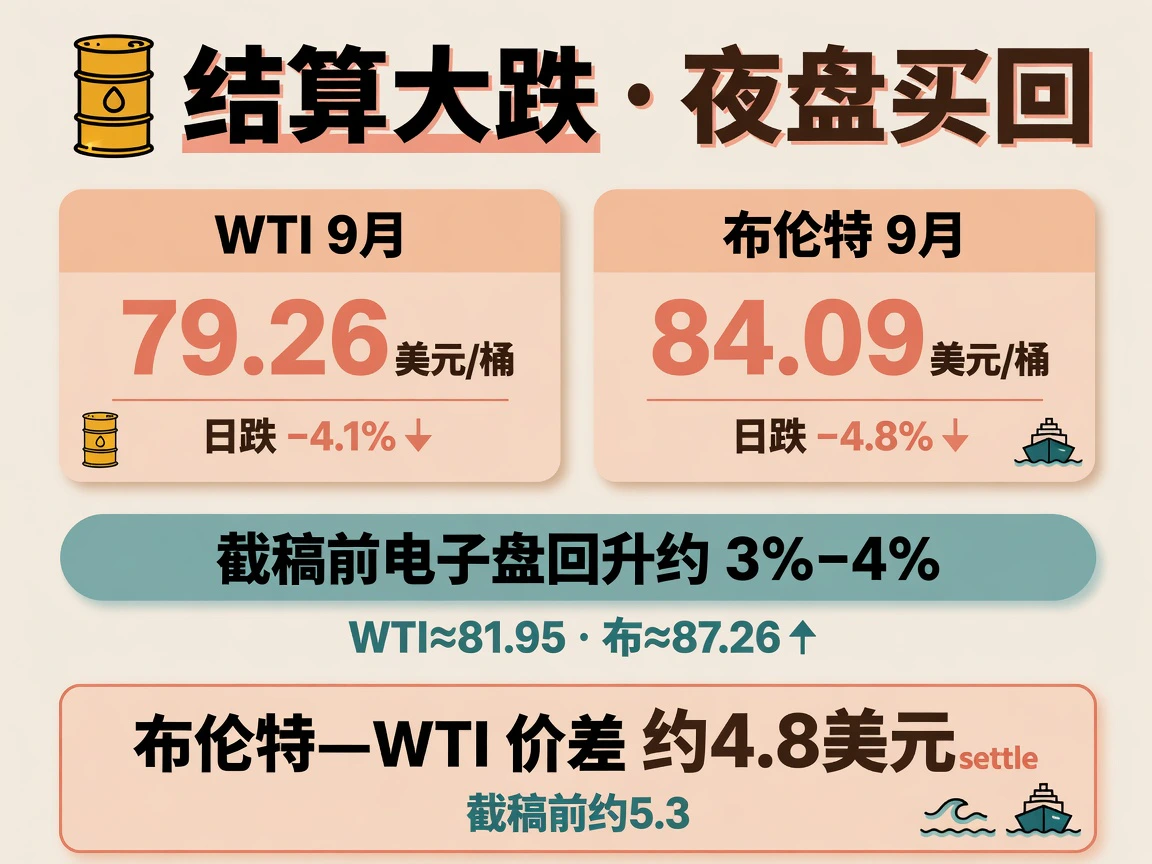
At Tuesday July 28 settlement, oil continued front-running ceasefire relief and imminent strait reopening. September WTI closed $79.26 a barrel, down $3.35 (−4.1%); September Brent $84.09, down $4.27 (−4.8%). Both fell for a third session to more-than-week lows, giving back much of the geopolitical premium that had brought prices toward $100.
The script reversed after the close. Central Command confirmed intercepting Iranian ballistic missiles aimed at regional US forces, renewing infrastructure and shipping risk and sending overnight WTI more than 4% higher. Reuters in Asian trading on the 29th linked the rebound directly to conflict, interceptions and persistently low passage. Around 17:10 Beijing time, WTI electronic trading was near $81.95 and Brent $87.26, 3%–4% above Tuesday settlement and nearly recovering the previous loss.
Investors still traded prompt shipping and refining premiums that could tighten abruptly. Medium-term rebalancing expectations had not become actual landed cargo flows.
Prices and spreads: Seaborne benchmarks carry the geopolitical premium
Monday's relief expectations left Brent and WTI at $88.36 and $82.61; Tuesday pushed that narrative further. The overnight surge showed aggressive switching between restored logistics and renewed disruption.
Brent-WTI was about $4.8 at Tuesday settlement and widened to $5.3 in electronic trading. As the seaborne physical benchmark, Brent carried the main premium because the bottleneck was maritime. Safe tanker departures and affordable insurance mattered more to prompt prices than reported onshore stocks.
Term structure: Deep nearby premiums survive sharp falls
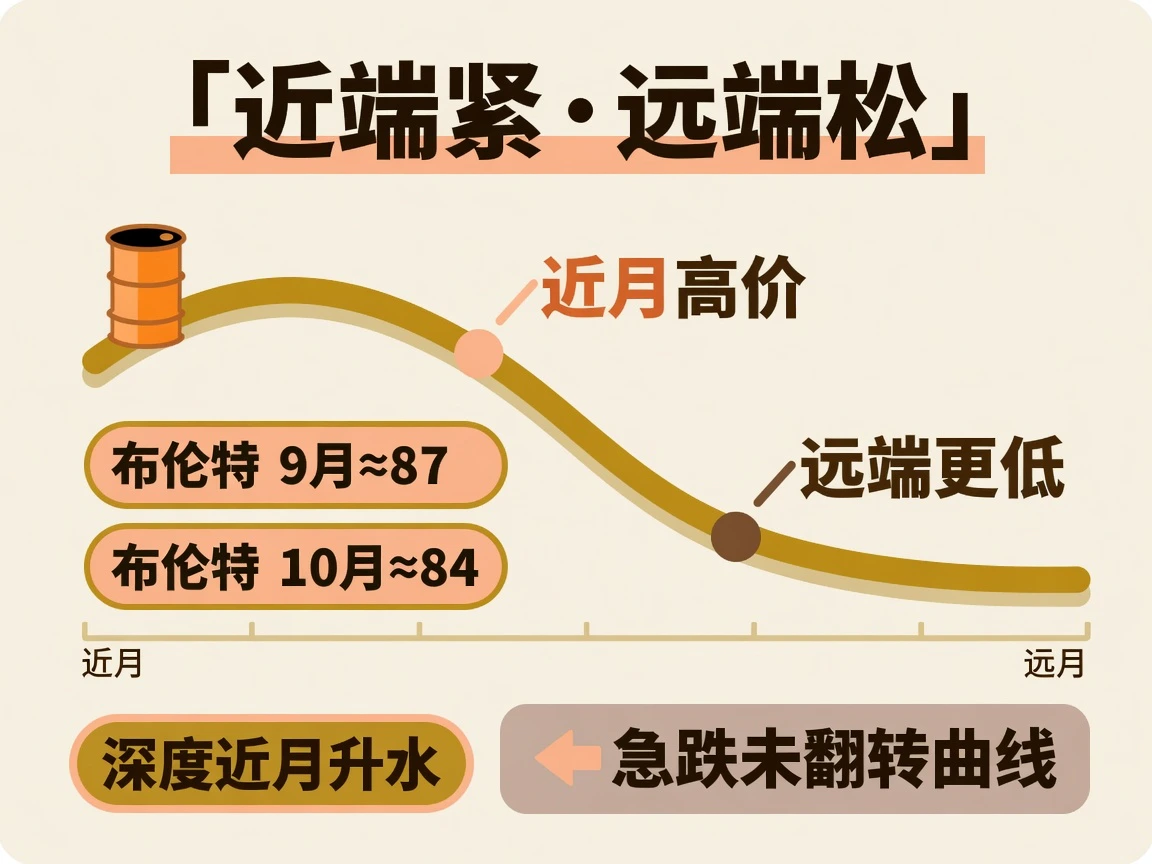
The forward curve carried more information than daily swings. Oilprice's chain showed September Brent near $87 and October near $84, with WTI declining from September toward year-end. Deep backwardation—tight prompt supply and easier distant supply—survived two consecutive intraday drops.
Risk premiums were concentrated in nearby months and distant prices discounted. Markets recognized a temporary shock with highly uncertain duration: buyers paid heavily for immediate physical relief without raising long-run equilibrium valuations.
Fundamentals lose influence: Onshore stocks secondary, OPEC+ increases uncertain
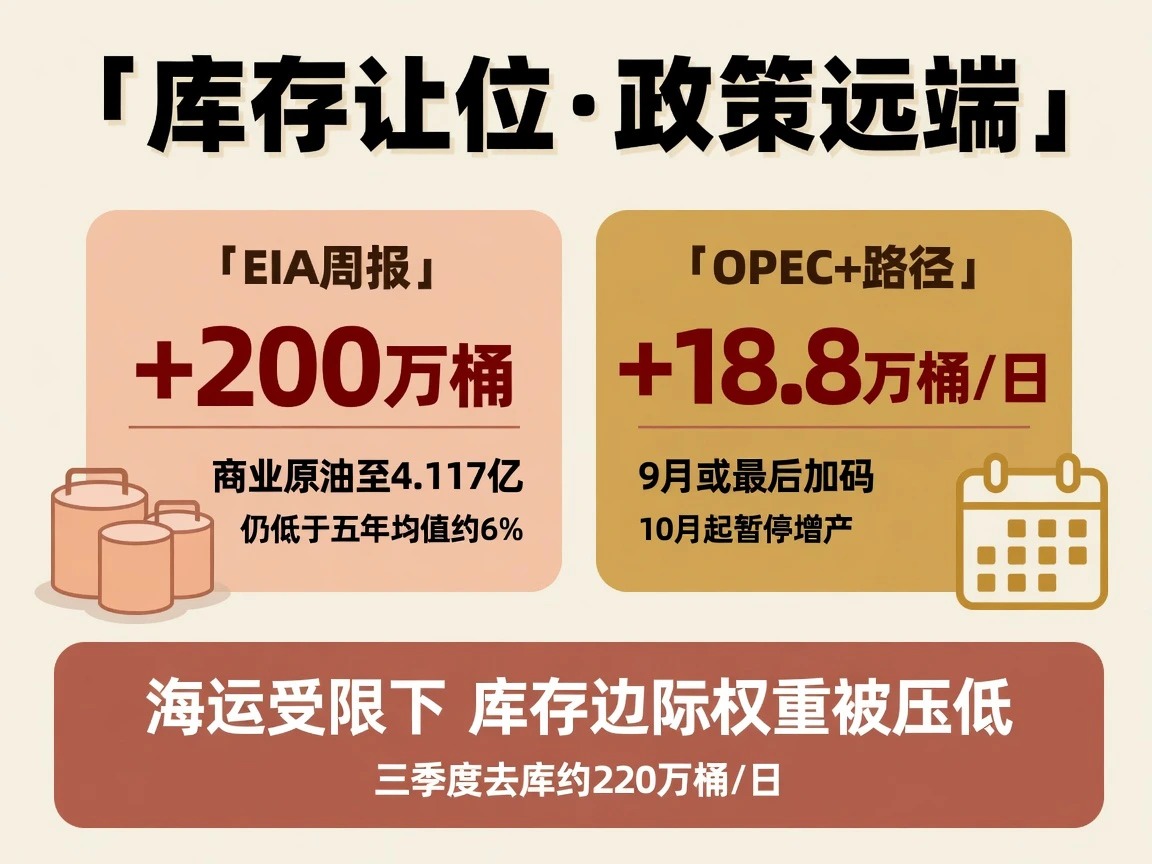
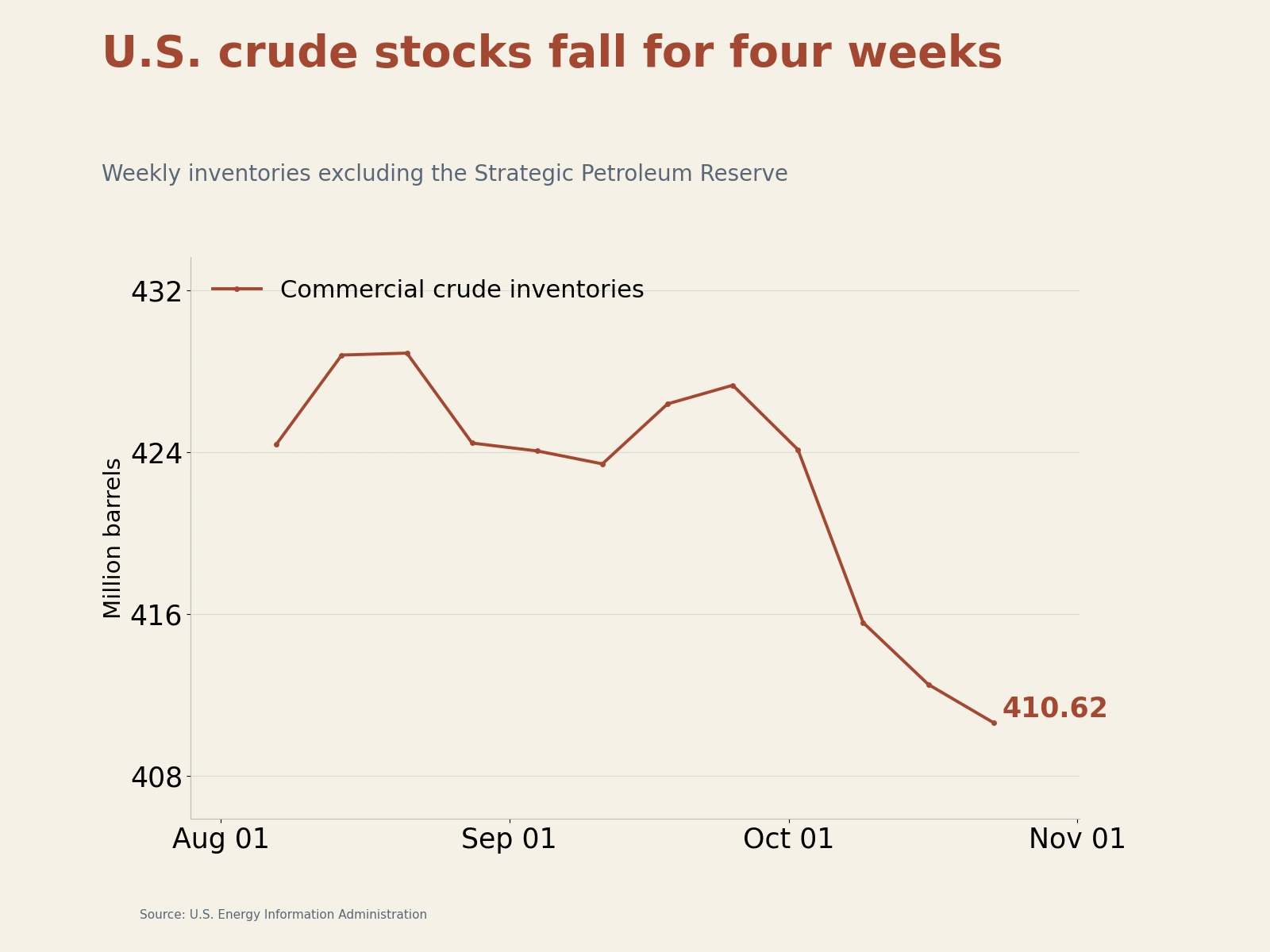
The latest EIA report, for the week ending July 17, showed commercial crude excluding SPR up 2 million barrels to 411.7 million, still about 6% below the five-year seasonal average. Gasoline rose 800,000 and distillates 1.4 million, taking total commercial petroleum stocks up 11.6 million. The report for July 24 was due July 29 morning Eastern time.
Unofficial API accounts even conflicted on direction: Reuters and Oilprice cited a roughly 3.3 million-barrel draw, while Trading Economics recorded a surprise 3.3 million build versus a 2.5 million draw expected. Components broadly agreed: Cushing down 270,000, gasoline up 920,000, SPR release about 3.7 million leaving 307.7 million, and US production 13.8 million barrels daily. Given API's subscription nature and conflicting sources, markets did not preemptively commit and awaited EIA.
Blocked sea lanes and damaged refineries diluted onshore inventory influence. Crude in tanks still needed export access; products needed regional transport to fill local gaps.
Bloomberg cited sources expecting OPEC+ to approve a September increase of 188,000 barrels per day on August 2, then pause additions from October. This remained a sourced proposal. Under Hormuz constraints, paper quotas and final arrivals were detached: higher booked output without export access was no prompt supply increase.
The split between prompt constraint and medium-term looseness appeared clearly in forwards. July EIA reduced projected third-quarter draws to 2.2 million barrels daily and warned of possible 2027 surplus. Distant discounts priced that longer-term easing.
Cross assets: Macro moves aside as geopolitics dominates
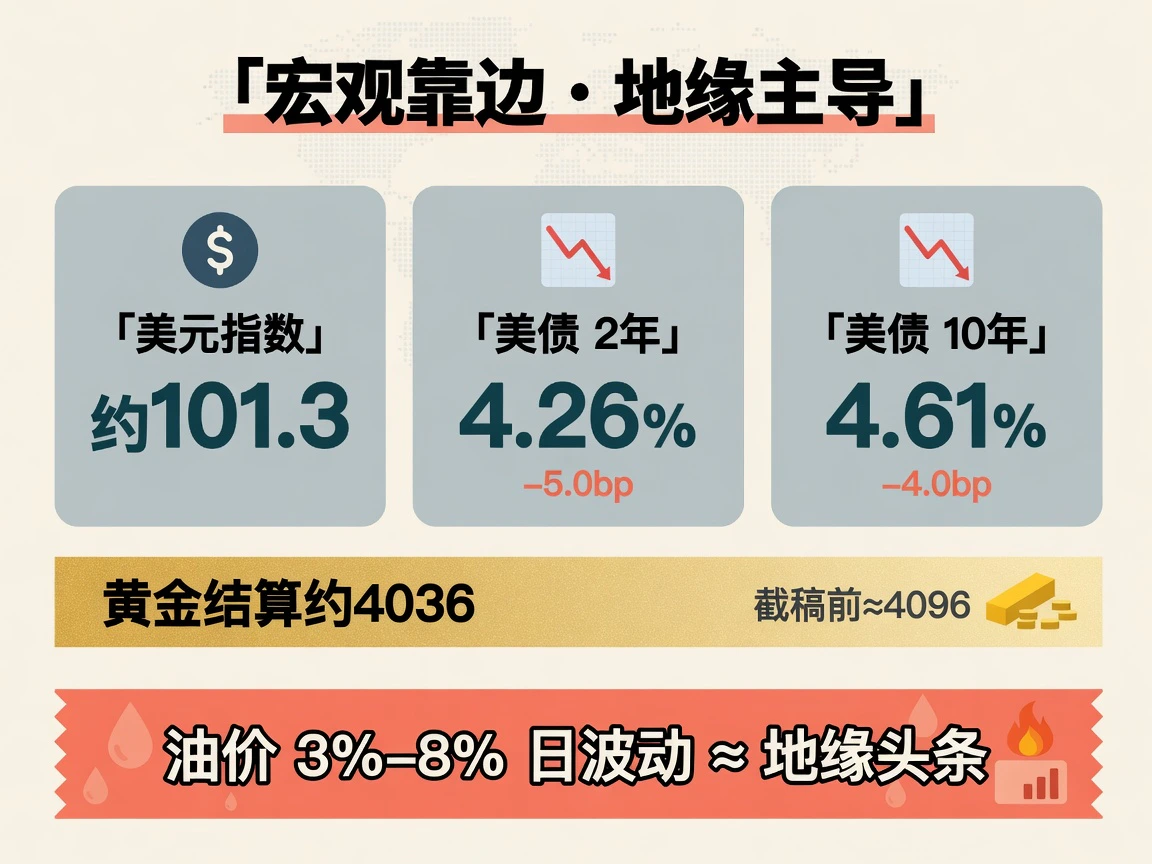
Oil's drivers had moved outside normal macro-financial relationships. Before cutoff DXY hovered around 101.3. Treasury daily yields were 2-year 4.26%, down 5bp, and 10-year 4.61%, down 4bp, leaving little currency or rate restraint on commodities.
Gold confirmed this: Tuesday settled $4,036 an ounce versus Monday around $4,075, then recovered to a $4,096 cutoff snapshot. Like oil it fell during daytime diplomatic optimism and rebounded with overnight risk. Recent 3%–8% daily oil swings were almost entirely headline-driven, leaving macro variables little immediate pricing power.
Physical anchors: Blocked passage, idle refineries and extreme freight
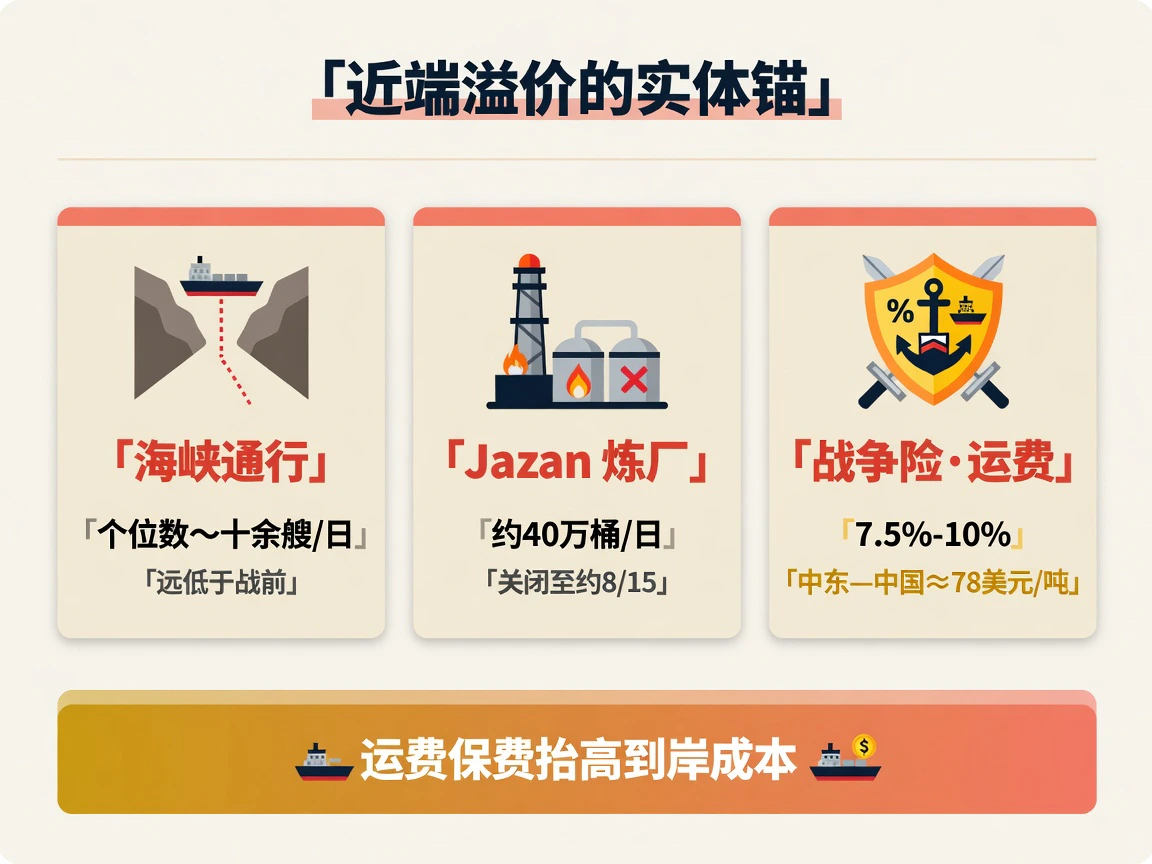
Beneath sentiment, the constraints supporting prompt premiums were clear:
First, passage and conflict expectations. Tuesday's selling followed optimistic reports of ceasefire and Iranian contacts with Saudi Arabia and Oman over navigation. Missile-interception news sent overnight and Asian/European electronic prices sharply higher. DBS said unsettled geopolitics would keep Brent swinging broadly between $80 and $100.
Second, fragile refining. Reuters and IIR monitoring showed Aramco's 400,000-barrel-per-day Jazan refinery closed July 27 after Houthi attacks, with repairs expected through August 15. Attacks on Yanbu petrochemical facilities were also claimed. Products are less substitutable across regions than crude, so a major refinery outage immediately affects cracks and fuel premiums. Goldman projected year-end Brent near $80 if Hormuz fully reopened in the fourth quarter, with Red Sea instability and Saudi attacks key upside risks.
Third, high freight and insurance. Third-party tracking put daily Hormuz traffic far below more than a hundred prewar, sometimes only single digits to the teens in late July. Al Jazeera cited S&P Global estimates of war-risk surcharges at 7.5%–10% of hull value and Middle East-China VLCC freight around a historically high $78 per tonne.
Freight and insurance formed a high landed-cost floor. Relief narratives ultimately needed restored vessel flows and materially lower freight, beyond verbal diplomacy.
Trading focus: Rapid switching between two paths makes prompt volatility the trade itself
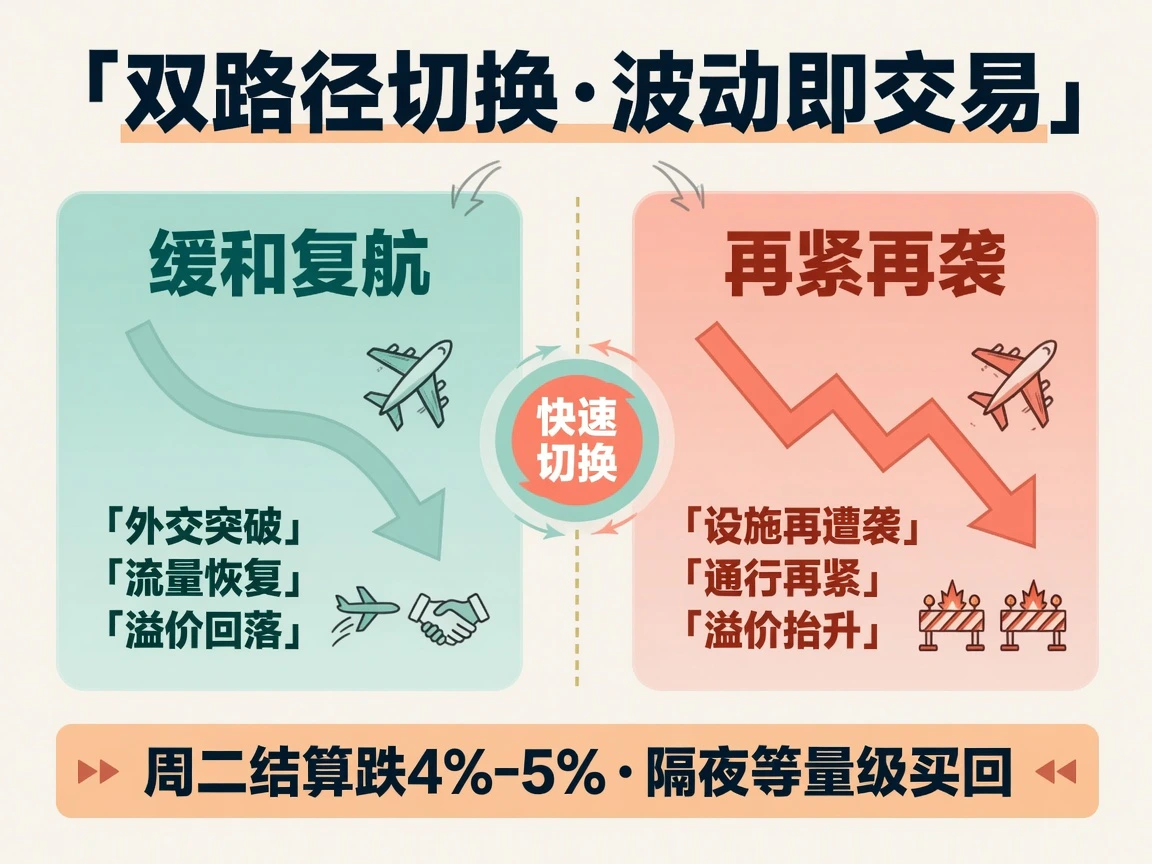
Nearby contracts retained most risk premium while distant contracts discounted deeply. Tuesday's 4%–5% settlement drop was bought back overnight and electronically in similar magnitude, showing repeated switches between diplomacy restoring passage and attacks renewing disruption. Volatility itself became a sought-after trading exposure.
API and upcoming EIA inventories carried less weight than geopolitical and facility-damage news. Potential OPEC+ completion of output additions affected distant expectations without resolving prompt anxiety. Only real Hormuz volume growth and collapsing war insurance and freight could clear the premium.
Tests ahead included July 29 Eastern-time EIA confirmation of crude, Cushing and product changes; August 2 OPEC+ decisions on September's 188,000-barrel-per-day increase and October pause; whether Lloyd's, Kpler and others recorded weekly passage breaking the single-digit freeze; whether TD3C freight and war premiums turned down before announcements; and repair/restart schedules for Jazan, eastern Saudi and Yanbu facilities.
Before a material reversal in vessel flows, sell-offs driven only by ceasefire-talk expectations could readily be fully reversed by fear-driven buying overnight, as Tuesday showed.