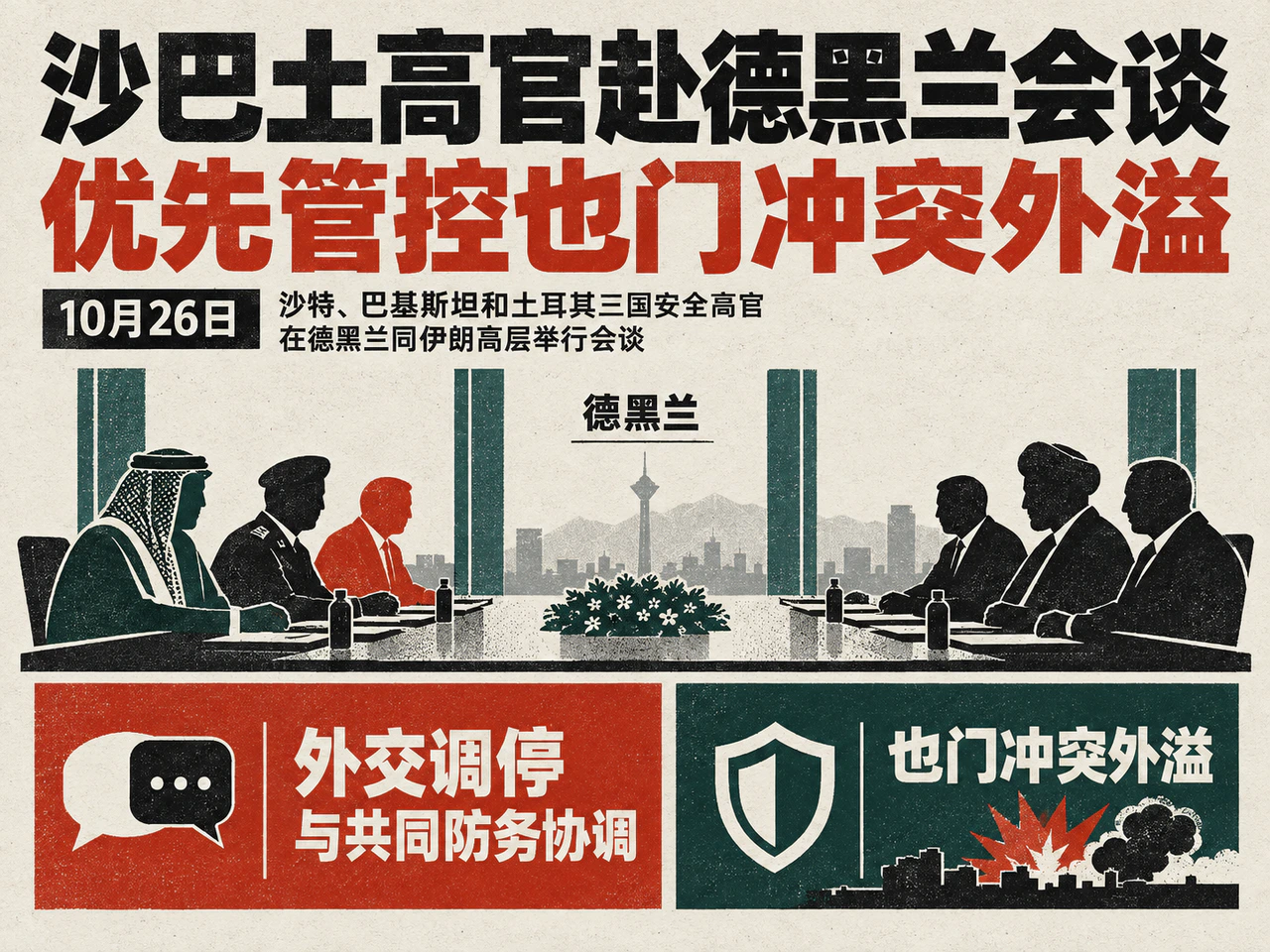
Over 24 hours, U.S.–Iran conflict escalated across several fronts. After days of pause, U.S. airstrikes resumed inside Iran and explosions hit southern centers. Saudi Arabia shifted from months of quiet mediation to joint military operations and leadership of a 14-country maritime-defense coalition. Attacks on an Egyptian Mediterranean port and northern Kuwait expanded the conflict from the Gulf–Iraq axis toward both the Mediterranean and Gulf interior. The IRGC responded that Hormuz could not reopen.
U.S. resumes strikes inside Iran; civilian deaths on Qeshm cause shock
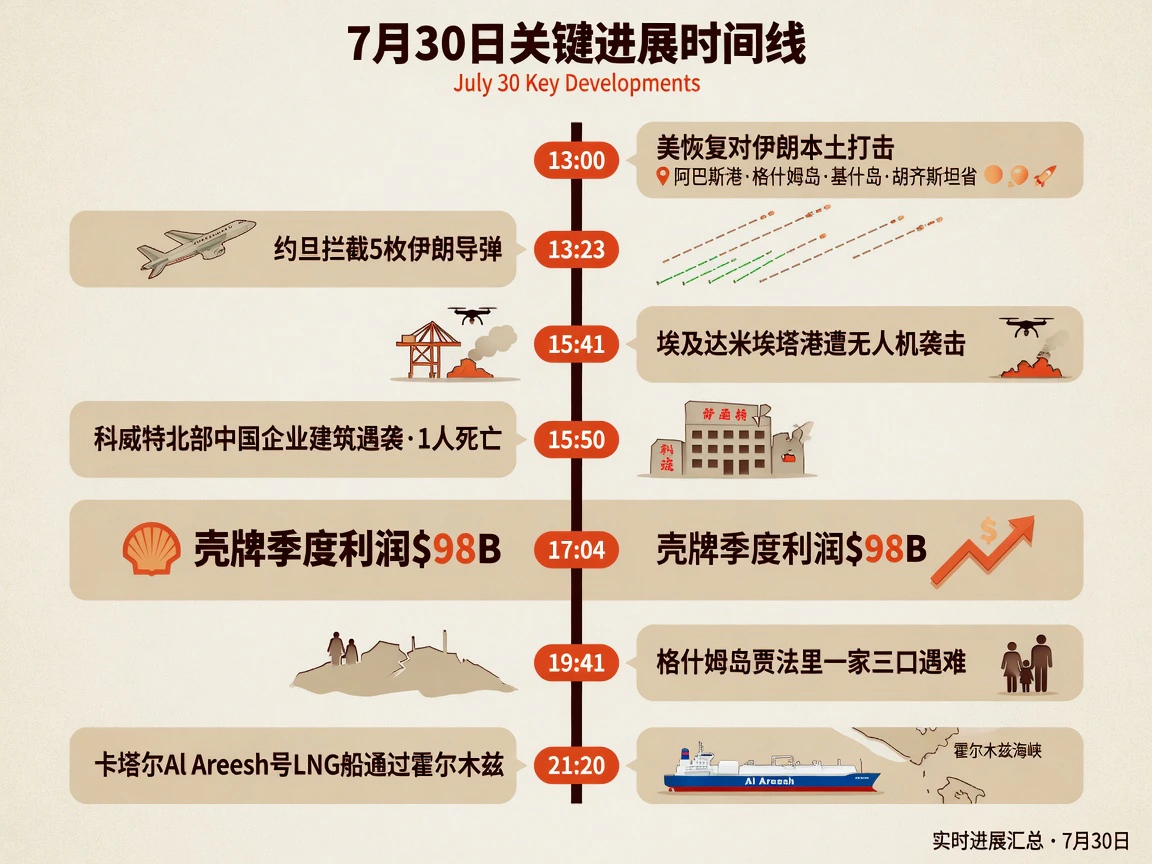
At noon Beijing time July 30, CENTCOM announced renewed strikes after several quiet days. Explosions affected Bandar Abbas, Qeshm and Kish islands and Khuzestan near Iraq. Washington described heavy strikes on IRGC targets in retaliation for attempted attacks on U.S. regional bases.
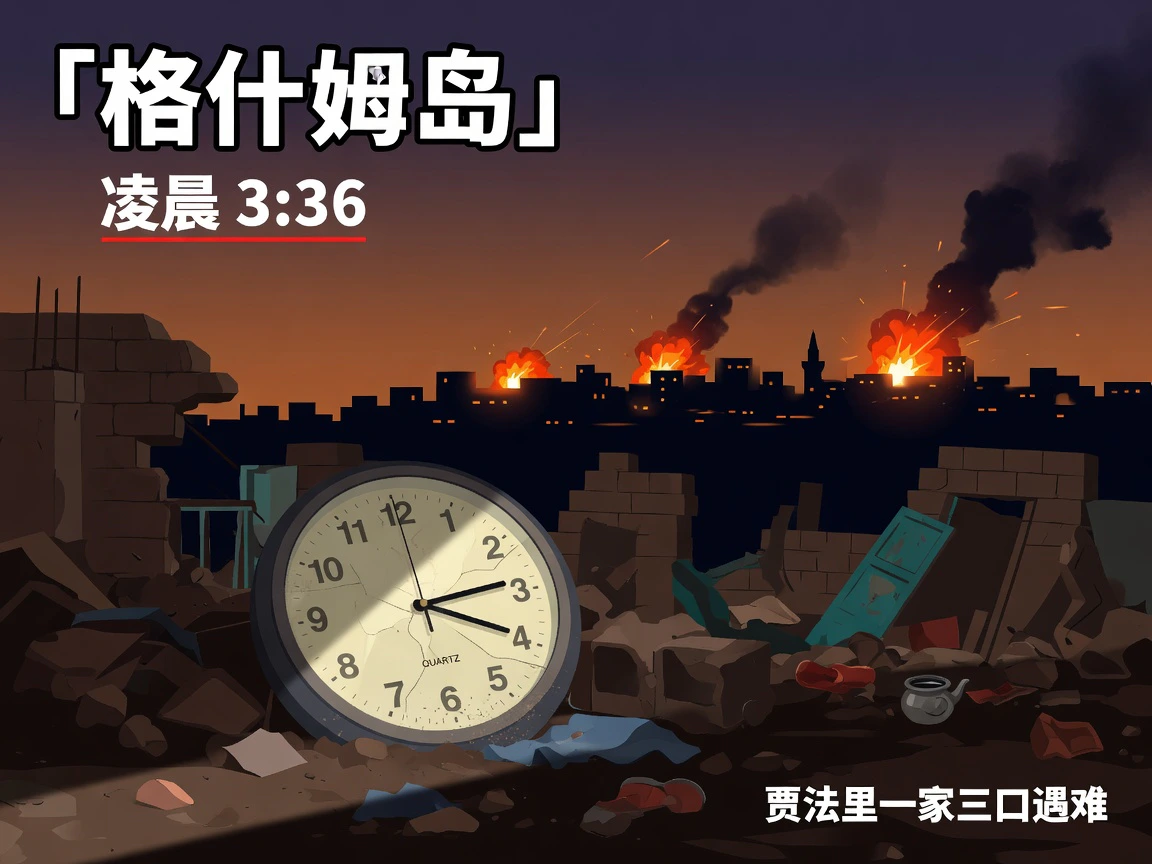
Qeshm civilian casualties drew attention. Iranian state media confirmed a home in Chatangu village was directly hit, killing Qeysar and Zahra Jafari and their two-year-old son Sina. Rescuers recovered two injured children aged eleven and seven. Television showed a clock in the rubble stopped at 03:36 local time.
Foreign Ministry spokesman Baghaei posted the names and condemned the attack, saying every bombing, crime, sanction, threat and innocent child's death only strengthened Iranians' unity and determination to defend their homeland to the end.
A fifty-year-old Qeshm woman told CNN of constant fear: not knowing whether she would survive the night, whether family and friends were alive or when the next strike would come; even dawn and opening her eyes had become frightening.
The IRGC said Hormuz could never reopen while U.S. threats and interference continued. Calling the waters its territory, it warned distant powers against involvement and neighboring countries assisting aggressors of severe punishment unless they changed course.
Saudi strategic turn: from quiet mediation to coalition combat
Saudi Arabia made its largest geopolitical shift in months during the past 24 hours.
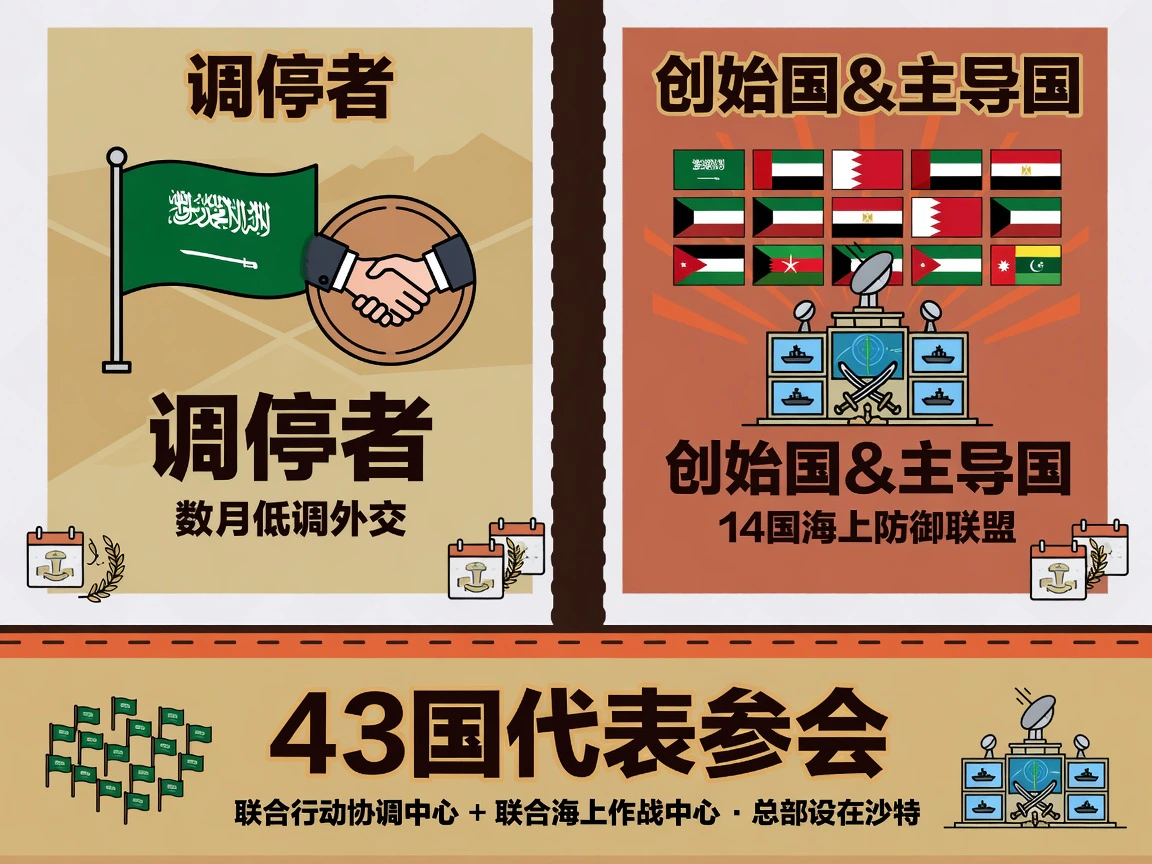
After joint U.S.–Saudi strikes on Iran-aligned militias in Iraq killed at least twenty, the Saudi Defense Ministry announced fourteen countries supported its maritime-defense coalition for strategic waterways and trade. The state agency listed Kuwait, Bahrain, Qatar, Pakistan, Turkey, Egypt, Jordan, Yemen, Bangladesh, Nigeria, Sudan, Djibouti and Somalia among initial supporters. Military representatives from 43 countries attended in person or by video, alongside an EU delegation. Saudi Arabia would be founder and leader, hosting headquarters, a joint operations coordination center and a joint maritime operations center.
The UAE publicly backed Riyadh, supporting all measures to preserve Saudi security and stability.
CENTCOM said cumulative shipping enforcement had rerouted 24 merchant ships, four more than the prior day, halted two and boarded two.
Iraq firmly denied its territory was used for drone attacks on Saudi Arabia. Baghdad said it tolerated neither unilateral launches from its soil nor external violations and that accusers had provided no concrete evidence.
Spillover: Egypt and Kuwait drawn in for the first time
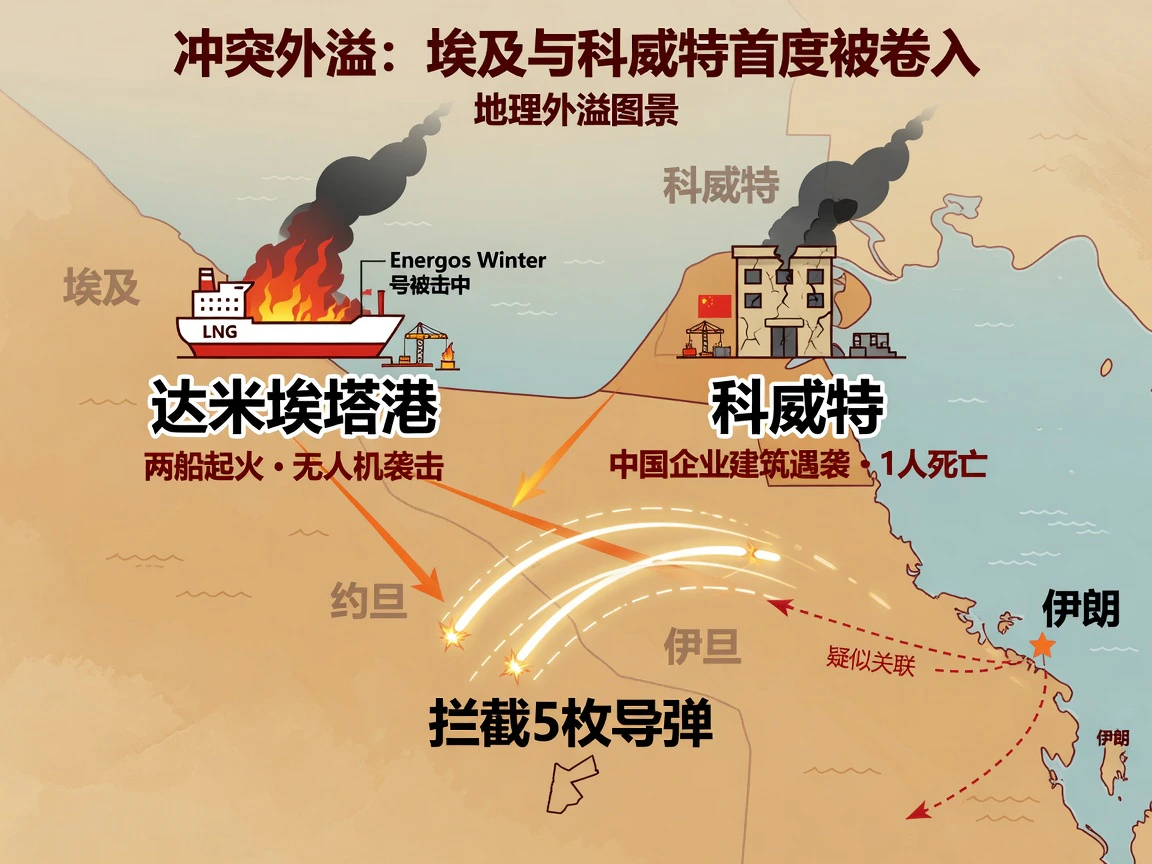
At Damietta, an important Mediterranean LNG hub near the Suez Canal's northern exit, two large ships caught fire July 29. Egypt's cabinet confirmed July 30 that a long-range drone attack caused it.
Ambrey's preliminary assessment identified the U.S.-linked, Marshall Islands-flagged FSRU Energos Winter, with fire spreading to the nearby Bermuda-flagged LNG carrier GasLog Salem. Both damaged ships were towed offshore for inspection. Damietta authorities said operations remained normal and there were no casualties. No group had claimed responsibility.
If confirmed deliberate, it would be the first attack on key Egyptian infrastructure since full escalation, bringing hostilities to the Mediterranean energy chain. RUSI senior fellow H. A. Hellyer told CNN it likely signaled Iranian capability to strike far beyond its borders. He considered Iran-aligned proxies likelier than direct regular-force action and expected restraint from Cairo, traditionally cautious in offensive operations. Foreign media said Egypt had urgently contacted Tehran privately.
Araghchi called Egypt a vital friend and regional partner whose security was indispensable to Iran. Without directly addressing Damietta, he warned of false-flag operations intended to provoke conflict and undermine peace.
Kuwait accused Iran of striking a Chinese-built project building in its north, killing one employee and causing major property damage. Its military promised all necessary measures to protect sovereignty and territory.
Jordan confirmed interception at dawn of five cruise or ballistic missiles arriving from Iran, with no casualties, again averting transit-attack risks.
Hormuz: a Qatari LNG passage tests the deadlock while traffic remains frozen
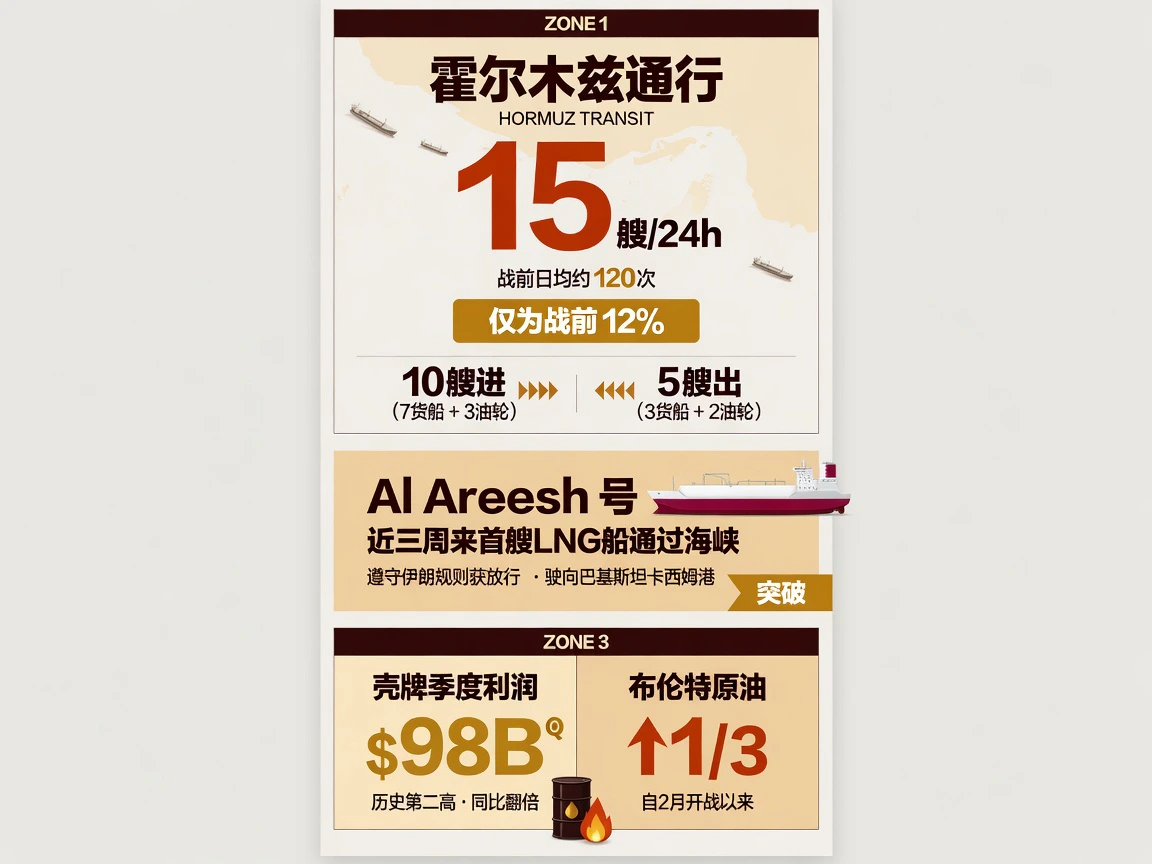
MarineTraffic through July 30 counted about fifteen merchant transits in 24 hours: ten inbound, comprising seven container/bulk carriers and three tankers; five outbound, three cargo ships and two tankers. This was only one more than the previous day and about 12% of the prewar norm of 120 daily, close to paralysis.
QatarEnergy's large LNG carrier Al Areesh nevertheless completed its first successful Hormuz passage after nearly three weeks of blockade, sailing to Pakistan's Port Qasim. Maritime sources said it used an Iranian-approved northern route; Iranian broadcasting confirmed strict observance of its rules and reporting procedures.
Qatar accounts for nearly one-fifth of global LNG supply. Since Al Rekayyat was hit in early July, several carriers had turned back and exports nearly stopped. Al Areesh's compliance was seen as a practical political compromise, tacitly accepting Tehran's actual waterway jurisdiction.
The blockade sent shocks through fertilizer and energy, threatening European and global winter gas supply. Shell's latest results illustrated the turmoil: profit for the quarter ending June reached $9.8 billion, more than double annually and its second highest ever, behind early-2022 Russia–Ukraine war gains. Brent had risen nearly one-third since fighting began in February.
Bab el-Mandeb improved somewhat: 48 merchant ships passed in 24 hours, 28 into the Red Sea and twenty toward the Gulf of Aden, versus 37 previously. Houthi threats still left traffic about one-fifth below prewar levels. Widespread GPS spoofing and malicious interference affected both Hormuz and Bab el-Mandeb, threatening navigation; such activity had been rare at the latter only a week earlier.
U.S. political divisions, shuttle diplomacy and disputed arms reports
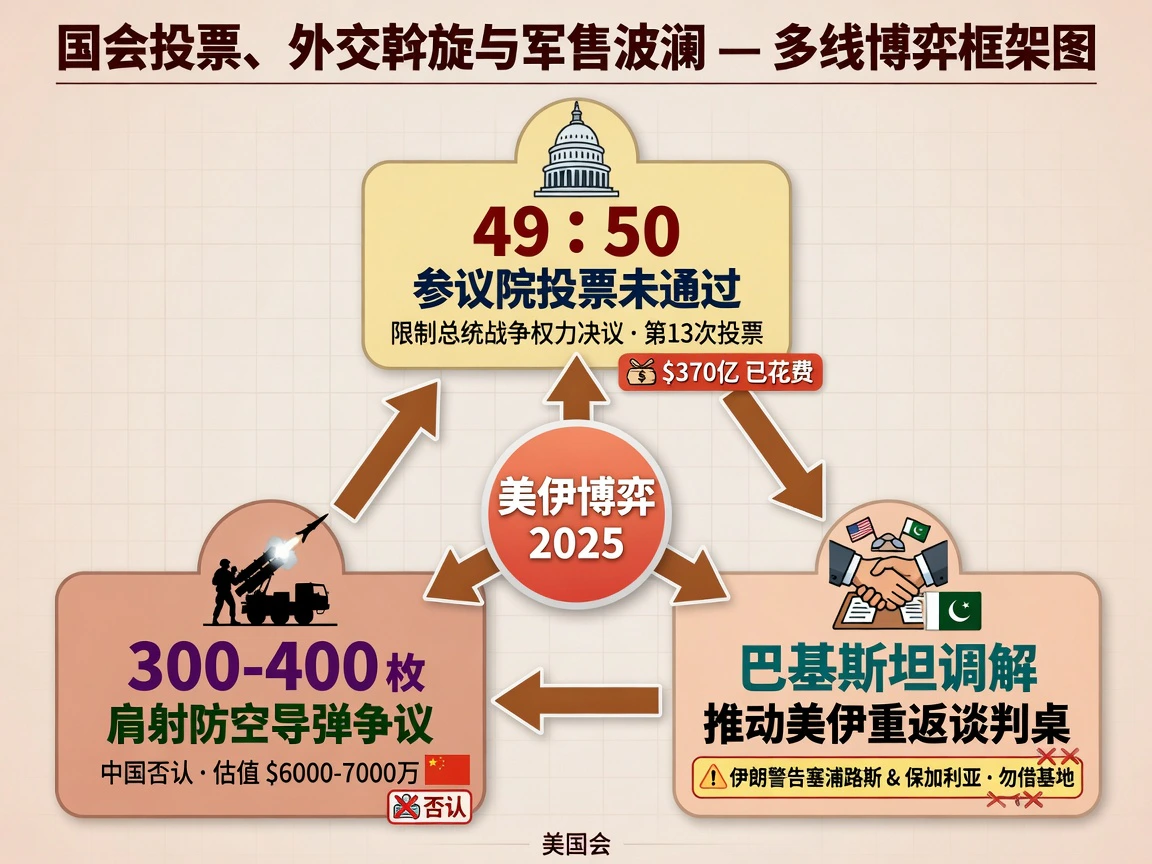
The Senate again rejected an Iran war-powers resolution 49–50, its 13th related vote that year. Republicans Murkowski, Collins and Rand Paul crossed over to support limits, while Democrat Fetterman opposed. Trump had rebuked dissenters at a closed lunch and called them losers on Truth Social.
Democratic Representative Mullin told CNN the war had cost $37 billion and was a war searching for a justification, warning it would consume money and lives without bringing genuine Middle Eastern peace.
Pakistan's Foreign Ministry said it was doing everything possible to build channels and return the United States and Iran to talks, continuing its vital intermediary role as a neighbor with broad contacts.
An arms report also stirred controversy. Reuters had cited sources suggesting China might deliver 300–400 shoulder-fired air-defense systems to Iran worth about $60 million to $70 million. China's Foreign Ministry firmly rejected it as fabricated and baseless, saying China supported peace and negotiations.
Araghchi called Cyprus and Bulgaria's foreign ministers, warning against U.S. use of their bases. He told Cyprus that providing territory to a third party for hostile action constituted participation in aggression under international law.
Israel–Lebanon front: Israel uses hundreds of tons of explosives on Hezbollah tunnels
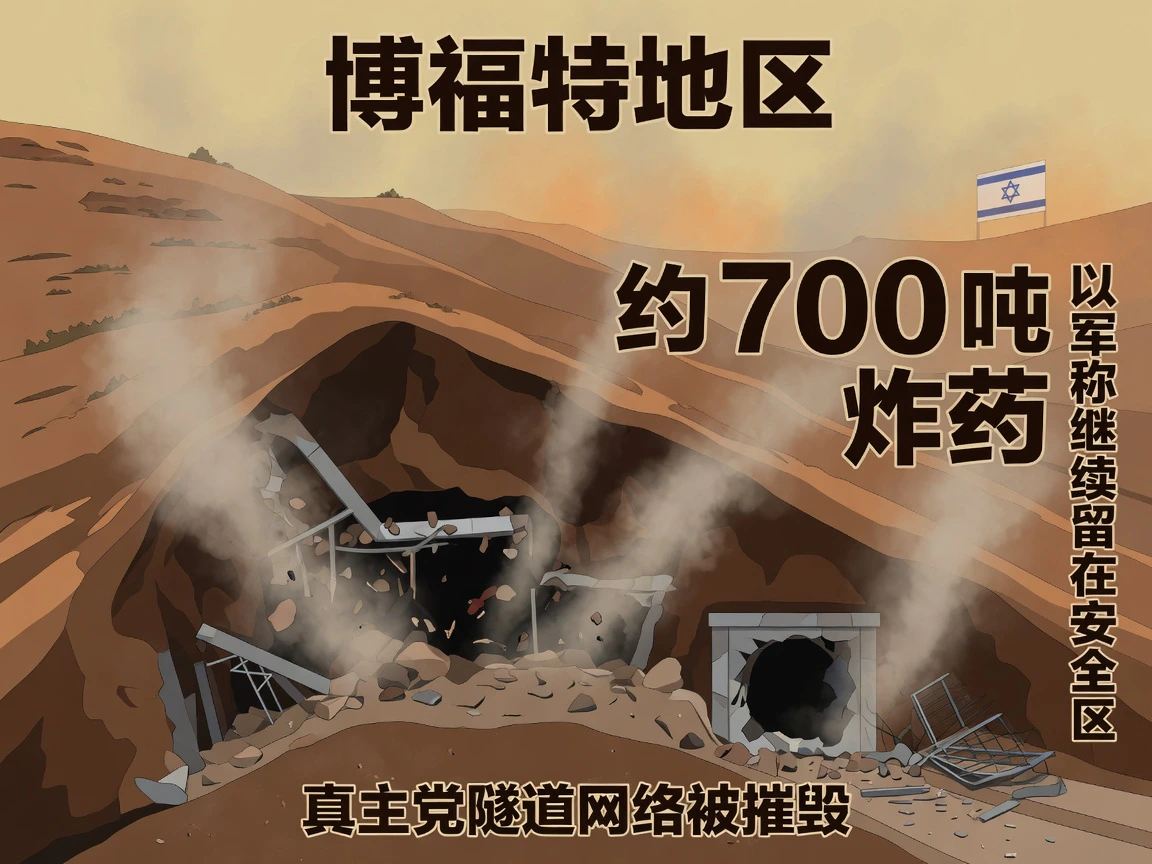
Netanyahu and Defense Minister Katz said Israeli forces detonated approximately 700 tons of explosives at Beaufort in southern Lebanon, destroying a large Hezbollah tunnel network. They accused Hezbollah of violating the ceasefire the previous day without details. Hezbollah had not responded.
The Israeli statement warned of the strongest retaliation against threats to soldiers or civilians and said forces would remain indefinitely in the southern buffer zone until all threats and defensive gaps were removed.
Key developments (Beijing time)
| Key developments |
|---|
Analysis: Trump's peacemaker campaign promise collides with the reality of multiple wars. |
Israel says about 700 tons of explosives destroyed Hezbollah tunnels in southern Lebanon and warns against ceasefire violations. |
Hormuz records only about fifteen daily transits, nearly 90% below prewar levels; Bab el-Mandeb rises to 48. U.S. forces have rerouted 24 merchant ships; both waterways face GPS spoofing. |
Araghchi calls Egypt an important friend and partner, emphasizes its security and warns against provocative false flags. |
The Senate rejects war-power limits 49:50 for a 13th related vote that year. Mullin criticizes $37 billion spent on a war seeking justification. |
Saudi Arabia launches a fourteen-country maritime-defense coalition with representatives from 43 countries; headquarters and operations centers will be Saudi-based. |
China's Foreign Ministry rejects reports of hundreds of air-defense missiles for Iran as false and baseless, reiterating support for peace talks. |
Araghchi warns Cyprus and Bulgaria against allowing U.S. attacks from their bases, saying lending territory makes them participants in aggression. |
Qatar's LNG carrier Al Areesh crosses Hormuz for the first time in three weeks under Iranian reporting and passage rules. |
A RUSI expert says Damietta may be Tehran's strategic warning, demonstrating long-range cross-regional strike capability. |
A Qeshm home is directly hit by a U.S. strike: three Jafari family members die and two children are rescued; a clock stops at 03:36. |
Iraq denies its soil was used to attack Saudi Arabia, rejects unilateral incursions and says no evidence has been supplied. |
Pakistan says it is pursuing shuttle diplomacy and doing its utmost to restore U.S.–Iran talks. |
Geopolitical premiums lift energy profits: Shell quarterly earnings reach $9.8 billion, more than doubling annually and its second-highest result. |
Kuwait says an Iranian attack on a Chinese project in its north killed one and vows to defend sovereignty and territory. |
Egypt confirms Damietta's fire resulted from a drone attack, damaging a U.S.-linked LNG floating-storage facility without casualties. |
The IRGC says Hormuz will not reopen, outside powers have no right to interfere and aggressors will be punished. |
Mullin criticizes the White House over $37 billion spent on a war seeking excuses and weakening the U.S. position. |
The UAE publicly supports Saudi measures to preserve security and stability. |
Recent joint Saudi–U.S. strikes on Iran-aligned Iraqi militias killed at least twenty and injured 32; Saudi Arabia's defense minister met Trump and Vance repeatedly. |
Jordan intercepts five Iranian transit missiles at dawn without casualties. |
U.S. strikes resume inside Iran, with explosions in Bandar Abbas, Qeshm, Kish and Khuzestan. |
CENTCOM announces new heavy strikes in retaliation for earlier Iranian attacks. |