Middle Eastern tensions shifted abruptly over the past 24 hours. Saturday night US Eastern time, the morning of August 2 in Beijing, Trump canceled planned strikes on Iran. He claimed negotiations had broken through: forces were ready, but with a broad framework agreed in principle he accepted Iranian and other requests to delay. This contrasted with earlier warnings of a major strike as soon as the weekend. Beneath the easing, risks remained: a US travel alert urged possible departure, Iran promised equivalent retaliation, Kuwait reported Iranian drones intercepted, and Israeli bombs left a huge crater beside a Gaza hospital. Diplomacy and fighting continued together.
Overnight reversal: From threatened heavy strikes to a pause

Trump formally announced the cancellation Saturday night, saying US forces had been at maximum readiness but Iran and other regional countries requested delay after broad agreement. He said the proposed deal covered immediate Hormuz reopening and an end to Iran's nuclear threat, with Israel also pausing operations. Everything depended on a formal agreement arriving quickly. The White House had not answered requests for details.
The turn sharply contrasted with prior deterrence. CNN cited two informed officials saying new airstrikes could come that weekend; Trump had said at Friday's Camp David cabinet meeting that the US would hit hard. In actual operations, however, Iran had reported no new strikes for several days since Wednesday night's US heavy wave.
FDD senior Iran fellow Taleblu described another familiar, frustrating tug-of-war: uncertain effectiveness of US pressure using energy and infrastructure, with Iranian retaliation against Gulf allies' facilities remaining a central White House concern.
Multiple mediation channels: Crown-prince call and urgent Qatari–Pakistani diplomacy
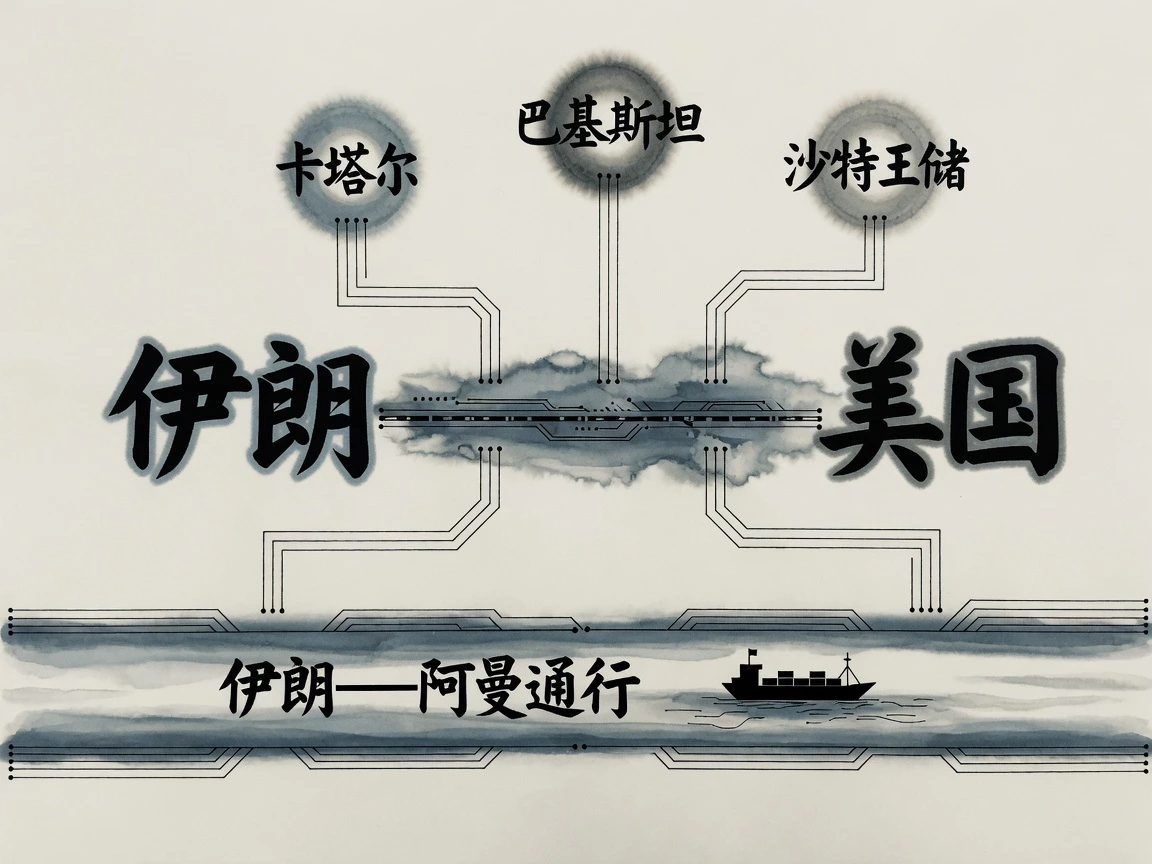
Emergency regional intervention was a key driver. Four informed people and a regional source said Trump spoke with Saudi Crown Prince Mohammed bin Salman Saturday. The crown prince stressed Riyadh's urgent desire for de-escalation and serious concern about strikes. CNN analyst and former US Air Force colonel Leighton said both Saudi Arabia and Iran faced heavy consequences. Riyadh needed the strait open for exports, with enormous economic risk, and Washington depended on Saudi shuttle diplomacy; the call was decisive for the pause. After five months of attrition and blockade, Iran's economy and military were also strained. Leighton interpreted Tehran's request as seeking time to regroup and breathe through talks.
Qatari and Pakistani officials pursued intensive diplomacy with Iranian leaders and key US representatives including envoy Witkoff. Their immediate aim was an interim Iran–Oman passage arrangement to release blocked merchant ships. Earlier, US and Saudi aircraft had jointly struck Iraqi militia sites after pro-Iran groups launched drones toward Saudi Arabia.
Threats and alerts: Iranian calls, US travel warning and Kuwaiti interception

Iran still drew firm lines. Araghchi called Turkish Foreign Minister Fidan and Pakistani army chief Munir Saturday, warning of decisive equivalent responses to US adventurism. Fidan confirmed discussion of ceasefire talks. With Saudi Foreign Minister Prince Faisal, Araghchi reiterated retaliation against aggression from the US, Israel or any regional state. He had emphasized an eye-for-an-eye infrastructure strategy the previous week.
US security precautions escalated. State Department warnings to Americans throughout the Middle East urged serious consideration of immediate departure or readiness to evacuate, citing possible mass flight cancellations, temporary airspace closures and blocked transport. The alert reflected Washington's anxiety over strikes and retaliation against US bases.
Fighting did not stop with ceasefire rumors. Kuwait said it intercepted drones approaching from the direction of Iran early Saturday. Iranian domestic repression also tightened: HRANA reported that 19-year-old Arvin Khairkhahan, arrested during January protests, was executed Saturday in Shahrud prison for waging war against God. Two others had been executed earlier that week on allegations of killing police, not independently verified. Foreign analysis said judicial controls intensified after US–Israeli pressure began in late February.
Gaza flank: Hospital-storage crater and ceasefire uncertainty

Israeli overnight strikes early Saturday created a huge crater beside Al-Aqsa Martyrs Hospital, destroying at least two medical warehouses and badly damaging two other facilities. Gaza health authorities said critical supplies were lost. Official Abu Bursh condemned destroyed medicines as turning disease into a weapon, noting an existing 51% shortage of essential drugs. A hospital worker told CNN the warehouses contained dialysis supplies delivered by UNICEF only three days earlier; two destroyed containers threatened treatment for more than 1,000 patients.
Israel claimed a Hamas weapons store and militants using hospital warehouses as cover. Asked for evidence, an Israeli source acknowledged no physical proof could presently be provided and said the operation relied on intelligence. Palestinian authorities reported eight civilians killed and 76 injured across fighting over two days, with deaths above 1,200 since the previous October ceasefire initiative.
The bombing came less than 48 hours after Trump announced Thursday that Hamas agreed to disarm and Israel would leave Gaza. Israel's cabinet had already insisted there would be no withdrawal without full disarmament.
Shipping and oil: Strait reopening becomes central to agreement
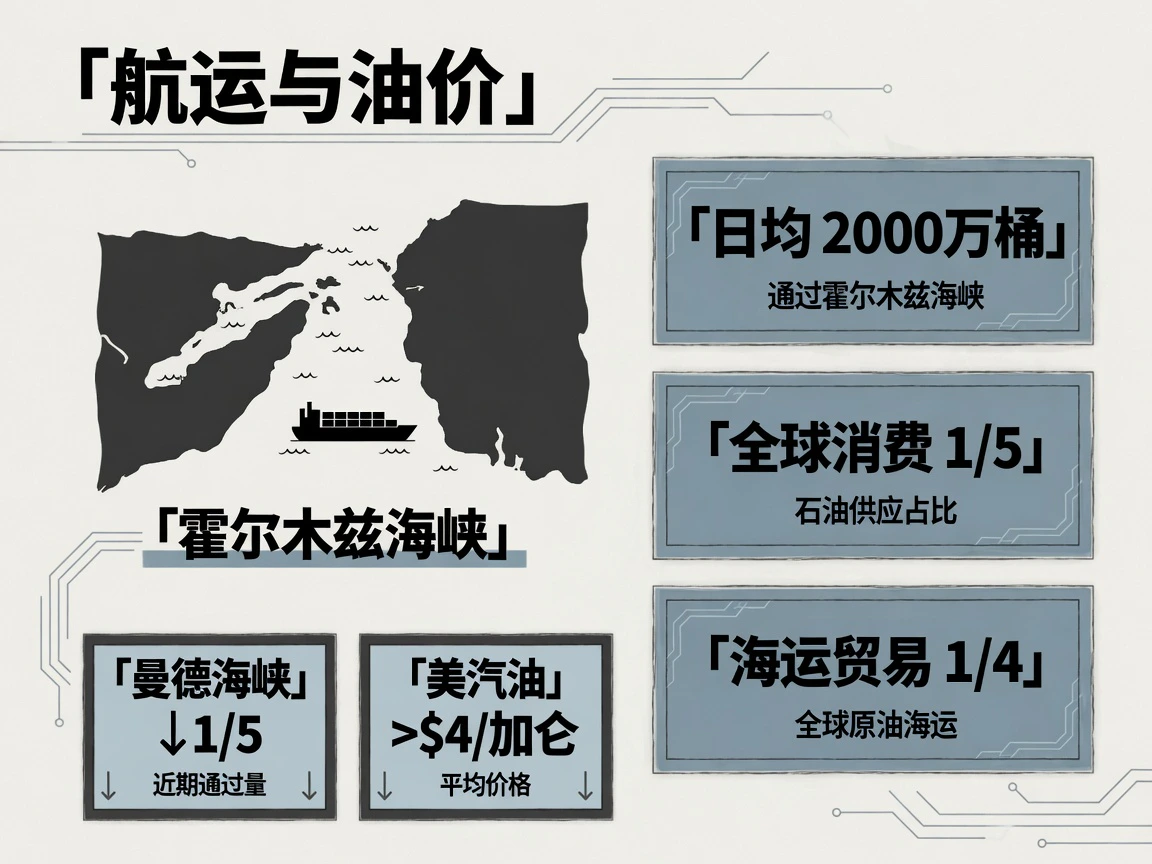
Waterway safety remained the crisis's core. EU naval operation ASPIDES said Saturday that Italian frigate Bergamini escorted a merchant vessel through the Red Sea. CNN-cited monitoring showed Bab el-Mandeb traffic around one-fifth below prewar levels.
This made Hormuz reopening the main bargaining interest in Trump's framework, with mediators seeking an Iran–Oman navigation memorandum. EIA data put oil and liquid-fuel flow near 20 million barrels/day, around one-fifth of world liquids consumption and one-quarter of seaborne oil trade. It is both Gulf exporters' foreign-exchange lifeline and a gauge for inflation and risk assets. Oil resumed rising; CNN's summary showed average US retail gasoline clearly above $4/gallon.
The next tests were whether Trump quickly delivered a detailed agreement, whether fresh cross-border or air-defense incidents hit Gulf states, and whether commercial Hormuz traffic turned upward. These would distinguish a substantive safety turn from a tactical interval before wider war.
Live highlights

| Key developments |
|---|
| 08-02 13:15CNN summary: Trump cancels Iran strikes conditional on a quick deal; US travel warning; Kuwait intercepts Iranian drones; Israeli strike leaves a crater near a Gaza hospital. |
| 08-02 12:27CNN analysis: Saudi Arabia and Iran face strong pressure to de-escalate; a former US officer says Washington's reliance on Saudi diplomacy influenced the decision. |
| 08-02 10:38Trump halts strikes despite forces being ready. The framework covers reopening the strait and ending the nuclear threat; Israel also pauses. |
| 08-02 09:54Sources say Trump called the Saudi crown prince, who urged de-escalation. Qatar and Pakistan mediate urgently for an Iran–Oman passage arrangement. |
| 08-02 08:43Iran's foreign minister calls counterparts in Turkey, Pakistan and Saudi Arabia, warning of equivalent retaliation for external adventurism. |
| 08-02 05:07FDD's Taleblu sees familiar deadlock and uncertain effectiveness of pressure using energy and infrastructure. |
| 08-02 03:26Frontline background: Israeli forces continue consolidating military control at multiple Gaza sites. |
| 08-02 01:35Destroyed Gaza warehouses held UNICEF dialysis supplies, threatening over 1,000 patients. Israel cites intelligence but acknowledges no conclusive physical proof. |
| 08-02 01:10HRANA reports a 19-year-old protester executed in northern Iran and two other executions that week; officials have not confirmed. |
| 08-02 00:54Oil rises again as geopolitical premiums persist; average US gasoline clearly exceeds $4/gallon. |
| 08-01 23:14State Department urges Americans to consider leaving or prepare to depart, warning of flight cancellations and temporary airspace closures. |
| 08-01 20:16US repeats consular warnings; Kuwait says Iranian drones were intercepted early Saturday. |
| 08-01 20:07Israel strikes near Al-Aqsa Martyrs Hospital. Palestinian officials say disease is becoming a weapon; two-day toll eight dead and 76 injured. |
| 08-01 17:10CNN analysis: Trump weighs disengagement; Saudi and Israeli representatives visit Washington; US officials give no timetable for direct diplomacy. |
| 08-01 17:03ASPIDES says Bergamini escorts a merchant ship through the Red Sea; Bab el-Mandeb traffic is down nearly one-fifth. |


