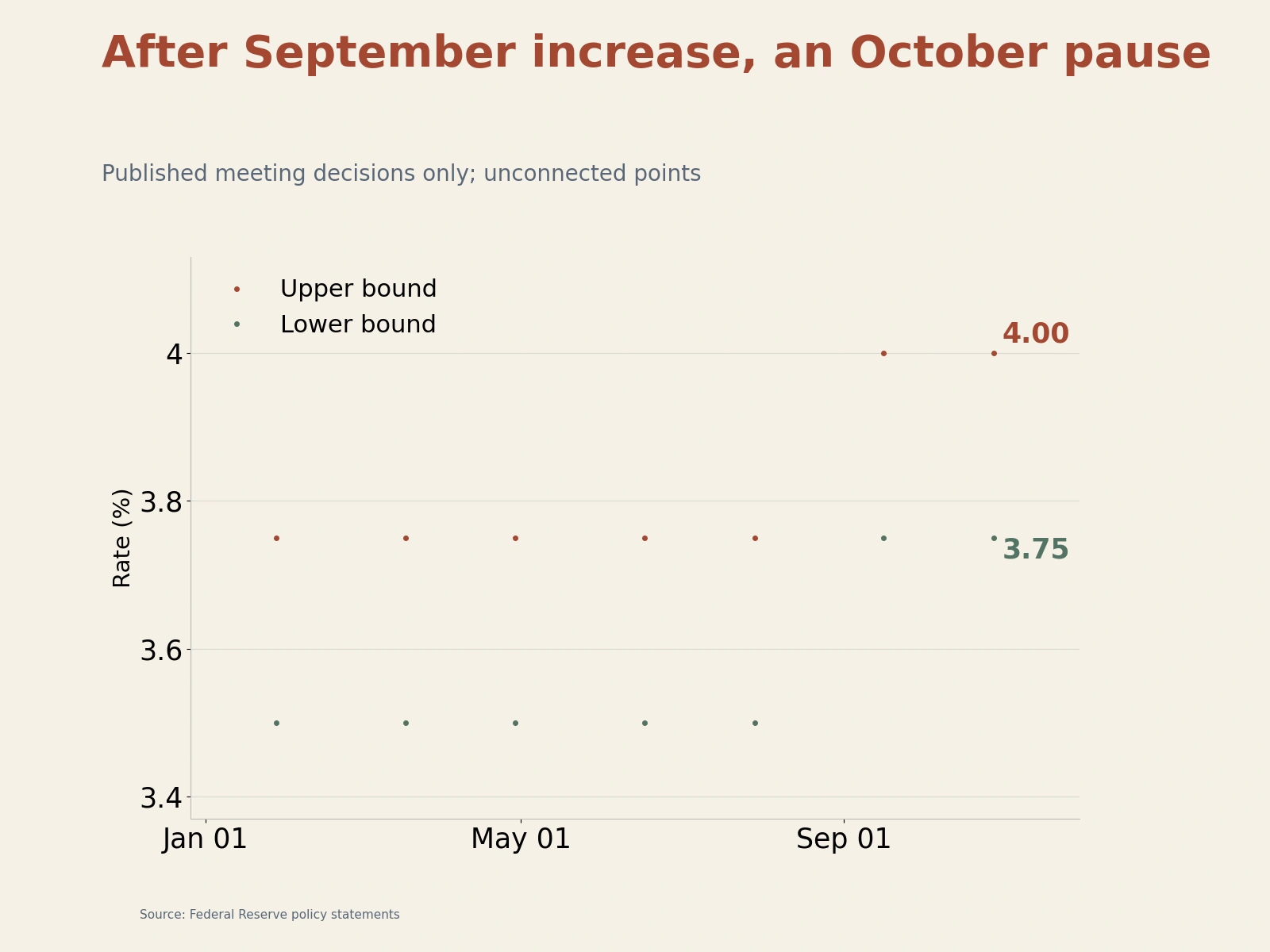
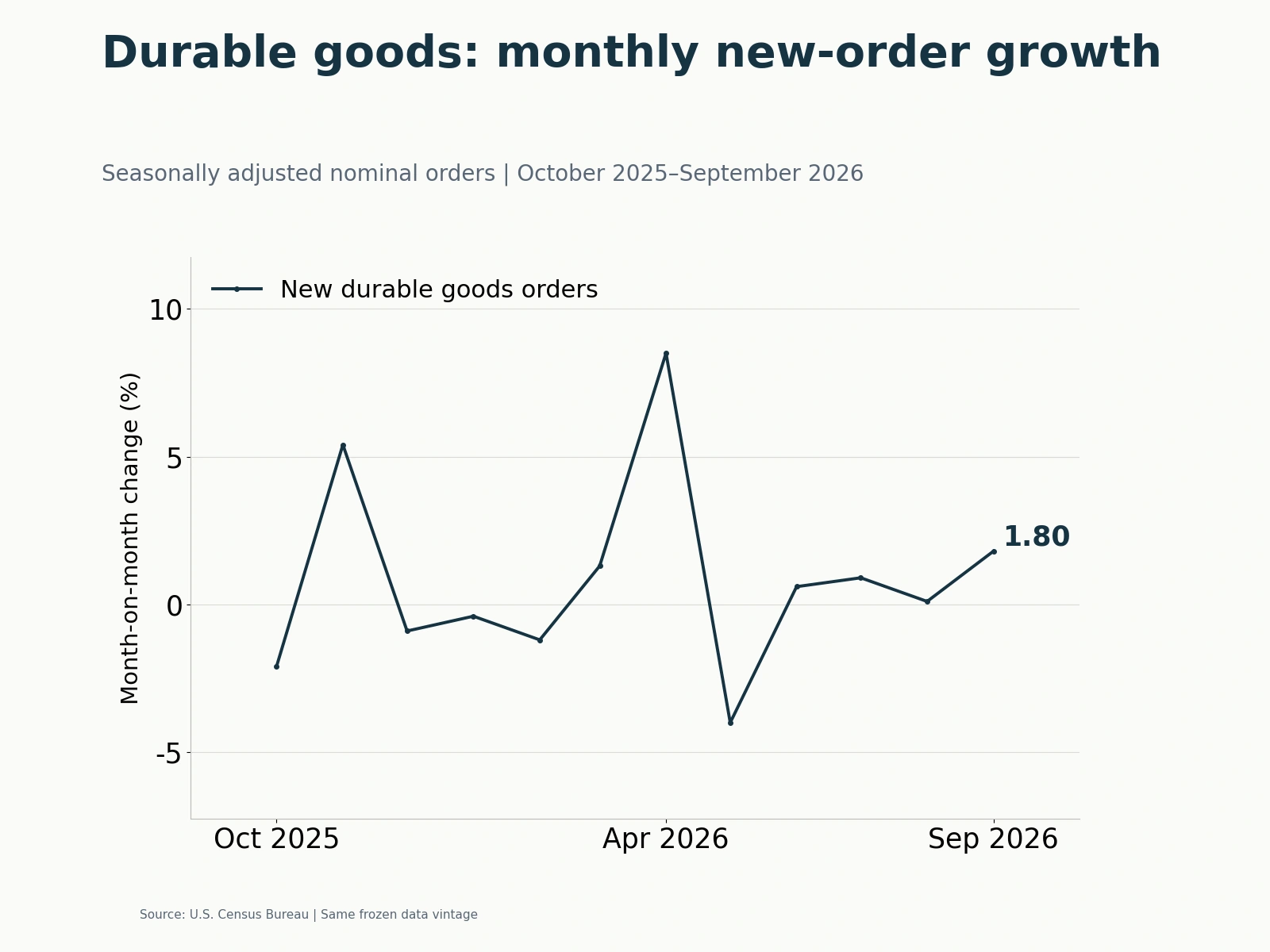
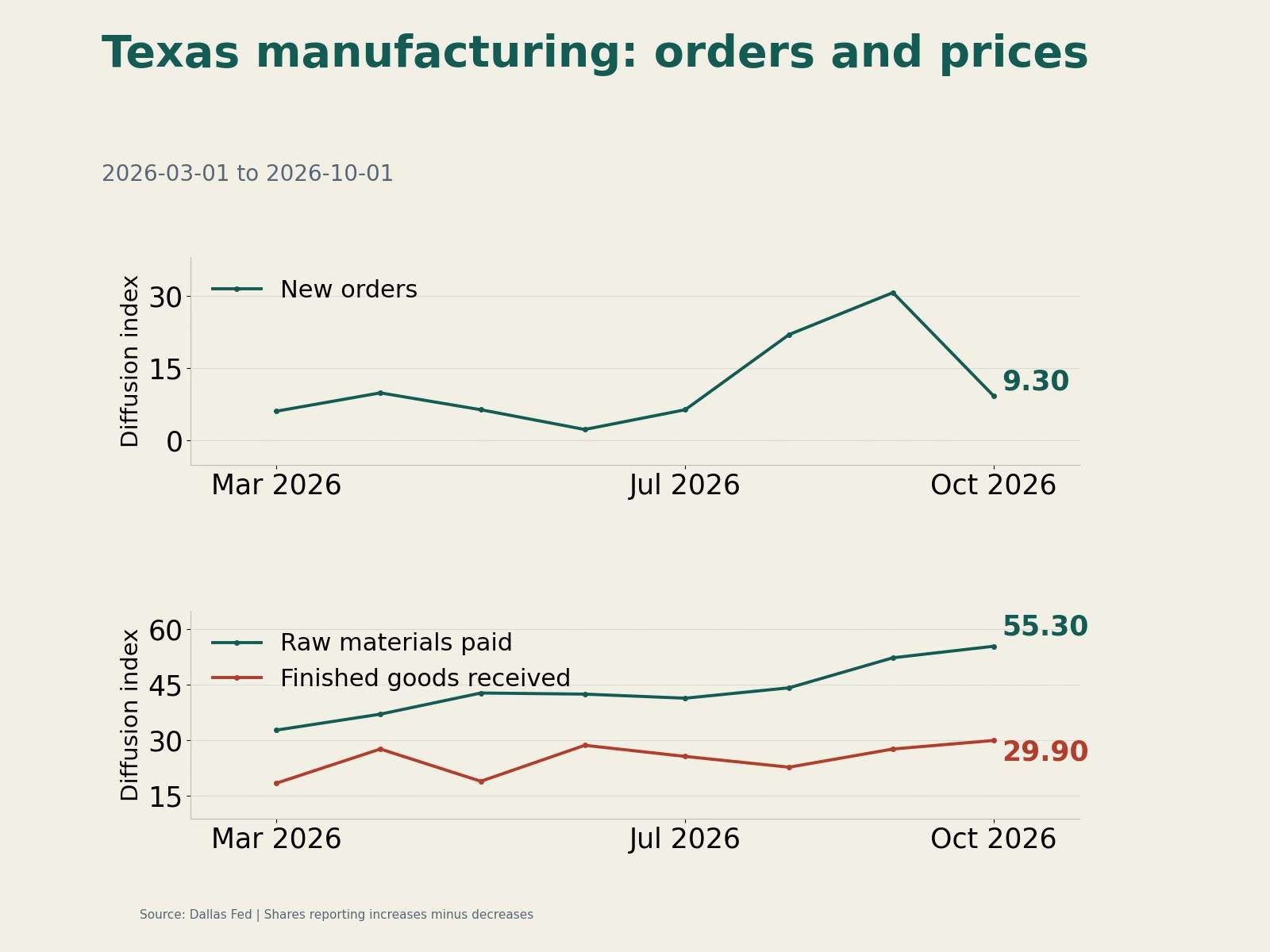
On August 5, with six weeks remaining until the Federal Reserve's September FOMC meeting, the Fed's hawkish camp spoke out in force on the same day. Minneapolis Fed President Neel Kashkari, who dissented in favor of a rate increase at the July meeting, publicly argued that small increases should begin now. Voting member Lisa Cook also made clear that she was ready to act if inflation failed to continue falling. Yet the day's economic indicators revealed a sharp divergence between weaker employment and firm prices. Interest-rate futures consequently barely changed their pricing of a September increase, which remained around 57%. Before the outcome became clear, investors were plainly focused on the forthcoming July payrolls and CPI reports.
Economic data
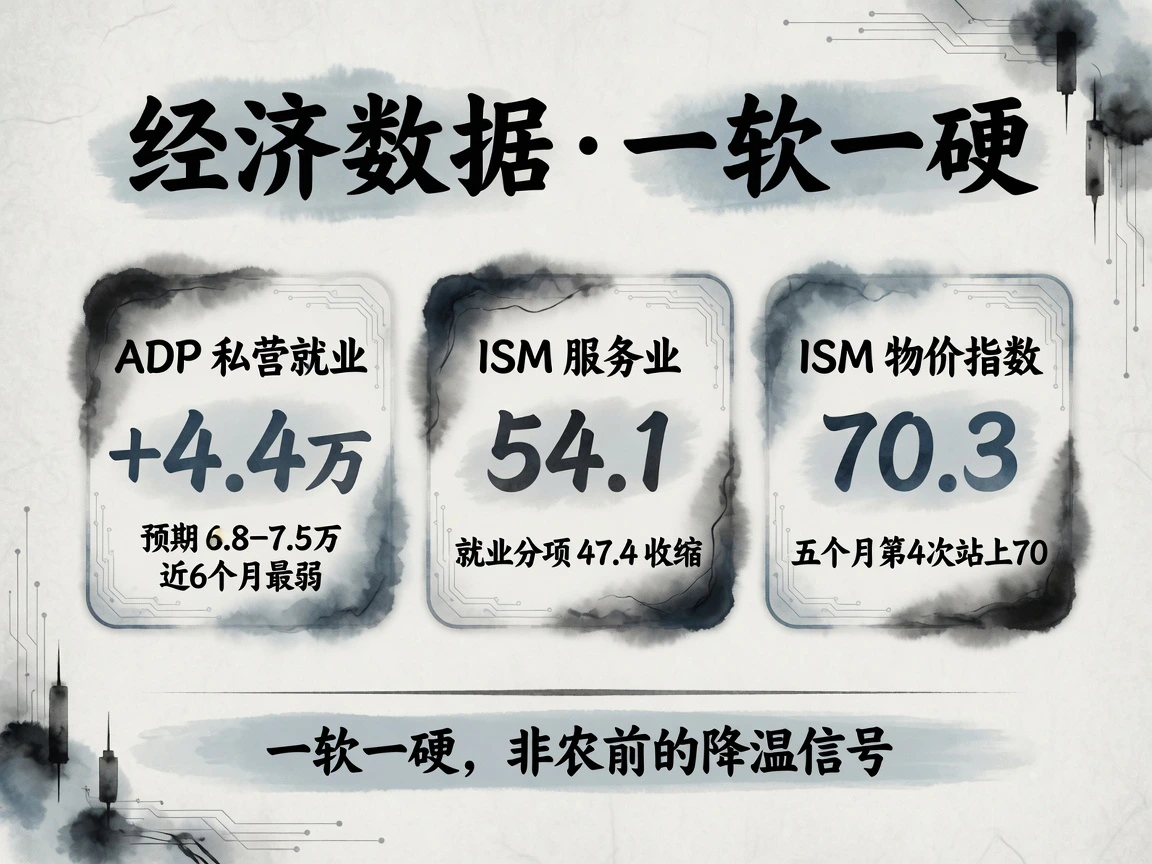
ADP employment cooled markedly, with the smallest private-sector gain in almost six months. The July ADP report released on August 5 showed just 44,000 additional US private-sector jobs, well below the consensus range of 68,000–75,000 and the weakest increase in nearly six months. Although June's figure was revised upward to about 95,000, annual pay growth for workers staying in their jobs slowed further to 4.4%. As one of the most important advance indicators for Friday's payrolls report, ADP's unexpected weakness directly challenged earlier hopes of a recovery in the labor market.
Services activity remained resilient, but the prices component highlighted persistent inflation at elevated levels. July's ISM nonmanufacturing, or services, index, released the same day, was 54.1, essentially unchanged from the previous month. Business activity and new orders remained relatively strong, confirming that final demand had yet to stall. The employment component, however, slipped back into contraction at 47.4, echoing the weak ADP report. More strikingly, the prices component surged to 70.3, its fourth reading above 70 in five months, indicating deeply entrenched services inflation. S&P Global's final services PMI of 54.6 and composite output index of 54.5 both marked the strongest expansion of the year. Its survey likewise found that businesses continued to face high input costs and pressure to raise selling prices.
What officials said
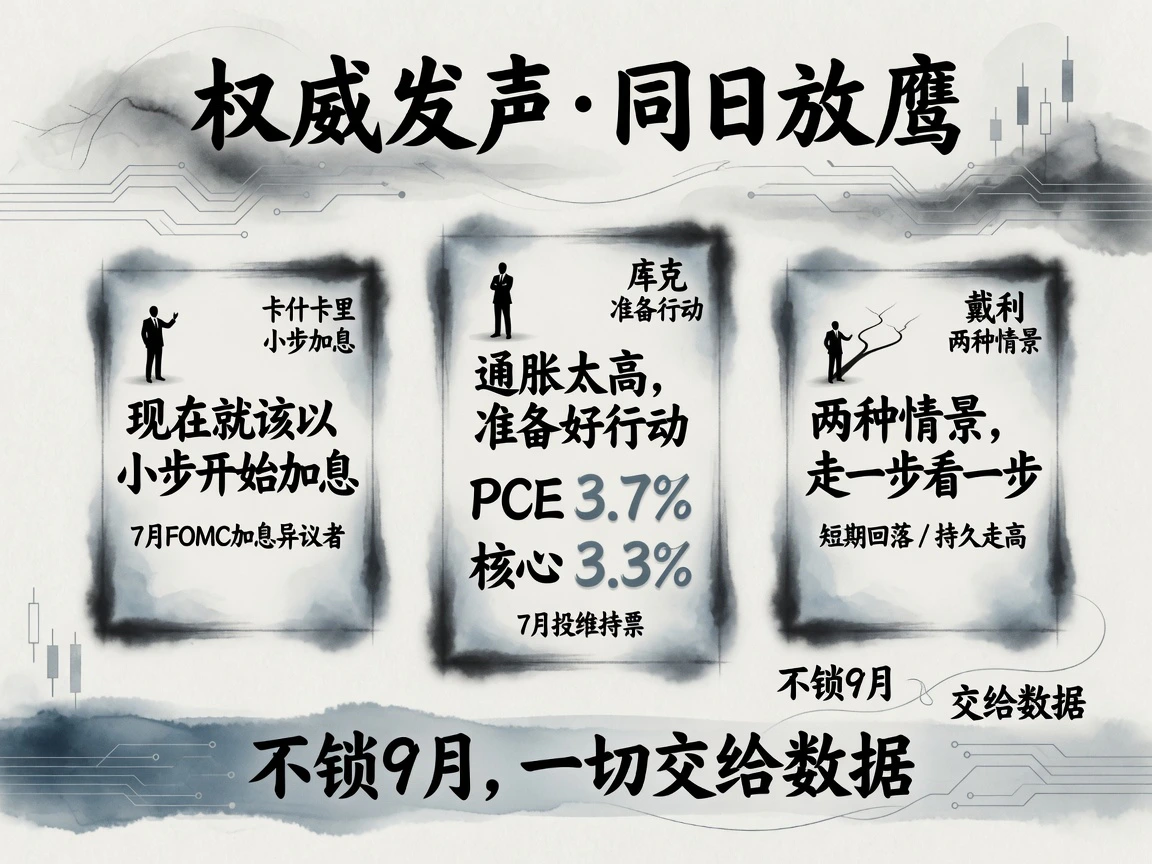
Kashkari: Prevent inflation expectations from becoming entrenched by starting small increases promptly. A key dissenter in favor of a hike at July's meeting, Kashkari told CNBC in an interview that rate increases should begin now in small steps, with subsequent adjustments made gradually in response to the data. He argued that current economic performance offered almost no evidence that existing interest rates were meaningfully restrictive. He clarified, however, that he was neither advocating substantial tightening nor prejudging September's meeting; the essential consideration remained the subsequent macroeconomic trajectory. Kashkari also disclosed that Chair Kevin Warsh had privately encouraged him to keep doing what he thought was right for the economy, suggesting openness within the committee to dissenting views.
Cook: Inflation remains too high, and she is ready to act if it shows no further decline. In a speech in Anchorage, Governor Cook said inflation pressures remained much too high: June PCE inflation was 3.7% year over year and core PCE inflation 3.3%. Within the dual mandate of maximum employment and price stability, the balance had clearly tilted toward inflation risk. She warned that she was prepared to support further action if convincing evidence of continued disinflation did not appear soon. In her baseline scenario, however, Cook was in no hurry to commit to a hike. She identified three potential forces that could bring inflation down without higher rates: the gradual fading of tariff-related base effects, a possible decline in oil prices in the second half, and the progressive normalization of AI-related supply chains. She therefore preferred to assess the key July and August data first. Having voted to hold in July, she still maintained a cautious distance from a full shift into the hiking camp.
Daly: Weigh two possible paths through a risk-management framework as several shocks interact. Speaking at a seminar in Tokyo, San Francisco Fed President Mary Daly said the macroeconomic environment faced a combination of three forces: tariffs, energy volatility and AI capital spending. Inflation could either subside after a short-lived surge or become stickier and remain elevated. If the first scenario prevailed, the current modestly restrictive policy rate was relatively appropriate. If the second materialized, the Fed would need to recalibrate its stance. Her characteristically risk-based assessment committed to neither a hike nor a hold, reinforcing the wait-and-see attitude of centrist officials.
Policy expectations
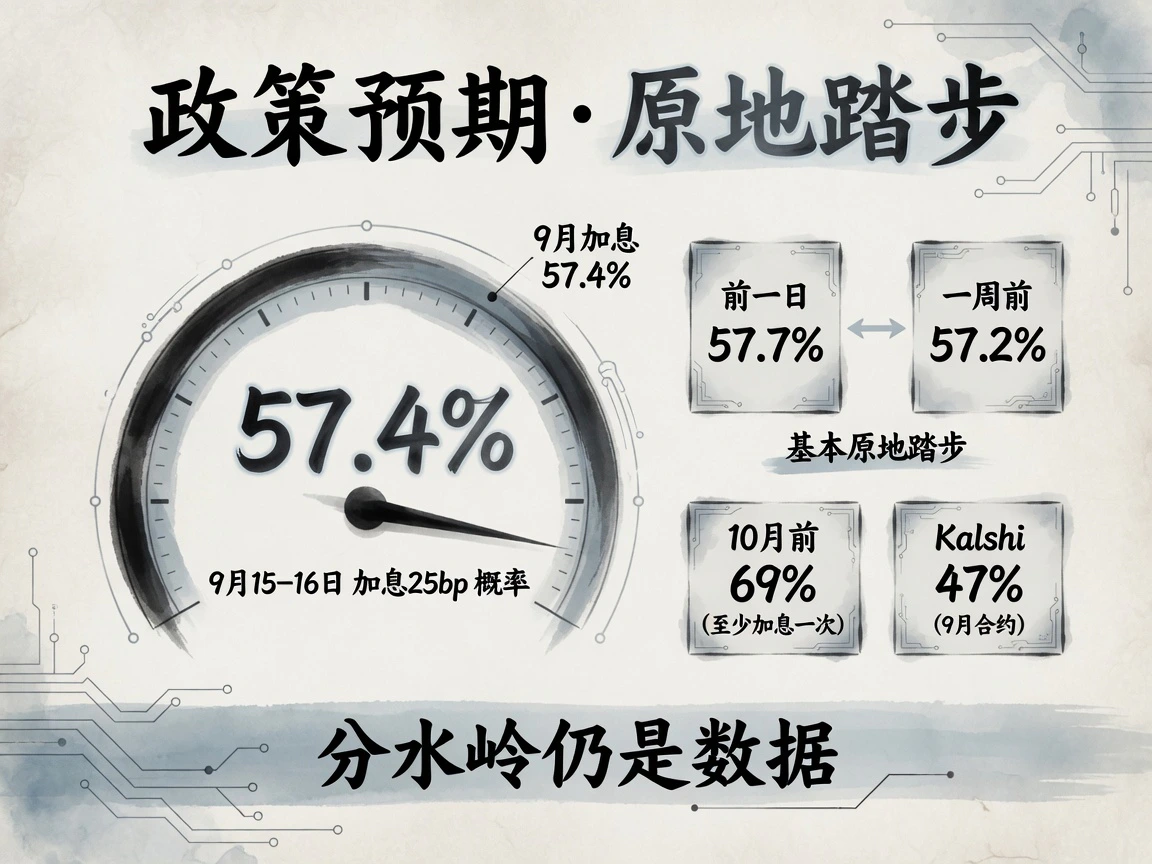
Hawkish comments failed to break the stalemate as rate pricing waited for the data to decide. Despite the concentration of hawkish signals from officials, financial markets showed striking composure. By the afternoon of August 5 Eastern time, CME FedWatch put the probability of a 25-basis-point hike at September's meeting at 57.4%, almost identical to 57.7% the previous trading day and 57.2% a week earlier. Pricing remained firmly in a tug-of-war with slightly better than even odds of an increase. The cumulative probability of at least one hike by October remained around 69%. On prediction market Kalshi, contracts on a September increase implied about 47%, also stable and somewhat cautious. Treasury yields across most maturities largely moved sideways, consistent with the muted futures response. The officials' hawkish language had already been absorbed into expectations, and markets were unwilling to make a blind directional bet before the employment and inflation releases.
What to watch next
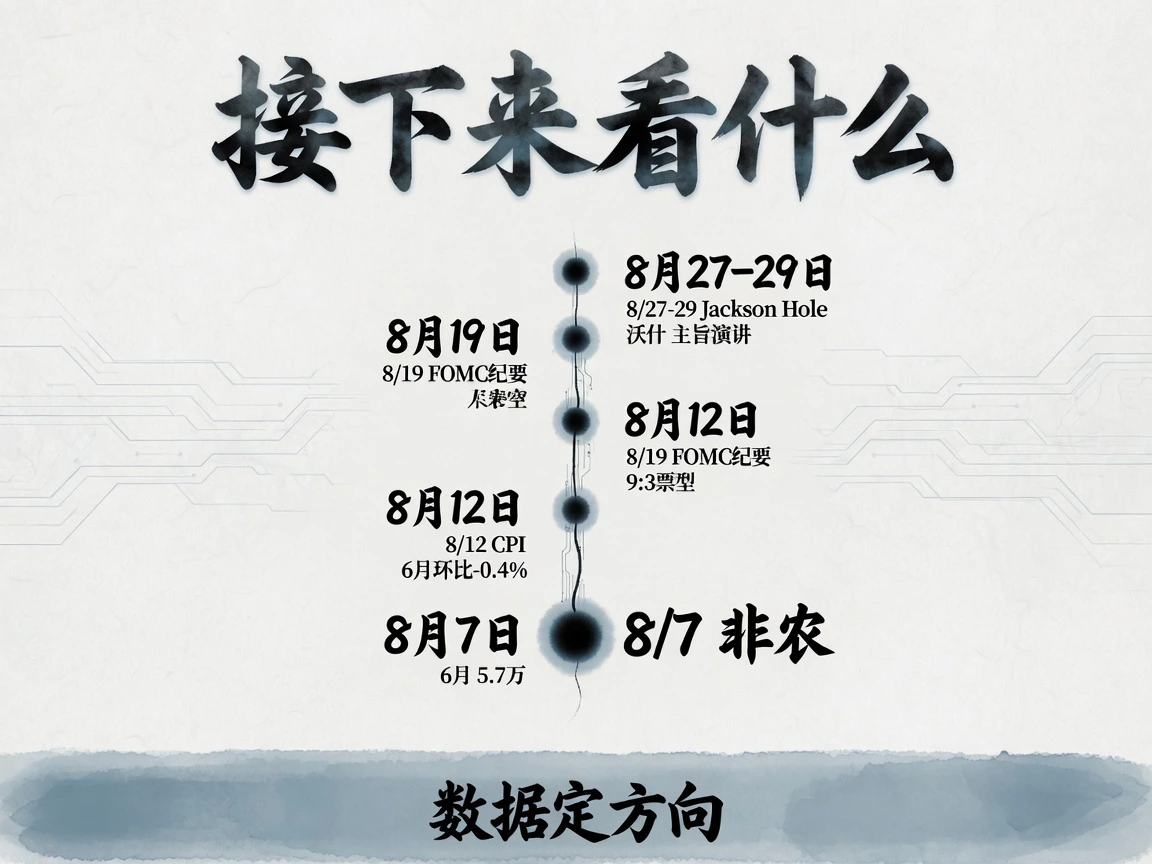
- August 7, Friday: The seasonally adjusted July nonfarm payrolls report. After June's low gain of just 57,000, the size of any employment rebound will directly test whether ADP's weakness was a leading signal or statistical noise.
- August 12, next Wednesday: July CPI. The focus will be whether the disinflationary relief from June's 0.4% month-over-month decline can persist, and whether sticky services prices spread further to final consumers.
- August 19: Minutes of July's FOMC meeting. These will help explain the deeper reasoning behind the 9–3 vote, particularly the debate between those favoring a hold and those advocating a hike.
- August 27–29: The Jackson Hole central banking symposium. Chair Warsh's keynote address, including his assessment of the monetary-policy framework and the tone for the second half, will be the main focus.