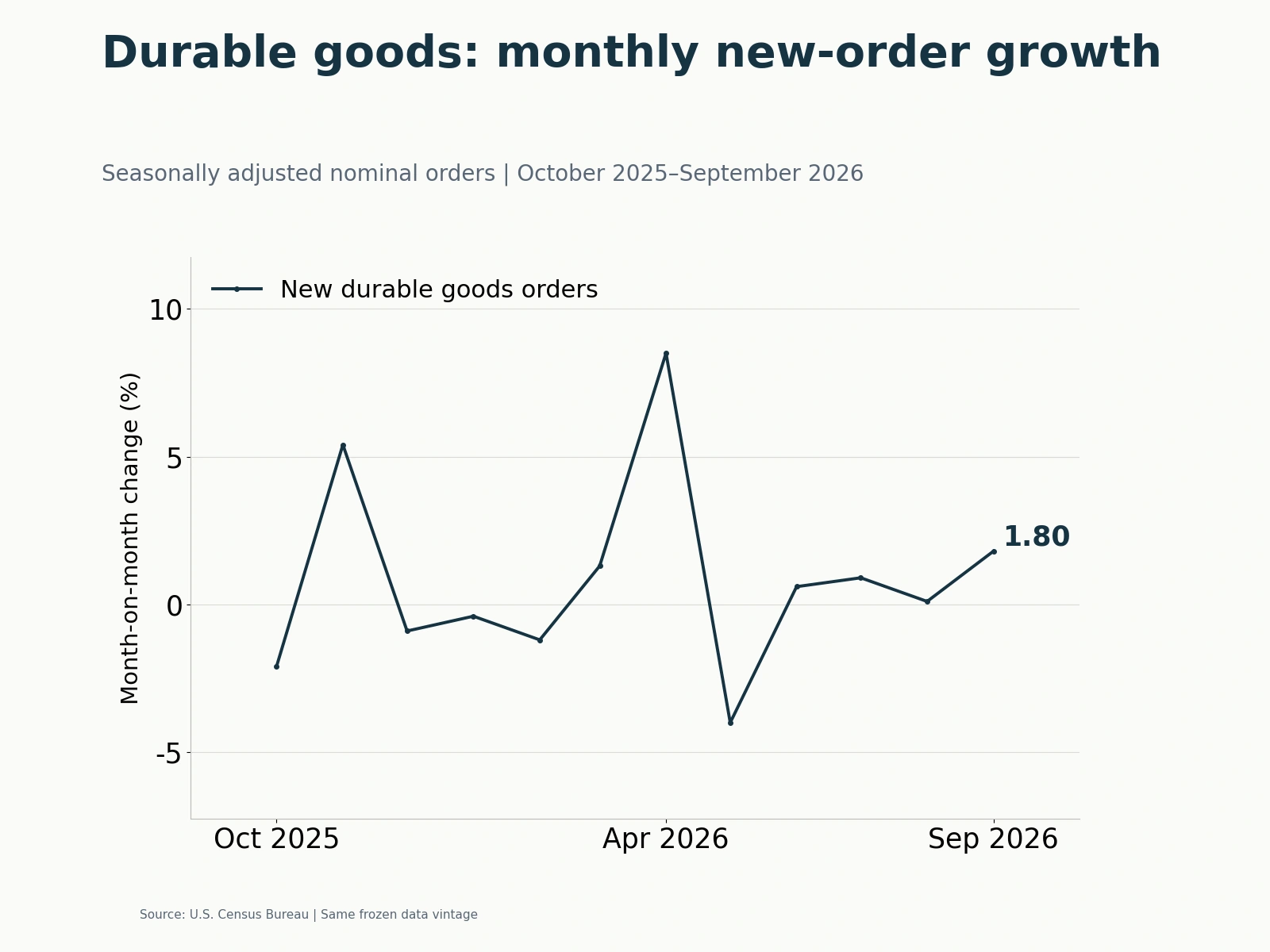
After July payrolls unsettled markets, the Fed entered a relatively quiet communication window without major new speeches or policy papers. On August 11, Eastern time, the main incremental information was an older interview newly released: a video of Chicago Fed President Austan Goolsbee recorded June 22 and published by media only on Tuesday. He said excessive inflation remained the U.S. economy's biggest problem, rather than labor-market deterioration.
Recorded in late June, the interview predates both July's unexpectedly negative payrolls and the July 29 FOMC meeting by a considerable margin. It must not be treated as his latest response to weak employment. Its release nevertheless warned that deep concerns over sticky prices extended beyond the three hawkish officials who had dissented in favor of a hike.
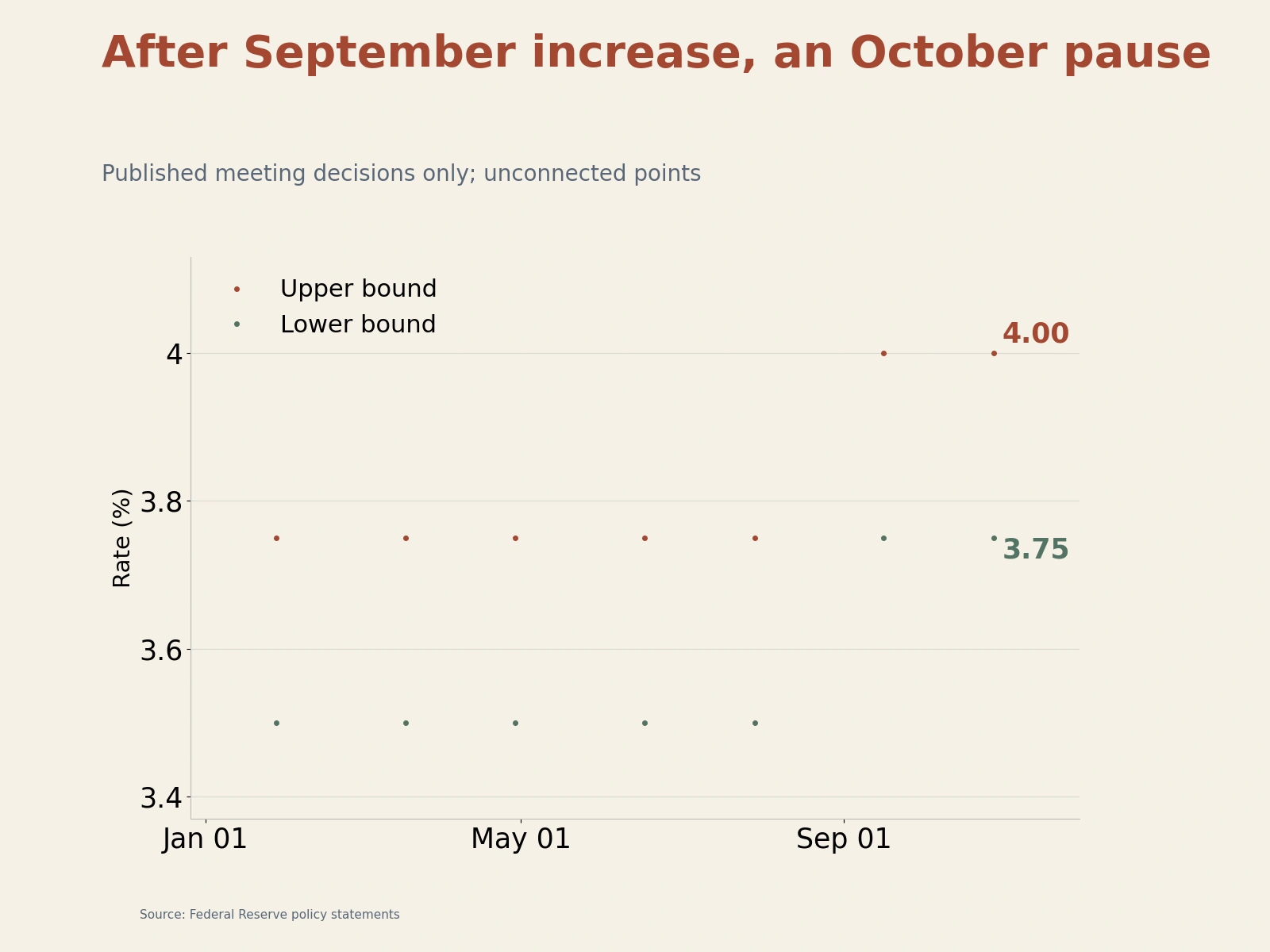
The policy anchor remained 3.50%–3.75%, with three July votes favoring an immediate 25-basis-point hike. Without a new decision or minutes, attention shifted to the forthcoming July CPI report.
Official views: a delayed interview reveals deeper inflation anxiety
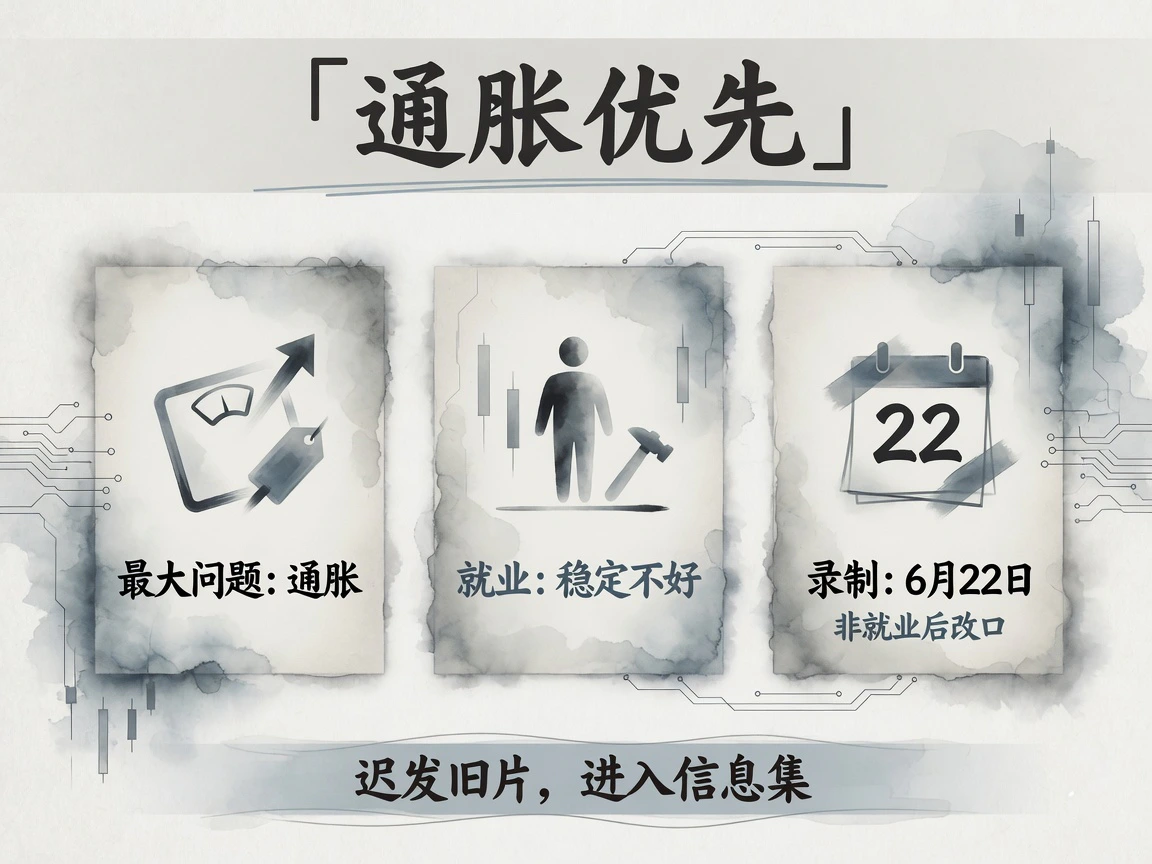
The published interview's core arguments fall into three areas:
- Weighting the dual mandate: Goolsbee said prices rising too quickly remained the main problem, describing a serious inflation issue that the public strongly disliked.
- Labor assessment: Across unemployment, hiring and layoffs, he described the market as stable, without being good.
- Limits on policy interpretation: Recorded June 22, before weak payrolls and the late-July nine-to-three decision, the video neither addressed support for aggressive hikes nor provided September guidance. Goolsbee had no FOMC vote in 2026. Media also noted skepticism toward traditional forward guidance, consistent with Powell's framework of less frequent guidance and greater data dependence.
The latest speech on the Fed website remained Cook's August 5 remarks. August 11 brought only routine H.15 interest-rate and commercial-paper data, without an official shift. The video was therefore a delayed contextual piece rather than a marginal change in policy. Even an official seen as a moderate attentive to employment risks still prioritized inflation in midyear trade-offs. His tone differed from hawkish dissenter Beth Hammack's argument for earlier action and potentially more than one hike, but both showed widespread committee vigilance.
September hike odds remain near half; cuts are not in the discussion
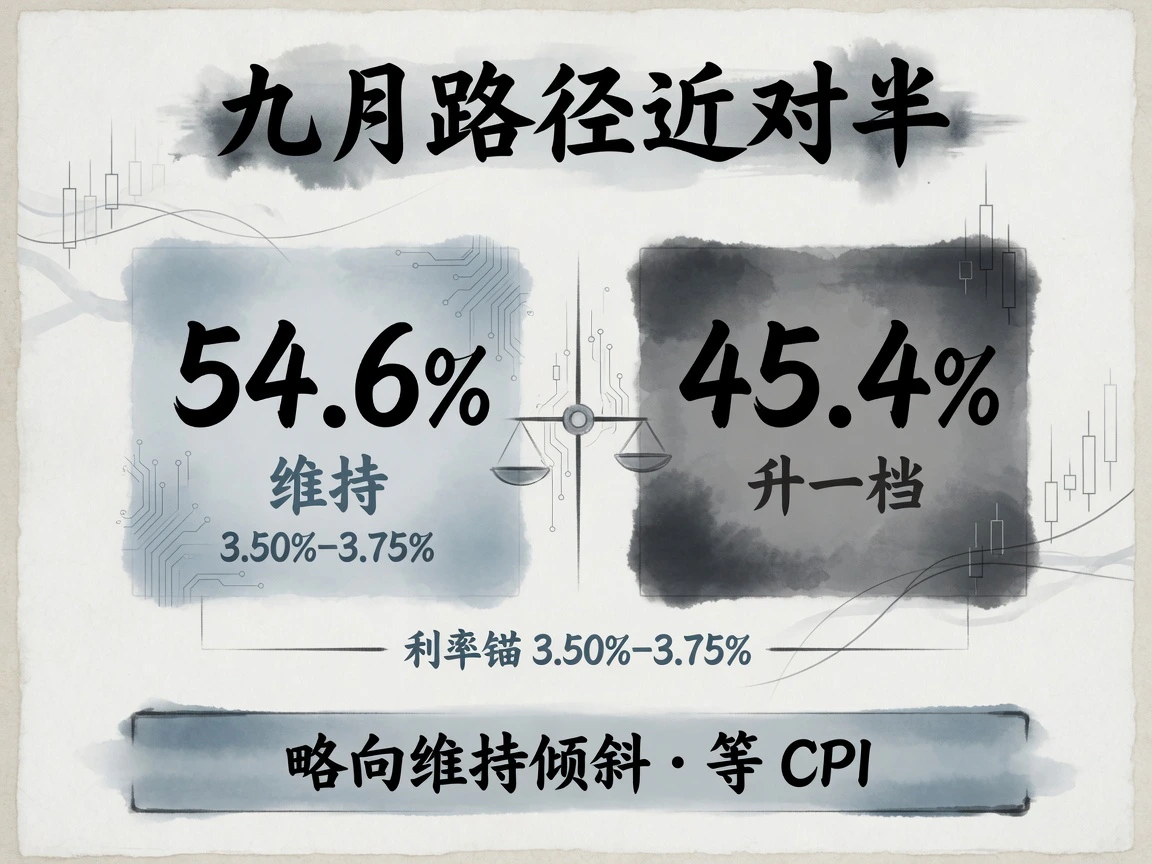
CME federal-funds futures pricing, using Investing.com's monitor through the evening of August 11 Eastern time, left the September 16 FOMC decision finely balanced. The probability of holding 3.50%–3.75% was about 54.6%, versus 45.4% for a 25-basis-point hike. The distribution remained near fifty-fifty, only a few percentage points toward no change, without a firm one-way consensus.
This coin-toss pricing reflected investor tension. Weak July labor data reduced the urgency of an immediate hike, while the three dissenters and Goolsbee's severe inflation assessment dispelled hopes of easing. With cuts unlikely and hikes unresolved, markets awaited inflation's verdict.
Three tests ahead, from July CPI to the meeting minutes
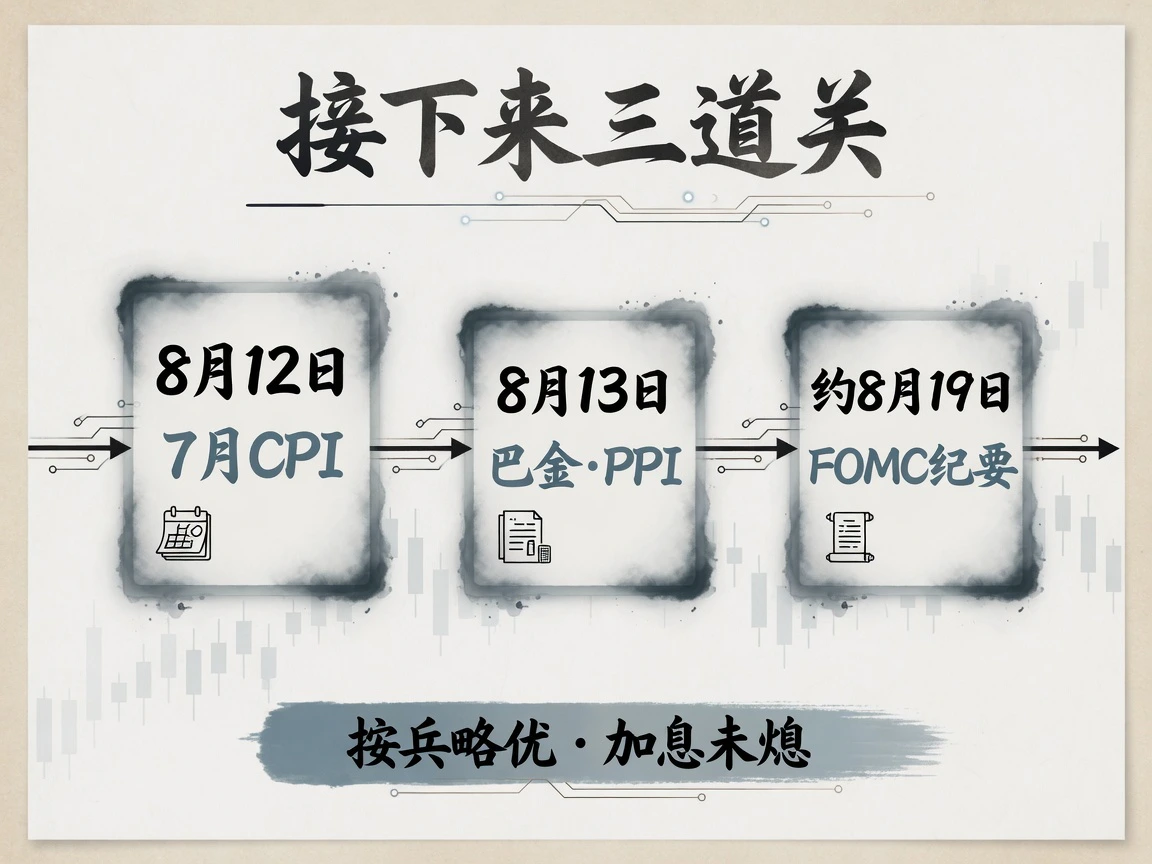
Markets would test and revise rate expectations through three upcoming events:
- July CPI at 08:30 Eastern time on Wednesday, August 12: Continued slowing in headline and core inflation would reinforce a September hold. Unexpectedly resilient core services or energy moves would revive inflation-first arguments and tighten the roughly 45% hike pricing.
- Public remarks by Barkin and Hammack on August 13, alongside PPI: This would provide a current test of whether officials change their language after softer payrolls.
- July FOMC minutes around August 19: The record would detail debate between the three dissenters and majority, clarifying trade-offs between slower hiring and sticky prices.
There was no new official decision, but a resurfaced historical interview reminded investors of inflation persistence's weight among policymakers. Before CPI and further remarks clarify the balance, a slight advantage for holding with hike risk unresolved remains the most accurate description of rate derivatives.