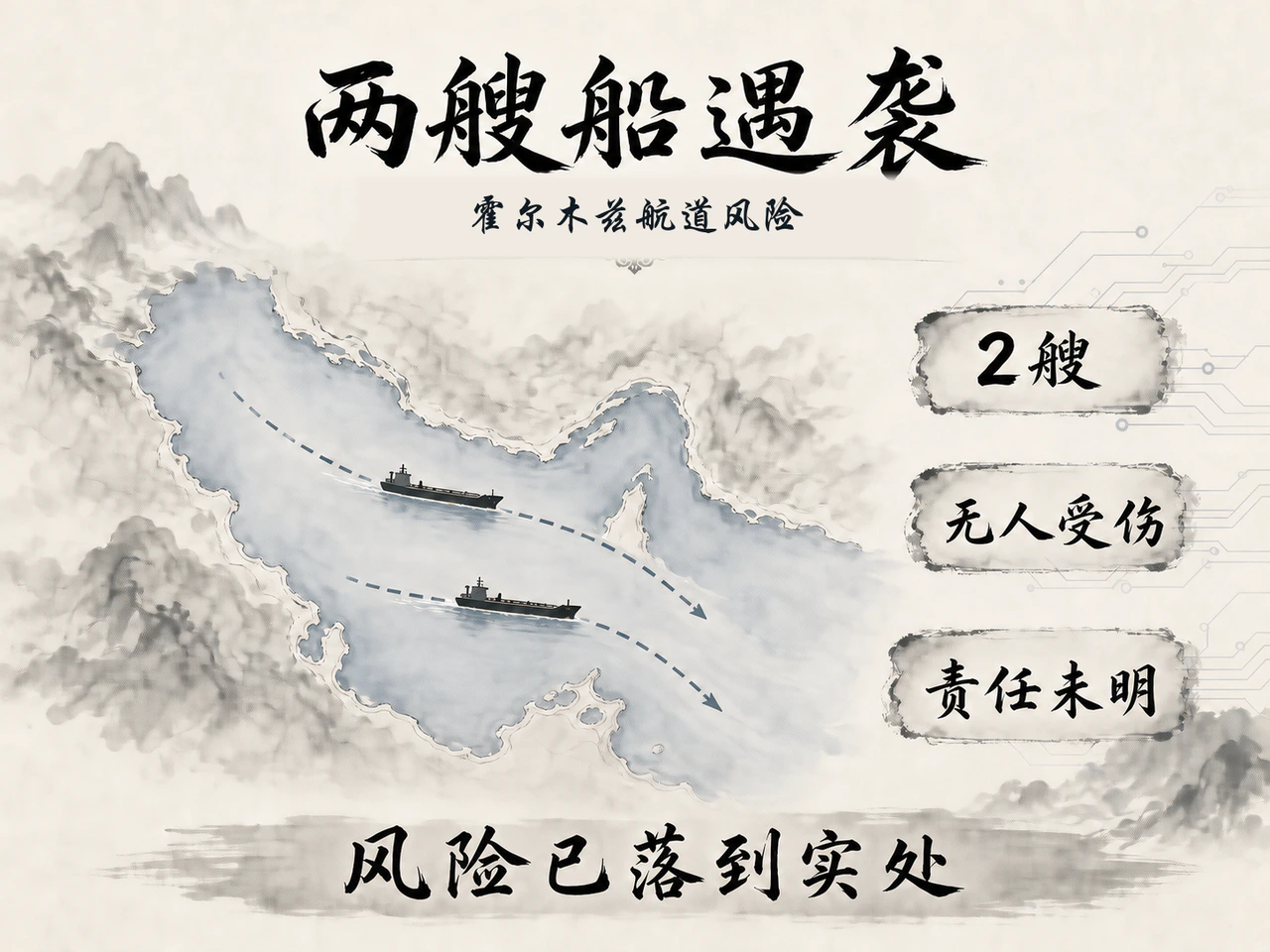
Over the past 24 hours, Middle East developments shifted subtly but materially toward commercial shipping through Hormuz, rather than another list of mainland missile exchanges. ADNOC confirmed two commercial vessels were attacked while crossing, with the situation controlled and no casualties. Commodity-vessel traffic remained low, clearly below recent normal levels. Washington and Tehran remained uncompromising over jurisdiction and military presence, but paper claims cannot restore shipping confidence before a binding safe-passage agreement.
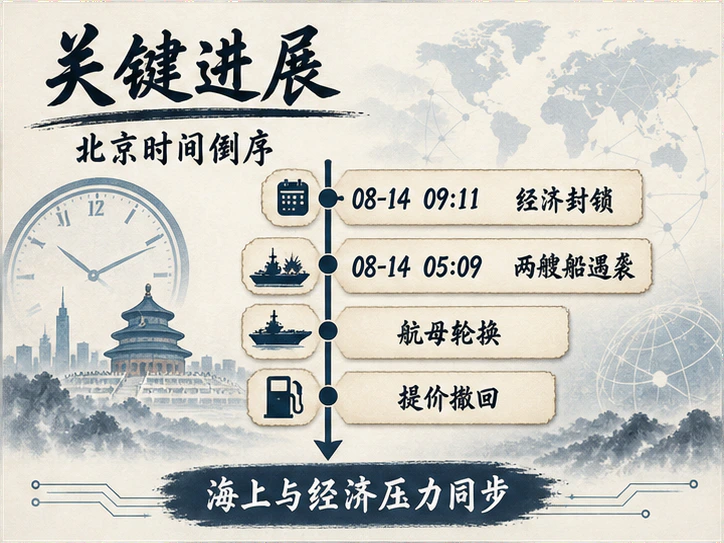
Window: August 13, 2026, 15:23–August 14, 15:23 Beijing time.
Publication cutoff: August 14, 2026, 15:23 Beijing time.
Merchant attacks and responsibility: physical risk requires evidence and commercial assessment
ADNOC confirmed two associated vessels were attacked and emphasized effective handling without casualties; the UAE directly blamed Iran. Public notices did not specify names, IMO numbers, damage severity or whether weapons were one-way drones, remotely operated explosive boats or mines. Iran had not provided a complete substantive response. The established fact of an attack must be distinguished from unilateral political attribution; allegations are not final findings before an authoritative independent maritime investigation.
For shipping and energy traders, the impact is the conversion of uncertain threats into hard constraints on insurance underwriting, detour calculations and port schedules. Even if benchmark crude retreats after a large U.S. build, physical attack risk and extra war premiums facing owners, the Joint War Committee and crews do not disappear with lower futures prices.
Traffic falls below average amid military confrontation and invisible fleets
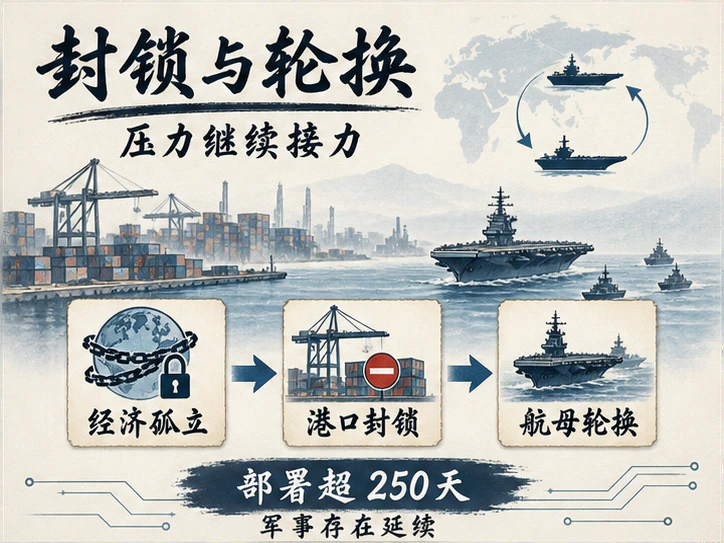
Reuters cited Kpler recording only nine commodity vessels through Hormuz August 13, below August's daily average of 12 and substantially below prewar traffic. Some merchant ships switched off AIS satellite transponders amid greater concern, preventing public tracking from capturing the full cargo flow. U.S. commanders continued asserting the capability for a long blockade of Iran's major export ports and began rotating forward carrier strike groups.
Tactical ship movements and carrier relief do not establish top-level authorization for deeper strikes, but confirm continued military pressure and restricted shipping. Assessing a real turning point requires monitoring immediate maritime notices, port calls, additional war-insurance rates and whether official multilateral escort arrangements exist, rather than relying on unilateral diplomatic language.
Flanking fighting and environmental damage spread costs to coasts and land hubs
AP reported heavy fighting between Iranian-backed Houthis and internationally recognized Yemeni government forces in Taiz, killing at least one government soldier and seriously injuring another. Houthis then claimed suicide-drone attacks on Saudi refining facilities, not immediately confirmed by Riyadh. The main-front stalemate has not suppressed asymmetric activity elsewhere; local clashes can reach peninsula energy networks and coastal hubs.
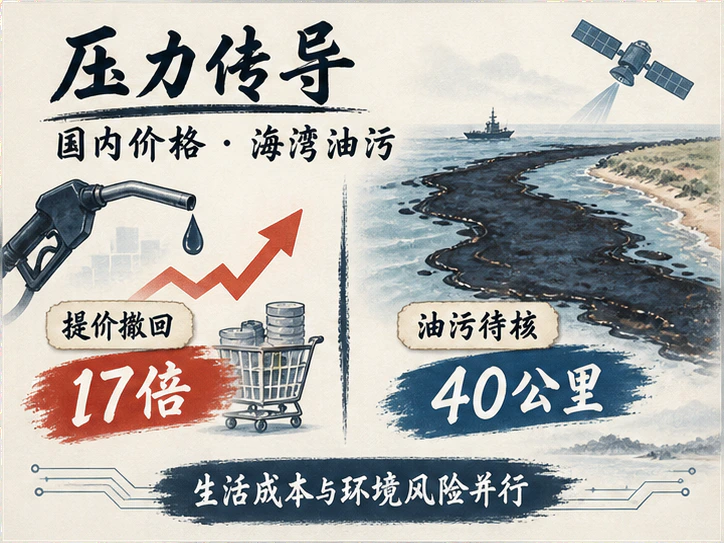
AP also reported Iranian emergency cleanup of floating oil near Qeshm and continuing leakage from a tanker previously grounded on Oman's southern coast. Causes, spill amounts and final responsibility remained uncertain. Renewed Yemen conflict and marine pollution nevertheless extend costs beyond freight and premiums to coastal food security, environmental capacity and long-term civilian-port operations.
What to watch over the next 24 hours
Assessment should focus on four verification tracks:
First, ADNOC and maritime-investigation evidence: watch for vessel names, damage and preliminary weapon or trajectory findings from ADNOC or UAE maritime authorities, and a formal Iranian clarification or rebuttal.
Second, actual transits and insurance pricing: whether traffic stabilizes from nine vessels daily, the share switching AIS off, and additional London war premiums.
Third, U.S. blockade policy and legal implementation: whether long-blockade statements become binding executive orders, secondary sanctions on shipping entities or routine port inspections and seizures.
Fourth, Yemen's spread and energy damage: whether fighting reaches other provinces and Saudi Arabia provides refinery-capacity assessments or air-defense notices responding to Houthi claims.
Sources: Reuters, August 14, 2026; AP News, August 13, updated August 14, 2026.