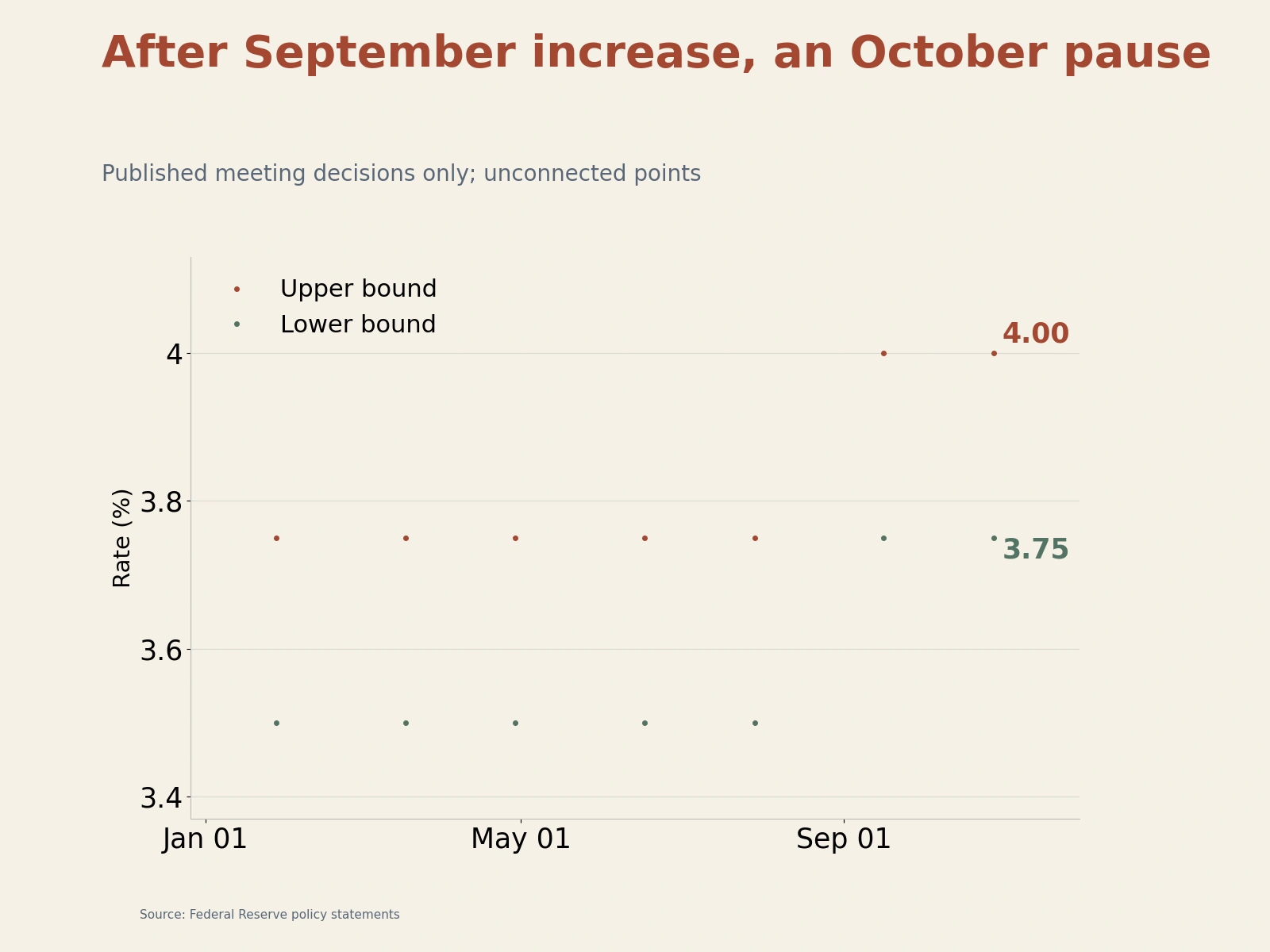
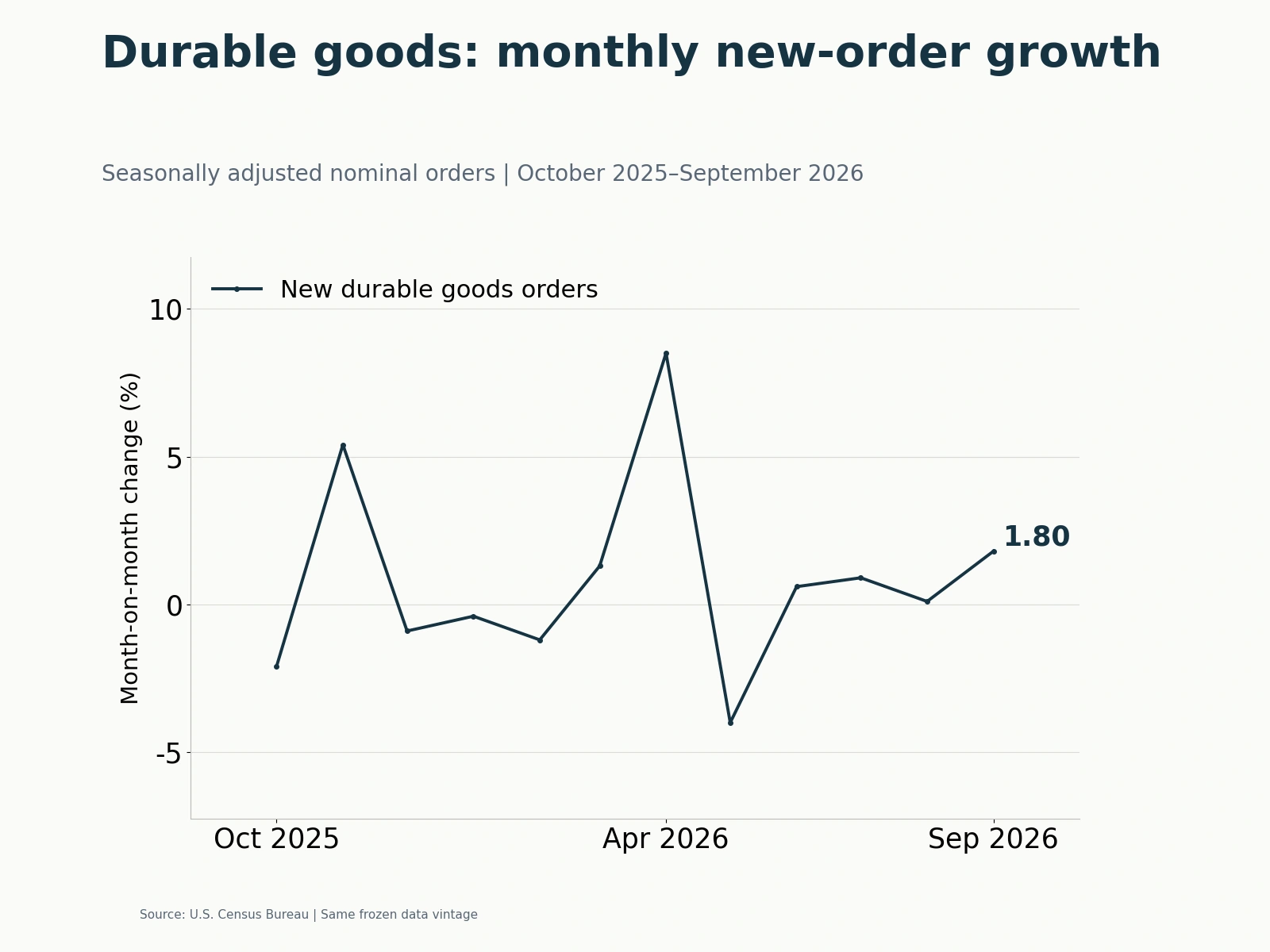
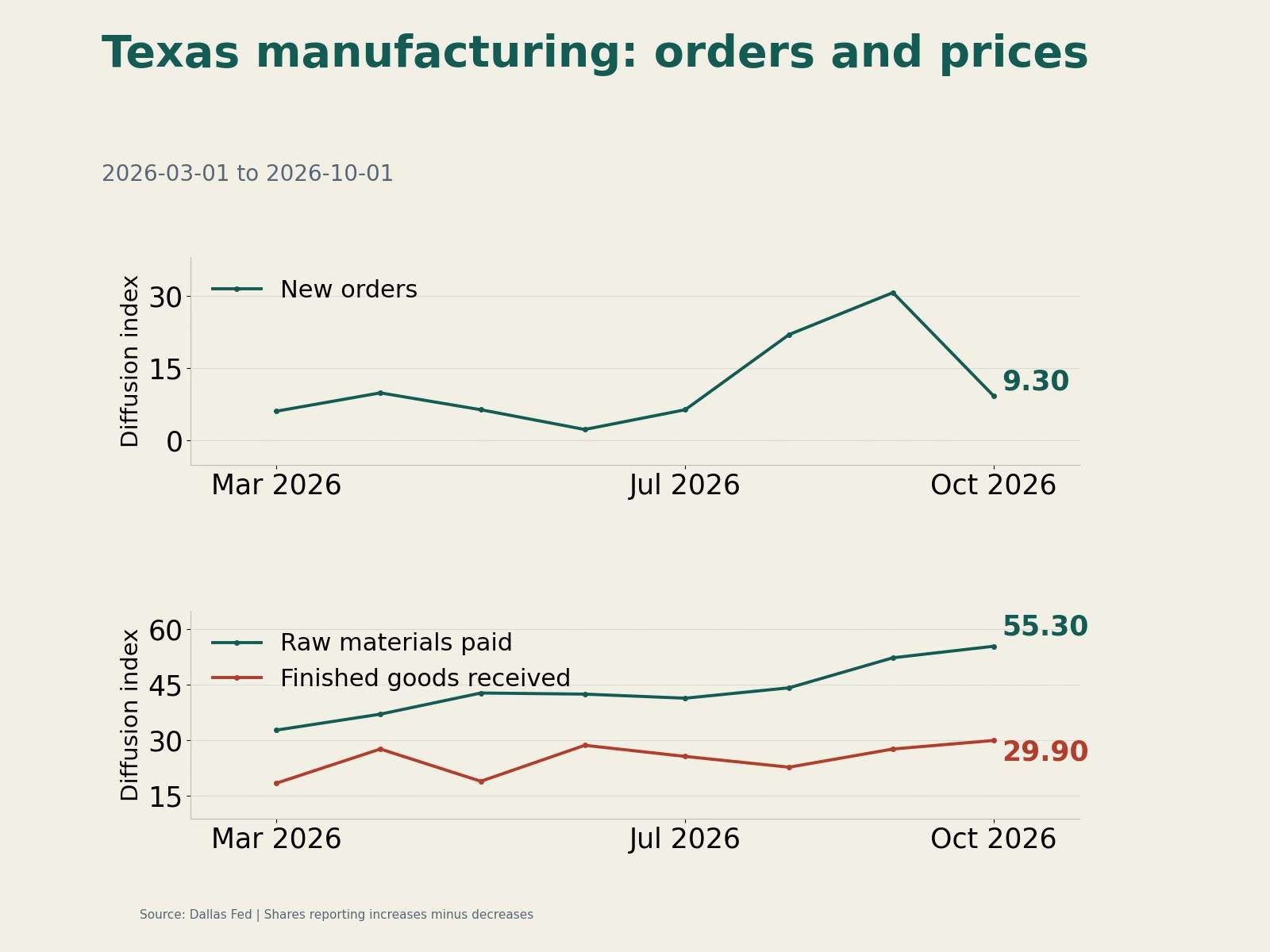
The late-July FOMC held the federal funds target range at 3.50%–3.75% by a 9-to-3 vote, but three regional presidents dissented in favor of a hike, creating an unusual tightening tilt. Minutes released August 19 exposed deeper disagreement over renewed inflation risks. In the latest session, weekly initial claims and August Philadelphia Fed manufacturing provided two key high-frequency tests. Both were stronger than expected, adding fundamental evidence for hawks. Yet futures pricing for a September hike remained in a relatively dovish range just above 30%. Whether resilient fundamentals can overcome this pricing inertia now hinges on Chair Warsh's major debut at next week's Jackson Hole symposium.
Economic Data: Employment Resilience Persists; Manufacturing and Capital-Spending Prospects Strengthen
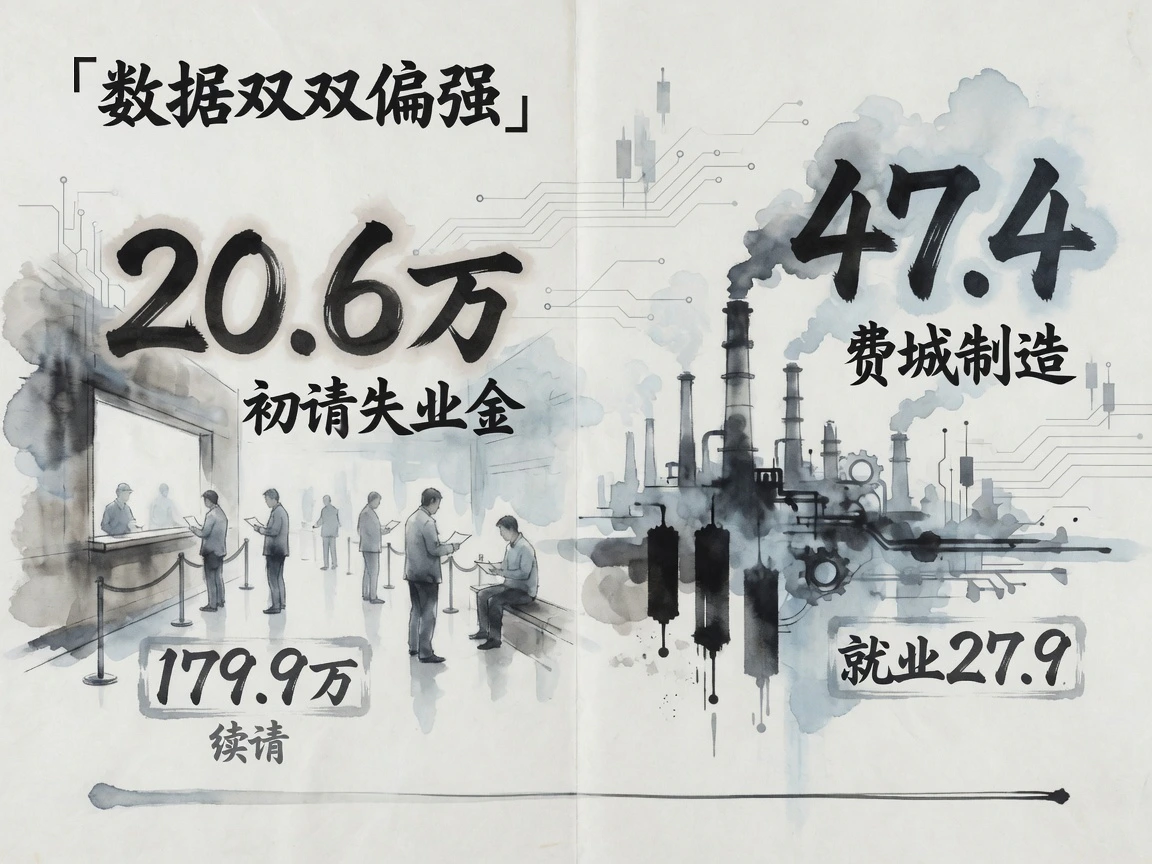
Labor Department data released August 20 showed seasonally adjusted initial claims of 206,000 in the week ended August 15, down another 6,000 from the previous revised reading and still historically very low. Continuing claims edged up 18,000 to 1.799 million. Low layoffs alongside slow hiring closely match the July minutes' broadly stable labor-market assessment. Firms have little appetite to cut staff and conditions are not collapsing, but jobseekers take longer to find work. One high-frequency report cannot directly reverse the policy path, yet reinforces the employment safety margin.
August Philadelphia Fed manufacturing delivered a stronger impulse. General business activity jumped from July's 41.4 to 47.4, the highest since April 2021 and far above consensus near 25. Two components were particularly relevant to monetary policy:
First, employment jumped 18 points to 27.9, its highest since April 2022. This reinforced low claims and dispelled fears of weaker manufacturing labor demand.
Second, price pass-through remained persistent. Prices paid at 40.9 and prices received at 17.7 eased slightly but remained well above historical averages. A special survey found 44% expected near-term cost changes in their industry, with most expecting peers to raise final prices in about four months. This directly supported officials' concern about an uncertain disinflation path.
Forward-looking indicators were also exceptionally strong. Expected capital spending over the next six months reached the highest reading in 53 years, showing very strong investment appetite driven by technological change and reindustrialization.
Official Communication: Silence Leaves the Chair to Set the Tone

Against strong data, official policy commentary was unusually absent. On August 20, the Fed published routine statistical tables and administrative notices, with no public speech or policy statement from governors or regional officials.
Collective silence after major minutes was itself telling. With July's deep voting divisions newly exposed, regional policymakers restrained communication and left interpretation and consolidation of the policy message to the top leadership. Markets focused on Warsh's August 28 US Eastern-time keynote at Jackson Hole, his first appearance there since becoming chair in May and a crucial opportunity to calibrate expectations and define the next reaction function before mid-September.
Policy Expectations: Stronger Fundamentals Offset Dovish Inertia, but September Hike Odds Stay Near 30%
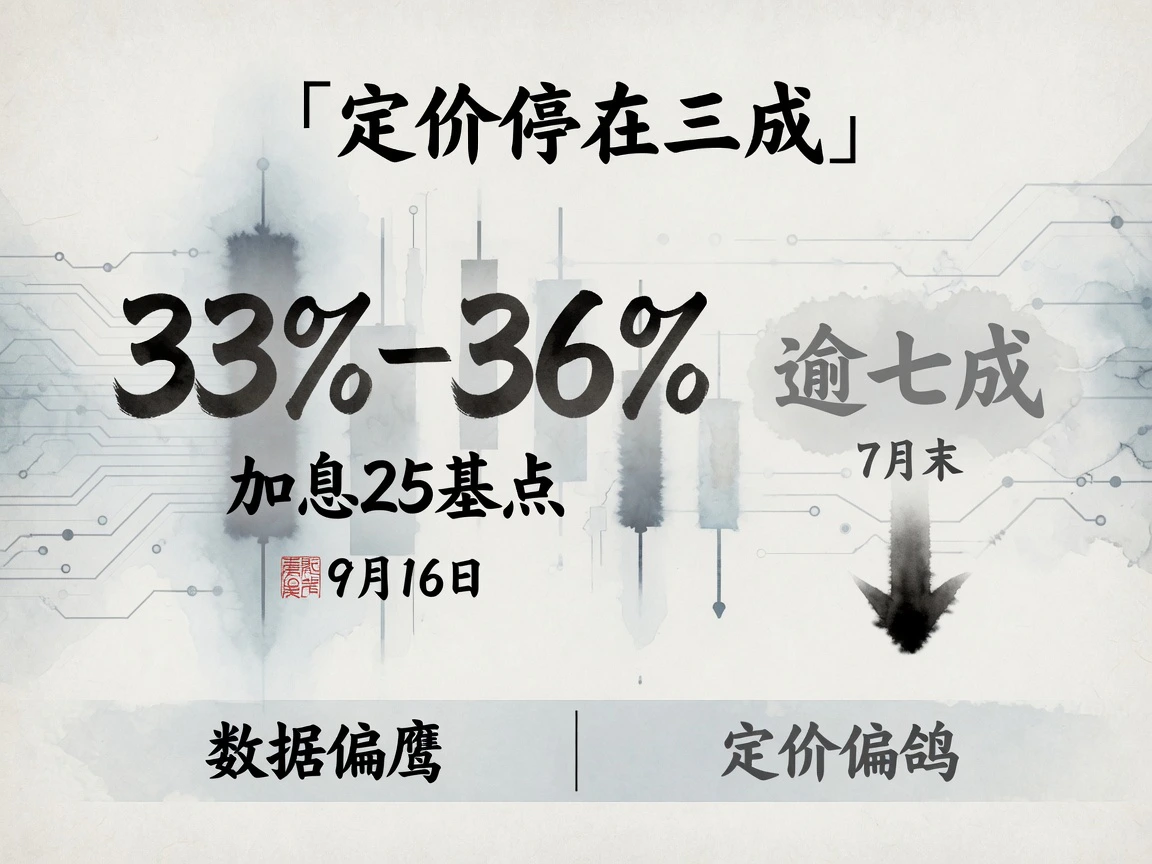
The latest August 20 CME FedWatch readings put the implied probability in swaps and futures of a 25-basis-point September 16 hike at 33%–36%, with nearly 70% still betting on no change.
That probability has fallen sharply from above 70% in late July. The main reason is weaker-than-expected July payrolls released early this month, which dominated short-term trading and temporarily outweighed the minutes' tightening bias. The asymmetry is clear: incremental data such as claims and Philadelphia manufacturing move hawkishly, while derivatives retain a wait-and-see, relatively dovish stance.
A single high-frequency release is unlikely to close this gap. More comprehensive macro evidence or higher-level policy guidance is needed. Cash Treasury yields recovered slightly from intraday lows after the strong figures, but overall curve moves were modest and absorbed within existing ranges, far short of a new directional repricing.
What Comes Next: Three Linked Dates Carry Repricing Potential

From now to the mid-September decision, the policy contest converges on three dates:
First, August 27 weekly claims will provide further detail on the marginal pace of re-employment.
Next comes Jackson Hole on August 27–29, themed Financial Innovation: Implications for Payments and Policy. Warsh's keynote is formally scheduled for August 28 at 10:00 US Eastern, or 22:00 Beijing time. As the final chair-level public guidance opportunity before September, it will be scrutinized for views on inflation persistence, neutral rates and the threshold for renewed hikes.
The final outcome arrives at the September 15–16 FOMC.
The logic is clear: if real-economy data remain resilient before Jackson Hole and Warsh refuses to accommodate current market rate-cut expectations or materially suppress the case for tightening, the roughly 30% weight currently assigned to hikes has substantial room for upward reassessment.