The Jackson Hole global central-bank symposium opened on August 27. Many Fed officials spoke on its first day, concentrating on whether the current 3.50%–3.75% rate was sufficiently restrictive and whether September required another hike. Futures still priced the probability at only around one-third. Markets awaited Chair Warsh's keynote a few hours later to see which way the policy balance would tilt.
Data: Initial claims fall as the labor market remains resilient
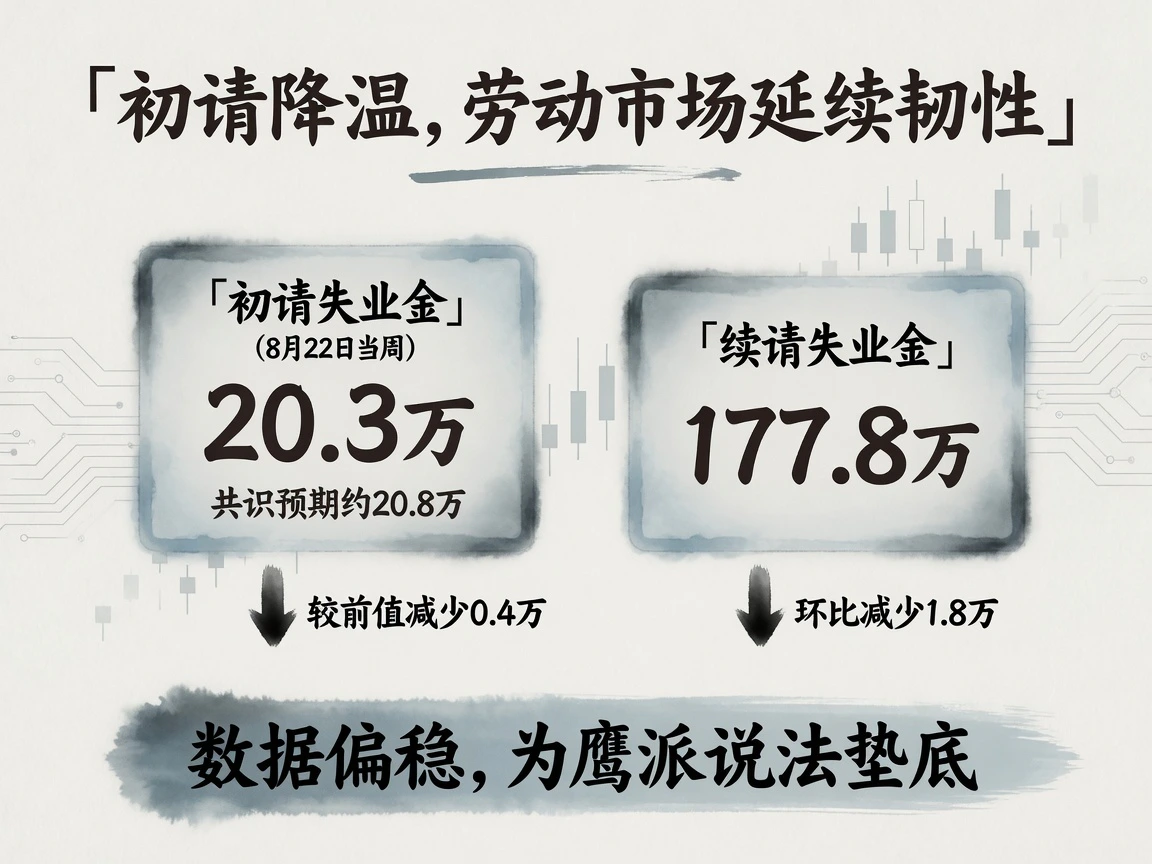
Macroeconomic news was relatively light around the symposium, leaving weekly unemployment claims as the only immediate reference. Data released August 27 US Eastern time showed initial claims of 203,000 for the week ended August 22, below expectations near 208,000 and down 4,000 from the revised 207,000. Continuing claims fell 18,000 to 1.778 million. Stable, resilient employment offered support for hawks arguing that policy was insufficiently restrictive. July PCE inflation of 3.7% and core PCE of 3.3% year on year were treated only as background because their release lay outside this assessment window.
Official voices: Opening-day comments lean hawkish, with differences over timing

Officials' opening-day communication focused almost entirely on whether current restrictions were adequate and September should bring a hike:
- Kansas City Fed President Schmid, the symposium host, said inflation remained stubborn and sticky and the Fed had to keep working to return it to 2%. He questioned how much current rates restrained the economy and suggested real short-term policy might already be accommodative. A September 15–16 hike still required more demand data.
- Cleveland Fed President Hammack, one of July's dissenters favoring a hike, was explicit. Although unwilling to prejudge, she said now was the time to act. Active IPO and corporate-bond issuance indicated financial conditions had not truly tightened. She expected inflation around 3% at end-2026 and only around 2.5% even under an optimistic 2027 outlook, warning against persistently high expectations becoming entrenched.
- Chicago Fed President Goolsbee said uncontrolled inflation was the greatest concern and everyone should remain alert. Geopolitically elevated energy costs and possible tariffs created upside risks. But he also acknowledged that inflation over the past three months had been broadly acceptable and urged reliance on hard data rather than excessive accommodation of market pricing.
- Boston Fed President Collins described recent data as mixed. Her baseline remained a slow, orderly return of inflation under a slightly restrictive stance.
The Fed issued no formal official statement that day. These were individual officials' media-interview comments.
Policy expectations: Officials say action is near; markets price only one-third
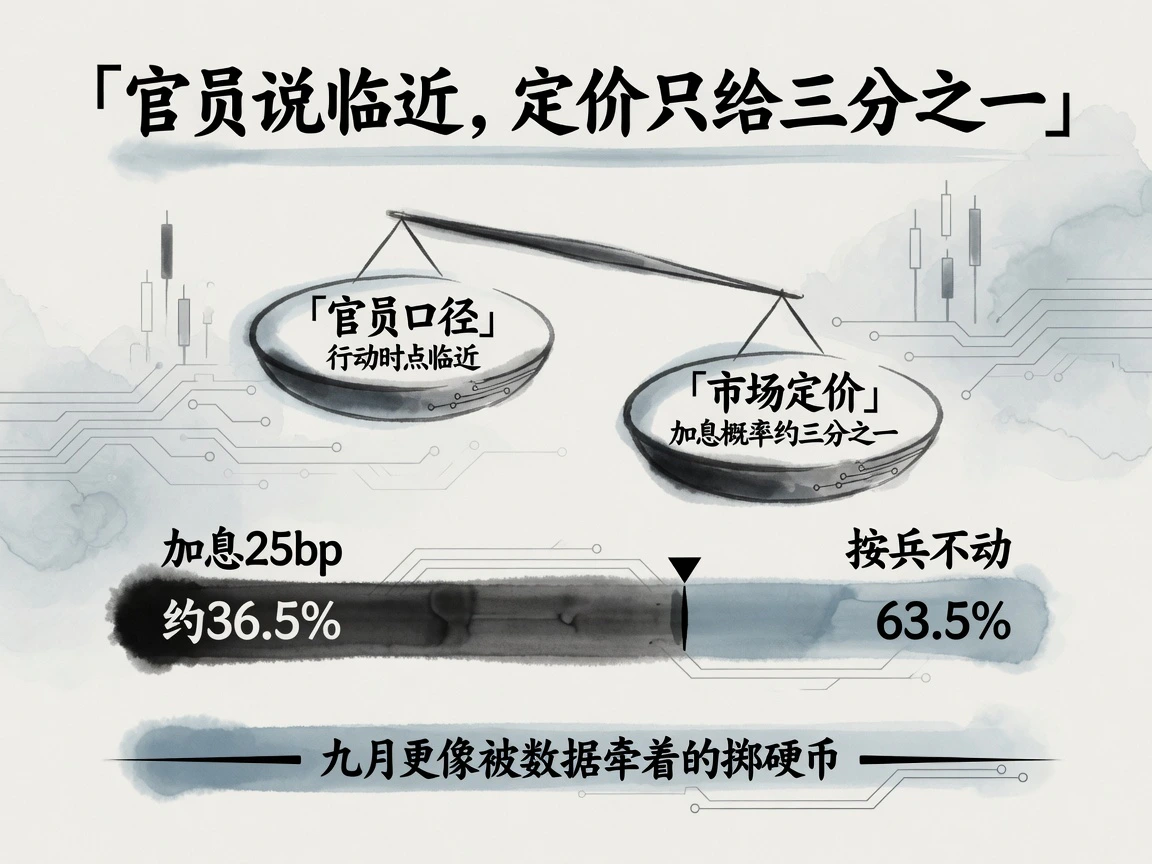
CME FedWatch during August 27 put the chance of a 25 bp hike on September 16, raising the target to 3.75%–4.00%, at around 36.5%, versus 63.5% for no change. Intraday readings fluctuated roughly between 31% and 36.5%. Despite repeated official hints that action was near, actual market bets stayed around one-third. This gap showed September was far from settled and resembled a highly data-dependent coin toss.
Next: Warsh's keynote and September's decision
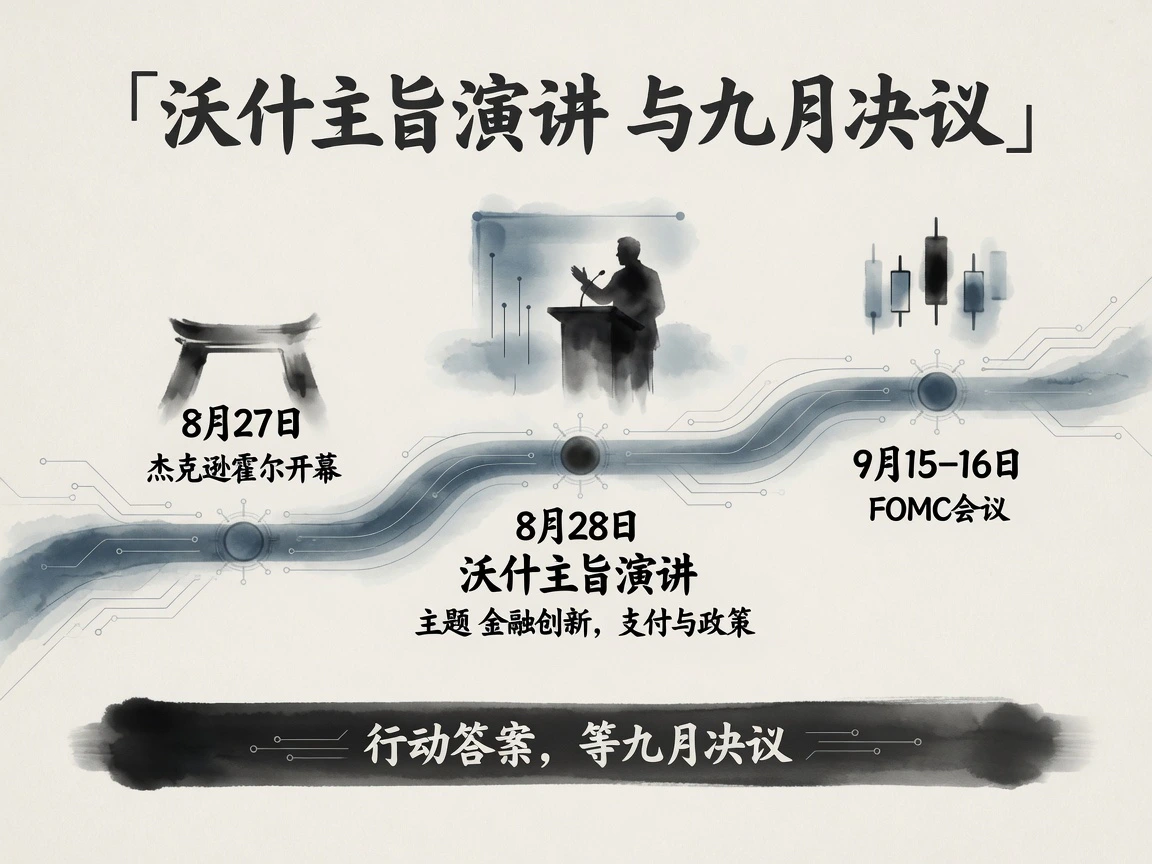
At 10:00 a.m. US Eastern time on August 28, or 22:00 Beijing time, Chair Kevin Warsh would deliver his first Jackson Hole keynote since taking office. Although the planned topic was Financial Innovation: Implications for Payments and Policy, markets viewed it as the most important signal for the future rate path. The final answer on action would come at the September 15–16 FOMC meeting.


