As of 07:32 Beijing time on September 9, the US–Iran conflict was spreading further into maritime transport and neighboring energy infrastructure. The US military said it struck five Iranian tankers, while Houthis attacked southern Saudi cities and energy targets. Simultaneous pressure on vessels and facilities increased regional energy-delivery risks. Diplomatic contacts continued, but no new ceasefire arrangement had been announced in the preceding 24 hours.
US strikes five tankers; Iran expands retaliation threats
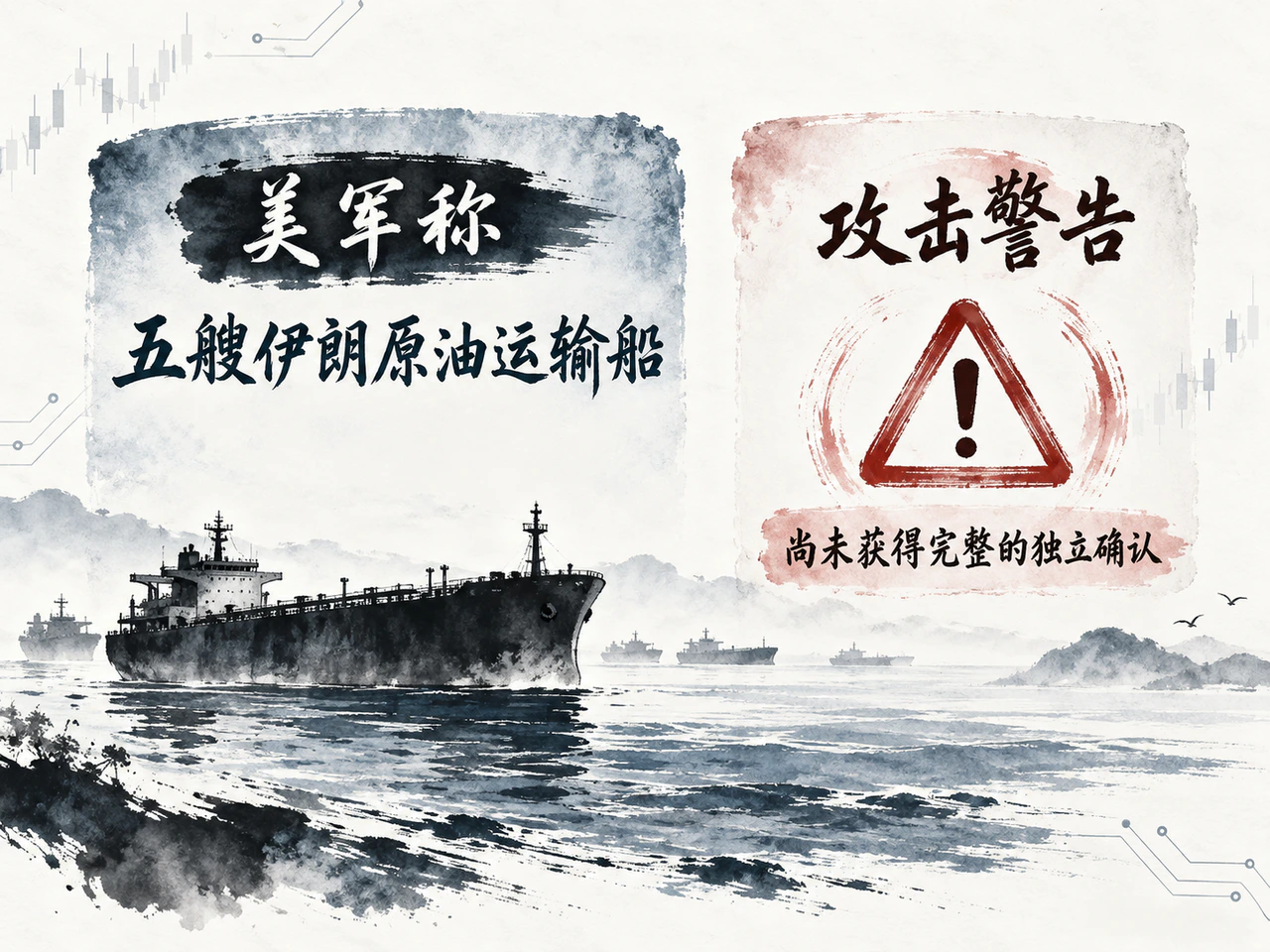
US Central Command said September 8 that Revolutionary Guard ballistic missiles had twice targeted a US warship over two days, missing both times. The United States then struck five Iranian crude carriers, four in the Gulf of Oman and one near Kharg Island. Washington said crews had been instructed to abandon ship beforehand and all five vessels were disabled.
Iranian media reported explosions near Kharg Island and Jask. Damage and personnel conditions on individual ships lacked complete independent confirmation. The export impact would depend on repairs, replacement shipping capacity and navigation arrangements.
The Revolutionary Guard then extended threats to tankers near ports hosting US military personnel in Kuwait and Bahrain, telling crews to evacuate. These remained attack warnings. Iran also claimed a ballistic-missile attack on a US base near Azraq in eastern Jordan; at Reuters' update, neither US forces nor Jordan had immediately confirmed it.
Iran also claimed to have captured an advanced US unmanned underwater vehicle at Hormuz's entrance. A US official told Reuters that an underwater unmanned device had previously malfunctioned and carried no classified sonar or radar. The sides differed over how the equipment was obtained and its capabilities.
Targeting tankers extended export risk from production to carriage. Even if terminals and oilfields operated, loading, departure and crew safety could still limit actual deliveries.
Saudi energy facilities damaged; alternative Red Sea route comes under pressure
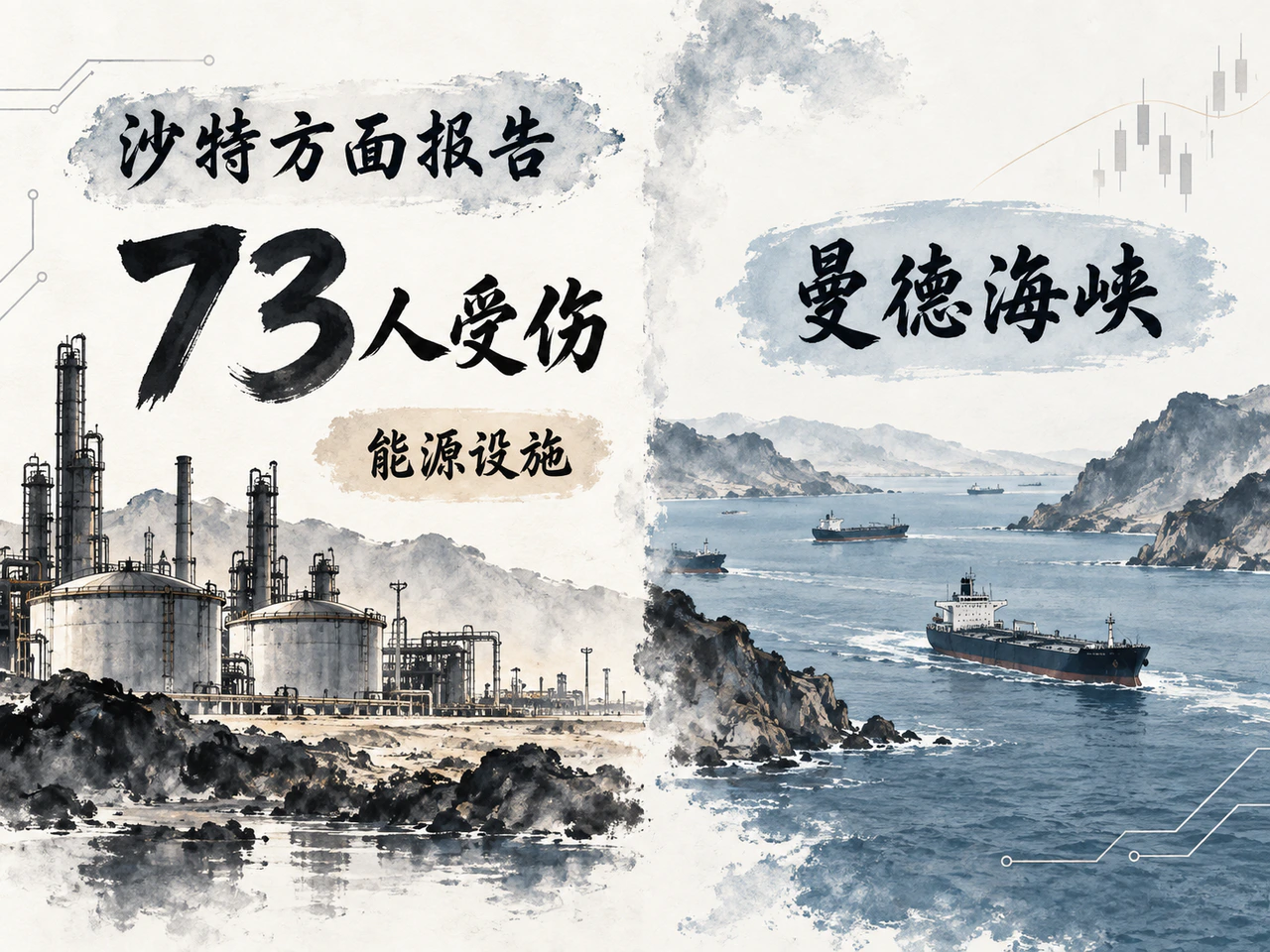
On September 8, Houthis claimed missile and drone attacks on Khamis Mushait military facilities and energy targets in Abha, Najran and Jizan. Saudi authorities reported 73 injured, including women and children, and fires at facilities.
Reuters cited satellite images showing black smoke above Jizan refinery and a plume at Abha's oil-distribution facility. Images indicated effects on some energy facilities, but specific damage and sustained production losses remained unclear.
Houthis subsequently said Saudi Arabia struck targets inside Yemen in response. The International Committee of the Red Cross warned that wider fighting could further damage health care, water, fuel and electricity services. The UN and EU separately condemned cross-border attacks on Saudi Arabia.
With Hormuz obstructed, the Red Sea had become more important for Saudi exports. Attacks on southern facilities also pressured alternative transport. There was insufficient evidence that Bab el-Mandeb was closed; the main risks were increased uncertainty over facility operations and transport safety.
US adds aviation sanctions; diplomacy has yet to produce a ceasefire

On September 8, the US Treasury sanctioned 36 aviation-related targets, including 27 Iranian airlines, and suspended three aviation authorizations. Washington accused the network of transporting weapons, personnel and cargo for Iran and procuring aircraft and components. Foreign Minister Araghchi criticized the additional sanctions that day.
Qatar said it was working with international partners to restore dialogue on Hormuz passage and a regional cessation of hostilities. Saudi Arabia's foreign minister pledged to protect national interests while retaining room for a diplomatic Yemen solution. South Korea sent a fact-finding team to assess strait security, stressing that this did not predetermine military deployment.
Diplomatic contacts had yet to produce joint arrangements to halt attacks or protect commercial navigation. Expanding retaliation and damaged ships and facilities added obstacles to energy-supply recovery. De-escalation still required substantive commitments on a ceasefire and safe passage.
News from the past 24 hours
Window: 07:32 September 8 to 07:32 September 9 Beijing time. Items are ordered by news-release time, newest first.
- September 9, 7:09 Beijing time
Reuters update: US forces said they struck five Iranian crude carriers. Iran threatened tankers near relevant ports in Kuwait and Bahrain and claimed an attack on a US base in Jordan; US forces and Jordan had not immediately confirmed the latter. - September 9, 7:09 Beijing time
A US official said an underwater unmanned device had previously malfunctioned, responding to Iran's claim to have captured an advanced underwater vehicle. - September 9, 2:51 Beijing time
Iran's foreign minister criticized added US aviation sanctions, saying sanctions and war had failed to achieve US objectives. - September 9, 2:27 Beijing time
Secretary of State Rubio said he was closely watching Houthi attacks on Saudi Arabia and alleged an Iranian role behind them. - September 9, 2:02 Beijing time
The UN and EU condemned Houthi cross-border attacks on Saudi Arabia and expressed concern over civilians and energy infrastructure. - September 9, 1:30 Beijing time
The ICRC urged Yemen and Saudi Arabia urgently to de-escalate hostilities, warning of further damage to basic public services. - September 9, 0:47 Beijing time
Houthis said Saudi Arabia had carried out retaliatory strikes on targets in Yemen. - September 8, 23:44 Beijing time
Iran's Revolutionary Guard claimed to have obtained a US unmanned underwater vehicle at Hormuz's entrance at dawn that day. - September 8, 23:19 Beijing time
South Korean defense authorities confirmed dispatch of a team to assess strait security, stressing that actual deployment was not predetermined. - September 8, 22:31 Beijing time
Saudi Arabia's foreign minister said the country would defend its interests while retaining room for diplomacy. - September 8, 22:30 Beijing time
The US Treasury announced aviation sanctions on 36 targets, including 27 Iranian airlines. - September 8, 19:29 Beijing time
Qatar said it was working with international partners to resume dialogue and ease regional conflict and navigation problems. - September 8, 18:01 Beijing time
A senior Iranian security official renewed threats of a maritime no-passage zone and claimed new missiles improved its ability to strike US warships and bases, without verifiable capability details. - September 8, 13:31 Beijing time
The Saudi-led coalition reported that Houthi attacks on Saudi Arabia had injured 73 people. - September 8, 7:33 Beijing time
Media reported that Iran doubled gasoline prices for quantities above the monthly 110-liter quota to 100,000 rials per liter.


