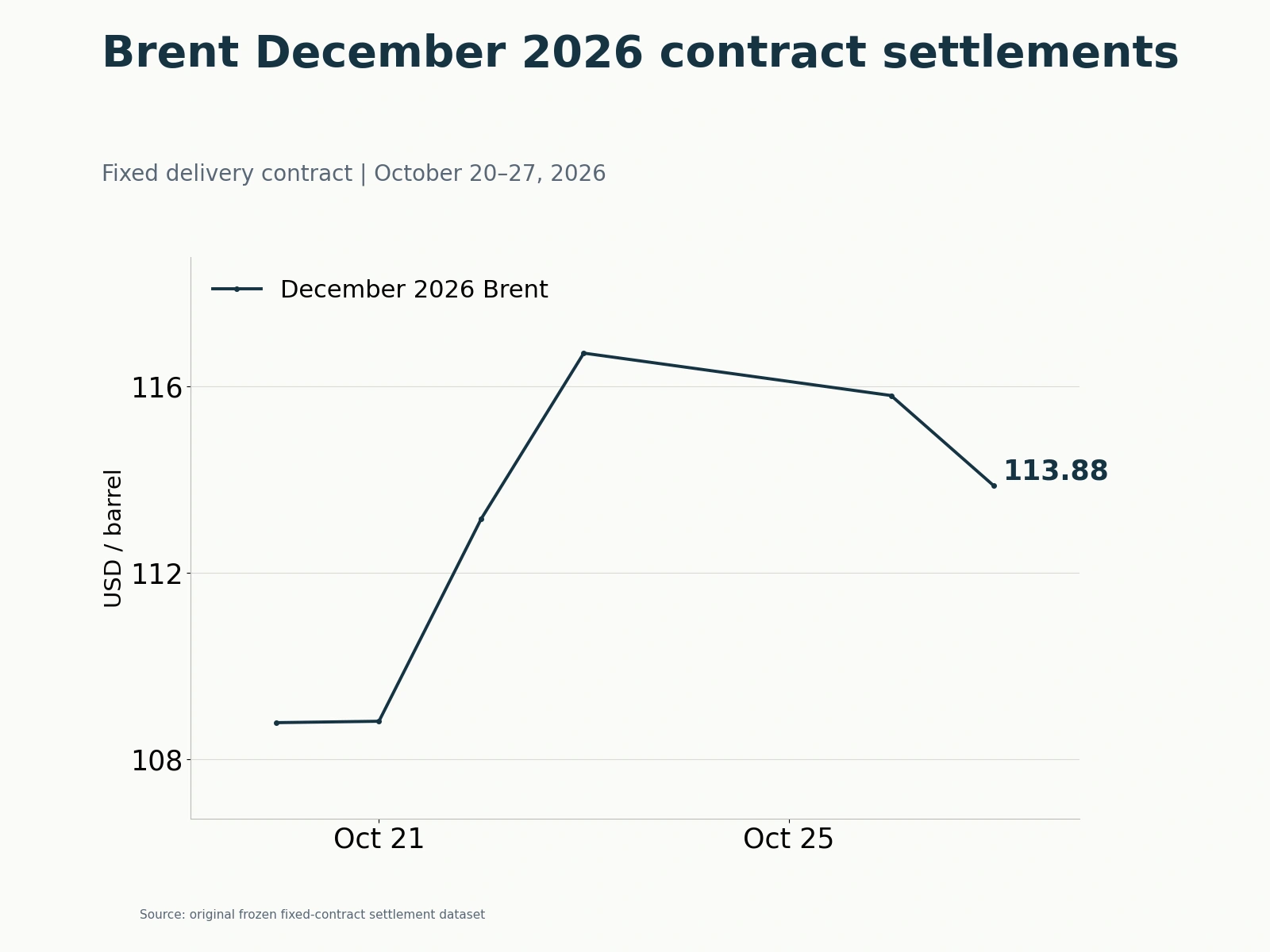
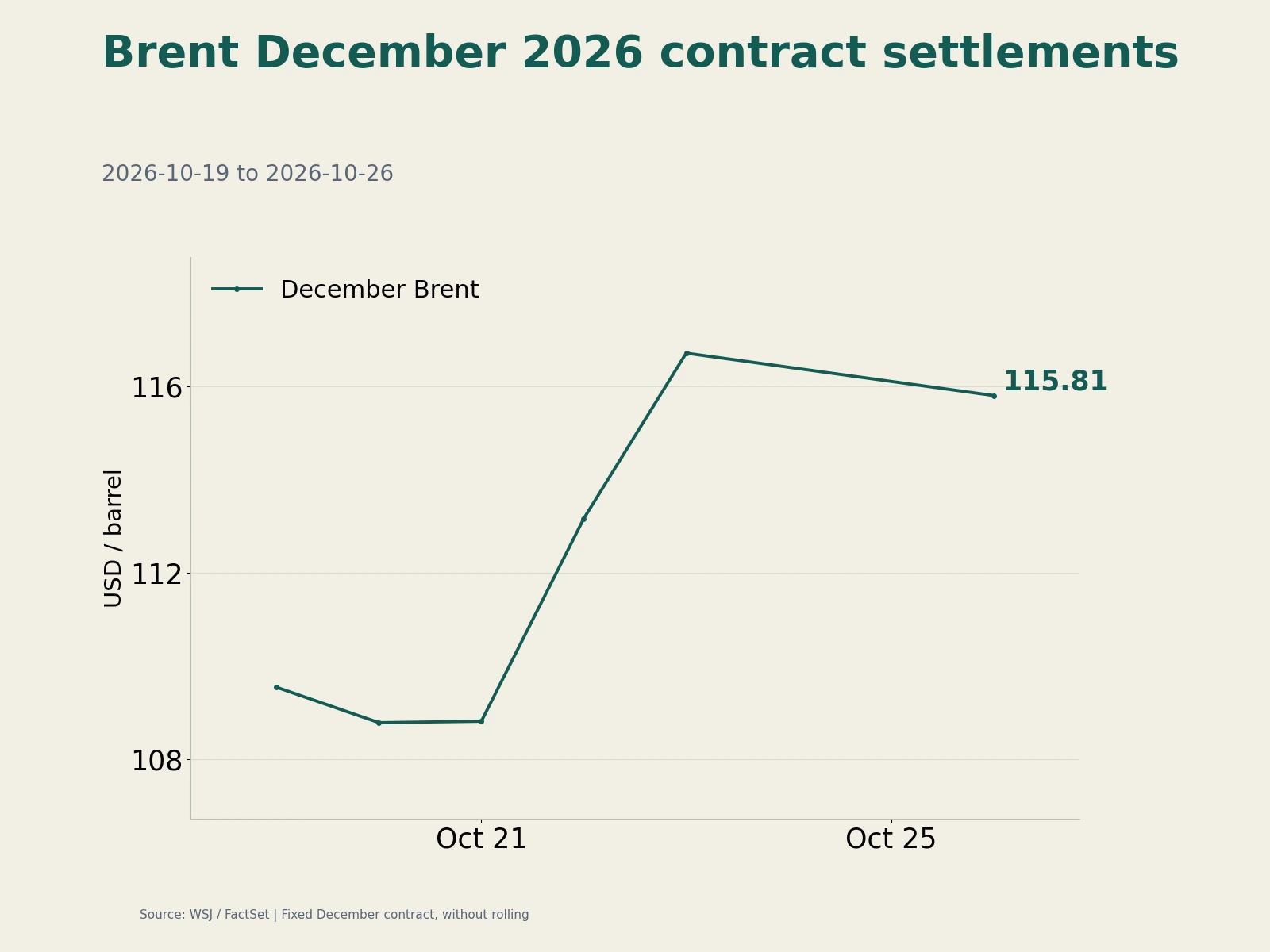
International crude pulled back on September 16 after consecutive gains. Using Yahoo continuous-contract provider daily closes, WTI finished at $101.99 a barrel, down 3.63%, and Brent at $105.58, down 2.91%. Saudi efforts to find alternative transport and a smaller-than-expected US crude draw eased supply-disruption fears. Yet restoring overall crude delivery and filling downstream product shortages from localized transfers still faced multiple practical constraints.
Saudi offshore transfers ease supply fears; extremely low Hormuz traffic constrains actual exports
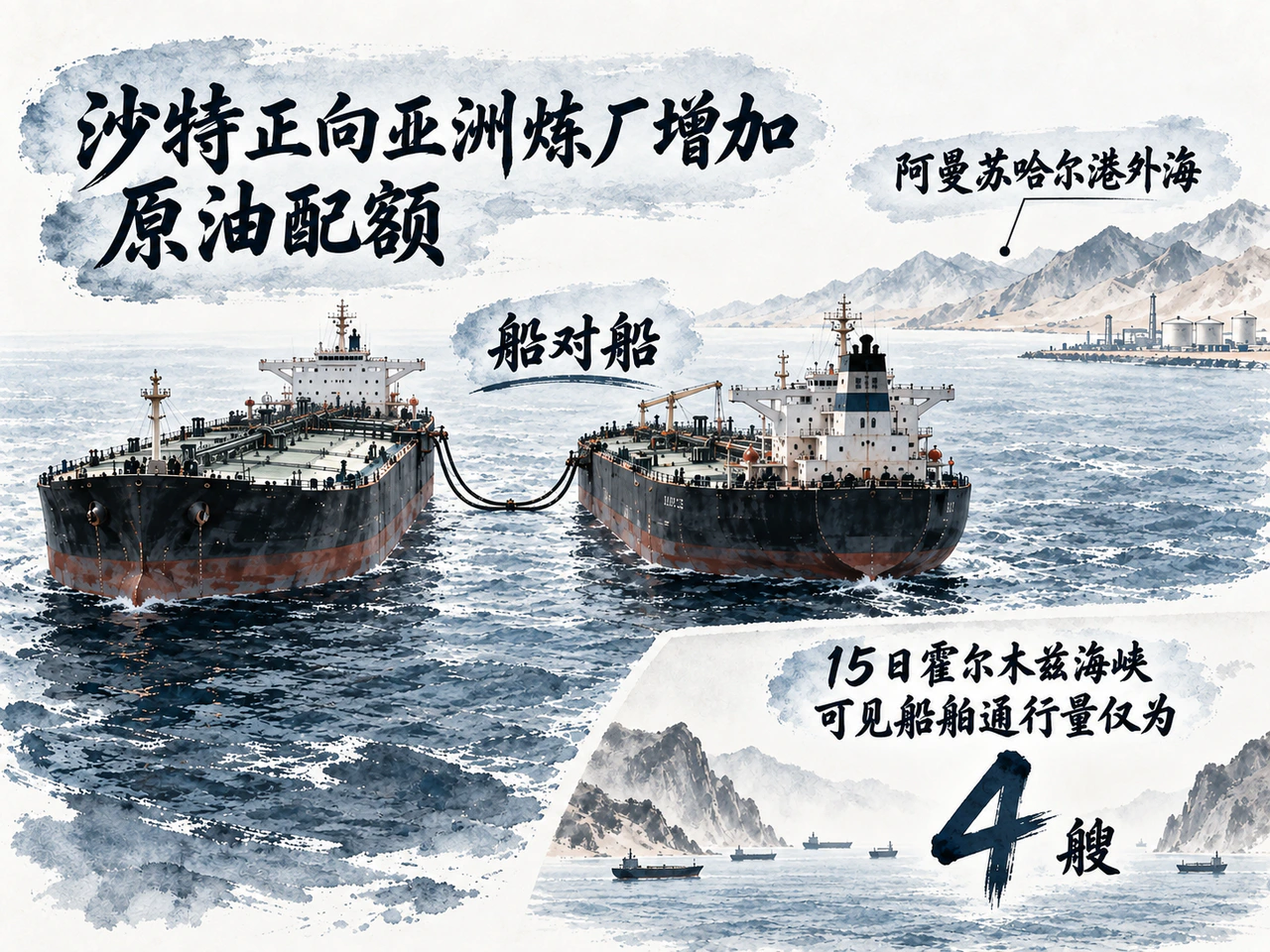
Reuters reported on September 16 that Saudi Arabia was increasing Asian refiners' crude allocations through ship-to-ship transfers offshore Sohar, Oman, to offset export losses after attacks on the East-West pipeline. Earlier suspension of Yanbu loading and canceled European cargoes had rapidly intensified disruption fears, lifting both benchmarks by more than $3 on the 15th.
The new transfers eased fears of further disruption. Actual deliveries after allocations still depended on tanker availability, offshore-transfer efficiency and security, so they did not mean full export capacity had returned.
Shipping data showed Hormuz traffic still depressed. Preliminary monitoring found only 4 visible transits on the 15th, below 7 on the 14th and far below the previous ten-day average of 18. Very low frequency indicated continued obstruction of the critical waterway and unresolved logistics bottlenecks.
Slower US draws cool trading, while collapsing Gulf diesel exports support fundamentals
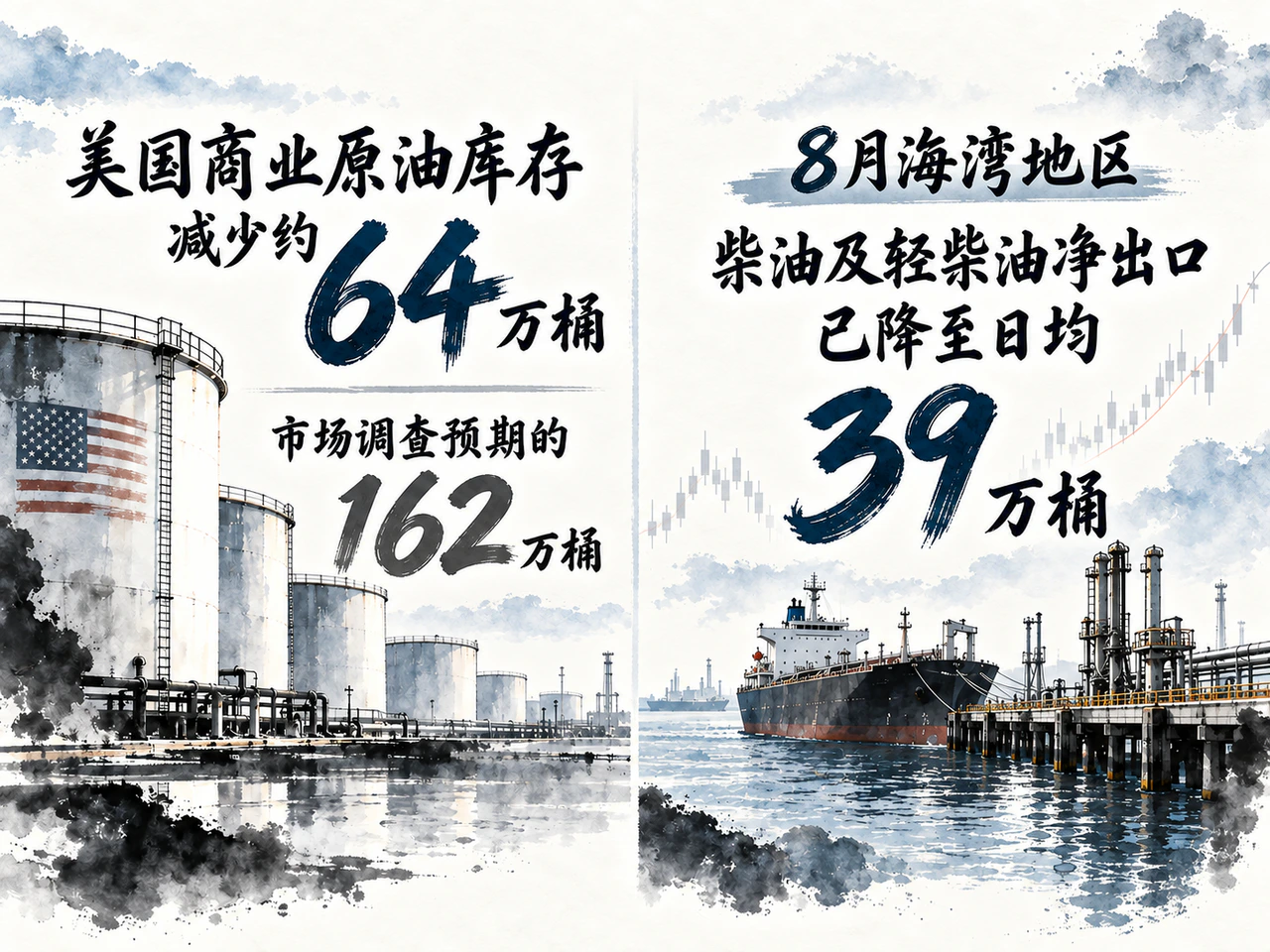
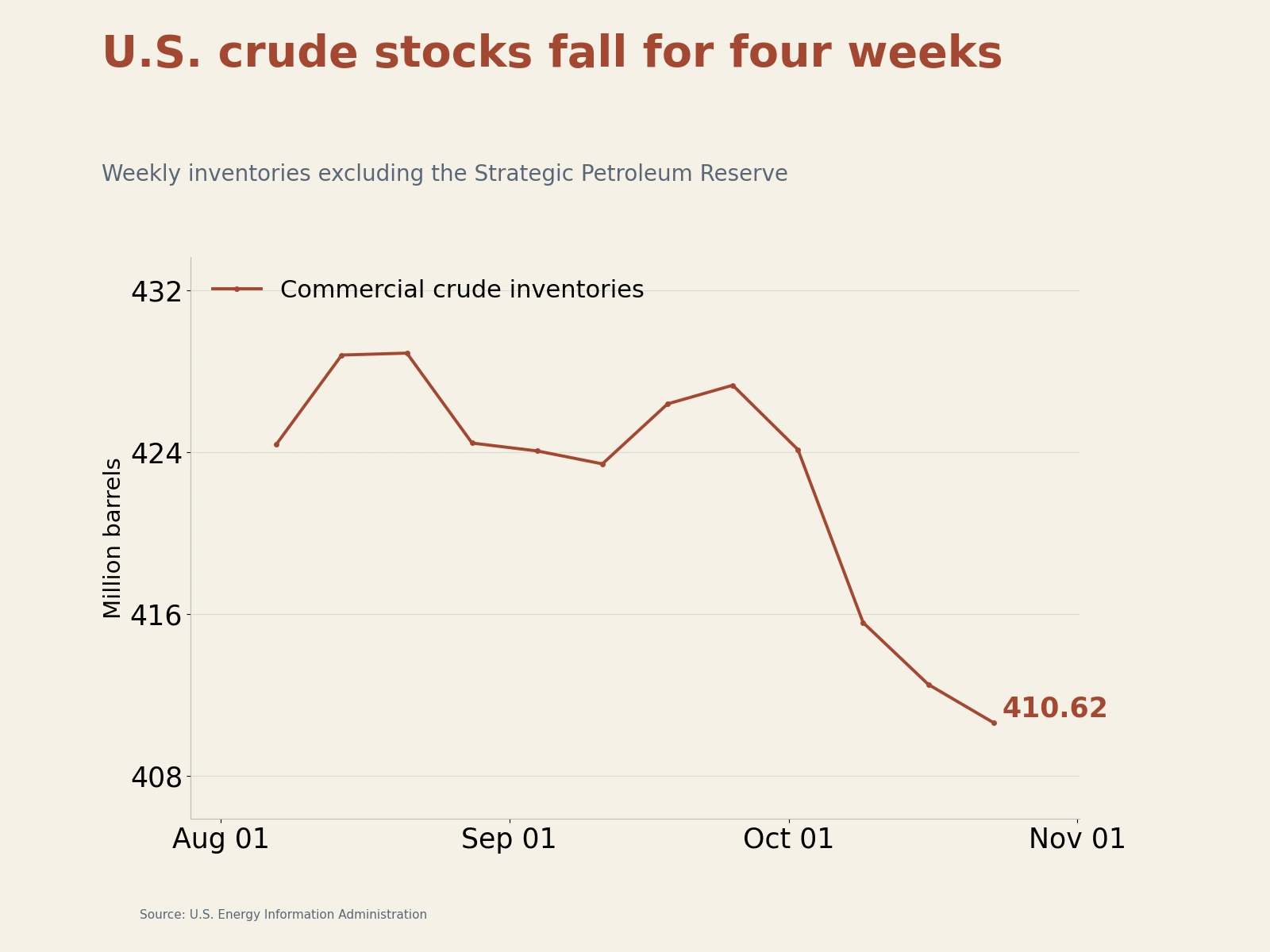
US commercial inventories tempered the prior rally. Reuters cited EIA data showing crude stocks down about 640,000 barrels in the week ending September 11, far less than the expected 1.62 million. Gasoline and distillate stocks rose. Slower crude draws and stabilizing product inventories weakened recent bullish sentiment.
A single weekly change could not quickly reverse low global stocks. The IEA's September 11 monthly report estimated observed global oil inventories fell 95 million barrels in August and 507 million cumulatively since February. Months of depleted buffers were difficult to replenish quickly through localized builds.
Product imbalances were more pronounced. The IEA estimated Gulf diesel and gasoil net exports at just 390,000 barrels per day in August, barely above one-quarter of their level before the conflict began in late February 2026. Restricted Gulf and Russian exports kept diesel supply pressured. Alternative crude routes did not ensure simultaneous recovery of diesel-suitable feedstock, refinery throughput and product-shipping networks.
Demand also constrained prices. The IEA expected global oil demand to decline 2.5 million barrels per day year on year in 2026, suggesting expensive oil and tight supply could suppress actual downstream demand. Supply shortages supported the floor, while weaker demand expectations restrained further gains.
High prompt premiums reflect immediate tightness; rebalancing depends on four supply indicators

The IEA's September report said strong backwardation—near contracts trading above later maturities—persisted, reflecting concern over scarce promptly deliverable crude, while distant prices had not risen equally.
The EIA's September Short-Term Energy Outlook assumed gradual restoration of Middle Eastern exports and shut-in capacity, projecting average Brent spot prices of $77 a barrel in second-quarter 2027. Inputs ended September 3, excluding later pipeline attacks. It was conditional: if logistics recovered on schedule, prompt premiums would ease; if alternatives remained obstructed, rebalancing could be delayed.
Macro-financial conditions added pressure. On the 16th the dollar index rose 0.69% to 100.34 and the 2-year Treasury yield increased 7 basis points to 4.74%. A stronger dollar and high rates raised non-US buyers' procurement costs and position-financing costs, marginally constraining oil.
Whether benchmark prices stabilize or fall further depends mainly on four indicators:
First, whether offshore ship-to-ship transfers at Sohar reach stable scale, testing their ability to close the export gap.
Second, Yanbu loading and damaged-pipeline repairs, which directly determine how long Middle Eastern supply remains blocked.
Third, whether nearby-deferred spreads narrow, indicating actual relief in prompt supply.
Fourth, whether US distillate stocks keep rising and diesel cracks retreat, showing whether upstream changes transmit smoothly into products.
Until these supply bottlenecks are effectively cleared, a sentiment-driven pullback does not mean fundamentals have turned loose.