By the morning of September 18 Beijing time, Middle East tensions were deepening around financial interdiction and energy routes. Washington was preparing consultations with Gulf allies during the UN General Assembly and granting restricted visas to Iran's delegation to preserve multilateral contact. Sanctions meanwhile reached the cryptocurrency network settling Hormuz transit fees, alongside a tight physical blockade. Saudi Arabia's key overland bypass pipeline was damaged, while Red Sea interceptions and fighting continued, placing multiple pressures on crude exports. U.S. conciliatory signals still faced substantial tests before compromise on navigation rights and security boundaries.
U.S. plans consultations with six Gulf states; new sanctions target crypto toll settlement

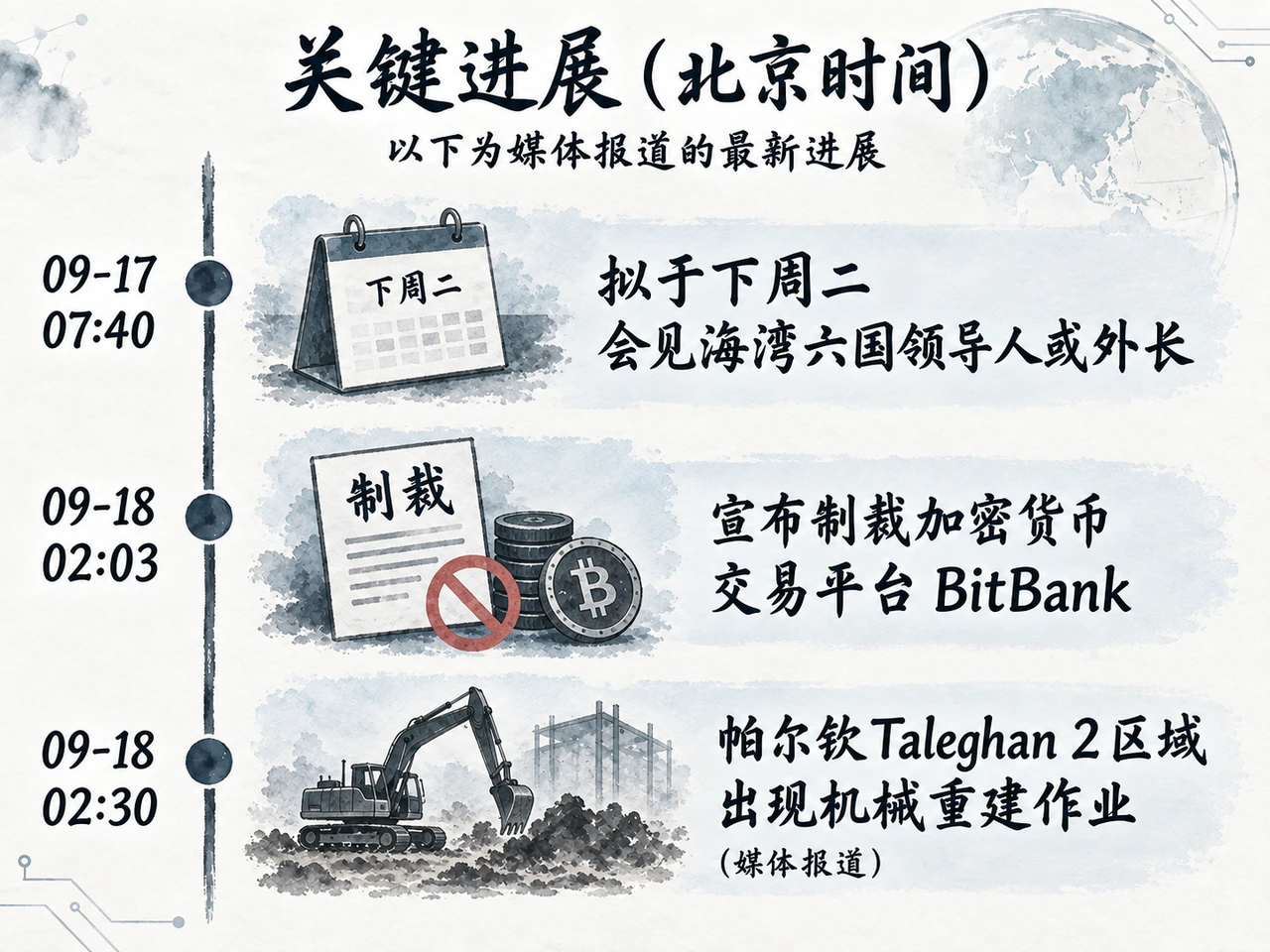
Axios cited several sources as saying Trump planned to convene leaders or foreign ministers from the six GCC countries—Saudi Arabia, the UAE, Qatar, Bahrain, Kuwait and Oman—next Tuesday during the New York UN General Assembly, discussing the next stage of the Iran conflict and security architecture. The State Department had sent preliminary invitations. Disrupted Gulf exports and air-defense pressure were becoming important to Washington's ceasefire thinking, but these were U.S.-ally consultations and did not imply Iranian agreement.
Washington approved New York visas for Iran's core delegation, including President Pezeshkian and Foreign Minister Araghchi, with strict travel and shopping restrictions. Preserved diplomatic access did not slow economic pressure. On September 17, Treasury sanctioned crypto exchange BitBank, developer Pishtaz Simorgh and three associated executives. Treasury alleged ties to businessman Babak Zanjani and assistance processing merchant-vessel Hormuz fees and funding the Revolutionary Guards. Pressure was reaching beyond physical ship seizures into hidden settlement channels, seeking to block Tehran's asymmetric revenue from control of the strait.
Saudi bypass pipeline damaged; Red Sea and Hormuz security risks intersect
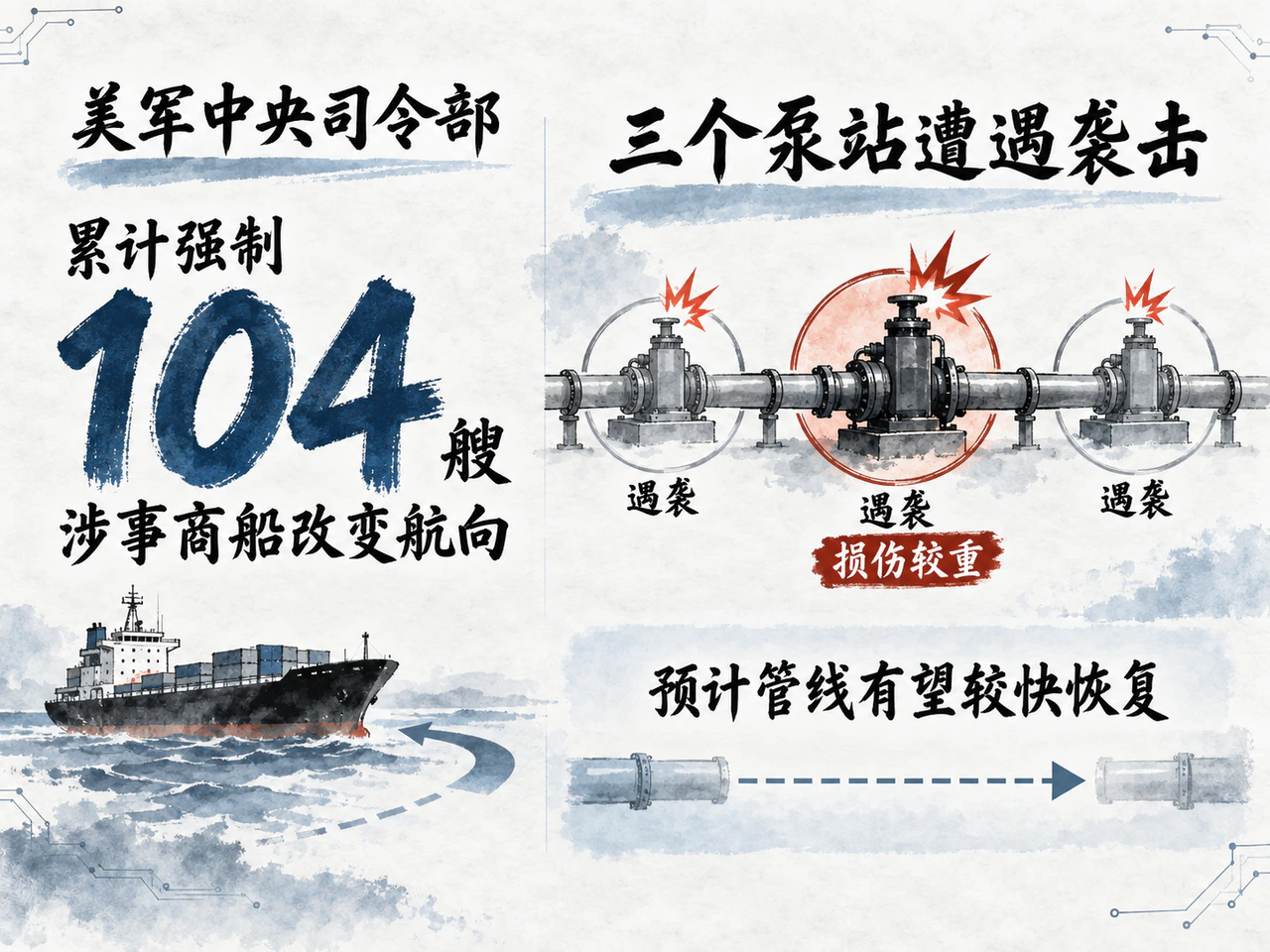
The blockade and transport vulnerability became clearer. Central Command's latest statement said the U.S. military had forced 104 involved merchant vessels to change course since the blockade began. In waters connected to the Red Sea, UKMTO reported small boats following and attempting to intercept a tanker 75 nautical miles east of Aden, underscoring continued threats.
Overland backup oil exports were also affected. U.S. Energy Secretary Wright confirmed attacks on three pumping stations of Saudi Arabia's East-West Pipeline to Yanbu, one seriously damaged. As a strategic Hormuz bypass, its damage increased global supply vulnerability. Washington expected relatively quick restoration, with damage assessment continuing.
Regional fighting brought casualties. Saudi civil defense said debris after interception of a Houthi drone in Taif killed one Yemeni and injured two. Houthi media said Saudi strikes hit three telecom stations in Taiz and caused civilian casualties in Abs. The Houthis denied Saudi allegations that drones targeted Mecca's holy sites; Iranian spokesperson Baghaei also condemned attacks on religious sites. Continuing accusations and fighting show oil-route security cannot be separated from Yemen's wider war.
Satellite analysis shows Natanz and Parchin work; UN investigators attribute responsibility for U.S. strikes
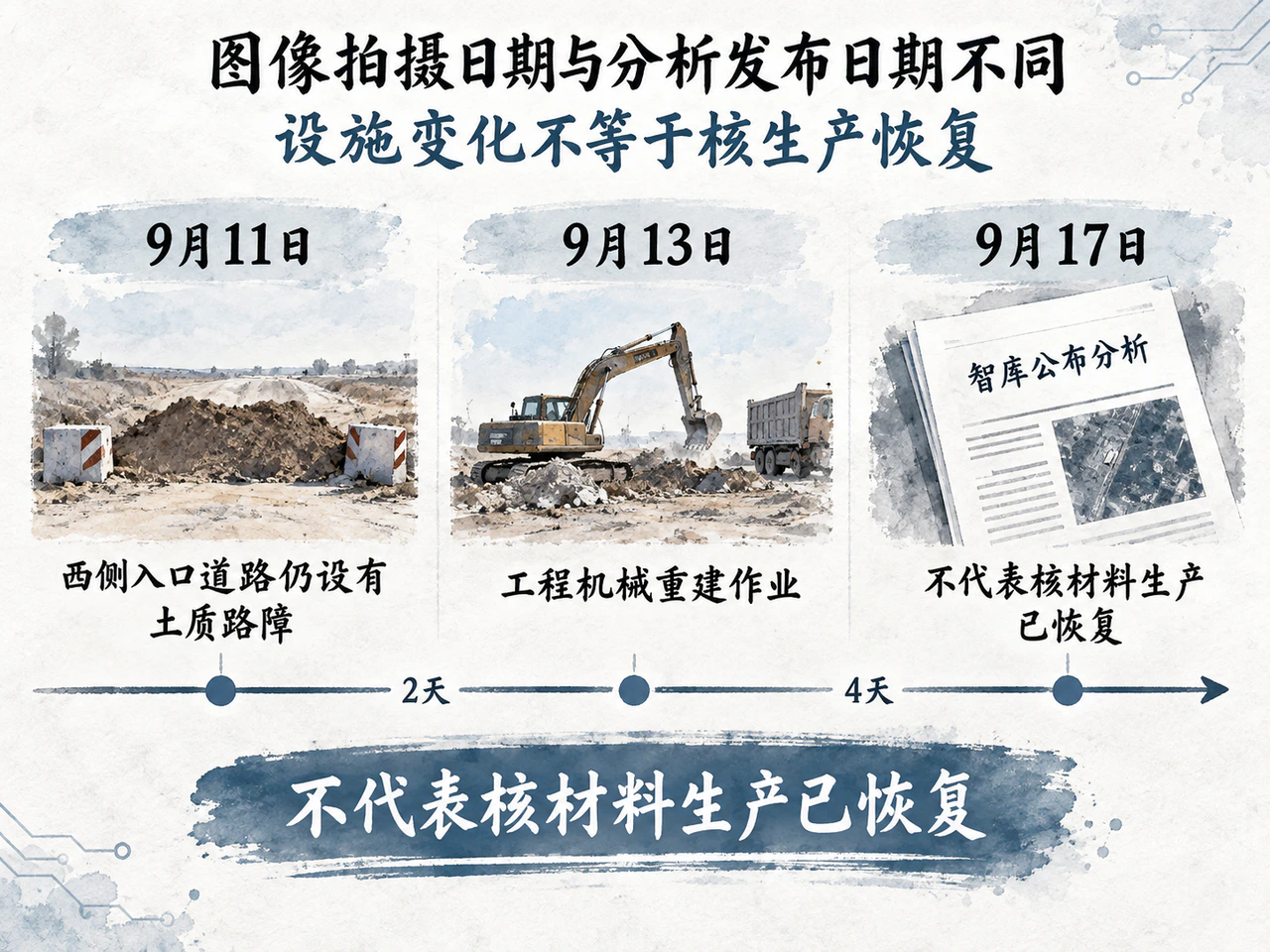
The Institute for Science and International Security (ISIS) published a September 17 assessment of recent satellite imagery. September 11 images showed earthen barriers still blocking western entrance roads at Pickaxe Mountain near Natanz's underground nuclear facility, with additional earth reinforcement above some entrances. It inferred that blocked access indicated the facility was not operating normally, while reinforcement could suggest important equipment or materials remained inside. September 13 images showed machinery rebuilding the Taleghan 2 area at Parchin, partly covered by construction tarps.
On humanitarian and legal issues, the UN's Independent International Fact-Finding Mission on Iran reported the same day that there were reasonable grounds to believe two U.S. strikes in February—on a Minab primary school and sports and residential areas in Lamerd—may constitute war crimes, killing at least 178 civilians. It called for an end to unlawful action, compensation and renewed diplomacy. These findings and allegations concern earlier strikes and are not a judicial ruling, but intensify the legal and public-opinion contest behind ceasefire talks.
The situation combines diplomatic exploration, maritime interception and reinforced rear facilities. Whether ceasefire expectations become actual easing still depends on disputes over Gulf transit fees, protection of Saudi pipelines and deep gaps in strategic trust.
Key developments
| Key developments |
|---|
| September 18, 02:30 Beijing timeA think tank's satellite analysis showed earth reinforcement at Natanz underground entrances and machinery rebuilding Parchin's Taleghan 2 area; these are protective works, not proof of resumed nuclear-material production. |
| September 18, 02:03 Beijing timeTreasury sanctioned BitBank, an associated software company and three executives, alleging involvement in Hormuz toll settlement and funding Iran's military. |
| September 17, Beijing time — The U.S. energy secretary confirmed attacks on three Saudi East-West Pipeline pump stations, one badly damaged. Assessment continued, with relatively quick restoration expected. |
| September 17, Beijing time — UN investigators released findings on two February U.S. strikes, alleging war crimes and at least 178 civilian deaths. The casualties concern historical attacks under investigation. |
| September 17, Beijing time — Fighting continued in Yemen: Saudi Arabia reported interception debris killing one and injuring two; Houthi media said Saudi strikes hit Taiz telecom towers and killed one and injured one in Abs. |
| September 17, 07:40 Beijing timeU.S. media reported Trump planned to meet leaders or foreign ministers from six Gulf states next Tuesday during the UN General Assembly to discuss the next stage of the conflict; preliminary invitations had been issued. |


