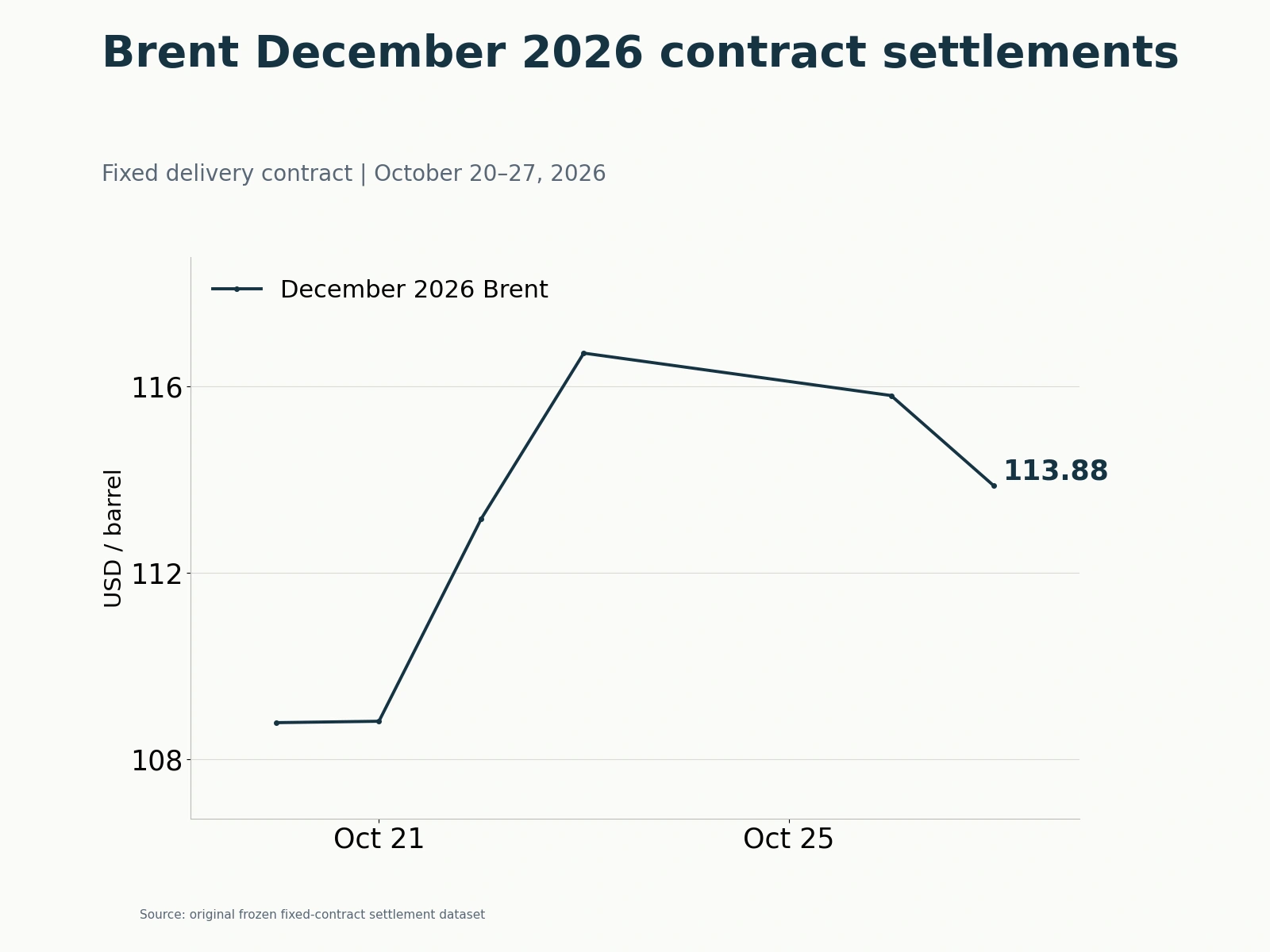
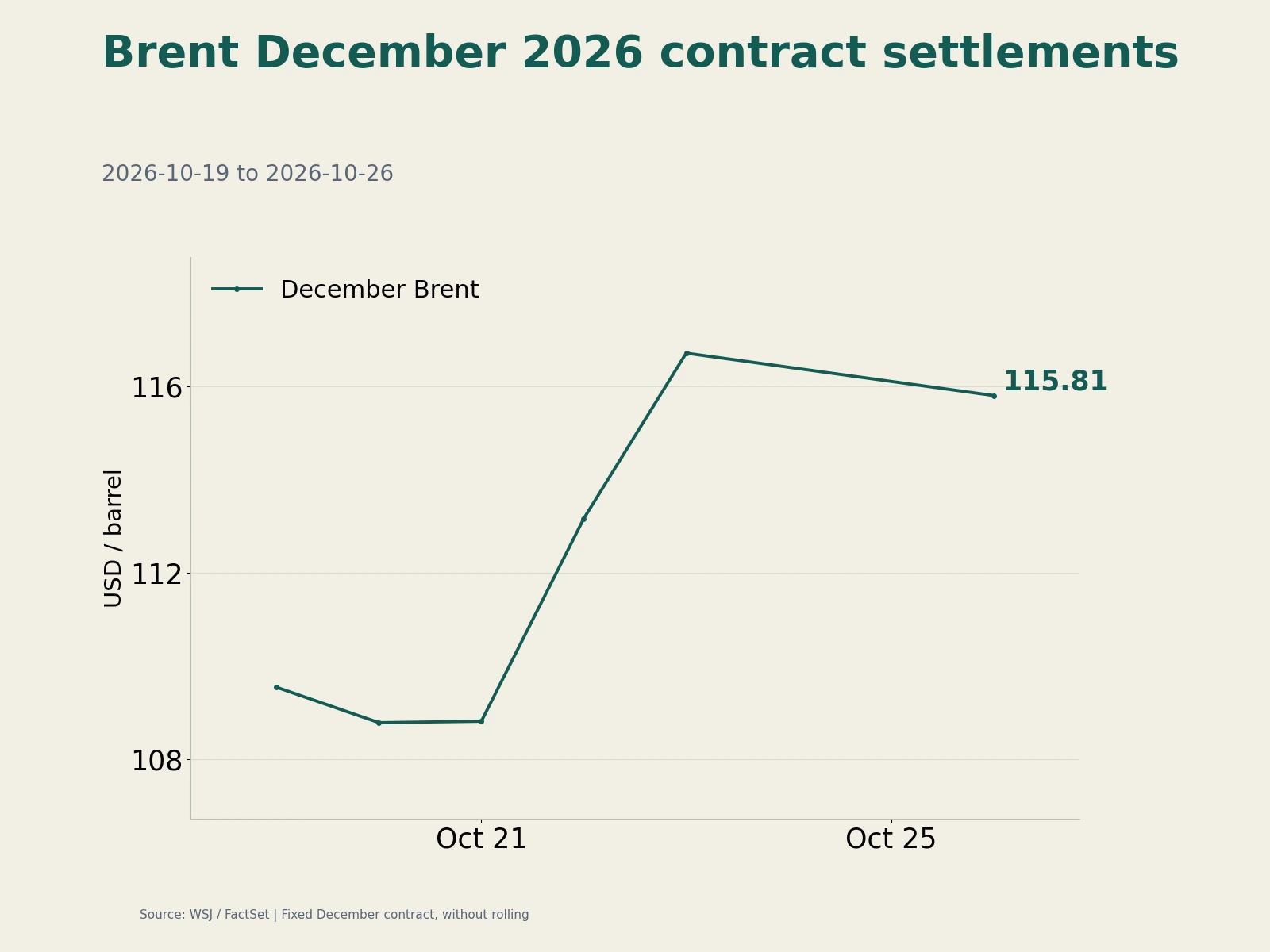
On September 17, international crude continued to retreat. Using consistent continuous-contract closes from one source, WTI was $101.05 a barrel, down 1.35%, and Brent $104.08, down 1.65%. Additional Saudi crude transfers offshore Oman and hopes of partial East-West pipeline capacity returning within days weakened fears of a prolonged Saudi export disruption. Alternative transport still faced route-security and capacity constraints, however, while a persistently tight global diesel chain limited the room for a deep crude decline.
Transshipment adds emergency supply while pipeline restarts coexist with logistical constraints
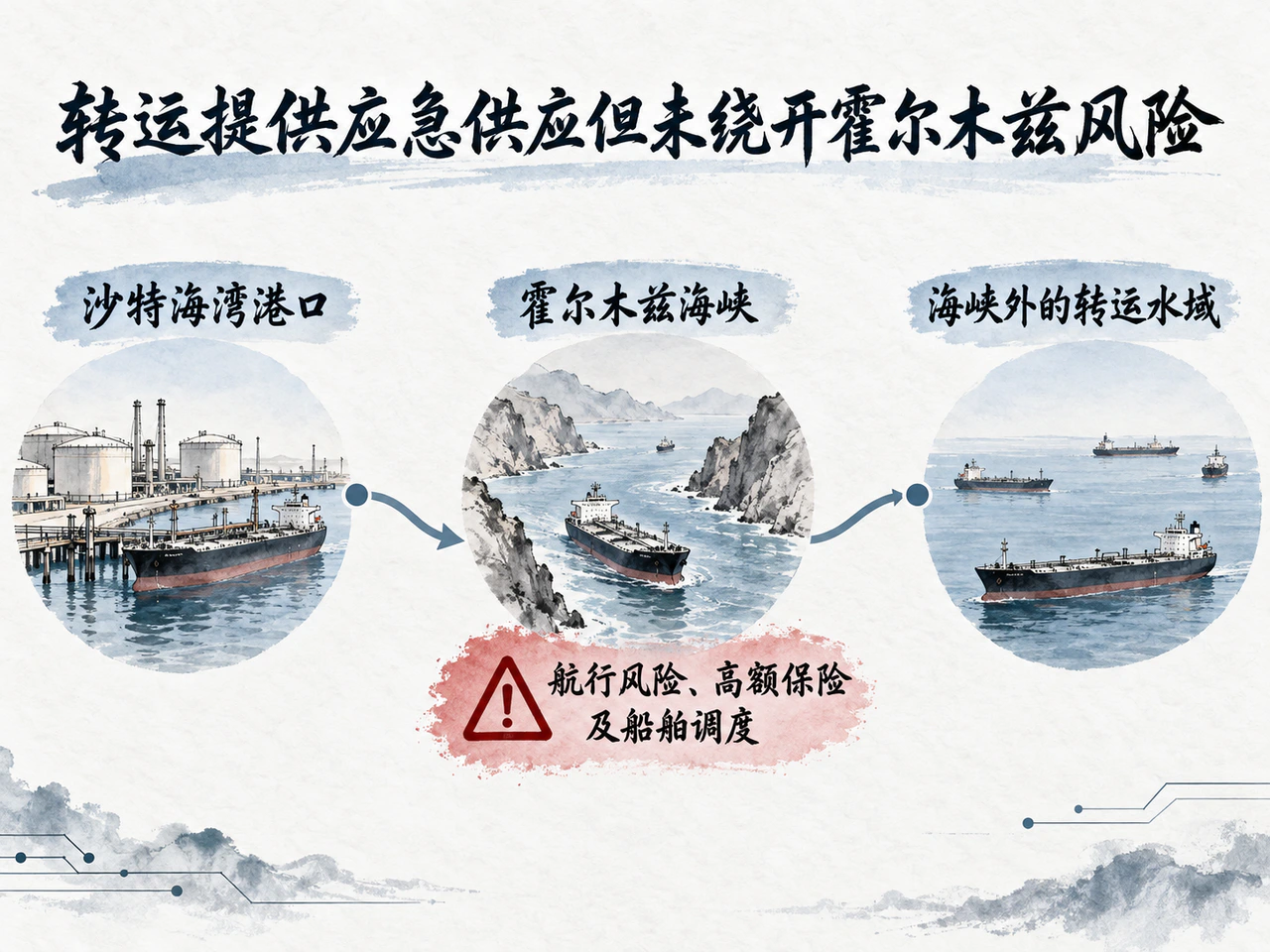
Reuters reported on September 17 that Saudi Arabia was supplying more crude to Asian refineries through ship-to-ship (STS) transfers offshore Sohar, Oman, to offset the attacked East-West pipeline and suspended Yanbu loadings. Bloomberg had also reported efforts to restore around half the pipeline's capacity within days, but Saudi authorities had not provided a clear official timetable.
Emergency physical-market arrangements quickly reduced futures premiums. Both benchmarks briefly fell more than $3 intraday before narrowing losses. Renewed Saudi-Houthi exchanges reminded markets that threats to energy facilities had not disappeared. Sohar transshipment could not fully replace the normal export chain. Al Jazeera cited LSEG and shipbrokers explaining that crude from Saudi Gulf ports still had to cross Hormuz to reach transfer waters outside it, retaining navigation risk, high insurance and hidden vessel-scheduling costs.
Rystad estimates confirmed the route's burden: Saudi crude exports through Hormuz exceeded 2 million barrels a day during September's first two weeks, around 1 million above August. Its pipeline outlook was more cautious: even a partial restart within weeks would first serve Saudi domestic refineries, leaving relatively limited near-term additional capacity for Yanbu exports. Organizing emergency loadable cargoes remained some distance from restoring normal exports.
Slower U.S. crude draws and structural diesel shortages support refinery demand
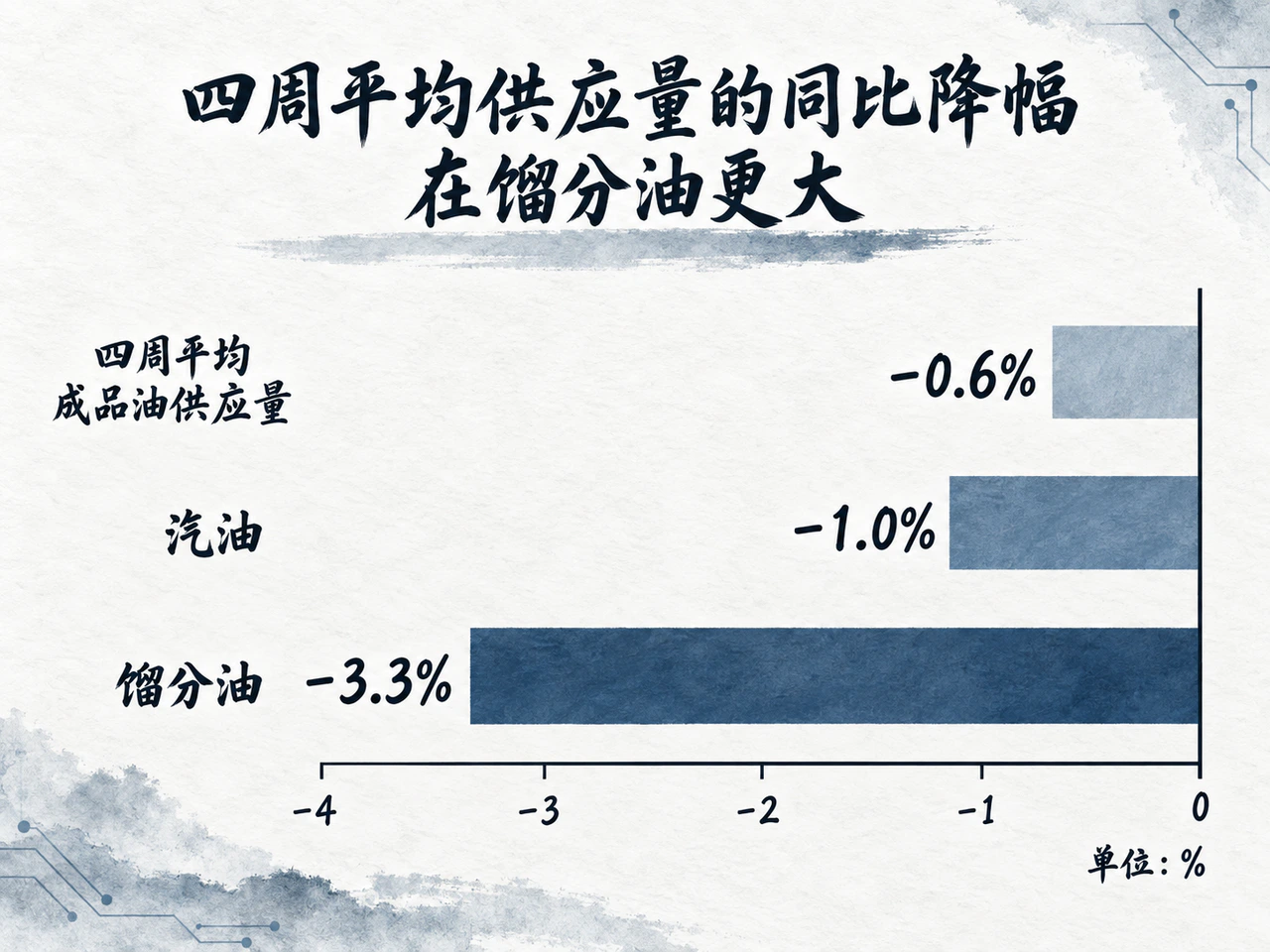
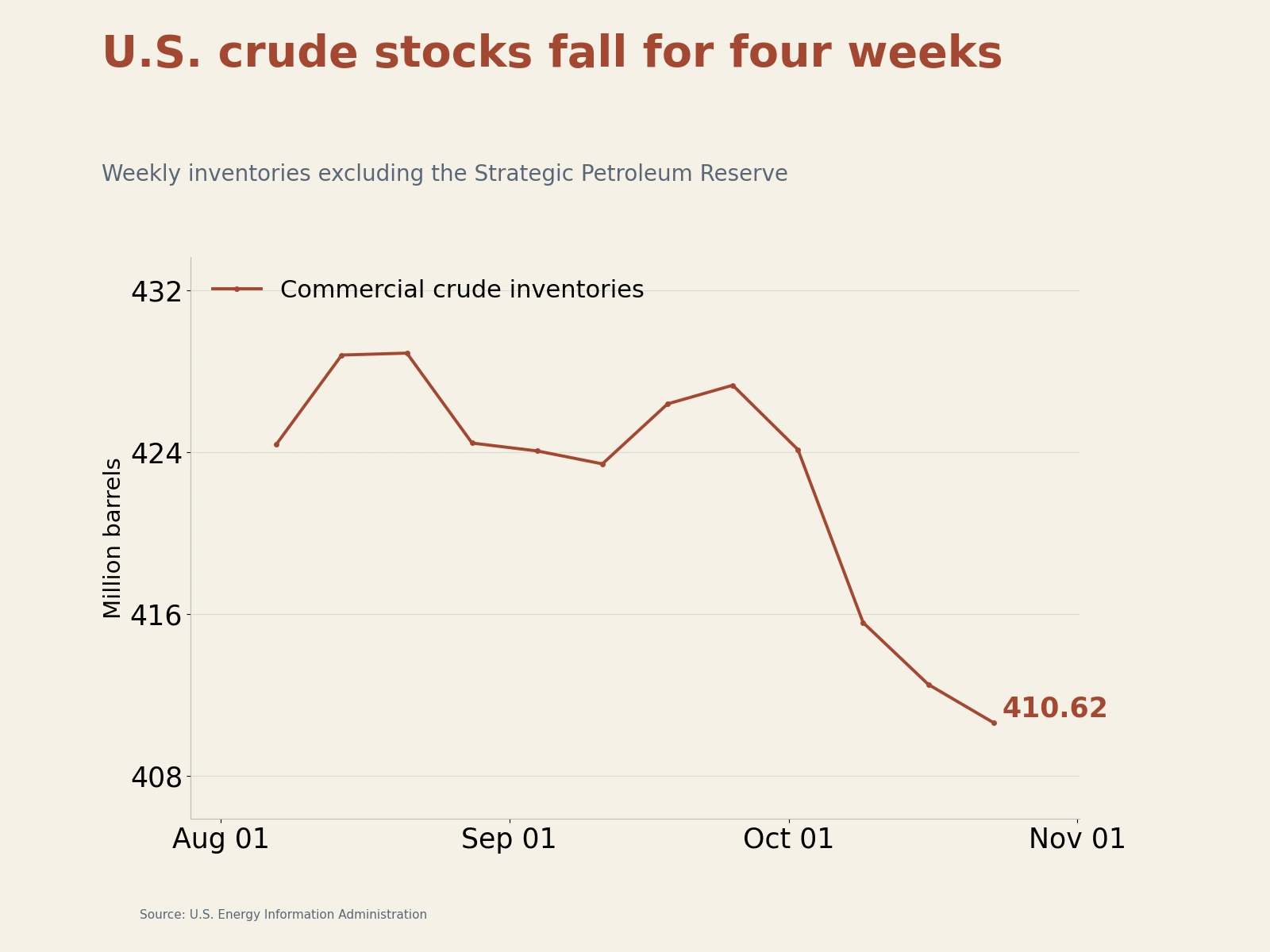
U.S. fundamentals also cooled bullish sentiment. The EIA's September 16 report showed commercial crude drawdowns slowing to around 600,000 barrels in the week ended September 11, or 640,000 in Reuters' cited figures, taking stocks to 423.4 million. The draw was well below the expected 1.62 million. Gasoline and distillate stocks rose 800,000 and 1.6 million barrels, respectively.
The slower draw could not be attributed entirely to weak end demand. Refinery processing fell 256,000 barrels a day and crude imports rose 234,000, directly slowing depletion. Nevertheless, four-week average product supplied fell 0.6% year on year, including gasoline down 1.0% and distillates down 3.3%, indicating negative feedback from high oil prices on actual consumption.
Marginal crude relief did not resolve product tightness. U.S. distillate stocks rose slightly but remained 13% below the five-year seasonal average. Reuters said European diesel and U.S. ULSD futures had both recently set settlement records. A drone attack on Russia's Yaroslavl refinery added concern about global refining capacity despite the fire being extinguished. Faster crude-supply organization does not mean rapid conversion into diesel. Persistently high diesel-crude cracks encouraged capable refineries to operate and buy feedstock, providing firm underlying crude demand.
Prompt premiums dominate the structure; sustained declines depend on physical delivery
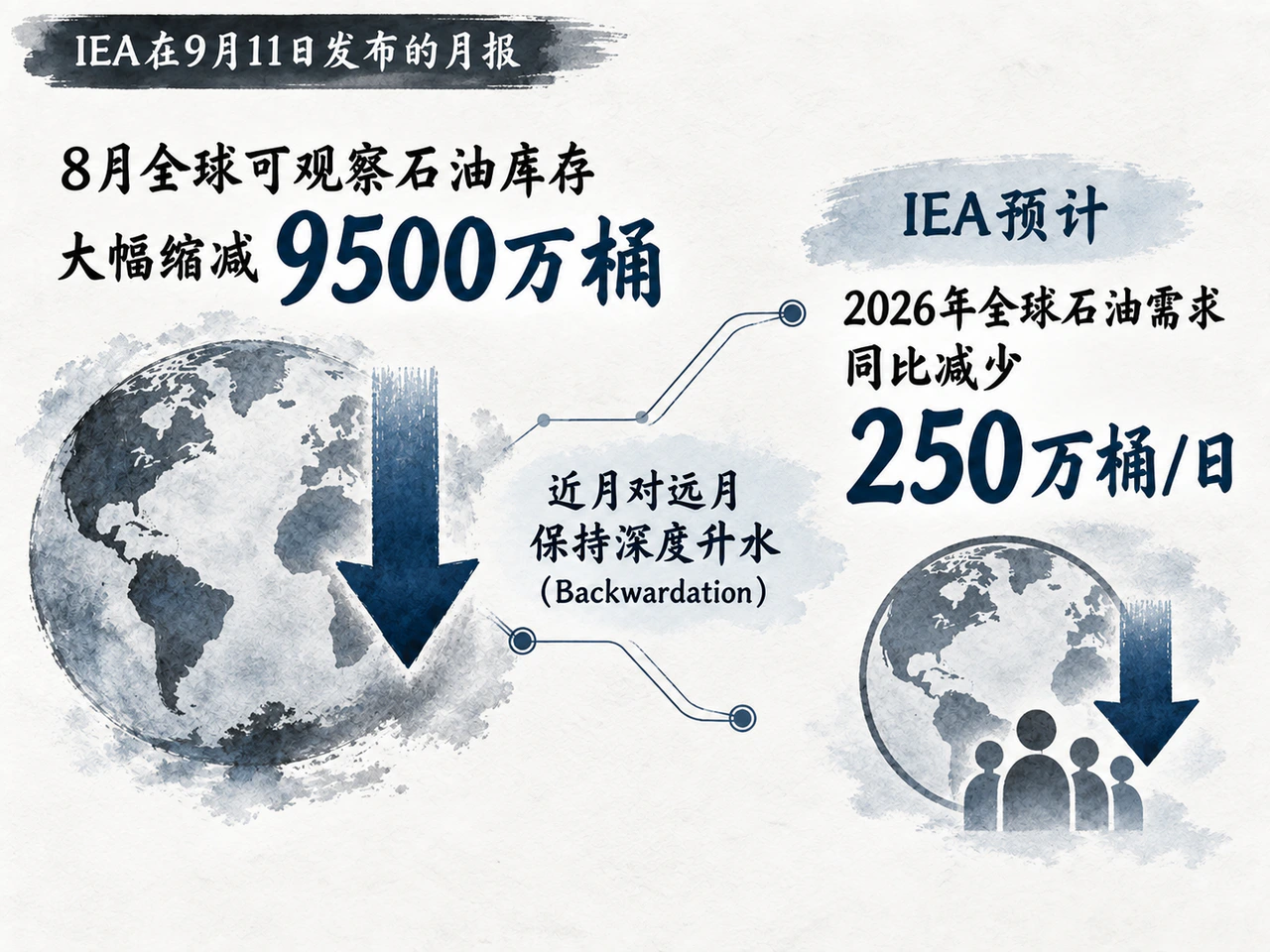
The IEA's September 11 report set out the physical background: observed global oil stocks shrank 95 million barrels in August, with deep backwardation in physical and near contracts over deferred delivery, reflecting earlier urgency for immediate supply. The report also forecast a year-on-year decline of 2.5 million barrels a day in 2026 global demand, showing high-price pressure on future consumption. Prompt premiums could not disappear instantly before delivery bottlenecks were removed.
Macro conditions also ruled out a stronger-dollar explanation for oil's decline: on September 17 the dollar index fell about 0.07%, the S&P 500 rose 1.14%, and the 10-year Treasury yield fell 7 basis points. The joint moves in commodities and major risk assets fit a temporary easing of geopolitical supply panic more closely.
Whether additional offshore Sohar cargoes become steady arrivals and how the East-West pipeline actually restarts will test the depth of supply relief. Narrowing prompt premiums would reinforce the correction. Conversely, persistent European and U.S. diesel shortages and wider cracks would leave firm refined-fuel support limiting crude's downside.