On September 19, new developments in the Middle East combined mediation with security incidents. Supreme National Security Council Secretary Mohsen Rezaei said Tehran had conveyed conditions for ending the war to the United States through Qatar and was awaiting a reply. The same day, Yemen's Houthis claimed attacks on facilities in Riyadh and the Red Sea city of Yanbu, while Saudi Arabia said it intercepted incoming missiles. An oil tank bearing Saudi Aramco markings near Riyadh's King Khalid International Airport also caught fire, and flights were delayed or canceled.
As of 07:35 on September 20 Beijing time, diplomacy and military operations continued in parallel. Iran had conveyed its demands, but the precise submission time was undisclosed and the United States had not publicly responded. The cause of the fire near Riyadh airport remained unclear. Flights had begun returning to operation after disruption, and public information could not independently substantiate all the strike effects claimed by the Houthis.
Iran conveys three ceasefire demands, maintaining nuclear policy without deciding to leave the NPT
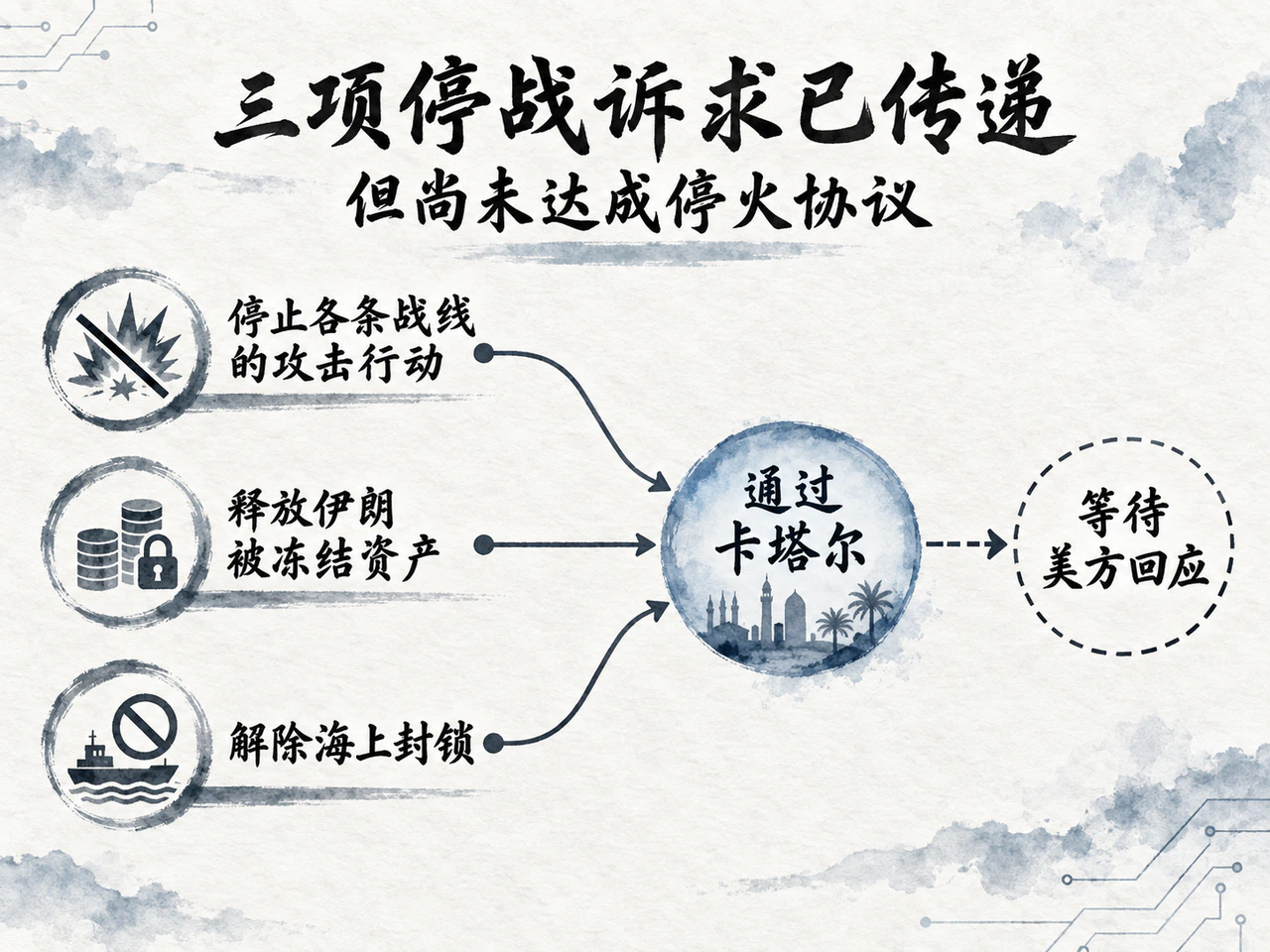
In an interview, Rezaei disclosed three core conditions conveyed to Washington: stop attacks on all fronts, release frozen Iranian assets and lift the maritime blockade. He said Qatar had passed them to the United States and Iran awaited Trump's response while continuing contact with mediators including Qatar and Pakistan. Iran also wanted a ceasefire between Saudi Arabia and Yemen.
The demands covered military operations, financial-asset restrictions and maritime controls. Rezaei was publicly disclosing the communication channel and scope of demands; the exact submission date was not announced, and no new ceasefire agreement text had been established.
On nuclear policy, Rezaei reiterated that Iran remained opposed to weaponizing its nuclear program and had not decided to leave the Nuclear Non-Proliferation Treaty (NPT), while stressing that future policy depended on U.S. behavior. Tehran thus retained the option to adjust policy with external circumstances, without currently deciding to withdraw from the treaty or develop nuclear weapons.
That day, Pakistani Deputy Prime Minister and Foreign Minister Ishaq Dar spoke with Iranian Foreign Minister Araghchi. They focused on uninterrupted regional energy supply and safe, smooth commercial shipping, and agreed to meet during the UN General Assembly in New York, setting a concrete point for further diplomacy.
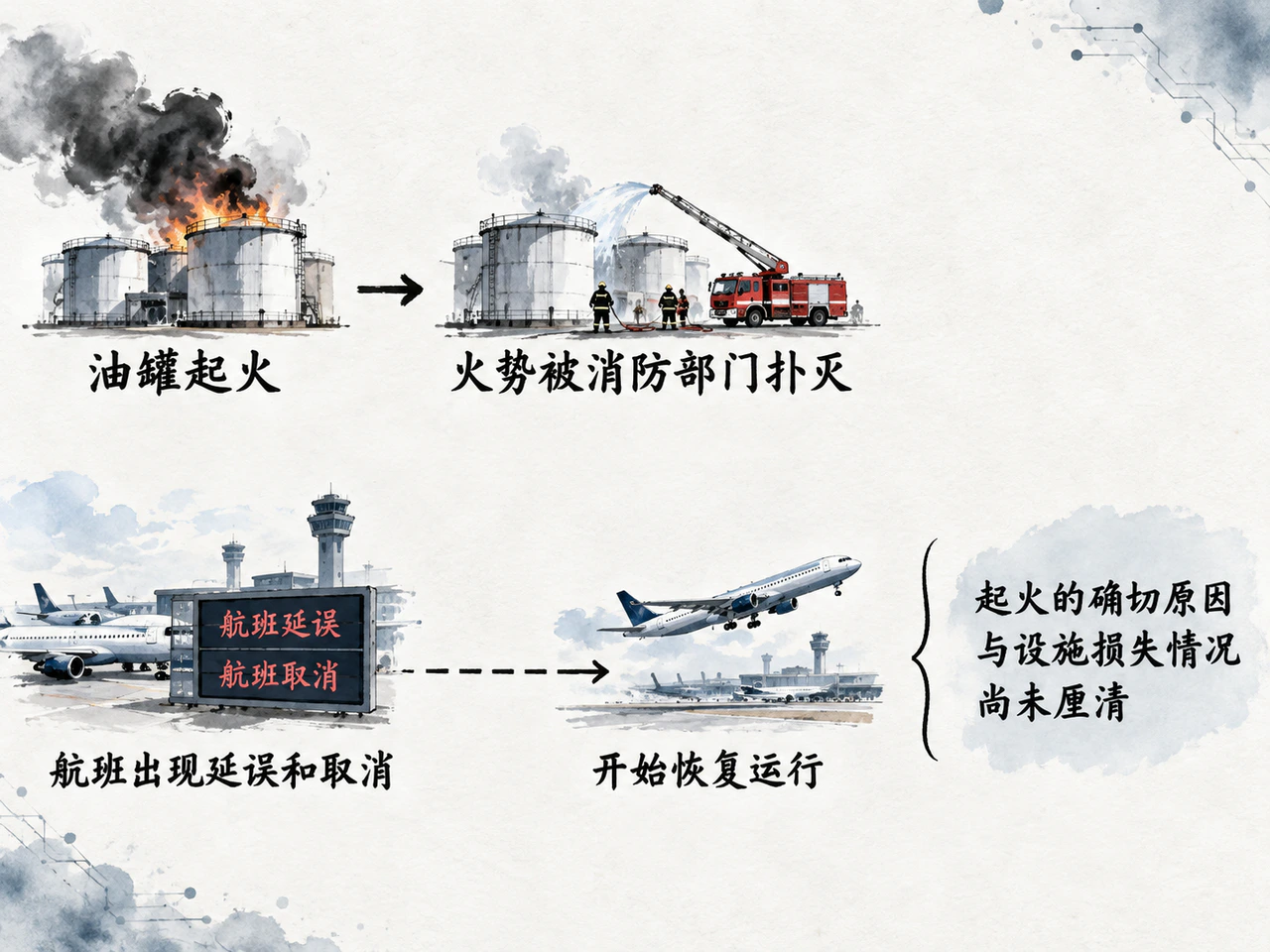
Oil tank burns near Riyadh airport; flights resume after disruption
Houthi spokesman Yahya Saree announced attacks with ballistic missiles, cruise missiles and drones on “sensitive targets” in Riyadh and Aramco facilities in Yanbu, saying they responded to earlier Saudi air strikes in Yemen.
The Saudi-led coalition subsequently said air defenses intercepted and destroyed a Houthi ballistic missile heading toward Riyadh at dawn and thwarted attempted attacks on civilian facilities in Yanbu and elsewhere. Its statement did not address whether Riyadh airport had been attacked.
What could be confirmed on site was a facility fire and transport disruption. AFP journalists saw an oil tank with Saudi Aramco markings burning near King Khalid International Airport; firefighters later extinguished it. Flight trackers briefly showed severe disruption at Riyadh airport, with multiple delays and cancellations before operations began recovering. The precise cause and extent of damage remained unclear, and there was no evidence of airspace restrictions. Neither the fire nor interceptions could therefore be identified as the definite cause of flight delays. No confirmed Yanbu damage report had emerged either, providing no basis to infer lower Saudi crude production or exports.
Saudi civil defense lifted danger alerts in Riyadh and al-Kharj that day. On Yemen's battlefield, AFP cited military sources saying recent fighting between southern government forces and the Houthis killed 48 people. That figure came from channels connected to combatants and had not been independently verified.
U.S. and Iran dispute Hormuz escort results; actual passage awaits data verification
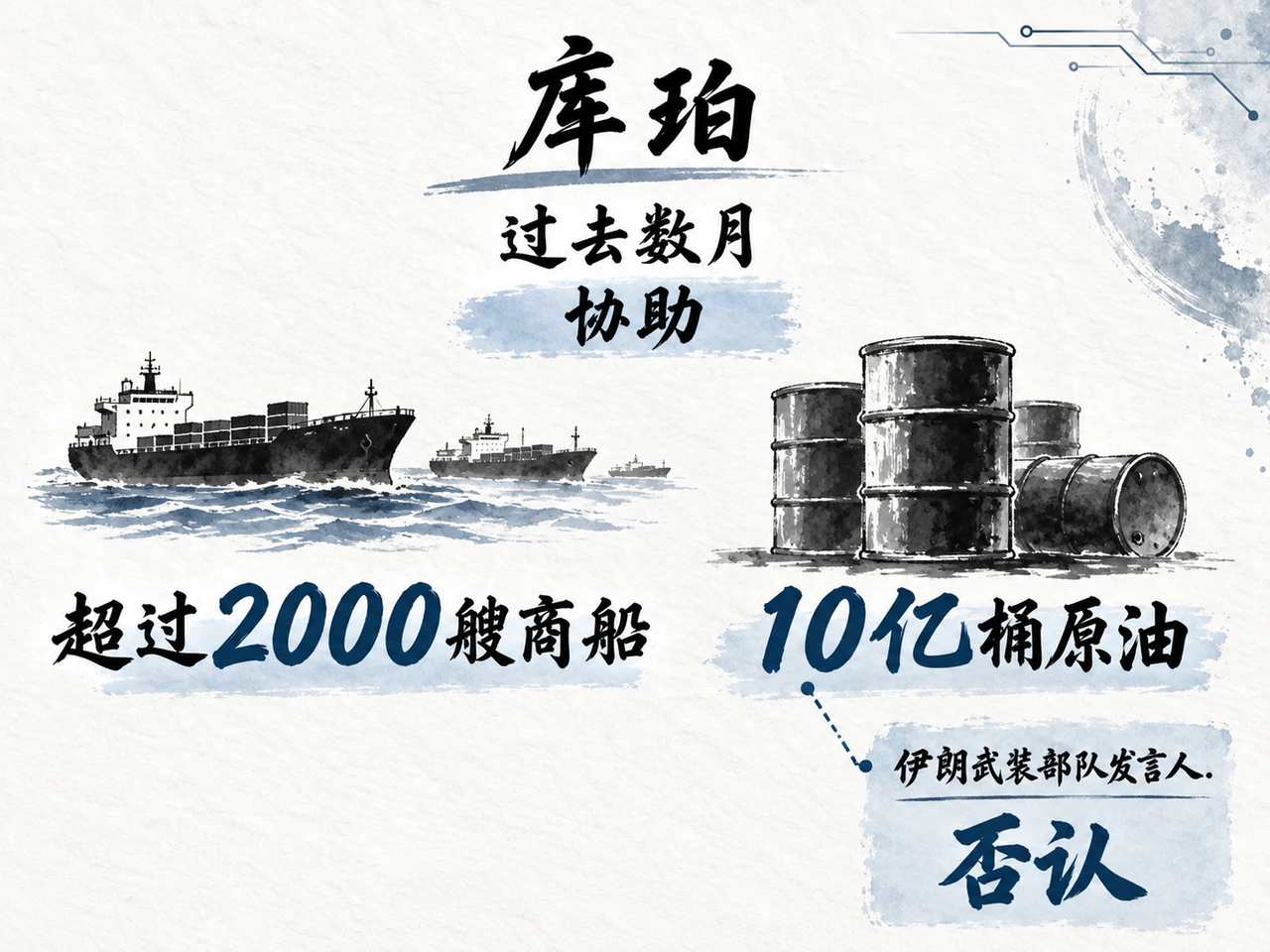
The two sides issued opposing public accounts of navigation through Hormuz. In a video released September 19, Central Command chief Brad Cooper said U.S. forces had helped more than 2,000 merchant vessels and 1 billion barrels of crude pass safely through the strait over the preceding months. He also said crude, cargo and LNG traffic over the previous two weeks had reached a nearly six-month high.
An Iranian armed-forces spokesman explicitly denied the U.S. claim concerning escorting 1 billion barrels. The U.S. figures were cumulative operational statistics over several months, rather than additional one-day traffic, and could not establish that normal navigation had returned. Subsequent vessel tracks and freight-monitoring data were still needed to verify the conflicting statements objectively.
The Pakistan–Iran call also placed commercial shipping safety at its center, showing how clear passage had become a focus of mediation. Stabilizing expectations for regional logistics and energy transport still required corroboration among diplomatic progress, facility security and actual maritime traffic data.
Key developments
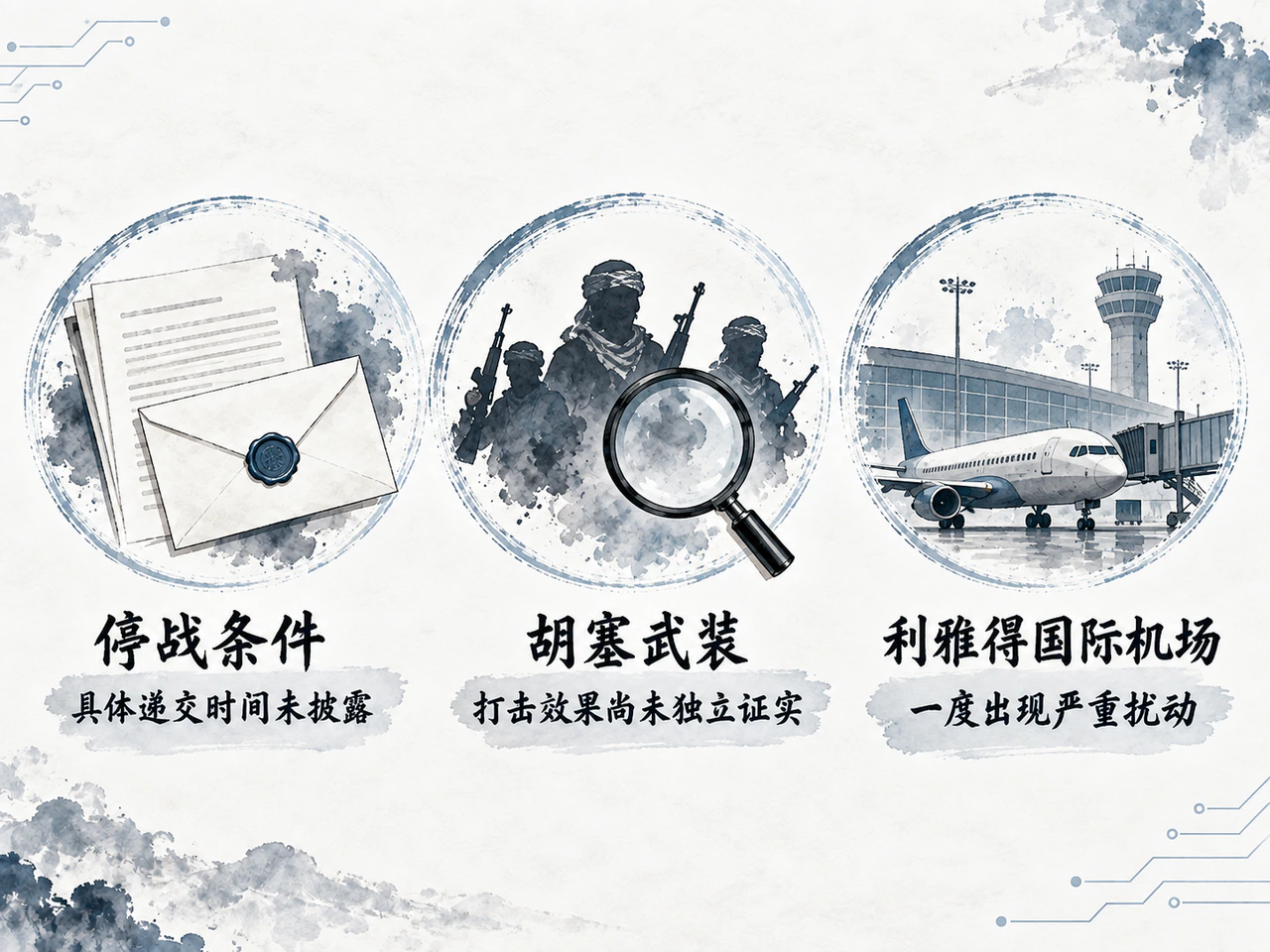
All times below are reporting times in Beijing. Entries marked “before” can only be confirmed as having been reported before that page's update; event times and initial publication times are unknown.
| Key developments |
|---|
| Before 09-20 05:50 (reported) Beijing timeIranian security official Rezaei said conditions to end the war had been conveyed through mediators, including an end to fighting on all fronts and removal of the maritime blockade; the precise submission time was undisclosed. |
| Before 09-20 05:50 (reported) Beijing timeRezaei said Iran maintained its nuclear policy and had not decided to leave the NPT; future choices depended on U.S. behavior. |
| Before 09-20 05:50 (reported) Beijing timeThe Saudi-led coalition said it intercepted a Houthi ballistic missile headed to Riyadh and thwarted attempted attacks on Yanbu and elsewhere. It did not specify whether the airport was attacked. |
| 09-20 02:11 Beijing timeThe Houthis claimed attacks on sensitive Riyadh targets and Aramco facilities in Yanbu; the claimed effects were not independently confirmed. |
| 09-20 02:10 Beijing timeIran's armed-forces spokesman denied the U.S. claim of helping 1 billion barrels of crude through Hormuz. |
| 09-19 22:53 Beijing timeU.S. Central Command said it had helped 1 billion barrels of crude leave the Gulf over several months. This was a cumulative operational claim, not additional one-day passage. |
| 09-19 22:42 Beijing timeIran's Interior Ministry spokesman said essentials were adequately supplied while acknowledging rising domestic goods prices and saying the government was taking measures. |
| 09-19 21:57 Beijing timeAFP cited military sources saying fighting between southern Yemeni government forces and the Houthis killed 48; the figure was not independently verified. |
| 09-19 21:05 Beijing timeDar and Araghchi spoke by phone, emphasizing energy supply and merchant-shipping safety, and agreed to meet during the UN General Assembly in New York. |
| 09-19 20:32 Beijing timeAFP journalists saw an Aramco-marked oil tank burning near Riyadh airport; the cause and scale of damage were still unclear. |
| 09-19 19:51 Beijing timeFlight trackers reported severe disruption at Riyadh airport, including lengthy delays and multiple cancellations. |
| 09-19 10:55 Beijing timeSaudi civil defense lifted danger alerts in Riyadh and al-Kharj, continuing to ask residents to follow safety guidance. |


