During September 14–20, Gulf and regional security showed linked fronts and a pronounced deadlock. The Houthis claimed long-range strikes on multiple Saudi targets, while obstructed Hormuz navigation and Red Sea security pressure combined to keep energy-export routes uncertain. Oman postponed regional talks originally focused on reopening the strait; Iran said this was at Saudi Arabia's request. Over the weekend, Tehran explicitly linked reopening to ceasefires on all fronts and lifting the naval blockade, while warning of retaliation against potential US strikes. Limited contacts continued, but disagreements over reopening conditions and security guarantees left the region in an attritional phase combining fighting and talks.
Houthis Claim Strikes on Saudi Facilities as East–West Pipeline Repairs Remain Uncertain
Cross-border attack claims and energy-infrastructure security dominated attention. On September 14, the Houthis claimed missile and drone attacks on Khamis Mushait base in southern Saudi Arabia; the Saudi-led coalition said 13 civilians were injured. Yemeni government forces claimed to have killed 30 Houthis in Taiz. Most battlefield results remained unilateral statements.
On the 19th, the Houthis claimed strikes on Riyadh and facilities at Red Sea port Yanbu. Saudi air defenses reported intercepting missiles aimed at the capital. Images showed flames near Riyadh airport, but the source was then unknown. Naming Yanbu as a target added security doubts over the closely watched alternative export route.
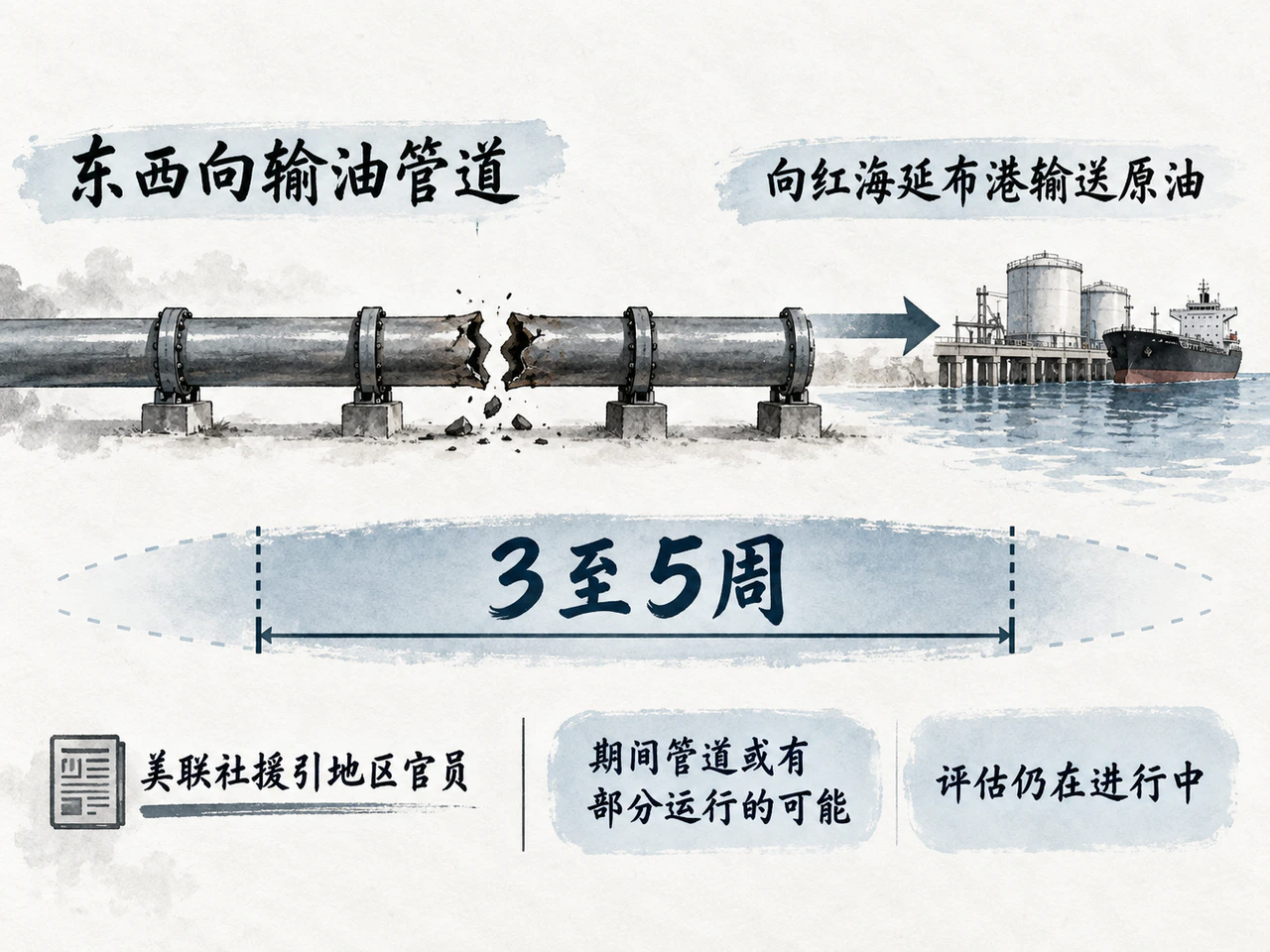
The more important market concern was damage to Saudi Arabia's East–West Pipeline, a strategic route sending crude to Yanbu while bypassing Hormuz. AP cited regional officials estimating major repairs would take 3–5 weeks, with some operation potentially possible during that period, rather than confirmed current operation. Energy Secretary Wright said on the 16th that three damaged pumping stations might be repaired relatively quickly, but assessment continued and no official restart had been confirmed. Iraqi officials previously said they found the domestic drone-launch site used in the attack, while the perpetrators remained under investigation. The EU's Aspides Red Sea escort mission raised readiness on the 18th. Even land-pipeline diversions therefore faced substantial security premiums and operational uncertainty.
Hormuz Talks Are Postponed as Iran Insists on Lifting the Naval Blockade
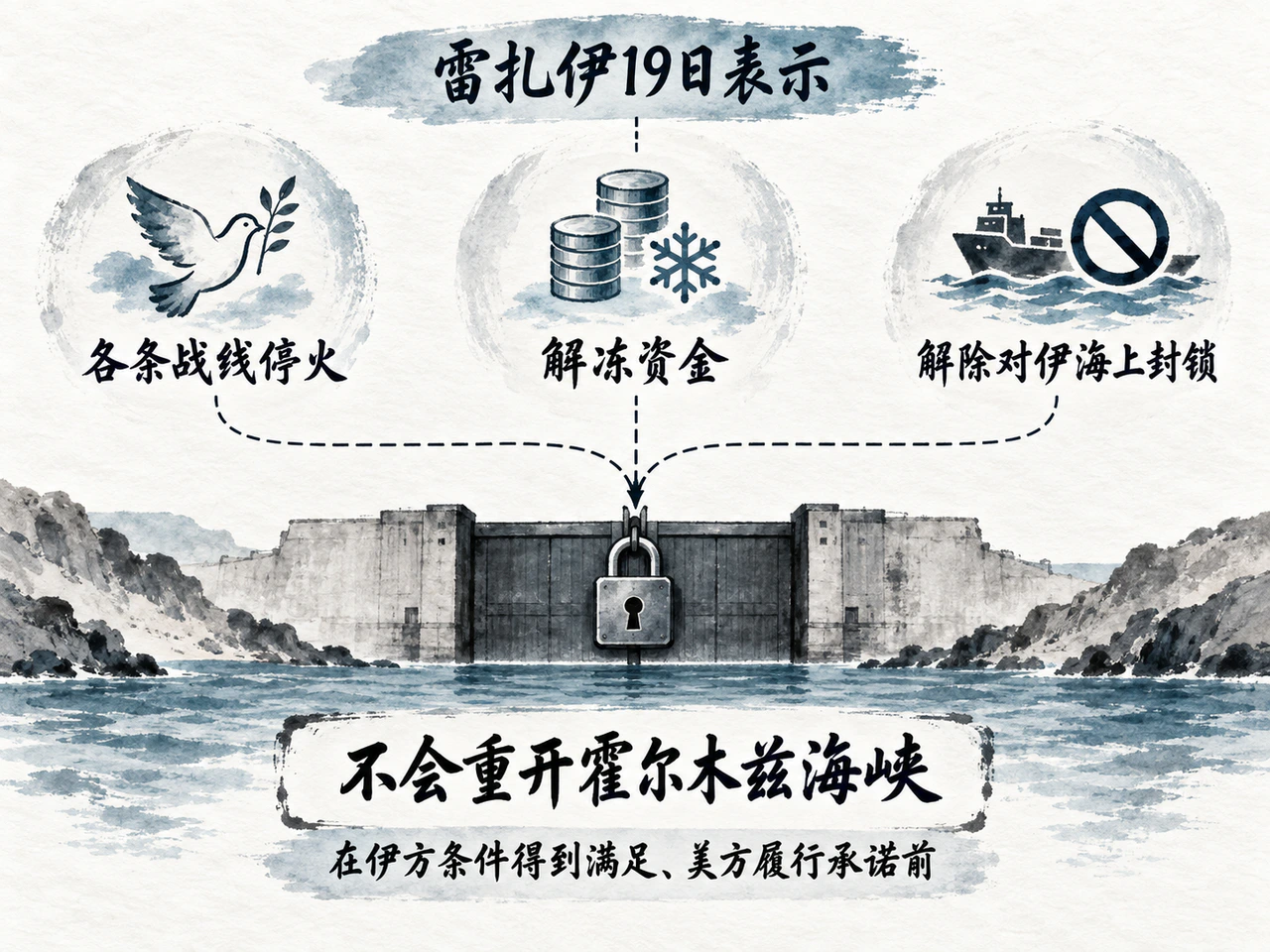
Diplomatic efforts to resolve the Hormuz blockade also stalled. Oman postponed Iran–Gulf talks planned for the 14th on navigation; Iran said the delay was requested by Saudi Arabia. Washington had expressed openness to contact, but Tehran tightened the conditions for resuming negotiations. Iranian security official Rezaei said on the 19th that conditions had been conveyed through mediators, requiring simultaneous ceasefires across all fronts, unfreezing funds and lifting the naval blockade.
Parliament Speaker Qalibaf said on the 20th that Hormuz would not reopen before Iran's conditions were met and Washington fulfilled its commitments, binding transit to broader demands. Iran's military warned the same day of sustained retaliation against US bases and interests if Washington launched another large-scale attack; it did not disclose details of the intelligence it cited. Hardline statements and mutual vigilance intensified confrontation.
Bilateral channels diverged as multilateral talks stalled. Reuters disclosed on the 16th that US officials met Houthi representatives directly in Oman the preceding weekend. Sources said the Houthis pledged to honor an existing understanding not to attack US warships, but explicitly excluded Saudi vessels from those guarantees. The State Department declined specific comment. Selective security commitments increased Saudi and other Gulf states' concerns.
US War Costs Rise as Congressional Disputes and Humanitarian Crisis Intensify
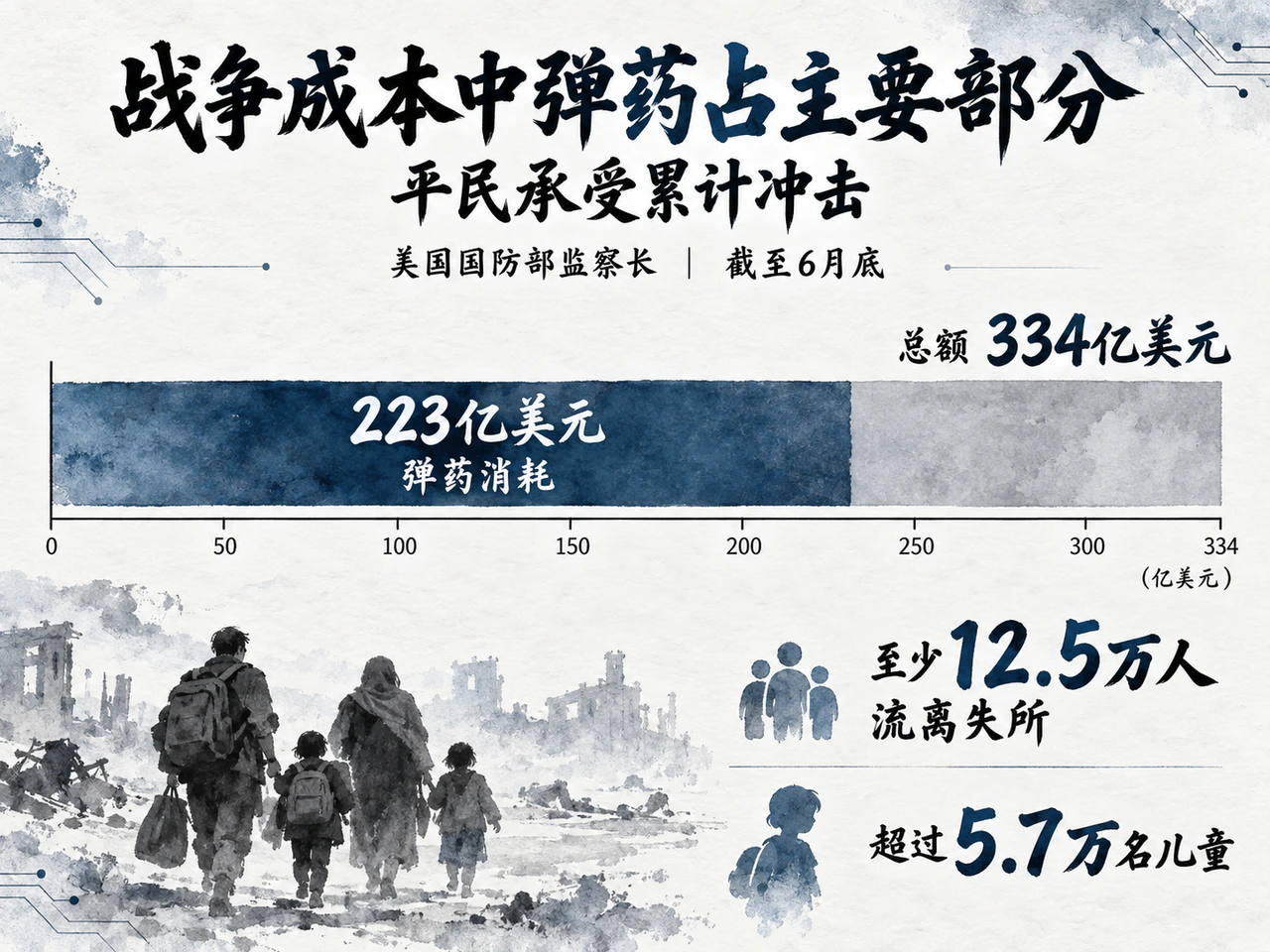
The prolonged confrontation increased military consumption and political constraints. A Pentagon inspector-general audit released on the 14th put related war costs through end-June at $33.4 billion, including $22.3 billion in munitions, excluding repairs to damaged overseas bases. The CBO estimated on the 15th that direct operations from late February through early August approached $38 billion, with another $2 billion–$3 billion needed monthly if high-intensity interceptions continued.
Costs fueled political disputes in Washington. On September 15, the House voted 220–204 for a resolution limiting further presidential military action against Iran. Senate consideration remained unclear, so no legal constraint had taken effect, but the vote reflected bipartisan differences over war powers. In multilateral diplomacy, US opposition to a travel-sanctions waiver prevented Iran's atomic-energy chief from attending the IAEA General Conference in Vienna, prompting strong Iranian protest.
The conflict worsened humanitarian conditions. UN agencies estimated recent fighting had displaced at least 125,000 people in Yemen, including more than 57,000 children. Displaced families faced severe shortages of food, maternity care and hygiene supplies.
The week's security picture remained a complex deadlock of obstructed Hormuz navigation, uncertain alternative-pipeline repairs and continuing great-power bargaining. Diplomatic easing faced severe challenges until belligerents reached binding, comprehensive arrangements on blockade relief, ceasefires and commercial-shipping protection.
Key Developments
| Key Developments (Beijing time) |
|---|
| 09-21 00:37 (report) Iran's military warned on the 20th of sustained retaliation against US bases and interests if Washington launched another large-scale strike; details of its cited intelligence were not disclosed. |
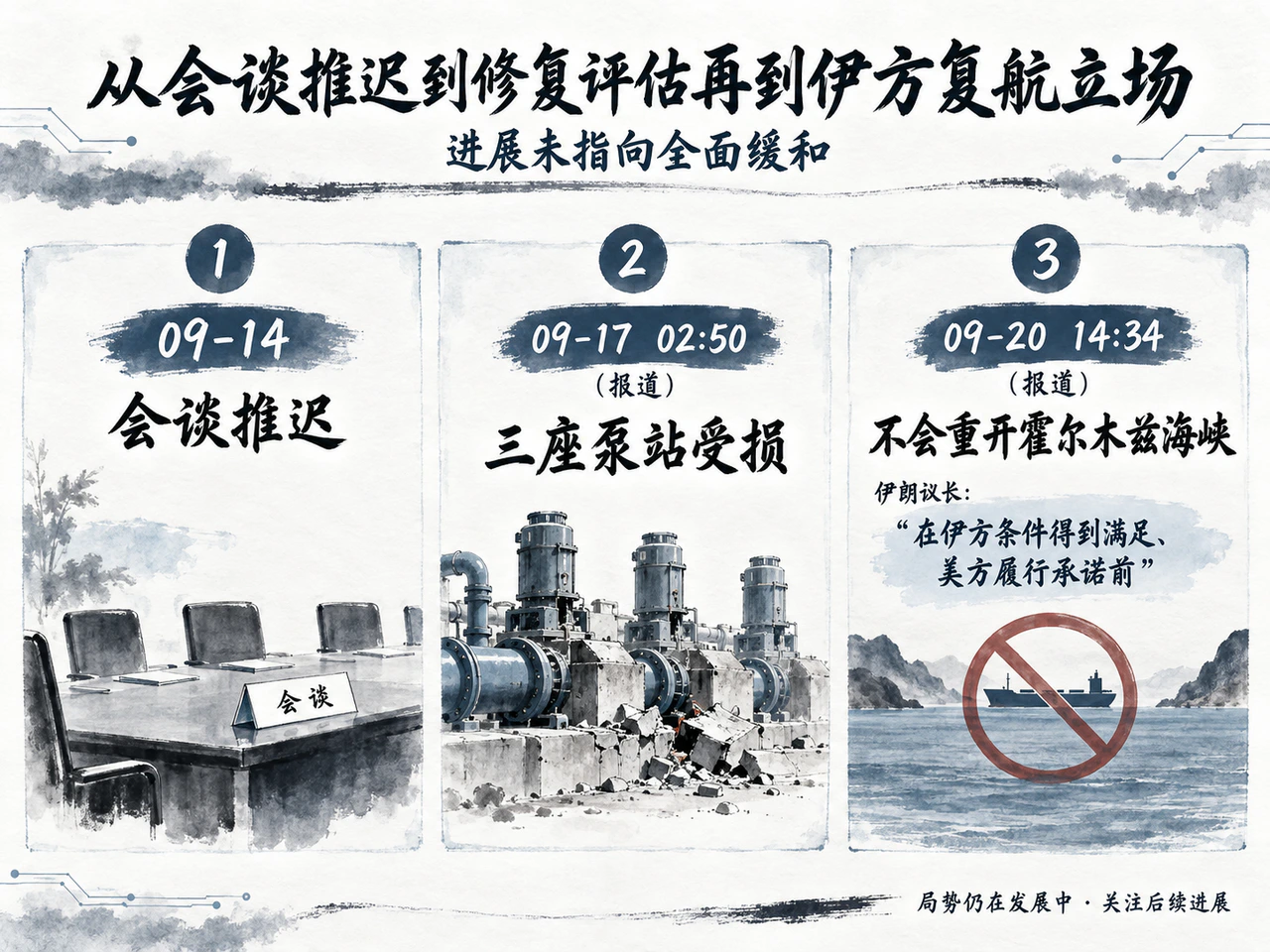
| 09-20 14:34 (report) Qalibaf said on the 20th that Hormuz would not reopen before Iran's conditions were met and US commitments fulfilled. |
| 09-20 11:48 (report) The Houthis claimed September 19 strikes on Riyadh and Yanbu; Saudi Arabia said it intercepted missiles aimed at the capital. Footage showed fire near the airport, with its source then unclear. |
| 09-20 08:09 (report) Rezaei said on the 19th that conditions for renewed talks had been conveyed through mediators, including ceasefires on all fronts, unfreezing funds and lifting the naval blockade. |
| 09-19 07:14 (report) The Houthis claimed 26 Saudi attacks in the previous 24 hours. Yemeni government forces separately claimed 30 Houthis killed and more than 60 wounded in Taiz; these were the parties' own accounts. |
| 09-19 07:14 (report) EU foreign-policy chief Kallas said on the 18th that the Aspides Red Sea escort mission had raised its alert level. |
| 09-18 05:39 (report) AP cited UN agencies estimating at least 125,000 displaced by recent Yemen fighting, including more than 57,000 children. This was cumulative, not a single-day increase. |
| 09-17 14:40 (report) Houthi media said Saudi strikes hit three communications towers in Taiz on the 17th and killed one civilian and injured another in Abs. |
| 09-17 02:50 (report) Wright said three Saudi East–West Pipeline pumping stations were damaged, assessment continued and a relatively quick recovery was expected. This did not confirm resumed operation. |
| 09-17 02:24 (report) The US Treasury said FinCEN convened global financial institutions to advance economic pressure on Iranian revenue and procurement networks. |
| 09-16 19:42 (report) Iran's oil minister said four gas refineries and Tehran's liquid-fuel storage and transport facilities were being rebuilt; some capacity was expected back by year-end, the rest in the first half of 2027. |
| 09-16 19:03 (first report) Reuters disclosed US–Houthi contacts in Oman the preceding weekend. Sources said the Houthis pledged not to attack US ships while excluding Saudi vessels from guarantees; the State Department declined comment on specific talks. |
| 09-16 10:40 (report) The House voted 220–204 on the 15th to limit further presidential military action against Iran; Senate consideration was then unclear. |
| 09-15 22:13 (report) Iraqi officials said they had located the domestic drone-launch site used in the earlier Saudi pipeline attack, but were still investigating the perpetrators. |
| 09-15 18:54 (report) Oman's Maritime Security Center said a Panama-flagged tanker suffered an engine-room fire while being towed to an Omani port; the navy evacuated 23 people. The notification did not identify the cause. |
| 09-15 11:25 (first report) Reuters reported the Houthis' claim of missile and drone attacks on Khamis Mushait on the 14th; the Saudi-led coalition said 13 civilians were injured. |
| 09-14 23:29 (report) Iran's Atomic Energy Organization protested its chief's inability to attend the Vienna IAEA conference; Washington said it opposed a sanctions waiver for the official's travel. |
| 09-14 (event date) Oman postponed Iran–Gulf talks planned that day on Hormuz navigation; Iran said Saudi Arabia requested the delay. |