President Pezeshkian planned to travel to New York for the UN General Assembly on September 22, offering a possible opening in deadlocked U.S.–Iran relations, but substantive bilateral contact remained stalled. Washington meanwhile announced that, from September 23, third parties supplying Iranian airlines with fuel, ground handling or ticketing services would risk exclusion from the dollar-settlement system. Two merchant ships were hit and damaged by unidentified flying objects in Hormuz, with one incident reported late, while fighting on several Yemen fronts remained deadlocked. During the period from 07:32 on September 21 to 07:32 on September 22 Beijing time, the parties maintained diplomatic postures while simultaneously escalating military and economic pressure. UN attendance had not restarted substantive bilateral negotiations.
No U.S.–Iran UN meeting scheduled; Washington adds pressure through secondary aviation-sanctions risks
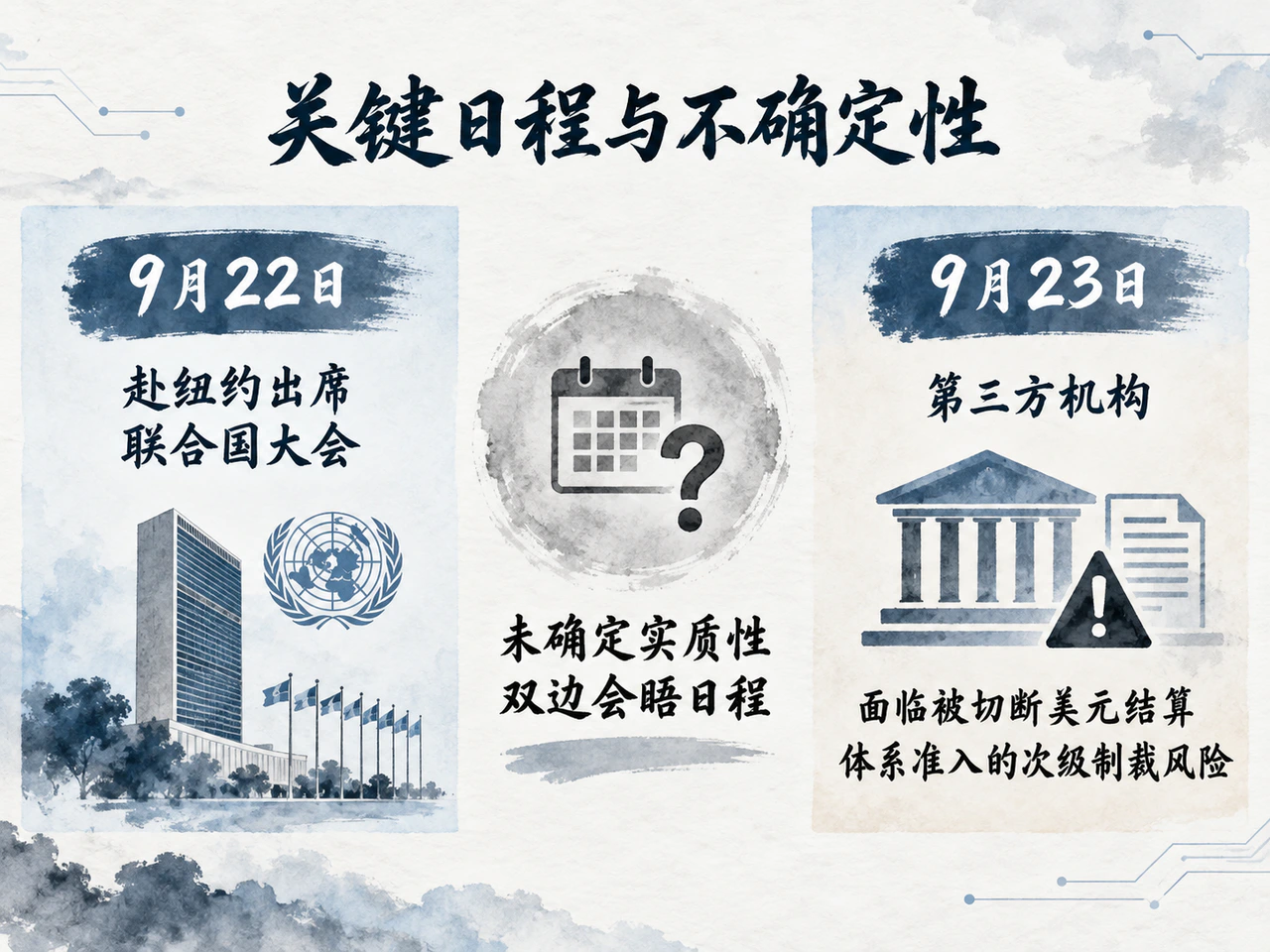
Iranian state media said Pezeshkian planned to attend the UN General Assembly in New York on Tuesday and meet several national leaders. Although Trump had expressed openness to contact, neither government had set a substantive bilateral meeting. Washington issued visas to Iran's core delegation but tightly restricted its movement and denied visas to some accompanying communications staff. Participation in a multilateral diplomatic forum did not amount to resumed direct bilateral dialogue.
Third-party shuttle mediation had also made no breakthrough. Pakistan's Interior Minister Mohsin Naqvi arrived in Tehran on Monday. Iran's Foreign Ministry said the visit focused only on implementing existing bilateral agreements, denying speculation that he was acting as a U.S.–Iran messenger or carrying a special proposal. Third-party mediation had not entered a substantive negotiating channel.
With diplomatic contact unresolved, Washington applied financial-containment pressure through civil-aviation services. Treasury Secretary Bessent announced Monday that, from September 23, any third party providing Iranian airlines with refueling, ground handling or ticket-agency services would face secondary-sanctions risks of losing access to dollar settlement. AFP cited Iraqi government sources saying Baghdad had planned restrictions on Iranian airlines from early Tuesday. Iran Air responded the same day that flights from Tehran, Mashhad and elsewhere to Najaf, Iraq, were still operating normally. As the sanctions date approached, the deterrent force of U.S. dollar jurisdiction was spreading through Middle Eastern aviation. Its actual impact would depend on neighboring countries' follow-through and enforcement intensity.
Two commercial ships damaged in Hormuz, putting chokepoint security under pressure
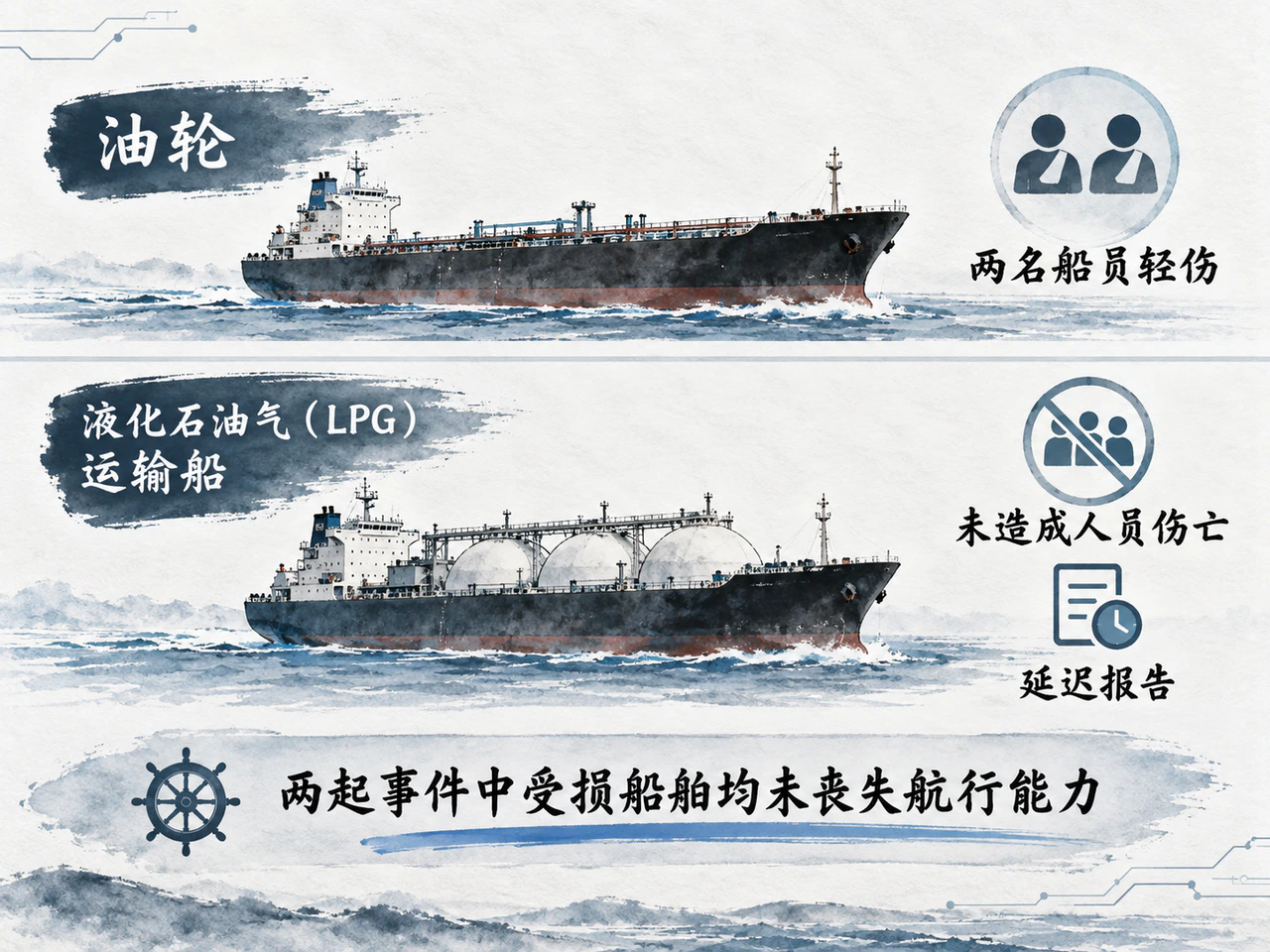
Navigation through the key energy chokepoint suffered another real disruption. UKMTO reported Monday that a tanker entering Hormuz was hit by an unidentified flying object, slightly injuring two crew. The damaged vessel retained propulsion and continued to its next port. An LPG carrier leaving the Gulf had earlier been struck by fragments of an unidentified flying object, with no casualties; it too remained navigable after damage. UKMTO specifically noted that the LPG incident was reported late and its precise occurrence time was unknown.
Neither ship lost its ability to navigate, and official notices did not identify the attackers. Repeated incidents in Hormuz, a central hub of global seaborne crude, nevertheless directly undermined expectations of stable passage. With the origins and responsibility unresolved, safety concerns continued disrupting regional supply chains.
Yemen's multiple fronts remain deadlocked; Britain plans time-limited aerial-refueling support
The Red Sea region and Yemen's interior remained under intense confrontation. Yemeni government forces said they struck Houthi concentrations and supply lines around Bab el-Mandeb and in al-Bayda governorate. Local analysis said the crucial road between Taiz and Aden remained government-controlled, blocking Houthi frontline assaults there. Under battlefield pressure, the head of Yemen's Presidential Leadership Council called Trump on Sunday seeking U.S. support, but sources said Washington had not committed to direct intervention.
Political contacts and bargaining continued in parallel. Houthi-controlled Saba news agency said the group's negotiator met UN Yemen envoy Hans Grundberg in Muscat on Monday, demanding full removal of port, airport and economic restrictions. Houthi leader Abdul-Malik al-Houthi called in a Monday televised speech for Saudi Arabia to stop hostile military operations. Stalemate over core demands meant shuttle talks had not become a ceasefire opportunity.
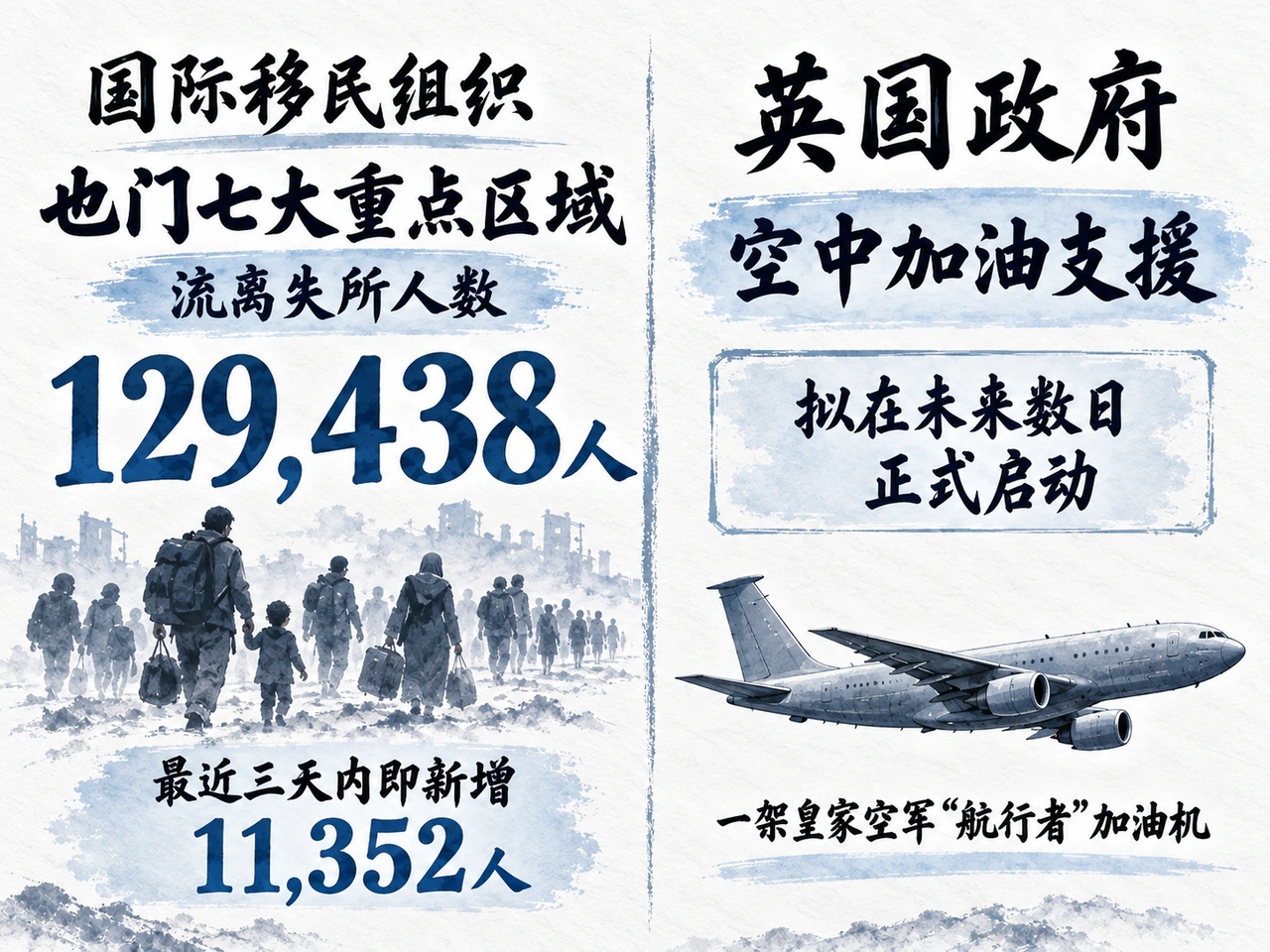
External military coordination took the form of limited support. Britain announced Monday that it had approved several weeks of aerial refueling for Saudi military aircraft. British officials said the plan would start within days, deploying one RAF Voyager tanker in support of defensive air patrols while continually reviewing risks.
Sustained fighting was raising humanitarian costs. IOM statistics published Monday put displacement across seven priority areas of Yemen at 129,438 people, with 11,352 added in just the past three days. AP cited WHO figures showing 164 killed and 516 injured in six days from September 13–18. Disrupted land and sea routes and human casualties formed the heavy real-world backdrop to the region's geopolitical bargaining.
Key developments

Items below are in reverse publication order, all in Beijing time; earlier events and future plans are identified separately.
| Key developments |
|---|
| 09-22 05:49 Beijing timeBritain announced approval of time-limited aerial-refueling support for Saudi aircraft; officials said it would begin within days as limited defensive coordination. |
| 09-22 02:02 Beijing timeHouthi leader Abdul-Malik al-Houthi called in a televised address for Saudi Arabia to stop military operations and lift the blockade. |
| 09-22 01:07 Beijing timeAFP cited Iraqi government sources saying Baghdad had planned restrictions on Iranian airlines from early Tuesday; Iran Air said the same day that Najaf flights continued as scheduled. |
| 09-22 00:41 Beijing timeUKMTO reported a tanker hit in Hormuz, with two slightly injured and navigation retained. Damage from fragments to another LPG ship was reported late with its precise time unknown. Both ships continued toward their next ports. |
| 09-22 00:14 Beijing timeAFP reported that Yemen's Presidential Leadership Council head called Trump on Sunday to seek help; sources said the United States had not committed military support. |
| 09-21 23:52 Beijing timeHouthi-controlled Saba said the group's negotiator met UN envoy Grundberg in Muscat, demanding removal of sea-port, airport and economic restrictions. |
| 09-21 23:48 Beijing timeYemeni government forces said they hit Houthi personnel and supply lines at Bab el-Mandeb and al-Bayda; Yemeni analysts said the key Taiz–Aden route remained under government control. |
| 09-21 22:55 Beijing timeIOM's interim figures put displacement in seven Yemeni areas at 129,438, up 11,352 over the past three days. |
| 09-21 21:35 Beijing timeBessent said third parties providing Iranian airlines with fuel, ground handling or ticketing would risk secondary sanctions excluding them from dollar settlement from September 23. |
| 09-21 20:56 Beijing timePakistan's Interior Minister Naqvi arrived in Tehran. Iran's Foreign Ministry said the visit implemented existing bilateral agreements and denied he was delivering a special U.S. proposal. |
| 09-21 18:45 Beijing timeIranian media reported U.S. movement restrictions on its delegation and visa refusals for some presidential communications staff; the core delegation was approved to attend the General Assembly. |
| 09-21 18:44 Beijing timeAP cited WHO reporting that Yemen fighting killed 164 and injured 516 over the six days of September 13–18. |
| 09-21 17:39 Beijing timeIranian media said Pezeshkian planned to travel to New York on Tuesday for the General Assembly and meetings with several leaders; no official U.S.–Iran bilateral meeting was scheduled. |