The United States and Iran resumed indirect contacts during the UN General Assembly in New York, but active diplomacy did not bring substantive relief to maritime security or the commercial environment. On September 23, Iran confirmed it was studying the U.S. response to a peace proposal while stressing that core differences remained severe. Almost simultaneously, a commercial vessel was attacked and caught fire in Hormuz, while aviation restrictions and the financial blockade against Iran tightened further. Tactical pressure and diplomatic exploration proceeded together, without a common framework adequate to implement a ceasefire and protect normal navigation.
Indirect contacts resume, with Hormuz passage rights at the heart of the dispute
Reuters cited a senior Iranian official saying Tehran was assessing U.S. messages and diplomatic communication would continue. Representatives had completed another indirect exchange through Qatari mediators. Although the United States struck a relatively positive tone, Secretary of State Rubio made clear that reaching agreement required further work and military options remained open. Iran's Foreign Ministry reiterated its preconditions: a comprehensive ceasefire across fronts, an end to U.S. military operations and unfreezing of Iran's overseas assets.
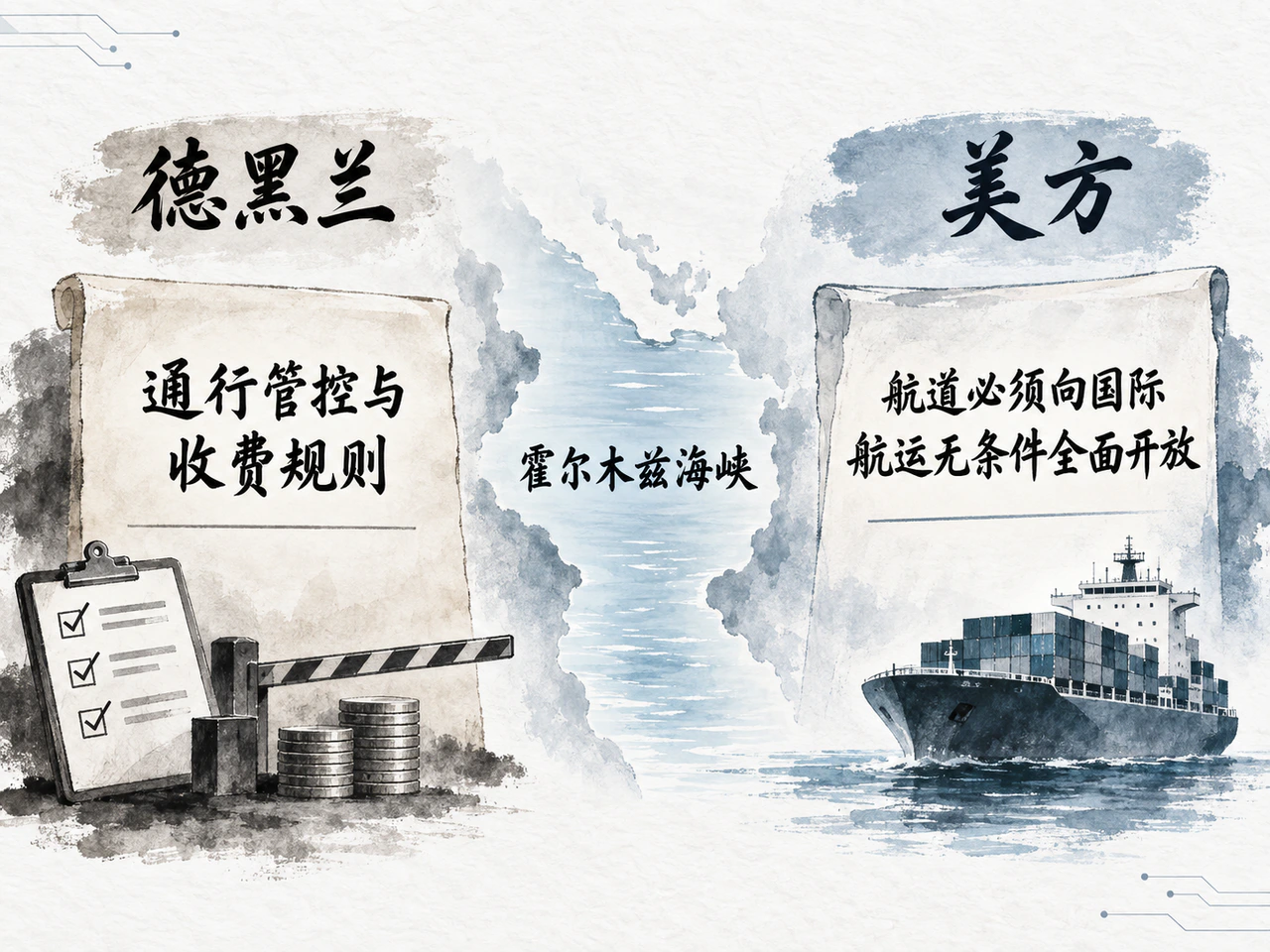
The deadlock centered on control mechanisms for Hormuz and the path to removing the blockade of Iranian ports. In his General Assembly address, President Pezeshkian said Iran would never allow other countries to profit from strait shipping while limiting Iran's own access. Tehran sought rules for transit controls and charges, while Washington insisted on unconditional, full opening to international shipping. These opposing fundamental demands, alongside political constraints from Iranian security institutions and hardline opinion, made a quick technical breakthrough extremely difficult. On nuclear issues, Pezeshkian reiterated the official position that Iran did not seek nuclear weapons, but public information showed no common text on verification standards, limits or implementation schedules. Statements remained at the level of principles.
Commercial vessel burns after attack as maritime interceptions and financial pressure intensify
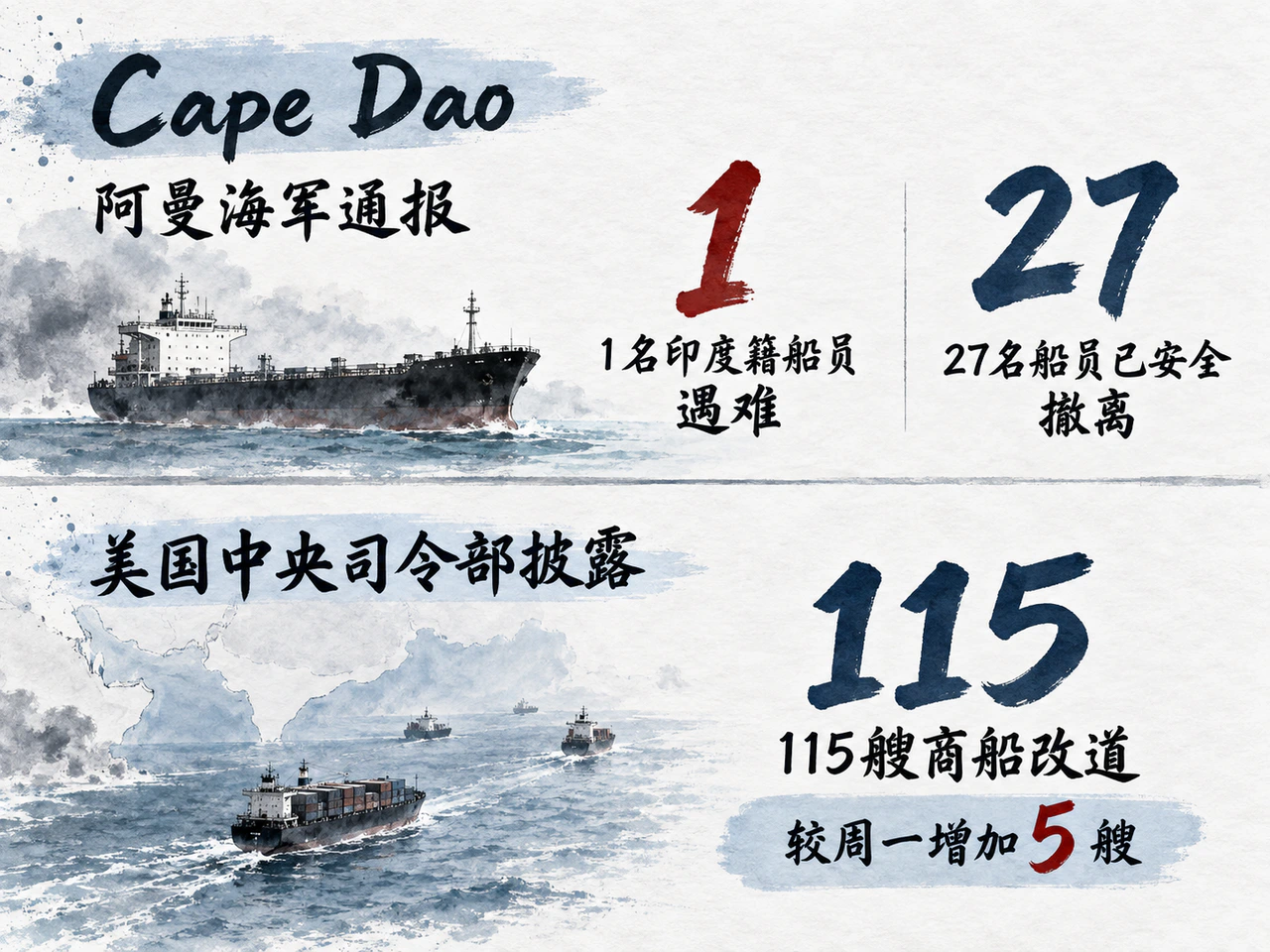
As diplomatic contacts continued, security in Hormuz worsened again. Oman's navy reported an attack on the Antigua and Barbuda-flagged Cape Dao. UKMTO confirmed that an unidentified flying object hit the vessel, setting it ablaze and leaving it powerless and adrift. One Indian crew member died and the remaining 27 were safely evacuated. No party's public report identified who launched the attack.
Shipping risks arose from both sudden attacks and direct military-blockade pressure. U.S. Central Command said its blockade of traffic entering and leaving Iranian ports had forced 115 merchant vessels to divert, five more than on Monday, showing continued expansion of maritime logistical restrictions. For shipping markets, safety on an individual voyage remained far removed from restoration of a systematic navigation order.
Economic sanctions were also extending deeper into aviation and cross-border settlement. Canada announced new sanctions on five senior Iranian officials and five state-owned entities. Several countries imposed access restrictions on Iranian airlines, causing Iran's aviation authorities to cancel some international flights to Baghdad and Muscat. Iranian officials then warned neighboring states of reciprocal measures if restrictions continued. The same day, the UAE central bank prohibited Bank Melli Iran's local branches from transferring funds to or from Iran, including key trade-finance and remittance business. This directly froze an important commercial-settlement corridor, transmitting external economic pressure further into physical trade.
Red Sea spillover risks persist as wartime social recovery faces external pressure
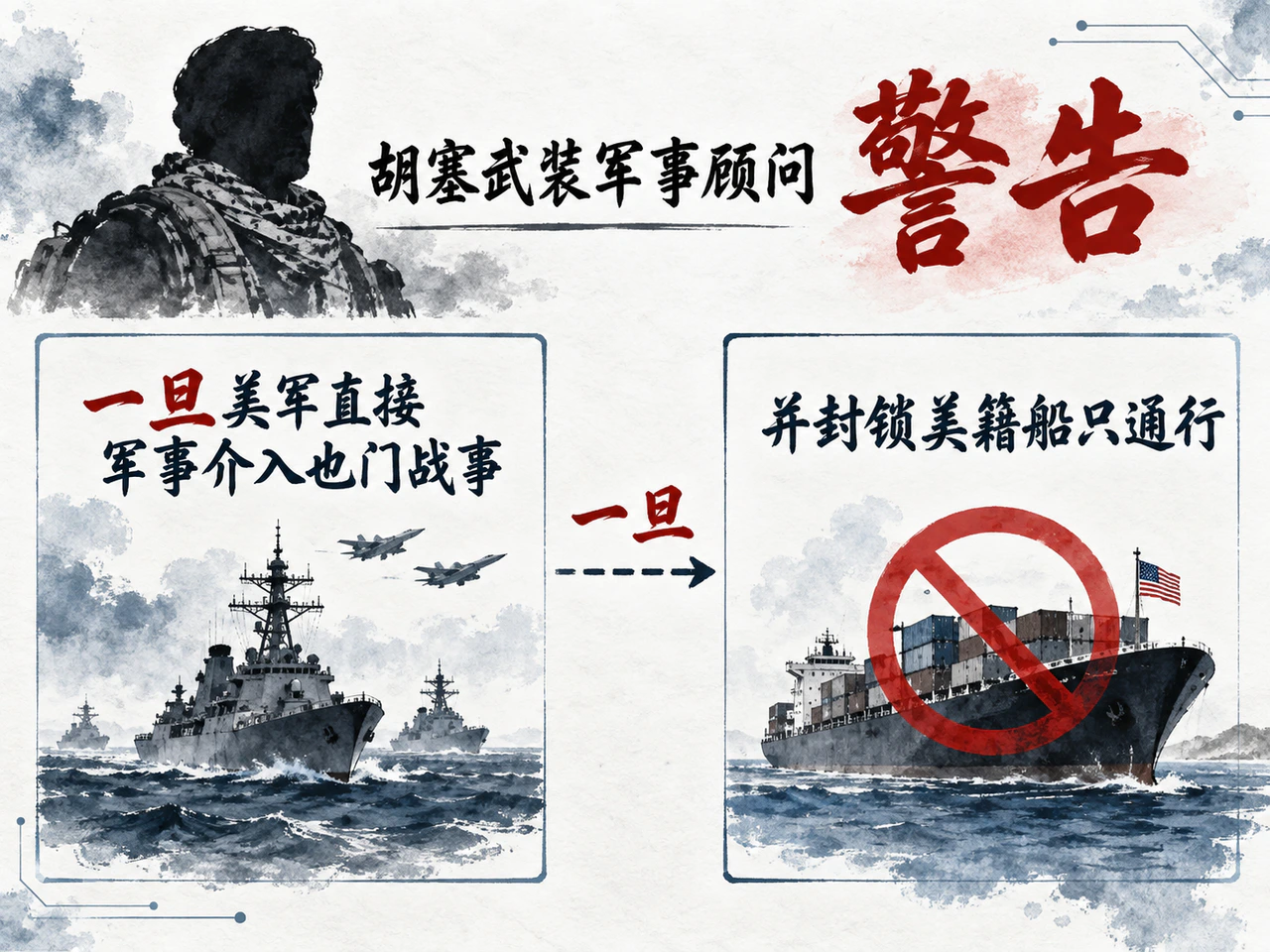
Persian Gulf contacts had yet to ease wider Red Sea navigation risks. On September 23, a Houthi military adviser laid down red lines, warning that direct U.S. intervention in Yemen, combat support for Saudi Arabia or an attempt to seize Bab el-Mandeb by force would lead the group to target U.S. interests in the area and block U.S.-flagged vessels. Yemen and the Persian Gulf are driven by different geopolitical variables. Even a limited U.S.–Iran understanding over Hormuz would leave shipping and energy markets needing to reassess Red Sea risks independently.
Under continuing external military pressure and blockade, Iranian society was trying to maintain basic functioning. On September 23, primary and secondary schools began a new academic year, with students returning after prolonged war-related closures. Resumed teaching showed a resilient restoration of social life under wartime stress, sharply contrasting with vessels burning and drifting, shipping diversions and interrupted finance offshore. Substantive normalization of transport, settlement and regional security still depended on a breakthrough in core U.S.–Iran security requirements.
| Key developments |
|---|
| 09-24 06:40 Beijing timeU.S. Central Command said the blockade of Iranian ports had forced 115 commercial ships to divert, five more than on Monday. |
| 09-24 02:43 Beijing timeCanada announced new sanctions on five senior Iranian officials and five state-owned entities. |
| 09-24 02:05 Beijing timeThe UAE central bank restricted transactions between Bank Melli Iran's local branches and Iran, halting associated trade finance and cross-border remittances. |
| 09-24 00:53 Beijing timeReuters cited a senior Iranian official saying Iran was examining the U.S. reply to a peace proposal, but core differences remained enormous. |
| 09-24 00:33 Beijing timeOman's navy confirmed Cape Dao was attacked, caught fire and drifted in Hormuz; one Indian crew member died and 27 were evacuated. Responsibility remained unidentified. |
| 09-24 00:06 Beijing timeIranian schools began the new academic year, with students returning after war-related delays and closures. |
| 09-23 22:50 Beijing timePresident Pezeshkian told the UN General Assembly's general debate that Iran was willing to resolve disputes through negotiation but would never submit to military pressure. |
| 09-23 20:00 Beijing timeSeveral countries introduced restrictions on Iranian airlines' traffic rights; Iran's aviation authorities canceled some flights to Baghdad and Muscat. |
| 09-23 19:30 Beijing timeA Houthi military adviser warned that U.S. intervention in Yemen would make regional U.S. interests targets and lead to blocking U.S. passage through Bab el-Mandeb. |
| 09-23 19:03 Beijing timeIran's Foreign Ministry confirmed it had conveyed negotiating demands to Washington through Qatar; the United States offered a qualified positive assessment of indirect contacts begun the previous day. |


