Tentative diplomatic moves emerged over the Gulf's key waterway, but threats to the crude-export system were spreading to surrounding routes. At the UN General Assembly, Iran's foreign minister proposed reopening Hormuz in “about a week” if conditions including lifted oil sanctions and ceasefires across all fronts were met, effectively using passage and control as political leverage. Meanwhile, the Saudi-led coalition reported intercepting six ballistic missiles aimed toward Taif and Yanbu, a key Red Sea oil terminal. Both Hormuz and Red Sea energy routes faced threats, testing the defenses and capacity of alternatives.
High conditions for Hormuz reopening: the “one-week plan” is a geopolitical demand
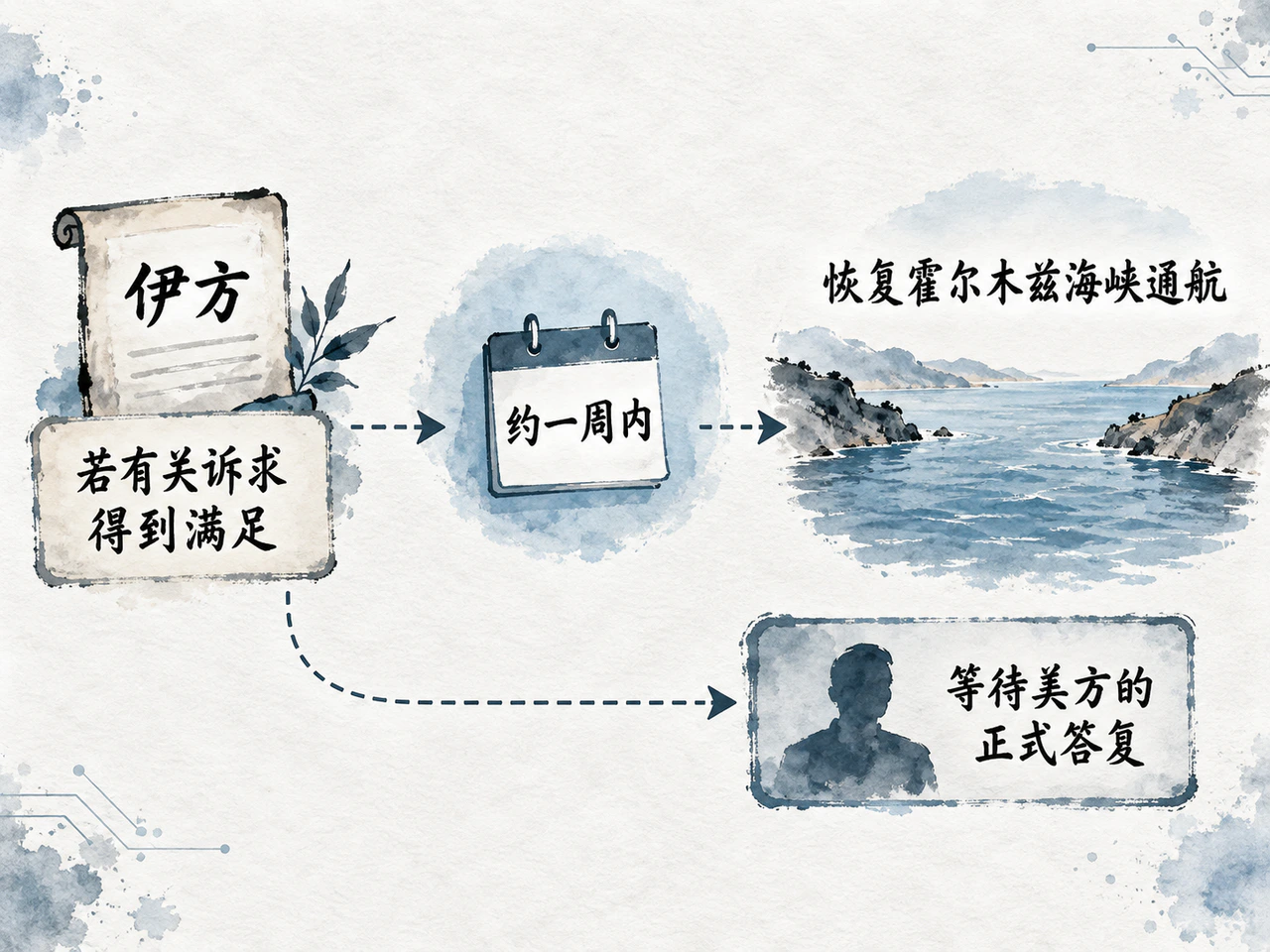
Public reports said Foreign Minister Araghchi stated in New York on September 24 that Iran had submitted a proposal through mediators: if its demands were met, Hormuz could reopen in about a week and subsequent nuclear talks resume. Conditions included fully removing oil-export restrictions, stopping military operations on all fronts including Lebanon, and releasing some frozen overseas assets. Iran awaited a formal U.S. response.
Araghchi said Iran and Oman had agreed temporary transit routes and planned to register them with the IMO. Yet Iran's definition of reopening remained closely tied to controlling the waterway and substantively screening ships' eligibility. Senior military adviser Safavi said the same day that Iran would retain control and management. This fundamentally differed from the joint statement read by Bahrain's foreign minister for 80 countries at the General Assembly demanding immediate, full restoration of unconditional Gulf navigation rights. The dispute concerned political prerequisites and exclusive screening, beyond timing alone.
Navigation safety had not improved either. On September 24, the IRGC released video purportedly showing the previous day's attack and said the cargo ship Cape Dao had been struck for using an unauthorized route. The ship was attacked September 23; Oman's navy had reported one death and 27 evacuees. Iran's statements and actions showed that reopening in about a week carried strict political and passage conditions, far from an unconditional timetable for free navigation.
Saudi Red Sea exports under pressure as the alternative route faces missile threats
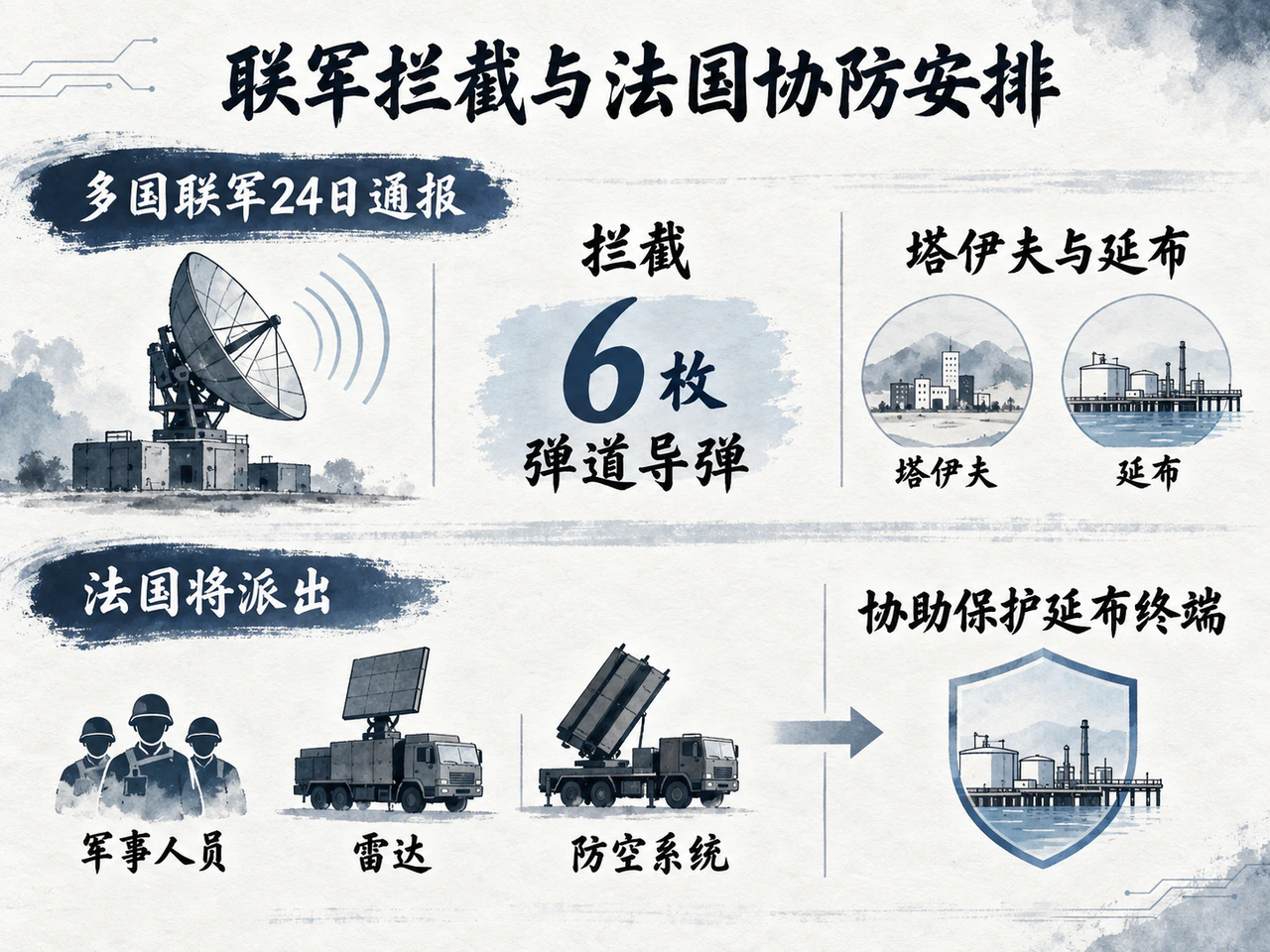
With Hormuz obstructed, military threats to Gulf exports spilled toward the Red Sea. On September 24, Safavi publicly warned that renewed U.S. war could expand conflict to the Red Sea, Bab el-Mandeb and even the Indian Ocean.
That threat was becoming tangible. The Saudi-led coalition reported September 24 that defenses intercepted six Houthi ballistic missiles, foiling attacks toward western Saudi Arabia's Taif and Yanbu. As the western terminus of the East–West pipeline, Yanbu is a key outlet bypassing Hormuz for exports to Europe and America. President Macron announced that France would send personnel, radars and air-defense systems to help protect the terminal. Continued long-range threats to Red Sea routes and ports would further squeeze the strategic buffer provided by alternative pipelines.
Multiple fronts and sanctions spillovers leave few means of de-escalation
Iran's linkage of reopening to ceasefires in Lebanon and elsewhere complicated mediation. Lebanese Prime Minister Salam told Iran's president on September 24 that Lebanon had paid heavy security and economic costs and firmly refused to become a proxy battlefield. Fragmented regional demands meant a bilateral navigation agreement could readily be disturbed by surrounding conflicts.
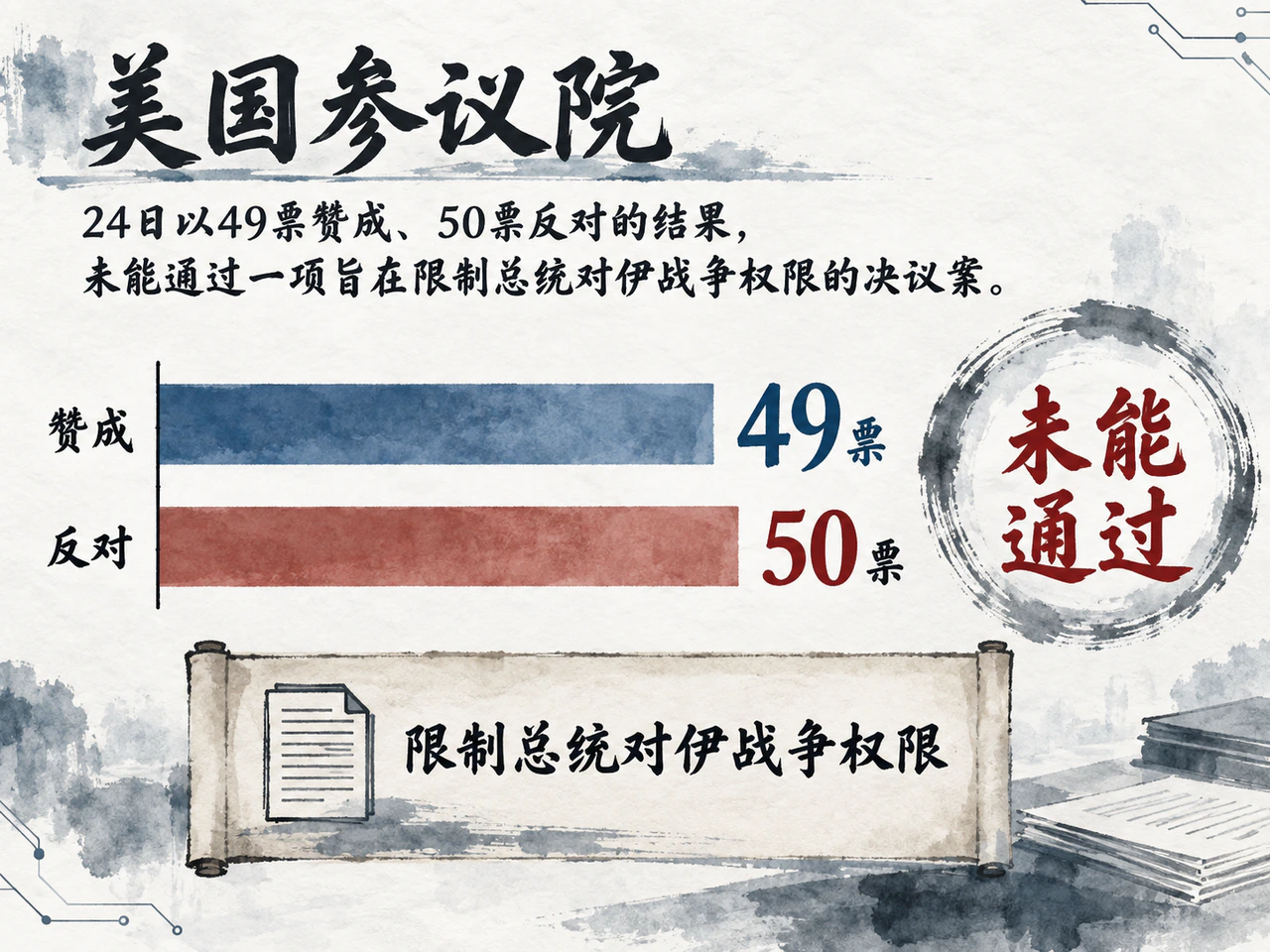
U.S. legislative efforts to constrain presidential powers also failed to advance. On September 24, the Senate rejected an Iran war-powers resolution with 49 votes for and 50 against. Outside the military sphere, transport restrictions spread: Iranian media reported that the UAE suspended Iran Air services, without public confirmation from UAE officials, and Turkmenistan denied overflight, forcing a Tehran–Dushanbe passenger flight to return.
Hormuz navigation requires a clear diplomatic agreement, shipping security and regional de-escalation together. Political demands for reopening remained high while the Red Sea backup faced fire threats, eroding the safety margin of global energy routes on several fronts.
Key developments
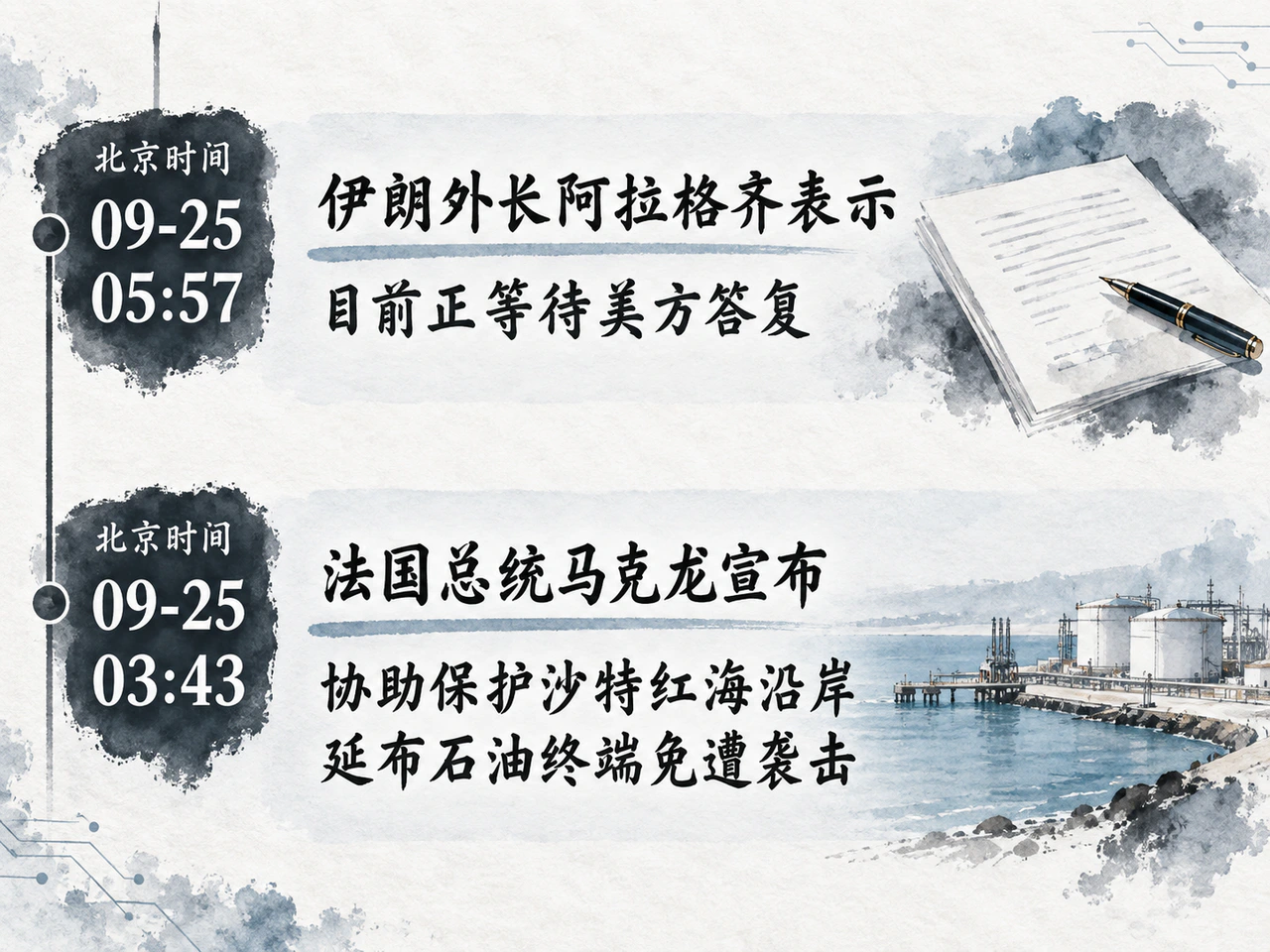
All times are Beijing time, in reverse order of publication.
| Key developments |
|---|
Araghchi said Iran submitted a proposal through mediators: lifting oil restrictions, ceasefires on all fronts and unfreezing some assets could allow Hormuz reopening in about a week and subsequent nuclear talks. Iran awaited Washington's reply. |
Macron announced French military personnel, radars and air defenses to help protect Saudi Arabia's Yanbu oil terminal on the Red Sea. |
Meeting Iran's president, Lebanese Prime Minister Salam stressed Lebanon's heavy costs and refusal to become a proxy battlefield. |
The U.S. Senate failed to pass a resolution limiting presidential war powers toward Iran, with 49 in favor and 50 against. |
Israeli Prime Minister Netanyahu told the General Assembly that Israel and the United States had severely damaged Iranian military forces and nuclear facilities. |
Bahrain's foreign minister read a statement for 80 countries at the UN demanding immediate, full restoration of unconditional Gulf navigation rights. |
Iranian media reported UAE suspension of Iran Air flights and Turkmenistan's overflight refusal forcing a Tehran–Dushanbe flight back; the UAE had not responded publicly. |
Safavi said Iran would retain control of Hormuz and had agreed temporary ship-passage arrangements with Oman. |
The Saudi-led coalition said it intercepted six Houthi ballistic missiles, foiling attempted attacks on Taif and Yanbu. |
The IRGC released video purportedly showing the previous day's attack and said Cape Dao was hit for using an unauthorized route. The September 23 attack killed one and led to 27 evacuations, according to Oman's navy. |
Safavi warned renewed U.S. war could spread to the Red Sea, Bab el-Mandeb and the Indian Ocean. |


