During September 21–27, US–Iran mediation over Strait of Hormuz passage moved from tentative easing to renewed tension. The UN General Assembly offered a venue for indirect talks in New York, but President Trump publicly rejected Iran's seven-day phased proposal over the weekend. Mediator channels remained open, yet the wide gap between demands diminished hopes of near-term ceasefire and reopening arrangements. Middle East logistics combined isolated repairs with acute local risks: Saudi Arabia's East–West oil pipeline resumed operations, while Houthis intensified fighting near Bab el-Mandeb, the US military pursued both escorts and targeted blockades, and secondary aviation sanctions spread to neighboring countries. A substantial gap remained between local logistical recovery and normal, safe passage.
US publicly rejects Iran's seven-day plan; deep differences persist over strait passage and inspections
The UN General Assembly created an opening for indirect contact. On September 22 local time, US envoy Witkoff disclosed lengthy indirect discussions through third-party mediators, and Trump initially sounded positive. Once negotiations reached substantive terms, however, core disagreements quickly emerged.
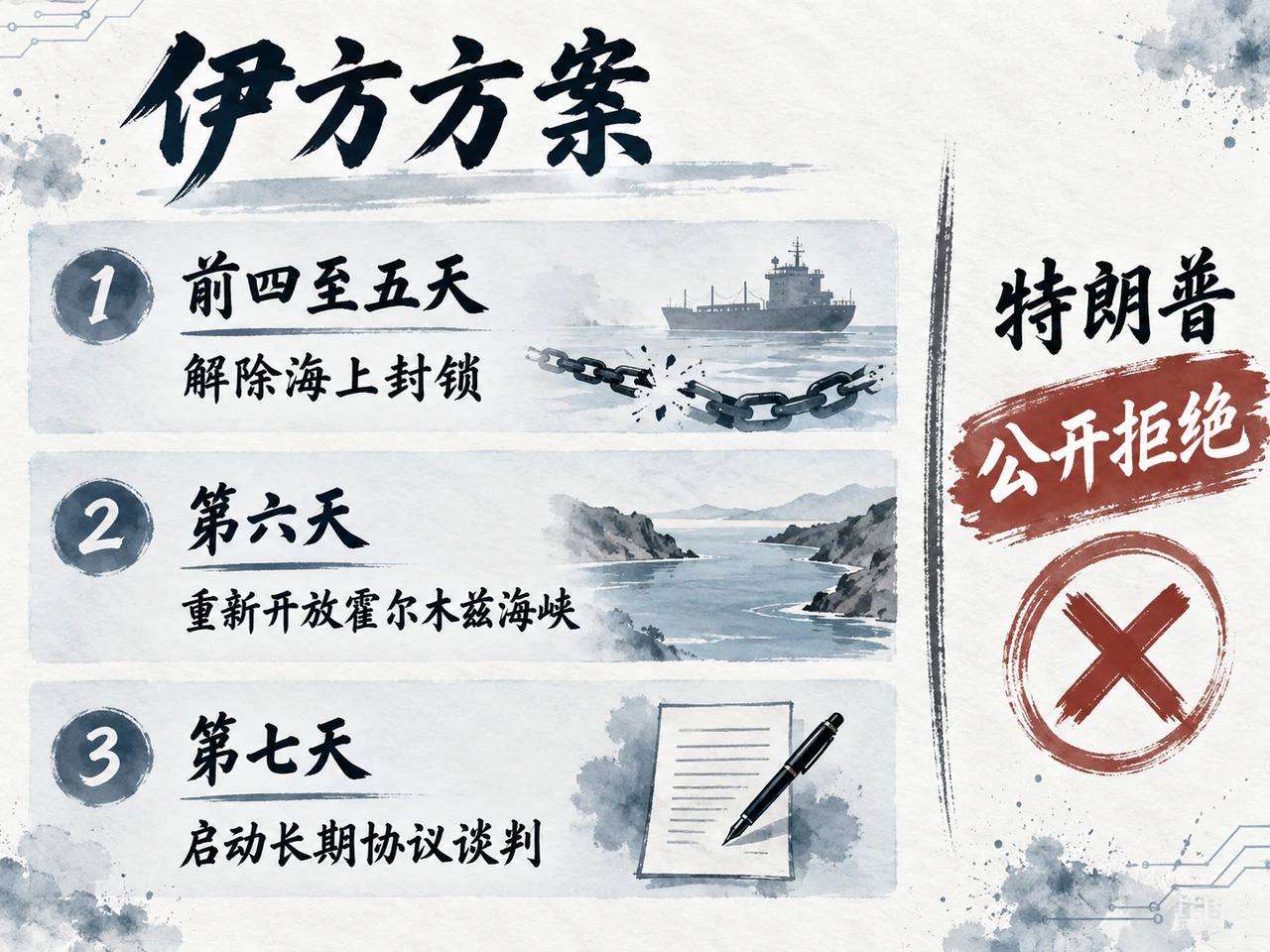
On September 25, Iranian Foreign Minister Araghchi disclosed a seven-day arrangement submitted to mediators. During the first four to five days, preliminary measures would be implemented in stages, including lifting the US maritime blockade, easing oil sanctions, ceasefires on fronts in Yemen and Lebanon, and unfreezing assets. Hormuz would reopen on day six, followed by long-term agreement negotiations on day seven. Iran thus linked reopening to ceasefires and sanctions relief. On September 26, Trump publicly called the conditions unacceptable. Araghchi replied on the 27th that no formal US message had arrived and Iran would await a response, suggesting contacts had not entirely closed. Public US rejection nevertheless set back hopes of near-term reopening and ceasefire arrangements.
The nuclear issue likewise saw no substantive breakthrough from passage mediation. President Pezeshkian said arrangements for international inspectors' entry could be agreed in long-term ceasefire talks, but senior Iranian officials told Reuters that day that Iran would not concede on principles such as enrichment rights or shipping highly enriched uranium stocks abroad. Exploring technical inspection access was far from restoring comprehensive verification and did not signify acceptance of US nuclear demands. Conditions for strait access and an underlying nuclear agreement remained deeply disconnected in the negotiating logic.
Saudi East–West pipeline resumes; Houthis near Bab el-Mandeb increase Red Sea security pressure
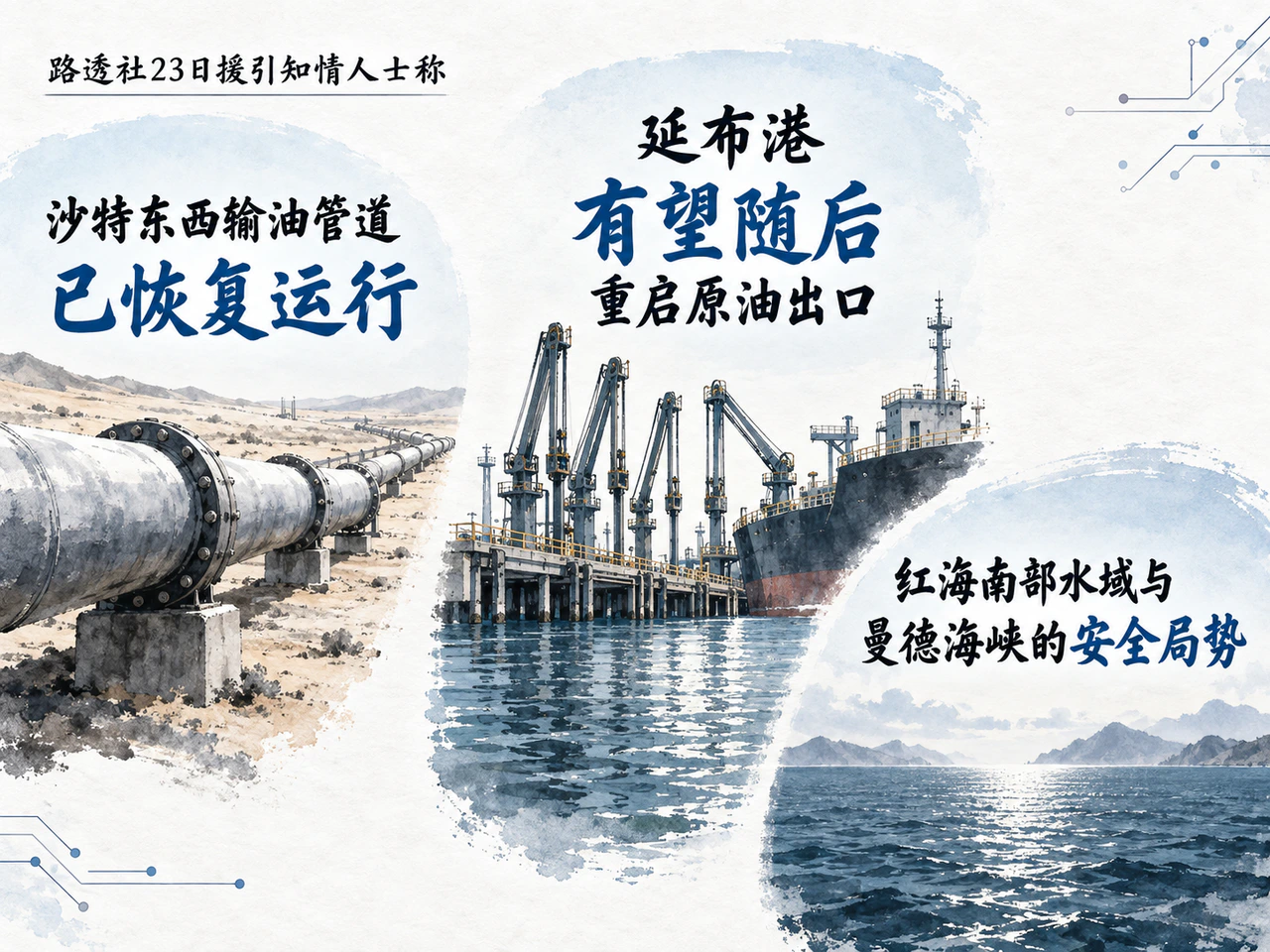
Saudi Arabia provided the week's localized energy-supply relief. Reuters reported on the 23rd, citing people familiar with the matter, that the East–West pipeline had resumed operations and crude exports from Yanbu on the Red Sea could restart afterward. Reopening this strategic Hormuz bypass improved export flexibility, but shipments from its terminus remained exposed to security conditions in the southern Red Sea and Bab el-Mandeb.
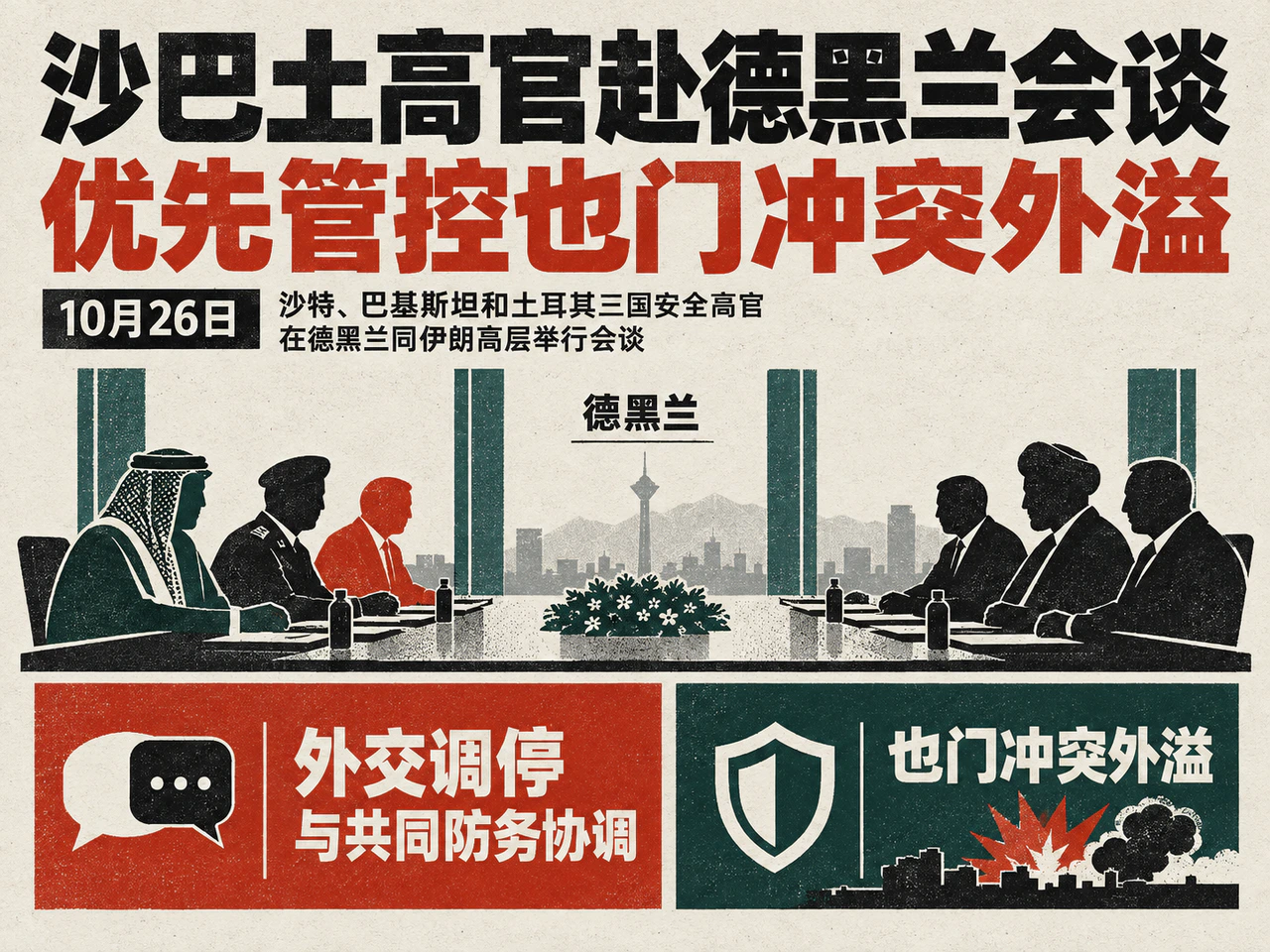
The Yemen front escalated markedly. Reuters cited Yemeni military assessments that Houthis were contesting high ground between Taiz and Lahj to consolidate positions around Bab el-Mandeb and cut links between the Red Sea coast and areas held by the Saudi-backed government. Presidential Leadership Council head al-Alimi called a general mobilization against the Houthis. The Saudi-led coalition reported intercepting drones heading toward Riyadh and ballistic missiles toward Khamis Mushait. Saudi Arabia also announced preparations for chiefs-of-staff-level defense talks with Turkey and Pakistan.
Hormuz remained in a stalemate of simultaneous escorts and blockade. US Central Command reported that another 7 merchant vessels entering or leaving Iranian ports had changed course within two days under the blockade, bringing the total since its July 14 resumption to 122. The next day Trump claimed 29 merchant ships had exited the strait under US escort the previous night. This did not establish that commercial passage had fully resumed. Israel also said on Saturday that it had struck a Hezbollah weapons-storage facility in southern Lebanon; the facility's nature and strike results were unilateral Israeli claims. The absence of comprehensive ceasefires across fronts remained a risk to shipping security.
US secondary sanctions restrict Iranian international flights; Tehran seeks nonmilitary responses through diplomacy
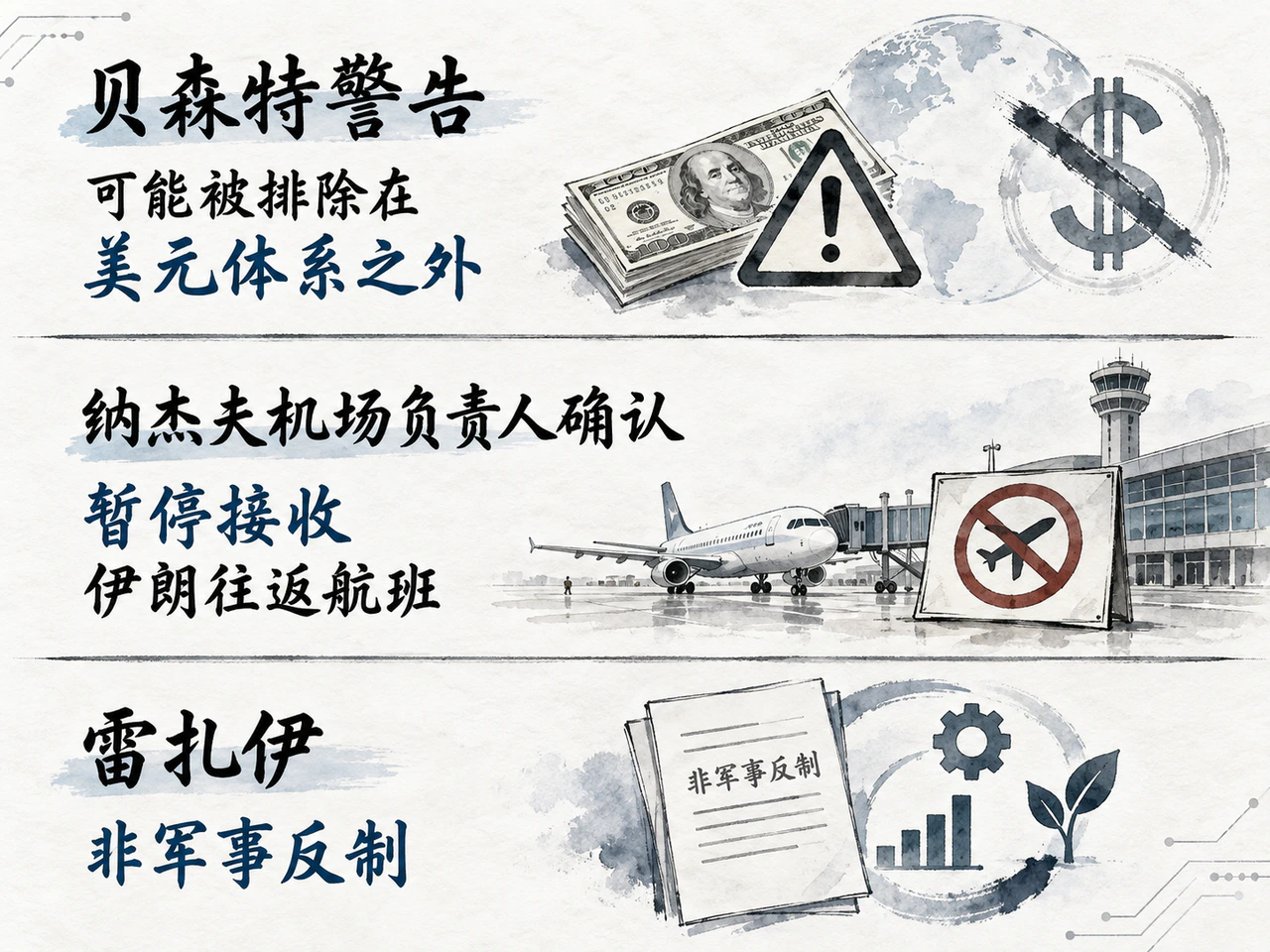
As diplomacy stalled, US sanctions pressure on Iran's external economic channels intensified. Bessent warned that providers of fuel, ground handling and ticketing to Iranian airlines faced secondary sanctions and possible exclusion from the dollar system. The head of Iraq's Najaf airport confirmed that Iranian flights had been suspended under government instructions. Bessent said Turkey and Oman had stopped inbound Mahan Air flights and the UAE had stopped Iranian airlines' flights.
Tehran responded with both threats and cautious diplomacy. Supreme Leader adviser Mokhber warned that if Iran could not obtain flight and airport services, other regional countries should not enjoy the same facilities. The next day Supreme National Security Council secretary Rezaei clarified that Iran was pursuing diplomatic negotiations and nonmilitary countermeasures, denying it would resort to military retaliation.
Civilian pressure from external restrictions and conflict spillovers was becoming more apparent. Iraq was discussing humanitarian exemptions for some airports with Washington to protect medical, educational and pilgrimage travel. In Yemen, media citing the International Organization for Migration reported more than 130,000 people displaced by the current fighting; surging trauma cases forced some medical facilities to curtail routine care. Humanitarian stress had become an unavoidable reality of the US–Iran maximum-pressure contest.
The week's developments showed that indirect contact had not completely broken down, but fundamental disagreements over the core exchange prevented compromise. Repairs to Saudi pipelines provided some logistical relief. A substantive turning point in shipping safety and regional conditions remained unlikely without an executable package linking blockade removal, passage rules and ceasefires across fronts.
Key developments

| Key developments |
|---|
| 09-27 16:06 Beijing timeAraghchi said Iran maintained its reopening conditions for Hormuz, had not yet received the formal US position through mediators, and would decide its next move accordingly. |
| 09-27 10:03 Beijing timeBessent said Turkey and Oman had stopped inbound Mahan Air flights and the UAE had stopped Iranian airlines' flights. Aviation and banking restrictions were part of US economic pressure. |
| 09-27 05:40 Beijing timeOman's foreign minister urged restraint at the UN and offered continued mediation to safeguard navigation through Hormuz. |
| 09-27 01:50 Beijing timeSaudi Arabia's foreign minister called for freedom of navigation in Hormuz and Bab el-Mandeb and a return to the prewar absence of transit charges in Hormuz. |
| 09-26 23:45 Beijing timeIsrael's military said it struck a Hezbollah weapons-storage site in Sejoud, southern Lebanon. The facility's nature and strike results were unilateral Israeli claims. |
| 09-26 23:12 Beijing timeTrump publicly confirmed rejection of Iran's seven-day proposal as unacceptable, while claiming 29 merchant vessels exited the strait under US escort the previous night. |
| 09-26 21:48 Beijing timeIranian Supreme National Security Council secretary Rezaei said aviation restrictions were being discussed and nonmilitary countermeasures considered, denying rumors of military retaliation. |
| 09-26 19:06 Beijing timePezeshkian said he distrusted US negotiating commitments, but Qatar and Pakistan continued relaying Iranian messages and the crisis could still be resolved through talks. |
| 09-26 17:35 Beijing timeIraq's government said it was discussing exemptions from the Iranian flight ban for some airports to protect civilian needs including medical, educational and religious travel. |
| 09-26 13:40 Beijing timeThe Saudi-led coalition reported intercepting two Houthi drones heading for Riyadh and two ballistic missiles toward Khamis Mushait. |
| 09-26 09:26 Beijing timePezeshkian said Iran could agree arrangements for UN inspectors' entry during long-term ceasefire talks. This did not mean inspections had resumed. |
| 09-26 02:37 Beijing timeYemeni Presidential Leadership Council head al-Alimi called for nationwide mobilization against the Houthis and announced amnesty for people switching to the government side. |
| 09-26 02:21 Beijing timeUS Central Command said another 7 merchant vessels had been forced to change course under the blockade in two days, totaling 122 since the July 14 resumption. |
| 09-26 01:50 Beijing timeThe UN Security Council condemned Houthi attacks on Saudi Arabia, citing damage to civilians and energy infrastructure, and called for an end to escalation and protection of navigation freedom. |
| 09-25 22:51 Beijing timeSaudi Arabia announced preparations for emergency chiefs-of-staff-level talks with Turkey and Pakistan on defense support. At reporting time there was no evidence of direct military action by those two countries against the Houthis. |
| 09-25 22:17 Beijing timeMedia citing the International Organization for Migration said the current Yemen fighting had displaced more than 130,000 people; some medical facilities were cutting routine care amid surging trauma treatment. |
| 09-25 21:32 Beijing timeSupreme Leader adviser Mokhber warned that if Iran could not obtain flight and airport services, other regional countries should not enjoy the same facilities. |
| 09-25 19:45 Beijing timeNajaf airport's head confirmed that, under government instructions, flights to and from Iran had been suspended from early Thursday local time. |
| 09-25 19:14 Beijing timeAraghchi disclosed a seven-day arrangement submitted to mediators, linking blockade removal, easier oil sanctions and ceasefires across fronts to strait reopening and subsequent negotiations. |
| 09-25 19:14 Beijing timePezeshkian told media he hoped for an agreement before the US November midterm elections and was open to international inspections of nuclear facilities. |
| 09-23 09:52 Beijing timeUS and Iranian representatives held indirect talks through mediators in New York. Witkoff and Trump described contact as positive; Iran sought blockade removal and ceasefires across fronts. |
| 09-23 09:52 Beijing timeThe United States announced stronger secondary aviation sanctions effective September 23, warning fuel suppliers, ground-service providers and ticket agents of possible exclusion from the dollar system. |
| 09-23 03:35 Beijing timeReuters, citing people familiar with the matter, reported that Saudi Arabia's East–West pipeline had resumed operations and crude exports from Yanbu could restart afterward. |
| 09-21 19:06 Beijing timeReuters cited Yemeni military assessments that Houthis were contesting high ground between Taiz and Lahj to consolidate Bab el-Mandeb positions and sever links between the coast and government-held areas. |