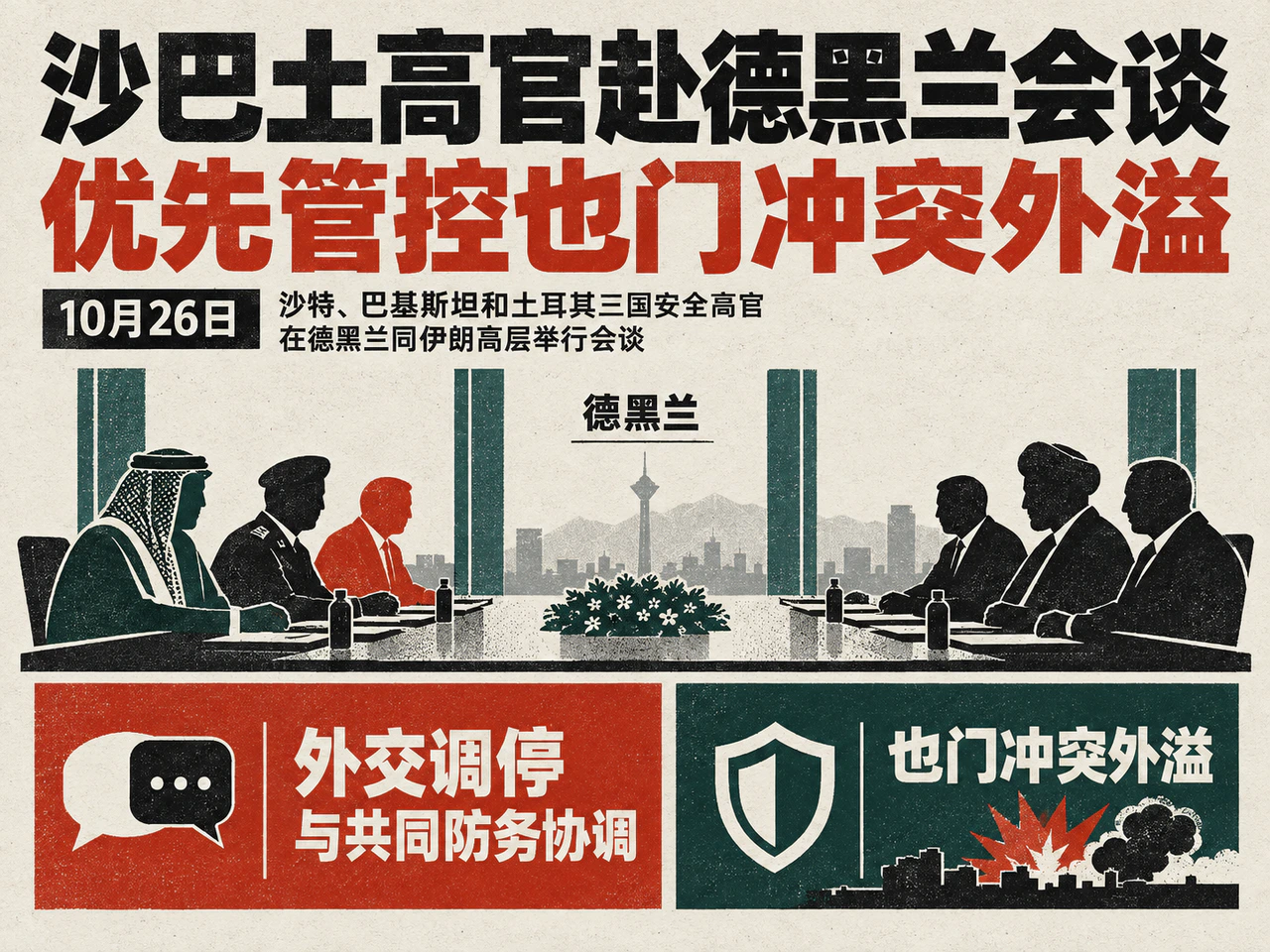
As of 07:33 Beijing time on October 2, the United States and Iran retained diplomatic channels, but their contest over the preceding 24 hours had shifted markedly toward concrete military deployments and pressure on real industries. US carrier and amphibious ready groups were heading to the Middle East as the Treasury extended sanctions to Iranian auto and rail manufacturers and associated settlement networks. Another reported tanker attack and fire in the Strait of Hormuz threatened shipping safety and could increase transport costs. Mediation had yet to produce an executable de-escalation plan, and regional systemic risk continued to accumulate under simultaneous military preparations and tougher sanctions.
US dispatches carrier forces as Iran studies retaliation; nuclear sequencing disputes obstruct talks
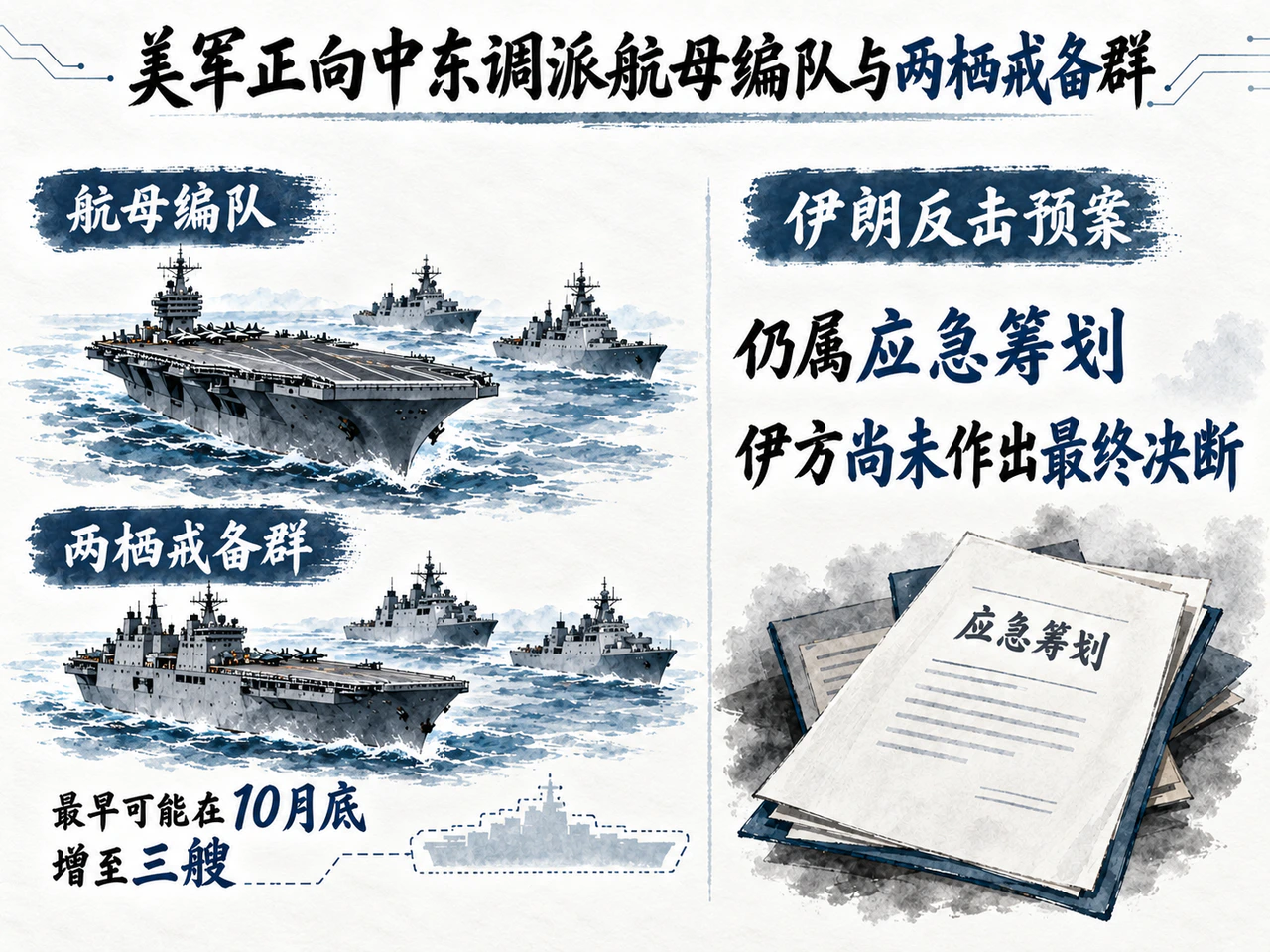
Reuters reported October 1, citing three senior Iranian officials and people familiar with the matter, that Tehran's commanders were assessing responses if the United States resumed large-scale strikes. Potential retaliation could expand to countries assisting US operations and even beyond the Middle East. Iran had also asked allies in Lebanon, Yemen and Iraq to prepare for possible coordinated action. The report explicitly described this as contingency planning, with no final Iranian decision.
The United States was also expanding its military leverage and signaling deterrence. The Associated Press, citing US officials, confirmed that the Theodore Roosevelt carrier group and Makin Island amphibious ready group were heading to the Middle East, potentially bringing the number of US carriers in the region to three as early as late October. In an interview published October 1, Trump said military action against Iran could resume after the congressional midterm elections if no agreement satisfactory to Washington was reached. He also acknowledged low stocks of some US munitions and said replenishment was being accelerated.
Escalating military preparations had not entirely cut off diplomacy, but disagreements over key terms sharply constrained trust. Iranian President Pezeshkian reiterated October 1 that Iran would firmly defend itself while remaining willing to talk. An earlier proposal relayed by Qatar sought to link a halt in hostilities, removal of the port blockade and gradual restoration of passage through the strait. Reuters, citing Iranian sources, said the central dispute concerned when nuclear issues should enter the process: Washington insisted they be included in the agreement's framework, while Tehran demanded prior US implementation of conditions such as lifting the blockade. Iran's official news agency explicitly denied foreign reports that it was willing to trade renewed international inspections of damaged nuclear sites for sanctions relief. The sides thus remained divided over sequencing and negotiating scope, making contacts difficult to turn into de-escalation agreement.
US sanctions extend to autos, railways and financial networks; tanker attacked and set ablaze in Hormuz
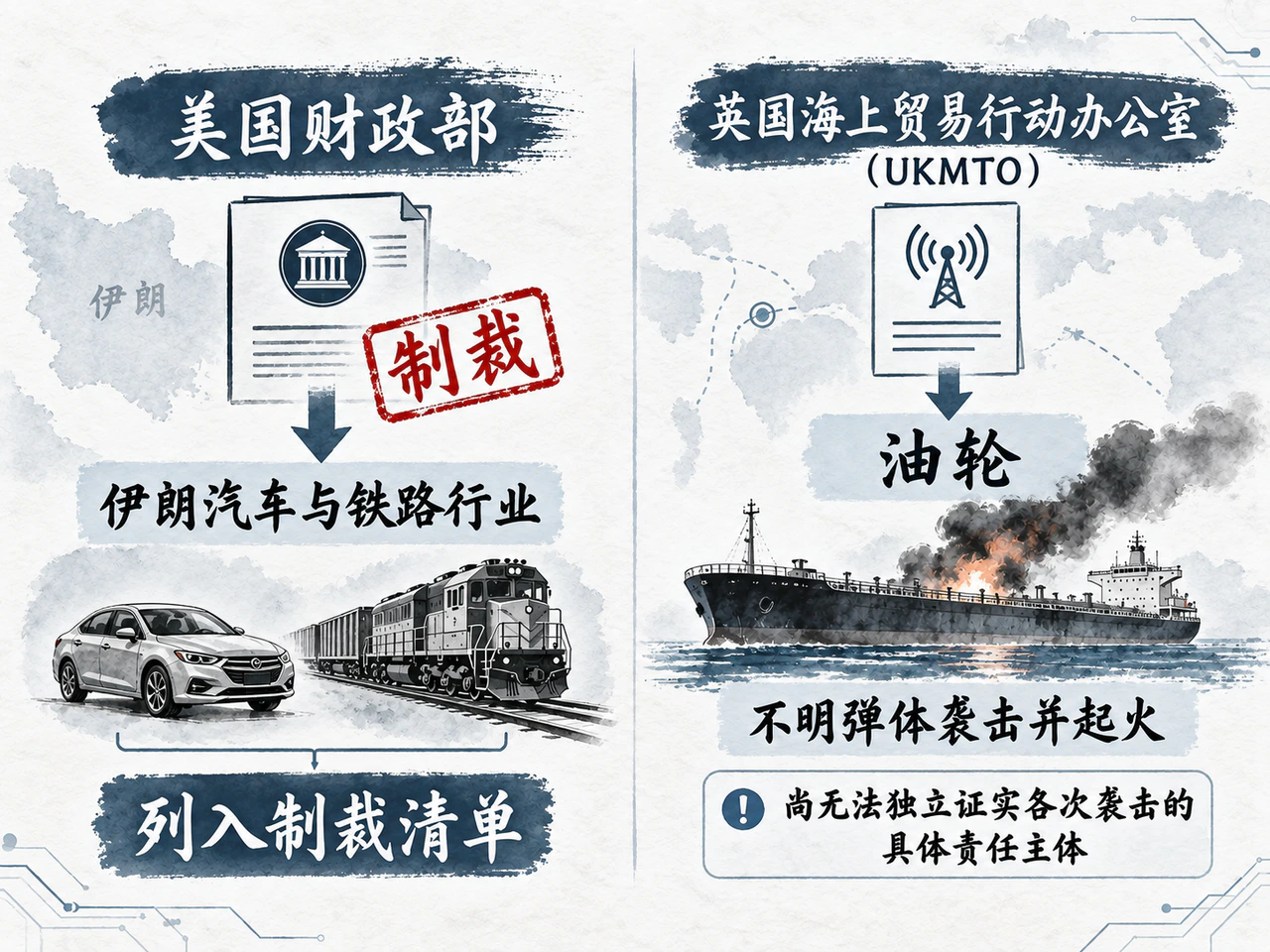
US economic pressure on Iran was extending from traditional energy exports deeper into manufacturing. On October 1, the Treasury issued determinations targeting Iran's automotive and railway sectors, formally sanctioning Iran Khodro, SAIPA and several major railway companies. The Office of Foreign Assets Control (OFAC) also sanctioned the A7 financial network, suspected of helping Iran evade restrictions. The measures aimed to tighten imports of industrial components and cross-border financial settlement channels.
The contraction in transport was already evident in the data. AFP, citing FlightRadar24 monitoring through September 30, reported that since US aviation sanctions took effect on September 23, average daily international arrivals and departures at Tehran's main international airport had plunged from 91 to 53, a decline of 42% over that interval.
Security risks at the maritime chokepoint were intensifying as well. A shipping bulletin issued early October 2 Beijing time relayed a UK Maritime Trade Operations (UKMTO) notice that an unidentified projectile had struck a tanker crossing the Strait of Hormuz, causing a fire. Iran's Islamic Revolutionary Guard Corps subsequently claimed that three recently attacked UAE-linked tankers were on its list of violators. That unilateral statement did not independently establish responsibility for the individual attacks or mean that all strait traffic had stopped. Direct armed threats in this critical waterway nevertheless endangered commercial shipping, could raise freight and insurance costs further, and left major obstacles to restoring normal passage.
Conflict spreads across the region: fighting cuts a Yemeni highway, while about 22% of Lebanese farmland is damaged or affected
The confrontation's spillovers continued through regional supply chains and civilian livelihoods. Heavy fighting between Houthi forces and government troops resumed in residential areas of eastern Taiz, Yemen, interrupting the main road to Aden. A local hospital director told AP that the hospital had received 6 bodies and treated 35 injured people.
In Iraq, security authorities sought to accelerate militia integration following the scheduled US withdrawal. The Iraqi prime minister set June 30, 2027 as the final deadline for factions to surrender weapons, with October 1 a milestone for substantive progress. Although Iran's Revolutionary Guard described the US withdrawal as a victory, its timetable followed the existing 2024 bilateral US–Iraq defense agreement rather than a retreat directly forced by the current fighting.
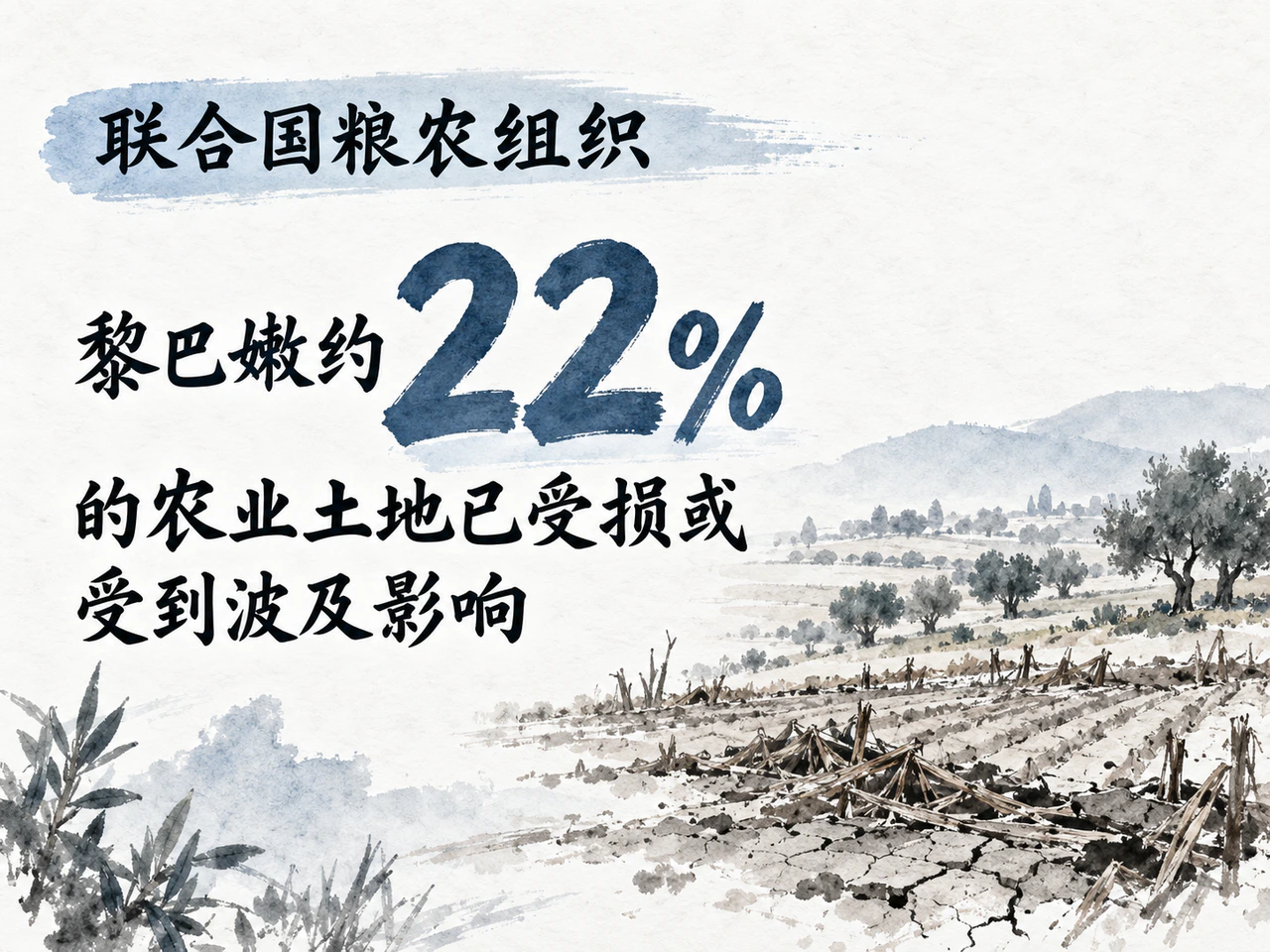
War damage to the region's civilian foundations continued to deepen. An FAO official warned October 1 that an assessment found approximately 22% of Lebanon's agricultural land damaged or affected, materially threatening food security. From tanker safety in Hormuz to overland transport arteries and farmland inland, the systemic pressure from fighting could not be resolved through verbal mediation alone. A substantive turning point for regional supply chains and market risk would require actual implementation of a ceasefire, an end to blockades and guarantees of passage.
Key developments
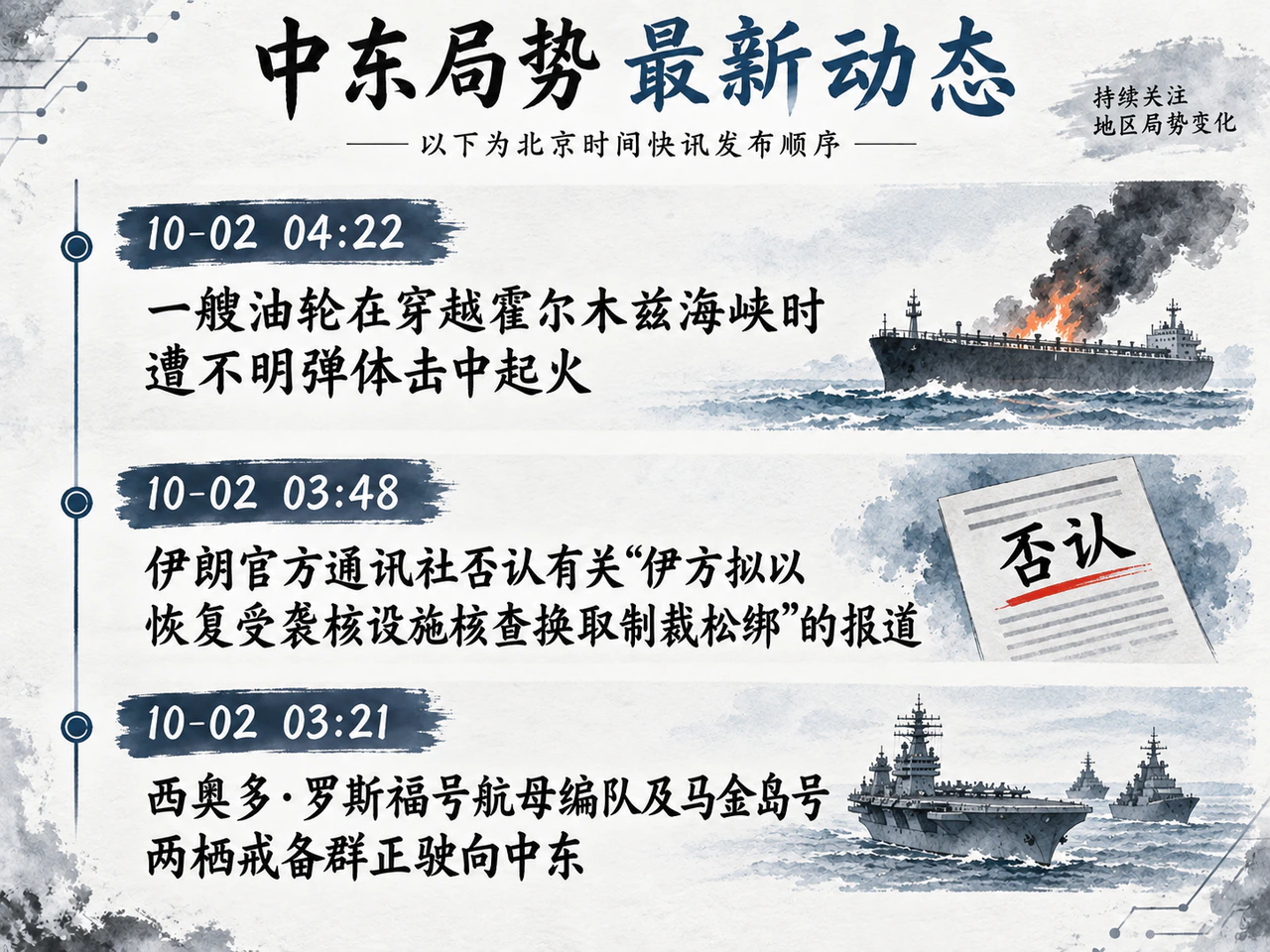
| Key developments |
|---|
| 10-02 05:00 Beijing timeIran's Islamic Revolutionary Guard Corps said three recently attacked UAE-linked tankers in the Strait of Hormuz were on its list of violators. This was Iran's unilateral account; responsibility for each attack had not been independently established. |
| 10-02 04:22 Beijing timeUK Maritime Trade Operations (UKMTO) reported that a tanker crossing the Strait of Hormuz had been hit by an unidentified projectile and caught fire. The attacker and damage details required further verification. |
| 10-02 03:48 Beijing timeIran's official news agency denied reports that Tehran planned to exchange renewed inspections of struck nuclear facilities for sanctions relief. Public differences remained over the prerequisites and scope of US–Iran talks. |
| 10-02 03:21 Beijing timeAP, citing US officials, said the Theodore Roosevelt carrier group and Makin Island amphibious ready group were sailing toward the Middle East. US carriers in the region could number three as early as late October. |
| 10-02 02:51 Beijing timeThe US Treasury's OFAC announced sanctions against the A7 financial network for helping Iran evade restrictions. |
| 10-02 02:22 Beijing timeAP reported that fighting between Houthis and government forces in eastern Taiz, Yemen, had cut the main road to Aden. A local hospital confirmed receiving 6 bodies and treating 35 wounded people. |
| 10-02 01:45 Beijing timeTrump said Iran might be connected to an attack on the cockpit of a Flydubai passenger aircraft bound for Israel and warned of strikes if this was confirmed, but offered no direct evidence. |
| 10-02 01:34 Beijing timeAn FAO official warned of risks to Lebanon's food security, citing an assessment that about 22% of the country's agricultural land was damaged or affected. |
| 10-02 01:01 Beijing timeBritish counterterrorism police detained a 27-year-old British-Iranian dual national in an investigation connected to RAF Fairford. The case remained under investigation, with no determination of official Iranian involvement. |
| 10-02 01:00 Beijing timeThe US Treasury expanded sanctions to Iran's automotive and railway manufacturing industries, including Iran Khodro, SAIPA and several rail entities. |
| 10-02 00:21 Beijing timeIranian President Pezeshkian said publicly that Iran would maintain its ability to defend itself but remained open to practical diplomatic dialogue with the United States. |
| 10-01 23:55 Beijing timeAn Iranian Revolutionary Guard adviser claimed recent long-range ballistic-missile strikes on moving targets, without identifying the targets. The claimed results had not been independently verified by a third party. |
| 10-01 23:50 Beijing timeAFP, citing FlightRadar24, said average daily international flights at Tehran's main international airport had fallen from 91 to 53, down 42%, after US aviation sanctions were imposed September 23. |
| 10-01 22:45 Beijing timeIn an interview published October 1, Trump acknowledged that stocks of some US munitions were low and said the military was working at full pace to replenish them. |
| 10-01 22:16 Beijing timeIran's UN mission denied being ordered by the United States to leave New York early, saying its itinerary had been notified in advance. US sources gave a differing account. |
| 10-01 21:39 Beijing timeEmirates announced the suspension of codeshare flights with Flydubai to Tel Aviv. The investigation into the abnormal cockpit incident on the passenger aircraft continued. |
| 10-01 20:22 Beijing timeTrump said in an interview that US military action against Iran might resume after the congressional midterm elections if no satisfactory bilateral arrangement was reached. |
| 10-01 19:32 Beijing timeIraq's prime minister set June 30, 2027 as the final deadline for nonstate armed groups to surrender weapons and viewed October 1 as the starting point for advancing disarmament. |
| 10-01 19:16 Beijing timeReuters, citing Iranian officials, said Tehran was studying contingencies to widen retaliation geographically if US attacks resumed. No final decision had been made and diplomatic channels remained open. |
| 10-01 17:28 Beijing timeIran's Revolutionary Guard called the US withdrawal from Iraq a victory. The timetable followed the 2024 bilateral US–Iraq framework agreement and was not a withdrawal directly forced by the present fighting. |