As of 07:31 on October 6 Beijing time, military and geopolitical tensions around Iran were spilling over through several channels. A Saudi-led coalition deployed 100 warplanes in Operation Yemen Dawn as Mocha near Bab el-Mandeb again became contested. Saudi Arabia, Turkey and Pakistan activated collective defense arrangements in Riyadh to accelerate deployments. At Hormuz, a merchant vessel was attacked and caught fire while another was forced back by military warnings. U.S. Treasury warnings of sanctions without notice for Iran-linked foreign financial institutions added a new stress test for Middle Eastern energy routes and financial networks.
Yemen spillover intensifies: Coalition counteroffensive uses 100 aircraft around Bab el-Mandeb
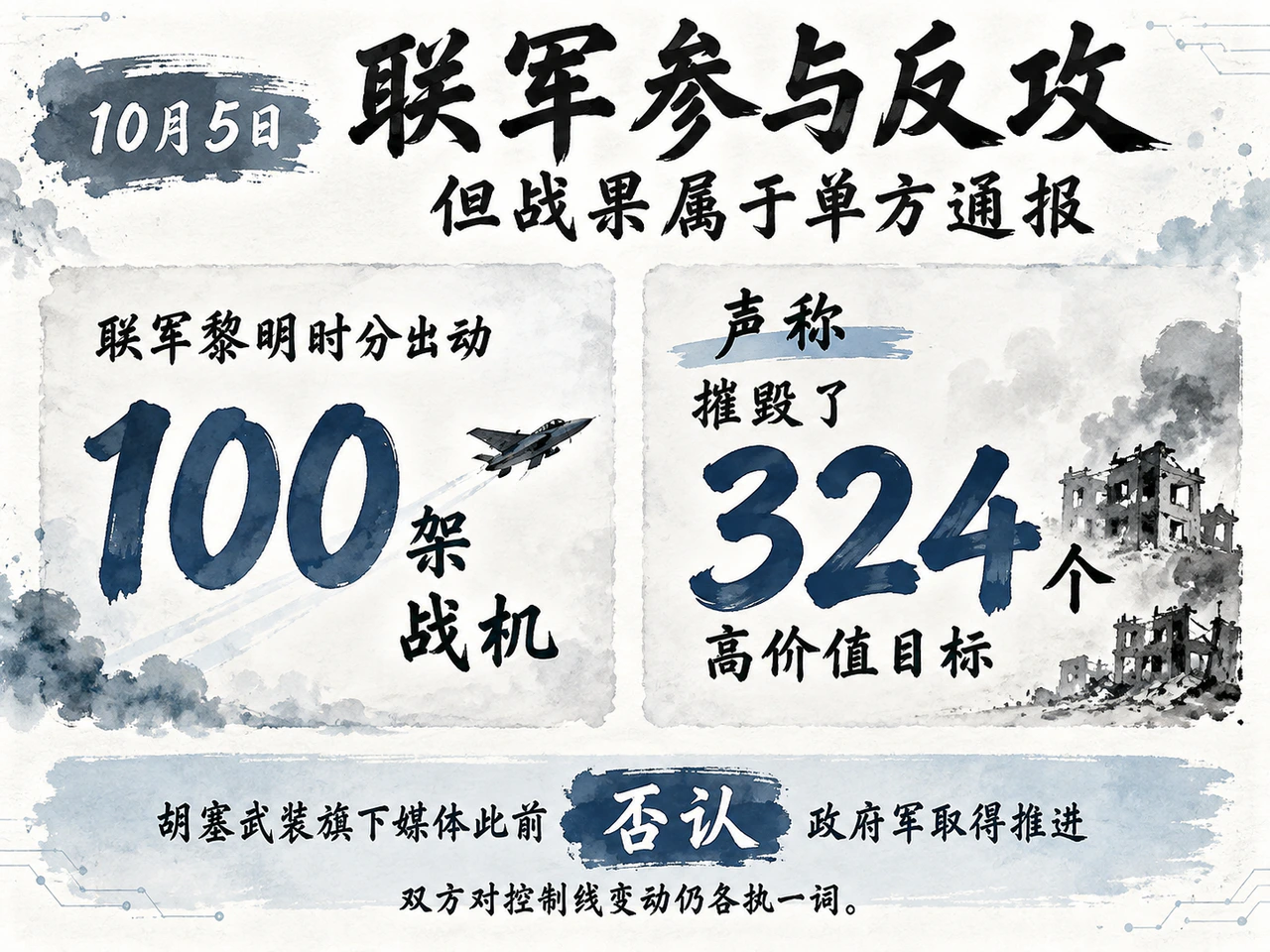
On October 5, the Saudi-led coalition announced participation in Operation Yemen Dawn. Spokesperson al-Maliki said 100 warplanes provided the main dawn air support for Yemeni government ground operations, claiming 324 high-value targets destroyed. Yemen's government subsequently said it recaptured Mocha, a key Red Sea gateway, and strategic locations near Bab el-Mandeb. Houthi media had denied government advances, leaving accounts of front-line changes contested.
The Houthis launched long-range retaliation that day, claiming three attacks inside Saudi Arabia targeting Riyadh's King Khalid International Airport, Aramco refining facilities in Rabigh, Abha Airport and the Khamis Mushait military base. Saudi officials had not confirmed the claims or damage. The coalition reported targeted operations in Hodeidah destroying arms depots, explosive-boat bases and mine-related facilities. Neither side's claimed results had independent third-party verification, but renewed coastal fighting signaled rising risks to the southern Red Sea route.
Defense commitments turn toward deployment: Saudi Arabia, Turkey and Pakistan act, with the latter two in support roles
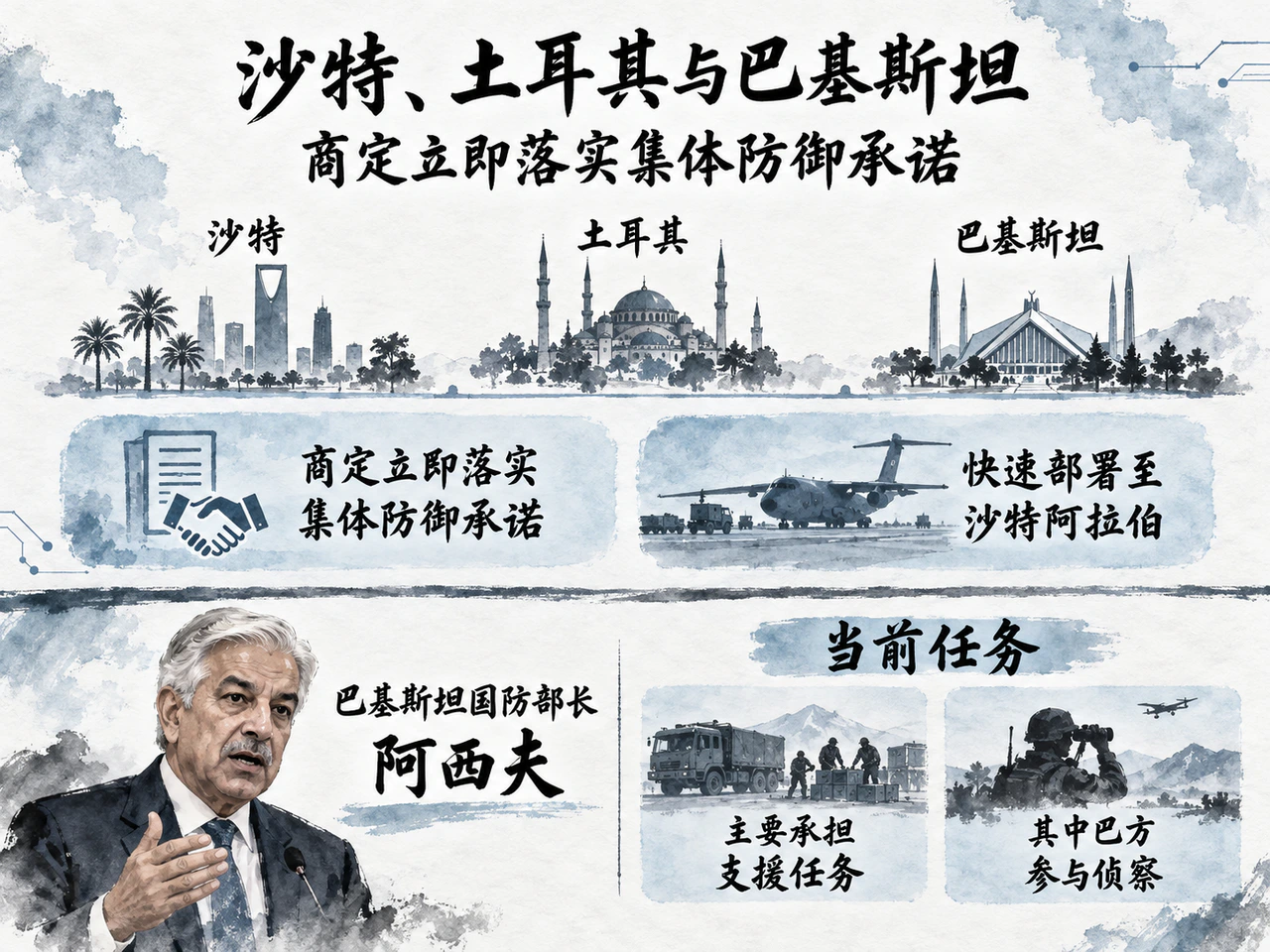
Regional powers moving from security promises to actual deployments had wider strategic implications than isolated battlefield contests. A joint statement published by Turkey's foreign ministry said senior diplomats from the three countries met urgently in Riyadh on October 5, agreeing to implement collective defense commitments immediately and coordinate agreed personnel and capabilities for rapid deployment to Saudi Arabia.
The statement disclosed no force size, equipment list or timetable. Pakistani Defense Minister Asif later said Turkish and Pakistani forces currently mainly performed support duties, including Pakistani reconnaissance; neither had directly joined front-line fighting against the Houthis. Allies were accelerating Saudi territorial defense, within a boundary short of all three entering a full direct war with the Houthis.
Shipping in both straits faces renewed pressure: Hormuz tanker fire and conflicting Saudi pipeline reports
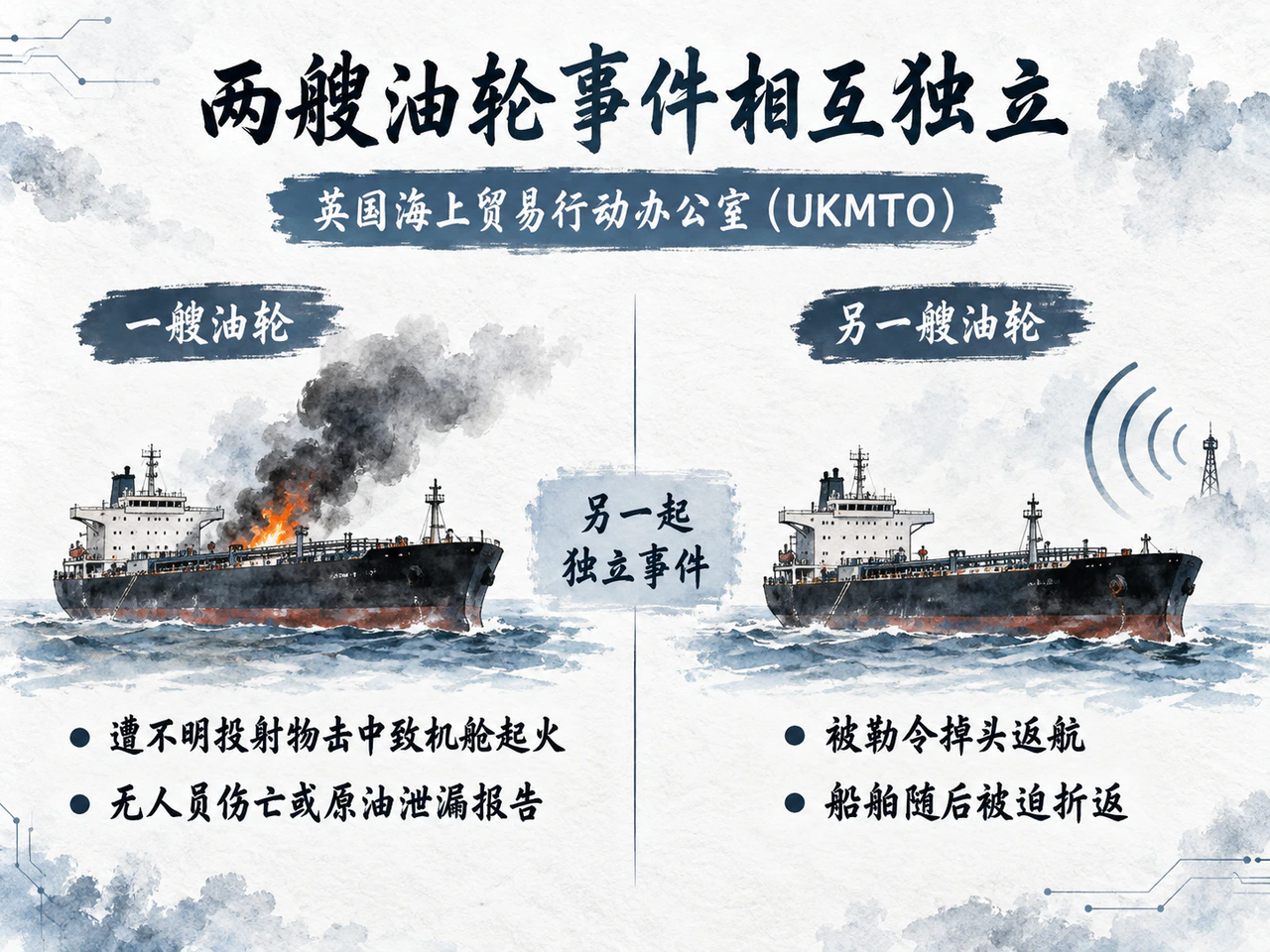
Red Sea and Hormuz shipping both faced severe tests. UKMTO said an unidentified projectile hit a tanker transiting Hormuz and set its engine room ablaze, with no casualties or crude spill reported at the time and no confirmed attacker. In a separate incident, another tanker entering the strait about 11 nautical miles north of Khasab, Oman, received a Revolutionary Guards radio warning to turn back or face force and subsequently reversed course. The Gulf export chokepoint thus faced both physical damage and coercive obstruction.
Reports conflicted over Saudi Arabia's East-West Pipeline, a strategic Hormuz bypass. AFP cited Saudi energy sources saying an October 4 attack on a pump station near Khurais shut the entire line. Bloomberg and Reuters sources on October 5 separately said pumping remained normal and crude flows were uninterrupted. Connecting eastern fields to Yanbu on the Red Sea, the pipeline is a core alternative lifeline. Until accounts are reconciled, a sustained outage cannot be confirmed; escalating southern Red Sea fighting also pressures this alternative route.
Sanctions and geopolitics tighten: Treasury warns of sanctions without notice; U.S. bombers withdraw
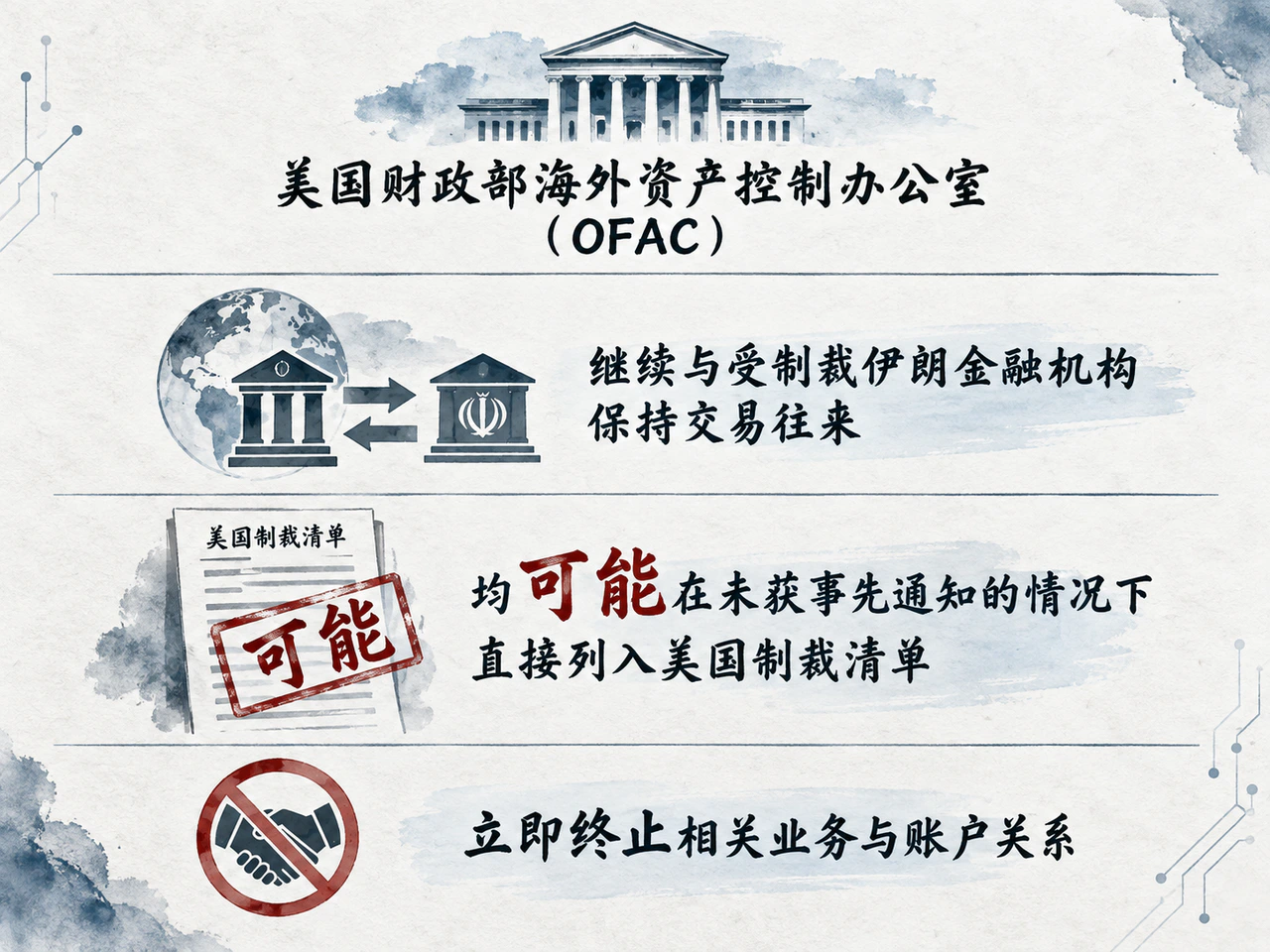
Military friction quickly reached financial sanctions and diplomacy. OFAC issued an October 5 advisory warning foreign financial institutions worldwide that continued dealings with sanctioned Iranian institutions could lead to direct U.S. listing without advance notice, calling for immediate termination of related activities and account relationships. This materially increased secondary-sanctions risk for third-party institutions.
The diplomatic window narrowed alongside financial pressure. Iran's state news agency quoted President Pezeshkian on October 5 as saying negotiations with the United States were 'meaningless' while sanctions, pressure and threats continued.
Repercussions also reached Europe, America and Iran itself. Trump confirmed October 5 that U.S. strategic bombers had left RAF Fairford following a security threat. Washington was investigating a suspected Iran-linked plot; Tehran firmly denied involvement. In Iran, judiciary-affiliated media reported October 5 that Alireza Sepahi and Alireza Raeisi, convicted for involvement in January's Isfahan protests, had been executed.
Overall, the conflict chain extended from maritime harassment to regional joint defense and global secondary financial sanctions. Saudi efforts around Bab el-Mandeb aimed to regain territory, but restoring shipping security still depended on consolidated battlefield gains, actual Saudi pipeline capacity and the pace of multinational deployments.
Key developments
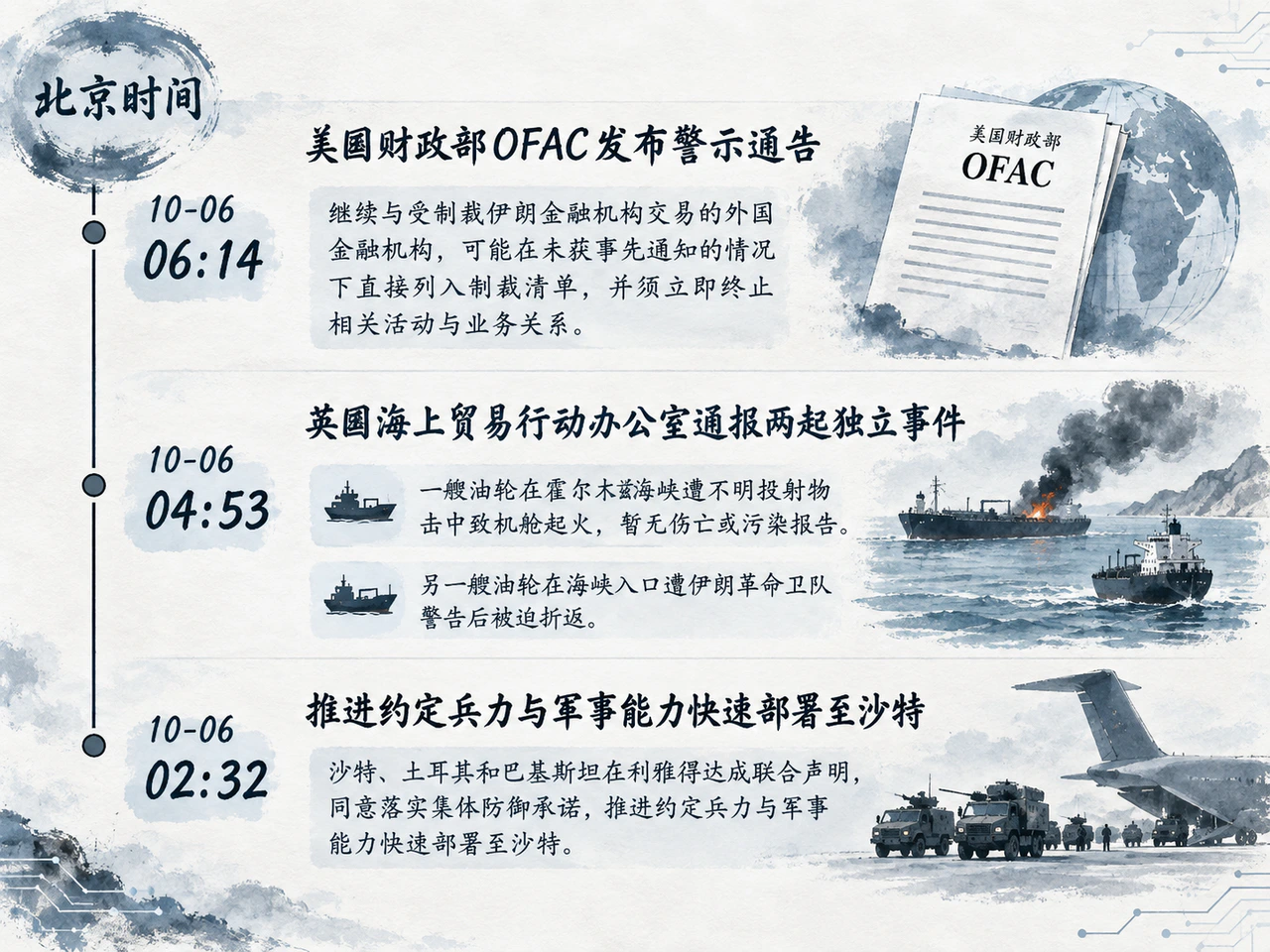
Items below are in reverse order of report or update time, Beijing time.
| Key developments |
|---|
| October 6, 06:14 Beijing timeOFAC warned that foreign financial institutions continuing dealings with sanctioned Iranian institutions could be listed without advance notice and must immediately terminate related activities and business relationships. |
| October 6, 04:53 Beijing timeUKMTO reported two separate incidents: an unidentified projectile caused a tanker engine-room fire in Hormuz, with no casualties or pollution reported; another tanker turned back after Revolutionary Guards warnings at the entrance. |
| October 6, 03:13 Beijing timePakistani Defense Minister Asif said Turkish and Pakistani troops currently performed support tasks, including Pakistani reconnaissance, and neither was directly fighting the Houthis. |
| October 6, 02:32 Beijing timeSaudi Arabia, Turkey and Pakistan agreed in Riyadh to implement collective defense commitments and rapidly deploy agreed forces and capabilities to Saudi Arabia; no force composition or timetable was disclosed. |
| October 5, 18:33 Beijing timeThe Saudi-led coalition joined Yemen Dawn, deploying 100 warplanes and claiming 324 targets destroyed; Yemeni government troops reported advances around Bab el-Mandeb and Mocha, previously denied by the Houthis. |
| October 5, 17:06 Beijing timeReports conflicted on the Saudi East-West Pipeline: Reuters and Bloomberg sources said normal uninterrupted flows; earlier AFP sources said an attacked pump station shut it down. A sustained outage remained unconfirmed. |


