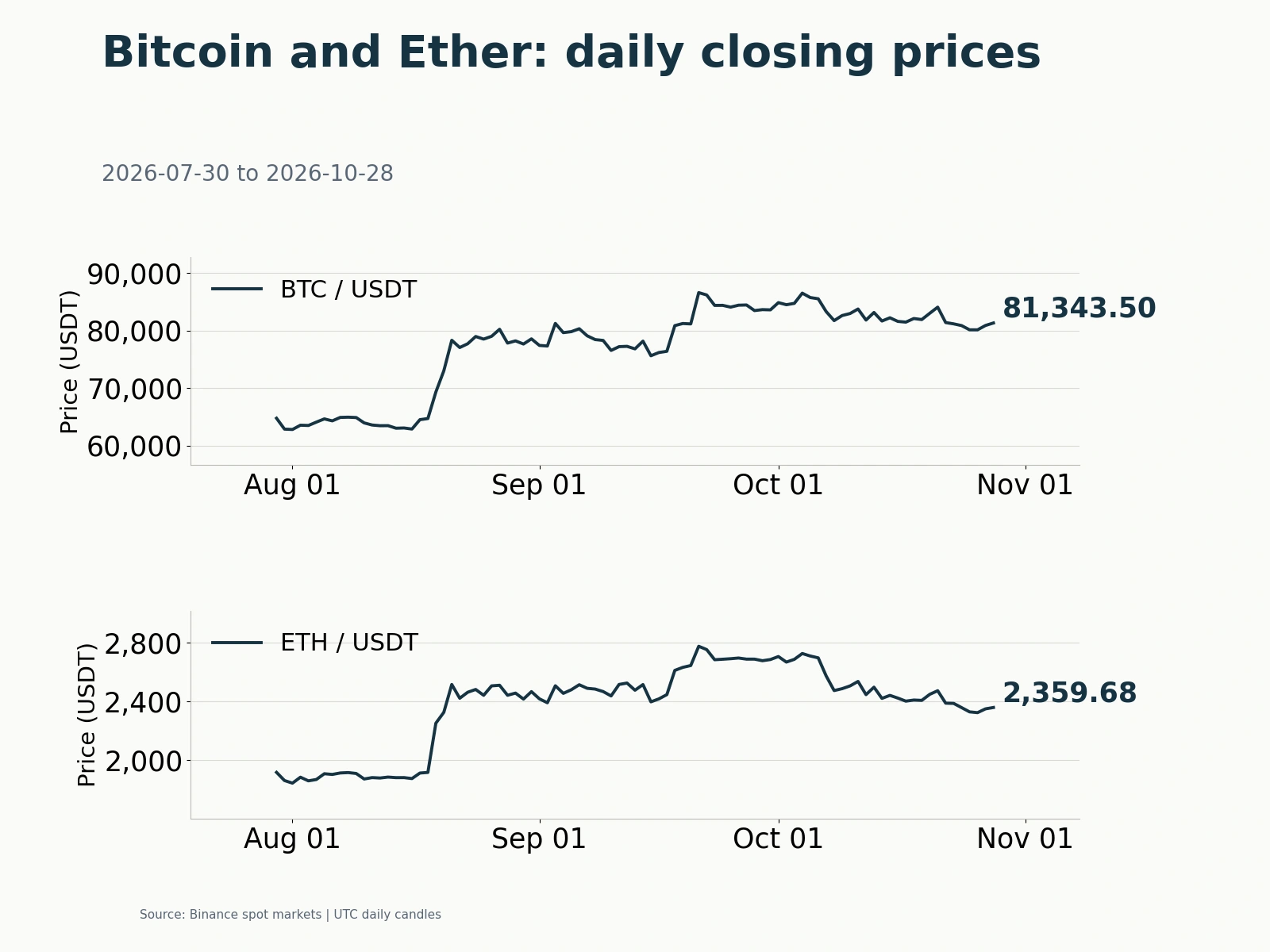
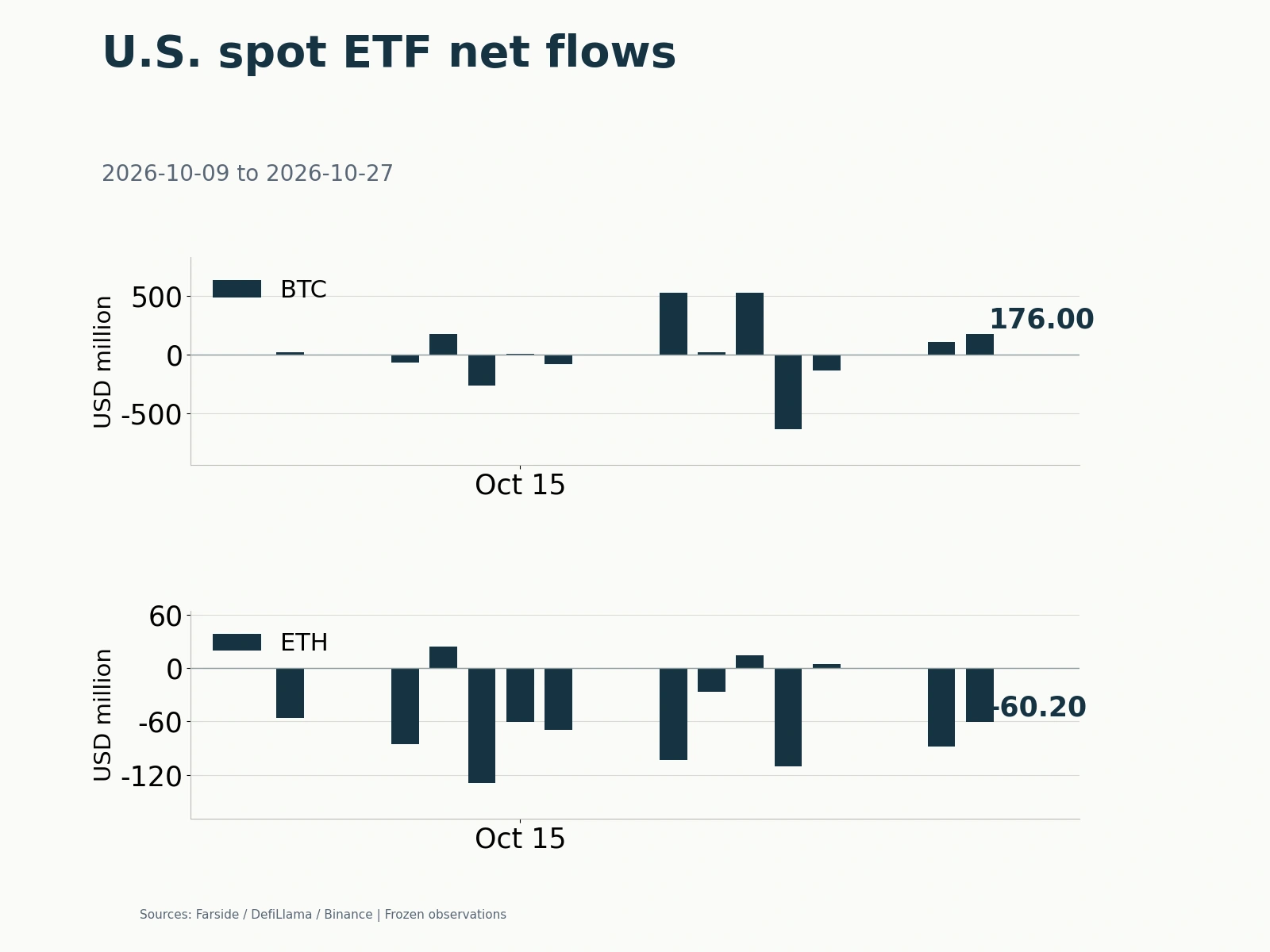
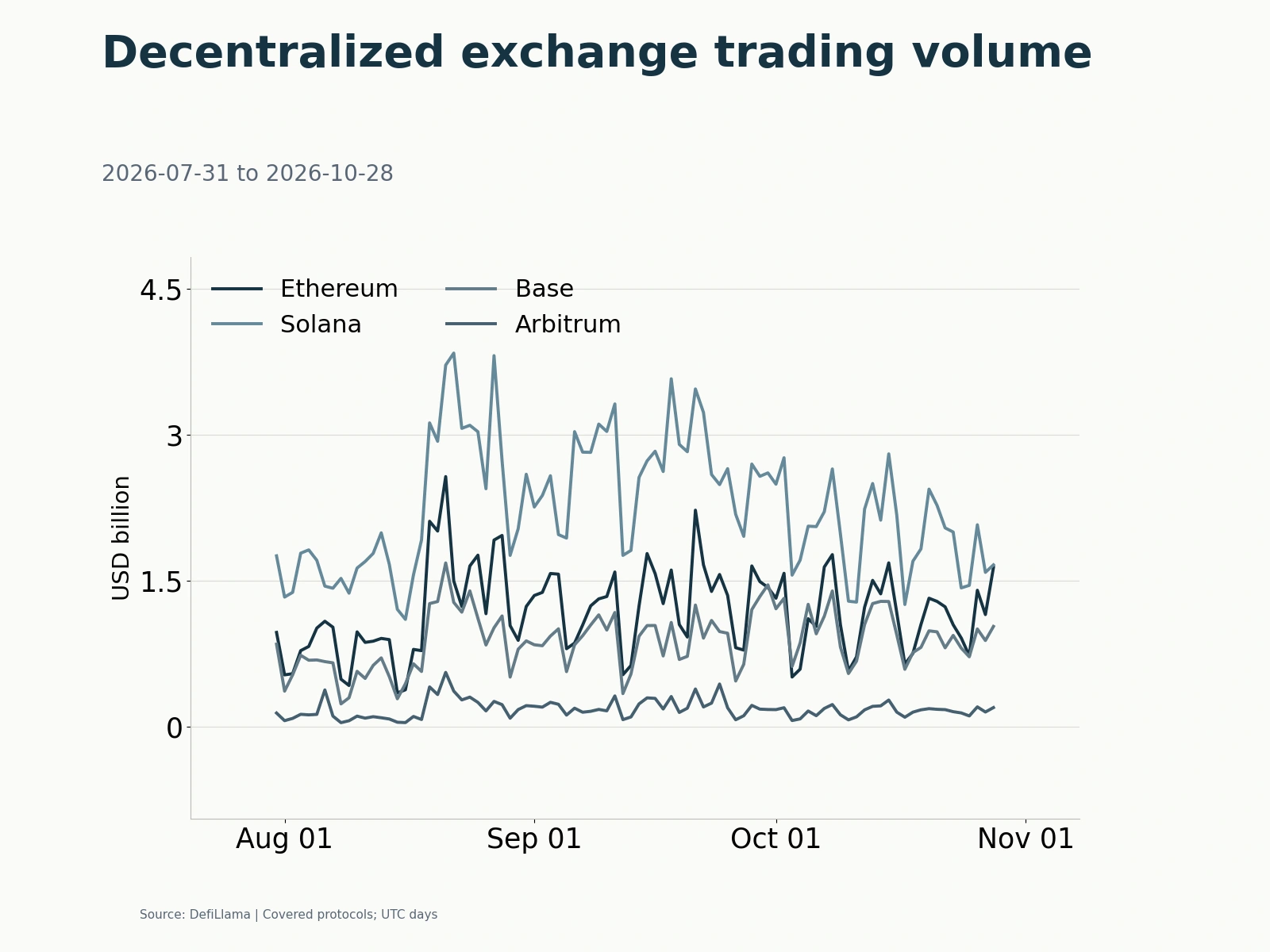
On October 15, decentralized-exchange (DEX) volumes generally rebounded across major blockchains and layer-2 networks, with lending-protocol fees also recovering. Seven-day average volume nevertheless remained below the preceding week's level, making the daily increase a recovery from a low base. The same day brought substantive institutional integration: Ripple's institutional brokerage platform, Ripple Prime, launched real-world asset (RWA) perpetual swaps referencing on-chain prices, while Cross River Bank integrated the RLUSD stablecoin into its core banking system. Through unified margin accounts and bank APIs, on-chain derivatives pricing and stablecoin settlement are becoming embedded in traditional financial institutions' everyday operations.
Daily DEX volume rebounds 8% to $9.9 billion, but the seven-day average remains down more than 10%
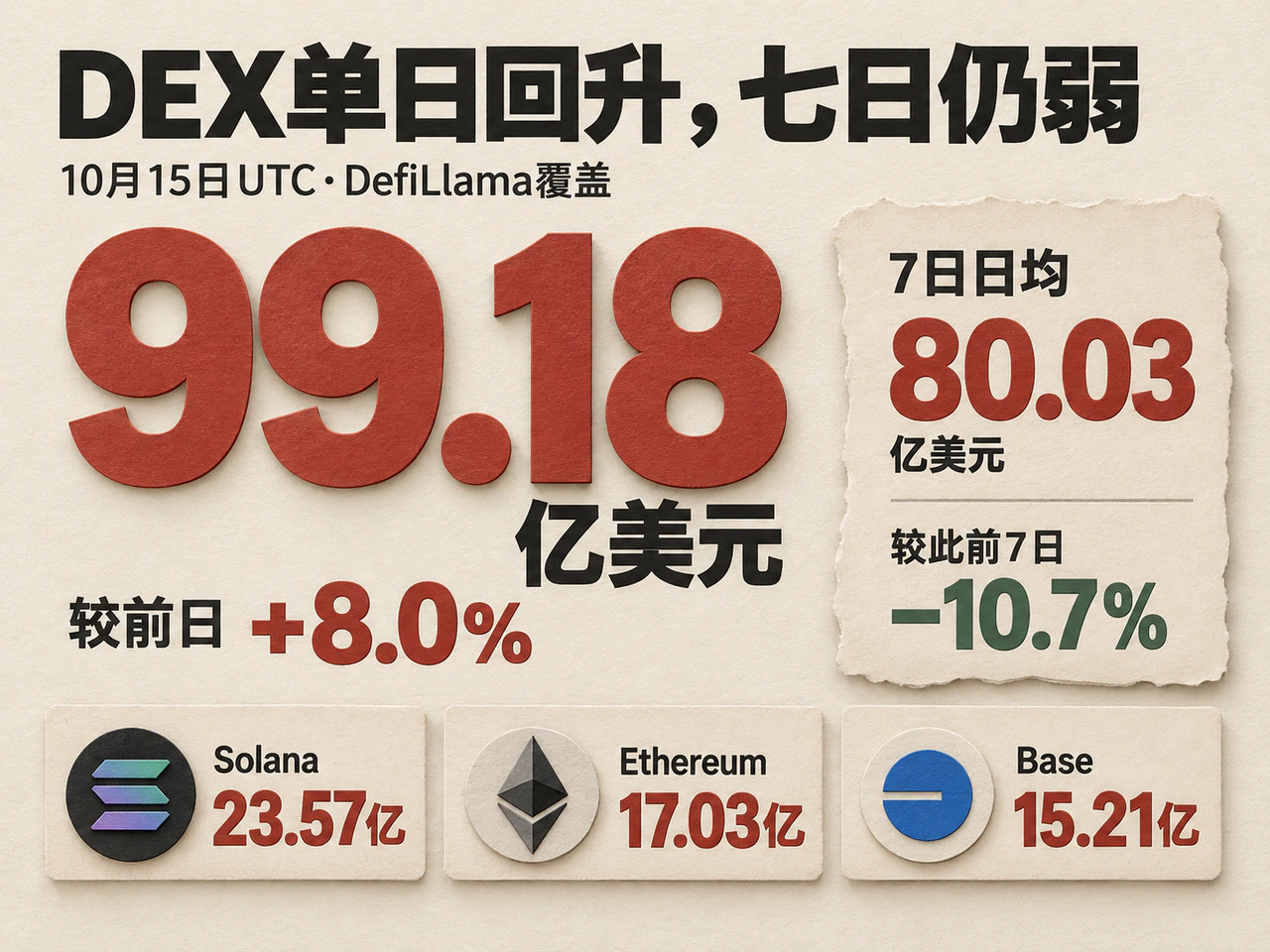
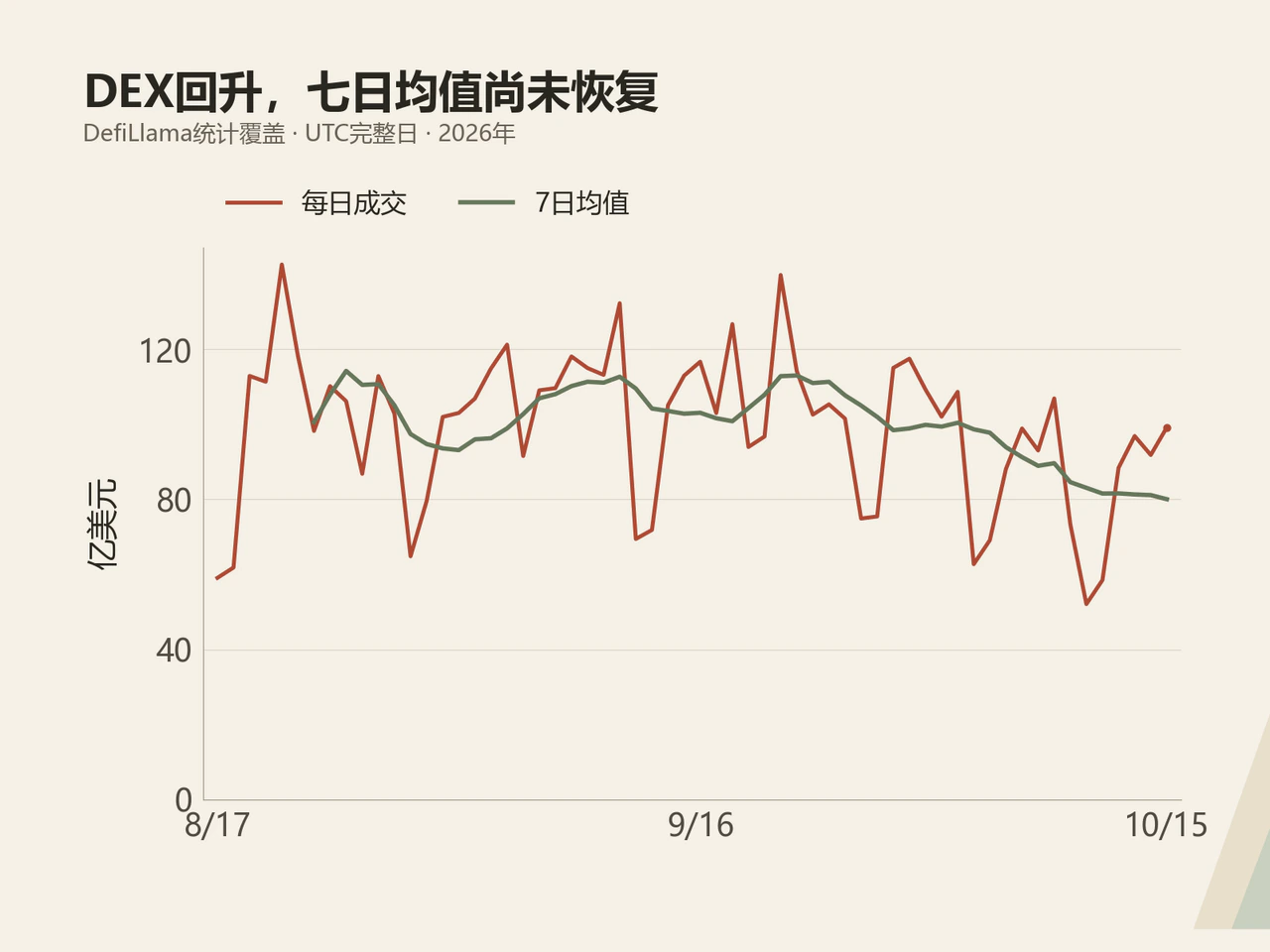
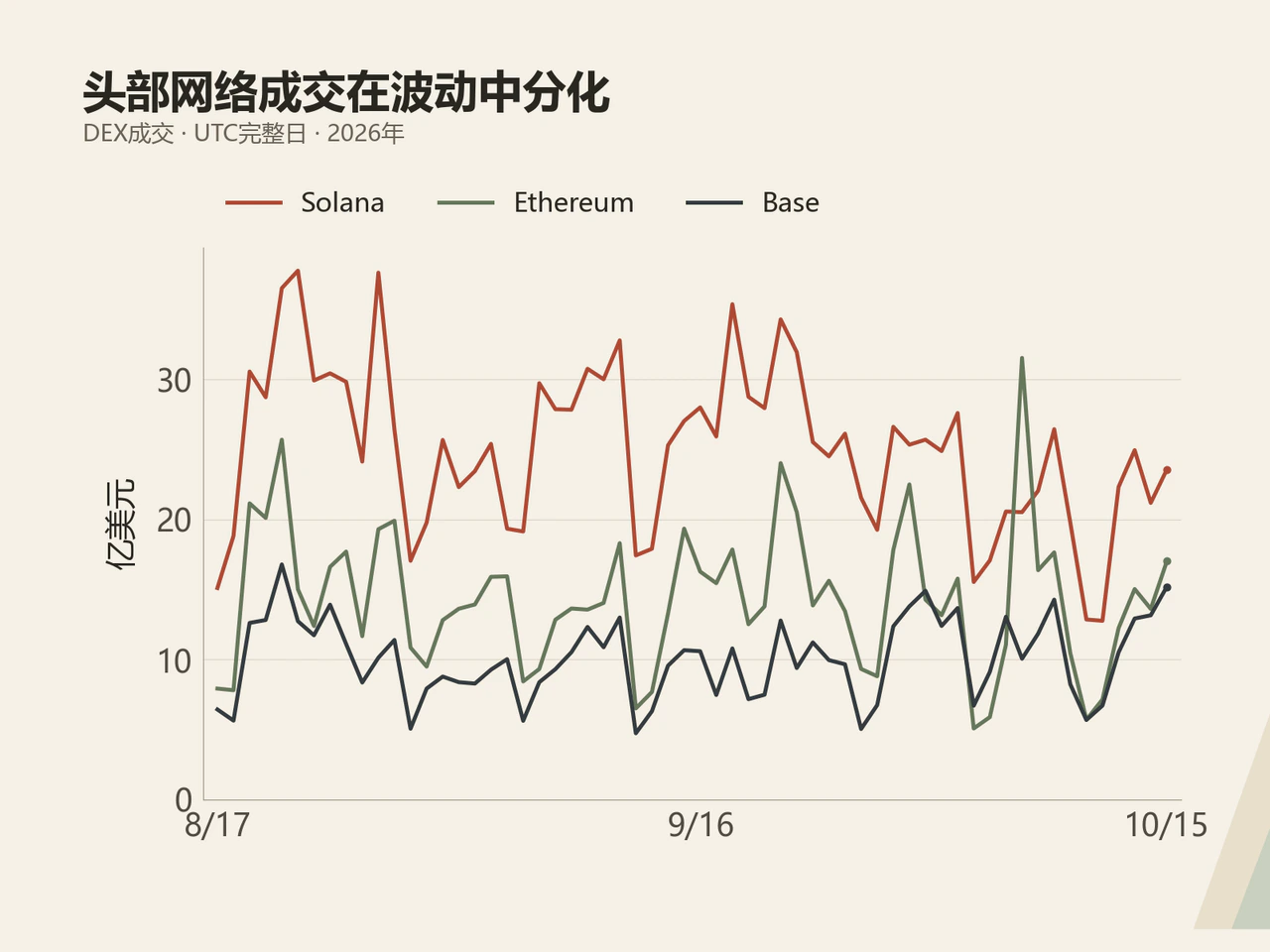
As of the morning of October 16, Beijing time, DefiLlama's recorded complete UTC-day data showed total covered DEX turnover of $9.918 billion on October 15, up 8.0% from $9.181 billion on October 14. Leading execution networks generally recorded higher volume: Solana traded $2.357 billion, up 11.2% day on day; Ethereum mainnet traded $1.703 billion, up 25.0%; and Ethereum L2 Base traded $1.521 billion, up 15.5%, approaching the mainnet's scale. Other networks diverged. Arbitrum grew 40.6% to $297 million, still much smaller than Base; BSC edged up 0.3% to $899 million; and Tron slipped 0.6% to $74.50 million. On-chain trading demand remains distributed across several networks, but liquidity continues concentrating on leading networks with depth, cost advantages or application gateways.
Over a longer horizon, the daily increase had not reversed the past week's contraction. Although October 15 DEX volume exceeded the 30-day daily average of $9.606 billion, the average for October 9–15 was about $8.003 billion, down 10.7% from $8.962 billion in the preceding week, October 2–8. Ethereum, Solana and Base also all recorded lower seven-day average daily volumes than in the prior week. The October 15 rebound therefore looked more like a recovery from a low base; sustained demand expansion still needed confirmation from subsequent volume.
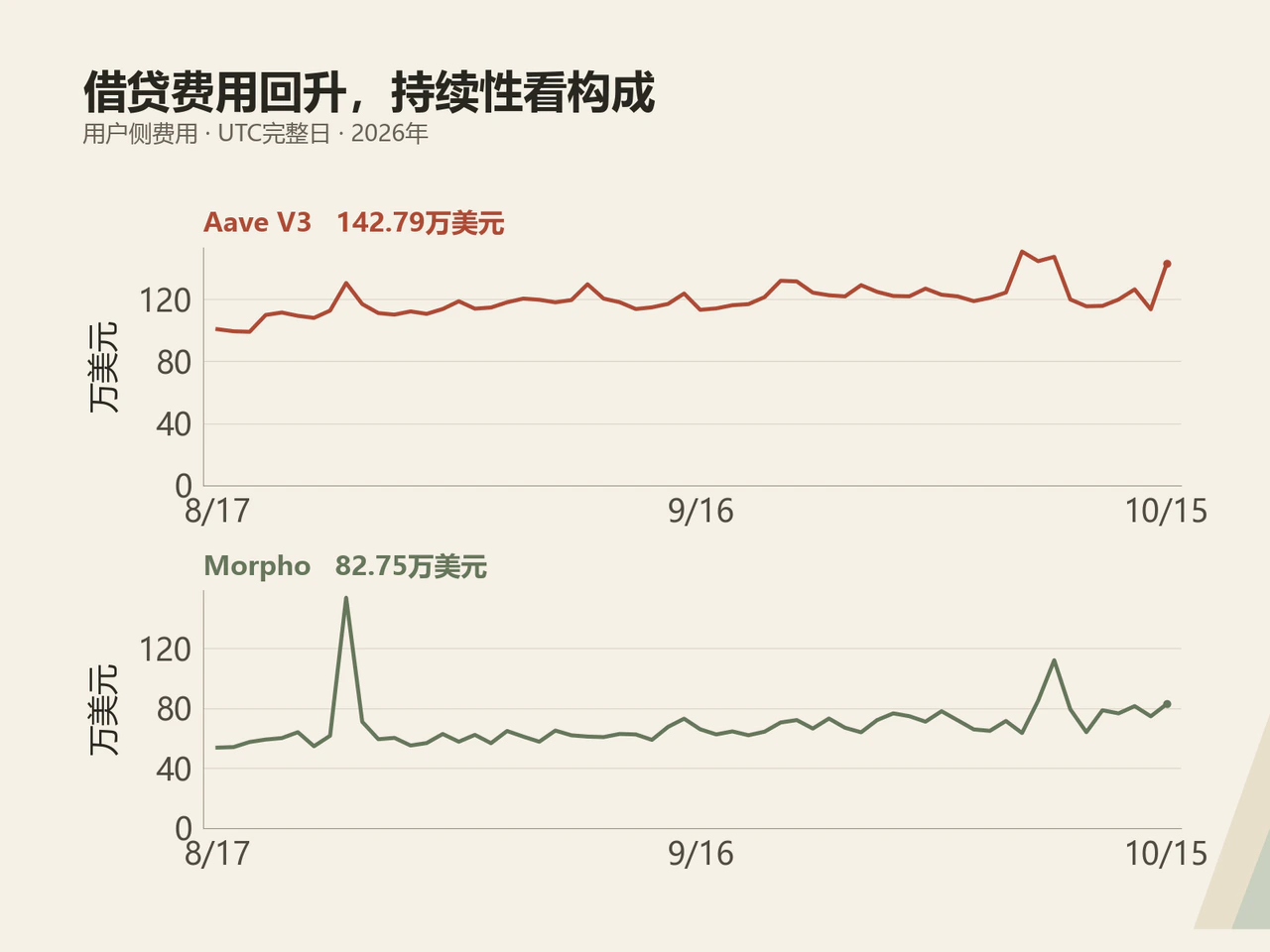
Fee generation at on-chain lending protocols improved in tandem. DefiLlama showed Aave V3 fees of $1.4279 million on October 15, up 26.2% from the previous day, and Morpho fees of $827,500, up 11.1%. Aave's fee statistics, however, include borrowing interest, flash loans, liquidations and other sources. Occasional liquidations and steady borrowing demand provide very different support for recurring revenue, so the quality of incremental lending business still depends on the composition of fees.
Ripple Prime launches swaps on traditional assets; Cross River integrates RLUSD settlement
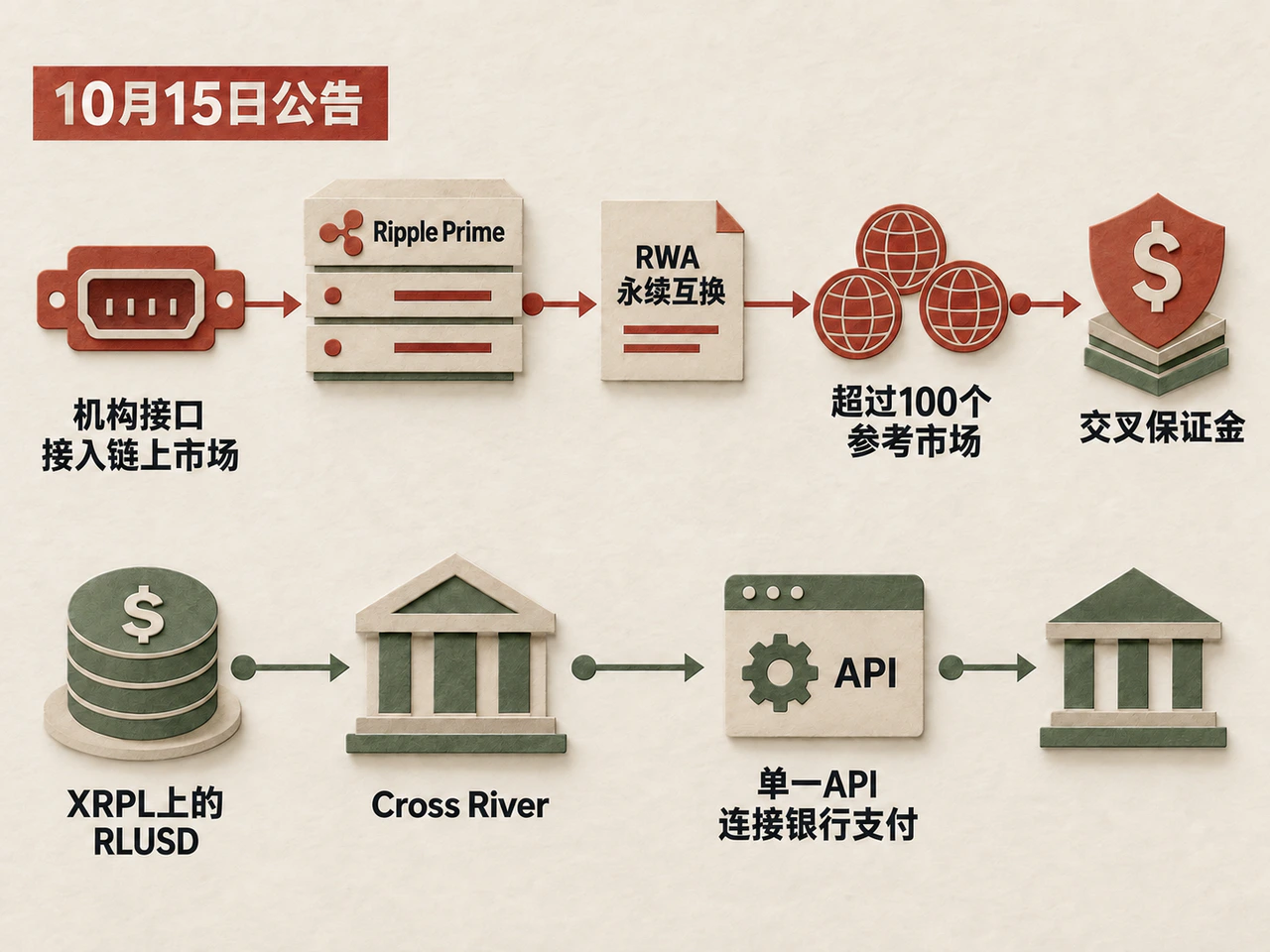
On October 15, Ripple announced that Ripple Prime supported RWA perpetual swaps, with institutional clients including Virtu participating. The products reference perpetual futures listed by Trade.xyz on Hyperliquid, covering more than 100 reference markets including equities, equity indices, ETFs, metals, energy and foreign exchange, with round-the-clock trading and settlement. Clients trade against Ripple Prime as counterparty and obtain the relevant price exposure through its brokerage service. They can cross-margin swap exposures with other asset classes supported by Ripple Prime and use RLUSD as collateral where applicable. According to the company announcement, the product was being provided by Ripple Prime's licensed British Virgin Islands entity, with other jurisdictions remaining planned expansion markets.
This structure connects on-chain markets with account systems institutions already know. Institutions can manage collateral within a unified portfolio without establishing a separate fully funded pool for each venue. Round-the-clock pricing combined with unified margin management extends the attraction of on-chain markets from trading speed to capital efficiency. These transactions provide derivatives price exposure, which differs from directly owning the economic rights in tokenized shares or funds. Business revenue is also distributed across several stages: venues supply liquidity and price formation; brokers manage counterparty and portfolio risk; and collateral issuance and services support settlement. Whether new institutional demand increases the value of a particular network or token still requires observing subsequent volume, fee allocation and holder-distribution mechanisms.
That same day, Cross River Bank announced the integration of RLUSD on XRPL into its core banking operating system. The bank said customers could access RLUSD through a single API connection, linking dollar conversion and cross-border settlement with existing ACH, wire and real-time payment services. The service was available only in a limited number of states at the time. As payment gateways move closer to businesses' existing banking platforms, on-chain settlement is becoming an option for corporate treasury operations.
Together, these developments show on-chain infrastructure entering trading and payment workflows through familiar financial interfaces. Brokerage accounts centralize margin management, while banking interfaces connect fiat currency and stablecoins, reducing institutions' fragmented funding needs and integration costs respectively. Daily on-chain trading volumes remain volatile, but broader institutional access creates conditions for more stable trading and settlement demand. The most informative measures ahead will be actual turnover after integration, recurring borrowing demand, payment and settlement usage, and the share of resulting income ultimately retained by protocols and token holders.
Click 'Read original' for full details.