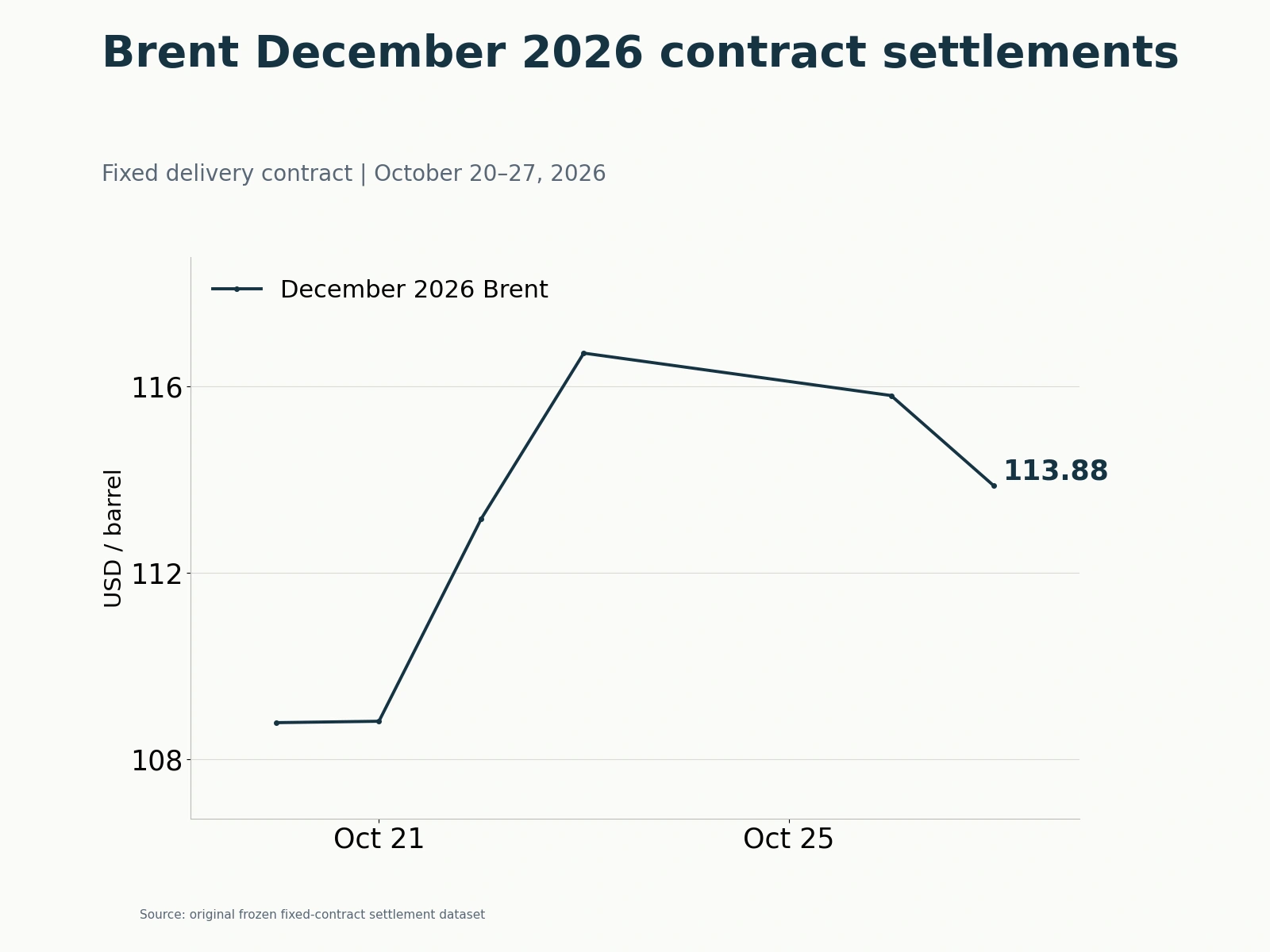
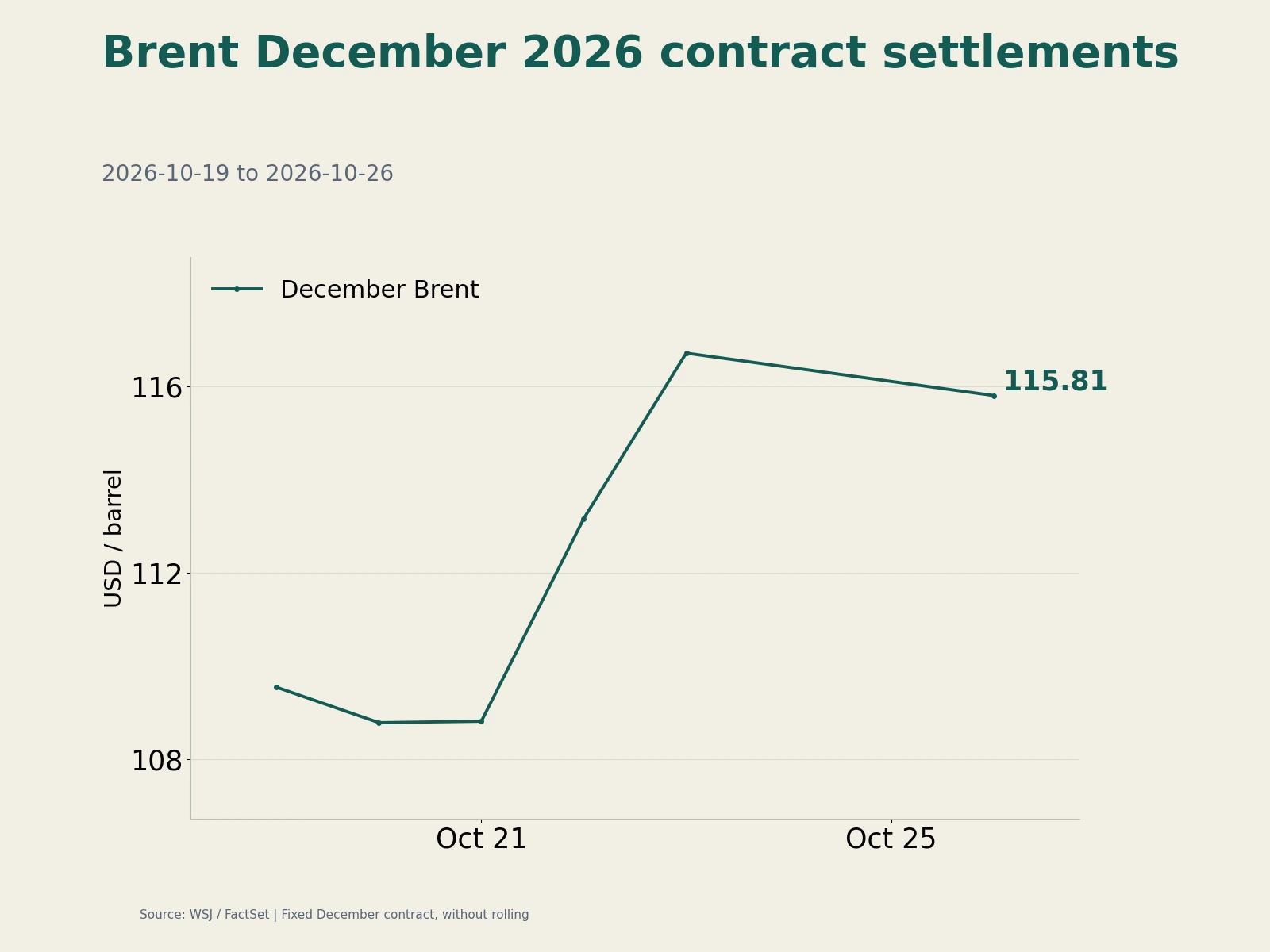
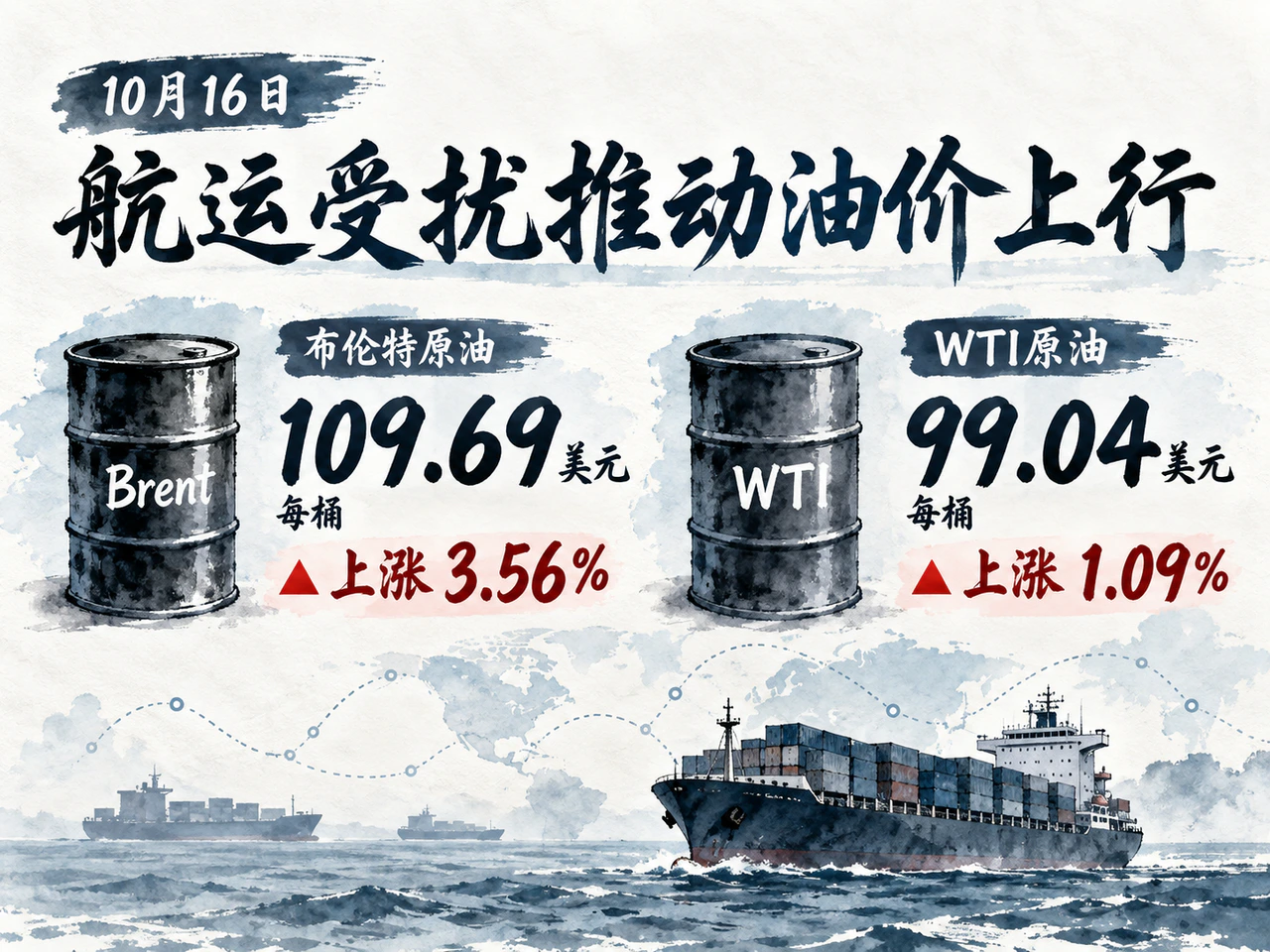
By the morning of October 17, Beijing time, the crude market was still paying a premium for uncertainty over Gulf supply. On Yahoo's continuous-futures provider daily closing basis, Brent was $109.69 a barrel on October 16, up 3.56% from the previous session, while WTI was $99.04, up 1.09%. Earlier supply recoveries among oil-producing countries had temporarily eased tensions, but renewed shipping disruption and attacks on Russian refineries shifted pricing attention back to whether crude and fuel could reach consumers smoothly.
Hormuz attacks interrupt Gulf shipping's recovery; Middle Eastern product exports remain below half of prewar levels
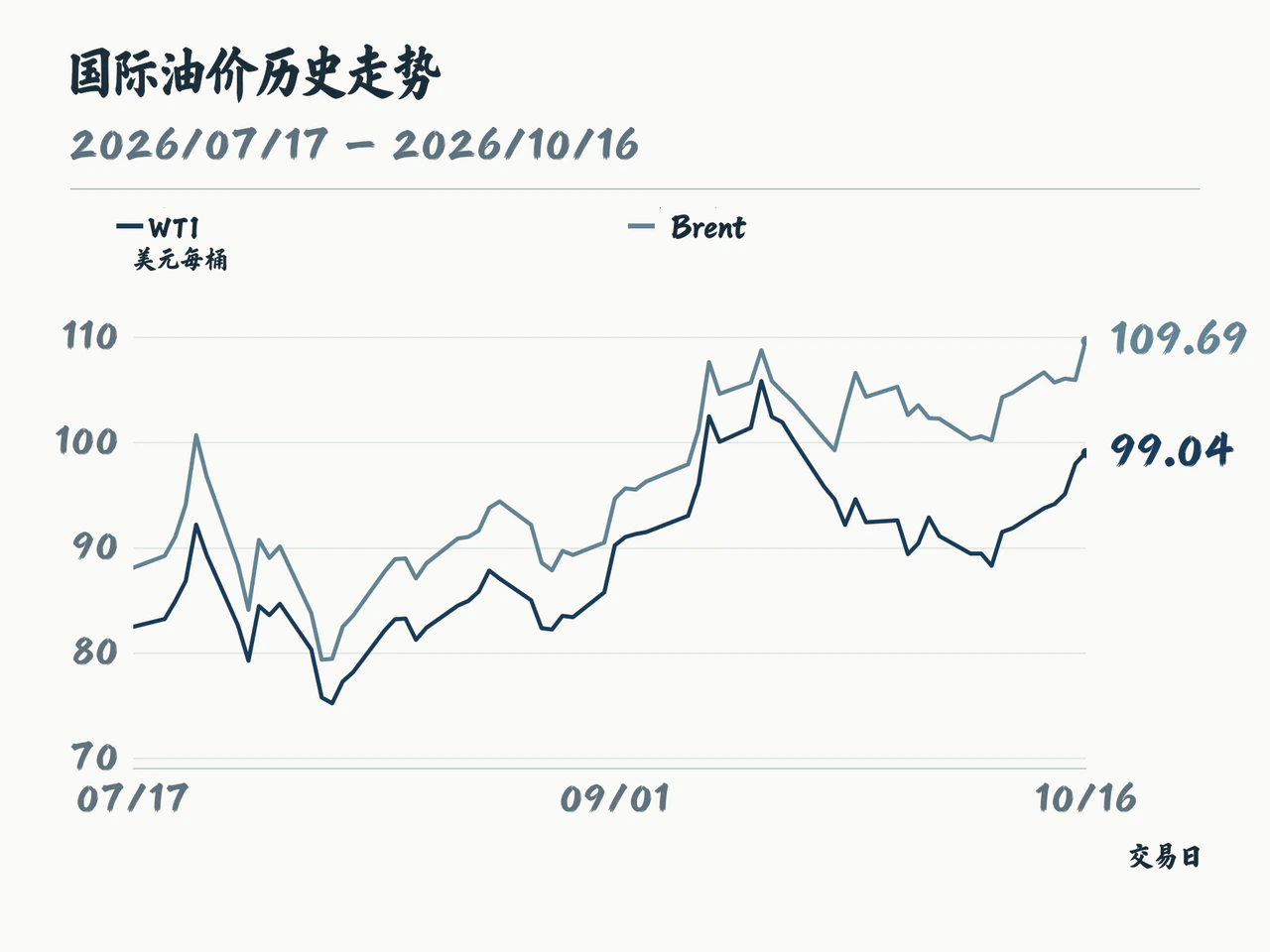
Middle Eastern crude supply had previously recovered meaningfully. The International Energy Agency's (IEA) October report estimated that global oil supply rose by 2.5 million barrels a day in September as Saudi Arabia and other producers restored production. Gulf producers' crude exports increased by 4.4 million barrels a day month on month to 13.9 million, recovering to more than three-quarters of prewar levels, while oil flows through the Strait of Hormuz rebounded to 10.9 million barrels a day.
That recovery suffered another setback in mid-October. Reuters reported on October 16 that attacks around the Strait of Hormuz had increased markedly over the preceding ten days. Kpler analysts said in an October 15 report that the escalation had already caused a significant decline in Gulf crude flows. Without a comprehensive political agreement, they expected the recovery in Hormuz transport to be slower and more volatile. Thus, although OPEC+ decided on October 4 to leave November production targets unchanged, stable nominal targets could still coexist with large fluctuations in actual supply. Effective supply now depends on the pace of existing capacity's restart, the reliability of alternative routes and timely shipment of cargoes. Even where upstream production resumes, tanker turnaround times, insurance and transit risks continue to raise buyers' actual procurement costs.
The more acute imbalance is that refined-product supply has not recovered in step with crude. The IEA estimated Middle Eastern product exports at only 1.9 million barrels a day in September, still well below the prewar 4.7 million, keeping diesel supply under pressure. Its report described falling diesel inventories, rising crack spreads and deeper backwardation, indicating buyers' willingness to pay more for prompt delivery. Although high freight costs were squeezing European and Asian refining margins, near-term fuel tightness continued to transmit to crude through refinery purchasing.
Hurricanes amplify a U.S. crude draw of 8.6 million barrels; further distillate declines and Russian refinery attacks tighten diesel
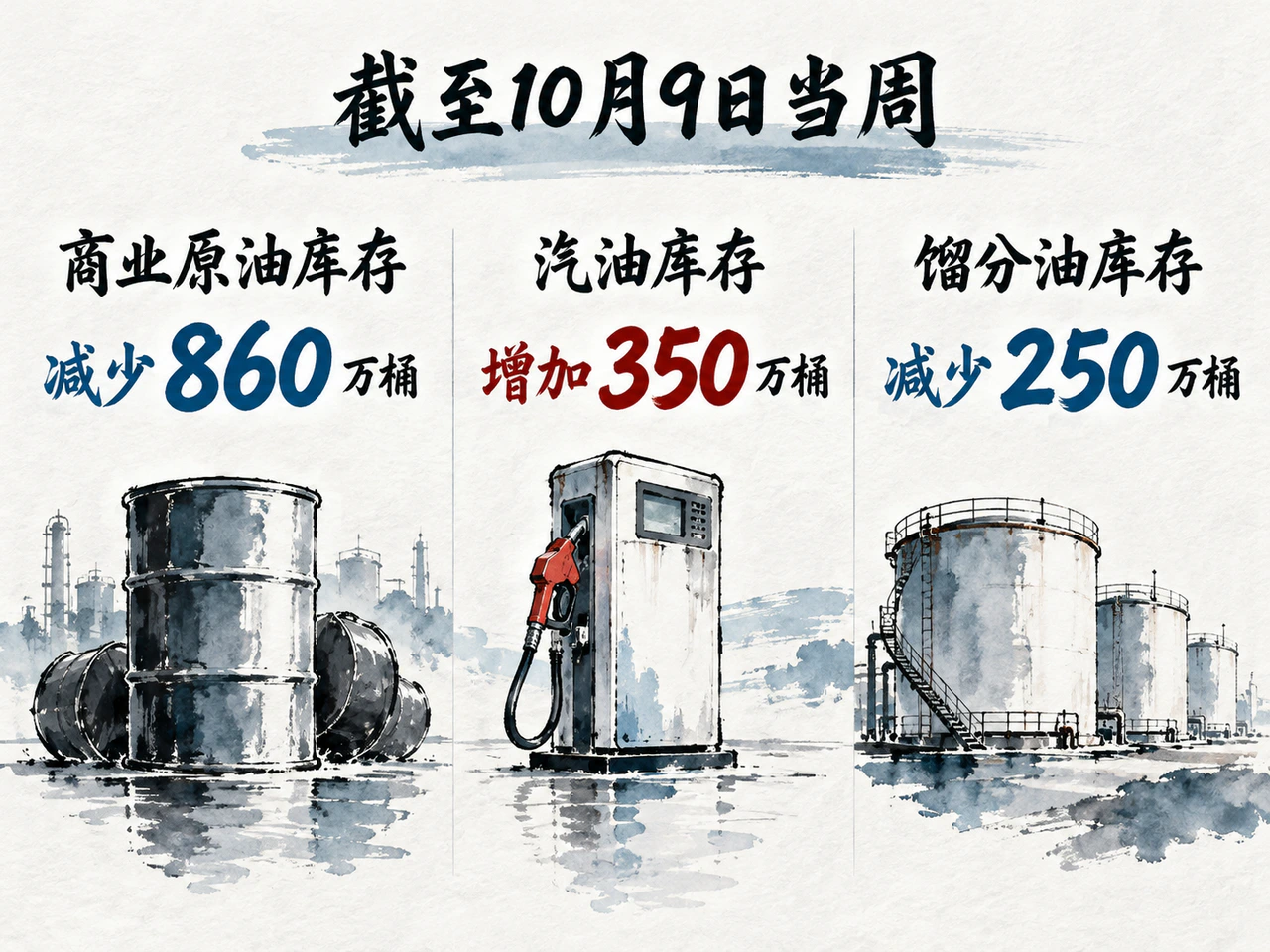
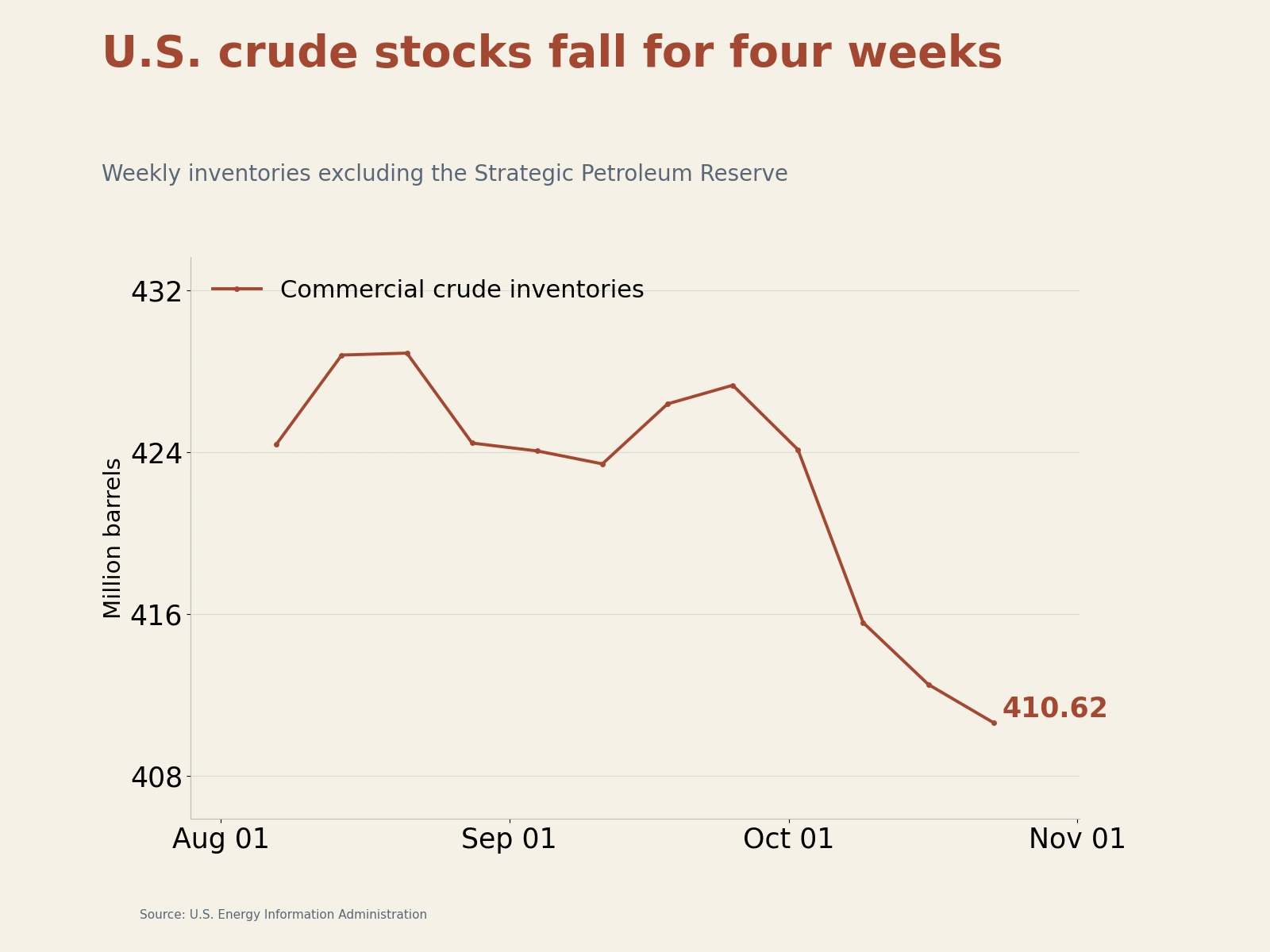
The latest U.S. inventory data also showed divergence between crude and products. Citing Energy Information Administration (EIA) data released October 15, Reuters said U.S. commercial crude stocks fell by 8.6 million barrels to 415.6 million in the week ended October 9, far exceeding the expected 288,000-barrel decline. However, hurricane-related production shutdowns and import disruptions were major reasons for the large commercial crude draw. Net crude imports fell by 596,000 barrels a day that week, while Cushing crude inventories still rose by 1.9 million barrels and gasoline stocks increased by 3.5 million.
The diesel shortfall, by contrast, was more persistent than the weather disruption. In the week ended October 9, even as U.S. refinery utilization rose to 93.5%, distillate inventories, including diesel and heating oil, fell by 2.5 million barrels to 102.6 million. U.S. crude production and logistics should recover once the weather disruption fades, but with winter heating demand approaching, pressure to replenish diesel and heating-oil stocks will be harder to resolve quickly.
Russia's prospects for additional supply were also constrained by refining capacity. Reuters reported on October 16, citing two industry sources, that a crude atmospheric distillation unit at Russia's Ryazan refinery had shut after a drone attack on October 15. Even if the U.S. considered easing some tanker restrictions to improve transport conditions, additional Russian diesel exports would still require available refining units. To address tight fuel supply, IEA members agreed to accelerate reserve releases, including more than 20 million barrels of diesel. Releases help ease delivery pressure, but their ability to bring down spot procurement premiums depends on the pace of distribution and the location of consumers, with recovering supply and inventory buffers both needed.
IEA expects global Q4 demand to fall 2.5 million barrels a day year on year, but supply constraints leave a deficit through year-end
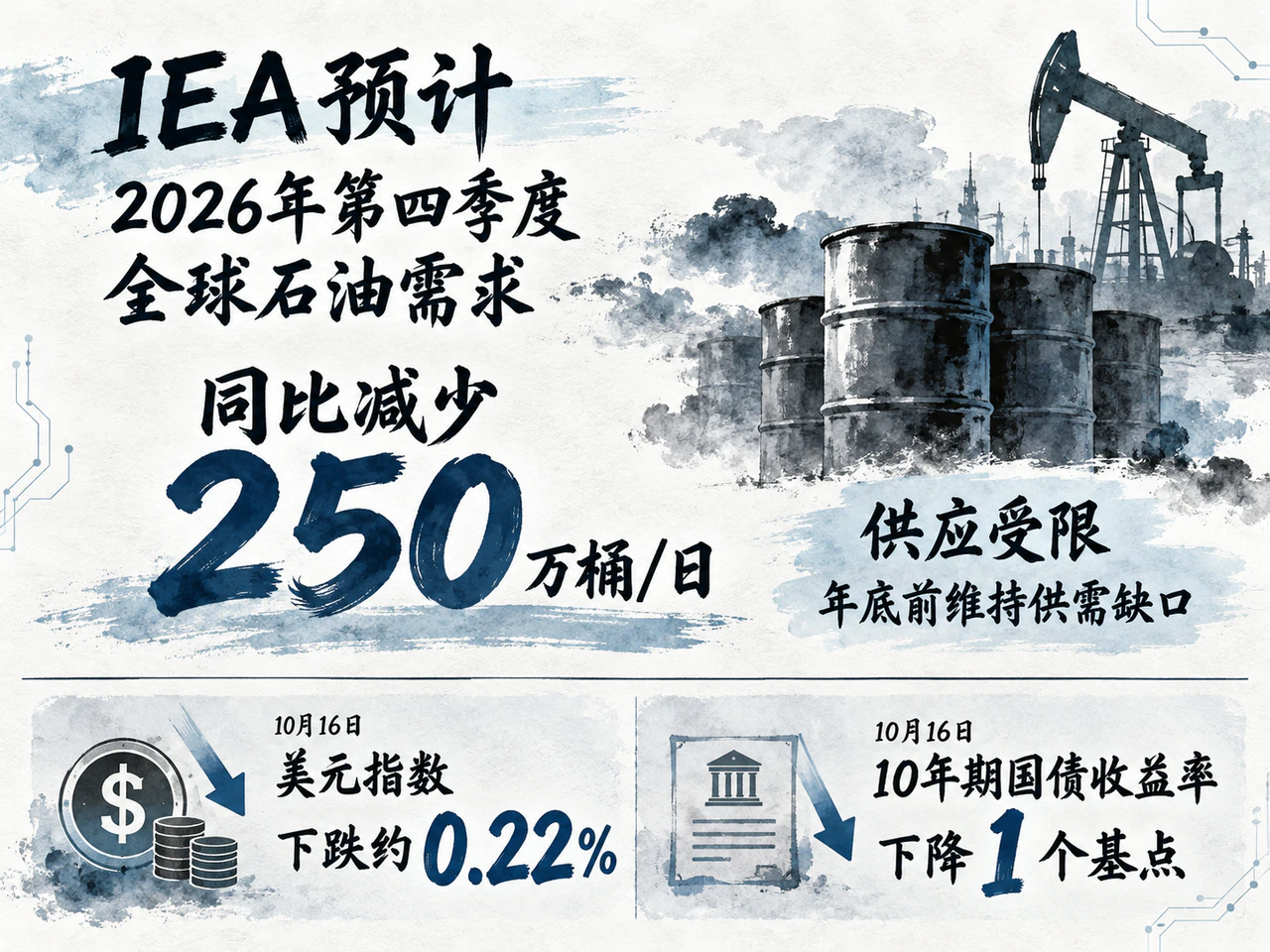
In external financial conditions, the dollar index fell about 0.22% on the provider's daily closing basis on October 16, while the 10-year U.S. Treasury yield declined 1 basis point, offering modest support to oil that day. Amid heightened market volatility, however, energy transport and fuel supply remained the main drivers.
High oil prices had begun to restrain consumption in turn. The IEA expected global oil demand to fall by 2.5 million barrels a day year on year in the fourth quarter of 2026, but constrained supply would still leave the market in deficit through year-end. Weaker demand undermined the basis for sustained price gains, while inventory depletion and transport interruptions made a rapid near-term price decline difficult.
Four physical indicators merit attention next: whether actual Hormuz traffic and Gulf exports can sustain their recovery; whether post-hurricane U.S. production and import recoveries allow commercial crude stocks to rebuild; whether diesel reserve releases translate into better inventories and narrower prompt premiums; and whether damaged Russian refineries restart and add exports. The first two determine the pace of crude supply recovery, and the latter two whether fuel tightness eases. If physical flows improve while demand remains weak, upward pressure on oil prices will gradually give way to greater resistance. If shipping and refineries remain disrupted, the buffer from reserve releases could be used up relatively quickly.