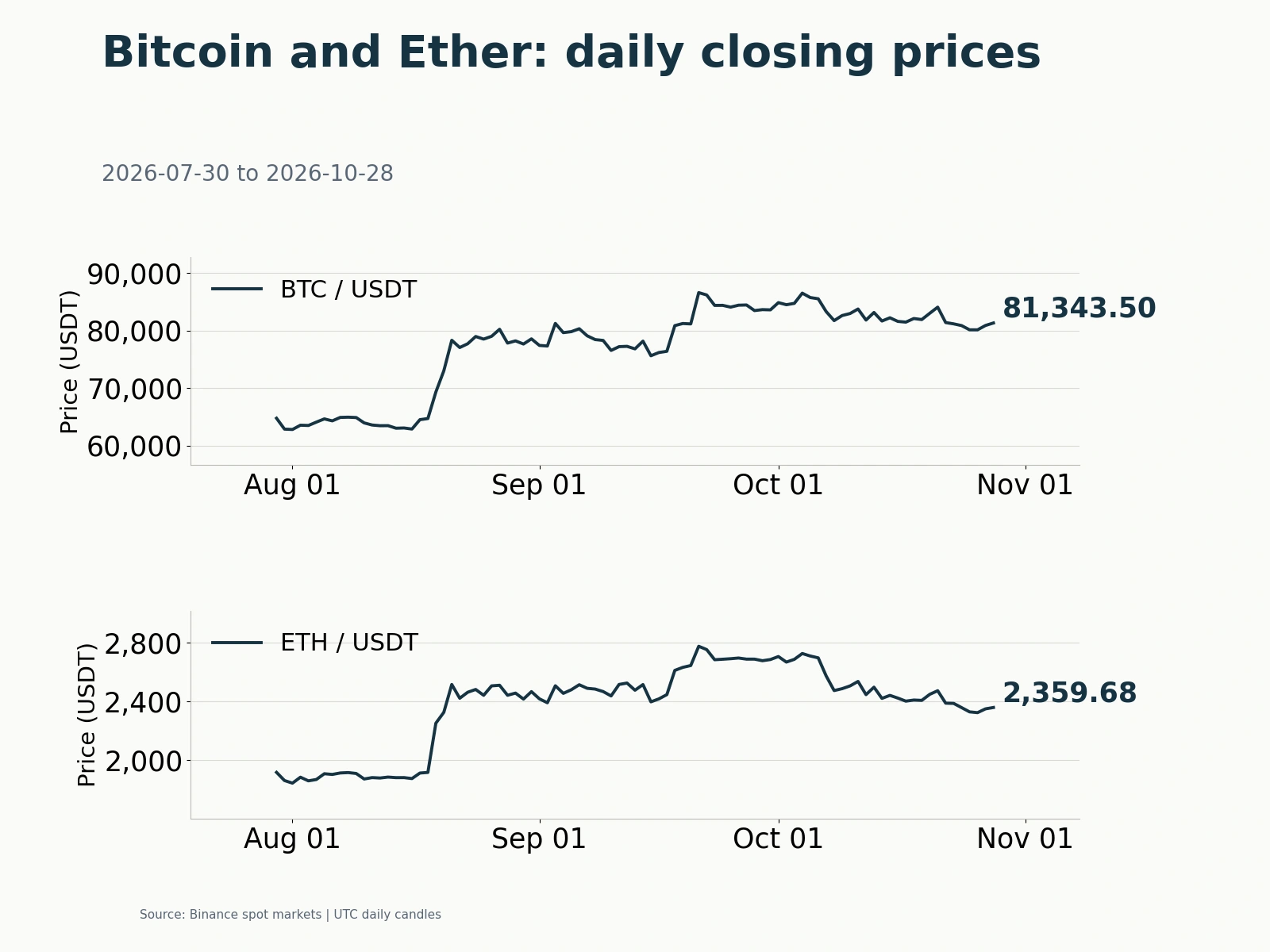
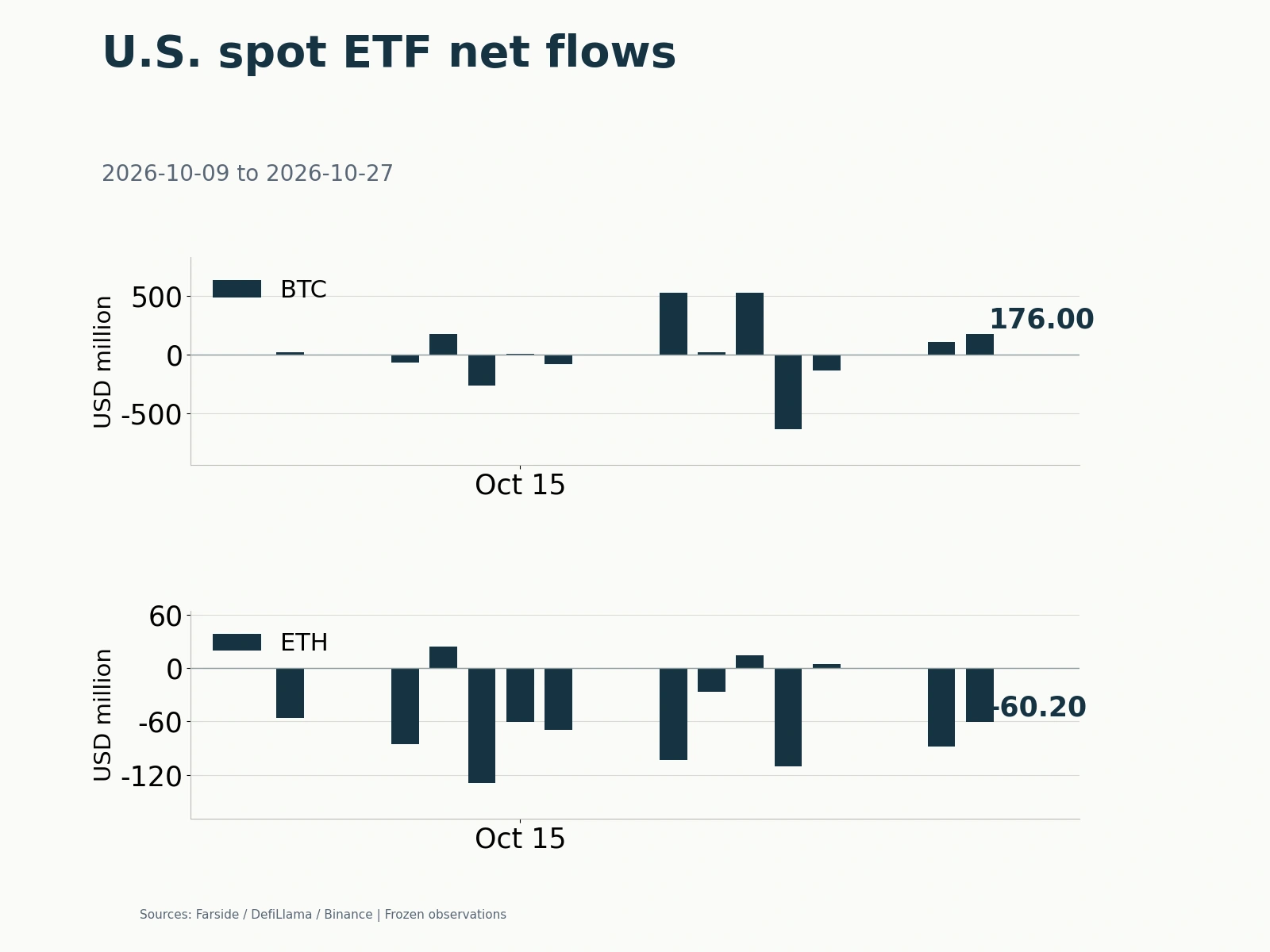
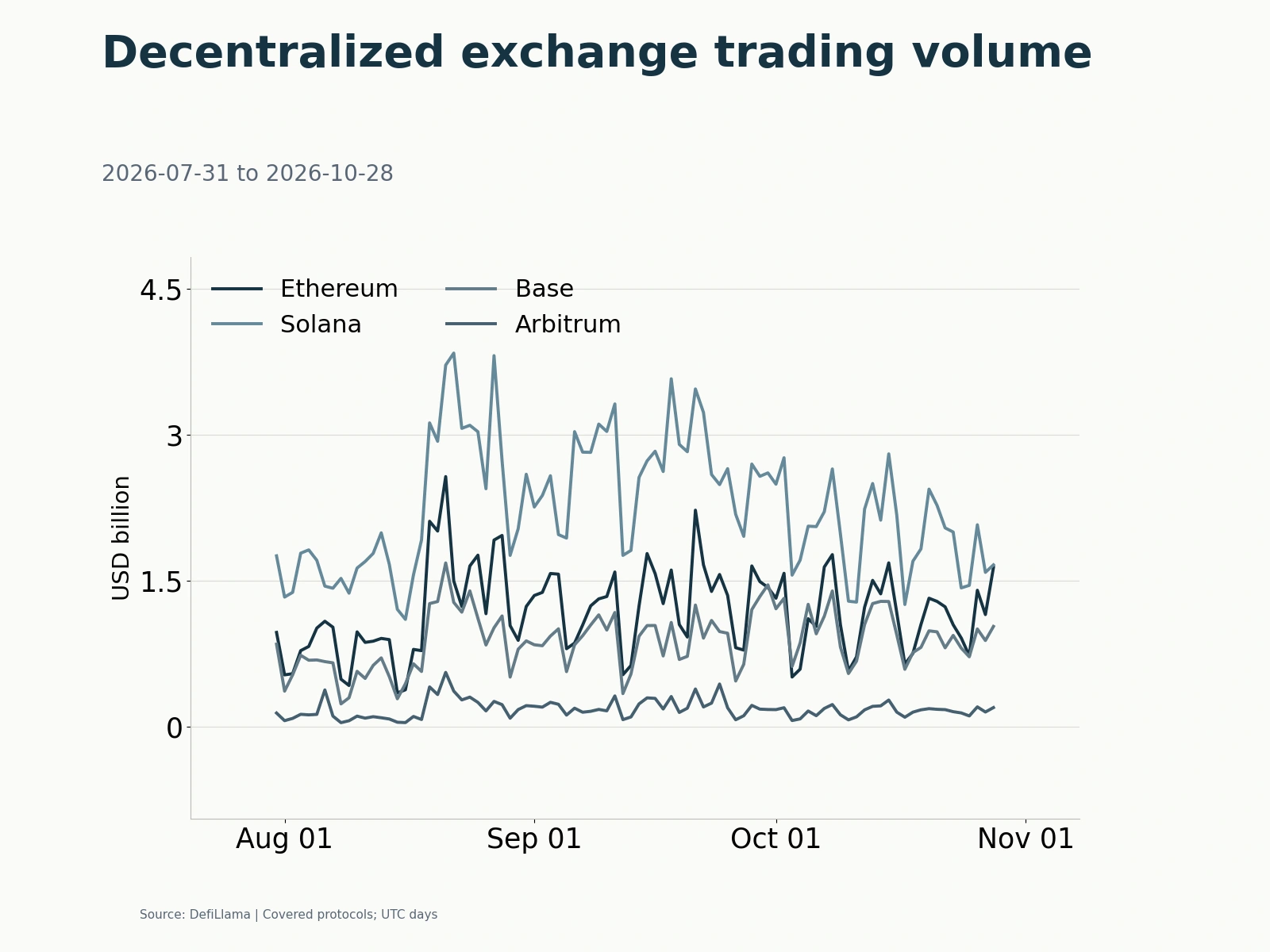
During the October 19 UTC trading day, corresponding to 08:00 on October 19 through 08:00 on October 20 Beijing time, crypto prices rose before retreating. Based on Binance spot USDT-pair daily closes, Bitcoin briefly regained the 83,000 USDT level but finished at 81,938.40 USDT, down 0.22% from the previous day. Ether closed at 2,408.01 USDT, down 0.10%. A rebound in U.S. technology stocks eased near-term selling pressure, while JPMorgan's on-chain settlement and listed companies' purchases made further progress. Buying had not yet coalesced into a sustained force pushing prices higher, however. Major tokens remained divided, with flows over the past month still clearly favoring Bitcoin.
Nasdaq rebound cannot offset higher oil and Treasury yields; major tokens remain mixed

The session followed a classic rise-and-fade pattern. CoinDesk reported that AI-related and chip stocks that had fallen heavily the previous week led a premarket recovery, lifting Nasdaq 100 futures by more than 1%. The Nasdaq Composite was up as much as 1.8% during U.S. trading. Improved external risk appetite helped Bitcoin reach an intraday high of 83,158.00 USDT and Ether reach 2,446.27 USDT.
Cross-market pressure reappeared during U.S. equity trading. CoinDesk noted that rising Middle Eastern security risks lifted WTI from its Asian-session low, while the U.S. 10-year Treasury yield returned to around 5.13%. Stabilizing equities eased immediate risk aversion, but higher energy prices and Treasury yields continued to constrain expectations of monetary easing. Crypto assets offer no coupon income; with the opportunity cost of forgoing cash and bonds still high, the technology-stock recovery failed to generate sustained token-price gains. Overhead selling pushed Bitcoin down to an intraday low of 81,748.85 USDT, and it closed only slightly above that level. Ether also surrendered its gains, returning to 2,408.01 USDT.
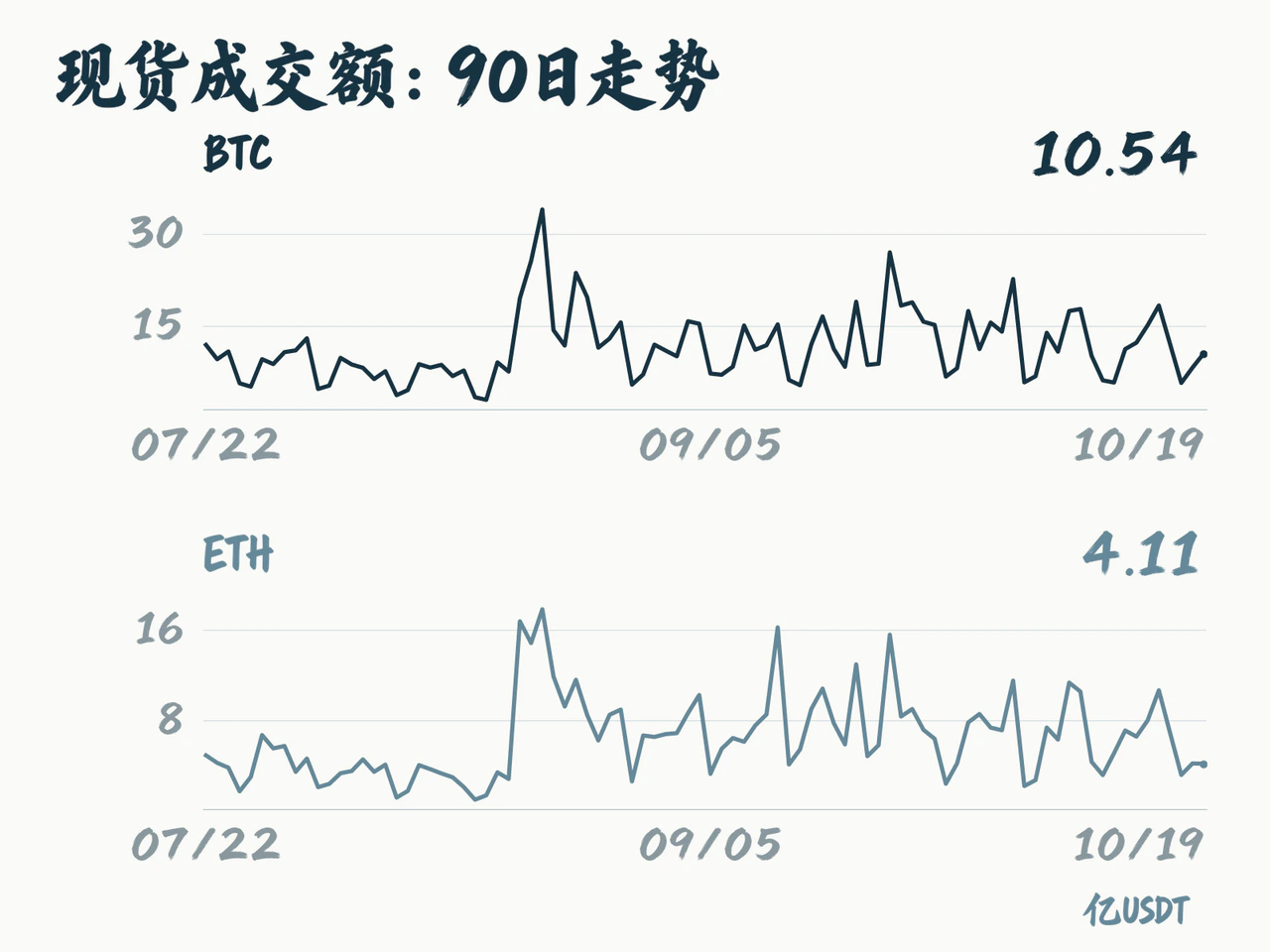
Turnover likewise confirmed the limited strength of the recovery. Binance BTC/USDT spot turnover totaled 1.054 billion USDT, up 28.0% from the previous day, reflecting the normal rise in activity from Sunday to Monday. It nevertheless remained below the daily average of 1.289 billion USDT over the preceding 30 complete trading days. ETH/USDT spot turnover was 411 million USDT, essentially unchanged and well below its preceding 30-day average of 682 million USDT. A broader expansion in trading activity had yet to emerge.
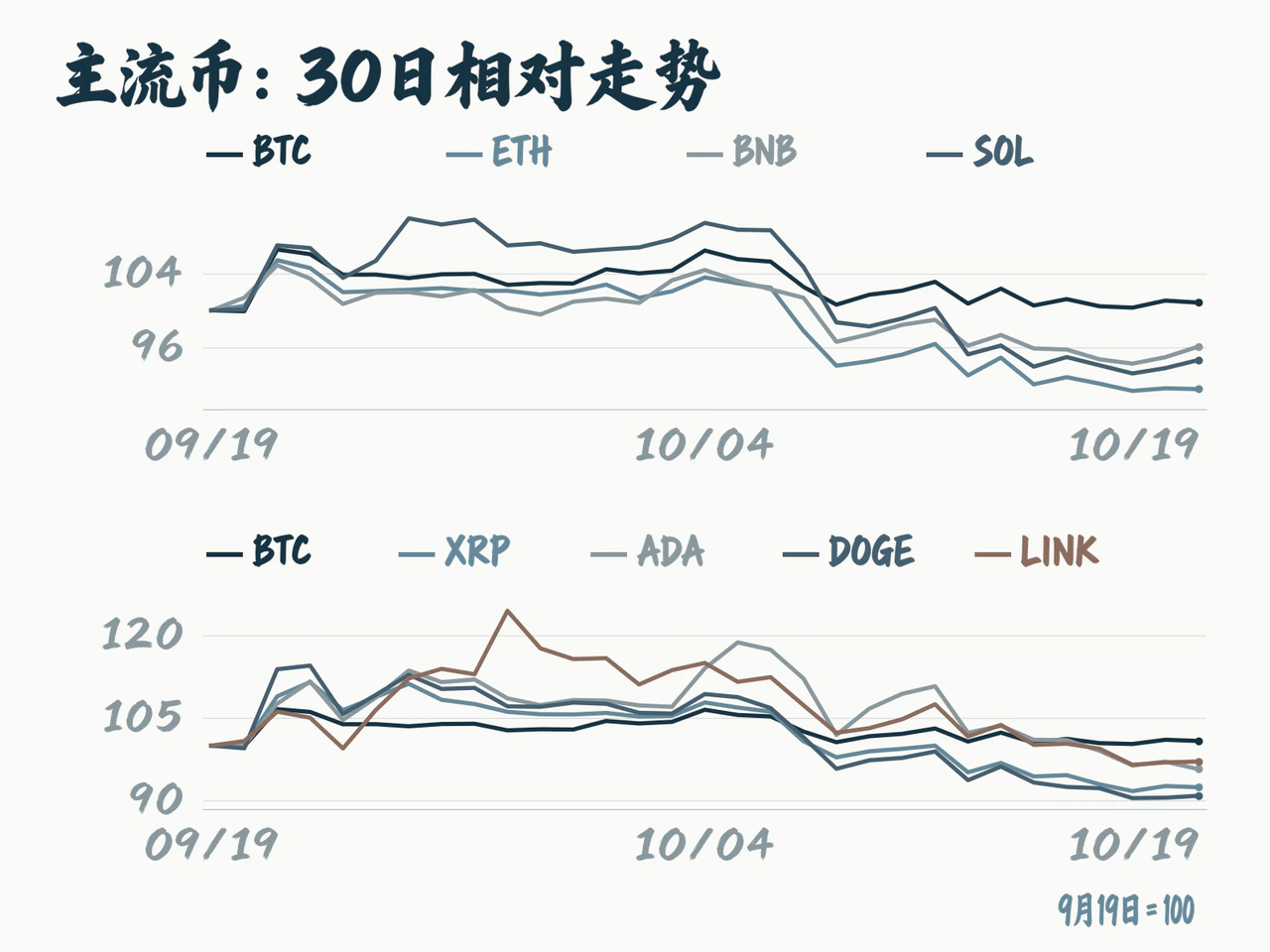
Major-token performance showed pockets of recovery rather than a synchronized strengthening. Among BTC, ETH, BNB, SOL, XRP, DOGE, ADA and LINK, four rose and four fell. BNB gained 1.21%, SOL 0.93%, DOGE 0.39% and LINK 0.16%; alongside small declines in BTC and ETH, XRP fell 0.23% and ADA 1.40%. Over 30 days, the concentration in Bitcoin was more pronounced: Bitcoin gained 0.85%, while Ether fell 8.53%, SOL 5.38% and XRP 7.54%. Based on closing prices on the same platform, ETH/BTC had fallen to 0.02939, down 9.30% from 30 days earlier. A modest one-day stabilization was insufficient to reverse the preference for Bitcoin.
JPMorgan brings its deposit token to Ethereum; Strategy balances Bitcoin buying with preferred-share repurchases

On institutional adoption, JPMorgan told The Block that it had expanded its dollar deposit token, JPM Coin, to Ethereum mainnet to provide on-chain payments for institutional clients. Previously operating on Base, the product brings a bank-deposit settlement instrument directly to Ethereum mainnet, connecting it more closely with tokenized assets already there. This improves on-chain trading and settlement conditions: institutions holding on-chain assets can pay directly with bank deposit tokens, reducing the operational friction of separate asset and cash movements. Broader access must still feed into ETH valuation through on-chain transactions, fee consumption and asset-allocation demand over time, leaving a near-term lag relative to secondary-market prices.
Corporate allocations in the Bitcoin market took different directions. Strive CEO Matt Cole disclosed on October 19 that the company had bought 1,223 Bitcoin over the preceding Wednesday through Friday at an average price of $81,734, showing that some institutional buyers were still absorbing supply after the pullback.
Strategy disclosed the same day that it had added 267 Bitcoin while repurchasing $193 million of STRC preferred shares and raising its authorization to repurchase digital credit securities from $2 billion to $3 billion. CoinDesk reported that this allocation sparked community debate: some participants questioned whether further preferred-share buybacks were preferable to buying Bitcoin directly now that STRC had recovered close to par. Saylor responded that building a large-scale market required continued investment. The debate reflects the multiple goals of listed companies' balance-sheet management: capital funds direct Bitcoin exposure, but also supports financing-instrument prices and reduces future dividend obligations. Preferred shares' secondary-market performance and financing costs therefore directly affect subsequent Bitcoin-purchasing capacity. How quickly announced financing or buyback authorizations translate into spot buying still depends on specific capital arrangements.
The market currently presents two parallel developments: institutional applications and corporate participation continue to advance, but macro constraints and weak turnover mean a broad secondary-market recovery remains unconfirmed. Around 83,000 USDT remains a supply-resistance zone for Bitcoin's rebound, with participants favoring selective buying over a collective chase higher. A firmer recovery requires Bitcoin to hold its rebound highs, broader gains among major tokens and turnover moving back above its monthly average.
Click “Read the original” for full details.