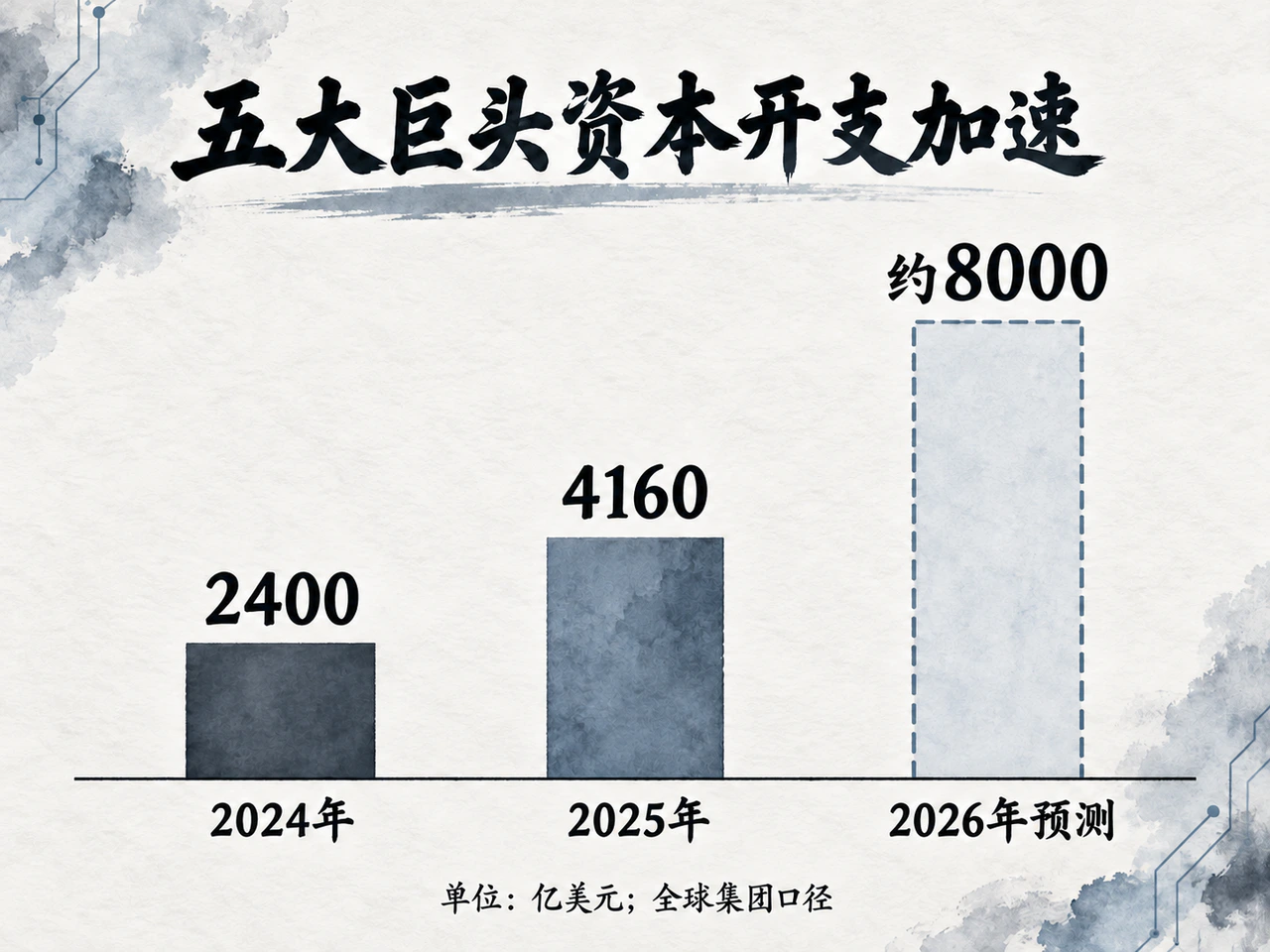
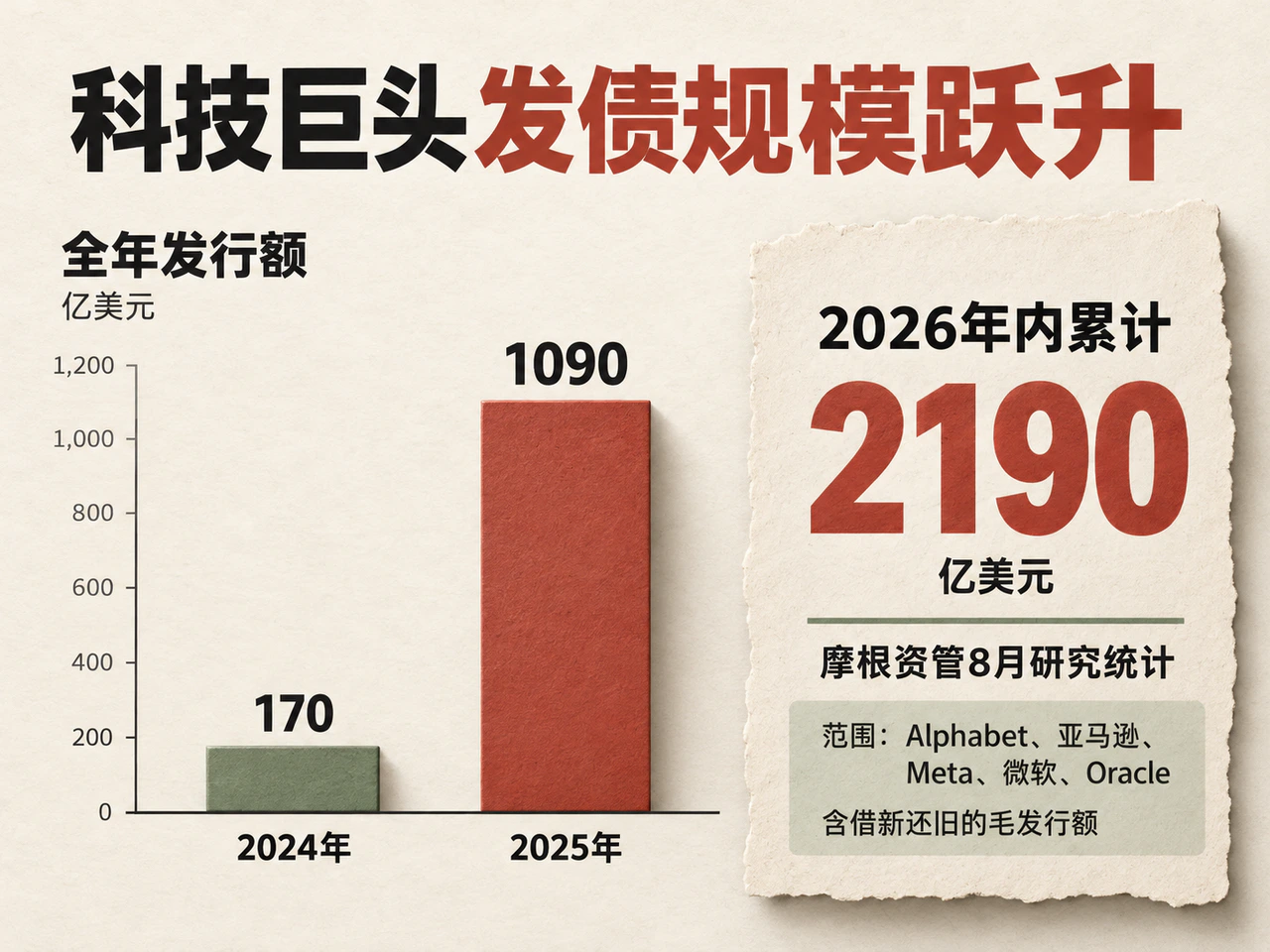
By the afternoon of October 24, Beijing time, the most closely watched tension in AI computing investment centered on neocloud companies such as CoreWeave: downstream customers were still signing contracts and revenue had doubled, yet both the company's shares and unsecured bonds were being sold. These businesses specialize in buying high-performance chips, building computing clusters and renting capacity to AI developers, serving as an important bridge between chipmakers and large-model companies.
CNBC reported on October 23 that shares in CoreWeave, Nebius and IREN had each fallen more than 30% during the month, while yields to maturity on some CoreWeave unsecured bonds had climbed above 15%. A Bloomberg market report the same day revealed a deeper structural divergence: even as CoreWeave corporate bonds sold off, two leveraged loans secured by its chip assets and contracted cash flows continued to trade close to par.
Capital markets were assigning two sharply different prices to the same computing company. The key to that contrast is whether computing revenue can materialize quickly enough to keep pace with upfront construction expenditure and debt maturities, and where different layers of capital sit in the cash-flow waterfall. Growing downstream demand can support capacity expansion without automatically filling the construction-stage funding gap. A computing contract sufficient to protect an underlying secured loan may still leave less-than-attractive returns for unsecured parent-company creditors and shareholders.
1. A $100 billion order book offers little immediate relief: First-half cash capital expenditure exceeds operating cash flow by more than $10.4 billion
CoreWeave's expansion does have support from reported revenue and orders. Second-quarter 2026 revenue reached $2.575 billion, more than double the $1.212 billion a year earlier, and its revenue backlog stood at about $104 billion at the end of June. In September, the company also disclosed that it had signed short-term computing contracts lasting about three to six months during the third quarter, showing that some customers were still willing to pay a premium for immediately available capacity.
Computing rental is a business in which funding must come first. Hardware purchases and data-center deployment must be paid for upfront, while rental income is recovered gradually over years. Even when customers sign multiyear contracts, chips, servers and power facilities cannot wait to be purchased until all the rent arrives years later. The faster the company expands, the larger the funding gap often becomes between construction spending on the next set of projects and cash receipts from the previous set.
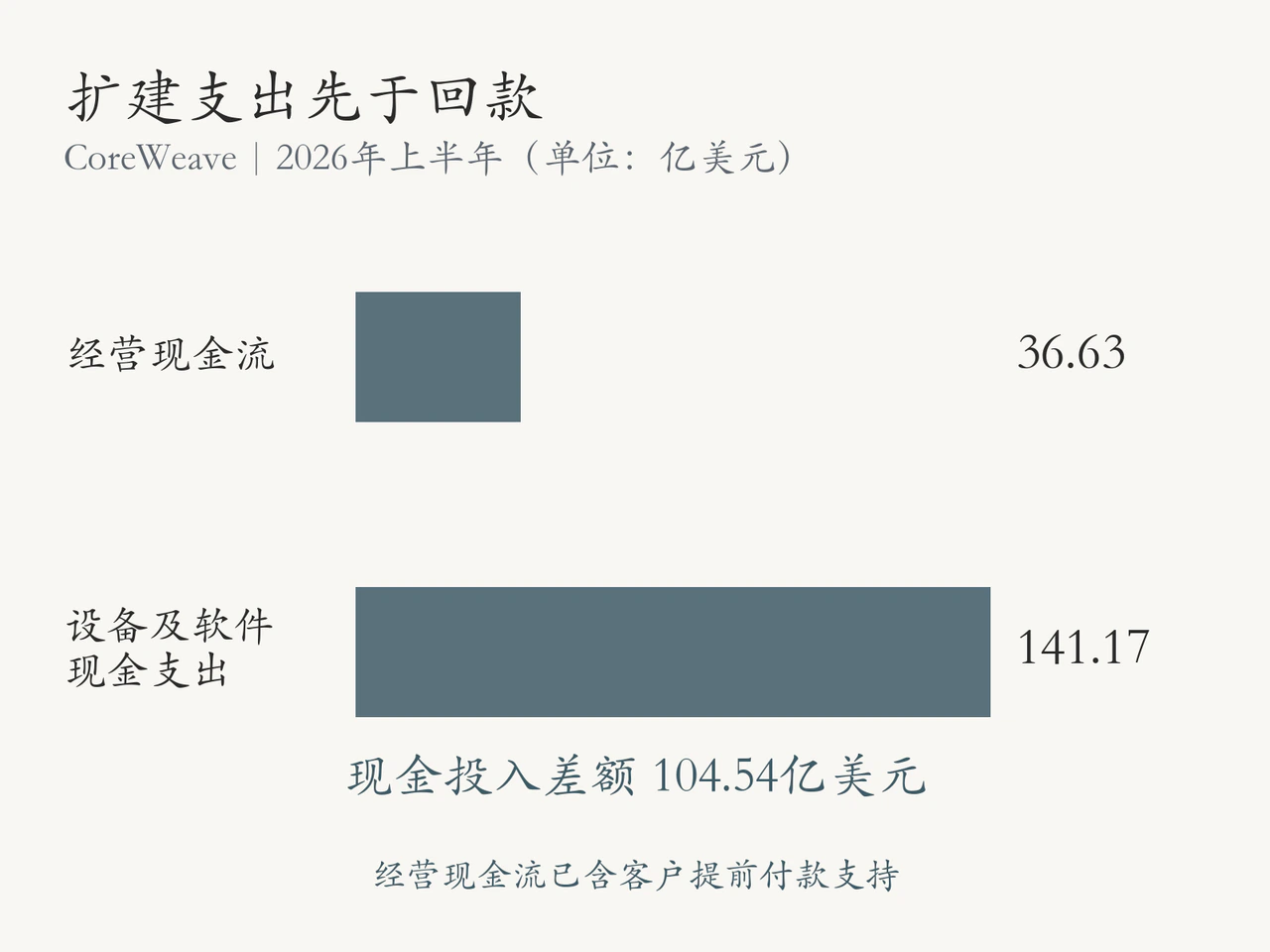
The cash-flow statement shows the gap between internally generated cash and expansion expenditure. In the first half of 2026, after expensed cash interest, CoreWeave generated $3.663 billion in net operating cash flow. Changes in deferred revenue contributed $1.365 billion, reflecting support from customer advance payments. Cash spending on equipment and capitalized internal-use software, however, reached $14.117 billion, exceeding operating cash flow by $10.454 billion. The company also separately repaid $5.219 billion of debt principal during the half, leaving it continuously dependent on new borrowing and equity financing to sustain capacity expansion.
The $100 billion-plus order book also offers limited immediate relief. Using the slightly different remaining performance obligations, or RPO, measure in its financial statements, the company expected 41% of its $103.7 billion end-June balance to be recognized as revenue over the following 24 months and 39% in months 25–48. Long-term contracts secure several years of business visibility, but most revenue must be realized in installments as computing capacity is delivered and services continue to be performed. Moreover, accounting revenue recognition is different from customers' actual payment timing. Only customer prepayments expressly specified in contracts can help fund construction in advance.
Even so, these long-term contracts have substantial financing value. In the second quarter, 98% of CoreWeave's revenue came from committed contracts with take-or-pay provisions. Once the contractual commencement and service-availability conditions are met, customers must pay for committed capacity; short-term fluctuations in actual computing usage generally do not reduce payments proportionately. Customers' eventual utilization and the profitability of downstream AI applications remain a separate long-term test, but binding payment commitments already allow lenders to model and schedule debt service. On the August earnings call, management said a typical five-year contract could repay asset-level debt during its initial term and generate additional free cash flow. Provided equipment enters service on time, customers pay as agreed and rent covers operating and financing costs, debt instruments can indeed convert future contracted revenue into construction funding today.
The problem is that current operating profit still provides weak coverage of hardware consumption and interest costs. CoreWeave's second-quarter adjusted EBITDA reached $1.510 billion, a 59% margin, but that measure excludes depreciation and interest, the central costs of its asset-heavy model. Quarterly depreciation and amortization were $1.393 billion. Even on the company's adjusted basis, operating profit was just $128 million; under US GAAP, it recorded a $49 million operating loss, against net interest expense of $640 million.
Admittedly, the enormous current expansion expenditure includes advance investment in future business and cannot all be treated as the cost of maintaining existing revenue. Conversely, a high EBITDA margin that excludes asset consumption and interest is no measure of full-cycle returns on computing equipment. While current operating profit remains insufficient to cover interest, the financing chain's stability depends on whether cash returns from newly commissioned capacity can keep pace with funding costs and principal repayments.
2. Project loans near par, corporate bond yields above 15%: Capital prioritizes secured cash flows
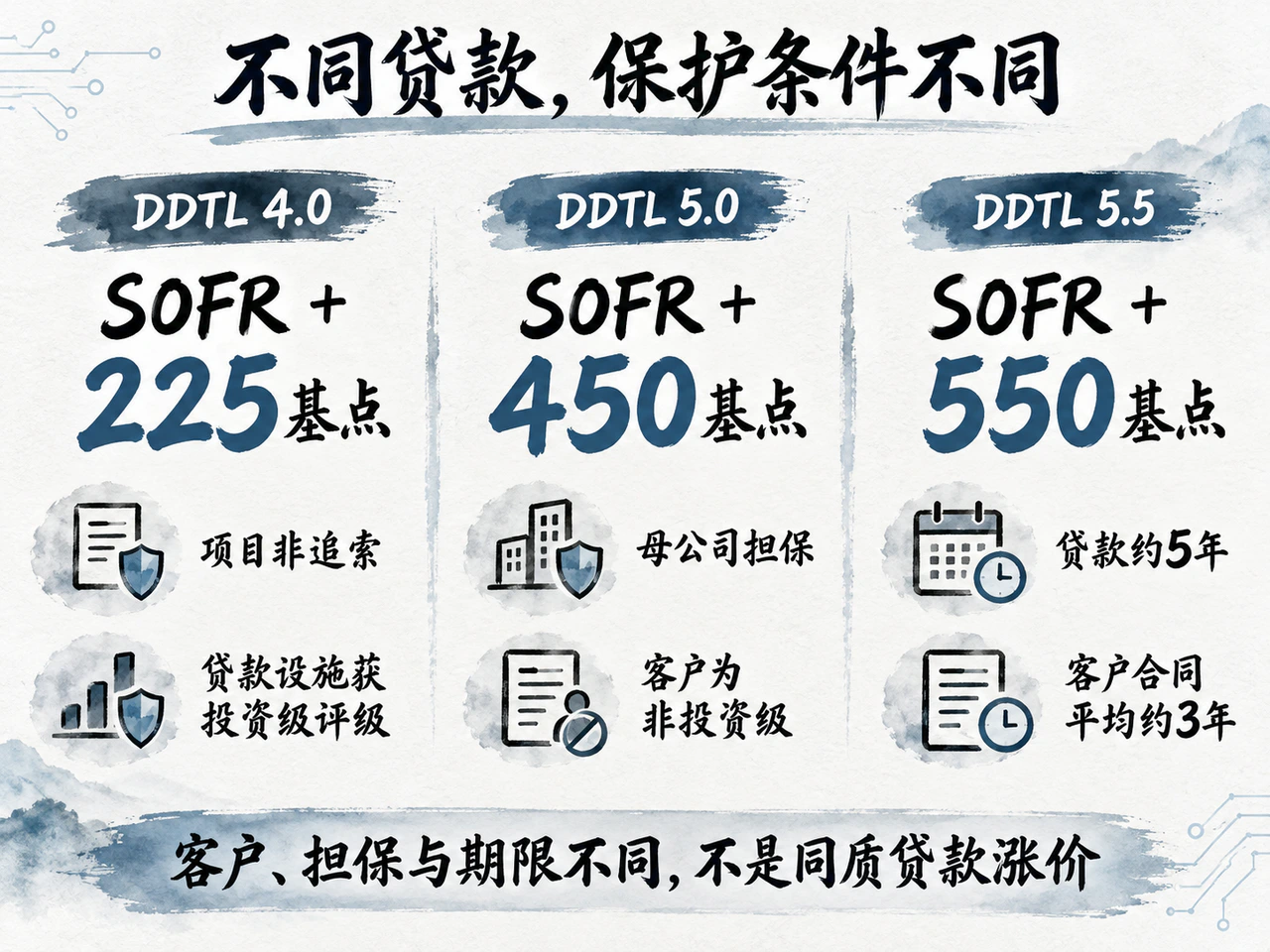
With cash flow heavily dependent on external funding, lenders' risk appetite directly determines financing costs. Three delayed-draw term loan facilities, or DDTLs, established by CoreWeave in 2026 allow projects to draw funds in stages under agreed conditions. They clearly show how different customer credit profiles and guarantee structures produce sharply different financing prices.
| Facility | Amount and timing | Main terms |
|---|---|---|
| DDTL 4.0 | March 2026; up to $8.5 billion | Non-recourse project financing at a floating rate of SOFR plus 225 basis points; secured by equipment and contracted cash flows; the facility received an investment-grade rating |
| DDTL 5.0 | May 2026; $3.1 billion | Serves two large non-investment-grade customers; SOFR plus 450 basis points, with a parent-company guarantee |
| DDTL 5.5 | August 2026; $2.6 billion | SOFR plus 550 basis points; loan term about five years, underlying customer contracts averaging about three years |
The spreads in the table are added to the US dollar Secured Overnight Financing Rate, or SOFR. The widening from 225 basis points in March to 450 in May and 550 in August is not simply a price increase for identical loans. It reflects differences in underlying customer credit, credit enhancement and guarantees, and maturity matching.
Take March's lowest-cost DDTL 4.0. Its narrow spread rests on strict asset segregation and credit enhancement. Specific project entities bear the debt, secured by hardware, project equity and other assets. Drawings are tightly limited by eligible asset value and projected debt-service capacity, and project accounts must retain cash reserves sufficient for several months of principal, interest and operating expenses. Non-recourse means that, apart from agreed exceptions such as fraud, repayment generally relies only on the project's own assets and cash flows; the parent has no ordinary obligation to repay the full amount. Clear repayment sources, creditor priority and risk boundaries allowed rating agencies to award the facility an investment-grade rating and lenders to accept a lower spread.
Yet the security of the underlying project loans itself constrains funding at the parent level. Once hardware is pledged and project cash flows must first service project debt, the associated collateral and project cash in the consolidated accounts become restricted and cannot be freely redirected by the parent to the next expansion. When high-quality assets and predictable cash flows are locked in at project level, residual risks—including construction without matched financing, group overhead and equipment renewal after contracts expire—may still fall on unsecured group-level creditors and common shareholders.
This funding preference is not unique to CoreWeave. Peer Nebius disclosed in its second-quarter shareholder letter that 70% of new deals signed during the quarter included customer prepayments covering 50%–60% of associated capital expenditure. Its $775 million secured financing obtained in July also carried a spread as low as SOFR plus 250 basis points, backed by deployed GPU assets and investment-grade customer contract cash flows. A higher customer prepayment share reduces a computing provider's dependence on external borrowing. Stronger customer credit and projects closer to stable operation make it easier for lenders to establish predictable principal-and-interest recovery.
The divergence between CoreWeave's unsecured corporate bonds and chip-secured loans then becomes clear. Besides collateral and repayment priority, interest-rate structure and trading liquidity affect secondary-market performance. Project loans have floating rates and amortize principal, making them less sensitive to rate movements. Fixed-rate unsecured corporate bonds are more vulnerable to discounts when market rates rise and liquidity changes, although public information is insufficient to quantify the respective contributions of rates, credit and liquidity to this sell-off. The above-15% figure is the secondary-market yield to maturity implied by falling prices of particular bonds; the existing bonds' fixed coupons have not changed. But the yield demanded in secondary markets may raise the bar for the company's next financing negotiations and transmit pressure to equity valuations through higher marginal funding costs, potential dilution and constraints on expansion.
3. Data-center delivery delays and five-year loans against three-year average contracts expose the timing gap between orders and repayments
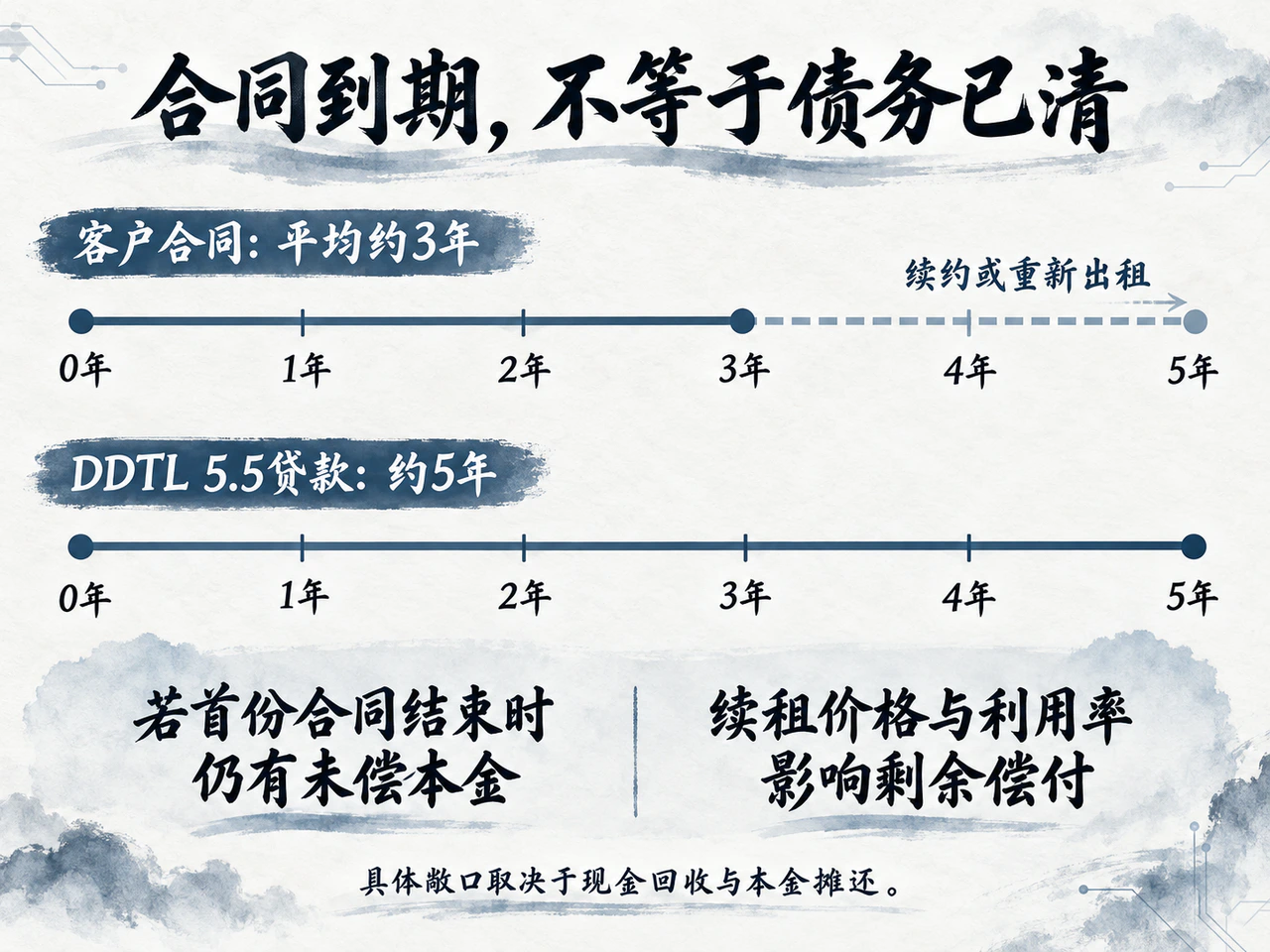
Assessing whether reported orders can convert smoothly into debt-service cash requires examining construction delivery and debt repayment on the same timeline.
CoreWeave had already cut its full-year revenue outlook in 2025 because of third-party data-center delivery delays. Management emphasized then that the total value of the backlog had not shrunk. But for a company that must continually fund expansion upfront, unchanged orders combined with delayed revenue recognition create a longer time gap that itself entails additional financing costs.
Recent peer developments again demonstrate the fragility of construction delivery. CNBC reported on October 21 that Australian data-center operator NextDC sharply reduced its fiscal 2027 guidance because of delays to power upgrades at its Melbourne project. It lowered the midpoint of its revenue range by about 22% and of underlying EBITDA by about 36%. Even when downstream computing demand remains intact, obstacles to grid connections, construction and local approvals can directly erode current revenue and profit realization.
Such delivery risks also appear in CoreWeave's contracts and accounts. Its RPO estimates incorporate service-availability compensation and revenue that may not be recognized because of late delivery. Meanwhile, some loan agreements specify particular amortization dates for delayed projects among the triggers for monthly principal repayment. If a project is delayed, principal payments may therefore begin before computing services generate cash as planned, forcing the company to use cash reserves or raise additional outside funding to bridge the gap.
A more distant test comes after the first customer contract expires. DDTL 5.5, established in August this year, has a roughly five-year term, while its underlying customer contracts average only about three years. Compared with earlier financing structures in which customer contracts fully covered debt maturities, the company's announcement explicitly said lenders were willing to assume renewal risk. The arrangement has clear commercial appeal: shorter contracts can attract customers reluctant to commit for many years and often command higher prices, while giving the company five-year funding. After the initial contract, it can continue earning revenue through renewal by the original customer or reletting to others.
The mismatch also creates exposure. If principal remains outstanding when the first customer contract ends, subsequent rental prices and data-center utilization will affect the ability to repay the remaining debt on schedule. Actual exposure will depend on how much cash has been recovered and principal amortized during the initial contract, rather than simply equaling the two-year difference between a five-year loan and a three-year contract. Similarly, the expensive three-to-six-month contracts disclosed in September reflected signing conditions for specific capacity at that time and could not lock in rent for the next five years.
Accounting depreciation lives are no substitute for assessing future cash flows either. CoreWeave depreciates technology equipment over six years. This merely allocates acquisition cost over an estimated useful life; it neither guarantees market rent in year six nor changes a binding debt repayment date. Older GPUs can still perform tasks such as inference—management has disclosed an A100 lease renewed through 2029—but equipment retaining utility and its renewal income being sufficient to cover remaining debt are separate questions.
If assets must be sold, collateral realizability will also depend on potential industry buyers' finances. As the Bank for International Settlements discusses in its research on AI investment, the most natural potential buyers of specialized computing equipment often come from the same industry. If several providers face financing constraints simultaneously, sellers forced to dispose of equipment to repay debt may find that potential buyers also lack the funds to purchase it. Projects with long-term contracts and stable operating records can gradually absorb these risks through cash recovery and amortization. Projects dependent on expensive renewals and rolling refinancing face greater uncertainty from fluctuating hardware residual values.
4. Financing remains available, but the bar rises: Customer concentration and funding cushions will divide expansion speeds
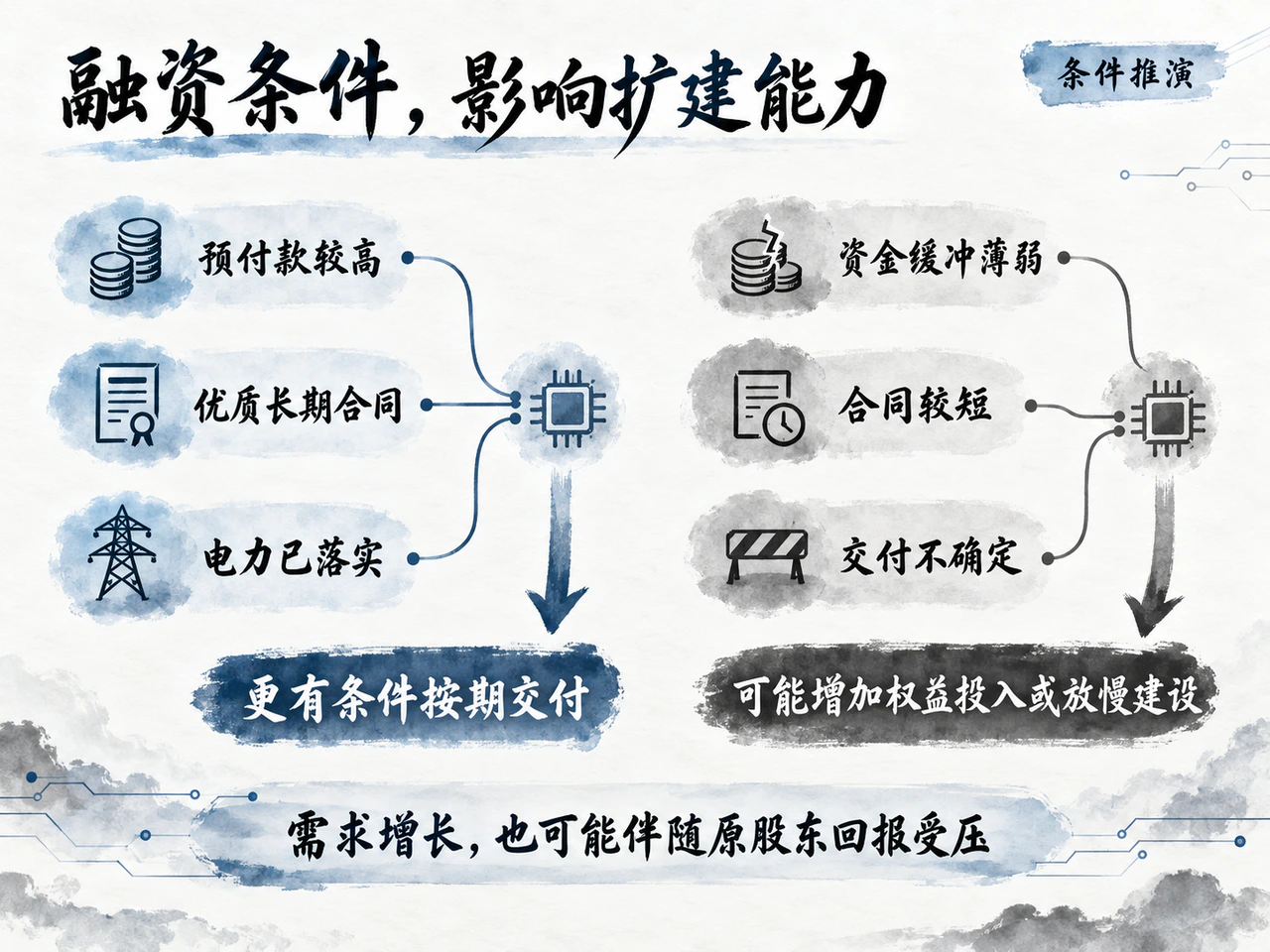
These financial and operational constraints did not suddenly arise in October. Recent industry events and market repricing, however, offer new examples for assessing financing availability and delivery speed.
On October 9, computing-services provider Firmus withdrew its IPO because of market volatility and offering terms that did not reflect the valuation it accepted, turning to other financing channels. Even with clear construction plans, providers now face uncertainty over whether they can raise equity at acceptable valuations. NextDC's October 21 guidance cut after power delays highlighted the delivery bottleneck between orders and current revenue. These two peer cases provide financing-side and delivery-side context for the current repricing. The specific drivers of CoreWeave's equity and debt adjustment still require examination of its own financing structure, operating progress and market trading conditions.
Objectively, financing channels across the computing industry have not frozen. CoreWeave completed a $4.2 billion senior convertible note issue on September 22 with a 2.875% coupon. Because convertibles include an equity-conversion option, that low coupon cannot be compared directly with the above-15% secondary-market yield to maturity of ordinary unsecured bonds. The transaction nevertheless reminds markets that past access to borrowing is not the issue: successful funding in the past does not guarantee the next expansion can be financed on the same terms.
Moreover, even if project entities, long-term purchase agreements, asset security and structured loans divide risk among capital layers, common customer concentration risk remains at group level. CoreWeave's top three customers contributed 72% of second-quarter revenue. Major customers' credit backing can help individual projects obtain cheap loans, but changes in core customers' computing procurement schedules may affect several project cohorts simultaneously. Structured finance makes construction funding easier to obtain without eliminating underlying links among the same major customers, chip suppliers and financiers.
Following this repricing, changes in industry capital allocation may first appear in diverging expansion speeds and market shares. Projects with high customer prepayments, quality long-term contracts, secured power supply and low financing costs are better positioned to deliver on time. Companies with thin funding cushions, shorter contracts or uncertain delivery schedules may have to commit more equity, slow construction or even cede project shares to better-funded competitors. Even if total industry demand keeps growing, existing shareholders' returns may still be squeezed.
If tighter financing slows data-center deployment and delivery delays further defer rent collection, the need for bridge funding will grow, creating a mutually reinforcing negative cycle. Conversely, timely commissioning, high customer prepayments and stable renewals can shorten the cash-conversion cycle and increase the debt-service cushion. The most informative indicators ahead are the prepayment share of new contracts, when completed projects enter stable cash collection, rental prices after initial contracts expire, and actual terms on newly originated loans.
AI computing investment remains supported by real revenue growth and customer contractual commitments. But this repricing of neocloud equity and debt sends a clear message: the industry needing more computing capacity does not mean every builder and every layer of debt and equity can earn attractive returns. Reported orders can produce cash distributable to shareholders only after timely delivery and cash collection, payment of operating and interest expenses, and required principal repayments. Full-cycle investment returns must also account for the consumption of hardware's economic value.
This article is for research purposes only and does not constitute investment advice.