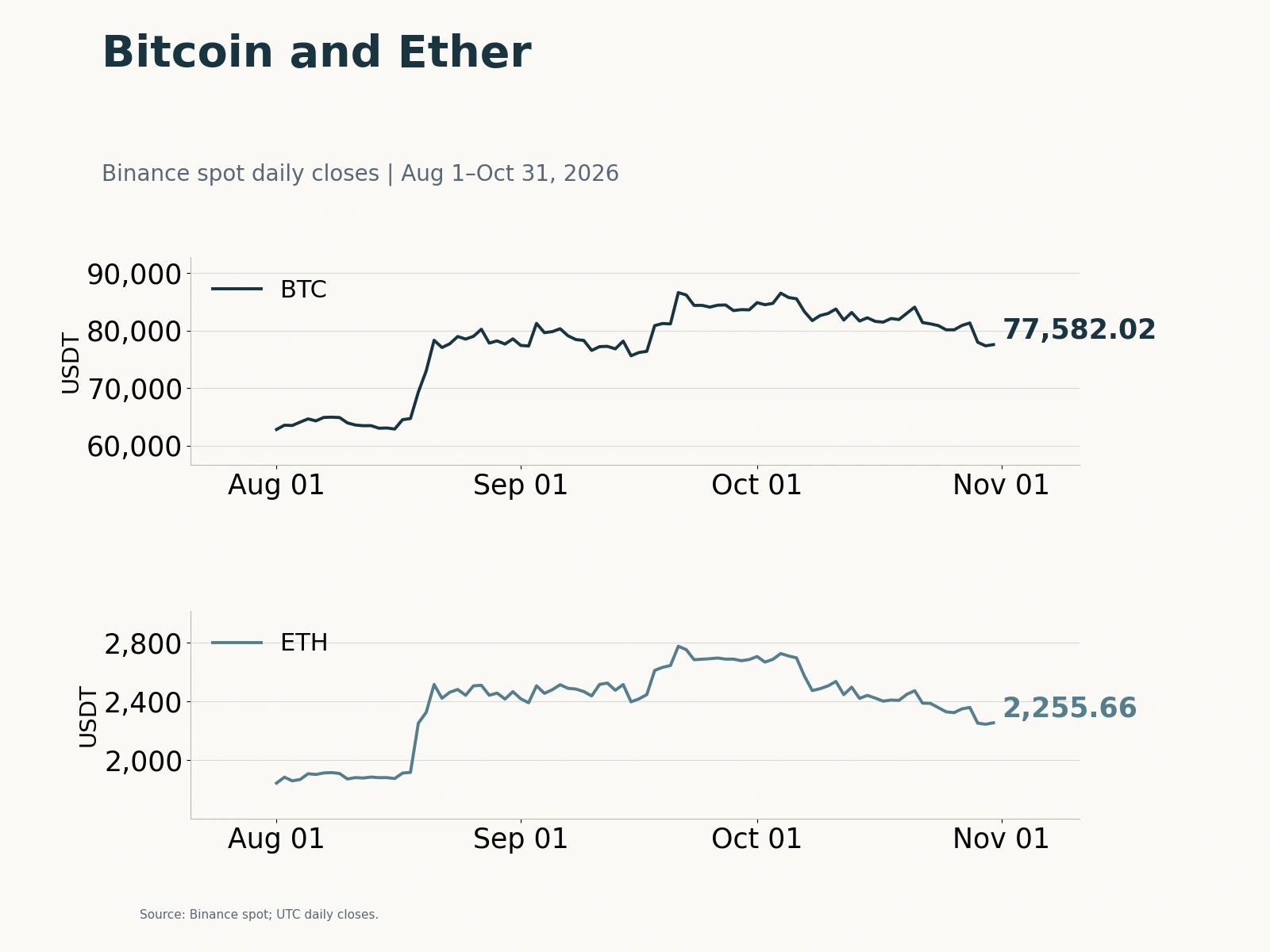
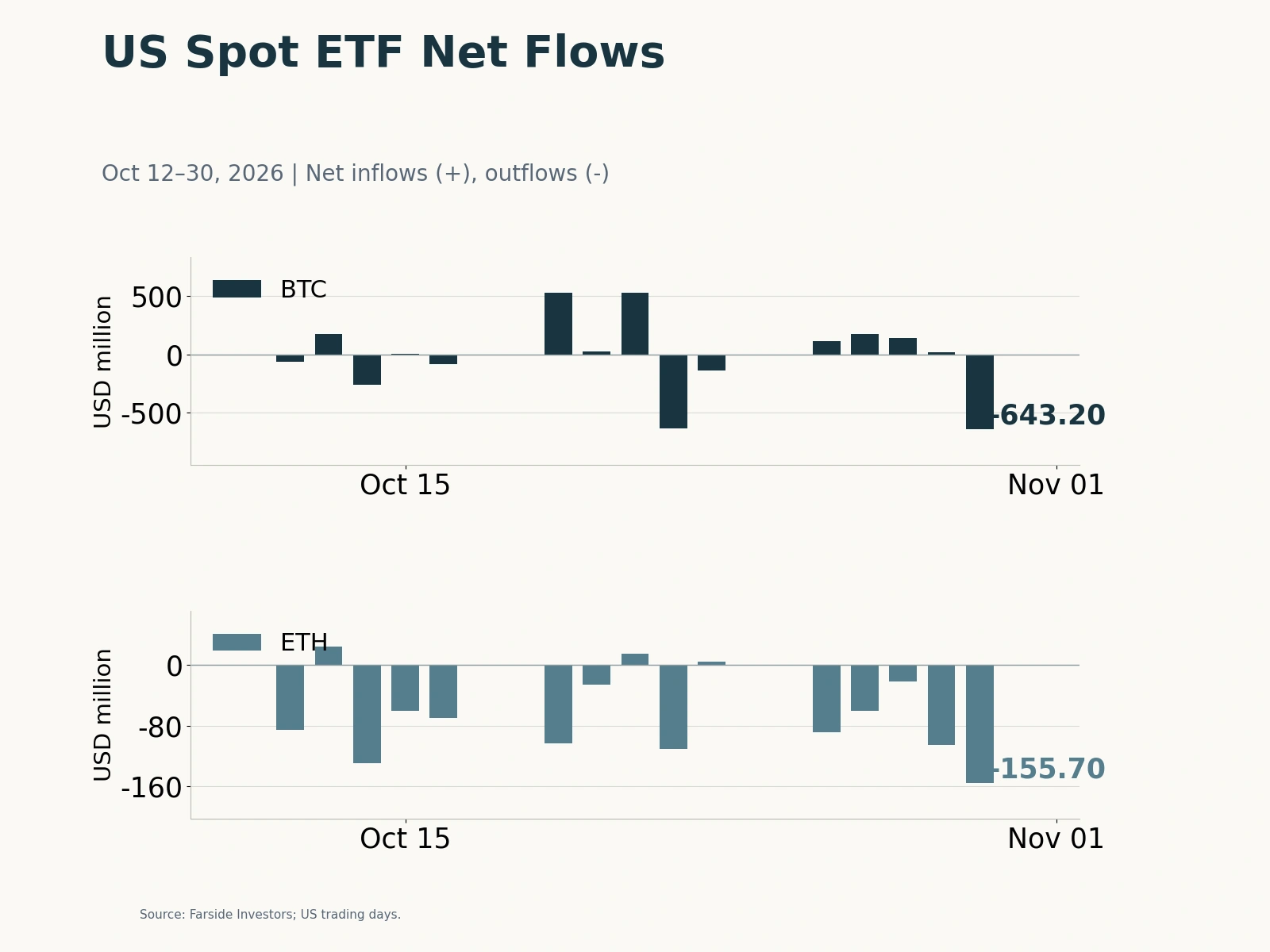
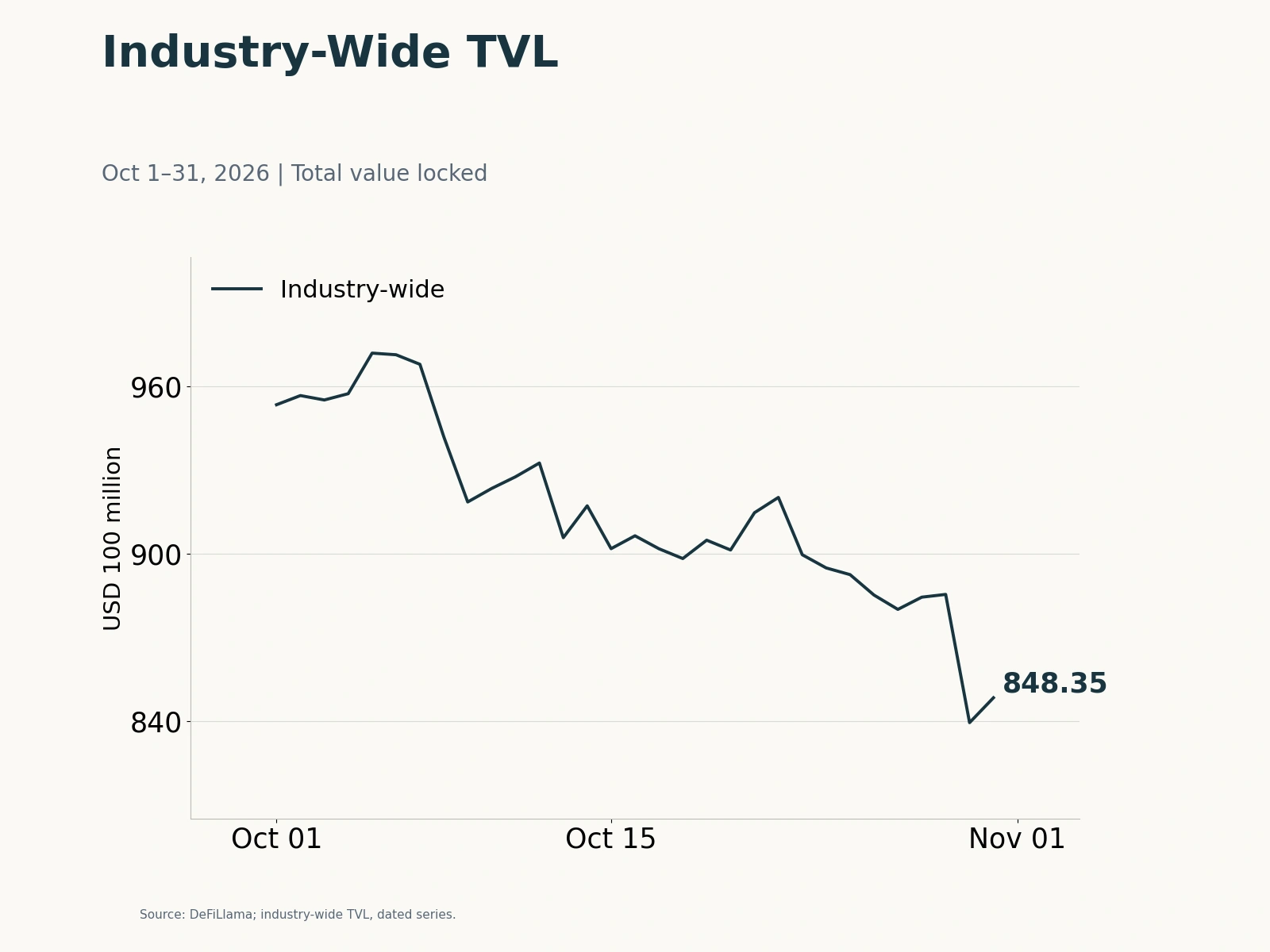
On October 31, 2026, the US Bank Policy Institute (BPI) highlighted the Binance security incident in its daily briefing. The issue was not only the amount involved but also the arrangements under which customers could seek recovery after the platform promised compensation, and when they could withdraw assets. Meanwhile, US trust-bank approval and secondary trading in tokenized funds in Hong Kong concerned, respectively, who is responsible for asset custody and how investors obtain liquidity. These developments point to a common question: can digital asset services provide clear, enforceable customer rights both in normal operations and under stress?
Binance's compensation pledge must still be delivered through asset replenishment and restored service
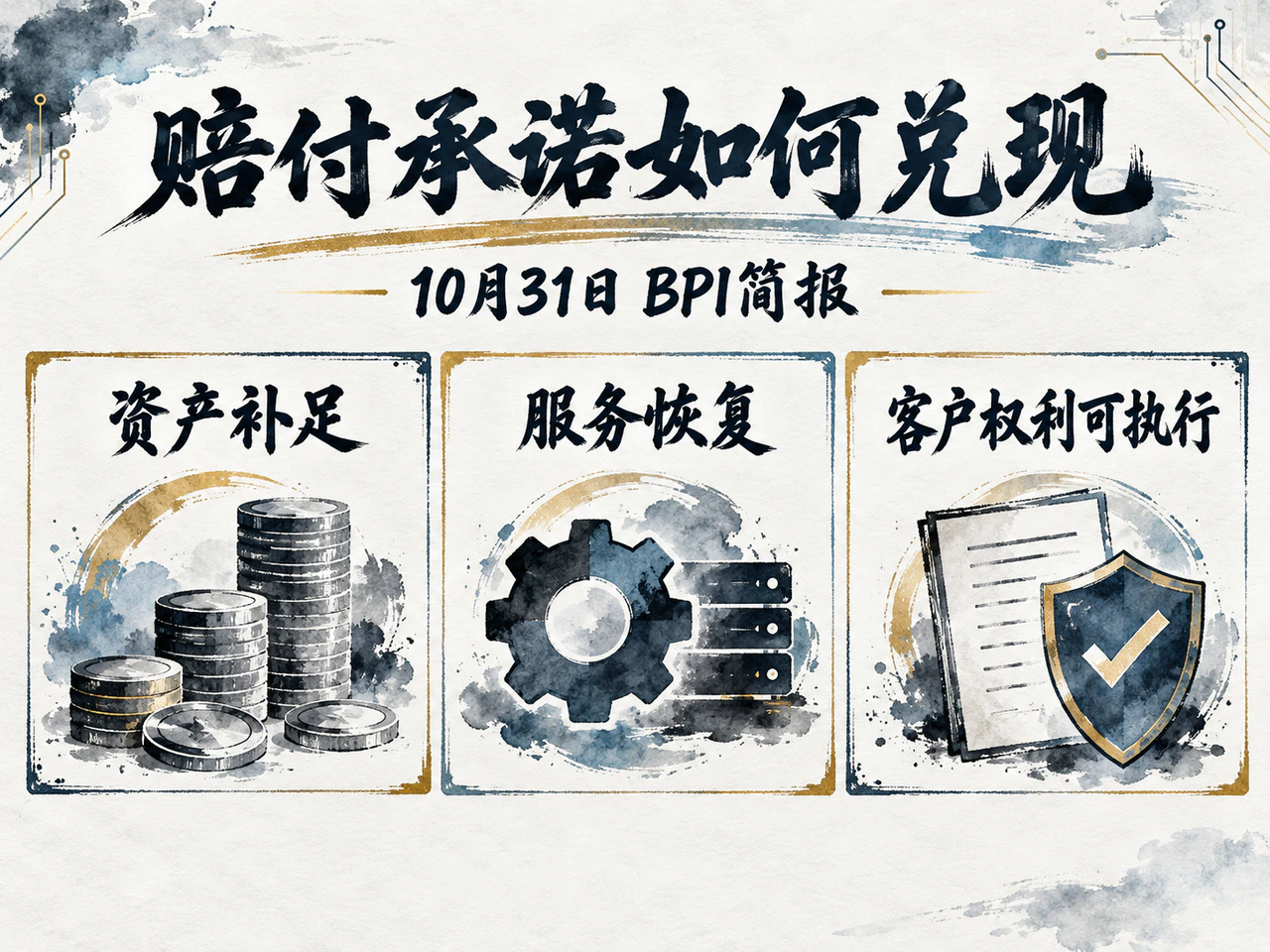
Citing reporting, BPI said this week's Binance security incident involved up to approximately $6.3 billion, with the platform promising to make good the losses. The briefing also mentioned suspended withdrawals and the company's investigation of possible attack routes. The attack path and responsibility still await confirmation through the investigation. For customers, whether the compensation pledge is fulfilled depends on assets being replenished, services being restored and the relevant rights being enforceable.
For institutional clients, risk extends beyond accounting losses. An exchange performs trade matching, custody and fund transfers simultaneously; disruption to any of these can obstruct position adjustments or collateral transfers. Even if prices displayed on trading pages remain stable, institutions may be unable to operate normally when withdrawals are restricted or available balances are unclear. The legal arrangements governing client assets affect claims and distributions after an incident.
Institutions evaluating counterparties should therefore consider where assets are held, signing authority, withdrawal controls and powers of disposition after an incident together. Reserve disclosures provide information on the asset side; under stress, asset distribution also depends on customer rights, the scope of liabilities and recovery procedures. Such incidents will intensify scrutiny of these arrangements and may increase institutions' demand to diversify their trading and custody channels.
Ripple's trust-bank approval adds federal oversight; the RLUSD issuer is unchanged
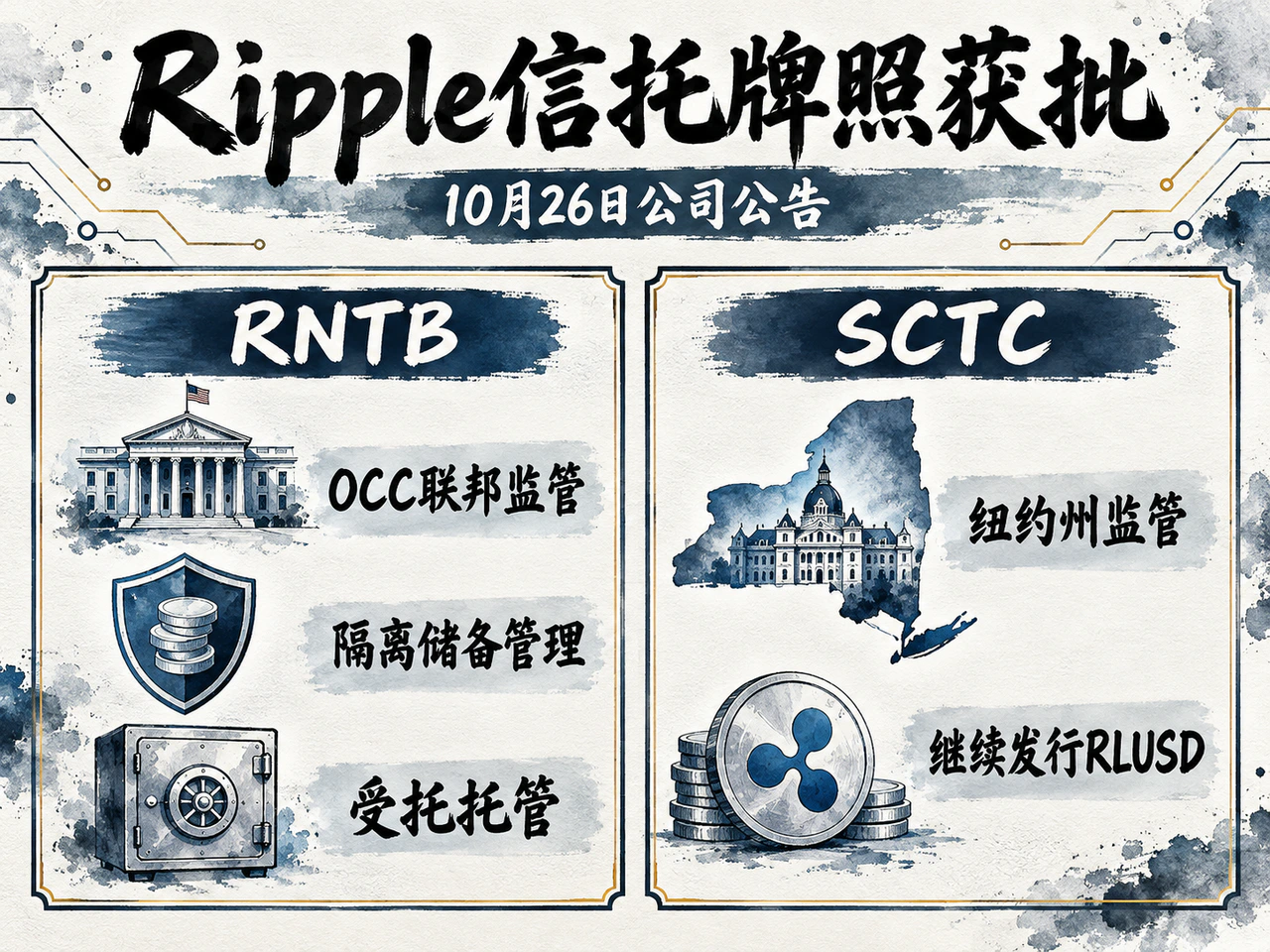
Ripple disclosed on October 26 that its national trust bank had received final approval from the US Office of the Comptroller of the Currency (OCC). The institution had previously received conditional approval in December 2025.
According to the company announcement, the approved activities include managing segregated reserves backing RLUSD, acting as collateral trustee for the reserves and providing fiduciary digital asset custody.
The approval did not change RLUSD's issuer. RLUSD continues to be issued by Standard Custody & Trust Company, regulated by the New York State Department of Financial Services. The newly approved national trust bank adds a federal layer of oversight to reserve management and related activities. Assessing the approval's practical significance requires examining the responsibilities of the approved institution and the rights customers receive. Subsequent business development will still depend on actual operating progress.
Hong Kong tokenized funds trade around the clock; primary subscriptions and redemptions retain existing terms

Developments in Hong Kong centered on fund trading. According to The Asian Banker on October 29, designated tokenized share classes of ChinaAMC's HKD and USD digital money market funds began round-the-clock secondary trading on the licensed PantherTrade platform on October 26.
Investors can therefore trade shares outside the funds' subscription and redemption windows, while primary-market subscriptions and redemptions remain subject to existing dealing terms. The platform provides reference net asset value displays, price-deviation alerts and cooling-off mechanisms to manage potential price deviations as trading hours expand.
Round-the-clock trading extends the period during which fund shares can be transferred; it does not imply a simultaneous acceleration in liquidation of the underlying assets or cash settlement, which retain their own timetables. How smoothly secondary-market trading capacity connects with primary redemption capacity determines how much liquidity the mechanism can actually provide.
Assessments of institutional adoption of digital asset infrastructure should consider more than licenses or trading hours. They should also examine the clarity of regulatory responsibility, operating security and the ability to convert assets into cash under stress.
Click through to the original article for full details.