On Monday, November 2, 2026, Iran's foreign ministry confirmed that the implementation timetable for its proposal to the United States to end the conflict could be shortened to two days, but core conditions, including lifting the port blockade, remained unchanged. The two sides continued to exchange views through mediators, while reports of maritime attacks persisted. Whether tensions ease hinges on whether Iran and the United States can agree on the sequence in which they fulfill their commitments.
Iran wants the port blockade lifted first, with nuclear talks to follow once its conditions are met
According to Reuters, Iranian negotiators had left Doha on Sunday. An official familiar with the talks said their departure did not reflect problems in the negotiations and that a draft agreement was circulating. On Monday evening, Qatari mediators traveled to Tehran to discuss the draft with Iranian Foreign Minister Abbas Araghchi. Araghchi said negotiations through the mediators had been intensive and that Iran continued to insist on its conditions for ending the conflict and reopening the strait.
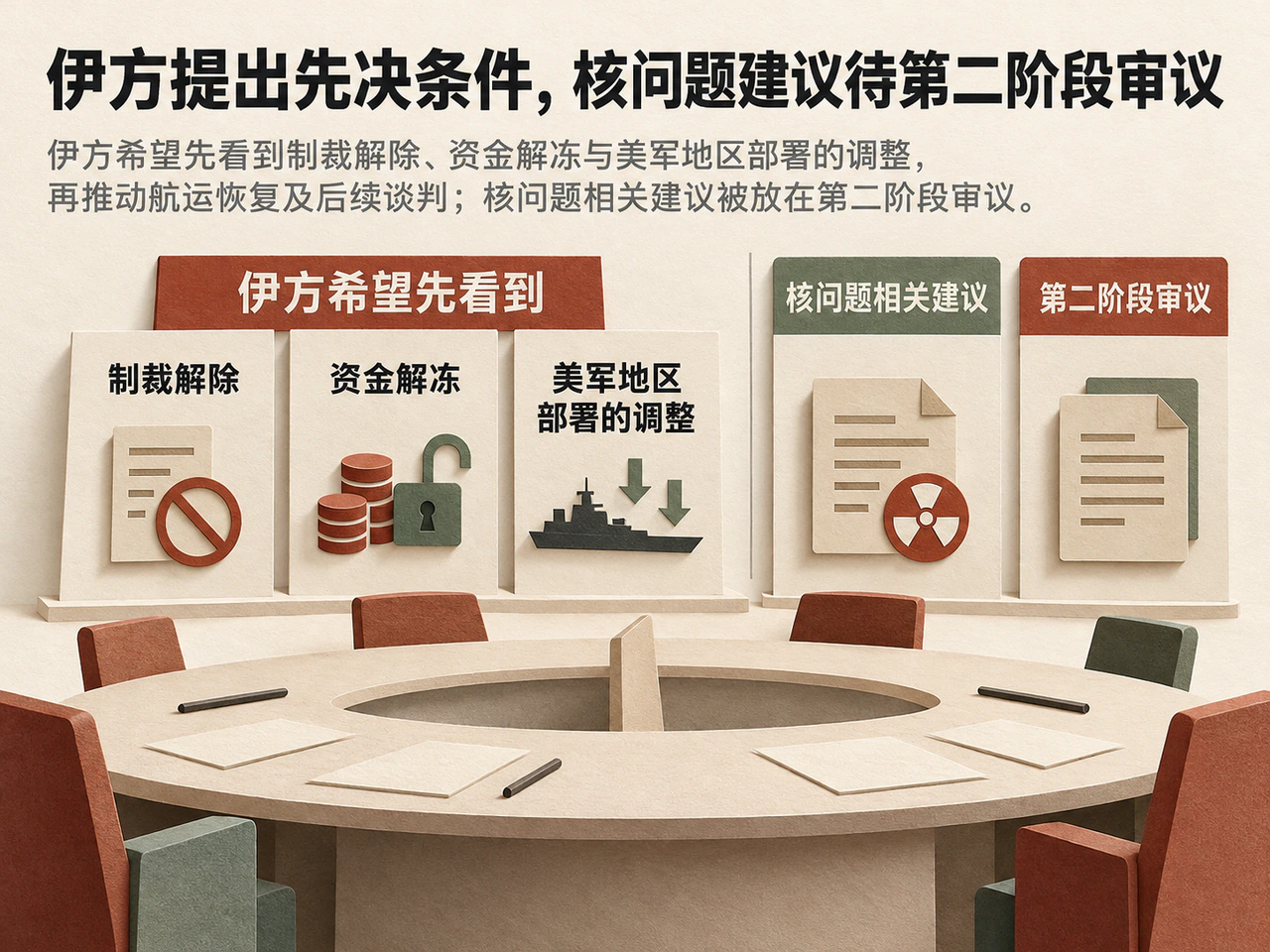
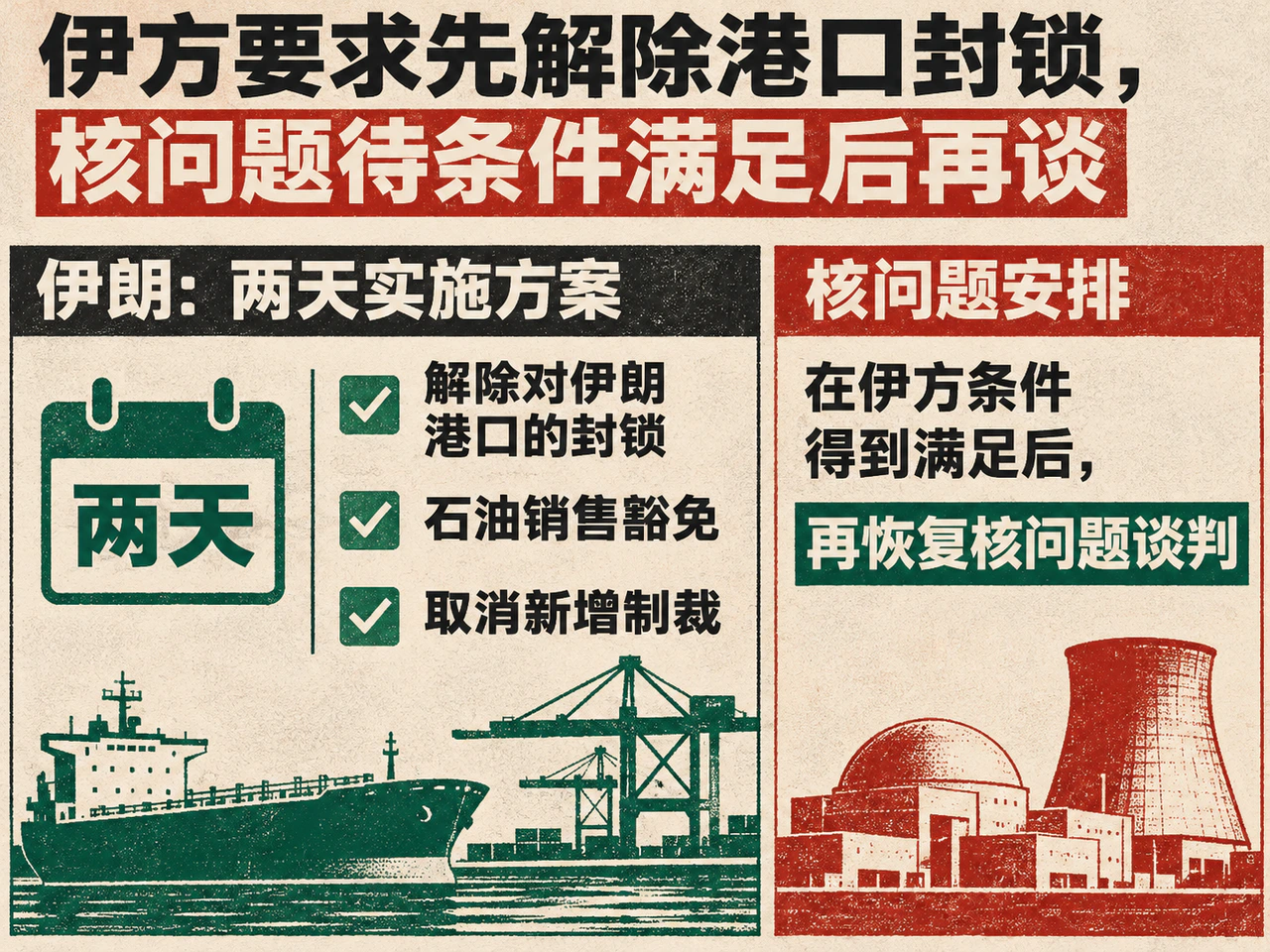
Iranian foreign ministry spokesperson Esmaeil Baghaei explained that the basis for negotiations remained the seven-step proposal put forward in September, although its implementation timetable could be shortened. Iran wants the United States to lift its blockade of Iranian ports, grant waivers for Iranian oil sales and remove newly imposed sanctions before moving on to other issues. Asked whether the negotiations had addressed transferring Iran's stockpile of highly enriched uranium to a third country, and whether Iran might agree to such a transfer, Baghaei answered no to both questions. Tehran continues to demand verification that its conditions have been met before nuclear negotiations resume.
This arrangement brings the sequencing of shipping, sanctions and nuclear issues into focus. A shorter implementation period could reduce the intervals during which each side waits for the other to act. But both sides still need to accept a common arrangement linking the lifting of the blockade, the resumption of shipping and nuclear talks. Iran says the next step depends on the US response. Trump said on Monday that Iran wanted a deal and that one “could happen.” His remarks left room for mediation, but the two sides have yet to jointly announce commitments to implement an agreement.
Vessel damaged off Oman; claim of a mine strike east of Hormuz remains unverified
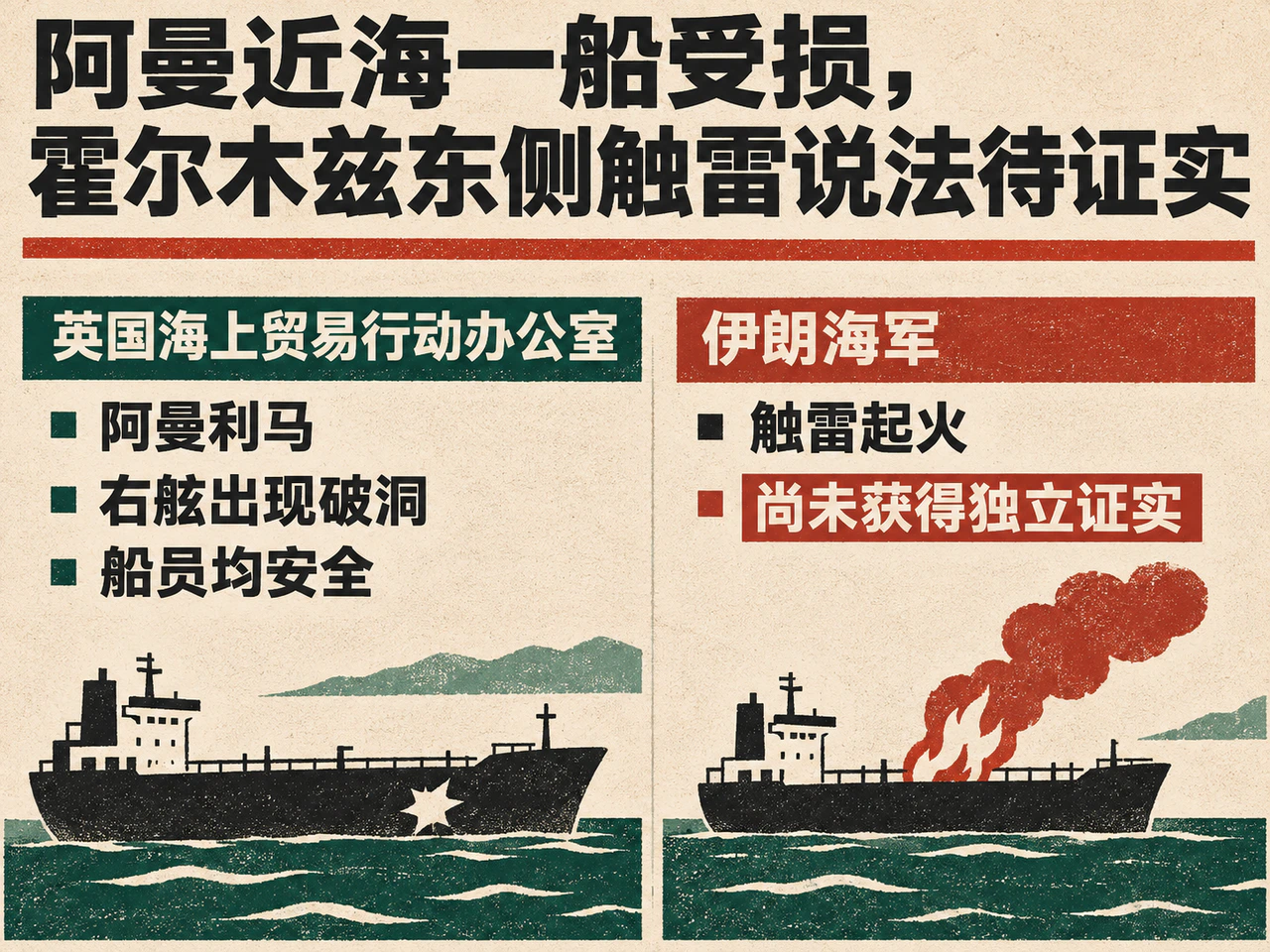
The United Kingdom Maritime Trade Operations agency disclosed on Monday that a vessel had been struck by an unidentified object on Sunday near Lima, Oman, about 9 nautical miles offshore, leaving a hole in its starboard side. All crew members were safe. Separately, Iran's navy said an unnamed tanker struck a mine and caught fire on Monday at the eastern entrance to the Strait of Hormuz. That claim has not been independently verified. The reports describe different vessels, locations and damage and should be treated as separate incidents. The reported vessel damage and claims of attacks show that safe passage through the strait remains unresolved; reopening it in practice requires adequate security conditions.
Attack claims in Yemen remain unverified; US decision on renewed strikes against Iran still pending
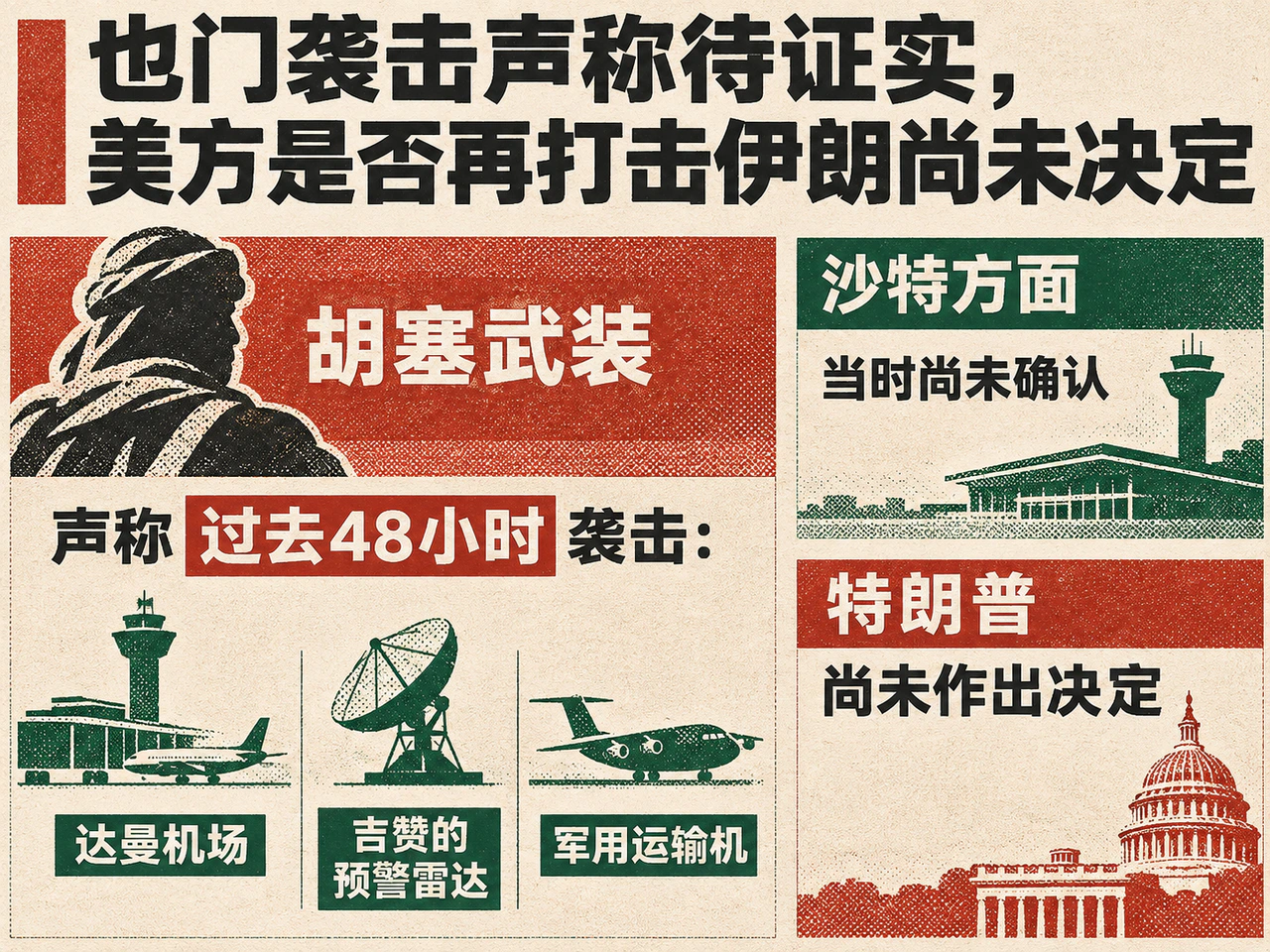
The conflict in Yemen also affects Saudi Arabia, and escalation on surrounding fronts adds pressure to the talks over Iran. Houthi spokesperson Yahya Saree claimed on Monday that the group had attacked Dammam airport, as well as an early-warning radar and a military transport aircraft in Jizan, over the preceding 48 hours. Saudi Arabia had not confirmed the claims at the time. He also claimed that Saudi warplanes had carried out 109 airstrikes over the preceding 24 hours in areas including Saada, Taiz, Lahj, al-Jawf and Hodeidah. All of these statements are claims by the Houthis.
The Associated Press, citing regional officials and people familiar with the matter, reported that Benjamin Netanyahu was pressing for renewed US strikes against Iran after the midterm elections. One official said Trump had not made a decision. Other regional allies were concerned that new strikes could affect Saudi Arabia and Red Sea shipping. Military pressure and diplomatic engagement are proceeding in parallel, and a hard-line signal from either side could change the other's assessment of whether it can safely fulfill its commitments.
Iran's first vice president warns of possible winter natural gas shortages
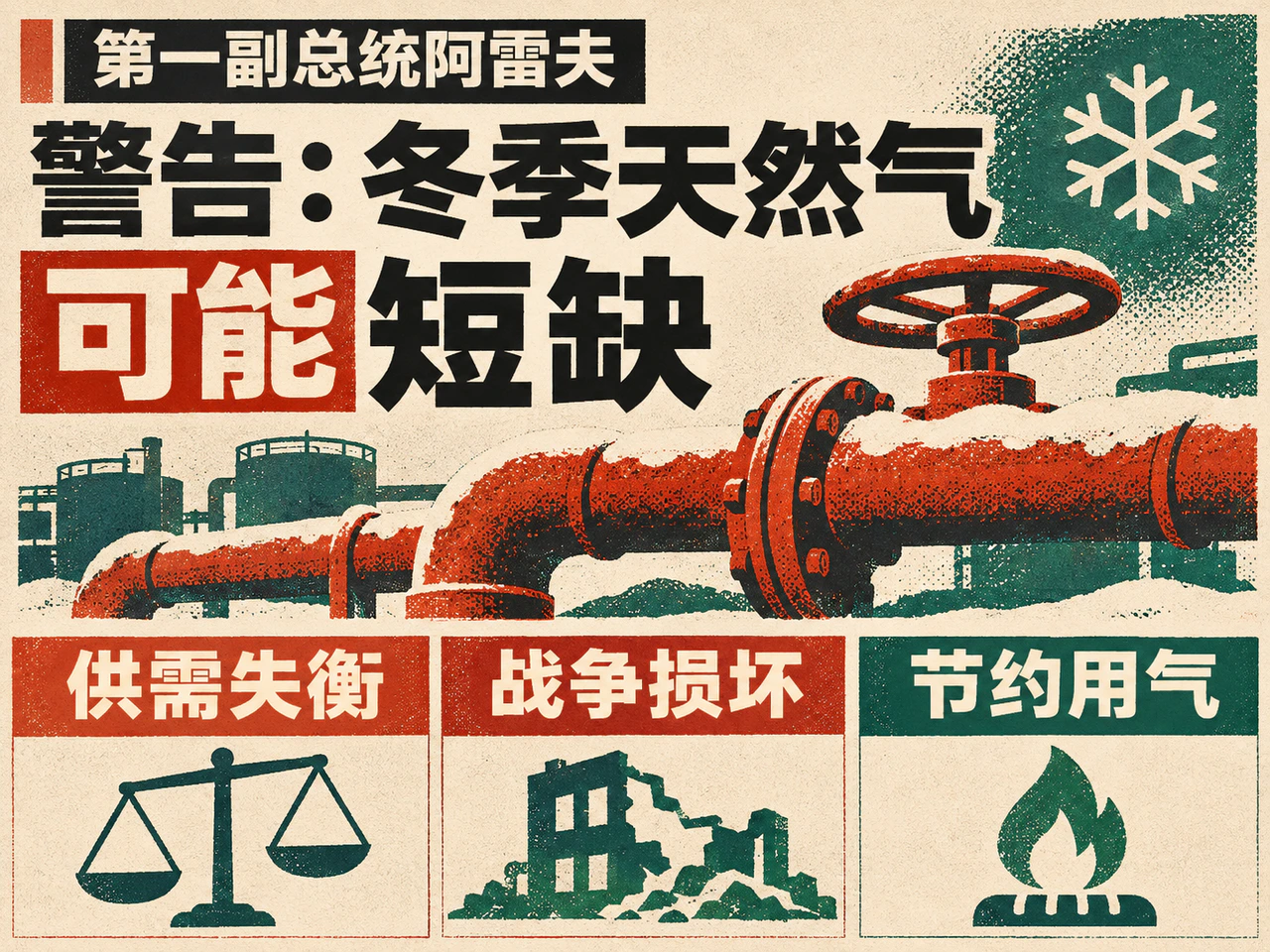
Iran is also bearing the domestic costs of the conflict. First Vice President Mohammad Reza Aref warned on Monday that supply-demand imbalances accumulated over previous years, together with war damage, could cause natural gas shortages this winter. He urged households to conserve gas and said users who failed to do so would face higher prices. These domestic pressures, combined with security problems along maritime routes, may increase Iran's need for an agreement that can be put into effect.
Three developments bear watching: whether the United States responds on lifting the blockade, granting waivers for oil sales and removing newly imposed sanctions; whether further vessel damage is reported around the strait; and whether Washington decides to strike Iran again after the midterm elections.
Key developments
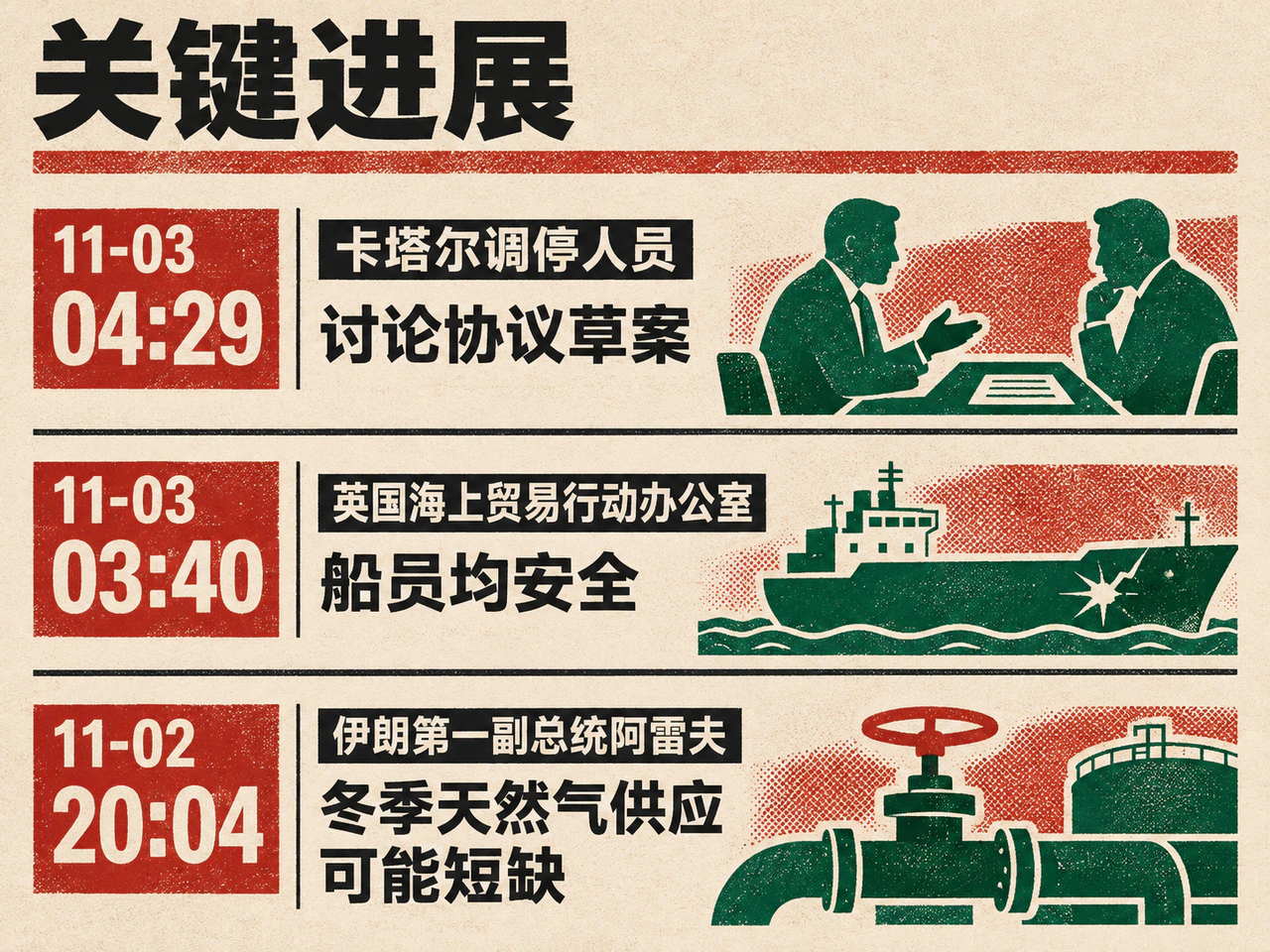
The following entries are listed in reverse chronological order in Beijing time (UTC+8). Where the date of an event differs from the date it was reported, the event date is specified in the entry.
| Key developments |
|---|
| 11-03 04:29Reuters reported that Qatari mediators traveled to Tehran on the evening of November 2 to discuss a draft agreement with Araghchi. Iranian negotiators had previously left Doha, while indirect contacts continued. |
| 11-03 03:40The United Kingdom Maritime Trade Operations agency reported that a vessel was struck by an unidentified object on November 1 near Lima, Oman, about 9 nautical miles offshore, damaging its starboard side. All crew members were safe. |
| 11-03 03:03The Associated Press, citing regional officials and people familiar with the matter, reported that Netanyahu was pressing for renewed US strikes against Iran after the midterm elections. One official said Trump had not made a decision. |
| 11-03 01:10A Houthi spokesperson claimed that Saudi warplanes had carried out 109 airstrikes across several areas of Yemen over the preceding 24 hours. The figure is a Houthi claim. |
| 11-03 00:36The Houthis claimed to have attacked Dammam airport, an early-warning radar in Jizan and a military transport aircraft there over the preceding 48 hours. Saudi Arabia had not confirmed the claims at the time. |
| 11-02 23:28Araghchi said negotiations through mediators had been intensive and that Iran continued to insist on its conditions for ending the conflict and reopening the strait. |
| 11-02 22:37Iran's navy claimed that an unnamed tanker struck a mine and caught fire at the eastern entrance to the Strait of Hormuz. The claim has not been independently verified. |
| 11-02 20:04Iranian First Vice President Aref warned of possible winter natural gas shortages, citing supply-demand imbalances accumulated over previous years and war damage. He urged households to conserve gas. |
| 11-02 19:00Iran's foreign ministry said the two sides continued to exchange views through mediators. Iran said the next step depended on the US response. |