On November 5, 2026, digital asset insurer Soter Insure announced that SC Ventures, part of Standard Chartered, and Japan’s SBI Group had joined its Series B as strategic investors. Existing investor Token Bay Capital made a follow-on investment. A day earlier, Hong Kong’s Legislative Council passed amendments on crypto-asset tax reporting. Both developments address the operating arrangements that institutions need as they expand their digital asset businesses, including who holds the assets, how losses are covered and how customer transactions are reported. The implications for trading are indirect.
Insurance transfers some operating risks to insurers, while reporting rules bring customer and transaction data into cross-border tax cooperation. Both affect whether institutions can sustain their operations and whether platforms can serve institutional clients. Those effects usually take longer to play out than moves in token prices.
SC Ventures and SBI Join Series B as Soter Builds Underwriting Capacity and Expands in Asia-Pacific
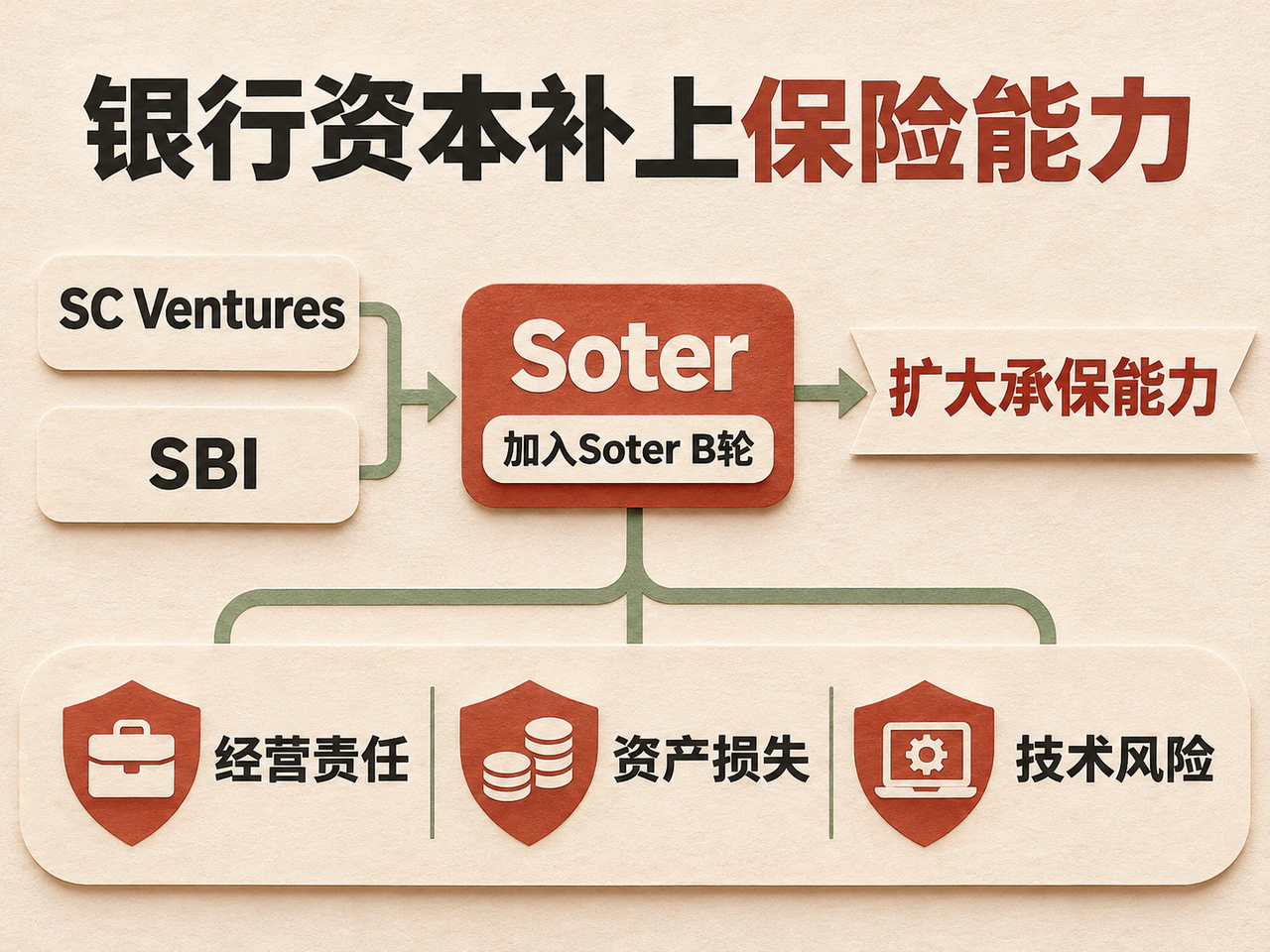
Soter described the financing as the second close. Galaxy led the first close, announced in July, with participation from Coinbase Ventures, Franklin Templeton and Brevan Howard Digital. SC Ventures and SBI were among the new investors in the second close.
The timing of the disclosures matters when interpreting the figures. In its original July 29 announcement, Soter projected that cumulative funding would reach US$23.5 million, more than 500 BTC and 2,000 ETH after the final close of the Series B. The November 5 announcement gave no separate figure for the new investment, so the July projection cannot be treated as the amount raised on November 5.
The insurance protects against operating liabilities and asset losses. Token price fluctuations fall outside that scope. Soter lists directors and officers liability insurance, professional liability insurance, theft and asset loss coverage, and coverage for staking slashing and smart contract risks. These products address management liability, errors in providing services, custody risks and technical failures. As banks and asset managers expand custody, trading and staking services, their internal approval processes must account for potential losses, where liability lies and how risk can be transferred. Available insurance capacity can therefore help determine which services they can offer.
The currency in which a policy is denominated also affects the protection it offers. Soter previously disclosed that some policies can be denominated in BTC or ETH, matching the payout currency to the insured asset. If a policy has a fixed fiat currency limit and the liability is measured in tokens, a change in the token price can change how much of the loss the policy actually covers. Policies denominated in the underlying token address this mismatch. The protection ultimately depends on the policy’s terms, limits and underwriting arrangements.
Soter said it would use the funding to increase underwriting capacity, strengthen its underwriting and technology capabilities, and expand across Asia-Pacific and into other markets through its Hong Kong operations. The scope of coverage, the capacity Soter can actually offer and the rollout of its products will tell more about institutional adoption than the investor list alone.
Hong Kong Passes Tax Amendments With Phased Rollout of CARF and Amended CRS
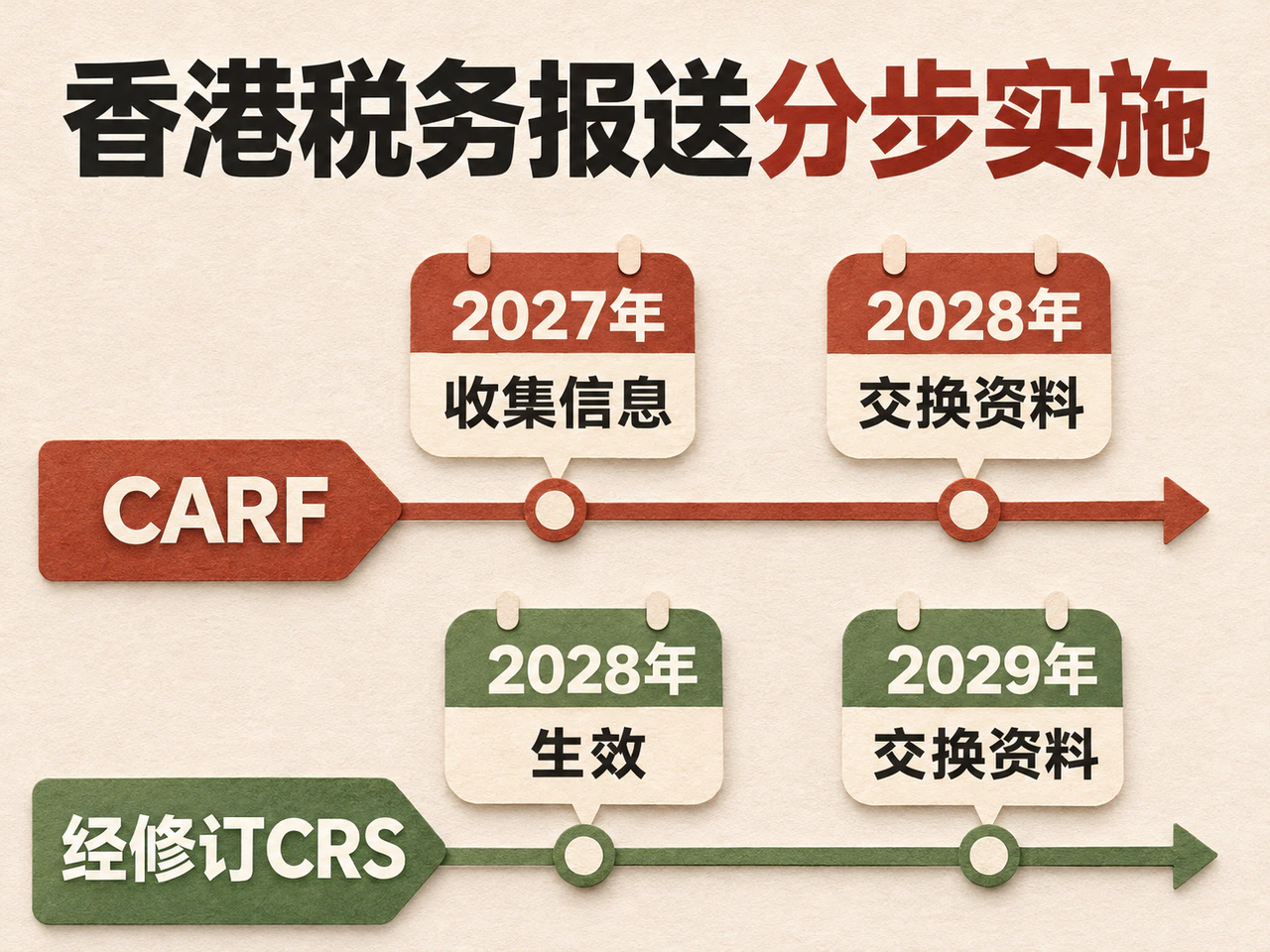
Hong Kong’s Legislative Council passed tax amendments covering the Crypto-Asset Reporting Framework (CARF) and the amended Common Reporting Standard (CRS) on November 4. Market coverage continued to discuss the implementation requirements on November 5. Under the Hong Kong government’s timetable, CARF will take effect in 2027, when relevant service providers will begin collecting the required information. The Inland Revenue Department will start exchanging that information with partner jurisdictions in 2028. The amended CRS will take effect in 2028, with information exchanges starting in 2029.
Platforms will need to make sure their customer information, tax residency details and transaction records are complete. The government said it would issue guidance and provide technical support through a dedicated team. Exchanges are subject to reciprocity and safeguards for data confidentiality and security. The amendments govern the collection and exchange of information, while specific tax liabilities still depend on applicable tax law.
The Hong Kong amendments and Soter’s funding round highlight two sets of operating standards for institutional participation. Insurance requires risks to be identified, priced and assumed. Reporting requires accurate account and transaction records. Alongside new products and funding channels, platforms need to build those capabilities into their day-to-day operations to develop a more stable institutional client base.
The next developments to watch are Hong Kong’s implementation guidance and technical arrangements, and whether Soter can turn the additional underwriting capacity into products institutions can use. The first will shape how platforms comply with the reporting rules. The second will affect how institutions transfer risk. Both can support expansion, with customer demand and operating results showing how much growth actually follows.
Click through to the original article for more details.