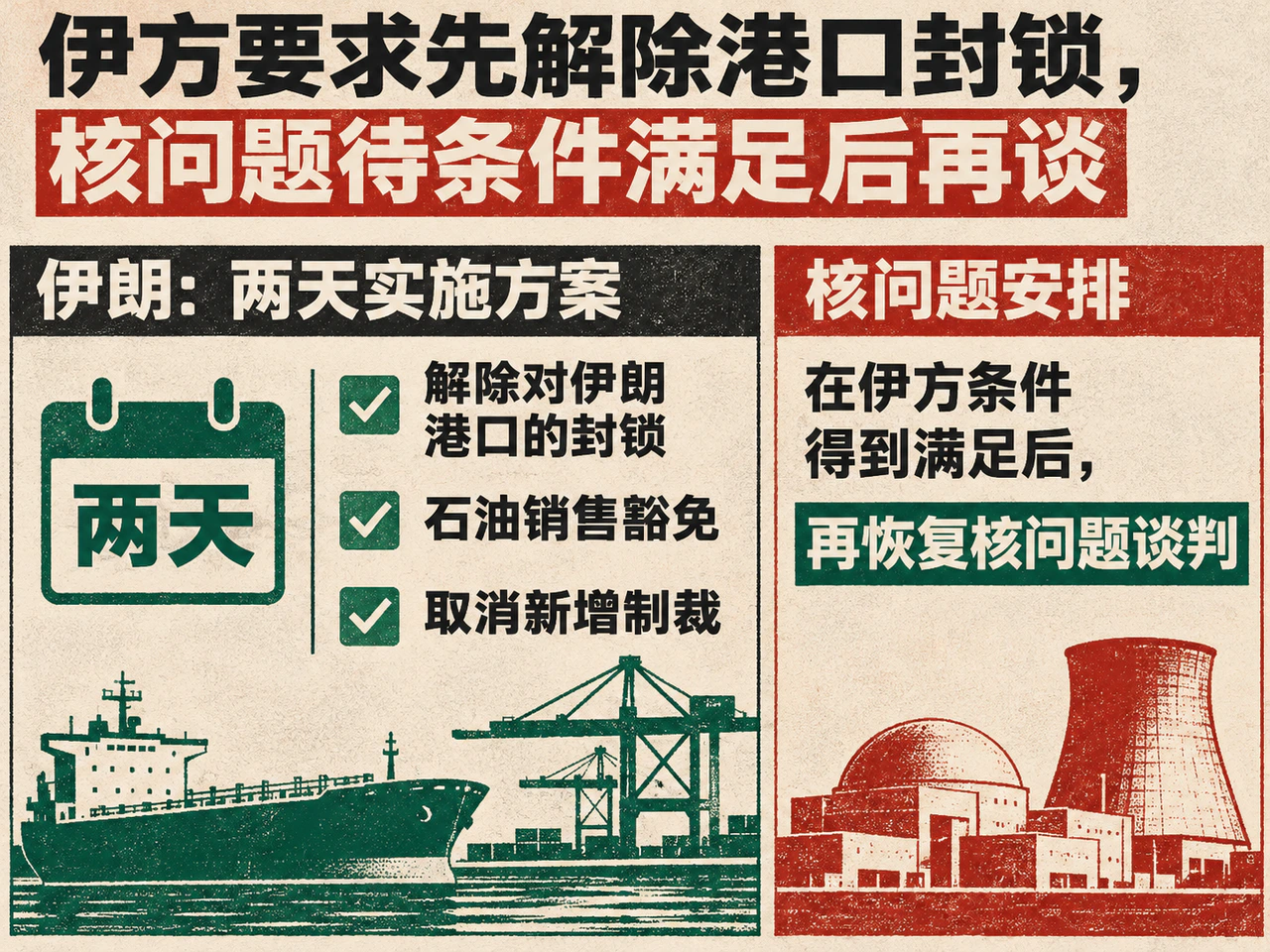
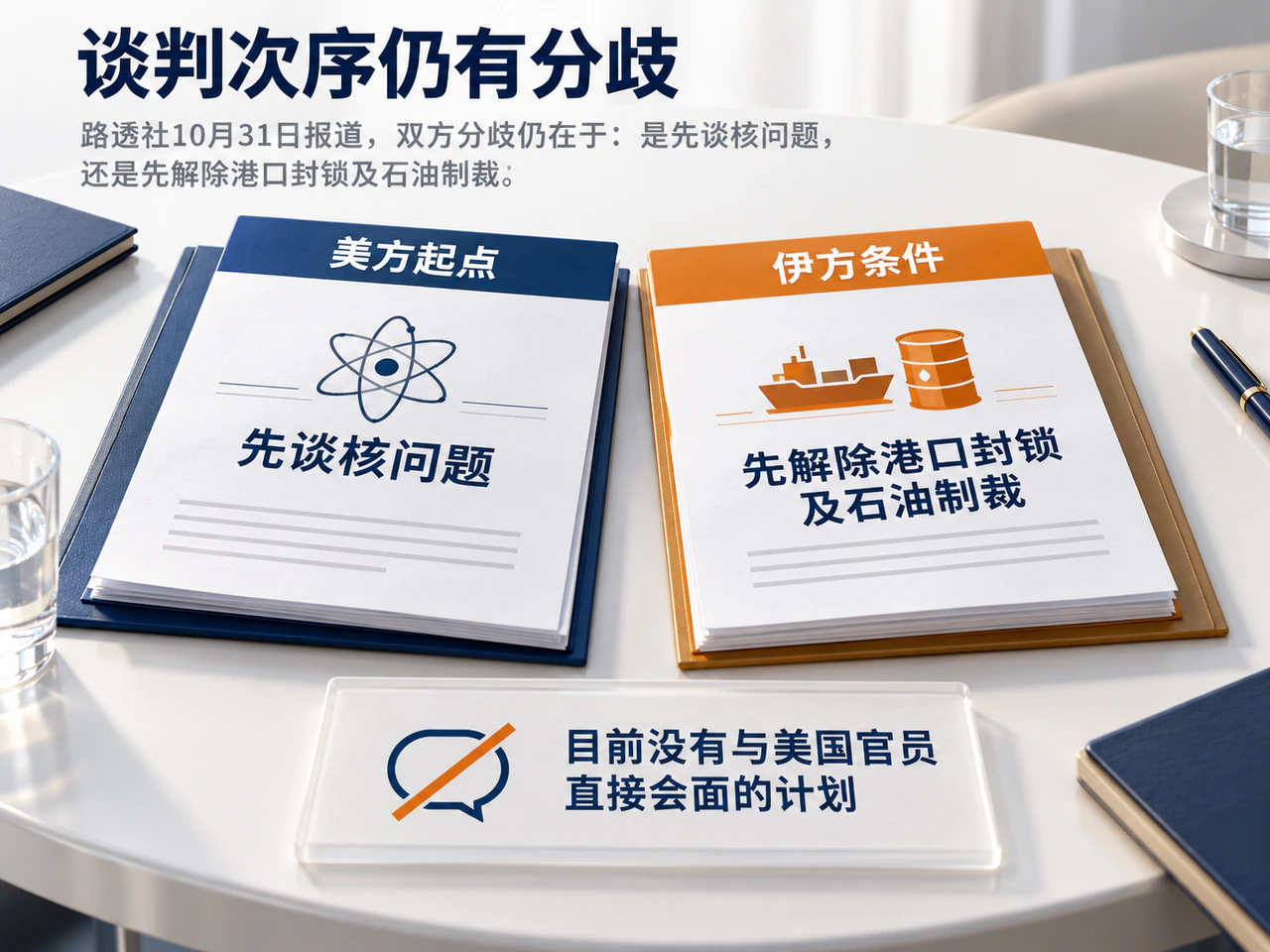
On November 5, 2026, a senior Iranian official told Reuters that Iran had sent the United States a nuclear proposal through Qatar and would discuss it only after Washington met seven Iranian demands. The official also said the United States was reviewing the proposal. Meanwhile, the foreign ministers of Oman and Iran discussed political and technical arrangements to restore freedom of navigation through the Strait of Hormuz. Diplomatic channels remain open, but each side’s conditions still shape what can be discussed and in what order.
Maritime risks have persisted despite the diplomatic contacts. United Kingdom Maritime Trade Operations reported that two unidentified projectiles struck an oil tanker about 50 nautical miles north of Madinat ash Shamal in northern Qatar. Iran’s Islamic Revolutionary Guard Corps initially said two oil tankers and a tugboat had caught fire in the Strait of Hormuz. It later said several tankers had struck mines or caught fire, and that a tugboat taking part in firefighting efforts had also caught fire. The vessels in the Iranian and UK reports have yet to be matched individually, so adding the reported counts could double-count vessels.
Shipping arrangements offer a more concrete starting point as Iran sets seven conditions for discussing its nuclear proposal
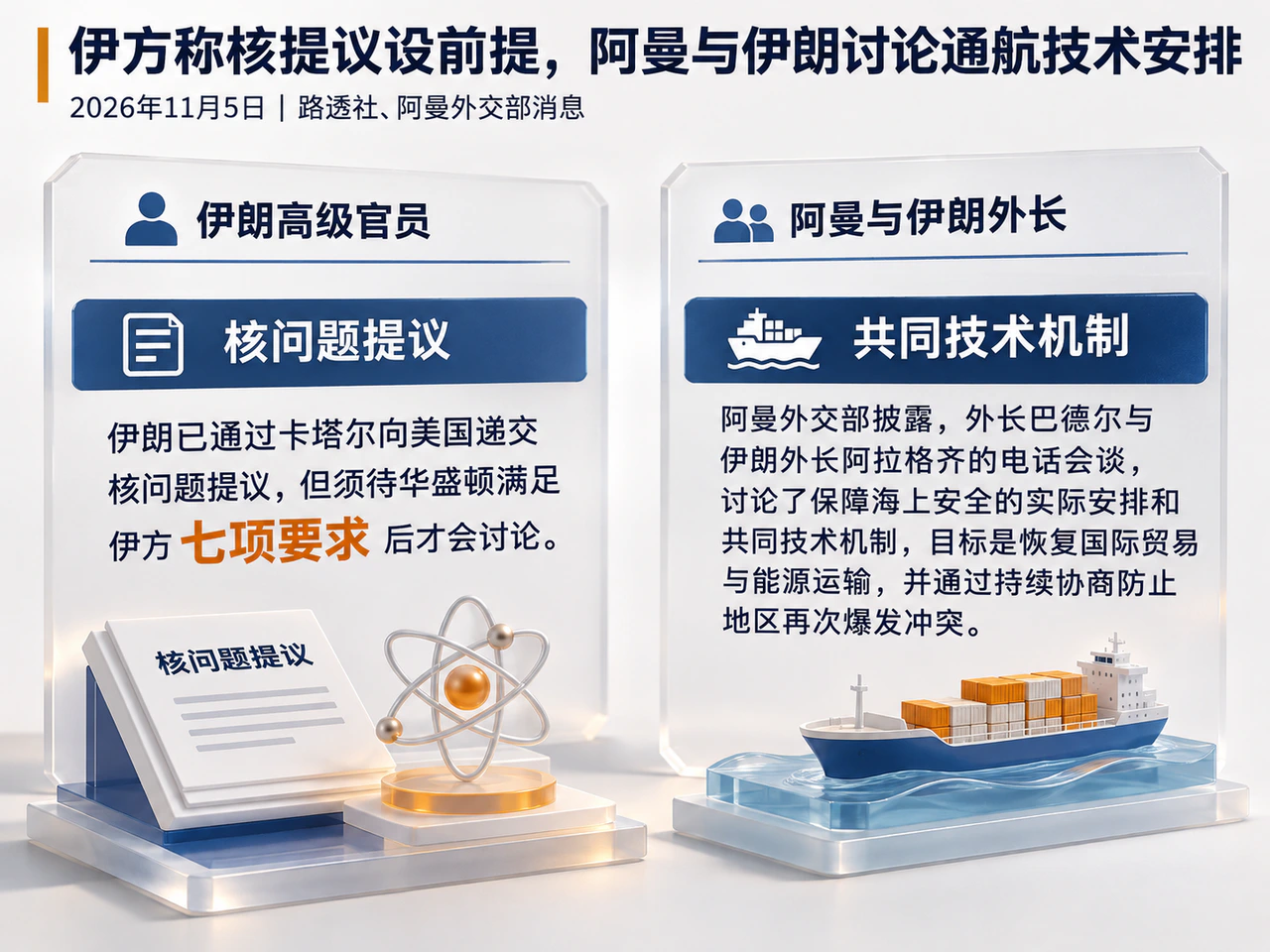
Oman’s Foreign Ministry said Foreign Minister Badr Albusaidi and his Iranian counterpart, Abbas Araghchi, discussed practical arrangements and joint technical mechanisms for maritime security in a phone call. Their aim was to restore international trade and energy shipments and prevent renewed regional conflict through continued consultation. Iran’s Foreign Ministry also confirmed the call and the discussion about easing regional tensions.
This gives negotiators a more concrete starting point. They can address how ships would transit safely, who would coordinate passage and what technical mechanisms would protect them. The nuclear proposal involves a separate set of bargaining conditions. The Iranian official’s insistence that Washington meet Iran’s demands before the proposal is discussed means its submission marks a step in diplomatic communication. The two sides still have some way to go before agreeing on the sequence of negotiations. For energy shipments, political statements ultimately have to translate into workable rules for passage and safety conditions that shipowners and crews can rely on.
After the U.S. midterm elections, assessments still differ on where policy is headed. The Associated Press cited Brian Haggerty, a former CIA analyst on Middle East security, as saying the political damage had already been done and Trump might feel less constrained, though that would leave unchanged what military escalation could achieve. Electoral pressure could prompt a search for a way out or come with renewed military pressure. Developments on the ground therefore matter alongside the ongoing diplomatic contacts.
Rezaei meets Putin, with Russian gas pipeline proposal contingent on further agreements
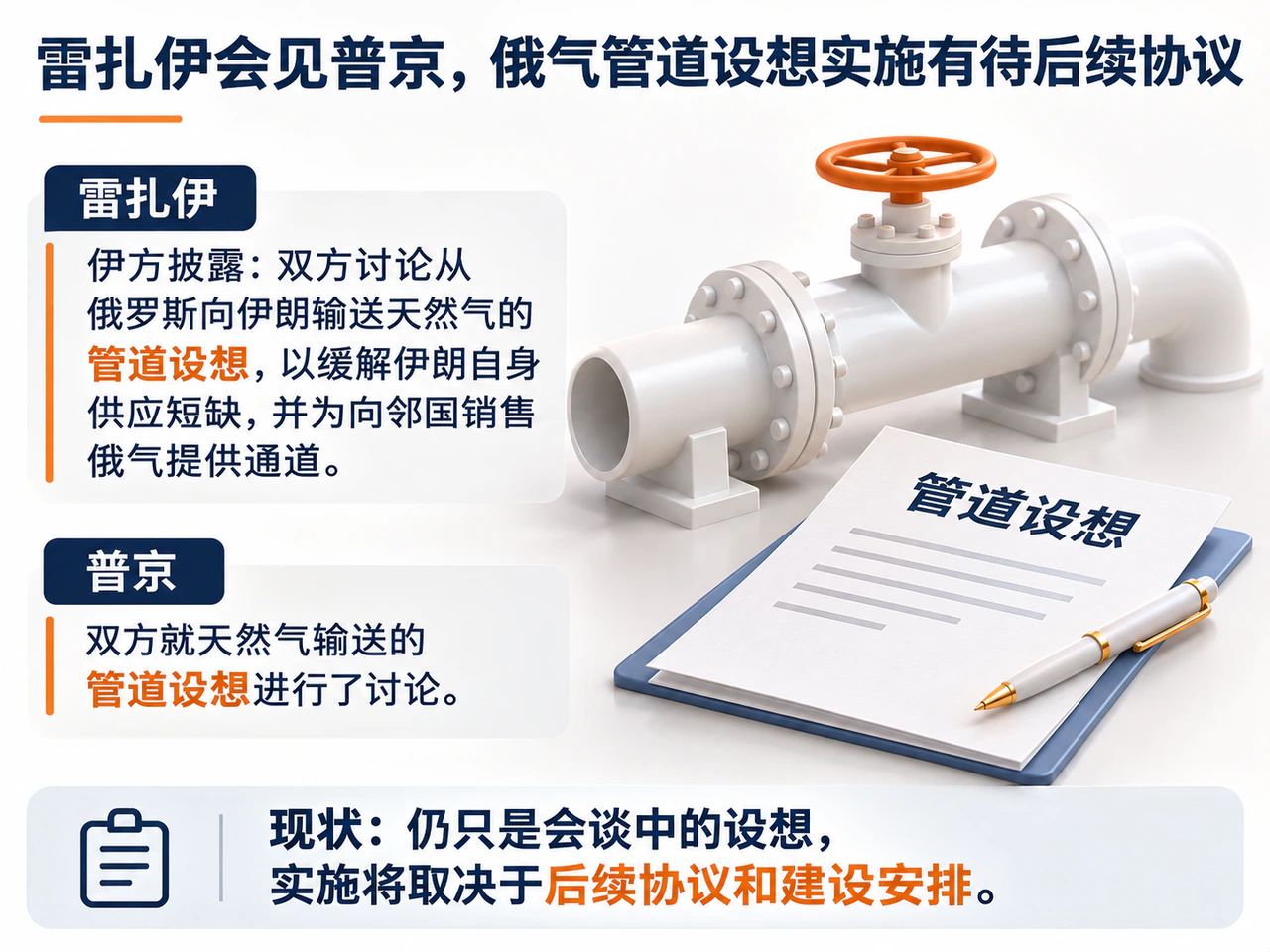
Rezaei, secretary of Iran’s Supreme National Security Council, met Vladimir Putin in Moscow on November 5. According to Iran, the two discussed a proposed pipeline to carry natural gas from Russia to Iran, ease Iran’s domestic supply shortages and provide a route for selling Russian gas to neighboring countries. The pipeline remains a proposal discussed at the meeting. Implementation would depend on further agreements and construction arrangements. That same day, Russia’s Foreign Ministry continued to advise citizens to postpone travel to Iran, citing a risk of renewed escalation.
Houthis claim strike on Saudi airport as U.S. carrier remains at least two weeks from Middle East
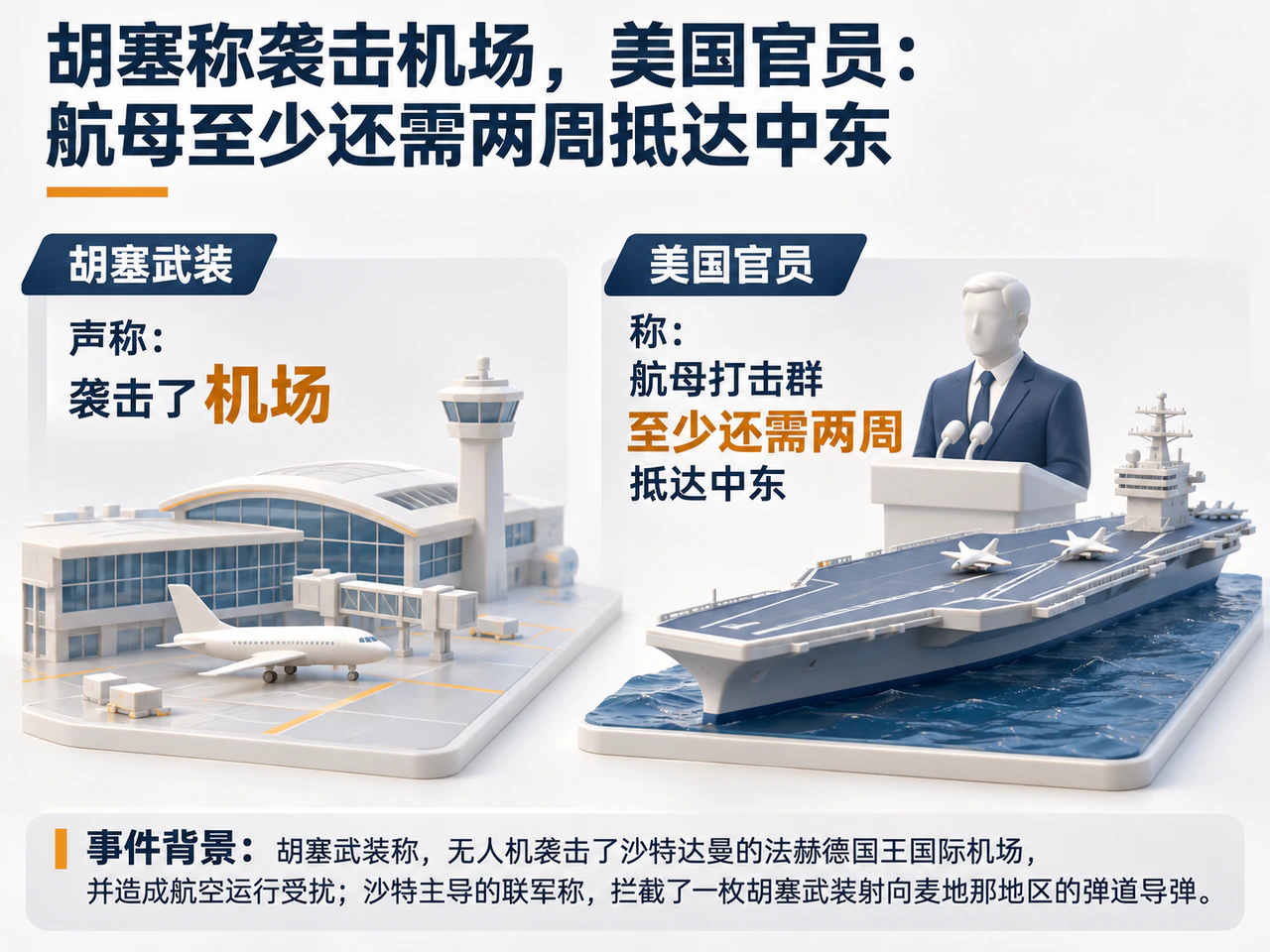
A Houthi spokesperson claimed that drones struck King Fahd International Airport in Dammam, Saudi Arabia, and disrupted flight operations. The Saudi-led coalition said it intercepted a ballistic missile the Houthis fired toward the Medina area. That day, Iran’s Foreign Ministry denied allegations that it had deployed military experts in Yemen. Each account of responsibility and military outcomes comes from the party making the claim and should be considered separately. The simultaneous pressure on regional airports and sea lanes adds to the security problems any diplomatic arrangement must address.
A U.S. official told the media that the USS Theodore Roosevelt carrier strike group was scheduled to call at Singapore on Friday and would take at least another two weeks to reach the Middle East, where two U.S. carrier strike groups were already present. The timetable reflects the lead time for deploying reinforcements. The carrier’s movements alone provide little basis for concluding that new strikes have begun.
Progress hinges on how talks link the nuclear issue, sanctions and maritime security

The most significant development is that the nuclear proposal and technical arrangements for navigation are now on the diplomatic agenda at the same time. Progress depends on how the parties link the nuclear issue, sanctions and maritime security conditions. Reports of a tanker strike and claims of airport disruptions make the restoration of normal transport operations an urgent, practical test.
Key Developments

The timestamps below indicate when each item was reported, in Beijing time.
| Key Developments |
|---|
| 11-06 04:04Iran said Rezaei and Putin discussed a proposed pipeline to carry Russian gas to Iran, ease Iran’s supply shortages and provide a route for selling Russian gas to neighboring countries. |
| 11-06 03:48Reuters quoted a senior Iranian official as saying Iran had submitted a nuclear proposal through Qatar and would discuss it only after the United States met seven demands. The official said Washington was reviewing the proposal. |
| 11-06 02:30The Associated Press reported that unsealed court documents showed the U.S. government had remained in contact with Iran during the war over the repatriation of Iranian nationals. |
| 11-06 01:52The Houthis claimed they had struck King Fahd International Airport in Dammam, Saudi Arabia, with drones and disrupted flight operations. |
| 11-06 01:01A U.S. official said the USS Theodore Roosevelt carrier strike group was scheduled to call at Singapore on Friday and would take at least another two weeks to reach the Middle East. |
| 11-06 00:10Rezaei met Putin in Moscow. Russia’s Foreign Ministry continued to advise citizens to postpone travel to Iran, citing a risk of renewed escalation. |
| 11-05 22:10Iran’s Foreign Ministry denied allegations that Iran had deployed military experts in Yemen. |
| 11-05 20:59Oman said the two foreign ministers discussed the political, practical and joint technical arrangements needed to restore navigation through the Strait of Hormuz. |
| 11-05 18:17The Saudi-led coalition said it had intercepted and destroyed a ballistic missile the Houthis fired toward the Medina area. |
| 11-05 16:46United Kingdom Maritime Trade Operations reported that two unidentified projectiles had struck an oil tanker in waters off northern Qatar. |
| 11-05 15:33Iran’s Islamic Revolutionary Guard Corps said two oil tankers and a tugboat had caught fire in the Strait of Hormuz. It later reported mine strikes. How the vessels in the reports correspond remains unclear. |