On November 10, 2026, Visa added Monad to its stablecoin settlement network, giving participating issuers and acquirers another channel for onchain settlement. Onchain data, meanwhile, show that decentralized trading remains substantial, while the US dollar value of assets locked (TVL) on major blockchains and layer-2 networks has diverged markedly.
Ethereum and Solana TVL fall more than 15% over 30 days; Arbitrum edges higher
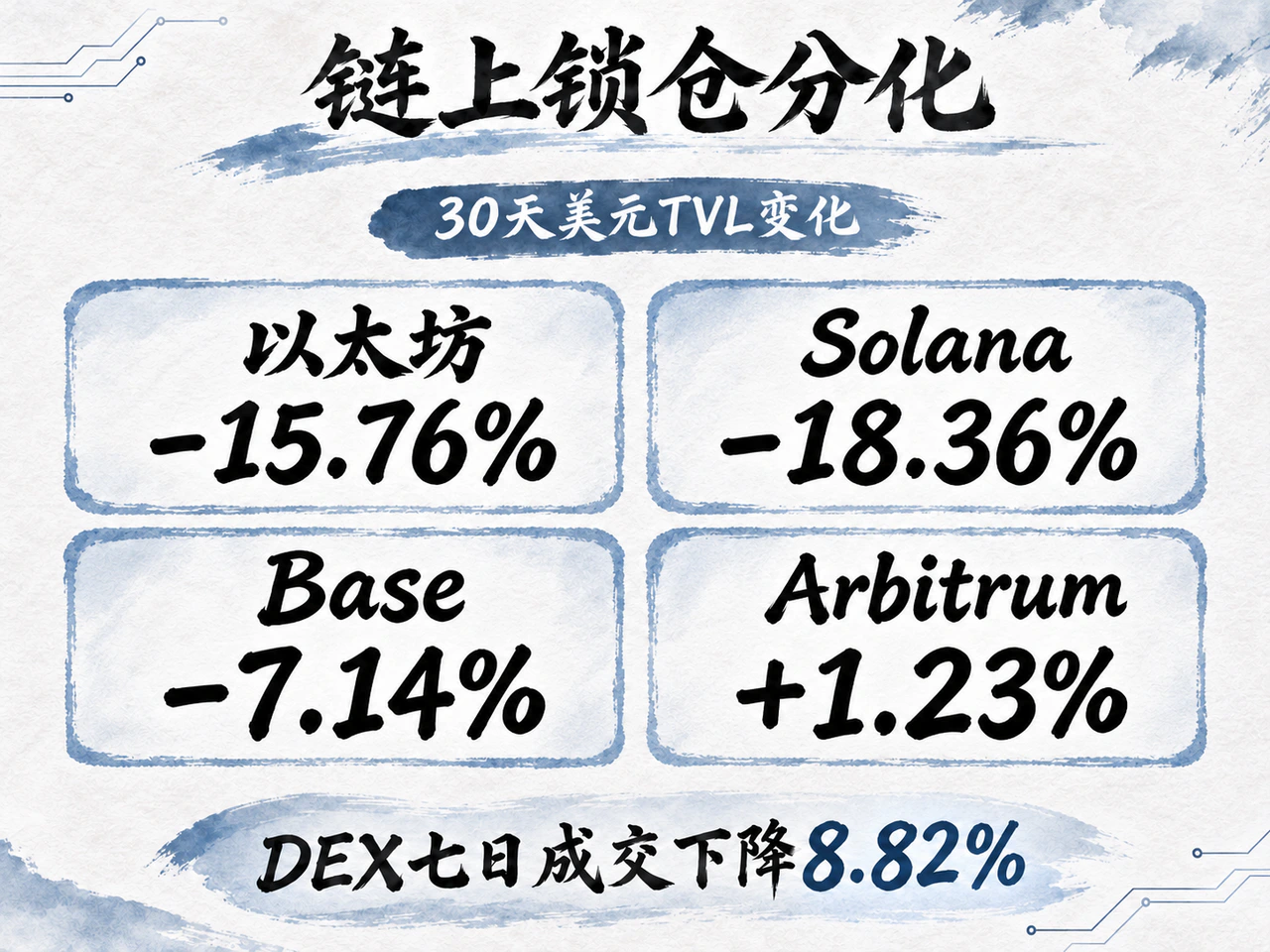
Daily observations labeled November 10 by DefiLlama put Ethereum DeFi TVL at approximately $40.806 billion and Solana at $5.031 billion; layer-2 networks Base and Arbitrum stood at $5.750 billion and $1.385 billion, respectively. Compared with observations on the same basis 30 days earlier, Ethereum, Solana and Base were down approximately 15.76%, 18.36% and 7.14%, respectively, while Arbitrum was up approximately 1.23%. Ethereum still held the largest stock of capital among the four, while Base exceeded Solana in dollar TVL.
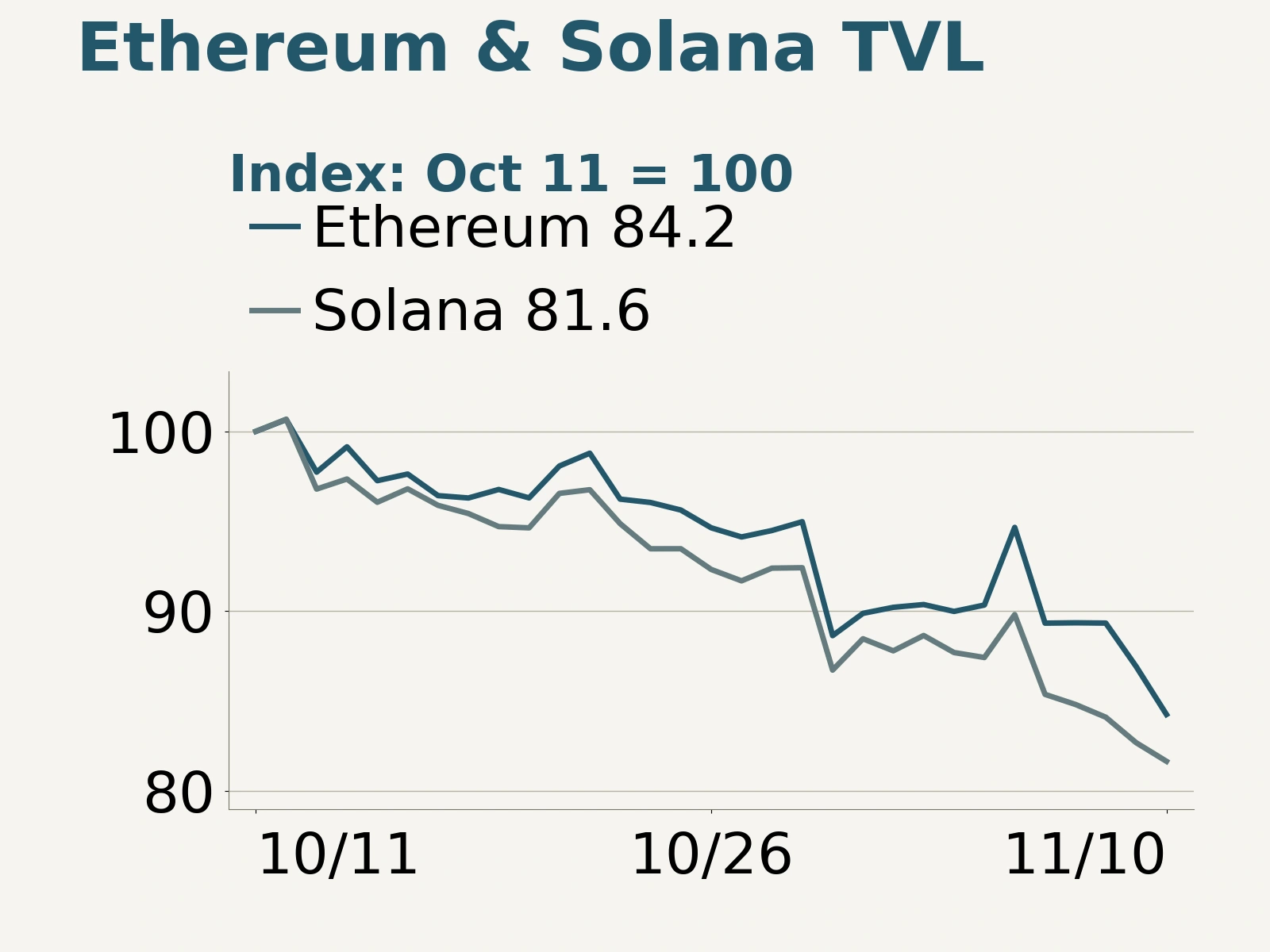
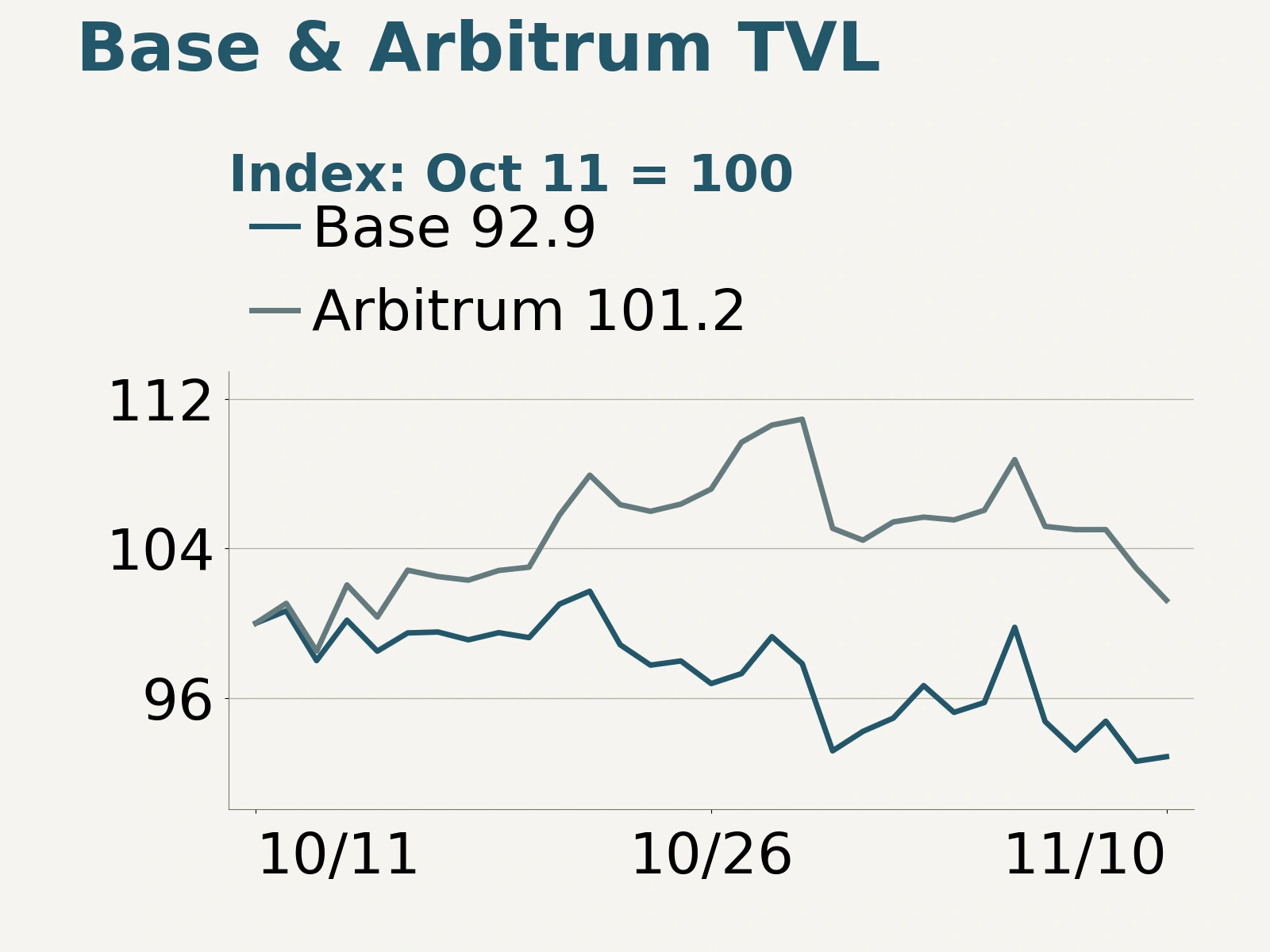
Dollar TVL is affected by both asset prices and deposits and withdrawals. When token prices weaken, the dollar value can fall even if collateral assets remain in a protocol. These figures therefore track the stock of capital within protocols, and Base exceeds Solana only on this measure. Assessing capital migration requires token-denominated balances and net bridge flows; trading, payments and application usage need to be assessed using their respective metrics.
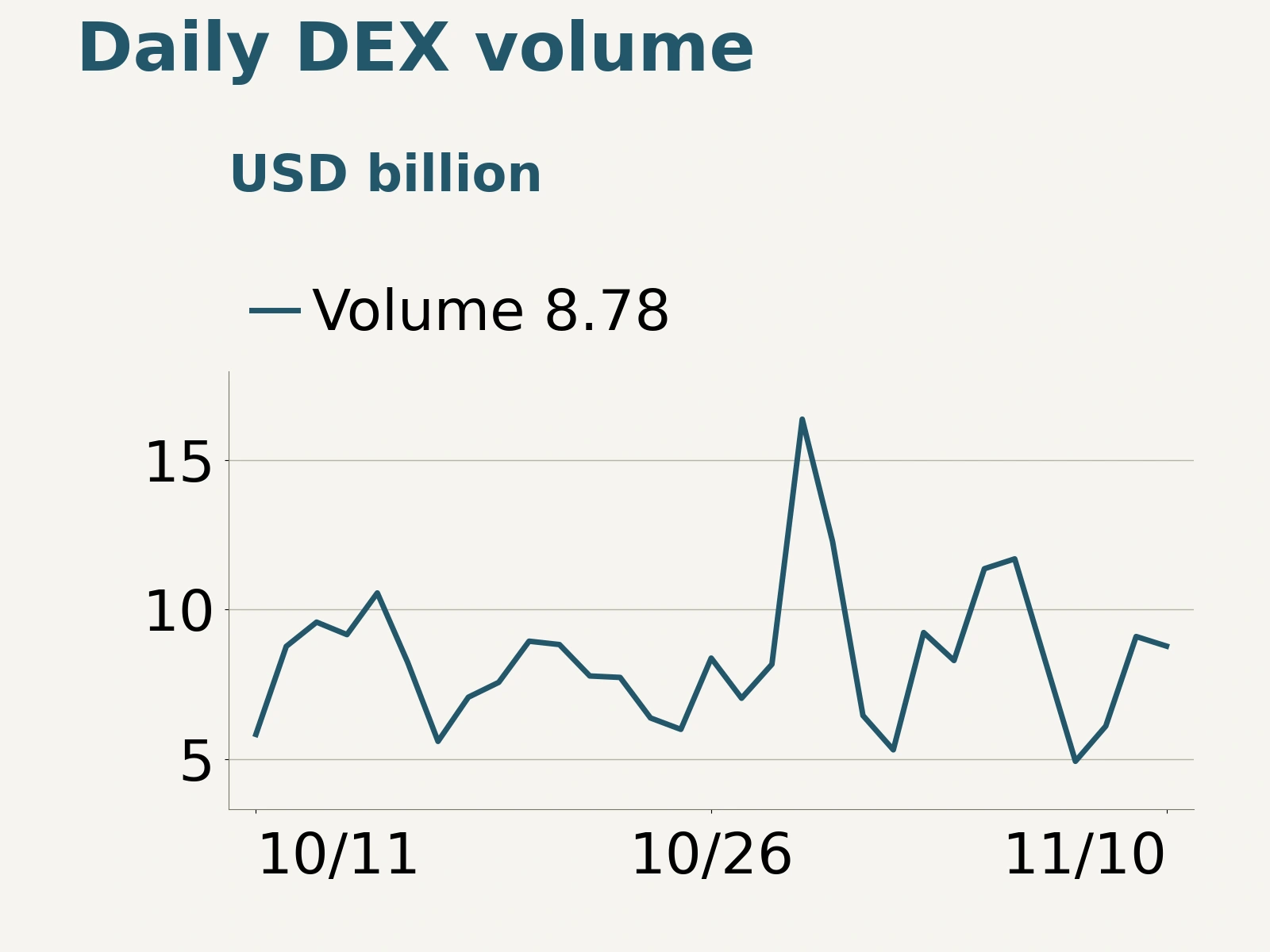
Trading activity has cooled. Decentralized spot exchanges covered by DefiLlama recorded approximately $8.776 billion in volume on November 10, down 3.53% from the preceding day. Cumulative volume over the seven consecutive UTC days ending that day was approximately $60.259 billion, versus approximately $66.088 billion in the preceding seven days, a decline of approximately 8.82%. Weekly volume remained above $60 billion, but price volatility, arbitrage and the frequency of capital turnover all affect trading volume; it cannot be converted directly into new users or platform revenue.
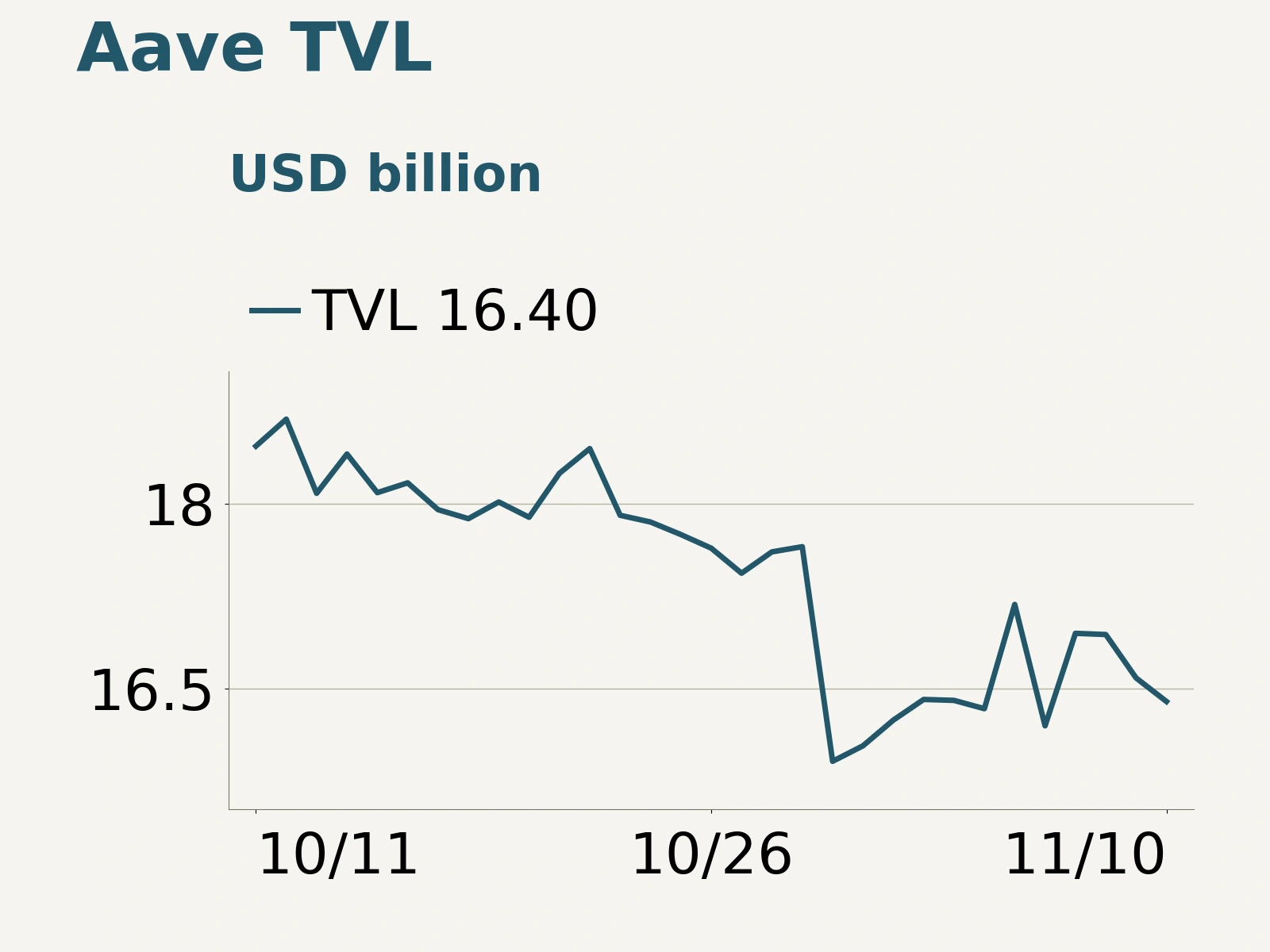
In lending, Aave's daily TVL for the same period was approximately $16.396 billion, down 11.20% from 30 days earlier. This metric measures the value of assets deposited in the protocol. Outstanding borrowing, interest paid by borrowers and the protocol's eventual revenue must each be calculated separately; protocol revenue also depends on interest allocation and reserve arrangements. Assessing the resilience of the lending business additionally requires monitoring borrowing utilization and sustained demand from paying borrowers.
Underlying infrastructure is also advancing. According to Optimum's official documentation, its gateway connects Ethereum consensus clients to the mump2p network to help propagate blocks and attestation messages. Such improvements target validator communications, with commercial value first appearing in operational efficiency. Turning a performance upgrade into additional application revenue still requires actual adoption and business conversion.
Visa adds Monad to its settlement network; actual settlement volume remains undisclosed
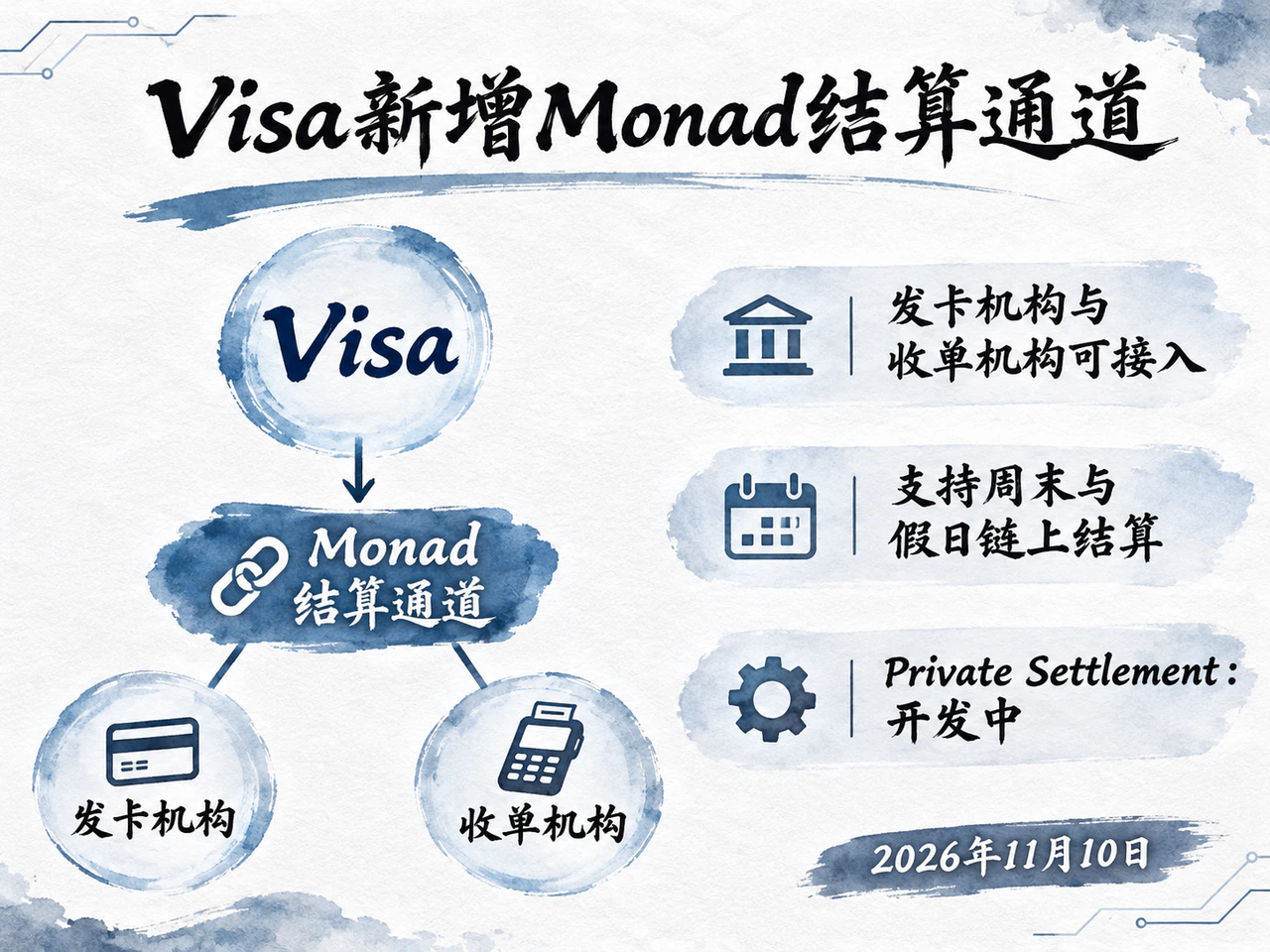
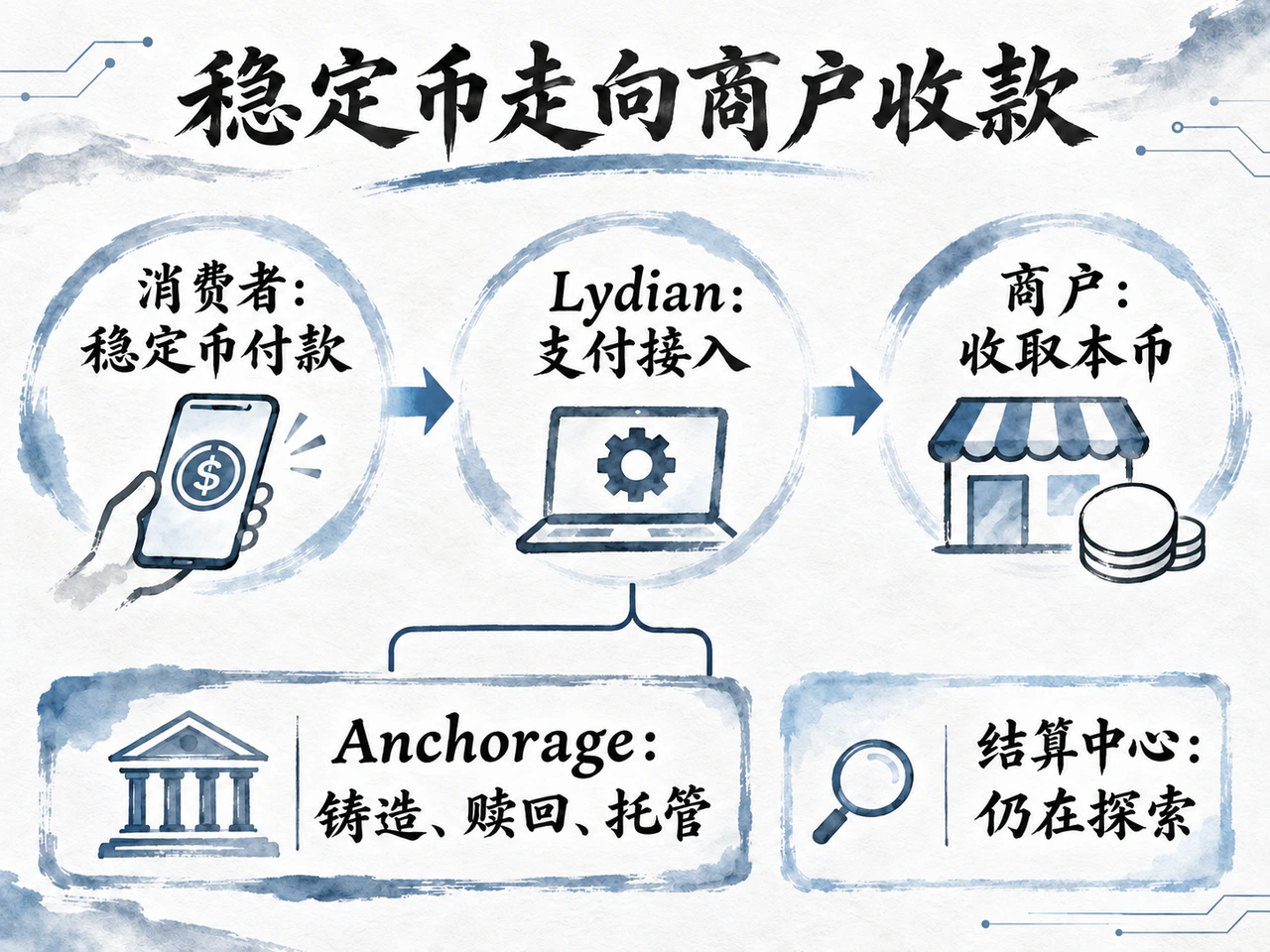
The significance of Visa's support for Monad lies in connecting an onchain network to the settlement processes of established payment institutions. In its November 10 report, The Block quoted the Monad Foundation as saying that onchain settlement can operate on weekends and holidays. Visa already supported networks including Ethereum, Solana and Base, allowing institutions to choose settlement channels according to their business needs. Whether Monad gains actual usage will still depend on institutions' choices and its ability to deliver the service.
No settlement volume allocated to Monad has been disclosed as part of this expansion. The Monad Foundation expects to launch Private Settlement in the coming months. The feature remains under development and is intended to let institutions control sensitive transaction information while retaining the liquidity of an open network, with access provided to auditors and regulators as needed. Alongside cost and speed, data confidentiality, accounting treatment and treasury management also influence whether institutions move routine business onchain.
Visa uses settlement data for credit assessment; Securitize plans to acquire River One
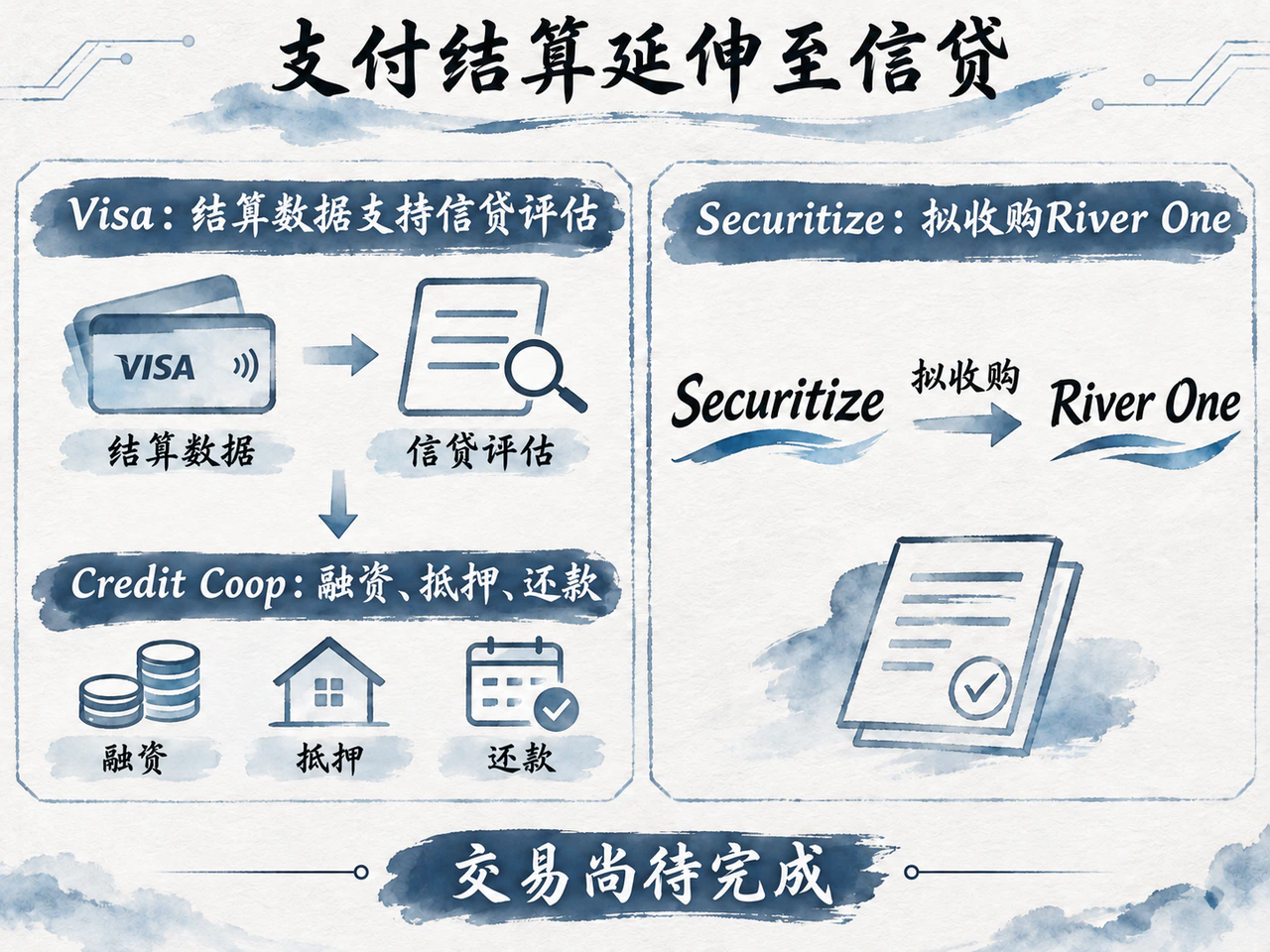
Payment settlement is also extending into credit. In an official announcement on September 8, Visa described using VisaNet settlement data and onchain records to help lenders assess the working-capital needs of stablecoin-linked card programs. Its partnership model with Credit Coop uses smart contracts to manage financing, collateral and repayment, seeking to make settlement receivables a basis for ongoing financing and to connect payment flows with working-capital funding.
Asset tokenization is also extending into financing services. On November 9, Securitize announced plans to acquire River One. Reporting on November 10 indicated that River One aims to connect stablecoin capital with asset-backed financing involving assets such as loans and receivables. The transaction has yet to close. The business rationale is that once assets are issued onchain, trading, settlement and financing services are still needed to create uses beyond simply holding them.
This edition's data reveal three layers of activity: decentralized trading generates substantial turnover, though volume cooled over the past week; dollar TVL is broadly under pressure, with only Arbitrum posting modest growth; and payments and credit continue to seek stable demand. Adding Monad lowers the barrier for institutions choosing onchain settlement. The quality of the business that follows will depend on whether settlement volumes persist, financing is repaid on time and service providers can earn revenue. Infrastructure capabilities are growing, while commercial demand still needs to materialize in each use case.
Click “Read the original” for the full details.