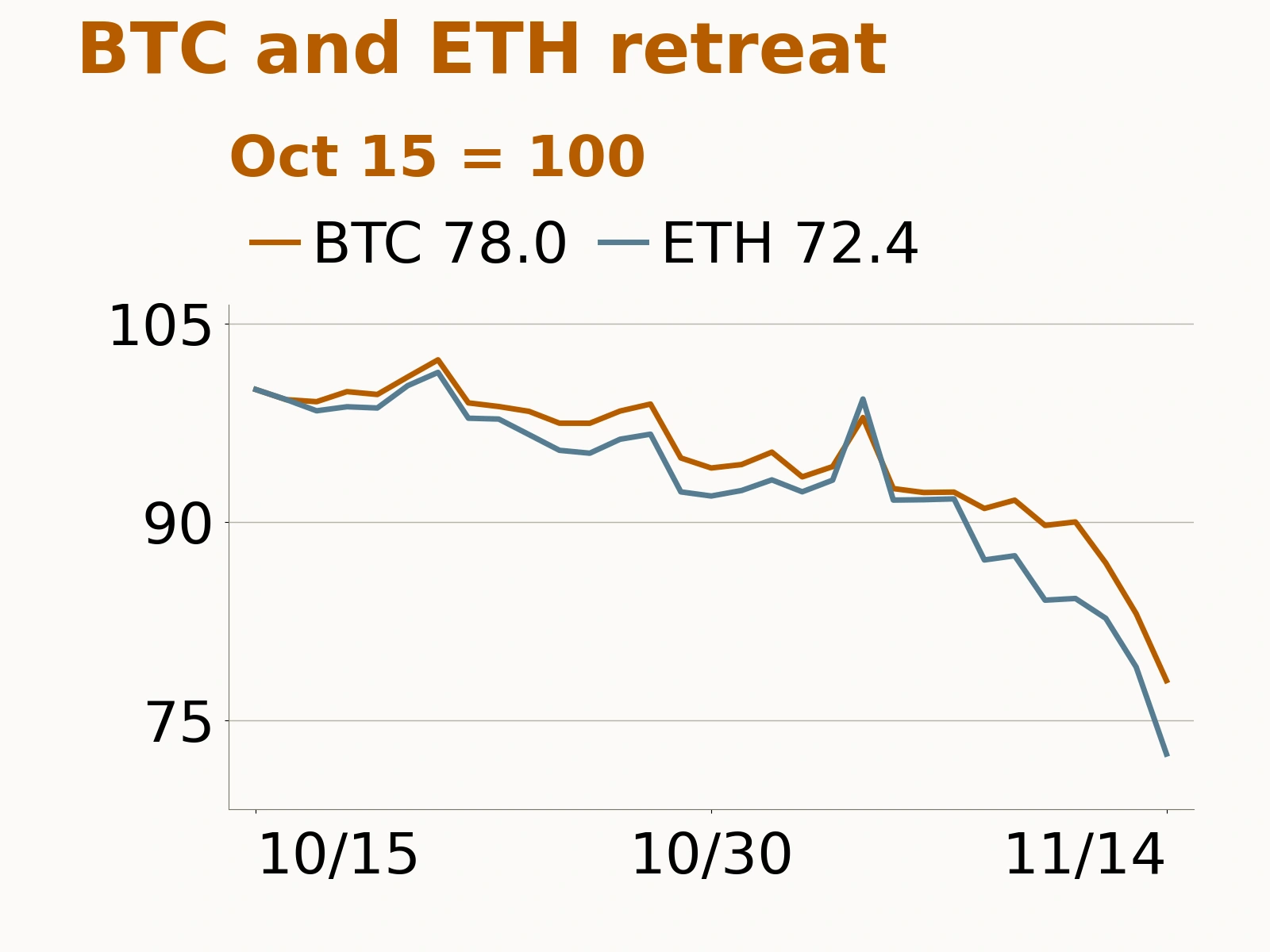
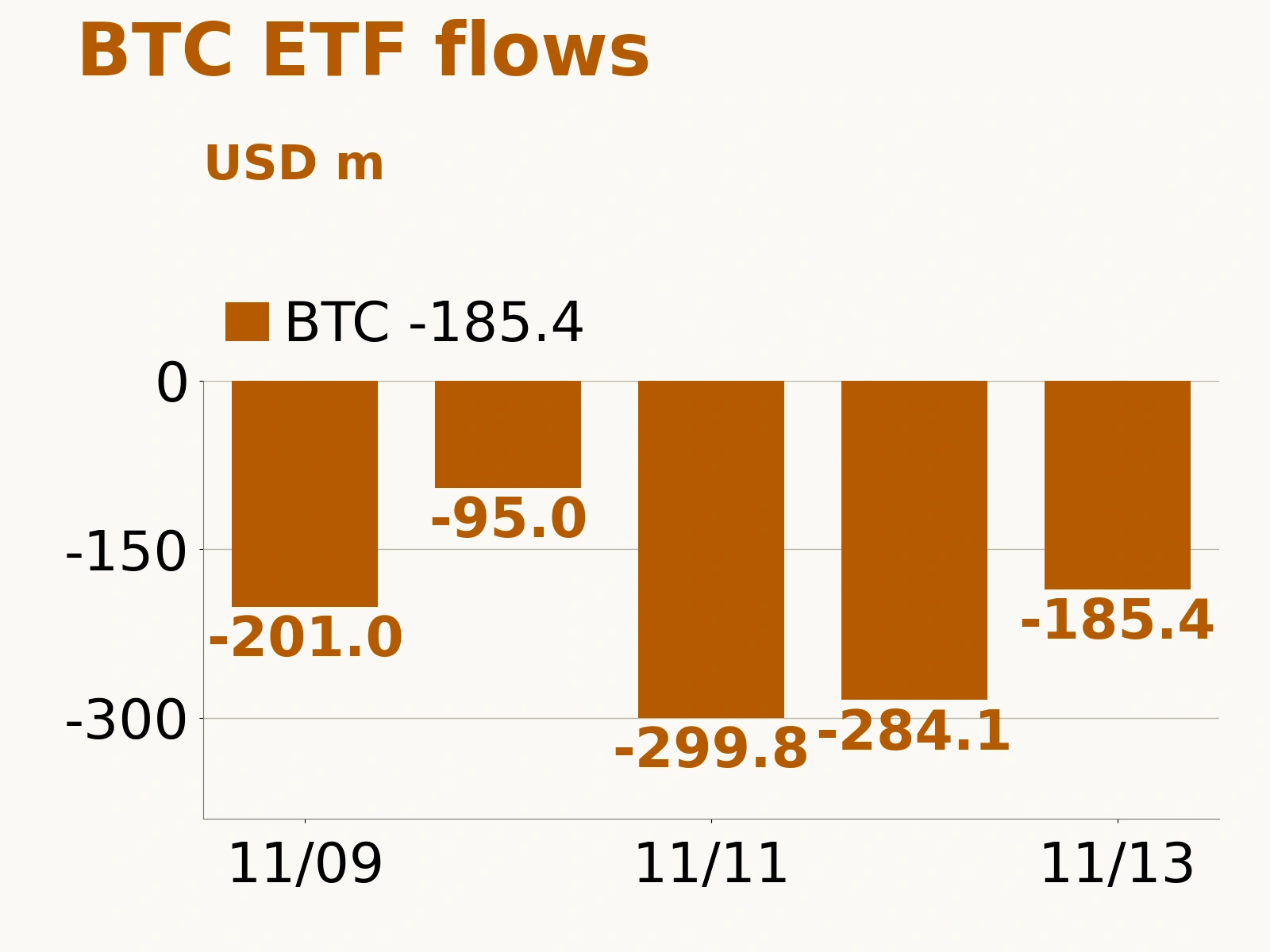
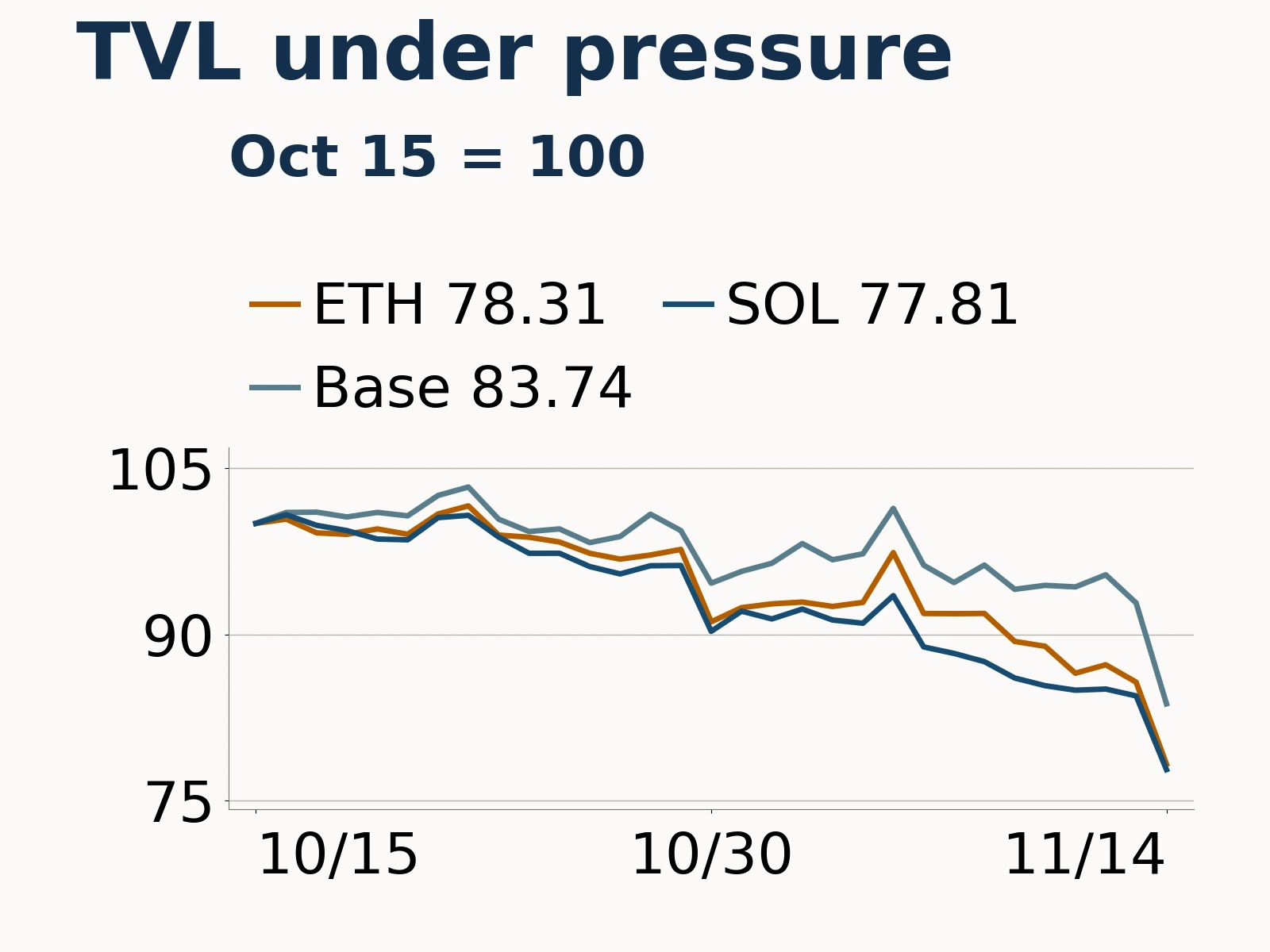
On November 14, 2026, CryptoSlate brought the discussion of round-the-clock trading on Wall Street to the question of settlement: once a trade can be executed on Saturday, who provides the settlement cash, and when does the money arrive? Trading hours for crypto assets and traditional securities are converging, while bank payments, collateral transfers and redemptions still operate within their own business-hour constraints. The expansion of institutional business increasingly depends on how well trading access connects with the delivery of funds.
Continuous weekend trading allows investors to adjust their risk exposure promptly, but also creates more trades, margin requirements and cash needs before the next settlement. Clearing members and payment service providers need to arrange funding in advance. Assessments of product progress therefore need to consider both when trading is available and when funds can be used.
CME weekend trades fall on the next business day; Fedwire's extended hours will arrive no earlier than 2028
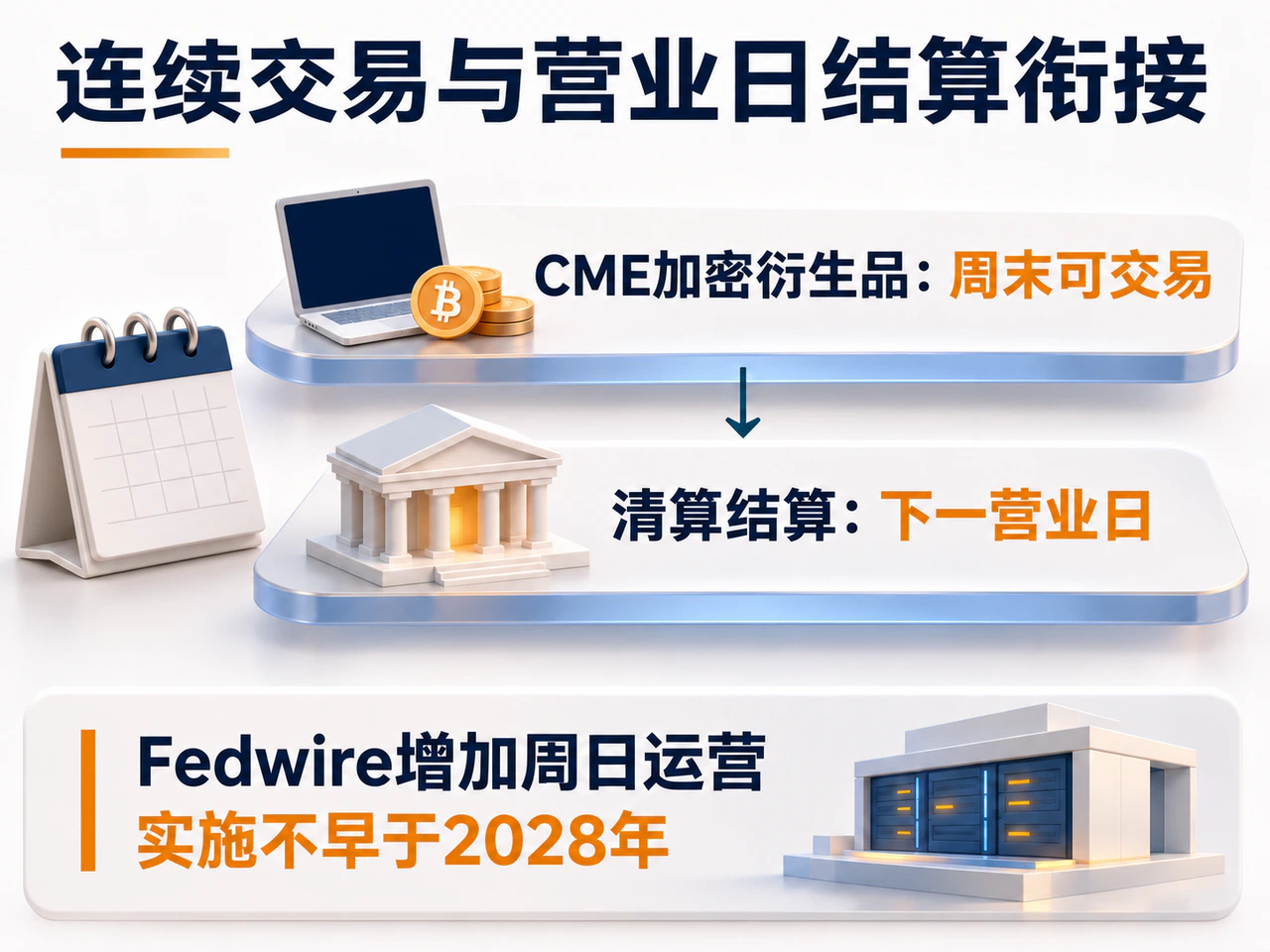
Under arrangements CME announced in May 2026, cryptocurrency futures and options already trade around the clock, with at least two hours reserved for weekend maintenance. Trades executed from Friday evening through Sunday evening are assigned the next business day's trade date, with clearing, settlement and regulatory reporting also handled on the next business day. Price risk can be hedged over the weekend, but clearing members still need to provide collateral for new trades and manage the margin tied up in those positions.
Longer trading hours will move some activity previously concentrated on weekdays into the weekend. If a client reduces a position on Saturday, whether the cash released can be transferred promptly and in full to another institution still depends on the processing arrangements of the trading platform, clearing member and settlement bank. The balances and available limits recognized by each of these three parties, together with the time at which funds finally arrive, jointly determine the size of the positions the client can subsequently establish.
Tokenized securities face similar coordination challenges. On November 11, OKXICE, a joint venture between OKX and Intercontinental Exchange, announced plans to open round-the-clock trading in tokenized securities to eligible U.S. clients on November 23, with more than 70 assets expected to be listed. The plan described in the announcement rests on a temporary exemption framework, and the platform has not yet formally launched. As the range of tradable instruments expands, the coordination of bank transfers and securities delivery will influence how convenient continuous trading is in practice.
Payment systems are extending their hours on a separate timetable. In October 2025, the Federal Reserve announced that the Fedwire Funds Service and National Settlement Service would expand operating hours to include Sundays and weekday holidays, with implementation no earlier than 2028. Longer trading hours for financial products and changes to large-value payment systems are not proceeding in tandem. Until the new payment-system arrangements take effect, institutions will still need to bridge weekend liquidity needs themselves.
Circle's near-instant redemptions depend on prefunded cash that yields less than Treasuries
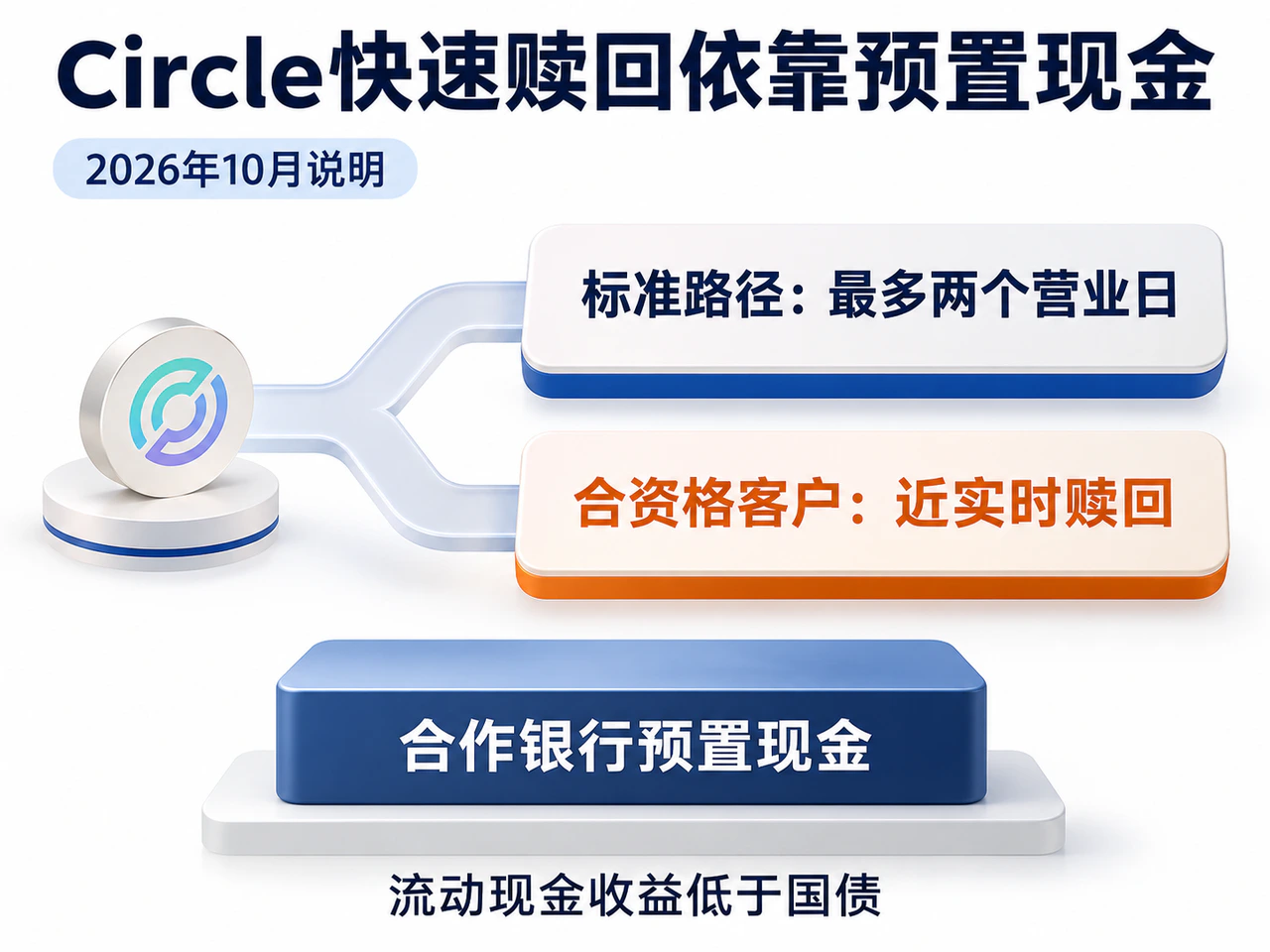
Stablecoins can already move between wallets around the clock. If recipients need dollars in a bank account, however, the funds must still pass through redemption and bank payment processes. In its October 16, 2026 explanation of redemption mechanisms, Circle said the standard banking route typically takes up to two business days; near-instant redemption capabilities are available through the Circle Payments Network and to qualified platform clients. Eligibility, the route used and the speed at which funds arrive together define the service's capabilities.
Circle also explained that near-instant payouts rely on cash prefunded at partner banks. To remain available for payment at any time, this money must stay liquid and earns less than holdings of Treasuries. As issuers and their partners share reserve income, they must also set aside resources for redemptions, banking relationships and day-to-day operations. Promises of faster access to funds ultimately need support from the balance sheet and continuing operational investment.
An article published by the Federal Reserve Bank of Chicago in November 2026 offers a comparison from traditional clearing markets. It revisits a settlement delay caused by an erroneous trade submission in late June 2026: a central counterparty had received funds from clearing members but failed to make the payments due on time, ultimately delaying settlement by one day. Cash in the institution's account at the Federal Reserve increased, with a corresponding reduction in bank reserves. The article said market interest rates showed no significant movement at the time, and discussed the roles of ample reserves, trust between institutions and time set aside for troubleshooting.
The case shows that having funds and being able to use them promptly are two different operational conditions. As markets open around the clock, checks on unusual payments, transfers of backup funding and coverage by authorized staff also need to extend across more hours. Competition in stablecoins and tokenized securities is shifting from longer trading hours toward the ability to deliver cash and assets continuously. Institutions that can secure weekend funding, establish service eligibility and put contingency arrangements in place are better positioned to turn round-the-clock trading into reliable client service.
Click “Read the original” for more details.