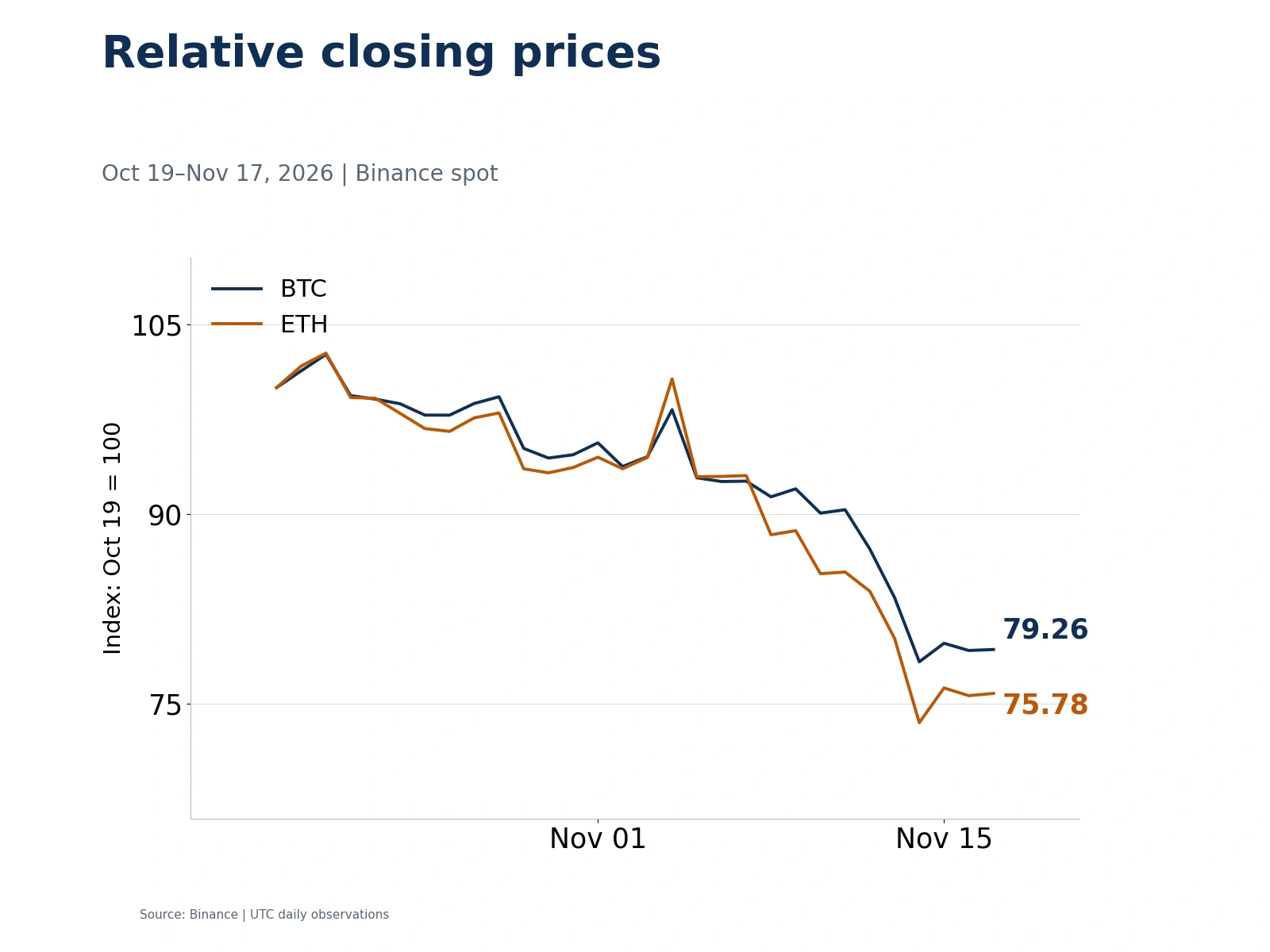
On November 17, the two US spot bitcoin ETFs run by Grayscale saw flows move in opposite directions: GBTC recorded $17.7 million in net outflows, while the Bitcoin Mini Trust (BTC) received $1.1 million in net inflows. As of the morning of November 18 Beijing time, some issuers had yet to disclose their figures, leaving it unclear whether the market as a whole could extend the previous trading day’s modest net inflow. Binance perpetual futures had already diverged: bitcoin open interest continued to fall while ether open interest rose, yet the additional positions did not increase the full-day funding cost of holding long positions.
Monday’s positive total depended almost entirely on IBIT

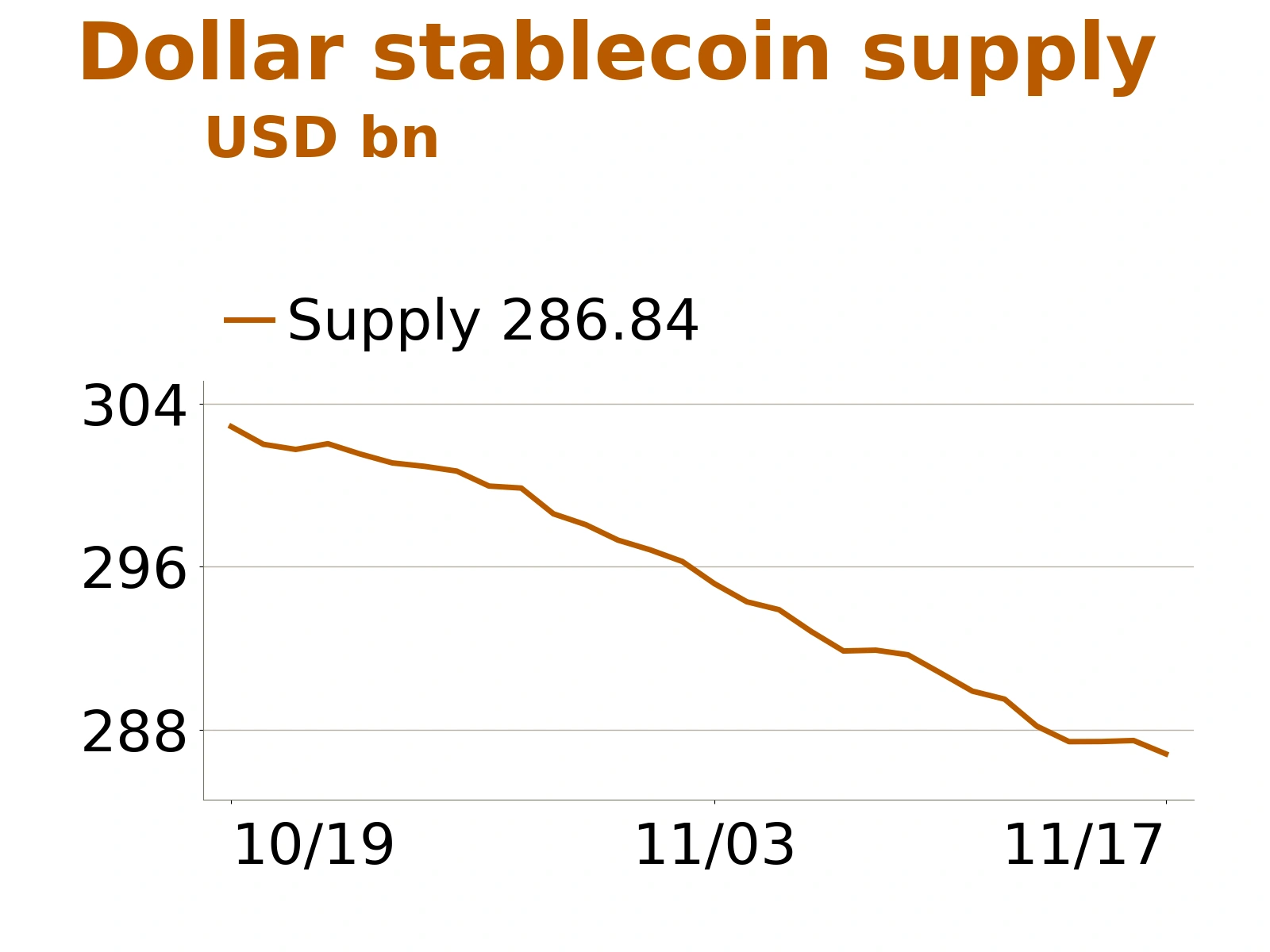
November 16 was the most recent US trading day for which all flow figures had been reported. According to Farside Investors, US spot bitcoin ETFs received a combined $7.9 million in net inflows that day, ending seven consecutive trading days of net redemptions. The breakdown shows that the positive total depended almost entirely on BlackRock’s IBIT: the fund attracted $76.5 million in net inflows, while Grayscale’s GBTC lost $34.6 million and Fidelity’s FBTC lost $11.3 million. Excluding IBIT, the other products recorded combined net outflows of $68.6 million.
The preceding seven trading days had seen total net outflows of $1.907 billion; Monday’s inflow recovered only about 0.4% of that amount. US spot ether ETFs still recorded $8.4 million in net outflows on the same day. The next point to watch is whether redemptions at other large funds also ease when IBIT attracts new money. Tuesday’s combined $16.6 million net outflow from Grayscale’s two products is the latest observation, but the direction of those two products alone cannot represent all issuers.
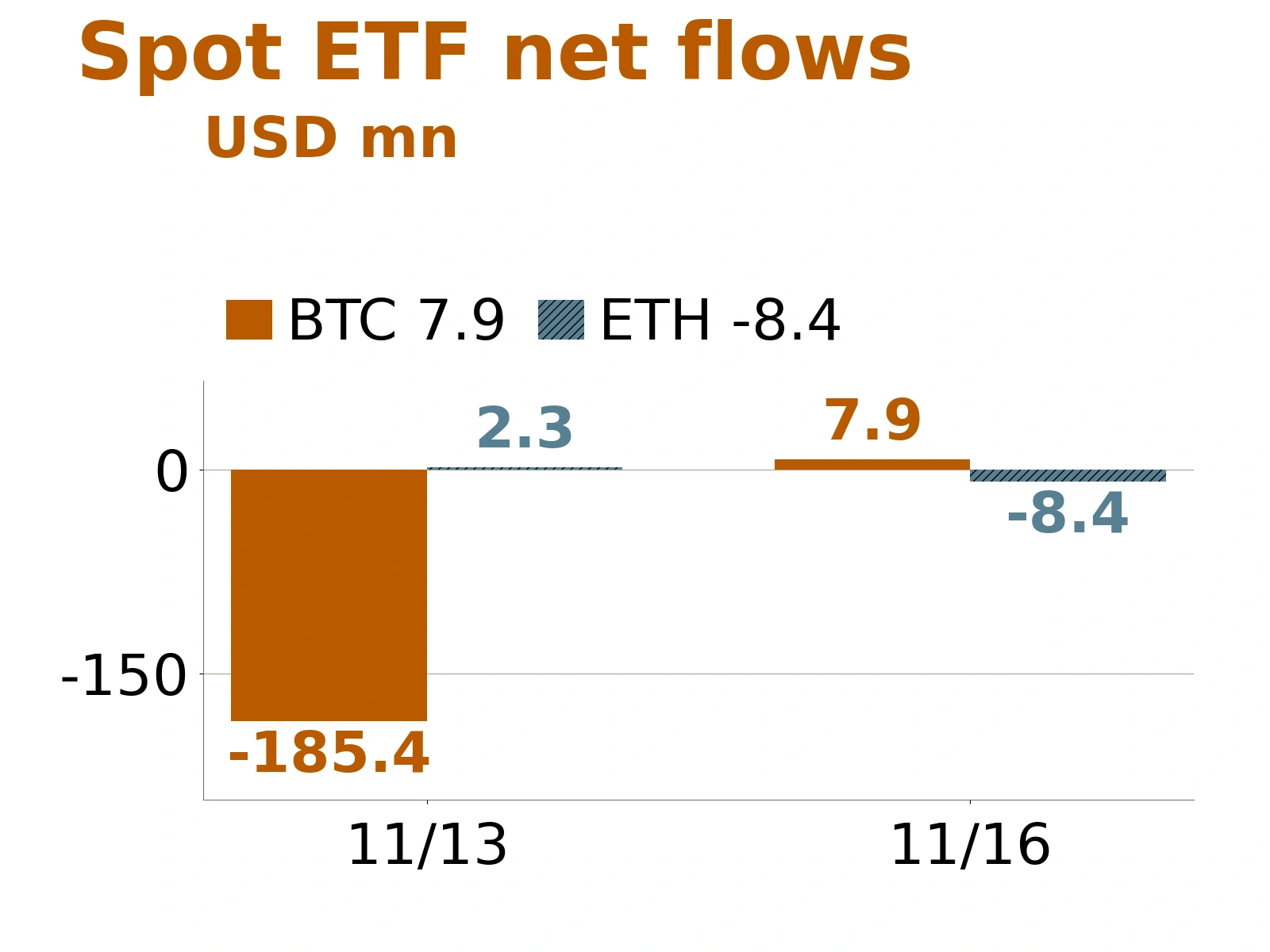
Dollar stablecoins offer another reference point. DefiLlama’s aggregate face value of dollar-pegged stablecoins in global circulation stood at $286.838 billion at 00:00 UTC on November 17, down $655 million from 00:00 UTC the previous day. The same measure was $302.867 billion on October 19, a decline of $16.029 billion, or about 5.3%, by November 17. This stock serves trading, payments and on-chain collateral uses, among others. It cannot identify which types of holders are redeeming, and it cannot be added to ETF flows. Viewed together, however, the two datasets help put Monday’s positive ETF total in perspective: one fund attracted new subscriptions while the broader supply of on-chain dollars remained below its level a month earlier.
Ether positions rise without a sustained funding premium for longs

From 00:00 UTC on November 17 to 00:00 UTC the following day, open interest in Binance’s USDT-settled bitcoin perpetual futures fell from 92,553 BTC to 92,007 BTC, a decline of 0.59%. Over the same period, ether open interest rose from 2.2843 million ETH to 2.3486 million ETH, an increase of approximately 64,400 ETH, or 2.82%. Measuring open interest in units of the underlying coin removes changes in dollar notional exposure caused solely by movements in the coin’s price. At least on Binance, the two major tokens were not adding leverage in tandem.
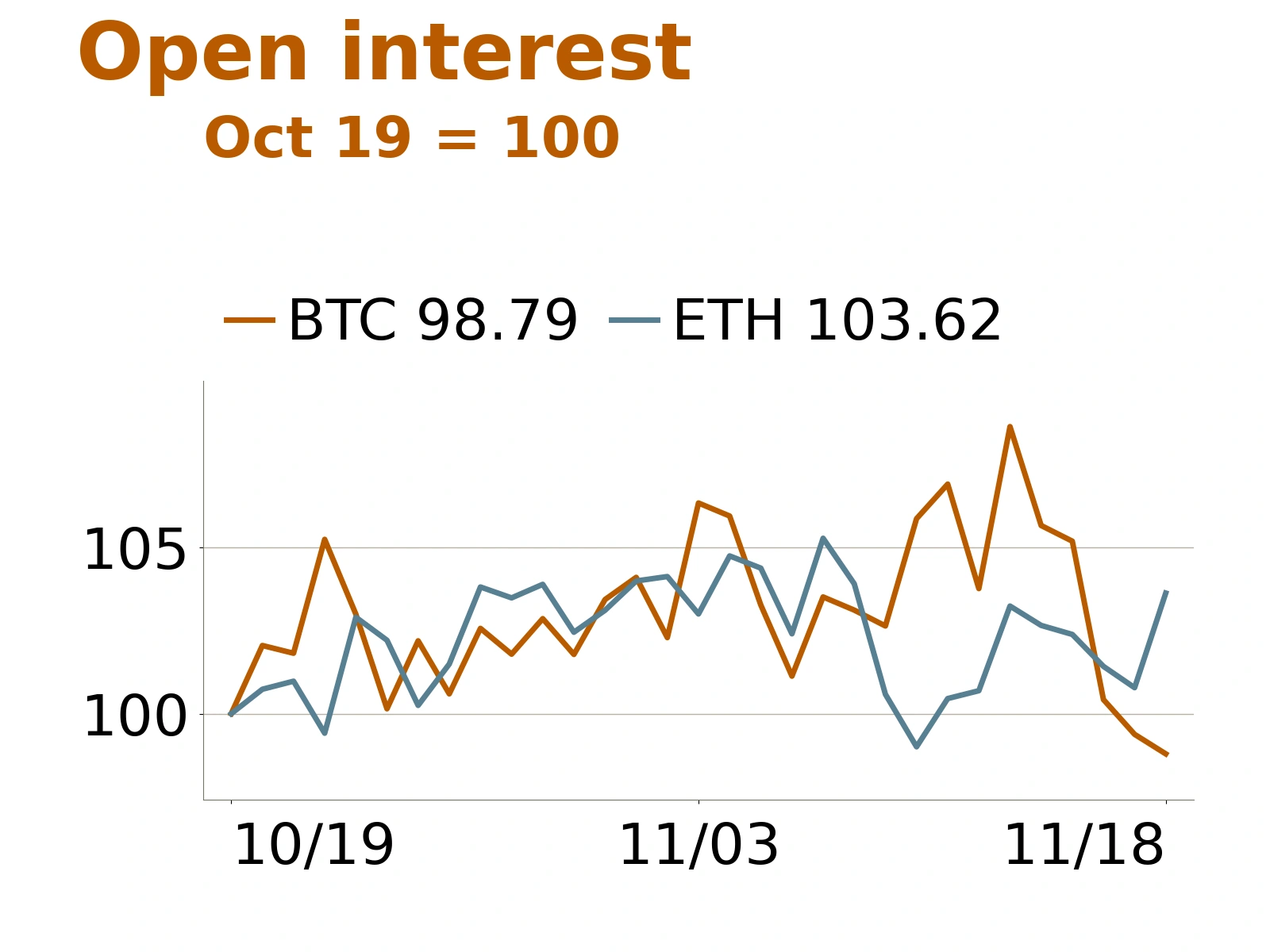
Each additional ether contract has both a long and a short side, and funding rates help indicate which side bears the cost of holding the position. Of the day’s three funding settlements for Binance ether contracts, two were negative and one was positive. Simply summing them for an unchanged notional position gives a full-day rate of negative 0.001791%; on this basis, longs holding through all three settlements received a small net funding payment. Bitcoin contracts showed the opposite pattern: open interest fell, but the three settlements still summed to positive 0.002872%, leaving longs paying a small net amount.
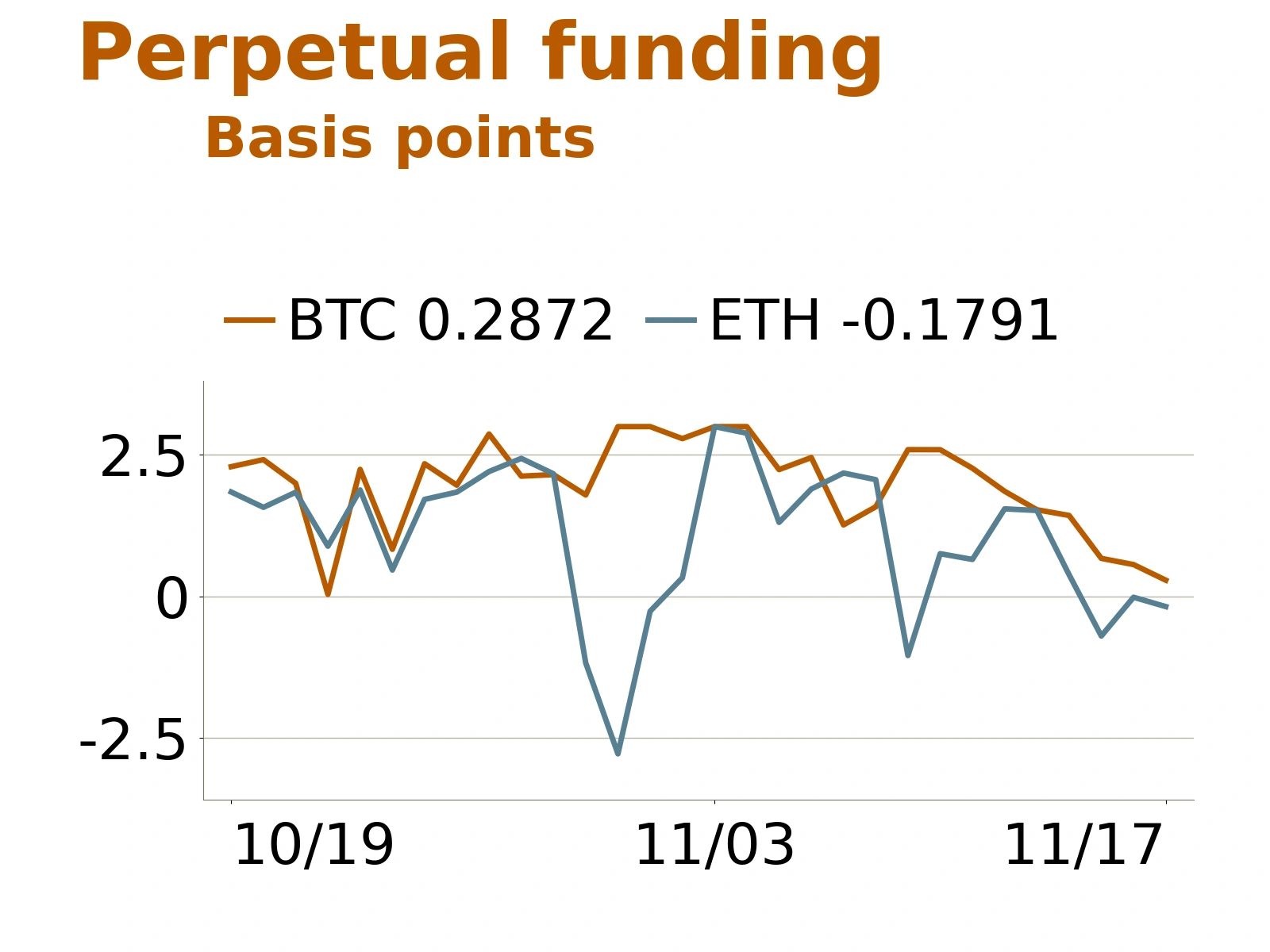
This combination can reflect different trades. An investor holding spot assets could open a new short to lock in a price, while another trader might simply be betting on a decline. Open interest and funding rates cannot distinguish the respective shares of these activities. What can be established is that ether futures traders were willing to hold more exposure, while longs did not pay a sustained premium for that expansion. With subscriptions to US funds still concentrated in individual products and on-chain dollar balances falling, the rise in ether open interest remains insufficient evidence that spot buying has returned.
Click “Read the original” for the full details.