On November 17, the World Bank Group announced in Washington that it would work with Citi and Circle to explore whether regulated US dollar stablecoins could be used to disburse funding for development projects. The World Bank's existing cross-border disbursements rely on correspondent banking networks. The three parties will examine where USDC could be introduced to help borrowing countries receive funds faster and reduce payment costs. According to the announcement, the work remains at the proposal study stage. The first participating countries, actual disbursement amounts and launch date have yet to be announced.
From Tracking Funds to Paying Them Out
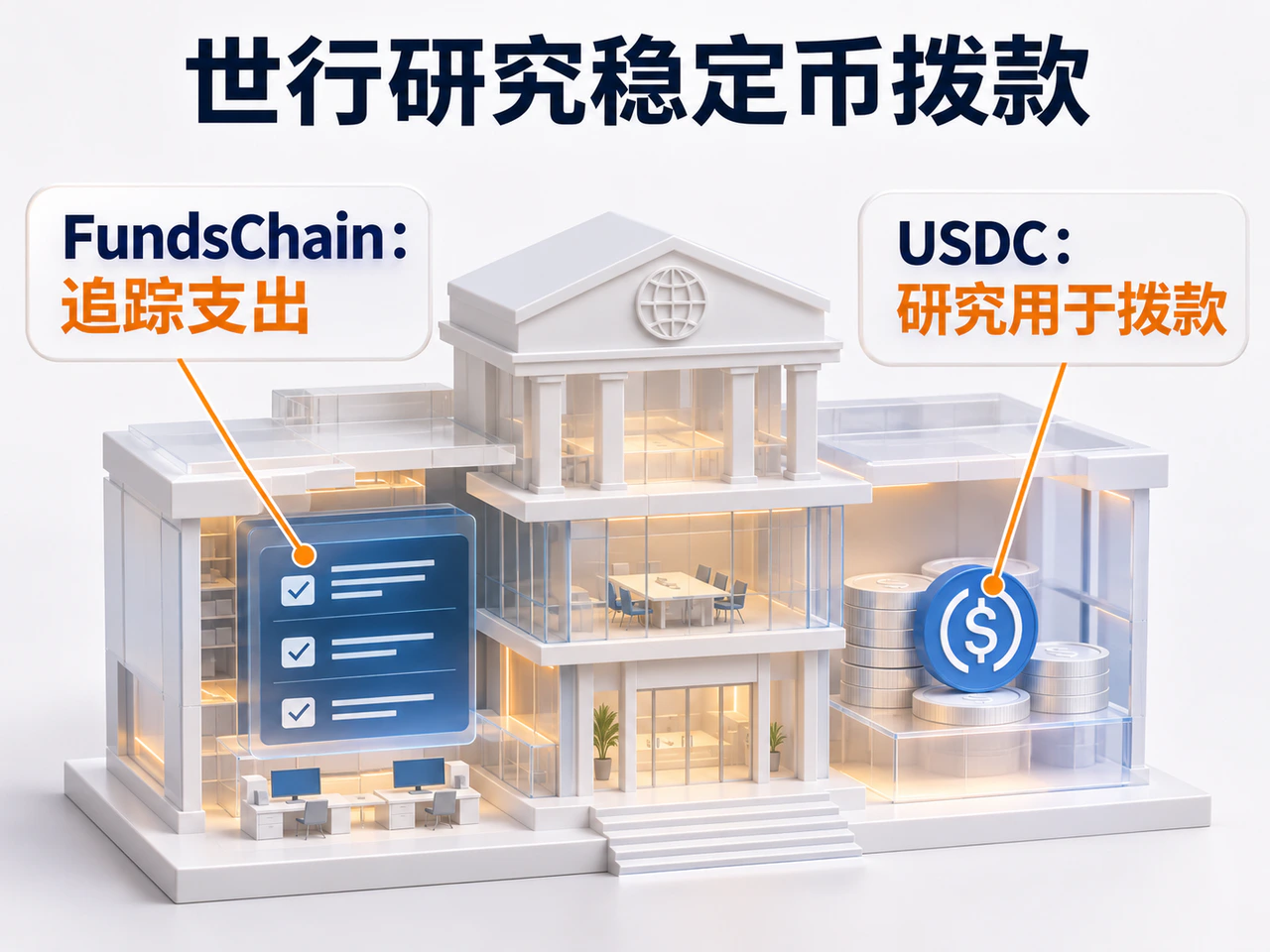
The World Bank's earlier use of blockchain addressed what happens after funds are disbursed. Financial systems differ across countries and projects, so once money has been paid out, borrowers, suppliers and auditors often have to reconcile their separate records to verify how it was used. FundsChain, developed by the World Bank, records project expenditure on a digital ledger accessible to the participating parties. In the Metro Manila Flood Management Project in the Philippines, project finance staff can check contracts, expenditure and payment status together, while suppliers can receive notifications when funds are ready.
The new study moves the question one step earlier in the process. Under the division of responsibilities announced by the three parties, Citi will connect the arrangement to existing bank payment networks, Circle will provide USDC minting and settlement infrastructure, and the World Bank will examine whether this route can operate alongside its current correspondent banking disbursement arrangements or improve particular stages of them. Recording how funds are used and actually transferring those funds therefore need to be assessed separately. There is still a gap between a contractor seeing on a ledger that payment has been arranged and receiving money in a local account that can be used to pay wages or buy materials.
Time Savings Must Be Measured Through to the Recipient
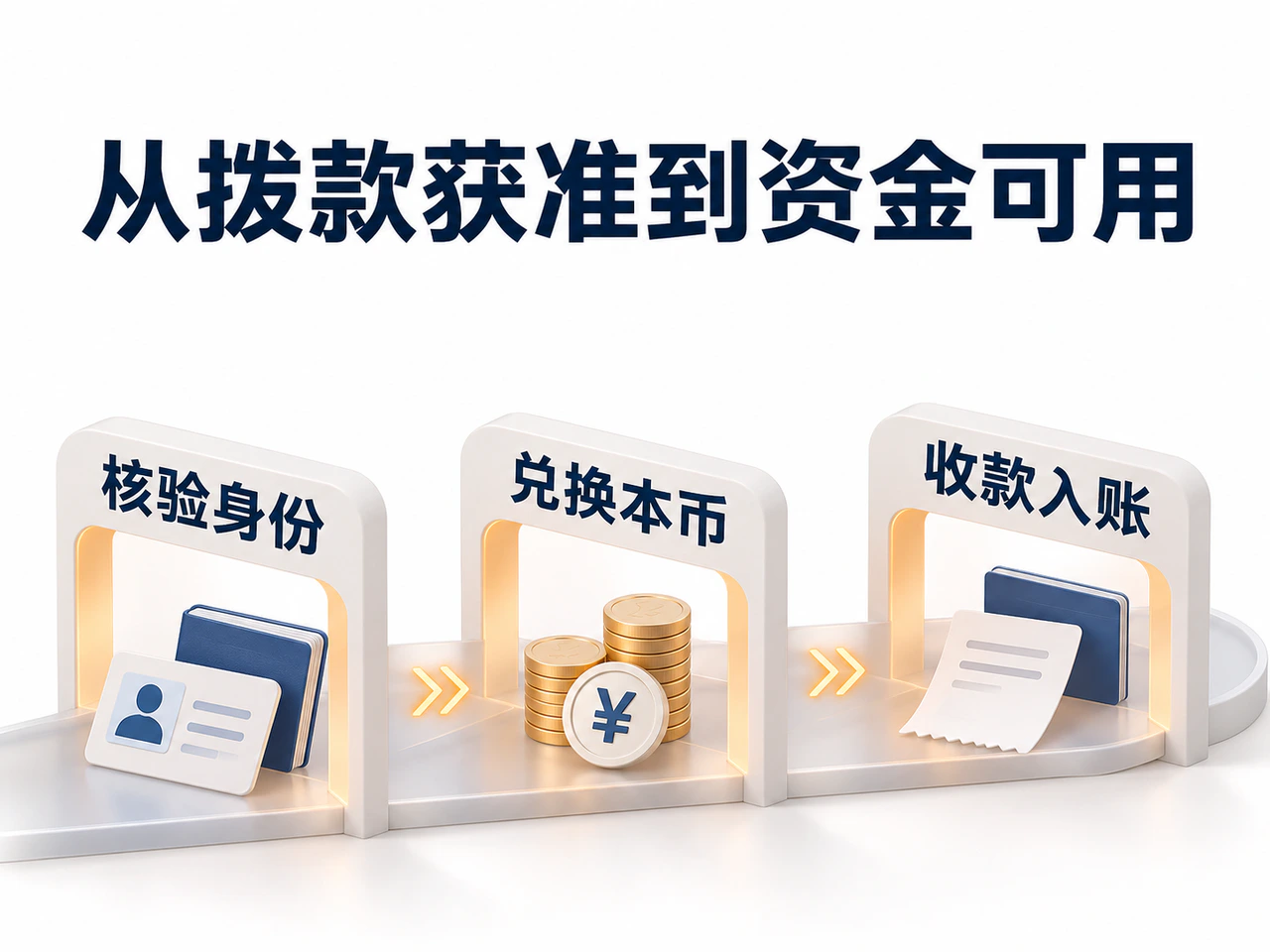
The World Bank will start with borrowing countries that permit and support the use of digital assets, studying a model that involves intermediaries and can interoperate with existing systems. For projects that buy locally in domestic currency, even if dollar funds can move on-chain around the clock, whether work can begin sooner still depends on when local partners complete verification, currency conversion and account crediting. To compare the two disbursement methods, the clock should start when the same disbursement is authorized for release and stop when the same recipient can use the funds. Total costs must also include foreign exchange spreads and fees at the redemption stage.
Identity verification is another practical task along this route. On the same day, the Hong Kong Monetary Authority noted at a seminar on anti-money laundering in digital assets that public ledgers can preserve transfer records, but the difficulty lies in promptly connecting wallet activity to the people who control those wallets in the real world. The HKMA is exploring how to combine on-chain transfers with customer transaction data held by banks to monitor anomalies. The World Bank proposal faces the same question: when concerns arise about a receiving address or beneficiary information, which institution verifies identity and handles exceptions will affect how long project funds take to arrive.
If the three parties subsequently disclose the first route used for an actual disbursement, the clearest evidence of its effectiveness will be the borrowing country, settlement currency, local redemption arrangements, and the time to receipt and total cost under comparable conditions. Only with those results will it be possible to assess what development projects actually save by settling through US dollar stablecoins.
Click “Read the original” for full details.