On November 17, CoW DAO disclosed that Solana lending platform Kamino had integrated CoW Protocol into its token swap service. Users still place orders through the Kamino interface, while an additional route in the background allows independent solvers to compete for execution. For CoW, which has only recently launched on Solana, the partnership offers access to Kamino’s existing users. How much trading volume it ultimately wins will depend on whether it can deliver better execution than other routes.
Solana’s daily volume rebounds as lending platforms expand trading services
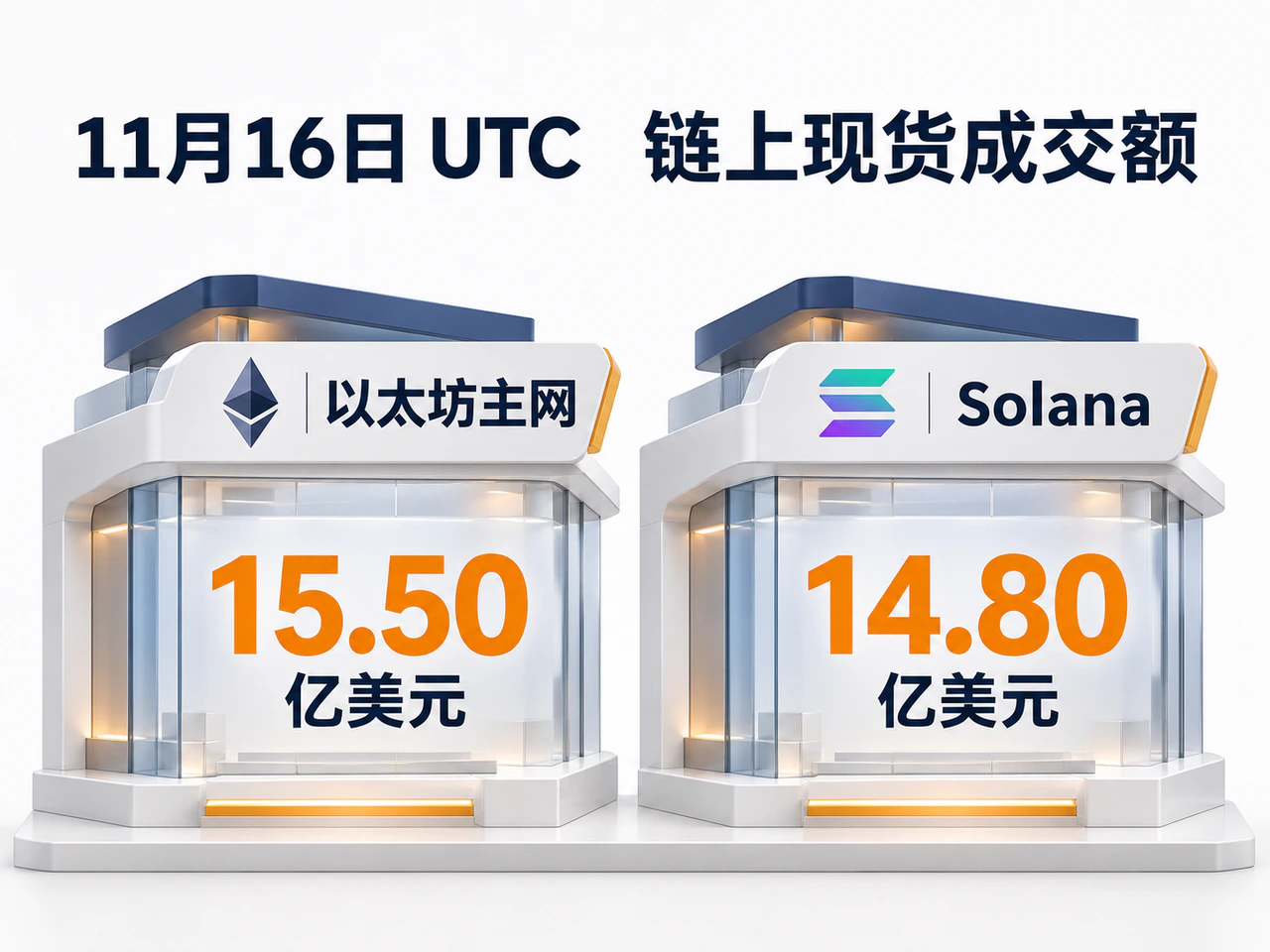
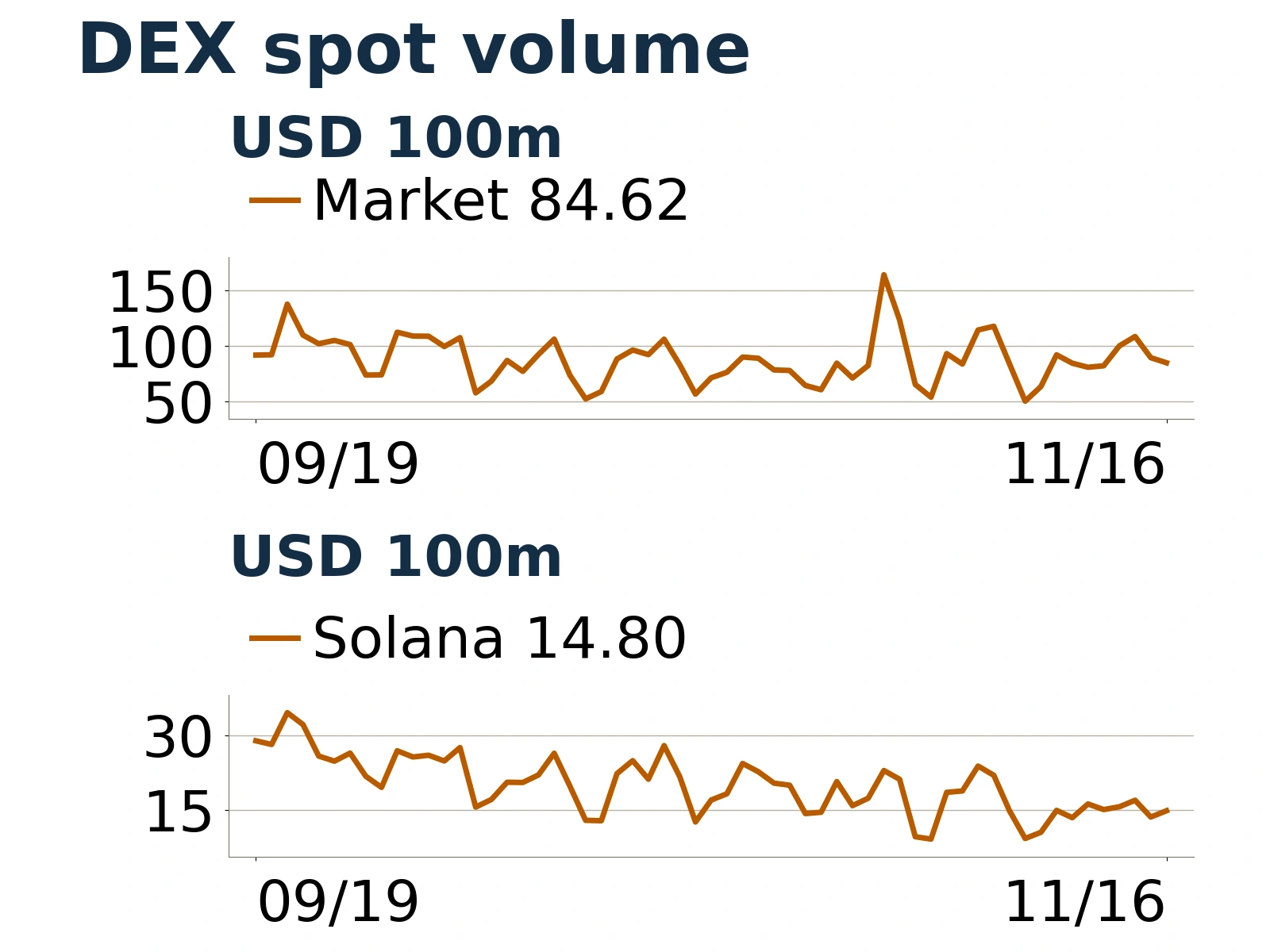
The latest day marked as complete by DefiLlama was November 16 (UTC). Spot trading volume across the decentralized exchanges it tracks totaled $8.462 billion that day, down 5.15% from the previous day. Ethereum mainnet volume fell from $1.763 billion to $1.550 billion; Base and Arbitrum declined to $1.069 billion and $245 million, respectively, while BNB Smart Chain recorded $958 million. Solana, by contrast, rose 9.42% from the previous day to $1.480 billion, about $70 million below Ethereum mainnet.
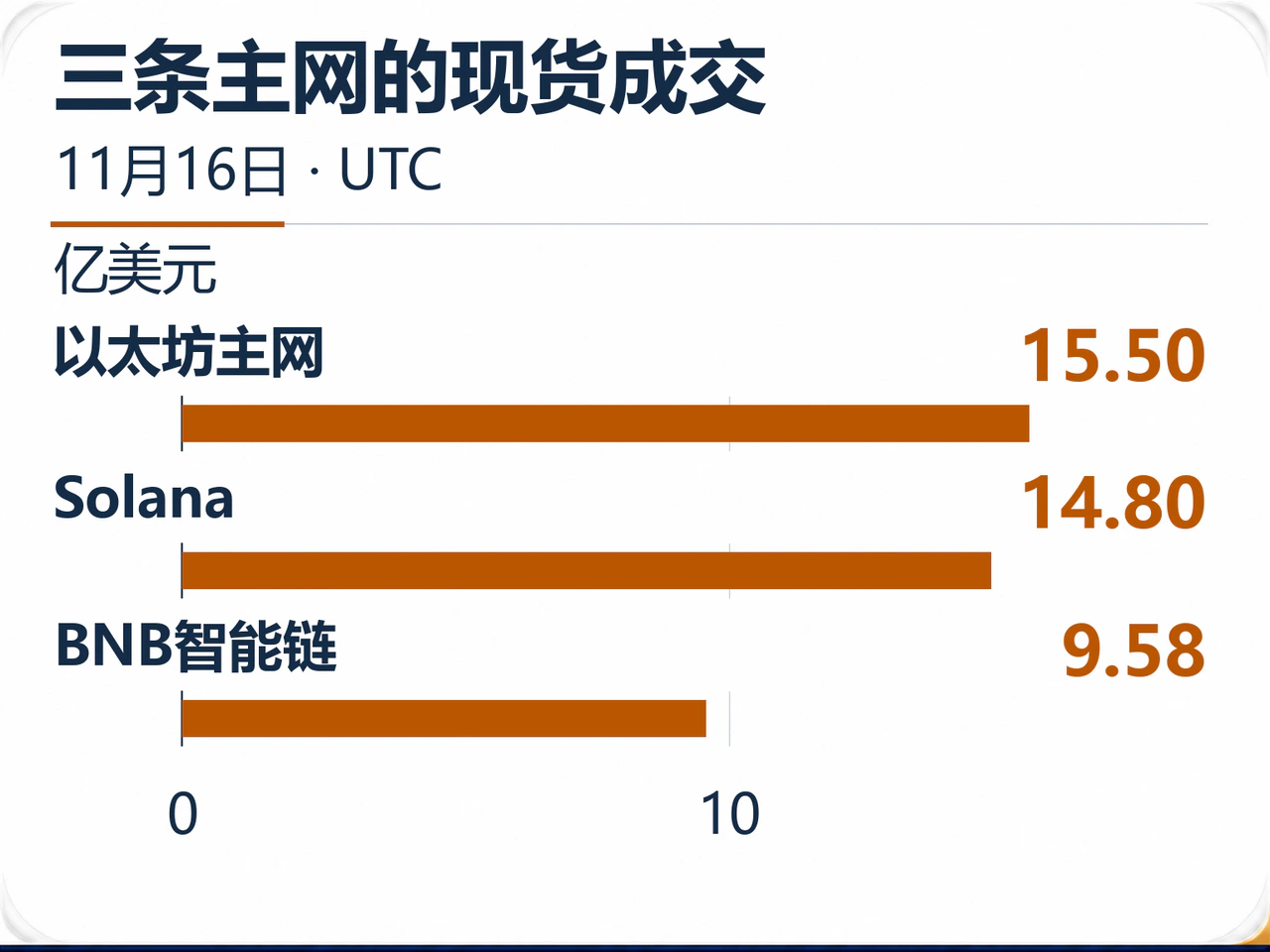
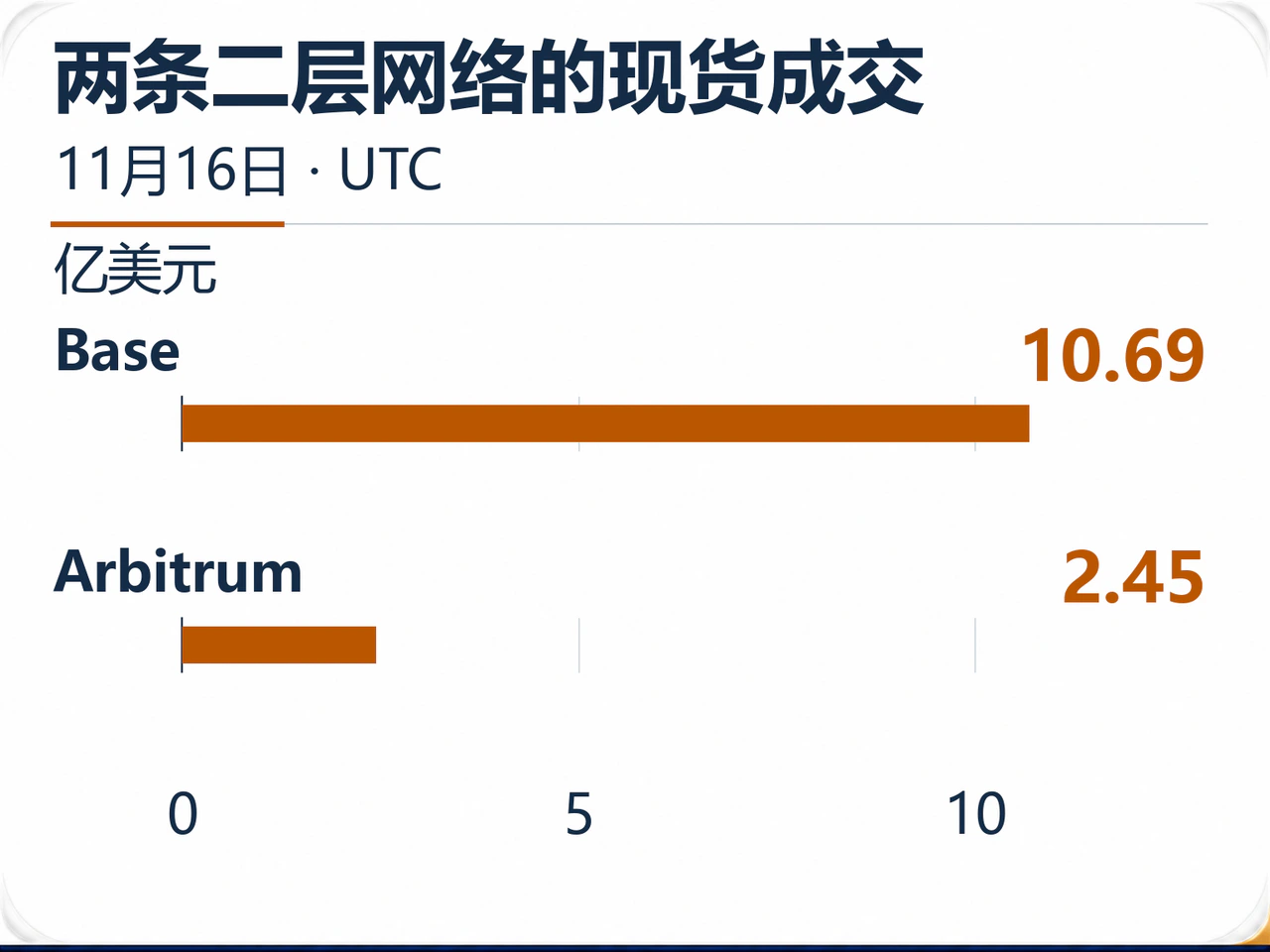
Solana’s one-day increase has yet to alter the pattern in average volumes over the past two weeks. From November 10 to 16, Solana’s average daily volume was $1.507 billion, below $1.628 billion in the preceding seven days. Over the same periods, average daily volume across the market covered above rose from $8.627 billion to $8.983 billion. For new entrants such as CoW, Solana’s existing volume provides a pool of orders to compete for, but winning market share still requires competing with established routes. These figures describe the market backdrop before the partnership was announced.
Trading and lending are being combined in different ways on the same network. On November 16, Jupiter announced a partnership with listed company Bullish to establish a permissioned lending market that would accept tokenized equities issued by Bullish as collateral. The plan would expand the range of collateral available for borrowing; actual activity will depend on the market opening and client eligibility. Kamino, meanwhile, is changing how existing customers swap assets, bringing more competition for execution to their current assets and trading needs.
CoW must win orders first; revenue then depends on the fee structure
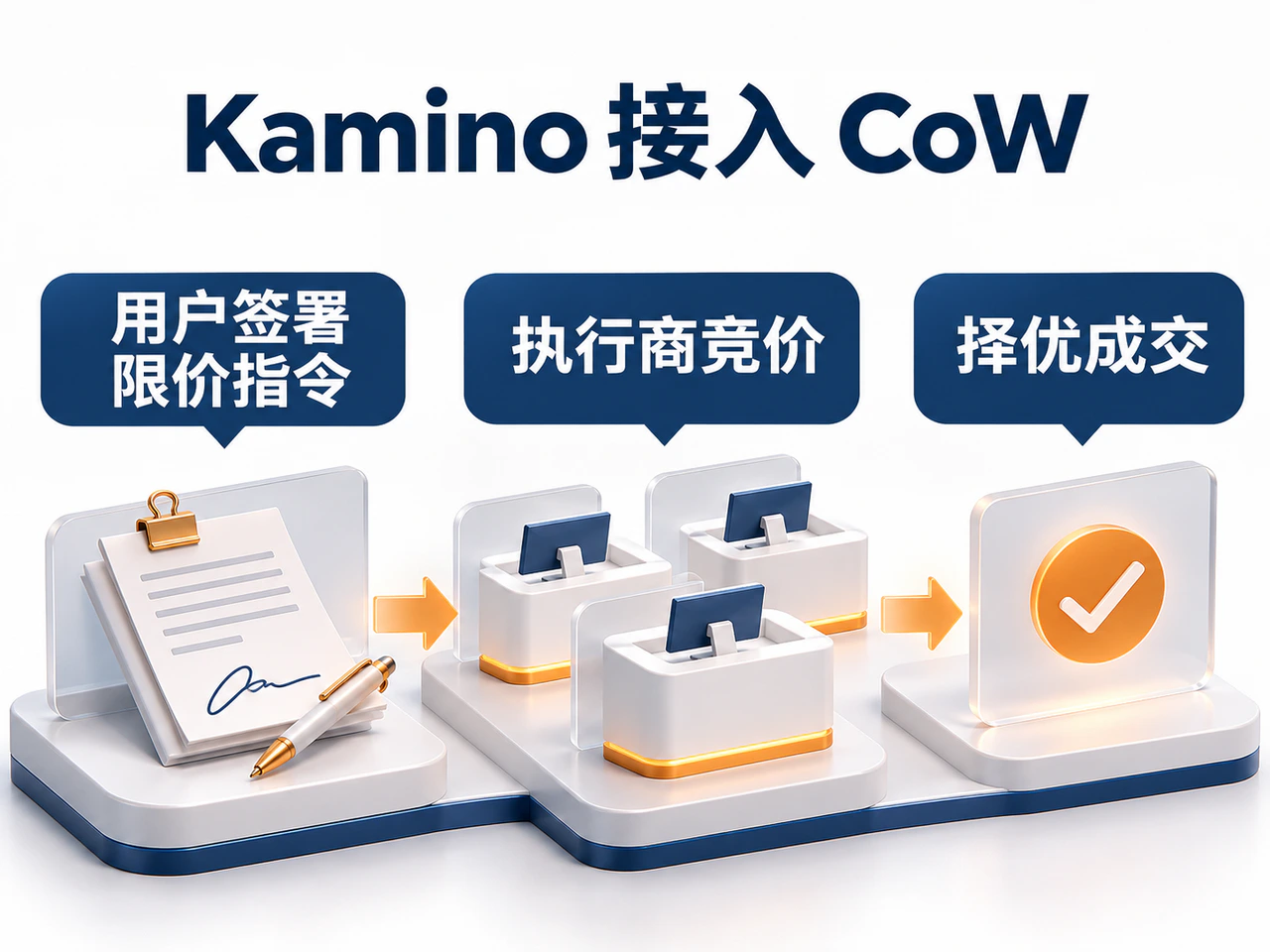
Kamino’s swap service requests quotes from more than 15 trading route engines simultaneously and simulates execution along each route. CoW is now one of those options. If a swap is handled through CoW, the user first signs an order specifying the assets to sell and buy, along with the minimum acceptable execution terms. Multiple independent solvers compete within the same batch. They can match buy and sell demand directly or execute against other sources of liquidity. When another route offers a better quote, Kamino will still send the trade through its existing channels.
One concrete change for users concerns the cost of failed orders. After a conventional on-chain swap is submitted, it may fail if the price has moved outside the user’s acceptable range, yet the user may still incur a network fee. Under the design disclosed by CoW, an order that cannot meet its limit can remain unfilled, without the user paying for that failed attempt. Batch settlement also aims to reduce opportunities for other participants to buy ahead of a trade and then sell at a profit.
CoW remains in early testing on Solana. Its own swap interface initially supports USDC and wrapped SOL. The extent of any improvement must be assessed by comparing the amounts users receive and order fill rates for orders of the same size at the same time.
Beyond competition for orders, the fee structure determines how much revenue trading volume generates. Under a proposal from CoW’s core team, volume-based protocol fees would be zero for the first 12 months on Solana. Price-improvement fees and fee-sharing arrangements with partners would still apply. Even if volume rises, protocol revenue will depend on which orders generate these two types of fees.
For Kamino, the most direct test is whether users can complete swaps on better terms. For CoW, the questions are how many orders the new route can win and how much revenue remains after solver incentives. Both parties can benefit from the same trade, but their measures of success differ.
Click “Read the original” for details.