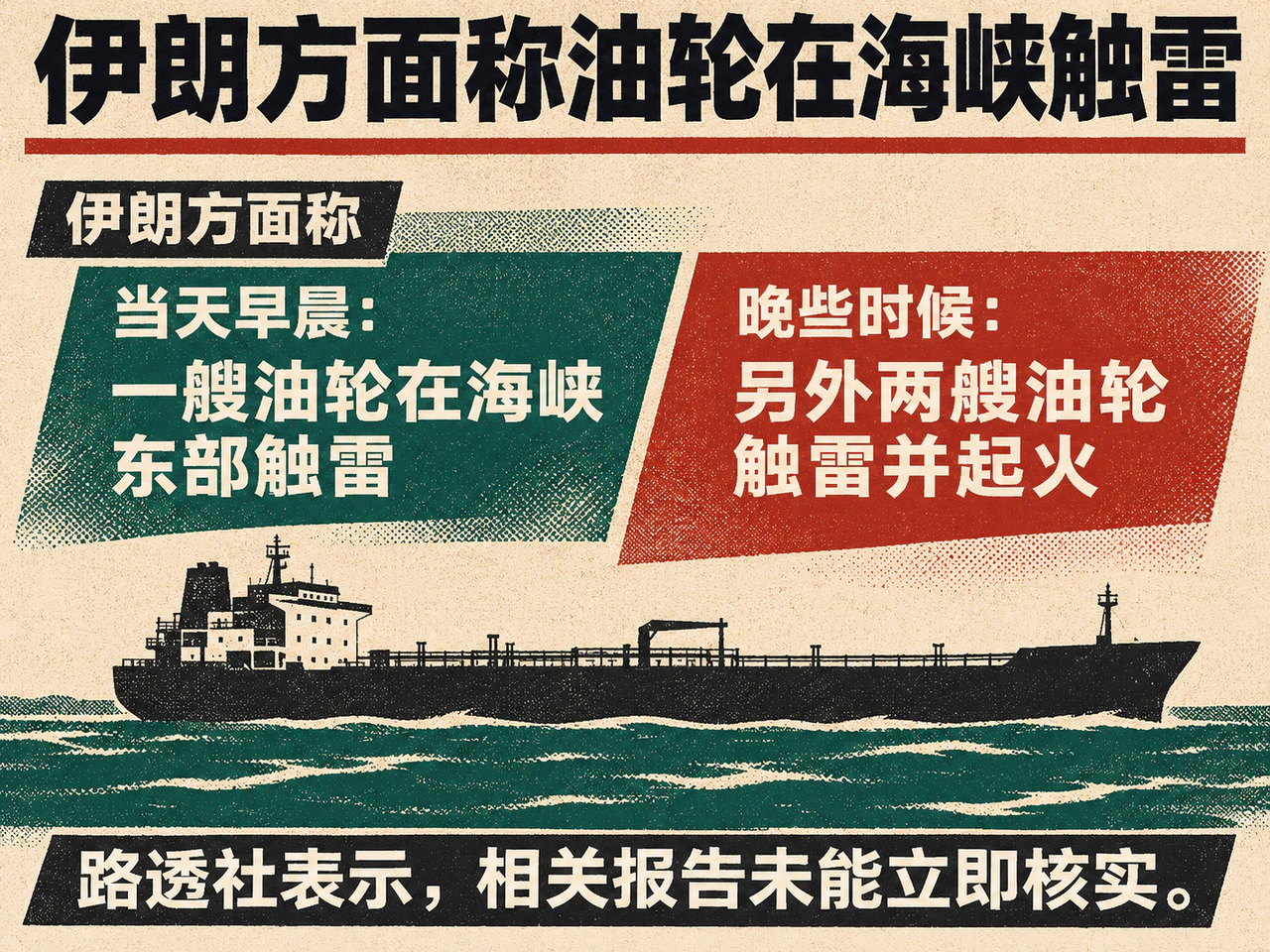
On November 17, 2026, Iranian Foreign Minister Abbas Araghchi discussed maritime navigation and international trade with Omani Foreign Minister Badr al-Busaidi in Muscat. The same day, India’s Ministry of External Affairs said one Indian national remained missing from the liquefied petroleum gas carrier attacked in the Strait of Hormuz the previous day. The United States and Iran remained divided over the sequence in which commitments should be implemented.
Muscat contacts continue, with Washington and Tehran still divided over sequencing

According to the Oman News Agency, the two foreign ministers agreed to maintain diplomatic communication and discussed how to prevent the crisis from widening. Also that day, Oman’s Sultan Haitham met Araghchi and received a written message from Iranian President Masoud Pezeshkian on bilateral relations. The meeting also addressed ways to ease regional tensions.
Qatari Foreign Ministry spokesperson Majed al-Ansari said Qatar was exchanging views with the parties on existing proposals and called on all sides to exercise restraint. Ansari warned that renewed escalation would endanger freedom of navigation and narrow the scope for reaching an agreement. Al-Monitor reported that Araghchi also met a Qatari delegation during his visit to Muscat.
Bahrain issued a shelter warning to residents and subsequently lifted it. Iran said it had conducted military action in Bahrain that day. U.S. military officials confirmed that the United States had taken military action against Iran that day, describing it as self-defense.
Reuters reported on November 17, citing sources familiar with the indirect talks, that Tehran wanted the United States to lift the blockade, unfreeze assets and allow Iran to resume oil sales before substantive negotiations. In return, Iran was willing to reopen the strait and leave the nuclear issue for subsequent discussion. Washington, by contrast, wanted both sides to take reciprocal steps simultaneously and required Iran to make verifiable nuclear commitments from the outset.
The sequence affects what each side can offer in exchange for the other’s implementation of its commitments. If the United States first allows Iran to resume oil sales, Iran can restore some revenue before a nuclear agreement is reached. If Iran reopens the strait first, its bargaining power in seeking an end to the blockade, the unfreezing of assets and the resumption of oil sales will weaken. The Muscat contacts preserve a channel through which the two sides can coordinate these steps.
One Indian national aboard the ship remains missing; Iraq resumes oil flows to Turkey

India’s Ministry of External Affairs said on November 17 that the Panama-flagged liquefied petroleum gas carrier Tara Gas had been attacked in the Strait of Hormuz on November 16. Of the 24 Indian nationals aboard, 21 were safely evacuated to the Omani coast, two were hospitalized with injuries and one remained missing. India’s embassy in Oman was coordinating search and rescue with the Omani authorities. India also called for an end to attacks on merchant ships and civilian infrastructure and for the restoration of freedom of navigation through international waterways.
Iraq’s oil minister said on November 17 that Iraq had resumed pumping crude oil for export through a pipeline to Turkey, with initial capacity of 120,000 barrels per day and plans to raise it gradually to 500,000 barrels per day. That crude oil pipeline does not offer an equivalent alternative for merchant vessels carrying liquefied petroleum gas.
Key developments

The following items are listed in reverse order of disclosure. All times are Beijing time (UTC+8).
| Key developments |
|---|
| 11-18 03:38U.S. military officials confirmed that the United States had taken military action against Iran that day, describing it as self-defense. |
| 11-18 03:17The Associated Press reported that Iraq’s oil minister had announced the resumption of crude oil flows through a pipeline to Turkey, with initial capacity of 120,000 barrels per day. |
| 11-18 02:11Al-Monitor reported that Iranian Foreign Minister Araghchi had met a Qatari delegation in Muscat. |
| 11-17 23:54Reuters reported that the United States and Iran remained divided over the sequence for lifting the blockade, resuming Iranian oil sales and making verifiable nuclear commitments. |
| 11-17 23:12According to a Ministry of External Affairs statement cited by Indian media, of the 24 Indian nationals aboard the attacked Tara Gas, 21 were safely evacuated to the Omani coast, two were hospitalized and one was missing. |
| 11-17 19:04Qatari Foreign Ministry spokesperson Ansari called on all sides to exercise restraint and avoid a regional escalation that would impede negotiations. |
| 11-17 17:47According to the Oman News Agency, the Omani and Iranian foreign ministers discussed maritime navigation safety, international trade and continued diplomatic engagement in Muscat. |
| 11-17 16:49Bahrain issued a shelter warning to residents and subsequently lifted it; Iran said it had conducted military action in Bahrain that day. |