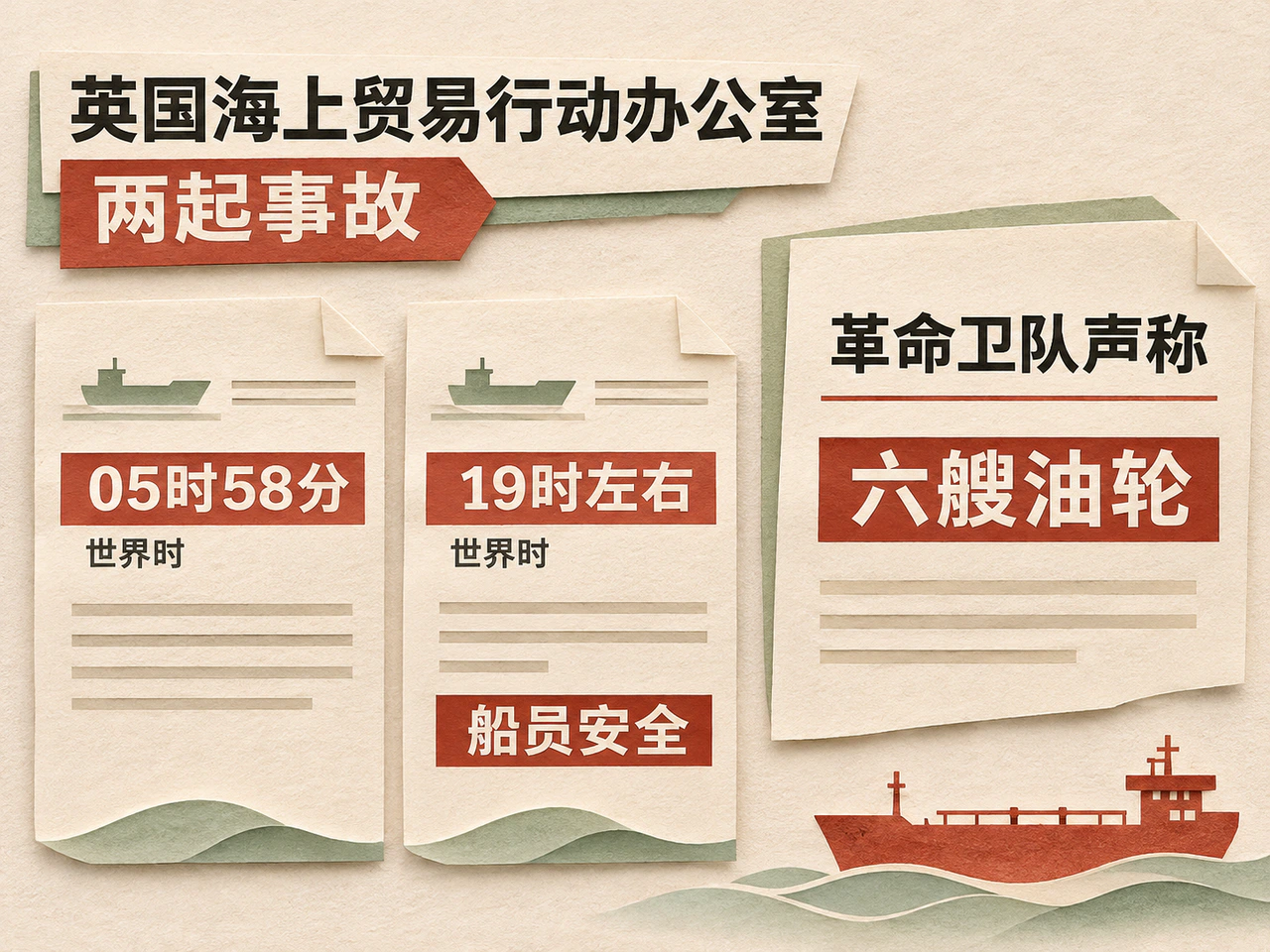
On November 18, 2026, ADNOC Logistics & Services confirmed that one of its vessels had been attacked while passing through the Strait of Hormuz the previous evening. Eleven crew members were injured and one was missing. All remaining personnel had been evacuated, and search and rescue operations were continuing. The same day, shipping data provider Kpler reported that Middle Eastern oil exports, including pipelines that bypass the strait, still amounted to about 15 million barrels a day, a marked decline from October. For buyers, crude can still leave the Gulf; for crews and shipowners, every passage carries its own risk.
Exports through the strait fall as pipelines carry part of the flow
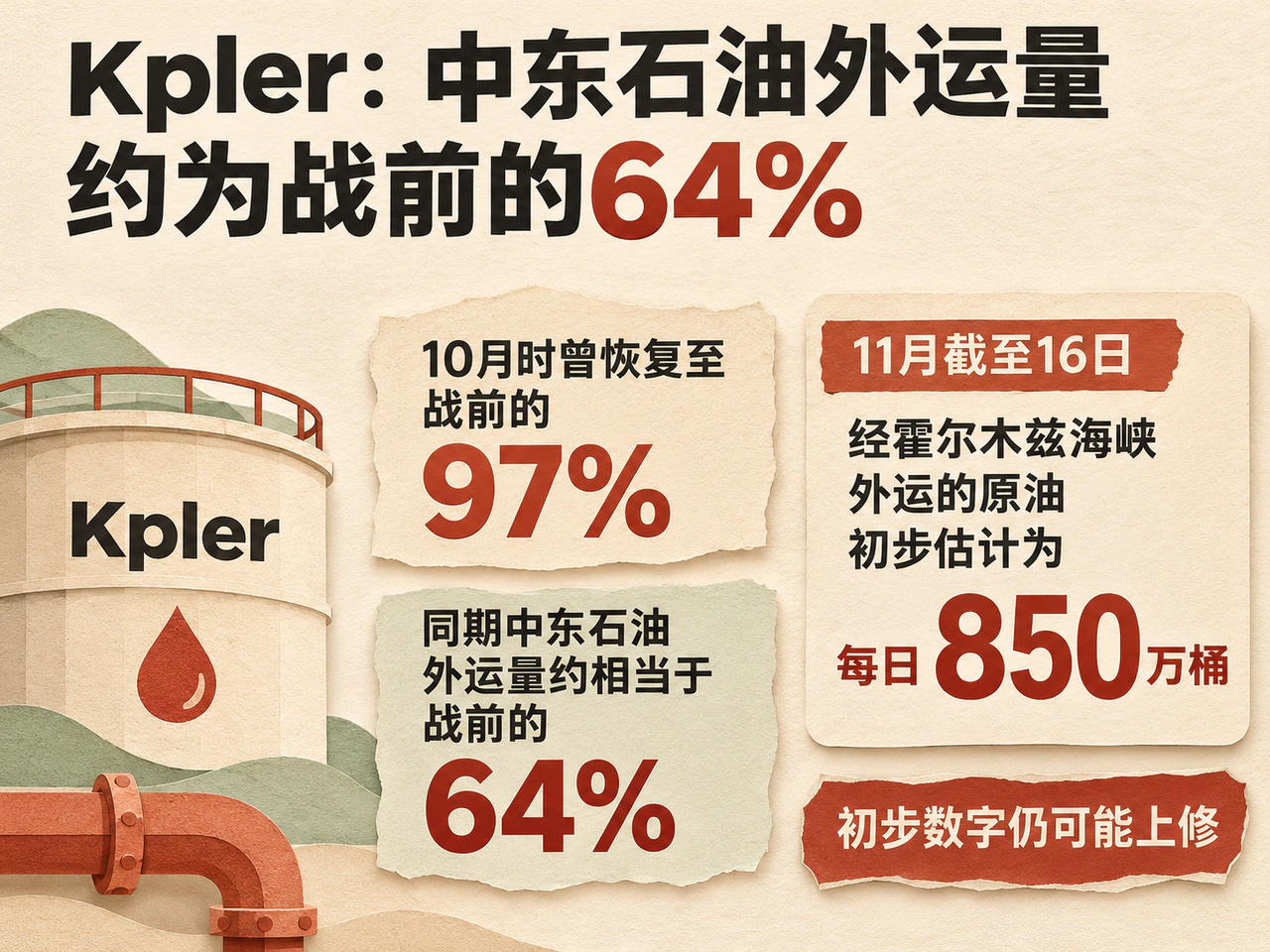
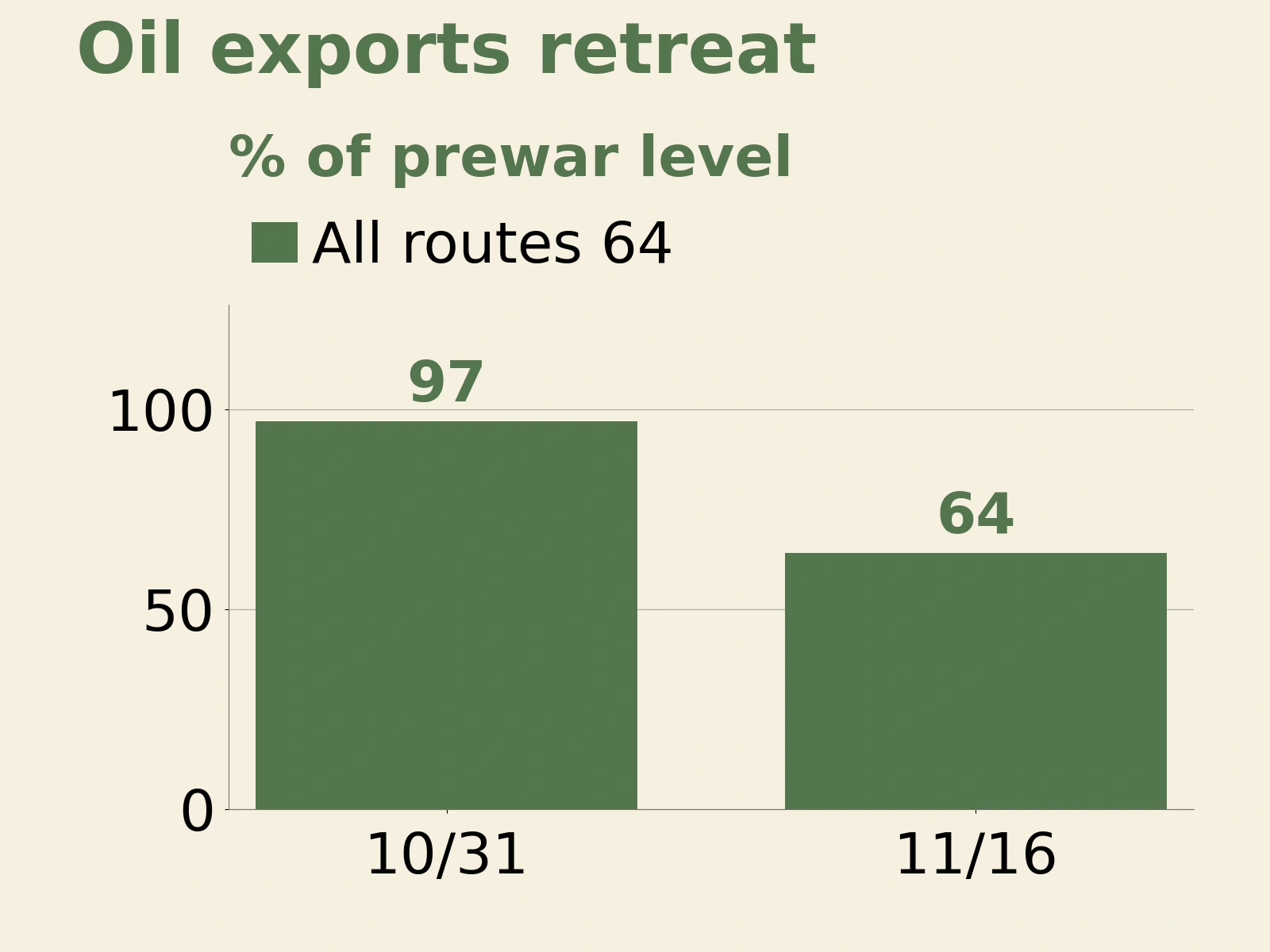
According to the Associated Press, Kpler said at a media briefing on November 18 that its preliminary estimate of crude exports through the Strait of Hormuz for November through the 16th was 8.5 million barrels a day. Including both seaborne shipments and pipelines, Middle Eastern oil exports over the same period were equivalent to about 64% of prewar levels, after recovering to 97% in October. Kpler said the preliminary November figures could still be revised upward as more cargoes were confirmed.
Exports through Hormuz and the broader total including pipelines inform different business decisions. Refineries assessing feedstock supply look at how much oil producing countries actually ship across all routes; shipowners deciding whether to accept their next charter must confront the risks in the strait itself. Pipeline diversions for some crude can ease buyers’ supply pressures, but they cannot help crews already in danger. In its statement, the ADNOC shipowner named search and rescue and medical care as its immediate priorities. It did not identify who carried out the attack.
Resuming inspections: the agency and Iran disagree on the sequence
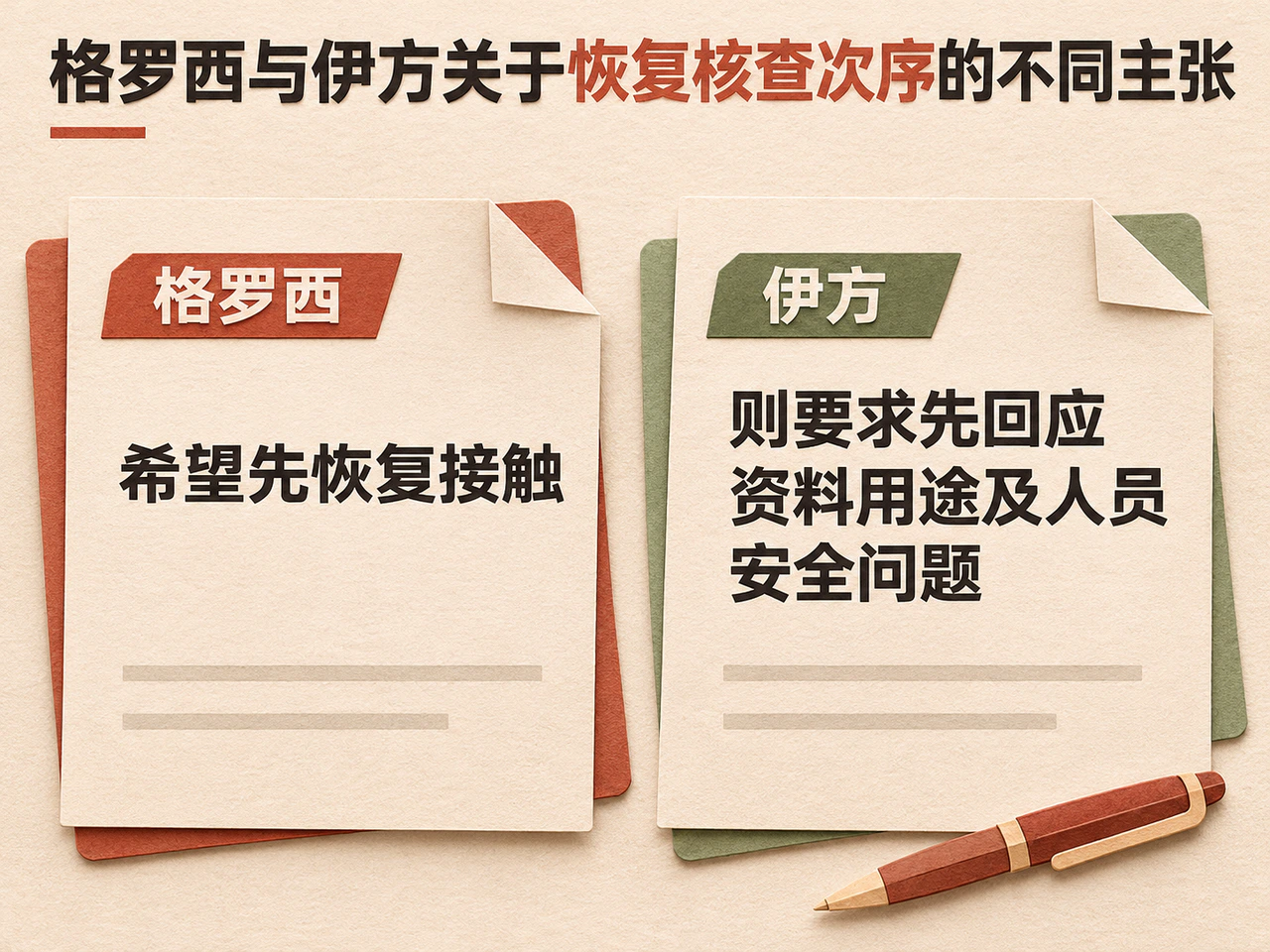
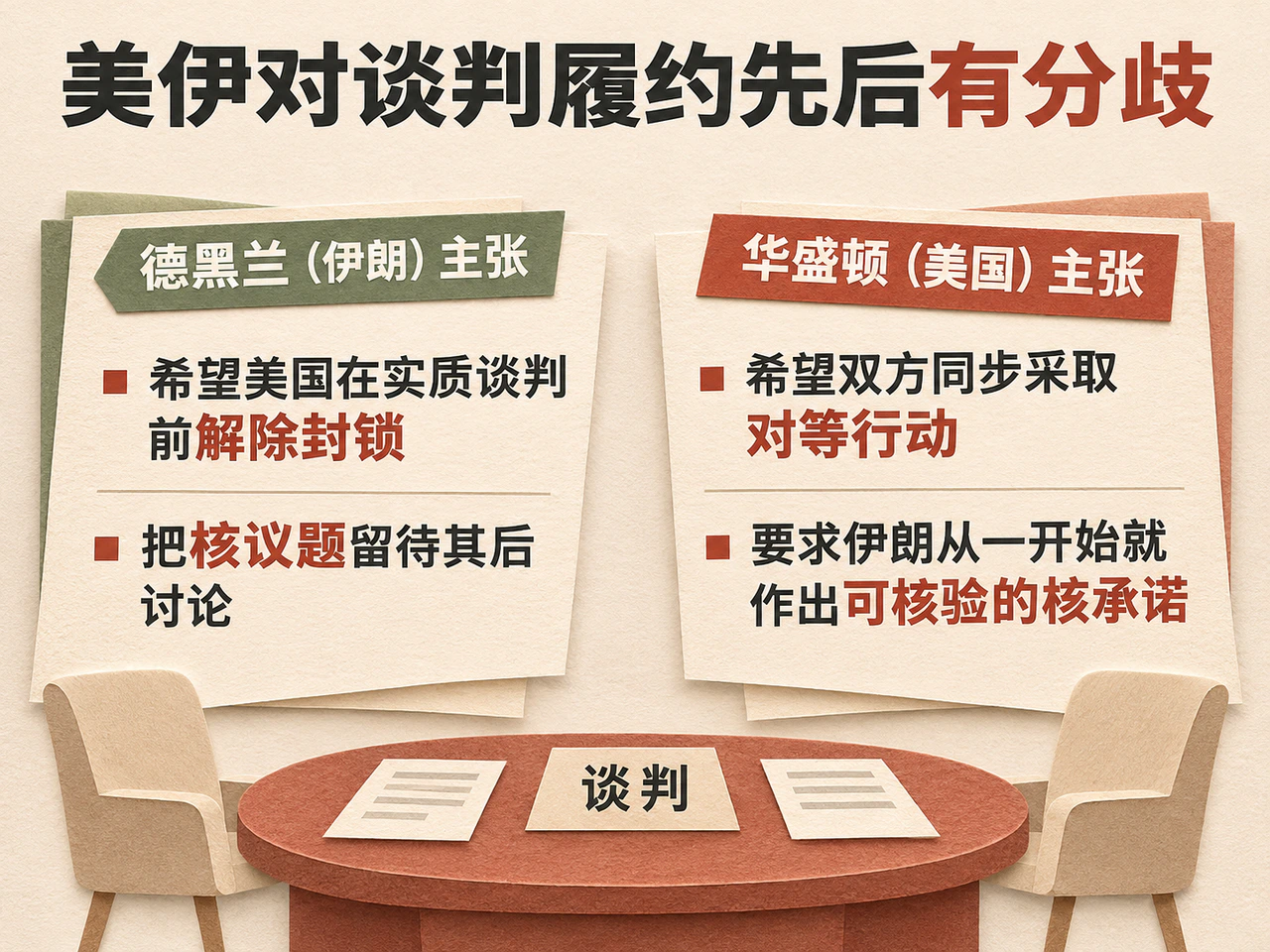
At the Board of Governors meeting and a press conference in Vienna on November 18, International Atomic Energy Agency Director General Rafael Grossi said the agency had so far conducted inspections only at the Bushehr nuclear power plant and could not verify the status of Iran’s other declared nuclear material and facilities. He advocated a phased resumption of verification, incorporating Iran’s security concerns into practical arrangements, while stressing that compliance with verification obligations should not depend on the resolution of other political issues. For diplomatic negotiations, inspectors’ ability to return to the sites bears on whether the parties can discuss commitments on the basis of mutually accepted facts.
In a legal memorandum responding to the agency’s report, Iran’s permanent mission in Vienna argued that it had received no assurances that information submitted to the agency would not be used in future attacks, and called on the agency to protect nuclear facilities and personnel. This reveals the specific sequencing dispute: Grossi wants to restore contact first and address security concerns as verification proceeds; Iran wants questions about the use of information and personnel safety answered first. Inspections have already taken place at Bushehr, but arrangements acceptable to both sides for other facilities remain subject to negotiation.
Gulf neighbors and Iran take different positions as the US maintains financial pressure
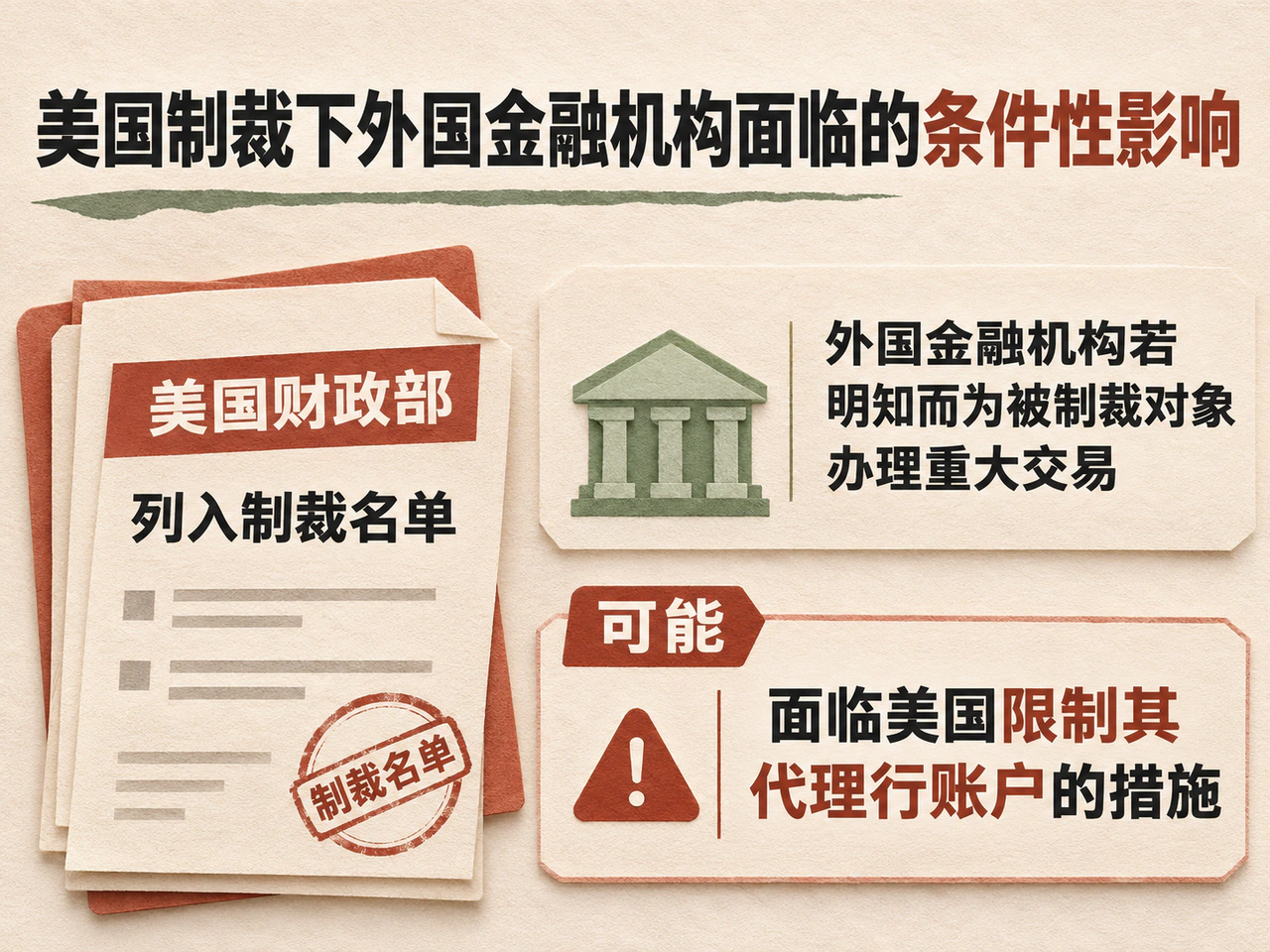
The secretary general of the Gulf Cooperation Council, Qatar and the United Arab Emirates condemned attacks on Kuwait and Bahrain. Iran’s foreign ministry subsequently called on neighboring governments to prevent the United States from using their territory to attack Iran. On November 18, the US Treasury announced sanctions against charities it identified as linked to Lebanon’s Hezbollah, as well as individuals and businesses involved in transfers of gold and cash. Foreign financial institutions that knowingly conduct significant transactions for sanctioned parties may also face US restrictions on their correspondent accounts.
The costs of the conflict therefore feed into two concrete sets of decisions: at sea, shipowners must decide how much risk to take to keep carrying cargo; onshore, banks must decide whether they can continue settling transactions for particular counterparties.
Key developments

All times below are Beijing time, listed in reverse order of disclosure.
| Key developments |
|---|
| Iran’s foreign ministry responded to the condemnation by the GCC secretary general, Qatar and the UAE of attacks on Kuwait and Bahrain, calling on neighboring countries to prevent the US from using their territory to attack Iran. |
| The US Treasury announced sanctions against charities it identified as linked to Lebanon’s Hezbollah, as well as individuals and companies involved in transfers of gold and cash. |
| Iran’s permanent mission in Vienna reportedly said in a legal memorandum that the secure use of verification information had not yet been guaranteed. |
| IAEA Director General Rafael Grossi said the agency could not verify the status of Iran’s declared nuclear material and facilities other than the Bushehr nuclear power plant. |
| ADNOC Logistics & Services reported that its vessel had been attacked while passing through the Strait of Hormuz the previous evening. Eleven crew members were injured and one was missing. All remaining personnel had been evacuated, and search and rescue operations were continuing. |