On November 19, HSBC integrated its Hong Kong dollar stablecoin, RedCoin, into a retail investment service in Hong Kong. Eligible customers can use the HSBC HK Mobile Banking app to subscribe to tokenized units of HSBC Global Money Funds – Hong Kong Dollar, starting with 100 RedCoin, equivalent to HK$100. When RedCoin launched last month, its main uses were transfers between individuals and merchant payments. This development gives holders another destination for their money: they can use the payment instrument to subscribe to a fund and acquire an investment interest in a portfolio of short-term Hong Kong dollar assets.
From a Payment Balance to Fund Units
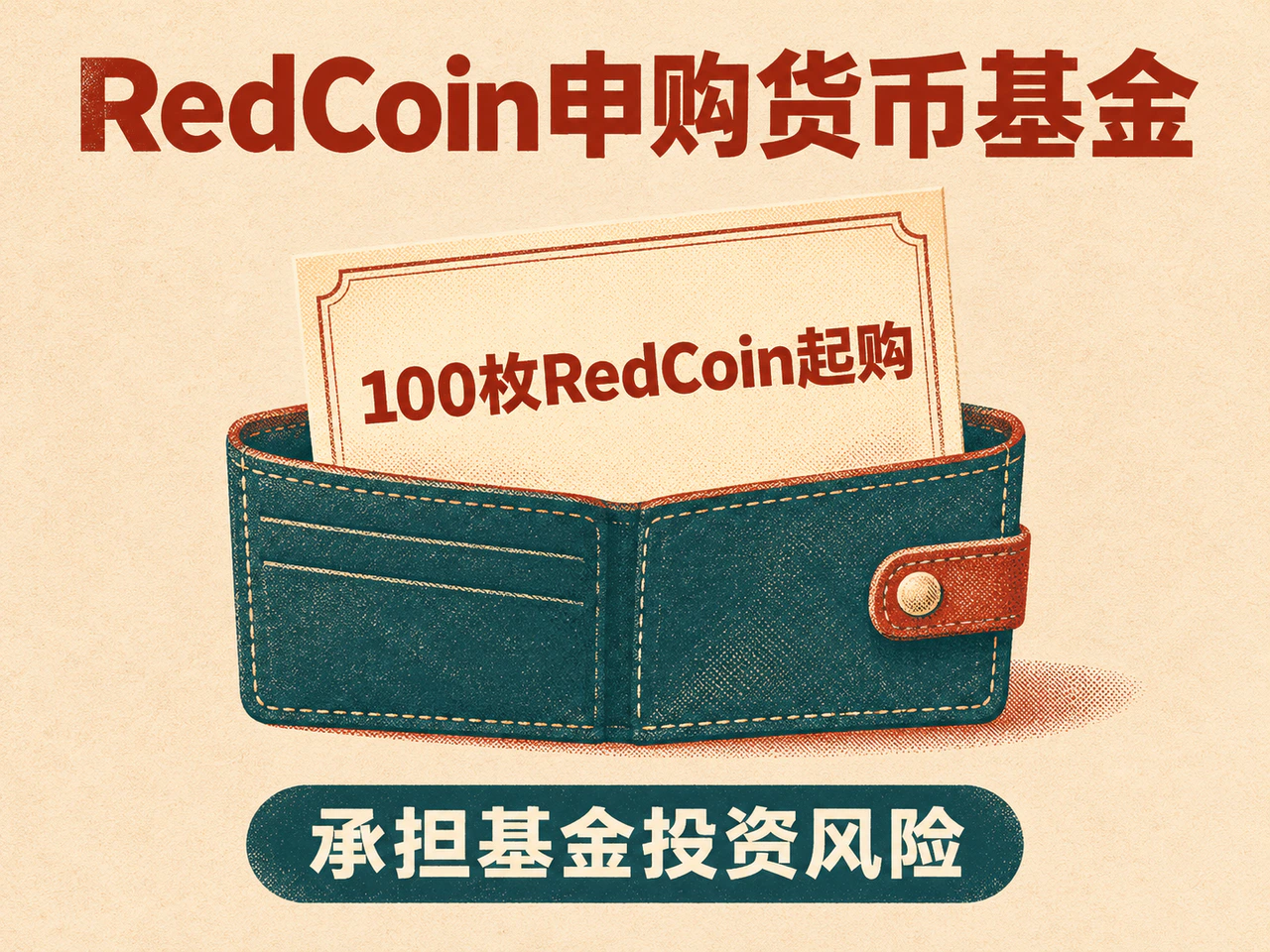
According to HSBC’s product guide, a subscription using RedCoin combines payment, order confirmation and unit issuance in a single operation. Take 100 RedCoin as an example: before subscribing, the customer holds a stablecoin pegged to the Hong Kong dollar; afterward, the customer holds fund units and bears the investment risks of the fund’s asset portfolio. The subscription takes place within the same app, but the source of returns and the means of exiting the asset differ before and after the transaction.
The fund’s offering documents set out its investment strategy: at least 70% of its net asset value is invested in short-term deposits and high-quality money market instruments denominated in Hong Kong dollars. It aims to preserve capital, provide daily liquidity and generate returns close to Hong Kong dollar money market rates, but does not guarantee principal. The fund’s returns depend on the performance of its deposits and money market instruments. Continuing to hold RedCoin does not give a customer fund units. The bank has connected payments with investing, but the decision to subscribe remains with the customer.
Transactions On-Chain, Official Ownership Off-Chain
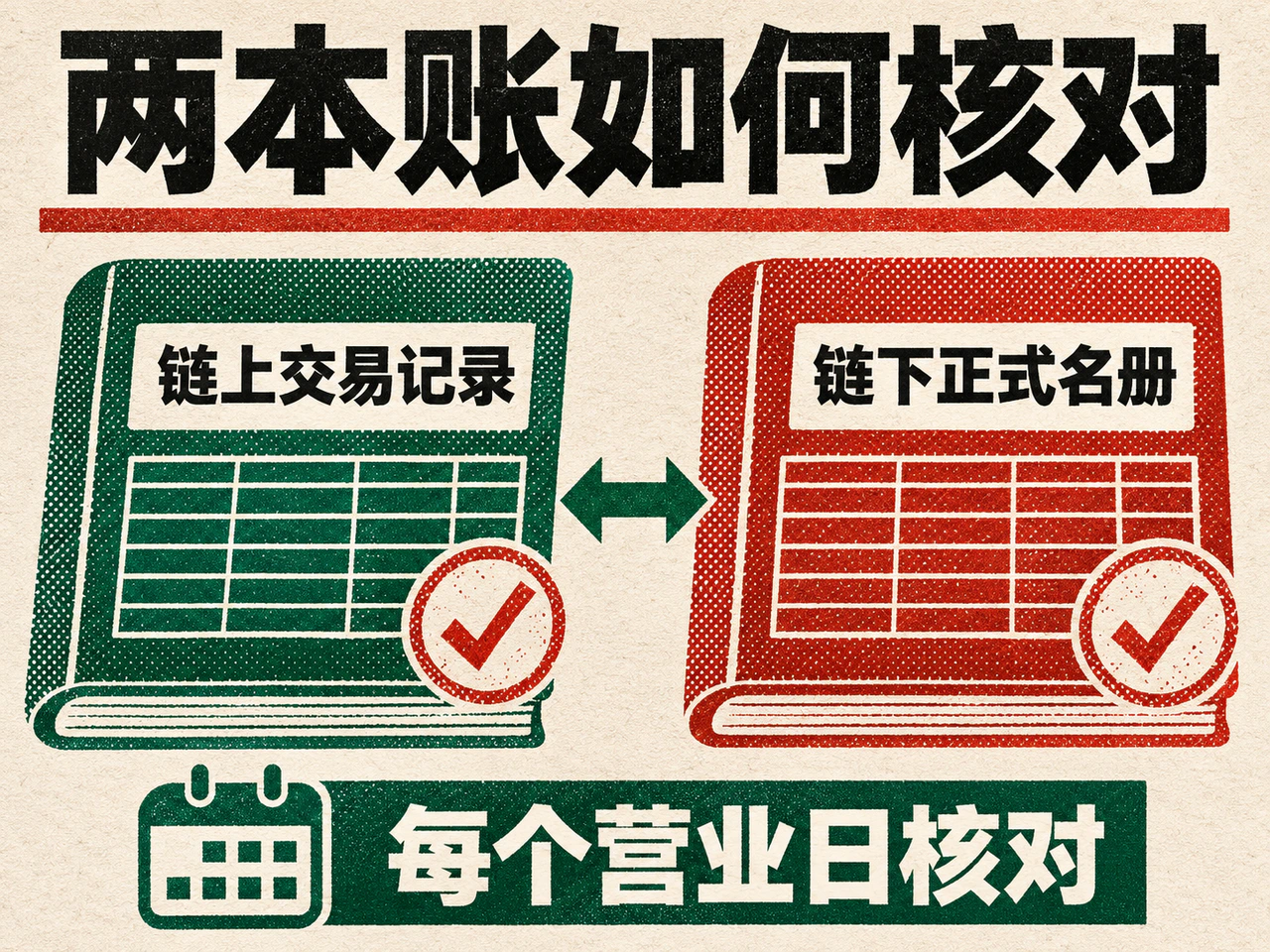
For investors, the operation is completed in one step within the app. Behind the scenes, however, a subscription must still establish two things: who receives the units, and which record prevails if an error occurs.
The fund’s October 2026 prospectus designates Ethereum as its initial public blockchain. Transactions in tokenized units are recorded on-chain, and only approved wallets can participate in the relevant transactions. These units are subscribed for and redeemed in the primary market through eligible distributors; there is no secondary-market trading. Customers wishing to cash out must still use the fund’s redemption channel.
The prospectus also specifies that subscription monies at the fund level undergo final settlement off-chain, while the registrar maintains the official register of unitholders off-chain. The tokenization agent reconciles that register with the on-chain token records every business day. If the two differ, token records in the wallets are adjusted to match the official register. The public blockchain thus provides a transaction record that can be checked, while the trustee and registrar retain the authoritative basis for ownership of the units.
This arrangement reflects the practical trade-offs banks make when adopting public blockchains. Customers do not have to handle payment and fund orders separately, while the back office must manage both wallet eligibility and official registration, and reconcile on-chain and off-chain records. To judge whether the service can attract sustained customer use, subscriptions, redemptions and continued holdings of the fund’s tokenized units will provide more direct evidence than RedCoin’s total circulation. RedCoin can be used for both merchant payments and transfers between individuals, so its total circulation alone cannot show how much money remains invested in the fund.
Click “Read original” for the full details.